From breakfast to dinner, from wholesome meals to indulgent desserts, Nexa Recipes offers quick, easy, and delicious ideas for every occasion and every moment.



 This Recipe
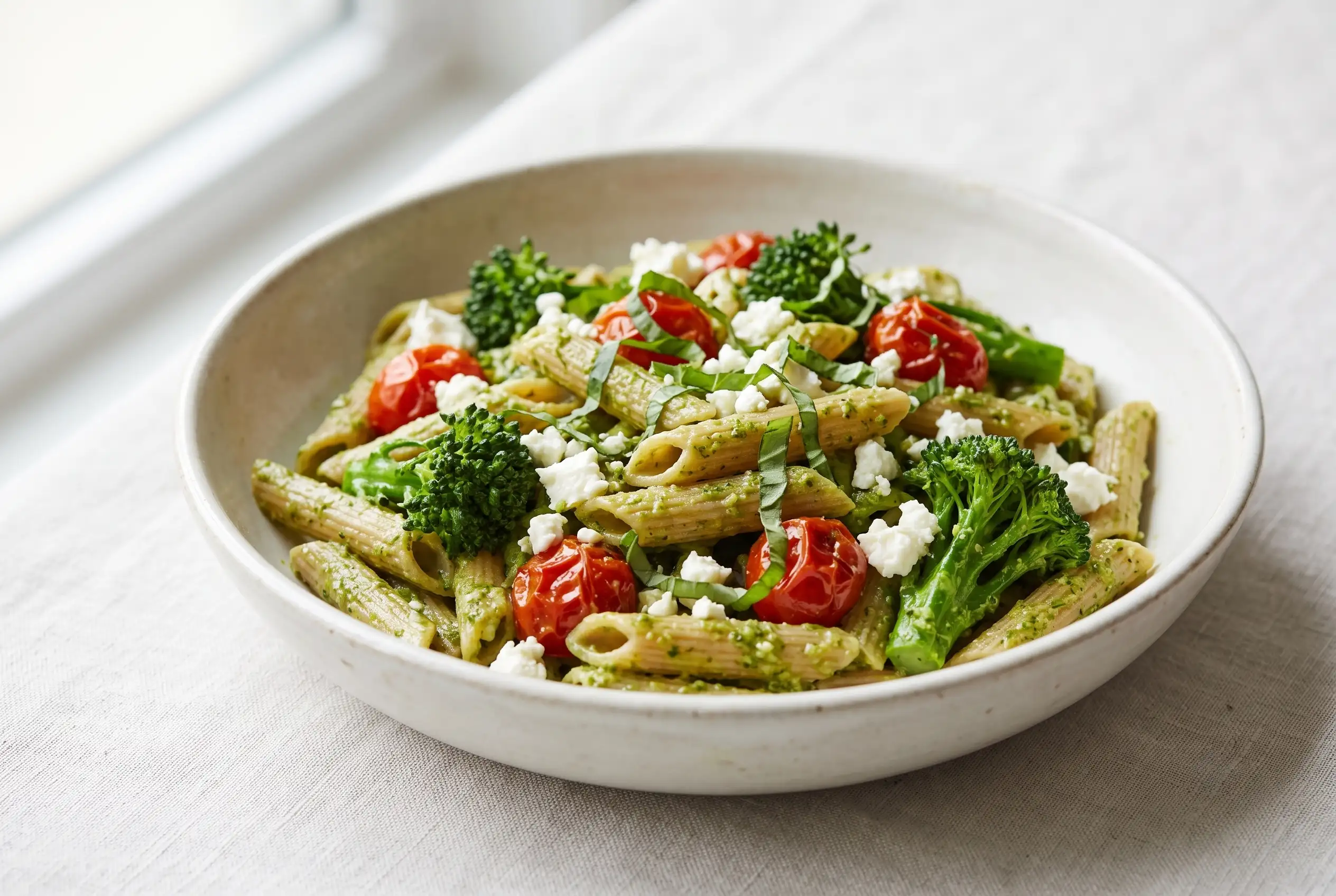
Lemon pesto penne brings together bright citrus, herbaceous pesto, tender vegetables, and whole wheat pasta in a simple meal built around fresh flavors. The combination of pesto, lemon juice, oven roasted tomatoes, baby broccoli, and feta creates a balanced bowl where creamy, tangy, and savory notes work together. A well-prepared lemon pesto penne can feel light enough for lunch while still offering the satisfying texture expected from a pasta dinner.
Lemon Pesto Penne Creates Fresh Flavor With Simple Additions
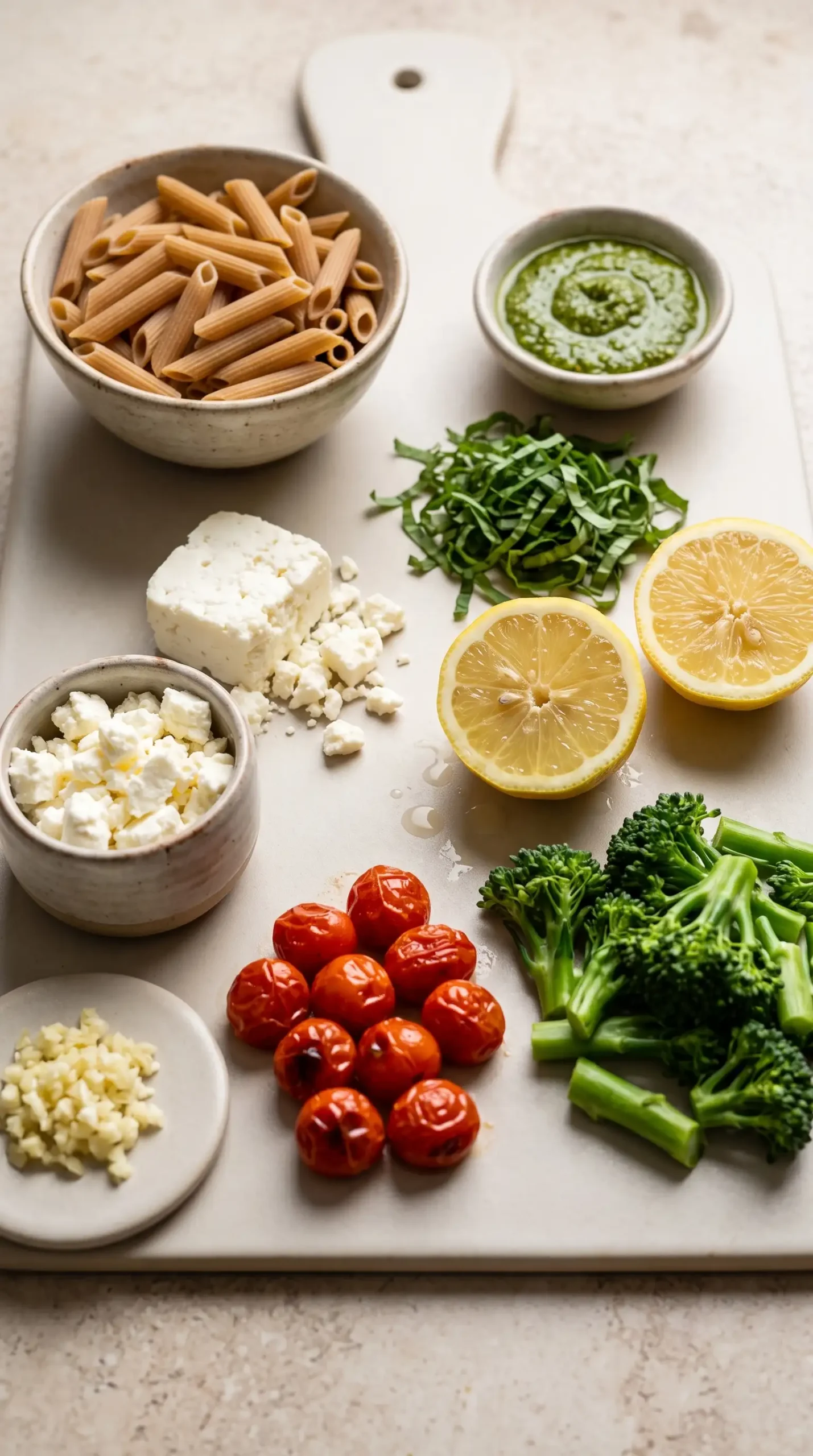
Whole wheat pasta gives the dish a hearty foundation that pairs naturally with bold pesto and sharp lemon. The pasta shape also helps hold onto the sauce, allowing each serving to carry the flavors evenly without requiring a heavy coating.
Bright ingredients change the character of a quick pasta meal. Lemon cuts through the richness of pesto, while roasted tomatoes provide concentrated flavor and a tender texture. Baby broccoli adds a vegetable element that keeps the dish colorful and gives each bite a pleasant contrast.
Many pasta dishes depend on long simmering sauces, but this 20 minute lemon pesto pasta style focuses on combining prepared ingredients at the right moments. The approach keeps the flavors distinct and allows the fresh basil and feta finish to remain noticeable.
Whole Wheat Penne Builds a Better Pesto Base
The ingredient choice most likely to improve lemon pesto penne is the balance between pasta texture, sauce consistency, and finishing flavors. Whole wheat penne offers a slightly nutty character that works well with pesto’s herbs and the acidity from lemon.
- Pesto texture: A smooth pesto coats the pasta more evenly when tossed thoroughly with the warm penne.
- Tomato preparation: Rinsing excess oil from oven roasted tomatoes keeps the finished dish from becoming overly heavy.
- Fresh finish: Basil ribbons and feta added near serving preserve their distinct flavors.
Small adjustments can change how the components interact. Using baby broccoli keeps the vegetable pieces tender and easy to combine with the pasta, while alternatives such as broccolini or broccoli rabe can create different textures and stronger vegetable flavors.
Baby Broccoli Keeps Penne With Broccoli and Pesto Balanced
Vegetable size matters in penne with broccoli and pesto because the pasta and broccoli should feel like one cohesive dish. Baby broccoli cooks quickly and fits naturally alongside penne without overwhelming the sauce.
| Vegetable option | Texture result | Flavor effect |
|---|---|---|
| Baby broccoli | Tender pieces with a delicate bite | Mild green vegetable flavor |
| Broccolini | Longer stems with a slightly firmer texture | Slightly sweeter vegetable character |
| Broccoli rabe | More pronounced leafy texture | Stronger bitter-green notes |
Cooking the broccoli briefly helps it stay vibrant. Adding it during the pasta cooking process allows it to soften while still maintaining enough structure to contrast with the sauce.
Lemon Juice Controls the Pesto Flavor Balance
The lemon element in lemon pesto penne has an important job beyond adding brightness. The acidity helps balance the richness of pesto and cheese, creating a pasta dish that tastes lively instead of overly dense.
Fresh lemon juice works best when added after the pasta and pesto come together. This keeps the citrus character clear and prevents the flavor from becoming muted during extended heat exposure.
Pesto Tossing Technique Prevents Dry Penne
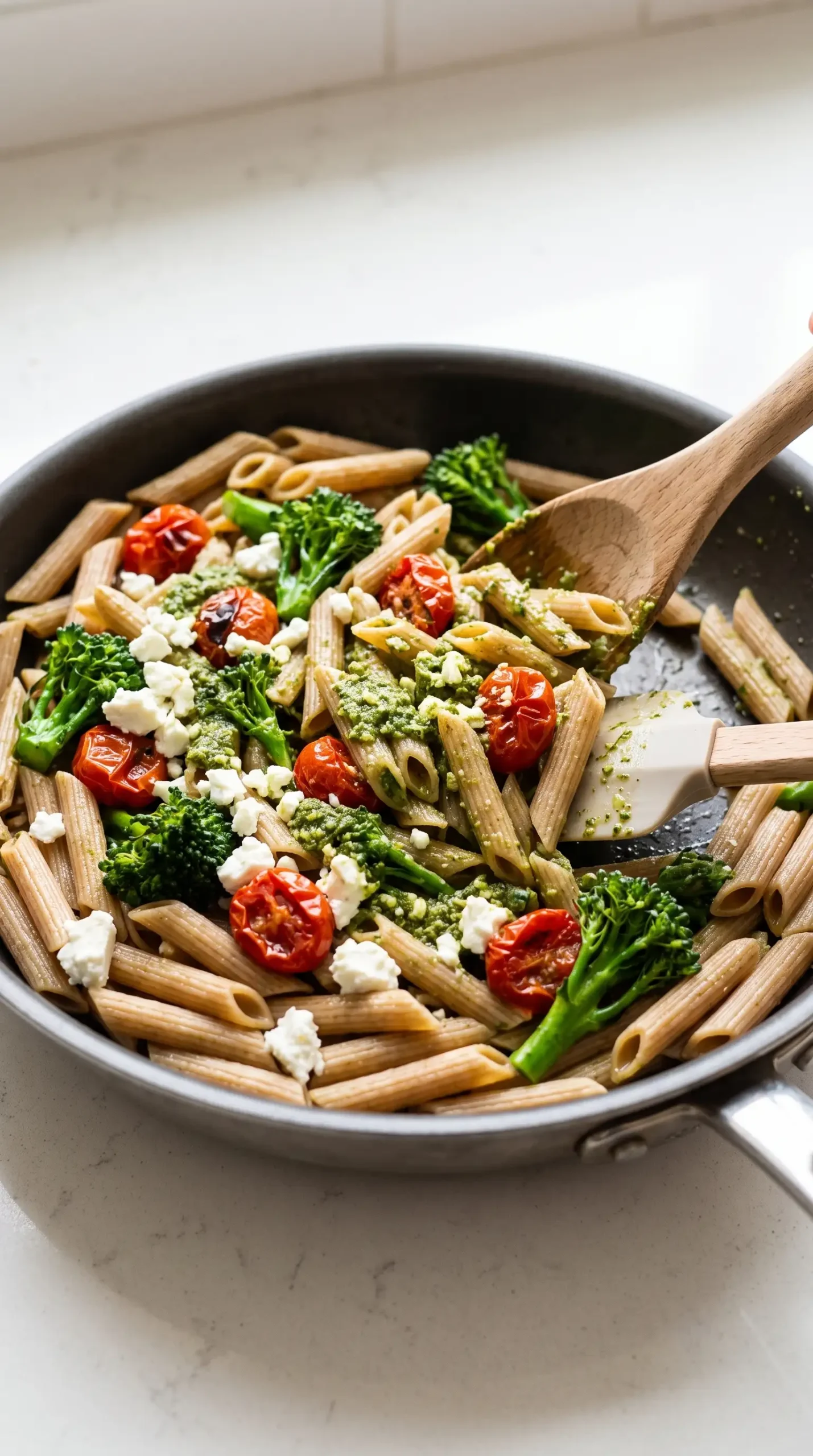
Warm pasta absorbs sauce quickly, so the way pesto is incorporated affects the finished texture. Tossing the penne thoroughly distributes the pesto across the pasta surface and helps combine the tomatoes, broccoli, and cheese. A batch of vegan kale pesto can be used when adjusting the sauce base while keeping the herb-forward character of the dish.
Several small cooking choices support a better result:
- Cook the pasta until it reaches a pleasant texture before combining it with the other ingredients.
- Keep the warm pasta moving with the pesto mixture so the sauce reaches the inside curves of the penne.
- Add delicate finishing ingredients after removing the pan from heat to preserve their fresh qualities.
Careful tossing also helps the feta work as a finishing element instead of becoming lost in the sauce. The cheese should remain visible while adding a salty contrast to the pesto and lemon.
Common Lemon Pesto Penne Mistakes That Affect Results
Several avoidable issues can change the texture and flavor of lemon pesto penne. Understanding these problems makes it easier to adjust during cooking.
- Overcooking broccoli: Soft, dull-colored broccoli can lose the fresh contrast that makes the pasta appealing. Remove it once it turns bright green and tender.
- Adding all cheese too early: Keeping some feta for the top preserves its crumbly texture and salty finish.
- Skipping the tomato adjustment: Excess oil from roasted tomatoes can make the dish feel heavier than intended.
Warm Pasta Helps the Sauce Coat Every Piece
Cooking control is the most important factor for executing this dish well. The warm pasta creates the right environment for pesto, lemon juice, and other additions to combine smoothly without requiring a separate sauce preparation.
Returning the drained pasta to the pan over medium-high heat allows the vegetables, tomatoes, and garlic to develop a more integrated flavor. A short sauté encourages the ingredients to come together while keeping the overall preparation quick.
Timing the finishing ingredients matters. Basil should be added away from direct heat, allowing its aroma to remain fresh. The remaining feta can then sit on top as a noticeable garnish with a creamy, salty bite.
Twenty Minute Pasta Planning Makes Weeknight Cooking Easier
A practical weeknight meal benefits from ingredients that work together without complicated preparation. Lemon pesto penne uses pantry-friendly pasta and ready-to-use flavor builders while adding vegetables for a more complete plate.
The dish can fit several eating occasions because it works warm from the pan or as a chilled pasta option. The combination of pesto, lemon, and vegetables keeps the flavor profile refreshing across different serving styles.
Lemon Pesto Penne Variations Change Texture Naturally
Simple variations can personalize the dish while keeping the core flavor combination intact. The vegetable choice can shift the texture, and small finishing changes can create a different experience.
| Variation | Adjustment | Result |
|---|---|---|
| Extra vegetable version | Add more broccoli-style vegetables | A greener, more produce-focused pasta |
| Cheese-forward finish | Increase feta at serving | A sharper salty contrast |
| Herb-focused finish | Add more fresh basil ribbons | A stronger fresh aroma |
These changes work because the original structure remains recognizable. The pasta still provides the base while pesto, citrus, vegetables, and cheese continue to define the dish.
Storage Choices Preserve Lemon Pesto Penne Texture
Cooked pasta is best enjoyed when its texture remains firm and the sauce stays evenly distributed. When saving leftovers, use a covered container and reheat gently to avoid drying the pasta.
Cold portions can also work well because pesto and lemon maintain their character after chilling. A small amount of fresh basil or feta added before eating can refresh the flavors.
Lemon Pesto Penne Delivers A Balanced Pasta Finish
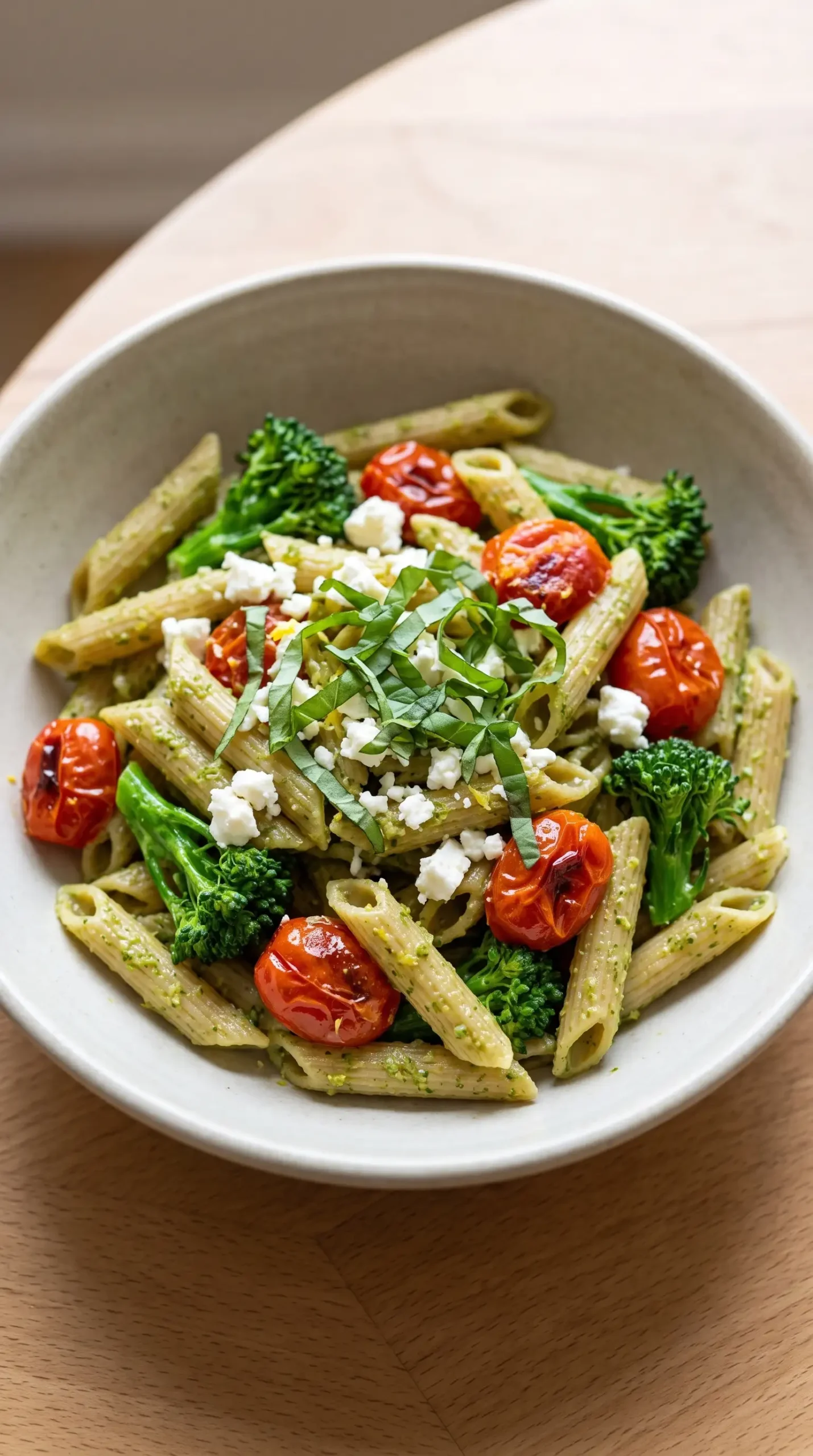
The combination of whole wheat penne, pesto, lemon, broccoli, roasted tomatoes, and feta creates a dish where each element has a clear purpose. The strongest results come from preserving the contrast between creamy pesto, bright citrus, tender vegetables, and fresh herbs.
Lemon pesto penne succeeds when the pasta remains well coated without becoming heavy. Careful timing with the broccoli, pesto, and finishing ingredients keeps the meal vibrant and makes the simple combination feel complete.
Lemon Pesto Penne Storage Questions and Flavor Answers
Can lemon pesto penne be made ahead of time?
Yes, the pasta can be prepared ahead and stored until serving. Adding fresh basil or a small amount of feta after reheating helps restore some of the brightness that develops during storage.
What pasta shape works if penne is unavailable?
Shapes with ridges or hollow centers are useful alternatives because they hold pesto well. Similar short pasta varieties can maintain the same sauce-to-pasta balance.
How can the pesto flavor stay bright?
Adding lemon juice and fresh basil near the end keeps the herb and citrus notes noticeable. Extended cooking after these additions can soften those flavors.
Can frozen broccoli replace baby broccoli?
Frozen broccoli can work, but it may have a softer texture after cooking. Adding it carefully and avoiding excess cooking helps maintain a pleasant consistency.
What makes whole wheat pesto penne different?
Whole wheat pesto penne has a deeper grain flavor and slightly firmer texture compared with many traditional pasta options. That heartier character pairs especially well with pesto and roasted vegetables.
Lemon Pesto Penne with Roasted Tomatoes and Feta Pasta
Lemon Pesto Penne is a fresh, hearty pasta dish with tender vegetables, creamy pesto, and bright lemon flavor. It is an easy choice for a flavorful weeknight meal with a satisfying mix of textures.
Ingredients
Method
Cooking
- Cook the penne according to the package directions. Add the baby broccoli to the boiling pasta water during the final 1-2 minutes of cooking, then drain everything and return it to the pan over medium-high heat.
- Add the roasted tomatoes and garlic to the pan with the pasta and broccoli. Sauté for 1-2 minutes until the garlic is fragrant.
- Mix in the pesto, half of the feta cheese, and lemon juice, tossing until the pasta mixture is evenly combined.
- Remove the pan from the heat, stir in the fresh basil, and finish with the remaining feta before serving.
Notes
You can also use regular broccoli, broccolini, or broccoli rabe. Each option has a different flavor and texture, but all can work well in this dish.