From breakfast to dinner, from wholesome meals to indulgent desserts, Nexa Recipes offers quick, easy, and delicious ideas for every occasion and every moment.



 This Recipe
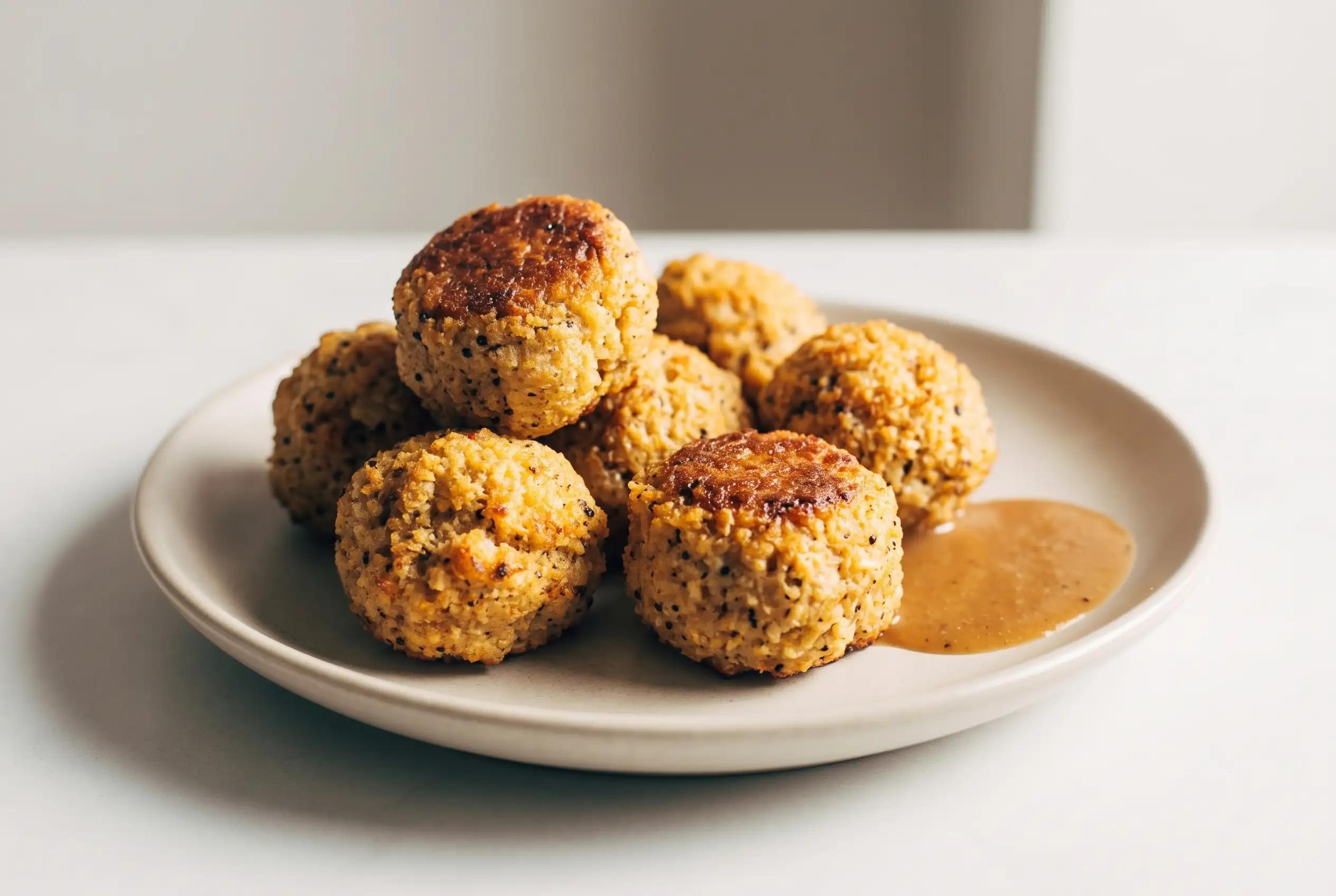
Vegetarian meatballs bring together cauliflower, quinoa, brown rice, breadcrumbs, and simple seasonings for a satisfying baked dish that works across many meals. The combination creates a soft center with enough structure to hold its shape, making these 30 minute vegetarian meatballs useful for bowls, salads, sauces, and make-ahead meals.
Cauliflower rice provides the vegetable foundation while cooked quinoa or brown rice helps create the familiar texture expected from a meatball-style dish. Preparing cauliflower rice with vegetables keeps the vegetable base tender and ready to blend with the grains. The mixture is blended until semi-smooth, shaped into small portions, coated with olive oil, and baked until lightly finished.
Cauliflower Quinoa Meatballs Create a Balanced Texture
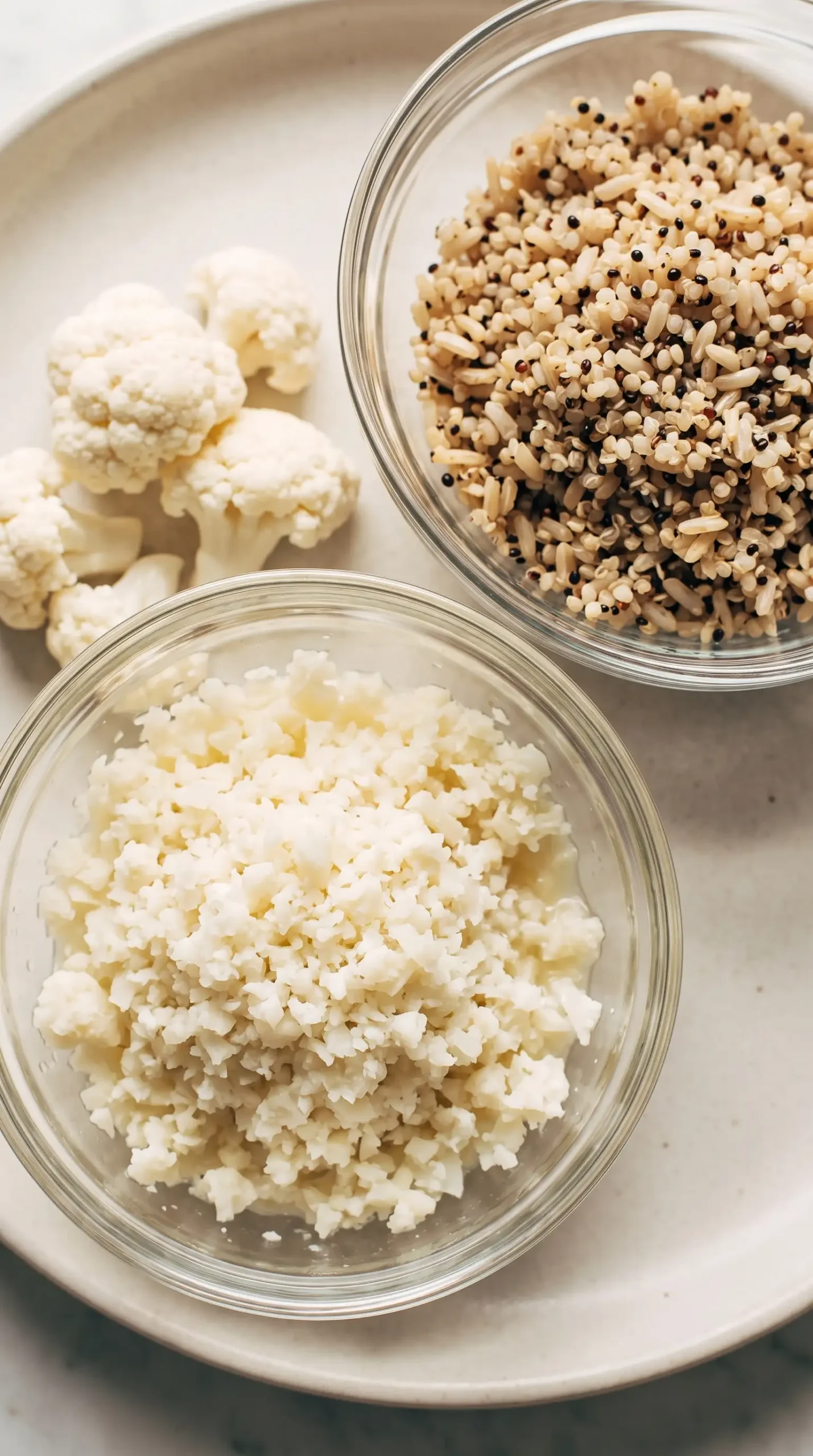
Texture development begins with the relationship between tender cauliflower and cooked grains. Cauliflower becomes soft after steaming or boiling, allowing it to blend into the mixture without creating large vegetable pieces that interrupt the shape.
Warm grains help the mixture come together smoothly during preparation. Cooked quinoa or brown rice contributes body and helps the cauliflower quinoa meatballs stay cohesive after shaping and baking.
Panko and Grains Shape Vegetarian Meatball Structure
Panko breadcrumbs provide the dry element that helps balance the moisture from cauliflower and cooked grains. Their lighter texture blends into the mixture while supporting the small rounds during baking.
Quinoa and brown rice offer flexibility because either option can be used as the grain base. A pre-cooked blend can simplify preparation, while freshly cooked grains that are warm and soft can also be incorporated.
Ingredient balance matters most when combining the mixture. The eggs help bind the components, while the spices and salt create the savory flavor profile without requiring a long ingredient list.
| Component | Role in the mixture | Helpful preparation detail |
|---|---|---|
| Cauliflower | Creates the vegetable base and soft texture | Cook until tender before blending |
| Quinoa or brown rice | Adds structure and substance | Use cooked grains that are warm and soft |
| Panko breadcrumbs | Balances moisture and supports shaping | Mix evenly throughout the bowl |
| Eggs | Helps hold ingredients together | Combine fully with the other ingredients |
Blending Texture Controls Successful Baked Vegetarian Meatballs
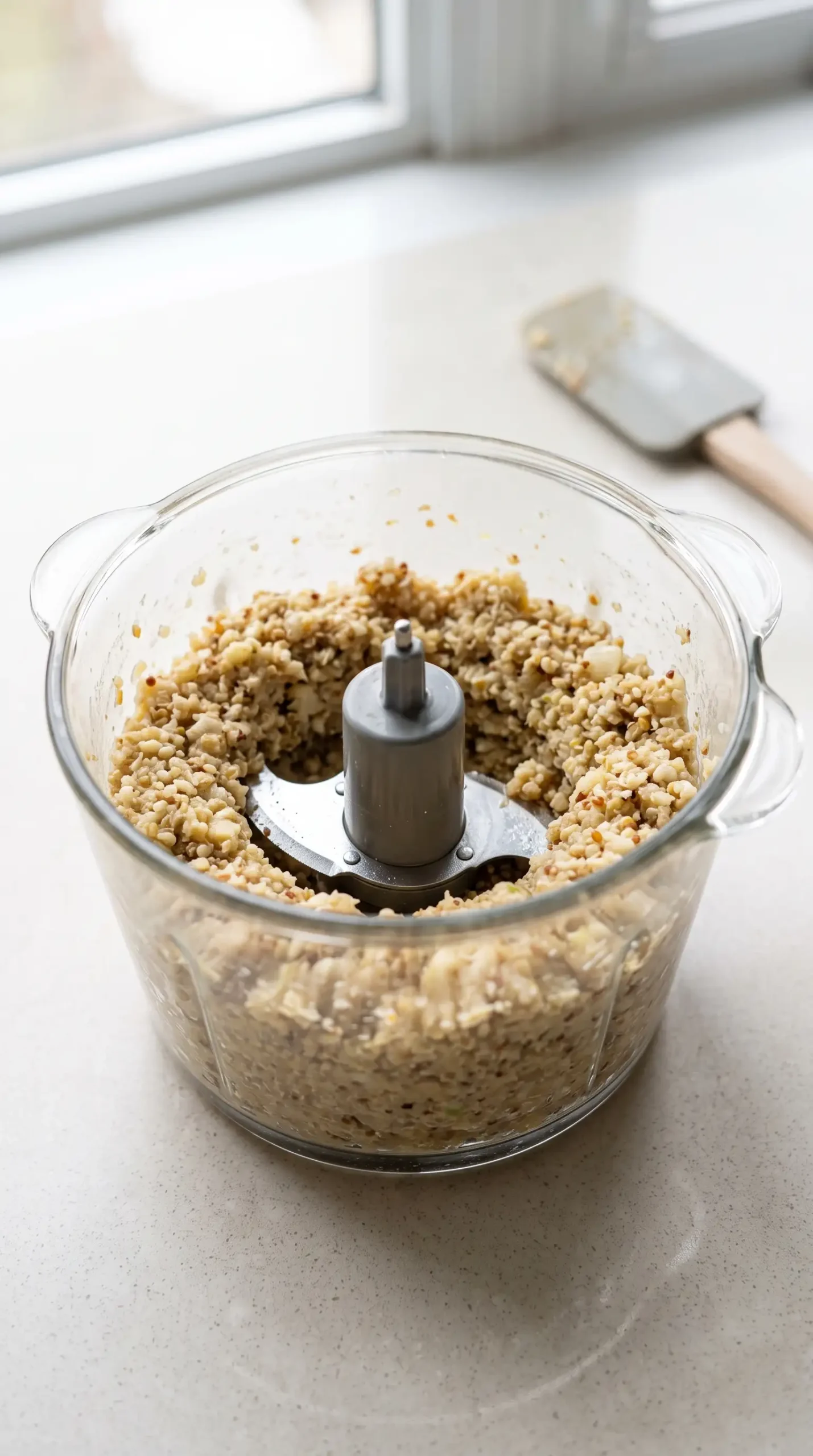
Smooth blending creates the consistency needed for reliable shaping. The cauliflower and quinoa mixture should become semi-smooth after processing, leaving enough texture to avoid a completely uniform paste.
Careful pulsing keeps the mixture workable. A food processor can quickly break down the cooked vegetables and grains, but short pulses allow the cook to watch the texture and stop before it becomes too processed.
Oven baking finishes the shaped meatballs while preserving their structure. Brushing the tops with olive oil before baking supports a more appealing exterior and helps the surface develop during cooking.
Cauliflower Quinoa Meatballs Mistakes That Affect Results
Several mistakes can change the texture of cauliflower quinoa meatballs, especially when moisture and consistency are not managed carefully. Paying attention during preparation helps the finished portions stay together.
Overly wet mixtures may become difficult to roll into balls. Draining boiled cauliflower florets well or following the steaming instructions for cauliflower rice helps prevent excess liquid from weakening the mixture.
Unevenly shaped portions can cook differently in the oven. Rolling each meatball with a similar amount of mixture creates a more consistent finished texture and appearance.
Inadequate blending can leave large pieces that make shaping harder. The mixture should be processed enough to combine the ingredients while still keeping some texture.
- Moisture check: Make sure cooked cauliflower is not carrying extra water before mixing.
- Texture check: Stop blending when the mixture is semi-smooth and still workable.
- Shape check: Roll small portions evenly so baking happens consistently.
Serving Ideas Expand Vegetarian Meatball Meals
Serving options make vegetarian meatballs adaptable for different meals. The baked portions can be paired with sauces, salads, or bowls depending on the style of dinner being prepared.
Bowls and salads provide simple ways to use the meatballs beyond a traditional plate. Their mild seasoning allows them to work with different toppings and accompanying flavors.
Storage Choices Protect Later Vegetarian Meatball Uses
Proper storage keeps prepared vegetarian meatballs ready for future meals. After baking, allow the portions to cool before placing them into a suitable container for later use.
After baking, cooked vegetarian meatballs should be handled promptly for safe storage. To limit time in the temperature danger zone, refrigerate leftovers within 2 hours of preparation before saving portions for future meals.
Frozen portions offer a convenient option when making extra servings. The baked meatballs can be saved for another meal and reheated when needed.
| Storage option | Best use | Handling focus |
|---|---|---|
| Refrigerated portions | Short-term meal preparation | Cool before storing |
| Frozen meatballs | Future dinners and quick meals | Freeze in usable portions |
| Prepared mixture | Shaping before baking | Keep ingredients combined and ready to roll |
Spice Blends Change Cauliflower Quinoa Meatball Flavor
Spice blends influence the personality of cauliflower quinoa meatballs without changing the basic preparation. Chili powder, paprika, and cumin each create a different direction while keeping the recipe simple.
Mild paprika can create a warmer flavor, while cumin adds an earthy note and chili powder brings more noticeable spice. Adjusting the seasoning allows the same base mixture to fit different meals.
Mixing Decisions Keep Vegetarian Meatballs Consistent
Gentle mixing helps distribute the eggs, breadcrumbs, spices, and grains throughout the cauliflower mixture. Even distribution means each shaped portion contains a similar combination of ingredients.
Consistent portions also improve the cooking experience. Smaller rounds are easier to handle, coat with olive oil, and arrange for baking without requiring complicated shaping techniques.
Meal Pairings Make Vegetarian Meatballs Flexible
Dinner plates become more varied when vegetarian meatballs are used as a centerpiece with simple sides. The baked portions can add substance to meals that include fresh vegetables or grains.
Fresh salads provide a lighter pairing that highlights the vegetable-based mixture. Bowls create another option by combining the meatballs with other ingredients already prepared in the kitchen.
Freezing Plans Preserve Vegetarian Meatballs for Future Meals
Freezing baked vegetarian meatballs allows a prepared batch to become a convenient starting point for later meals. The portions can be saved after baking and used when a quick addition is needed.
Later meals benefit from having ready-to-use vegetarian portions available. Keeping frozen meatballs organized makes it easier to pair them with sauces, salads, or bowls without repeating the full preparation process.
Baked Vegetarian Meatballs Deliver a Reliable Plant Based Centerpiece
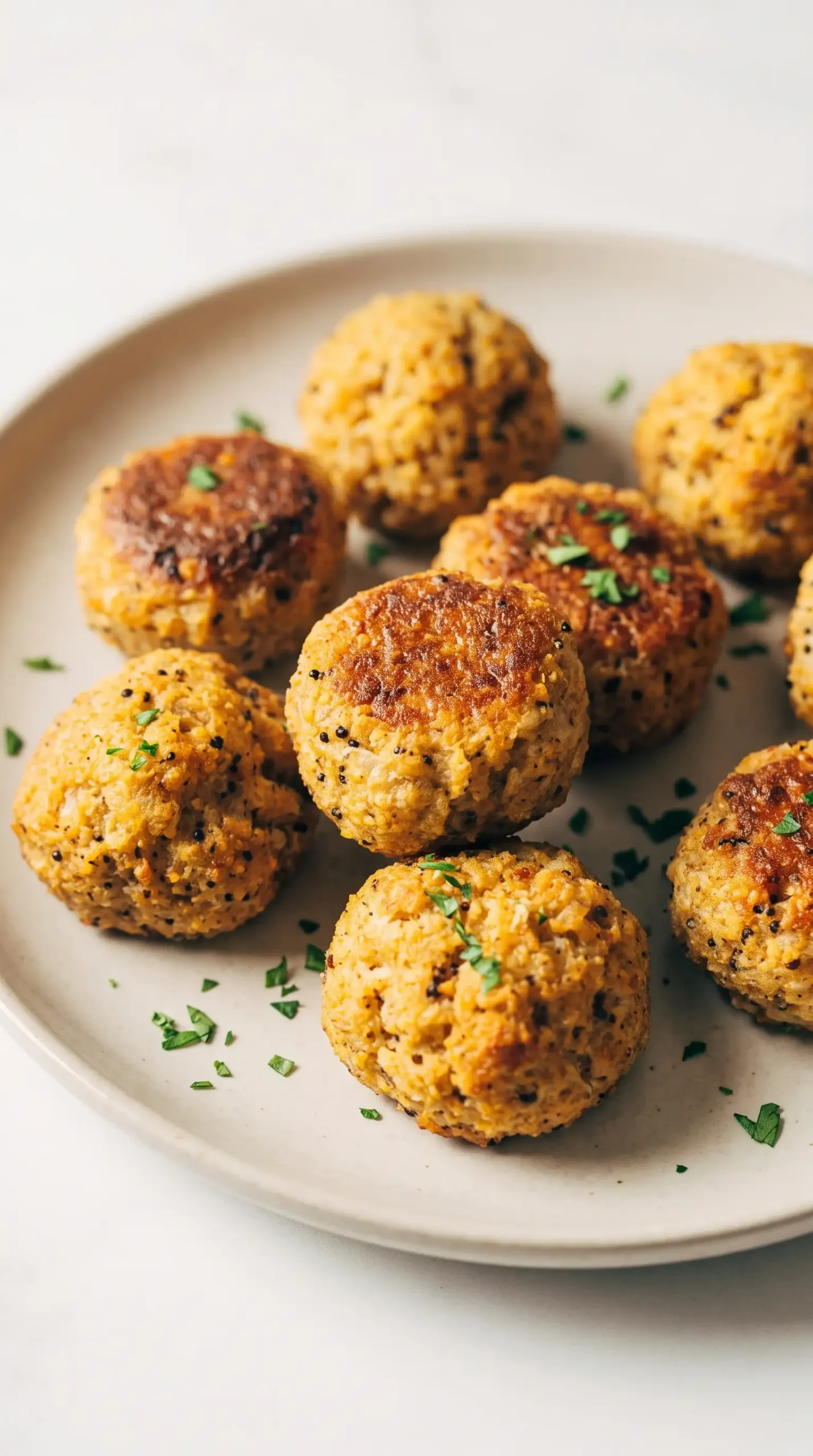
Baked vegetarian meatballs succeed when the cauliflower moisture, cooked grains, and binding ingredients reach the right balance. The texture depends on careful blending and shaping, while the baked finish creates a practical way to serve the vegetable-based mixture.
Cauliflower and quinoa create a flexible combination that turns simple ingredients into a meal component suitable for many occasions. Attention to texture during preparation makes the difference between a mixture that holds together and one that needs adjustment.
Common Questions About Texture and Freezing Vegetarian Meatballs
Can cooked quinoa be replaced with brown rice?
Cooked brown rice can replace quinoa in the mixture because both options provide a grain-based structure. A combination of quinoa and brown rice can also be used when both are available.
Can cauliflower florets be used instead of cauliflower rice?
Cauliflower florets can be used by cooking them until tender and draining them before processing. The goal is to create a soft cauliflower base that blends with the cooked grains.
How can the flavor of vegetarian meatballs be adjusted?
The flavor can be changed by adjusting the spices used in the mixture. Chili powder, paprika, and cumin provide different seasoning directions while keeping the same basic ingredients.
Can frozen vegetarian meatballs be used for future meals?
Frozen vegetarian meatballs can be saved for later meals after baking. They provide a convenient option for adding a prepared vegetable-based portion to sauces, salads, or bowls.
Vegetarian Meatballs with Cauliflower and Brown Rice
Vegetarian Meatballs with Cauliflower and Brown Rice are a hearty baked dish with a soft, cohesive texture and savory flavor. They are an easy option for adding a versatile plant-based centerpiece to meals.
Ingredients
Method
Preparation
- Preheat the oven to 400°F (204°C). Steam the cauliflower rice according to package directions in the microwave. Warm the rice using the same method so it becomes soft. If using cauliflower florets, boil them until tender and drain well.
- Pulse the cauliflower and quinoa through a food processor until the mixture is semi-smooth. Transfer it to a large mixing bowl and add the remaining ingredients. Stir until evenly combined.
- Shape the mixture into small balls using about one heaping tablespoon of mixture for each ball.
Baking
- Brush the shaped meatballs generously with olive oil and bake for 20 minutes.
Serving
- Serve with sauces, salads, bowls, or freeze for later use.
Notes
This recipe was updated on 8/19/21 based on reader feedback. The previous version used 3/4 cup oat flour, 3 cups brown rice, and 4 eggs.