From breakfast to dinner, from wholesome meals to indulgent desserts, Nexa Recipes offers quick, easy, and delicious ideas for every occasion and every moment.



 This Recipe
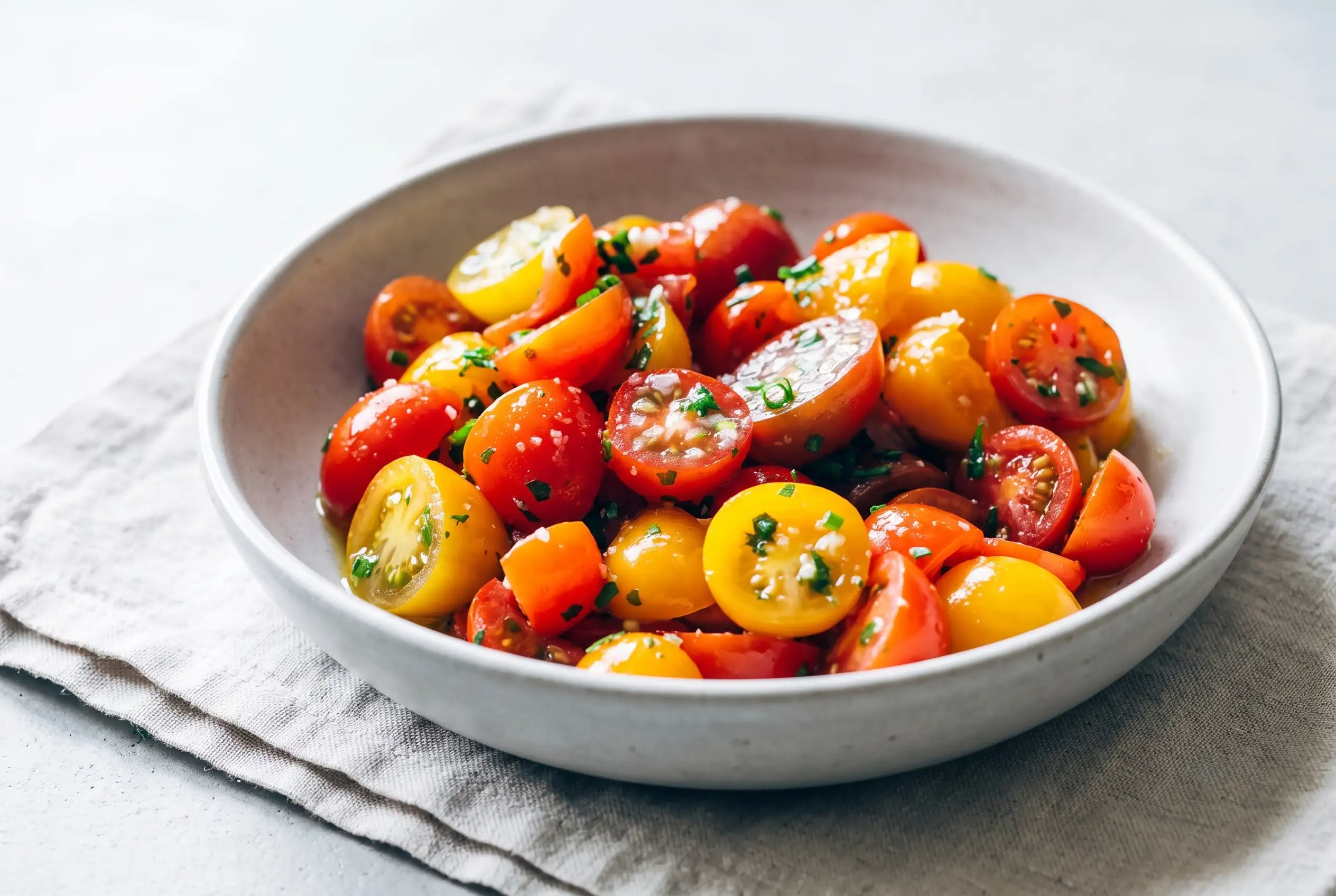
Marinated Tomatoes Turn Simple Ingredients Into a Bright Table Addition
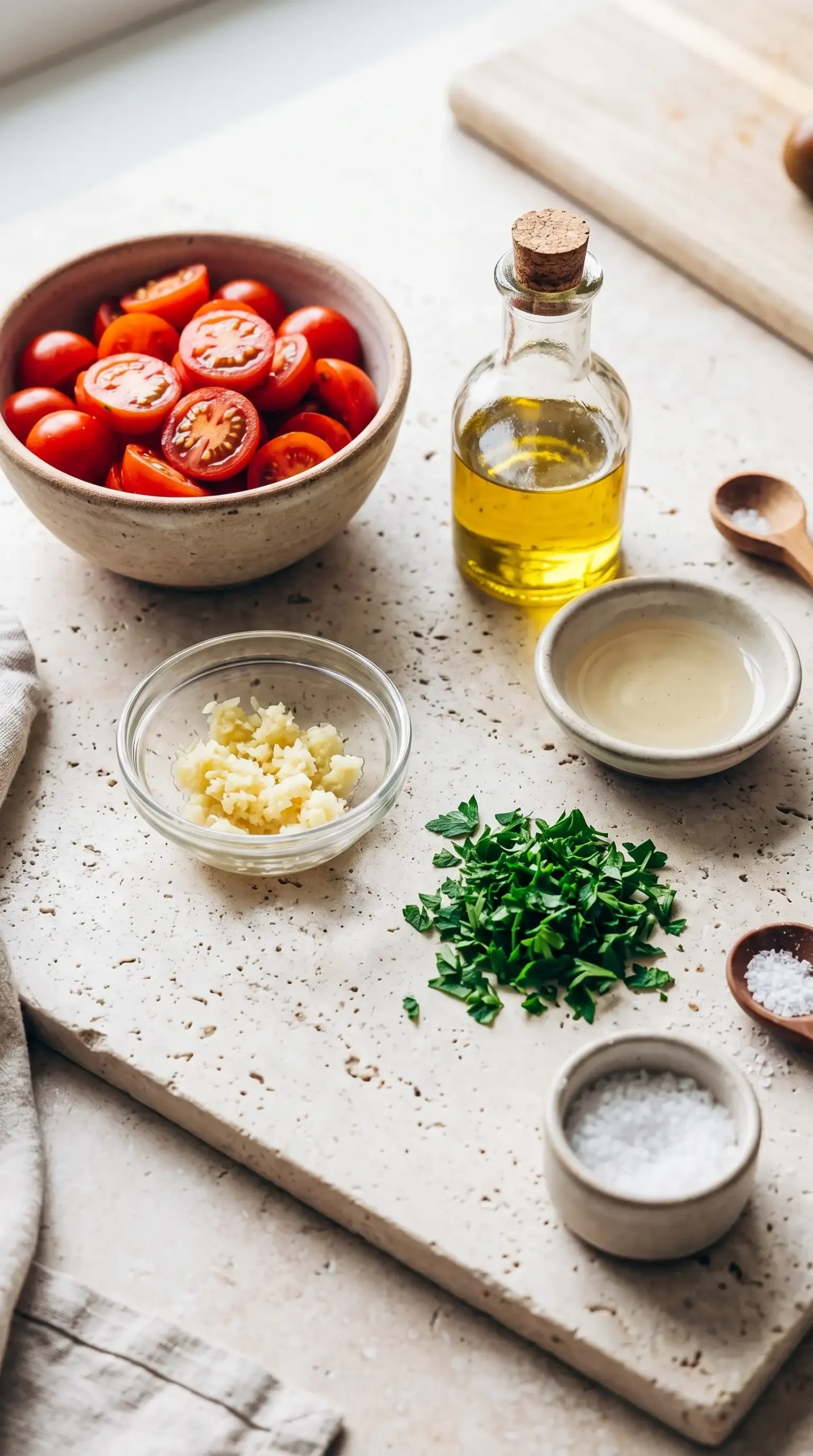
Marinated tomatoes bring together fresh tomato flavor, a small amount of seasoning, and resting time to create a dish that feels much more complex than its ingredient list suggests. The combination of juicy cherry or grape tomatoes, garlic, olive oil, acid, herbs, and salt allows each element to become part of a balanced bite. A good cherry tomato marinade depends on patience after mixing because the resting period gives the flavors time to move through the tomatoes.
Fresh tomatoes naturally contain plenty of water, which makes them excellent for absorbing nearby flavors while still keeping their crisp, juicy character. Cutting the tomatoes exposes more surface area, allowing the garlic, herbs, and seasoned oil to coat more of each piece.
Small details influence the finished result. Choosing tomatoes with good firmness helps them hold their shape during marinating, while bringing the finished dish back to room temperature helps the oil return to a smooth texture after refrigeration.
Cherry Tomato Selection Changes the Texture of Marinated Tomatoes
Cherry and grape tomatoes are especially useful for marinated tomatoes because their smaller size creates a satisfying balance between tender interiors and sturdy skins. Halving or quartering them allows the seasoning mixture to reach the flesh without requiring a long preparation process.
Ripe tomatoes should be firm and fully colored enough to handle mixing and resting. Very soft tomatoes may release more liquid, which can dilute the seasoning and create a looser texture. Selecting tomatoes that still have structure gives the finished dish a cleaner bite.
Whole beefsteak tomatoes can also work when cut into slices. Larger tomato pieces change the eating experience because they create broader surfaces for the garlic, herbs, and seasoned oil to contact.
The most important choice is matching the tomato style to how the dish will be served. Smaller tomatoes are convenient for scooping and mixing into other foods, while larger slices create a more traditional plated presentation.
Garlic Herb Marinated Tomatoes Gain Depth Through Balance
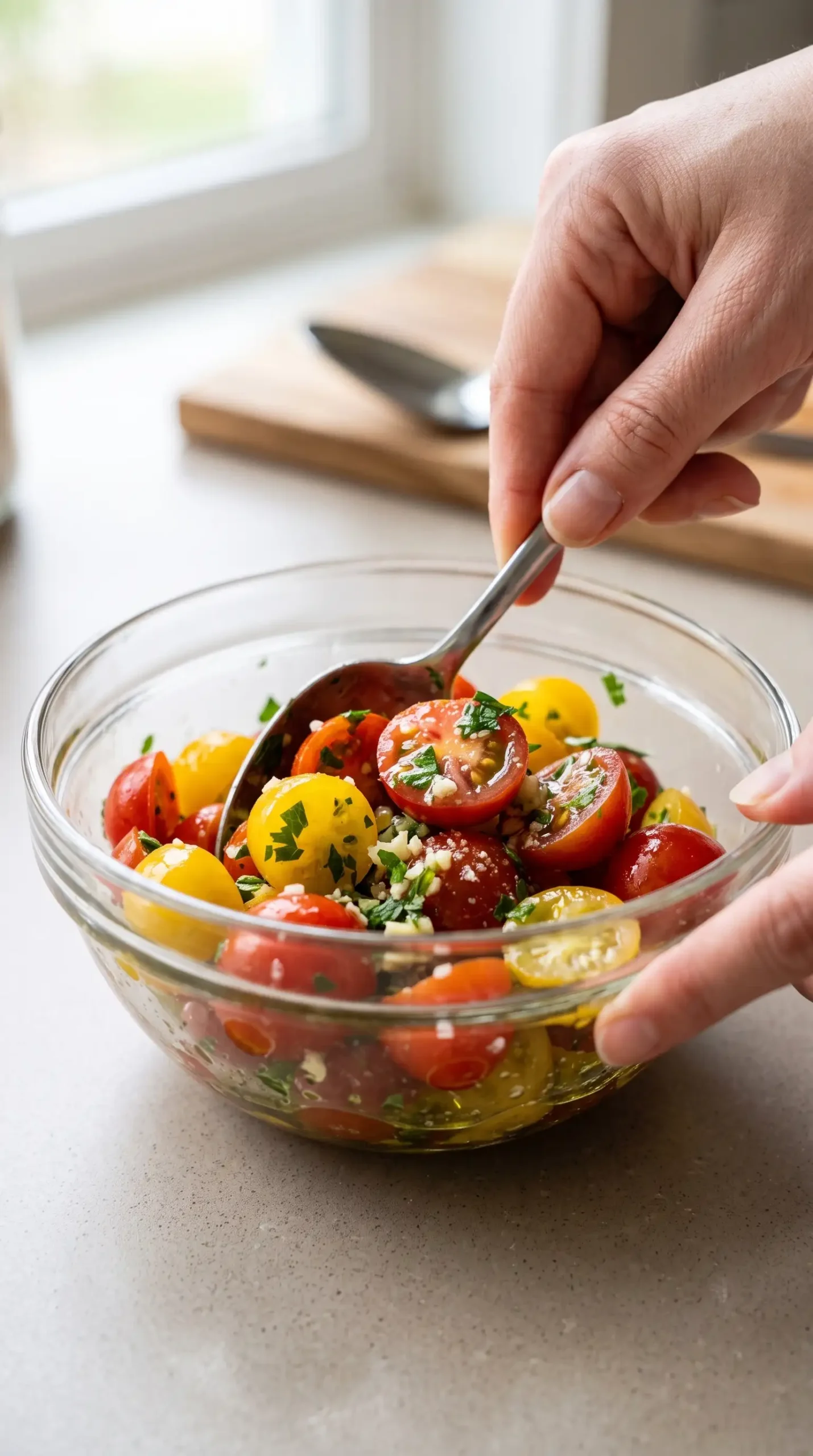
Garlic herb marinated tomatoes rely on balance instead of heavy seasoning. Freshly grated garlic spreads throughout the oil and tomato juices, creating a savory background that supports the natural sweetness of ripe tomatoes.
Herbs provide a fresh note that keeps the flavors lively. Parsley is a natural fit, but the important factor is using freshly minced herbs so their aroma remains noticeable after the tomatoes rest.
Olive oil helps carry the flavors across each tomato piece and creates a smooth coating. The acid component, whether vinegar or lemon juice, adds brightness that keeps the dish from tasting flat.
Different acids can shift the character of the finished bowl. White vinegar, red wine vinegar, and lemon juice each bring a slightly different type of freshness while still fitting the same basic approach.
Resting Time Allows the Tomato Marinade to Develop
The resting period is where marinated tomatoes gain their most noticeable change. As the tomatoes sit, the seasoning mixture has more opportunity to combine with the tomato juices and create a unified flavor.
Serving Temperature Keeps the Tomato Texture Appealing
Cold storage can make the oil in marinated tomatoes become slightly firm. Allowing the tomatoes to return to room temperature before serving helps the coating loosen and restores a smoother texture.
Marinated Tomatoes Mistakes Often Come From Timing and Texture Choices
Several small mistakes can change the result of marinated tomatoes, but each one has a simple adjustment. Paying attention to tomato firmness, seasoning balance, and serving conditions helps preserve the qualities that make this dish work.
- Soft tomatoes: Choose tomatoes that can withstand mixing and resting so the pieces do not break down too quickly.
- Hidden flavor: Give the mixture enough resting time for the garlic, herbs, oil, and acid to blend with the tomato juices.
- Firm oil texture: Let refrigerated tomatoes sit at room temperature before serving so the olive oil becomes smooth again.
Cutting tomatoes too early before serving can also affect texture if the pieces sit without their seasoning. Combining the ingredients before the resting period allows the tomato juices and marinade to work together instead of leaving separate flavors.
Overcomplicating the seasoning can hide the fresh character of the tomatoes. The appeal of a short ingredient list comes from allowing each addition to support the tomato instead of covering it.
Vinegar and Lemon Choices Adjust the Tomato Flavor Direction
The acid used in marinated tomatoes changes the overall impression of the dish. Vinegar options create a sharper tang, while lemon juice brings a lighter citrus quality that works well with fresh herbs.
Marinated Tomatoes Fit Fresh Meals Beyond the Serving Bowl
Marinated tomatoes can become more than a side dish because their seasoned juices and tender pieces add moisture and acidity to fresh meals. Tossing them with greens, grains, or toasted bread helps capture the flavorful marinade, and a BLT panzanella salad uses tomato juices as part of a hearty salad-style serving.
- Salads: Add the tomatoes with their juices to bring seasoning and moisture to leafy greens or grain-based salads.
- Sandwiches: Use the tomatoes as a flavorful layer where their acidity can balance richer ingredients.
- Simple plates: Serve them alongside other foods when a fresh, seasoned element is needed.
Because the tomatoes continue absorbing flavor while they rest, they can be prepared ahead for occasions when serving a fresh dish quickly is important. The texture and flavor will depend on how sturdy the tomatoes were when prepared.
Cooking Control Preserves the Fresh Character of Marinated Tomatoes
Good execution with marinated tomatoes comes from controlling exposure, texture, and timing. The preparation does not rely on heat, so the choices made before and after mixing have the greatest effect on the final result.
Keeping tomato pieces appropriately sized helps create even seasoning. Smaller pieces absorb flavors more quickly, while larger pieces maintain more of their original tomato character.
Allowing the tomatoes to rest without rushing the process gives the marinade time to become part of the dish. The balance comes from letting the ingredients interact while avoiding unnecessary handling that could soften the tomatoes.
A careful serving approach also matters. Returning the tomatoes to a comfortable serving temperature improves the texture of the olive oil and lets the fresh flavors show clearly.
| Tomato preparation | Texture result | Best use |
|---|---|---|
| Halved cherry tomatoes | Juicy pieces with exposed flesh | Everyday serving and mixing |
| Quartered cherry tomatoes | Smaller bites with more seasoning contact | Salads and combined dishes |
| Sliced beefsteak tomatoes | Larger tender pieces | Plated presentations |
Tomato Marinade Storage Decisions Protect the Fresh Result
Marinated tomatoes are best handled with attention to how the texture changes during holding. Refrigeration keeps them chilled, but serving them after the oil has loosened creates a better eating experience.
Marinated Tomatoes Reveal How Resting Improves Fresh Ingredients
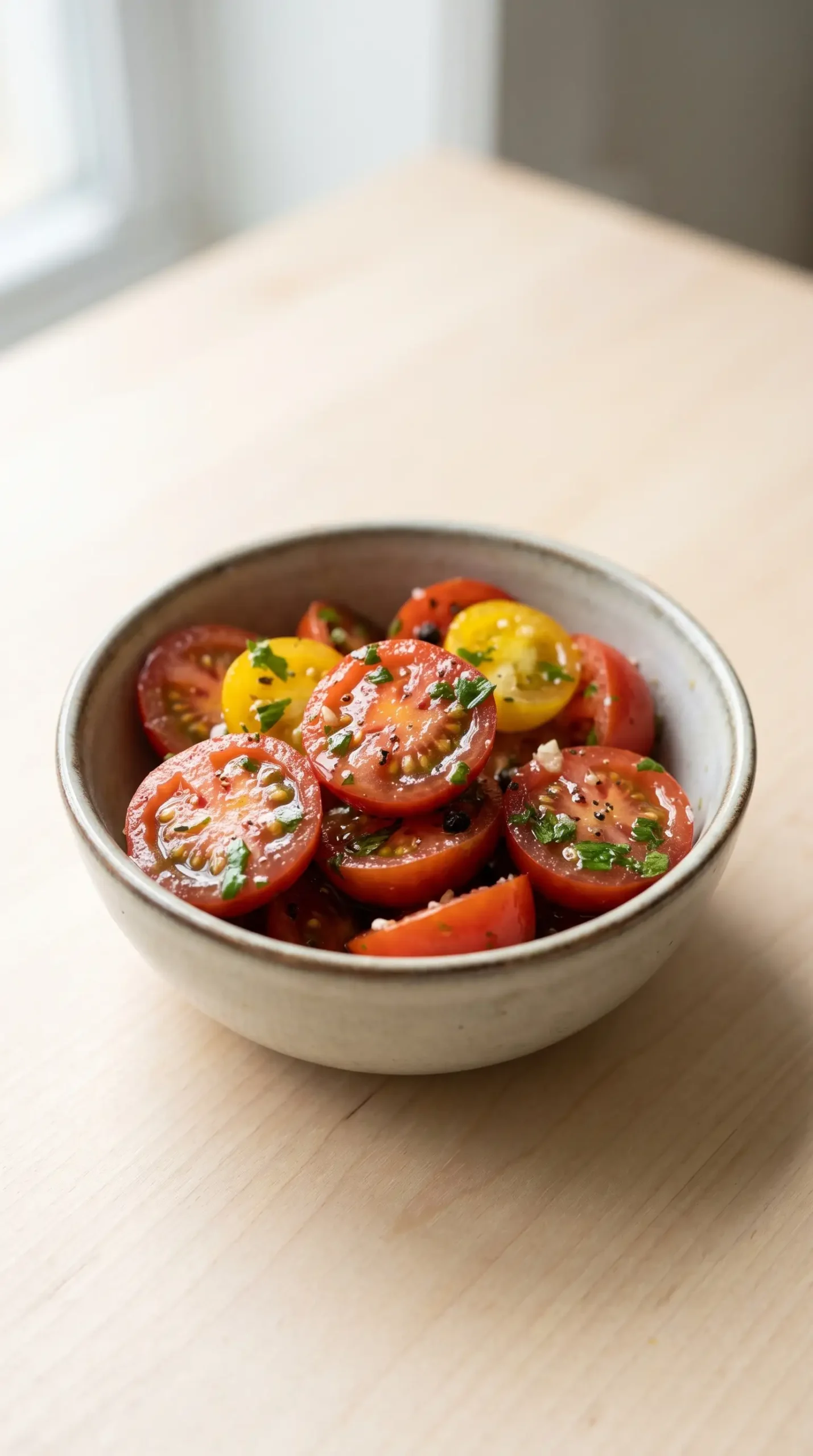
Marinated tomatoes show how a small amount of seasoning can transform fresh produce when the timing is handled carefully. The tomatoes remain the focus, while garlic, herbs, oil, and acid create a more complete flavor around them.
The most important judgment is choosing tomatoes with enough structure to benefit from resting. Firm pieces can absorb the marinade while maintaining the juicy texture that makes the dish appealing.
Marinated Tomatoes Succeed When Flavor and Texture Stay Balanced
Fresh tomato pieces, a balanced marinade, and thoughtful resting create the defining qualities of marinated tomatoes. The dish works because each choice supports the tomato itself, allowing the seasoning to enhance the natural flavor without overwhelming it.
Questions About Tomato Texture and Marinated Tomatoes
Can marinated tomatoes become too soft?
Yes, tomatoes with a very soft texture may lose structure during resting. Choosing firmer cherry or grape tomatoes helps them maintain their shape while still absorbing the flavors of the marinade.
How long should marinated tomatoes rest before serving?
A short rest allows the flavors to combine, while a longer rest can create a deeper seasoned taste. The ideal timing depends on tomato firmness and how the tomatoes will be served.
Why does the olive oil look different after refrigeration?
Olive oil can become firmer when chilled, which may make the coating appear thicker. Allowing the tomatoes to warm before serving helps the oil return to a smoother consistency.
Can I use different tomatoes for marinated tomatoes?
Yes, larger tomatoes can be sliced and used successfully. The main consideration is choosing pieces that can hold their shape while giving the marinade enough contact with the tomato flesh.
Which acid works best in a tomato marinade?
White vinegar, red wine vinegar, and lemon juice all work well. The best choice depends on whether you prefer a sharper vinegar flavor or a brighter citrus note.
Marinated Tomatoes with Garlic, Olive Oil and Herbs
Marinated Tomatoes are a fresh, flavorful dish with juicy tomato texture and a balanced garlic herb marinade. This easy recipe is perfect when you want a simple, vibrant addition made from fresh ingredients.
Ingredients
Method
Preparation
- Combine the halved or quartered tomatoes, grated garlic, olive oil, vinegar or lemon juice, minced herbs, and salt in a small bowl.
- Toss the mixture until the tomatoes are evenly coated with the marinade.
- Refrigerate the marinated tomatoes for at least 2-3 hours or up to 24 hours.
- Bring the tomatoes back to room temperature before serving.
Notes
Tomato Options: Whole beefsteak tomatoes can also be used by cutting them into slices. Acid Options: White vinegar, red wine vinegar, and lemon juice have all worked well. Timing: During longer marinating periods, the oil may become slightly firm in the refrigerator; bringing the tomatoes back to room temperature will help restore a smoother texture.