From breakfast to dinner, from wholesome meals to indulgent desserts, Nexa Recipes offers quick, easy, and delicious ideas for every occasion and every moment.



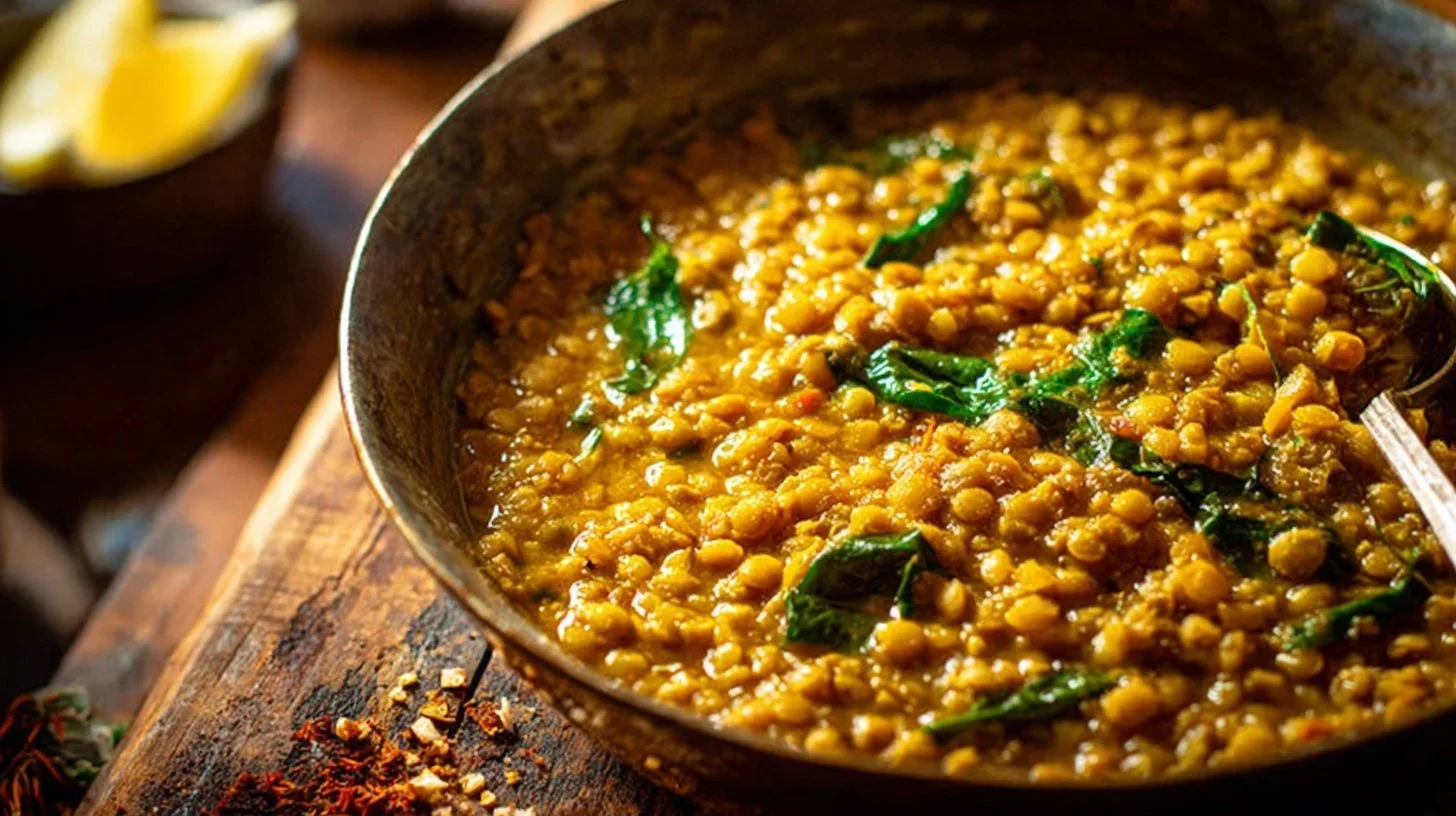
Green Curry Lentils combine warming spices and creamy coconut for a satisfying, weeknight-friendly bowl. The texture is hearty from lentils and bulgur while spinach brightens each bite.
People search for this dish because it uses pantry staples and cooks quickly. It’s a vegetarian main that still feels substantial. You can scale it for meal prep or a simple family dinner.
Why Make This Recipe
This recipe is efficient. You cook lentils and bulgur together so fewer pots are needed. The total active time is modest, and most of the cooking is hands-off.
Ingredients are common and shelf-stable. Green curry paste, turmeric, and coconut milk give big flavor without many fresh components. Spinach and a spoonful of Greek yogurt make it feel balanced.
It fits many occasions. Serve it for a quick weeknight meal, a meatless Monday, or a casual weekend lunch. It also reheats well.
How to Make Green Curry Lentils
The approach layers flavors from the start. You simmer lentils and bulgur with green curry paste and turmeric so the grains absorb spice. Finishing with coconut milk, butter, and aromatics creates a creamy consistency that binds the dish.
This method works because the lentils release starch as they cook, which combines with tomato paste and coconut milk to form a thick, stew-like texture. Adding spinach off the heat keeps it tender and bright.
Ingredients
- 1 cup uncooked lentils, rinsed
- 1/2 cup bulgur
- 2 1/2 cups water or vegetable broth
- 1/4 cup green curry paste
- 3/4 teaspoon turmeric
- 1 tablespoon tomato paste
- 1 1/2 tablespoons butter
- 2 cloves garlic, minced
- 2 teaspoons garam masala
- 1 teaspoon sea salt
- 1/2 cup coconut milk
- 1 teaspoon fresh ginger, peeled and minced
- 2 cups fresh spinach, stems removed
- Greek yogurt for topping
Directions
- Place lentils, bulgur, 2 cups water, curry paste, and turmeric in a medium saucepan.
- Bring to a boil and simmer for 15-20 minutes or until lentils are mostly cooked.
- Add the remaining 1/2 cup water during cook time if lentils and bulgur have absorbed all the water.
- You want to cook it until there is no liquid remaining.
- Turn the heat to medium or low, if it’s not already.
- Keeping the saucepan on the heat, stir in the tomato paste.
- Mixture should thicken slightly.
- Add butter, garlic, and garam masala; stir to combine until butter is melted.
- Add coconut milk and simmer for another 5-10 minutes or until thick and creamy.
- Remove from heat and stir in ginger and spinach until barely wilted.
- Spoon into bowls and top with a dollop of Greek yogurt.
How to Serve Green Curry Lentils
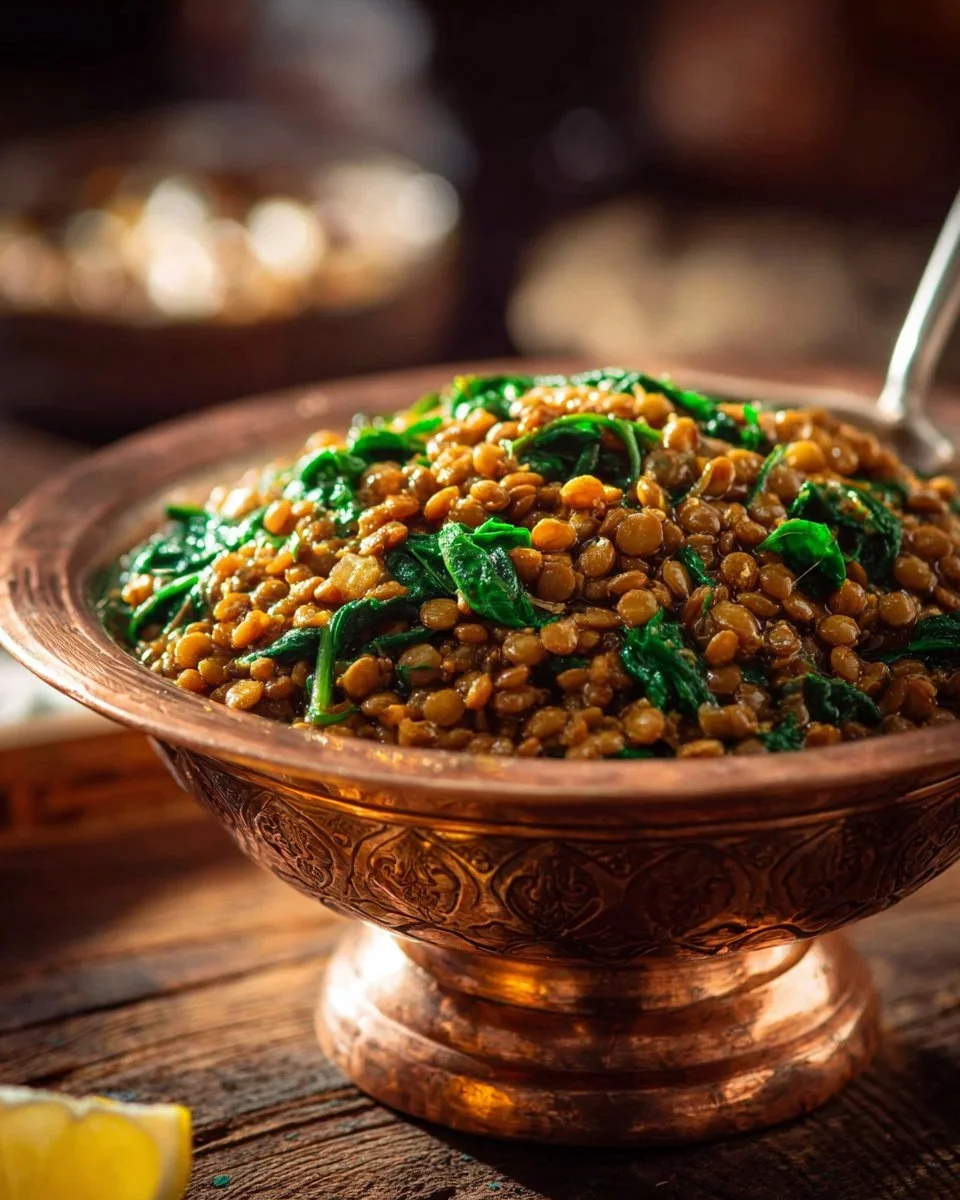
Serve the lentils hot in shallow bowls. Add a spoonful of the Greek yogurt topping to cool and add contrast. Sprinkle with chopped cilantro or crushed peanuts if you like extra texture.
Pair with simple sides such as warm naan, steamed rice, or a crisp cucumber salad. A light white wine or ginger iced tea works well as a drink pairing.
For presentation, ladle into bowls and wipe the rim. A small wedge of lime on the side brightens the flavors.
How to Store Green Curry Lentils
Store cooled lentils in an airtight container in the refrigerator for up to 4 days. Reheat gently on the stove with a splash of water or broth to restore creaminess.
To freeze, portion into freezer-safe containers and freeze for up to 3 months. Thaw overnight in the refrigerator before reheating. When reheating from frozen, add extra coconut milk or water to regain the original texture.
Avoid leaving the curry at room temperature for more than two hours. This preserves flavor and safety.
Tips to Make Green Curry Lentils
Follow this quick intro sentence for targeted improvements.
- Rinse lentils thoroughly to remove dust and improve texture.
- Use vegetable broth instead of water for deeper flavor when available.
- Adjust green curry paste to control heat; start with less if you prefer milder spice.
- Stir in coconut milk slowly and keep the heat low to prevent separation.
- Add the spinach off the heat so it wilts without losing color.
- Toast garam masala briefly in butter or oil to release aromas before mixing.
- If the mixture becomes too thick, thin with a little reserved water or broth.
- Finish with a Greek yogurt topping to temper spice and add creaminess.
Common Mistakes to Avoid
A common mistake is overcooking the lentils until they fall apart. Cook until mostly tender so the final simmer with coconut milk achieves a creamy but structured result.
Another mistake is adding spinach too early. Adding it off the heat prevents sogginess and keeps the color vivid. Also, avoid boiling coconut milk hard; a gentle simmer keeps it smooth.
Variations
Add extra protein by stirring in cooked chickpeas or shredded rotisserie chicken. For a nuttier texture, top with toasted coconut flakes or chopped cashews. Swap bulgur for quinoa or brown rice if you need a gluten-free option.
FAQs
What type of lentils should I use?
Brown or green lentils work well because they hold shape and cook quickly.
Can I make this vegan?
Yes. Replace butter with olive oil or coconut oil and use plant-based yogurt for the topping.
Is bulgur necessary?
Bulgur adds body and texture, but you can omit it or replace it with quinoa for a similar effect.
How spicy is this dish?
Spice level depends on the green curry paste. Use mild paste or reduce the amount to lower heat.
Can I prepare this ahead of time?
Yes. Cook it fully, cool, and refrigerate. Reheat gently and refresh with a splash of broth.
Can I freeze leftovers?
Yes. Freeze in portions for up to 3 months and thaw overnight before reheating.
Conclusion
This version of Green Curry Lentils is reliable and adaptable. If you’re building a small rotation of make-ahead dinners, you might also like this spicy-sweet squash bowl with quinoa for another cozy, vegetarian option. For a trusted reference on safe cooling and refrigeration times for cooked foods, the Cold Food Storage Charts from FoodSafety.gov are a helpful guide.