From breakfast to dinner, from wholesome meals to indulgent desserts, Nexa Recipes offers quick, easy, and delicious ideas for every occasion and every moment.



 This Recipe
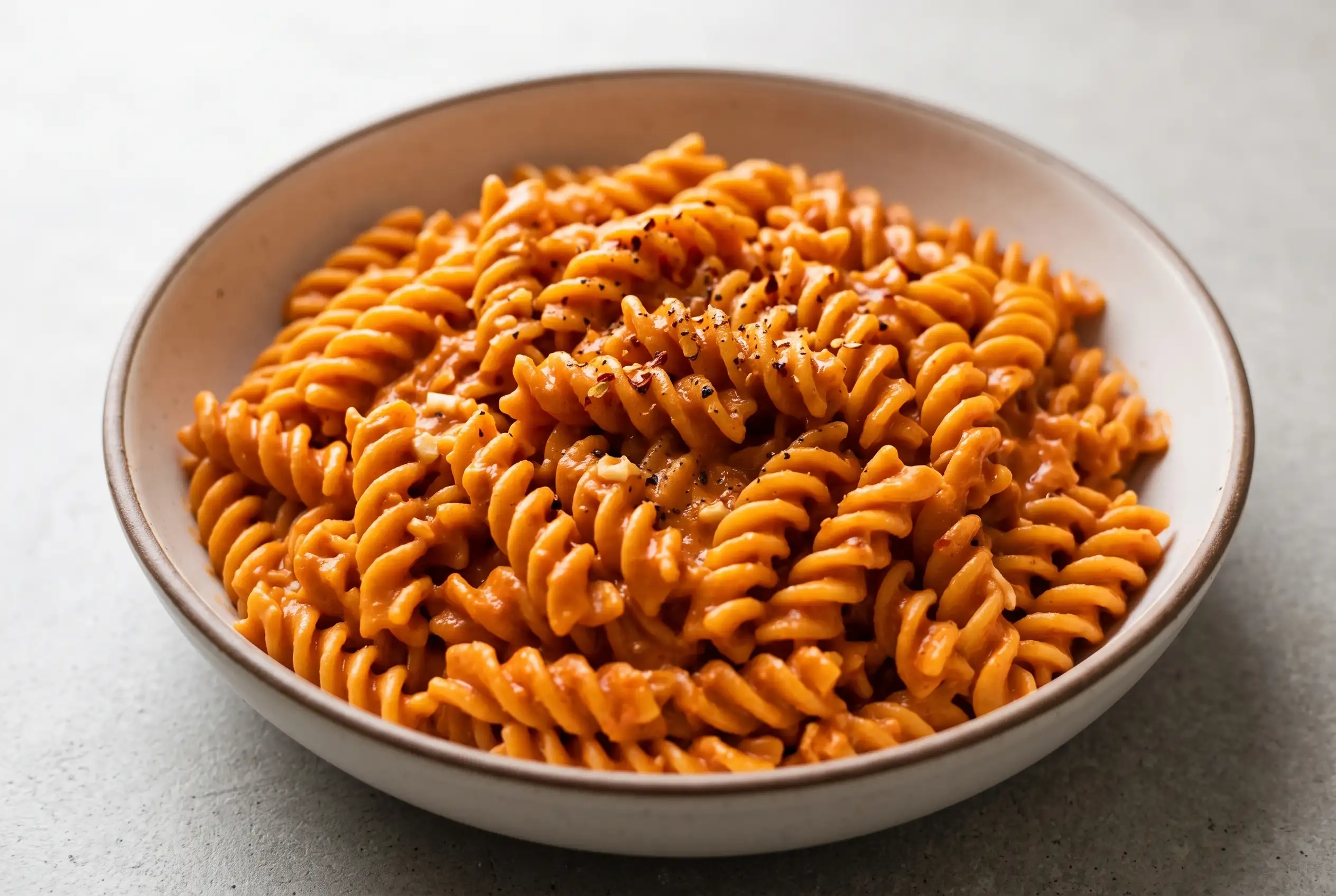
Vegan vodka pasta turns a handful of pantry-friendly ingredients into a creamy, comforting meal with a rich tomato flavor and a smooth finish. The combination of tomato paste, coconut milk, garlic, olive oil, and pasta creates a satisfying bowl that shows how simple cooking decisions can shape a memorable dinner.
The appeal of 5 ingredient vegan vodka pasta comes from the way each element works together during preparation. A small amount of vodka helps create a more rounded sauce experience, while the coconut milk brings a silky texture without dairy. The result is a vegan tomato pasta sauce that feels indulgent while staying approachable for everyday cooking.
Vegan Vodka Pasta Builds Creamy Flavor From Simple Choices
Few pasta dishes rely on such a short ingredient list while still offering so much contrast. The deep color of cooked tomato paste, the aroma of gently warmed garlic, and the richness of coconut milk create layers of flavor without requiring a complicated process.
Cooking attention matters because the ingredients have distinct roles. Garlic needs careful handling, tomato paste needs time to develop its darker flavor, and the sauce needs enough moisture to coat the pasta evenly. Small adjustments during cooking can change the texture and overall balance of the bowl.
Many versions of vegan vodka pasta focus on recreating a classic creamy tomato sauce while keeping the preparation plant-based. This approach uses coconut milk as the creamy element and lets the tomato base remain the center of attention. Rotini works especially well because its shape helps hold onto the sauce.
Tomato Paste Creates the Deep Base Behind the Sauce
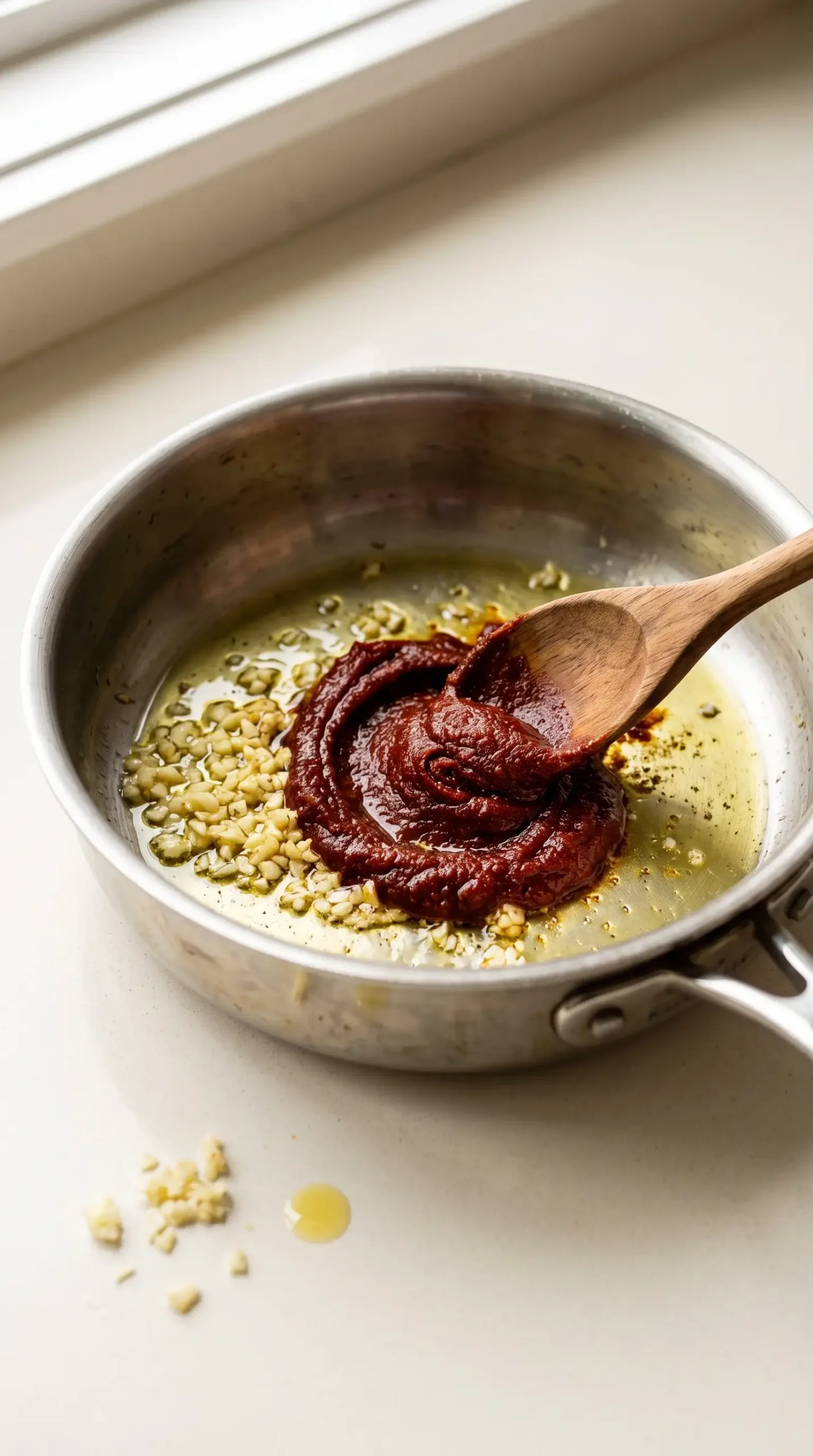
Tomato paste is the ingredient that most influences the character of this pasta. Stirring it in olive oil until it becomes a deeper red color concentrates its flavor and creates a stronger foundation for the creamy sauce that follows.
Unlike a sauce built from fresh tomatoes, tomato paste provides an intense tomato presence in a compact form. The cooking process softens its sharp edges and develops a richer taste before the coconut milk is added.
Careful browning of the paste is not the same as burning it. The cook should look for a deeper color and a more developed aroma while keeping the heat controlled. That visual change signals that the base is ready for the next stage of the sauce.
Coconut Milk Vodka Pasta Gains Smoothness Without Dairy
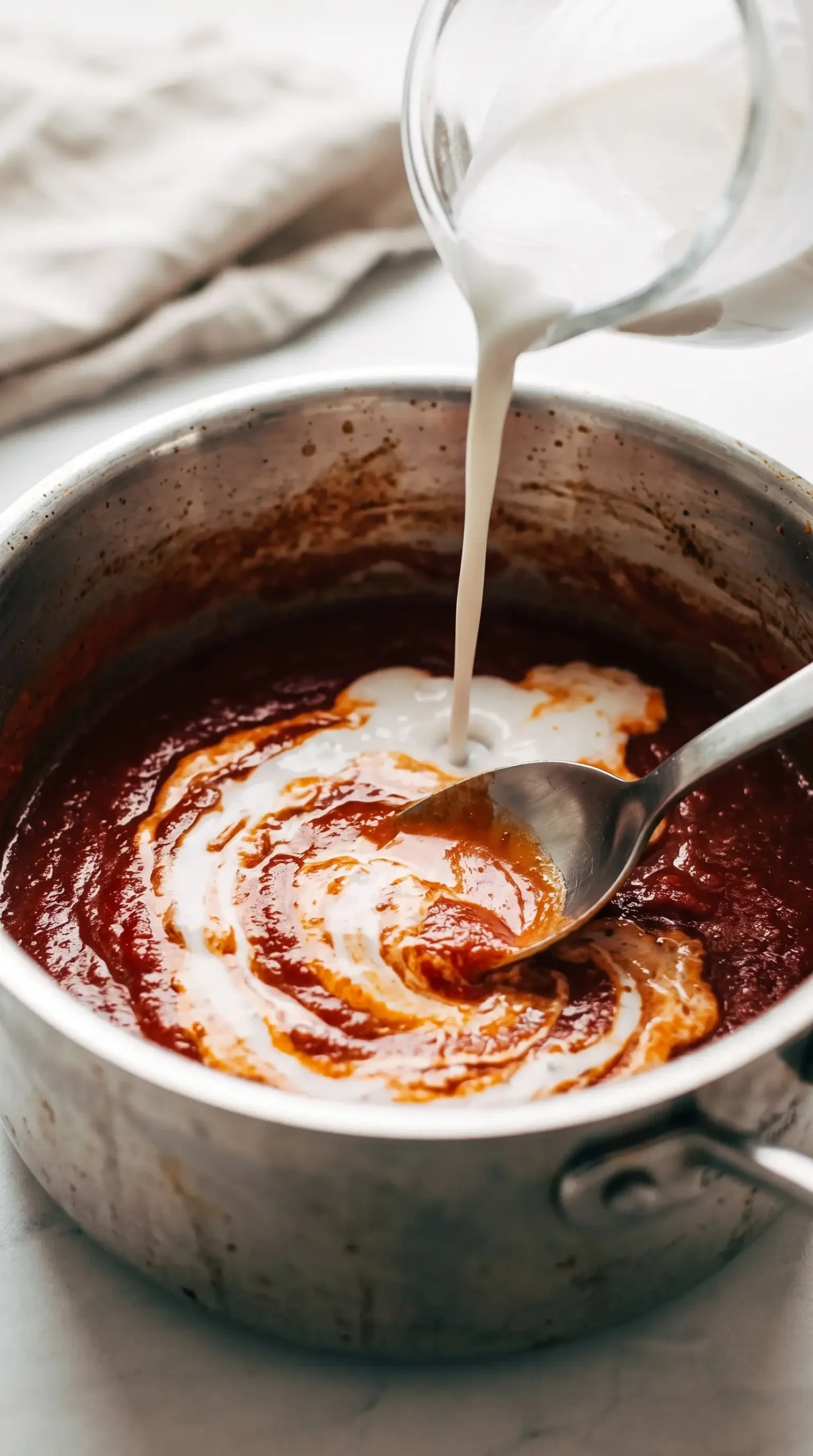
Coconut milk gives this coconut milk vodka pasta its creamy texture and helps blend the tomato and garlic flavors together. Full fat coconut milk works best for the rich consistency expected from a comforting pasta sauce.
| Sauce element | Kitchen purpose | What to notice |
|---|---|---|
| Tomato paste | Creates concentrated tomato flavor | Color should become deeper as it cooks |
| Coconut milk | Adds creaminess and balances acidity | Texture becomes smoother after combining |
| Reserved pasta water | Helps adjust sauce consistency | Add gradually until coating texture feels right |
Some cooks may worry about a coconut flavor becoming too noticeable, but the tomato paste, garlic, salt, and vodka create a balanced sauce profile. The coconut milk supports the other flavors instead of replacing them.
Vodka Adds a Distinct Layer to Vegan Tomato Pasta Sauce
Vodka plays a traditional role in this style of pasta sauce by adding another layer of flavor to the tomato mixture. The alcohol cooks off as the sauce simmers, leaving behind a more integrated taste.
Amount adjustments can be made according to personal preference. The supplied recipe uses vodka as a supporting ingredient, and cooks who enjoy that characteristic flavor can choose to increase it while keeping the sauce balance in mind.
Cooking Control Keeps Vegan Vodka Pasta Silky
Successful vegan vodka pasta depends on controlling heat and texture throughout preparation. Gentle cooking allows garlic to become fragrant without developing bitterness, while steady stirring helps the tomato paste transform properly.
Low heat is especially important during the garlic stage. Minced garlic can move quickly from fragrant to overly dark, so staying close to the pan and stirring consistently protects the flavor of the sauce.
Pasta texture also affects the finished dish. Saving a small amount of pasta water provides a way to loosen the sauce if it becomes thicker than desired after combining with the noodles.
The reason this finishing step works is that starchy pasta water can help the sauce emulsify while adjusting its consistency. Adding it gradually allows the creamy tomato mixture to stay smooth instead of becoming too thick or separated.
- Garlic texture: Keep it lightly cooked and fragrant instead of letting it brown.
- Sauce consistency: Use reserved pasta water gradually to reach a coating texture.
- Seasoning balance: Adjust salt, pepper, olive oil, red pepper flakes, or garlic salt after combining.
Rotini Helps Carry Every Spoonful of Vegan Vodka Pasta
Rotini is a natural match for a thick, creamy sauce because its twists capture the tomato mixture. Other pasta shapes can work, but the texture of a spiral noodle makes each bite feel well coated.
Shape choice can influence the eating experience even when the sauce remains unchanged. Short pasta varieties make the dish easy to serve and allow the creamy mixture to stay connected with the noodles.
Seasoning Adjustments Personalize the Finished Pasta Bowl
Simple finishing touches allow cooks to adjust the personality of the dish after the main sauce is prepared. Additional salt, black pepper, olive oil, red pepper flakes, or garlic salt can be added based on individual taste.
Vegan Vodka Pasta Mistakes That Affect the Garlic and Sauce
Several small mistakes can change the result of this pasta because the ingredient list is intentionally focused. Avoiding these issues helps protect the flavors that matter most.
- Browned garlic: Dark garlic can introduce bitterness, so keep the heat low and stir constantly.
- Underdeveloped tomato paste: Skipping the deeper red color stage can leave the sauce without its full tomato character.
- Overly thick sauce: A splash of reserved pasta water can bring back a smoother texture.
When garlic becomes too dark, starting again may be the best option because the garlic flavor has such a strong effect on the finished pasta. The sauce has few ingredients, so each one has a noticeable impact.
Serving Ideas Highlight the Comfort of Vegan Vodka Pasta
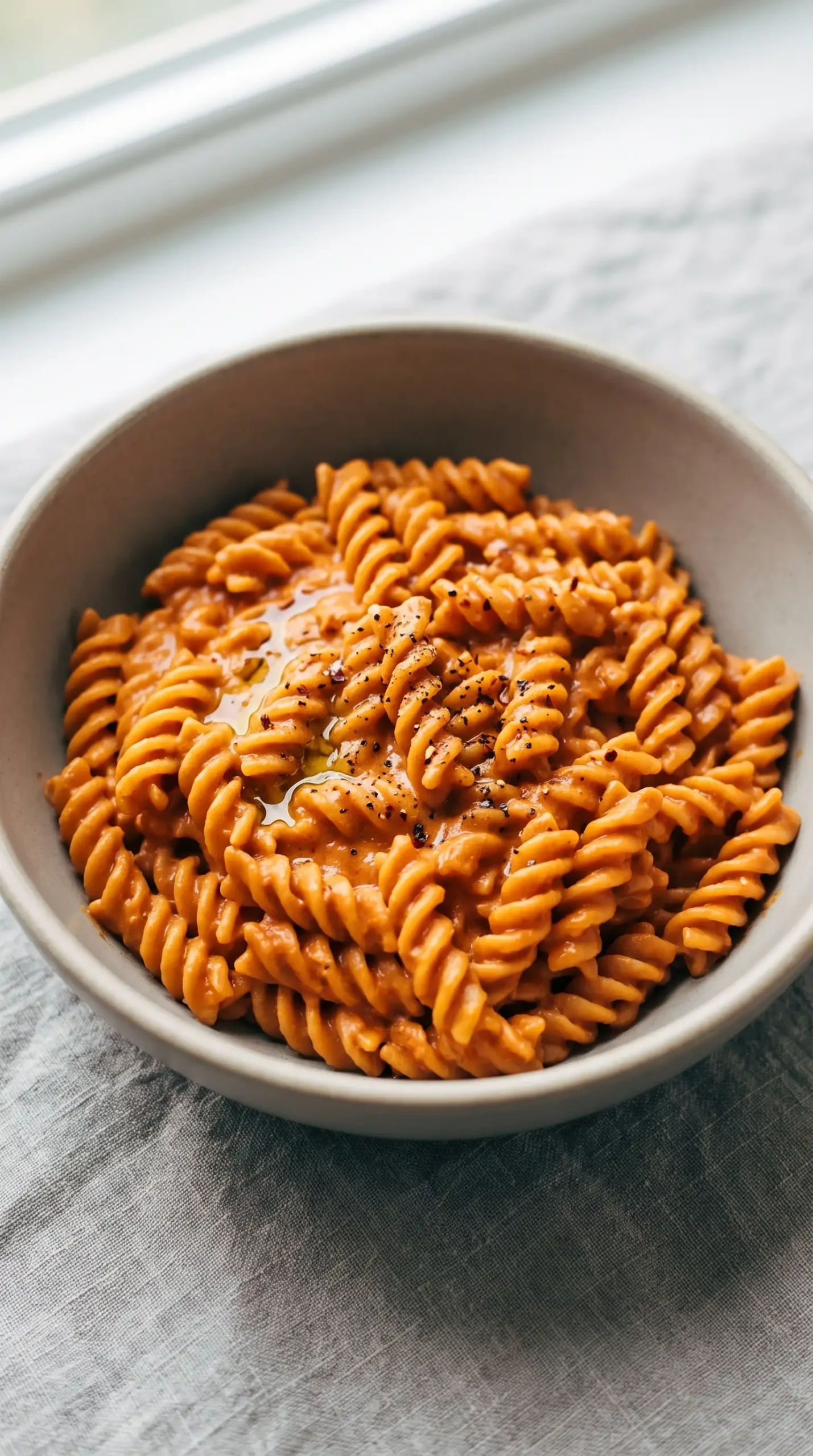
A warm bowl of vegan vodka pasta works naturally as a cozy meal on its own. The creamy sauce and pasta combination already provides a complete experience without requiring complicated additions.
Serving choices can focus on the texture of the sauce. A small drizzle of olive oil or a sprinkle of preferred seasonings can emphasize the flavors already present in the dish.
A fresh herb pesto topping can add a brighter finish to creamy pasta bowls, especially when a small amount is stirred through or spooned over the sauce at serving time with vegan kale pesto with almonds and parsley.
Storage Decisions Protect the Creamy Pasta Texture
Leftover vegan vodka pasta can be stored and reheated carefully to maintain its creamy character. Gentle reheating helps prevent the sauce from becoming too dry as the pasta absorbs moisture over time.
Vegan Vodka Pasta Fits Flexible Weeknight Cooking
Short ingredient lists make vegan vodka pasta useful for cooks who want a comforting meal without a long preparation process. The dish depends more on technique than on collecting many components.
The recipe also leaves room for personal adjustments. Different pasta shapes, extra seasonings, or preferred spice levels can change the experience while keeping the core tomato and coconut sauce intact.
Five Ingredient Vegan Vodka Pasta Rewards Careful Sauce Building
5 ingredient vegan vodka pasta succeeds because the sauce receives attention at the moments when flavor develops most. Gentle garlic cooking, concentrated tomato paste, and a smooth coconut milk finish create the foundation of the meal.
The creamy tomato sauce works best when its texture is adjusted thoughtfully and its seasonings are tasted at the right time. Simple ingredients become more expressive when each cooking choice supports the next one.
Vegan Vodka Pasta Questions About Sauce Texture and Timing
Can vegan vodka pasta taste like a traditional creamy pasta?
Yes, the combination of tomato paste and coconut milk creates a creamy texture and rich flavor profile that captures the comforting style associated with vodka pasta while keeping the dish dairy-free.
Why does the garlic need low heat in vegan vodka pasta?
Garlic has a strong presence in the sauce, so keeping it gently heated helps preserve its fragrant flavor. Browning can introduce bitterness that becomes noticeable throughout the entire dish.
Can another pasta shape replace rotini?
Yes, other pasta shapes can be used. Shapes that hold sauce well are especially suitable because they help keep the creamy tomato mixture attached to each bite.
How can the sauce texture be adjusted after mixing with pasta?
Reserved pasta water can be added gradually to loosen the sauce and help it coat the noodles more evenly without making the dish watery.
Does vegan vodka pasta need extra seasoning?
The base provides a balanced starting point, but additional salt, black pepper, olive oil, red pepper flakes, or garlic salt can be added to match personal preferences.
Vegan Vodka Pasta with Coconut Milk and Tomato Paste
Vegan vodka pasta is a creamy, comforting pasta dish with a rich tomato sauce and smooth dairy-free texture. It is an easy choice for a cozy weeknight meal made with a simple ingredient list.
Ingredients
Method
Preparation
- Warm the olive oil over low heat. Add the minced garlic and cook gently until fragrant.
- Stir in the tomato paste and continue cooking until the paste develops a deep red color.
- Pour in the vodka and allow it to sizzle away. Add the coconut milk and salt, then let the sauce simmer briefly.
- Cook the pasta according to the package directions. Drain and combine with the sauce, adding a little reserved pasta water as needed to reach the desired consistency.
- Serve the finished pasta warm.
Notes
Garlic: Stir the garlic continuously and keep the heat low to prevent browning, as browned garlic can taste bitter. If the garlic browns, it is recommended to start again because it has a strong impact on the finished dish. Pasta: Whole wheat pasta was used during the original preparation to limit refined grains. Vodka: Additional vodka can be added according to personal preference.