From breakfast to dinner, from wholesome meals to indulgent desserts, Nexa Recipes offers quick, easy, and delicious ideas for every occasion and every moment.



 This Recipe
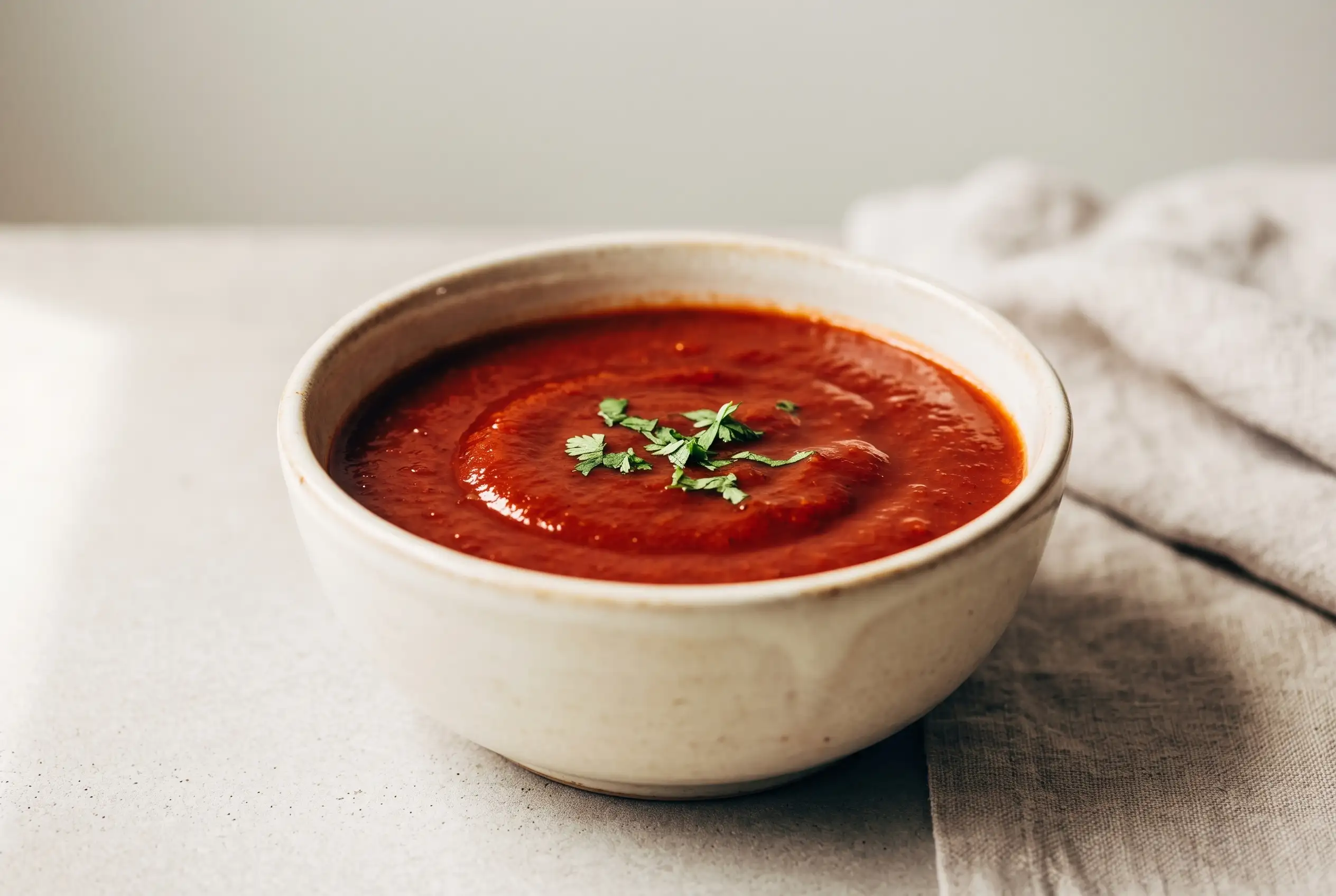
Enchilada sauce becomes a weeknight-friendly kitchen staple when tomatoes, spices, and aromatics meet in the blender for a smooth, flavorful finish. The appeal of this 5 minute blender enchilada sauce comes from how a handful of pantry ingredients can create a sauce with enough depth for tacos, casseroles, and many other Mexican-inspired meals.
Creating a smooth sauce at home gives cooks control over flavor intensity, texture, and heat. The blending process transforms whole peeled tomatoes with seasonings and fresh ingredients into a versatile homemade enchilada sauce that can be used immediately or adjusted to match a meal.
Enchilada Sauce Gains Flavor From Simple Blending
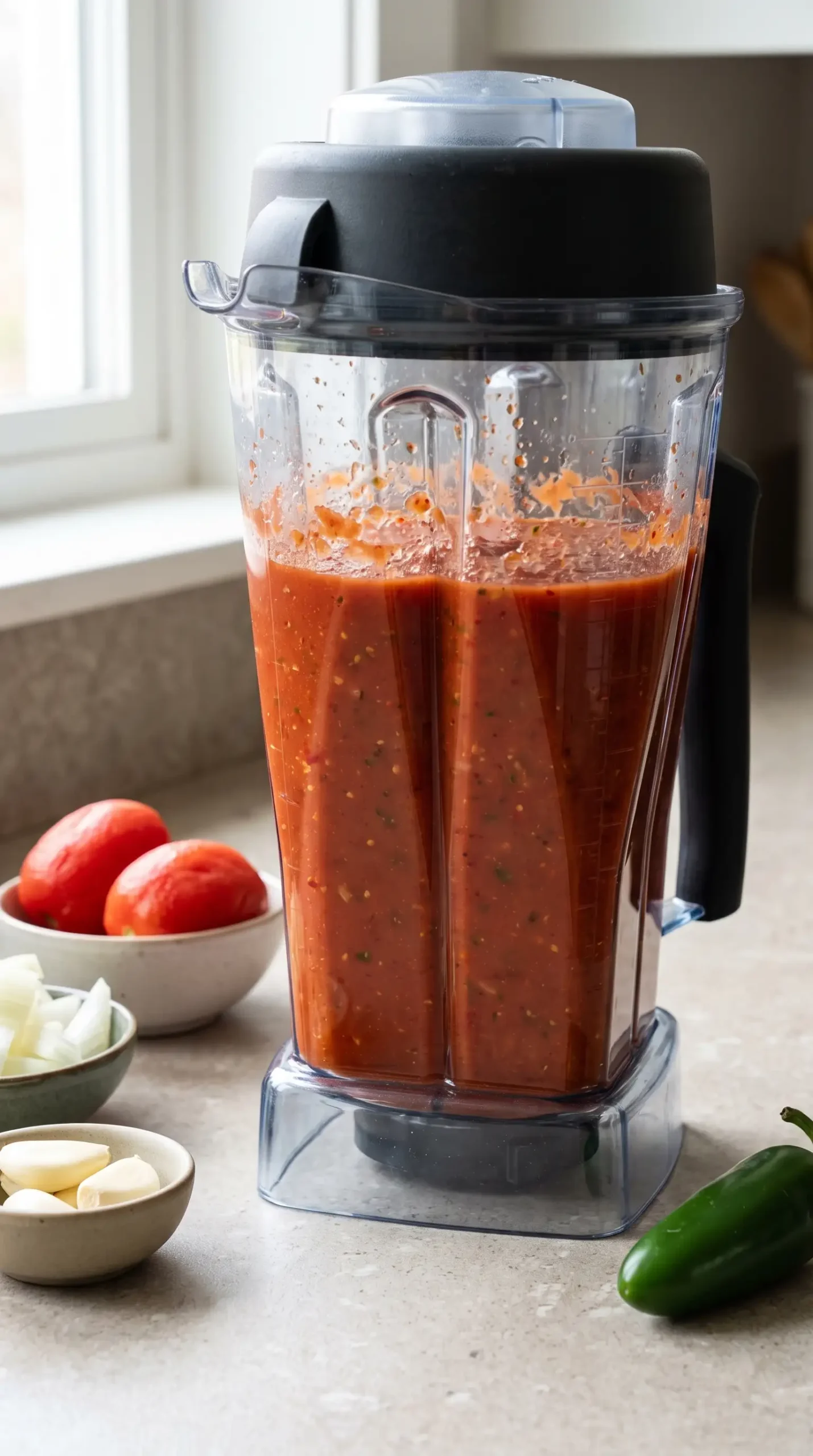
Blending changes the way the ingredients work together by distributing the spices, vegetables, and tomato base evenly. Instead of separate pieces of onion, garlic, and jalapeno, the finished sauce carries those flavors throughout every spoonful.
Freshly blended enchilada sauce has a direct connection between preparation and flavor because the cook decides how much texture remains. A shorter blend can preserve a slightly rustic quality, while longer blending creates a smoother consistency that spreads easily across enchiladas and other dishes.
Many prepared sauces rely on longer cooking processes to build flavor, but a blender approach focuses on combining ingredients efficiently. The result depends on selecting balanced ingredients and understanding how each component behaves once it becomes part of the sauce.
Tomato Choice Shapes Homemade Enchilada Sauce Texture
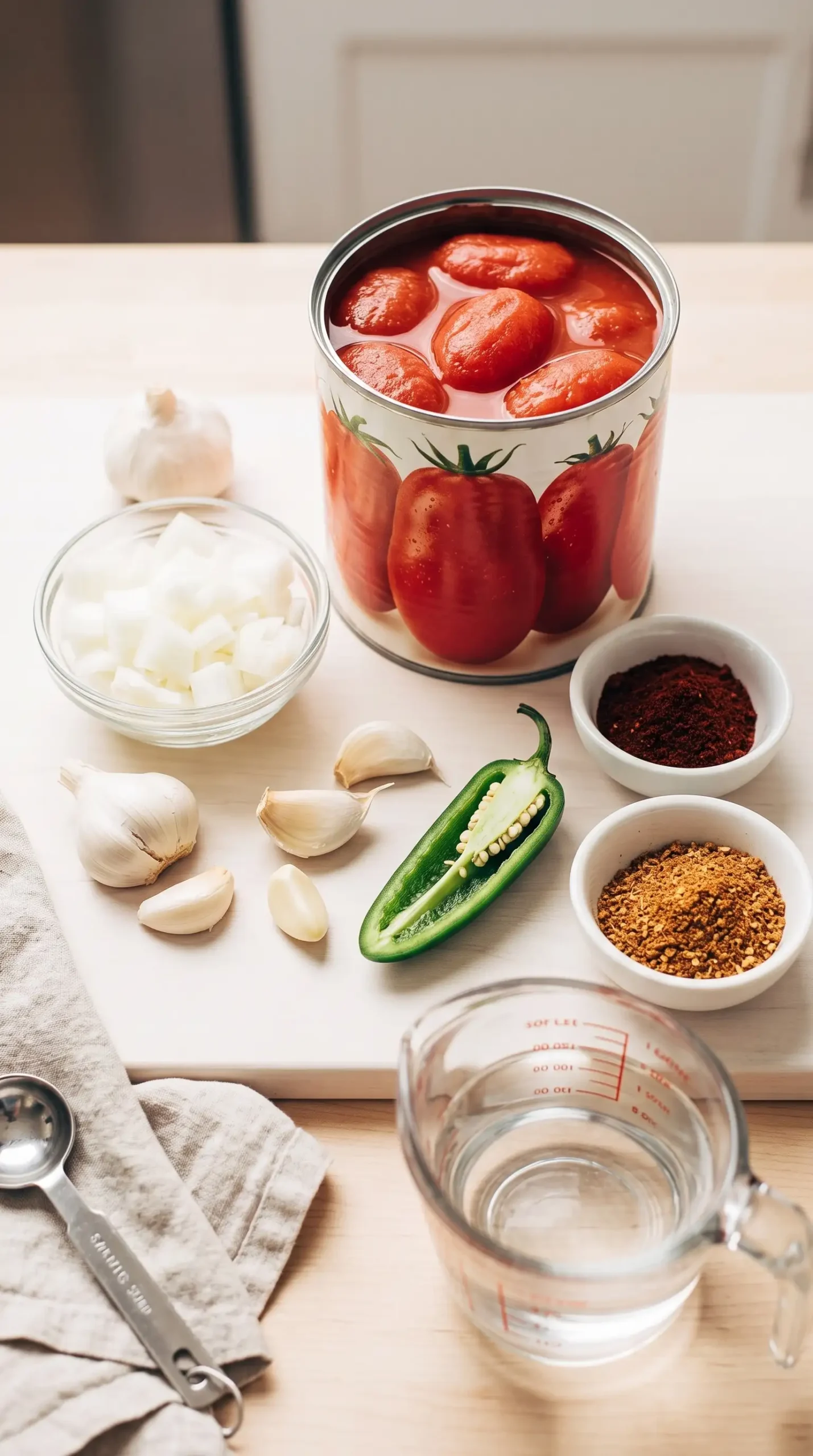
Whole peeled tomatoes create the foundation of homemade enchilada sauce because their soft structure breaks down easily during blending. Their natural tomato flavor supports the chili powder and seasonings while giving the sauce its familiar red appearance.
Tomato texture influences the final consistency more than many cooks expect. Since the tomatoes are blended directly with the other ingredients, their quality and moisture level affect whether the sauce feels thick and coating or lighter and more pourable.
A smooth tomato base also allows the spices to spread evenly. When the tomatoes combine with chili powder and taco or Southwestern seasoning, the sauce develops a unified flavor instead of isolated pockets of seasoning.
Spice Balance Defines the Blender Enchilada Sauce Character
Chili powder and taco or Southwestern seasoning provide the main seasoning structure in blender enchilada sauce. Their combination creates the recognizable savory profile associated with enchilada-style dishes while leaving room for personal adjustments.
Small changes in seasoning can shift the personality of the sauce. Adding more salt can brighten existing flavors, while changing the amount of spice mixture can make the sauce more pronounced or more subtle for different meals.
- Chili powder: Builds the main pepper-based flavor foundation throughout the sauce.
- Seasoning blend: Adds a broader Southwestern character with a convenient combination of spices.
- Salt adjustment: Helps sharpen the overall taste after blending.
Fresh Aromatics Keep the Sauce Rounded
Onion, garlic, and jalapeno bring freshness and complexity to enchilada sauce without requiring a long ingredient list. Removing the jalapeno ribs and seeds keeps its contribution focused on flavor while allowing the spice level to remain manageable.
Blending Control Creates the Right Sauce Consistency
Blending control matters because the same ingredients can create different results depending on how thoroughly they are processed. Watching the texture change helps cooks decide when the sauce has reached the consistency they prefer.
Careful tasting after blending is an important part of execution. The flavors combine quickly, but the finished sauce may need a small adjustment of salt or seasoning to suit the dish where it will be used.
Additional simmering can provide another option for cooks who want deeper flavor development. The sauce can be used after blending, or a longer cooking period can allow the ingredients to meld further before serving.
Enchilada Sauce Mistakes That Affect the Final Result
Several common mistakes can change the quality of enchilada sauce even when the ingredient list is simple. Paying attention to texture, seasoning, and ingredient balance helps avoid disappointing results.
- Stopping too early: An uneven blend can leave pieces of onion, garlic, or jalapeno that have not fully combined with the tomato base.
- Overlooking seasoning balance: The finished sauce may need a taste check because tomatoes and spice blends vary in intensity.
- Adding too much liquid: Excess water can make the sauce thinner than expected and reduce its concentrated flavor.
Correcting these issues is usually straightforward. More blending can smooth the texture, additional seasoning can restore balance, and careful liquid choices can maintain the sauce consistency needed for enchiladas or other dishes.
Adjustments Make the Sauce Fit Different Meals
Different meals may call for different sauce qualities, and this preparation can be adapted without changing its basic identity. A thicker texture works well when a sauce needs to cling to food, while a smoother pour can help cover a larger surface.
Individual preferences also shape the final experience. Some cooks may prefer a stronger chili flavor, while others may enjoy a milder tomato-forward version that works across a wider range of dishes.
Storing Enchilada Sauce Keeps It Ready for Use
Proper storage allows homemade enchilada sauce to become a convenient make-ahead component. The blended sauce can be kept for later meals, making it easier to add homemade flavor when preparing quick dinners.
Freezing also provides a practical way to preserve extra sauce. When thawed and stirred, the sauce can return to a useful consistency for cooking applications that need a flavorful tomato and spice base.
Serving Ideas Highlight the Sauce Versatility
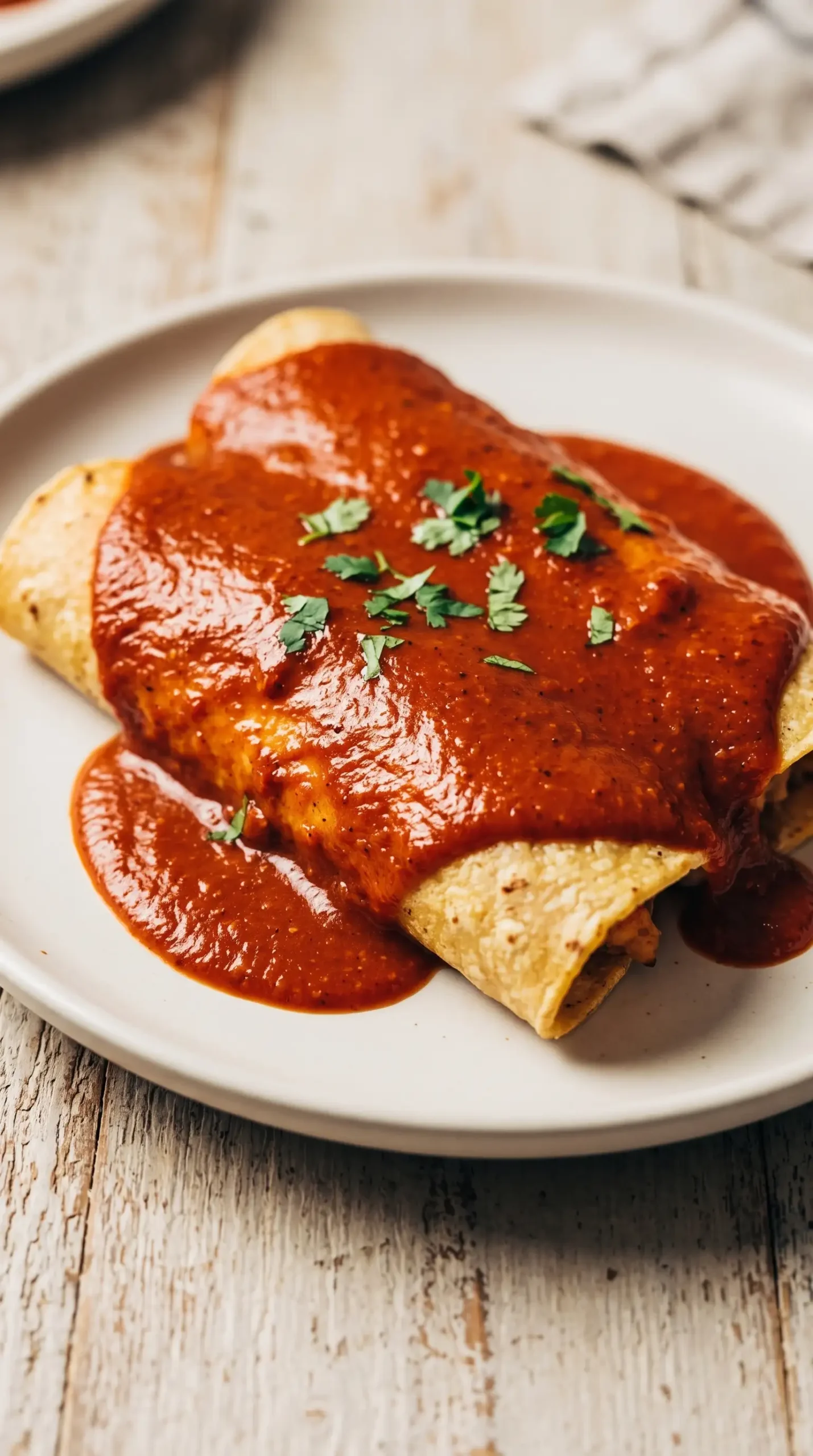
Enchilada sauce naturally fits classic enchilada dishes, but its uses extend beyond one meal. The sauce can add a tomato-rich layer to baked dishes such as carnitas tamale pie, where a hearty filling benefits from a flavorful coating.
Common serving options include:
- Enchiladas: Spoon over filled tortillas before baking or serving.
- Casseroles: Layer into dishes that benefit from tomato and spice flavors.
- Rice and beans: Add a flavorful coating that brings simple sides together.
Comparing Quick and Simmered Enchilada Sauce Results
| Preparation style | Flavor development | Best use |
|---|---|---|
| Blended immediately | Fresh tomato and spice flavors stay prominent | Fast meals and quick sauce applications |
| Blended then simmered | Ingredients have more time to combine | When a deeper cooked flavor is preferred |
| Stored after preparation | Convenient ready-to-use sauce | Planned meals and future cooking |
Choosing between these approaches depends on the meal and available time. The blender version provides speed and freshness, while simmering offers another way to develop the flavors already present in the sauce.
Texture Checks Improve Homemade Enchilada Sauce Success
Texture checks help determine whether the sauce matches the intended dish. A sauce that pours smoothly can coat ingredients evenly, while a thicker consistency may provide a richer layer over baked dishes.
Observing the sauce after blending also reveals whether additional processing is needed. The tomatoes should combine with the seasonings and aromatics into a cohesive mixture that feels balanced from the first spoonful.
Flavor Tweaks Work Without Changing the Base
Simple flavor adjustments allow enchilada sauce to match different preferences while keeping its core structure intact. A cook can refine the seasoning balance after blending instead of changing the entire preparation.
Thoughtful changes work best when they support the original ingredients. Keeping the tomato, chili, onion, garlic, and jalapeno foundation recognizable preserves the character that makes this sauce useful in many meals.
Blended Tomatoes Create a Balanced 5 Minute Enchilada Sauce Finish
Blended tomatoes create a balanced 5 minute enchilada sauce finish when the texture is smooth, the seasonings are distributed evenly, and the fresh aromatics support the tomato base. The short preparation works because each ingredient has a clear role once everything is combined.
Enchilada sauce made in the blender succeeds when cooks pay attention to consistency and flavor balance instead of focusing only on speed. The result is a flexible sauce that can move from a quick meal idea to a dependable homemade staple.
Enchilada Sauce Heat Questions and Answers
How can the heat level be adjusted?
Heat can be changed by adjusting the jalapeno amount or modifying how much spicy seasoning remains in the blend. Keeping the ribs and seeds removed creates a milder approach, while including more jalapeno can increase the pepper flavor.
Can enchilada sauce be used without cooking?
Yes, the blended sauce is designed to be usable after combining the ingredients. Cooking is an optional step for anyone who wants the flavors to develop further before serving.
Why does my sauce taste different each time?
Variations can come from differences in tomatoes, spice blends, and personal seasoning adjustments. Tasting after blending helps identify whether the sauce needs more salt or seasoning balance.
How should leftover sauce be handled?
Extra sauce can be stored for later use, and freezing provides a convenient option when a larger amount is prepared. Stirring after storage helps restore an even texture before using it again.
Enchilada Sauce 5 Minute Blender with Whole Peeled Tomatoes
This 5 minute blender enchilada sauce is a smooth, flavorful homemade sauce with a balanced tomato and spice profile. It is a quick option for adding fresh enchilada flavor to meals when you want an easy sauce made from simple ingredients.
Ingredients
Method
Preparation
- Combine all ingredients in a blender and blend until the sauce is fully combined.
- Use the finished sauce as desired.
Notes
For additional flavor and depth, the sauce can be simmered together for 15-30 minutes, but it can also be used immediately after blending. The sauce freezes well. Nutrition is based on half a cup (1/8th of the recipe). A previous version used 28 ounces of water by refilling the tomato can once, but testing and feedback led to the updated amount of 1 cup of water.