From breakfast to dinner, from wholesome meals to indulgent desserts, Nexa Recipes offers quick, easy, and delicious ideas for every occasion and every moment.



 This Recipe
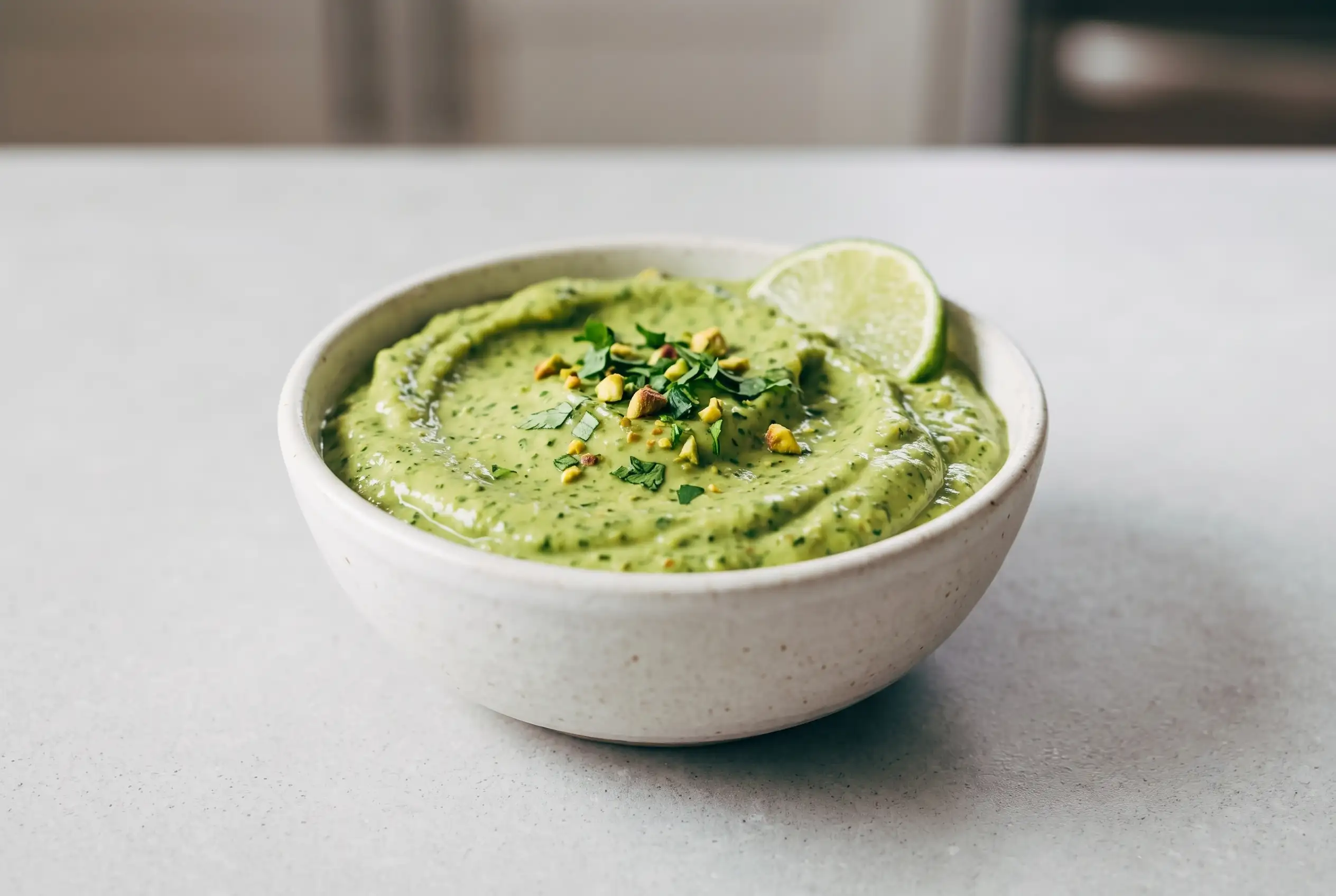
Green sauce brings together avocado, herbs, jalapeño, lime, garlic, olive oil, and pistachios into a bright blended condiment with a creamy texture and fresh flavor. This 5 minute green sauce creates a versatile option for dipping, spreading, dressing salads, or adding a flavorful finish to everyday meals.
The combination works because each element has a clear role without requiring complicated preparation. The avocado creates a rich base, the herbs provide a fresh character, and the jalapeño adds adjustable heat. A careful balance of acidity, salt, and texture helps the finished blend stay lively instead of feeling heavy.
Green Sauce Brings Avocado Freshness to Quick Meals
Avocado green sauce stands apart from many blended condiments because its creamy body comes from a fresh ingredient instead of a dairy-based mixture. The result is a smooth sauce that can move between different uses depending on how thick or thin the blend becomes.
Many meals benefit from a spoonful of cilantro jalapeno green sauce because the flavors are bold enough to brighten simple foods. The herb combination gives the sauce a recognizable green color and a fresh finish that pairs well with savory dishes.
Simple serving ideas make the sauce especially practical. A thicker version works as a dip or spread, while a loosened texture can coat vegetables, grains, or other dishes more evenly.
Avocado and Pistachios Shape Green Sauce Character
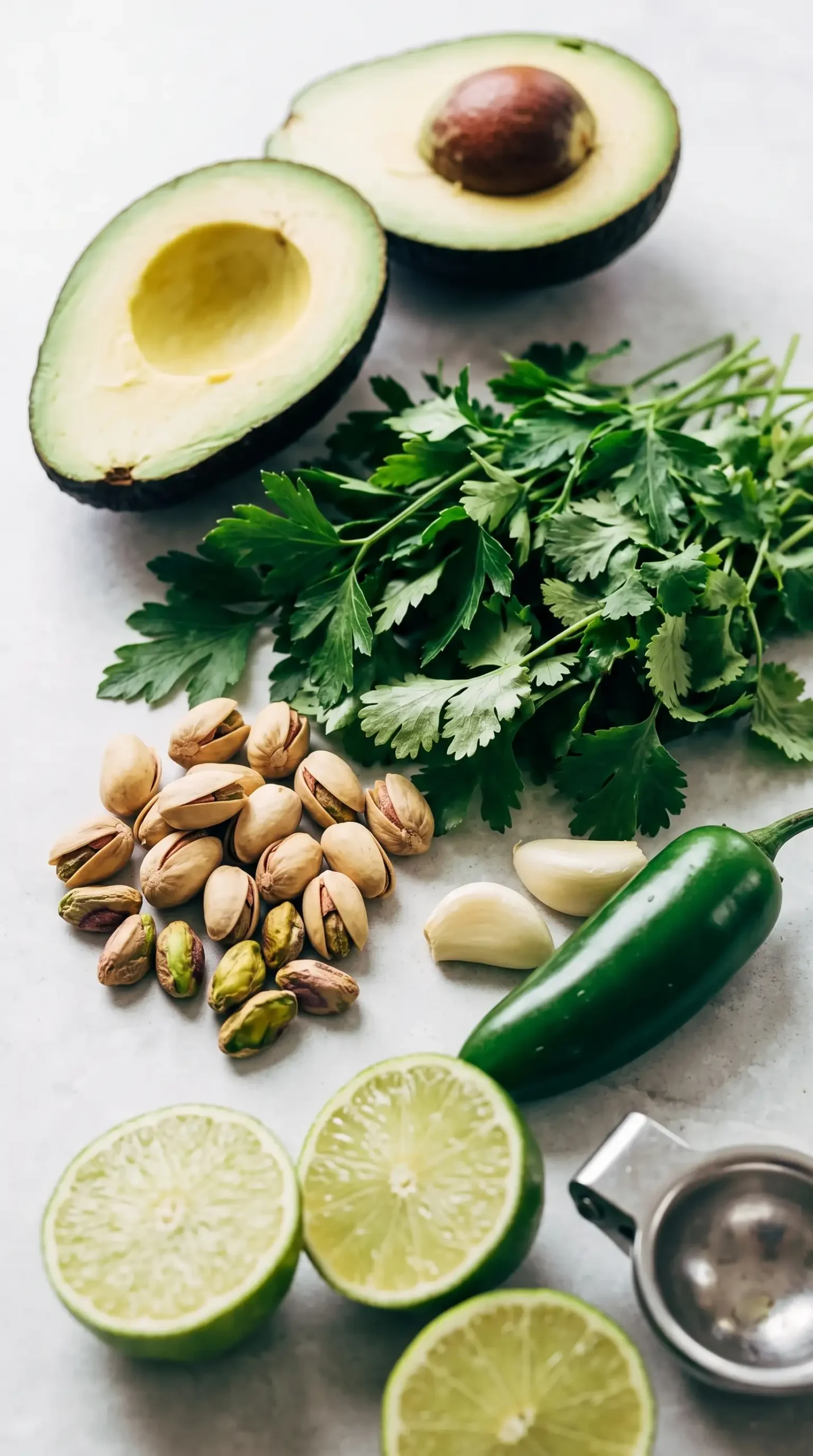
The ingredient choices behind green sauce determine more than flavor alone. Avocado creates the creamy foundation, while pistachios introduce a nutty richness and help create the textured finish many people enjoy in blended sauces.
Fresh parsley and cilantro provide the herbal profile that defines the sauce. Removing the jalapeño ribs and seeds gives more control over the heat level, allowing the pepper flavor to support the other ingredients without overpowering them.
- Avocado choice: A ripe avocado helps the sauce blend smoothly and creates a naturally creamy consistency.
- Pistachio texture: The nuts can be blended until mostly smooth or left with small pieces for extra character.
- Lime balance: Extra lime juice can emphasize the bright, fresh quality of the finished sauce.
Understanding these roles makes adjustments easier when preparing the sauce. Small changes in texture or seasoning can shift the way it works with different foods.
Lime and Herbs Keep the Blend Balanced
Lime juice and fresh herbs give green sauce its energetic flavor profile. The citrus helps cut through the richness of avocado and olive oil, while parsley and cilantro keep each bite tasting fresh.
Serving Choices Expand Green Sauce Beyond Dips
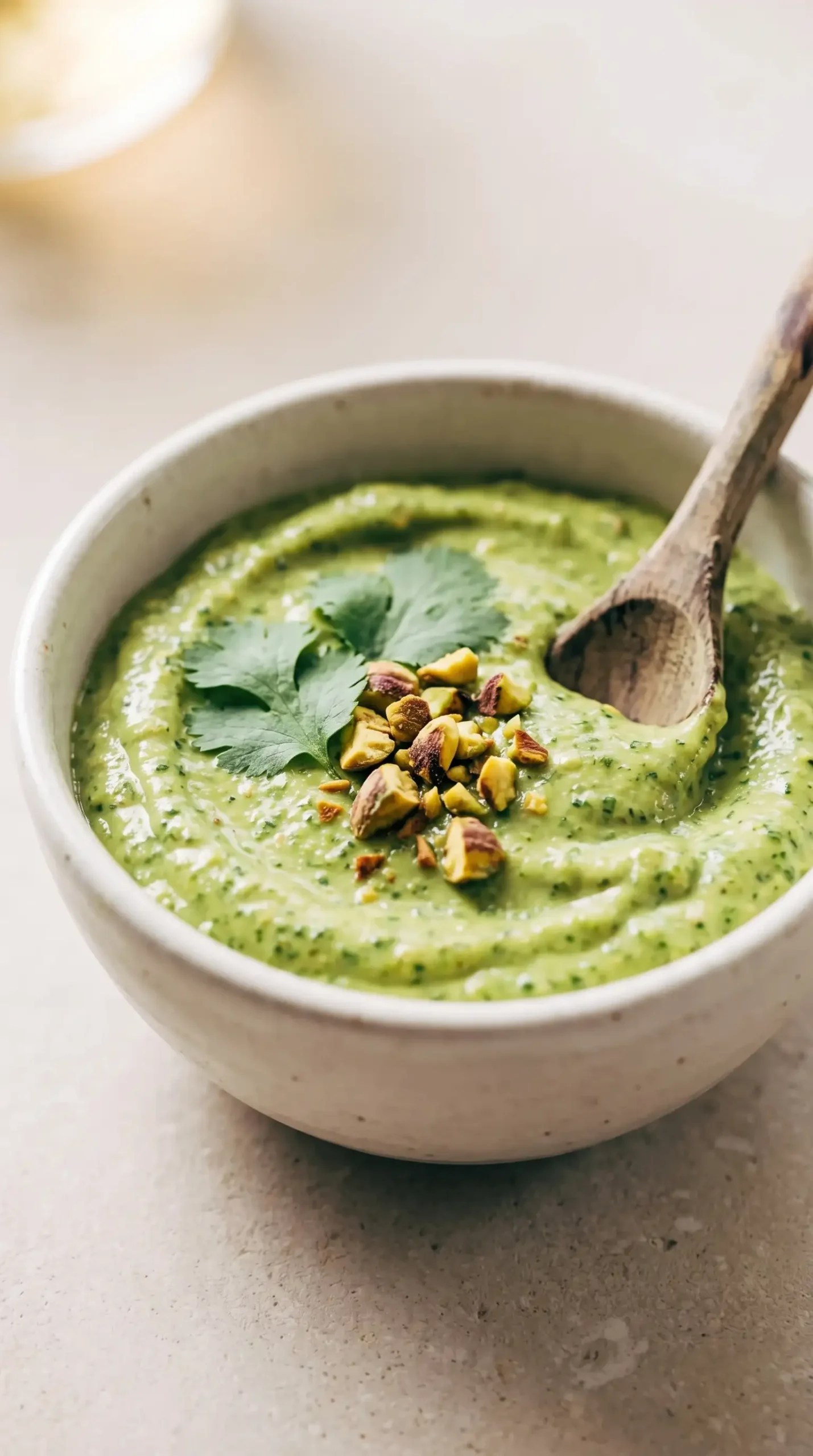
Green sauce can become part of many meals because its consistency is easy to adapt. A thicker blend can sit on toast, crackers, or vegetables, while a thinner version can act as a dressing or marinade. A pourable texture creates a fresh topping for salads and bowls, including variations such as avocado cilantro dressing with herbs and citrus notes.
Different serving styles highlight different parts of the flavor. A dip emphasizes the creamy avocado base, while a drizzle allows the lime and herbs to spread across a larger portion of food.
| Serving style | Texture preference | Best use |
|---|---|---|
| Dip | Thicker and spoonable | Vegetables, crackers, and snack plates |
| Spread | Creamy and stable | Toast, sandwiches, and wraps |
| Dressing or marinade | Looser and flowing | Salads, roasted foods, and bowls |
Texture Control Makes Green Sauce Work in More Dishes
Texture decisions have a major effect on how green sauce performs after blending. The pistachios can remain slightly textured for a rustic feel or become more incorporated for a smoother finish.
Additional water or olive oil changes the flow of the sauce when a thinner consistency is needed. Adding liquid gradually allows better control because a thick spread can be adjusted without losing the concentrated flavor.
Careful blending also protects the character of the ingredients. Pulsing helps combine the mixture while still allowing the cook to decide how much texture remains in the finished sauce.
Food Processor Choices Affect Final Consistency
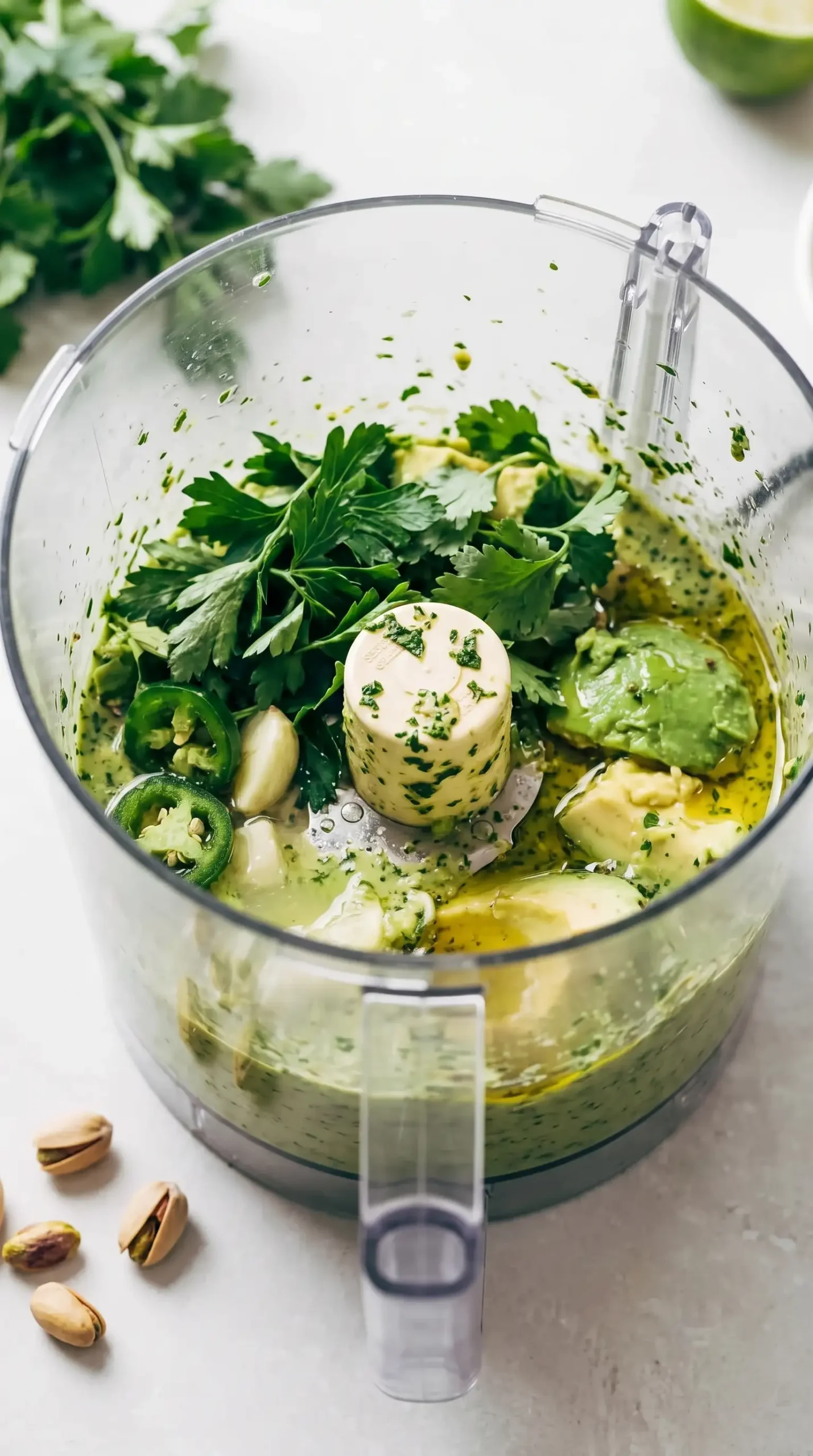
A food processor provides the structure needed for this blended sauce because it combines leafy herbs, creamy avocado, liquids, and nuts into one mixture. The order of adding components matters less than monitoring the texture as the ingredients come together.
Watching the blend during processing helps prevent overworking the pistachios or creating a texture that does not match the intended use. A sauce for dipping may benefit from more body, while a dressing requires a smoother flow.
Green Sauce Mistakes That Flatten Flavor or Texture
Small preparation choices can change the quality of green sauce. Avoiding a few common problems helps preserve the fresh flavor and balanced consistency that make the condiment useful.
- Over-thinning: Adding too much liquid at once can make the sauce lose its rich avocado texture.
- Muted flavor: Skipping enough lime or salt can leave the blend tasting less lively.
- Uneven blending: Stopping too early can leave large pieces when a smoother finish is preferred.
Adjustments are simple when a problem appears. A thicker texture can be corrected with small additions of liquid, while seasoning can be balanced by tasting and making gradual changes.
Pistachio Swaps Change the Sauce Experience
Pistachios bring a specific nutty taste, but other nuts can also work when a substitution is needed. The choice changes the character of the sauce while keeping the creamy blended style intact.
| Nut option | Flavor direction | Texture result |
|---|---|---|
| Pistachios | Rich and naturally nutty | Classic creamy texture with subtle pieces |
| Other nuts | Varies by selection | Maintains blended sauce structure |
| No nuts | More focused on avocado and herbs | Less nutty depth |
Choosing a substitute depends on the role the sauce needs to play. A spread may benefit from extra richness, while a lighter topping may highlight the herbs and lime more strongly.
Storage and Preparation Keep Green Sauce Ready
Fresh blended sauces are best handled with attention to their ingredients. The avocado base means color and texture are important parts of enjoying the finished condiment.
Because avocado is exposed during blending and serving, limiting air contact helps preserve its appearance. Adding acidity such as lime juice can slow browning when storing cut avocado-based mixtures.
Preparing the sauce close to serving keeps the herb flavor vibrant and the consistency appealing. If adjustments are needed later, small additions of water, oil, or seasoning can help refresh the texture.
Meal Pairings Highlight Cilantro Jalapeno Green Sauce
Cilantro jalapeno green sauce naturally fits meals that benefit from fresh herbs and mild heat. Its creamy texture allows it to connect ingredients together without requiring a separate heavy topping.
- Start with foods that need a fresh, savory accent, such as vegetables, wraps, or bowls.
- Add the sauce in a small amount and adjust based on the richness of the dish.
- Use a thinner consistency when the flavor needs to spread across a larger surface.
The sauce works best when its bright flavors complement the main food. Its flexibility comes from the ability to change thickness while keeping the same core character.
Fresh Variations Fit Different Green Sauce Uses
Green sauce can shift slightly depending on how it will be served. More lime can emphasize brightness, while texture adjustments can make it feel more like a dip, spread, or pourable topping.
Heat levels can also be adapted by changing how much jalapeño flavor comes through. Removing ribs and seeds provides a starting point for a balanced pepper taste, while personal preferences can guide further adjustments.
Visual Cues Help Adjust the Blend
A few simple observations can guide preparation decisions. A sauce with a creamy appearance and evenly distributed ingredients is ready for serving, while a thicker or thinner result can be adjusted according to its purpose.
Avocado Green Sauce Finishes with Smooth Flavor
Avocado green sauce succeeds because its creamy base, fresh herbs, citrus brightness, and nutty depth work together in one flexible condiment. The most important cooking judgment comes from matching the texture to the way the sauce will be served.
Balanced blending keeps the avocado richness supported by lime, herbs, and jalapeño instead of allowing one element to dominate. That careful balance is what lets a simple combination become a useful sauce for many different meals.
Green Sauce Texture Questions and Answers
How smooth should green sauce become?
The ideal texture depends on the serving purpose. A dip can keep some pistachio texture, while a dressing or marinade benefits from a smoother blend that spreads easily.
Can green sauce be made less spicy?
Yes. Using a jalapeño with ribs and seeds removed creates a milder pepper presence, and the amount of jalapeño can be adjusted further to suit personal heat preferences.
What can replace pistachios in green sauce?
Other nuts can replace pistachios while maintaining the blended structure. The replacement will slightly change the flavor profile, so the choice depends on the taste you want from the sauce.
Why does my green sauce taste too rich?
A rich flavor can come from the combination of avocado and olive oil. Adding more lime juice or adjusting the herbs can help create a brighter balance.
How can green sauce become a thinner dressing?
Additional water or olive oil can loosen the consistency. Adding small amounts gradually makes it easier to reach a pourable texture without making the sauce too thin.
Green Sauce with Avocado, Pistachios and Lime Juice
Green sauce is a creamy, fresh blended condiment with a smooth avocado base, bright lime flavor, herbs, and nutty pistachio texture. It is an easy, versatile sauce to make when you want a flavorful dip, spread, or dressing.
Ingredients
Method
Preparation
- Place all ingredients except the pistachios in a food processor and pulse until combined.
- Add the pistachios and continue pulsing until the sauce reaches the desired mostly smooth consistency.
- Serve as a dip, spread, or sauce, or add additional water or oil to thin the mixture for use as a dressing or marinade.
Notes
Adjust the amount of blending to create a thicker sauce with more texture or a smoother consistency.