From breakfast to dinner, from wholesome meals to indulgent desserts, Nexa Recipes offers quick, easy, and delicious ideas for every occasion and every moment.



 This Recipe
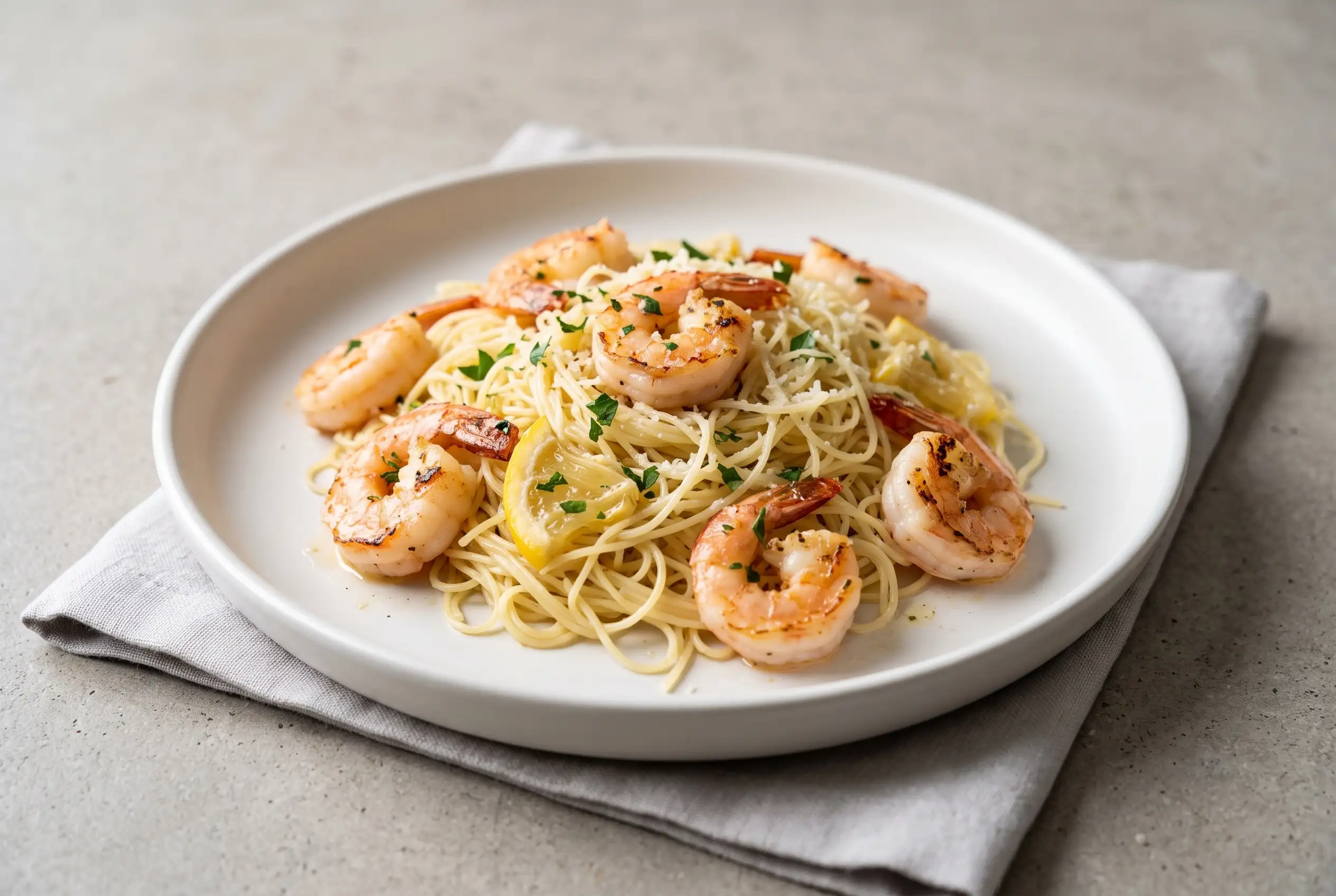
Shrimp scampi is a fast seafood dinner built around tender shrimp, fragrant garlic, bright lemon, and pasta that carries the pan sauce beautifully. This 15 minute shrimp scampi style meal brings together simple flavors without requiring a complicated preparation, making it a useful choice when a fresh-tasting dinner needs to come together quickly.
The character of shrimp scampi with pasta comes from careful timing. Shrimp need enough heat to develop flavor without becoming firm and dry, while garlic and butter need gentle attention so their aromas remain sweet and savory. Small choices during cooking create the difference between a flat dish and a balanced garlic lemon shrimp scampi.
Shrimp Scampi Creates Bright Flavor Through Simple Balance
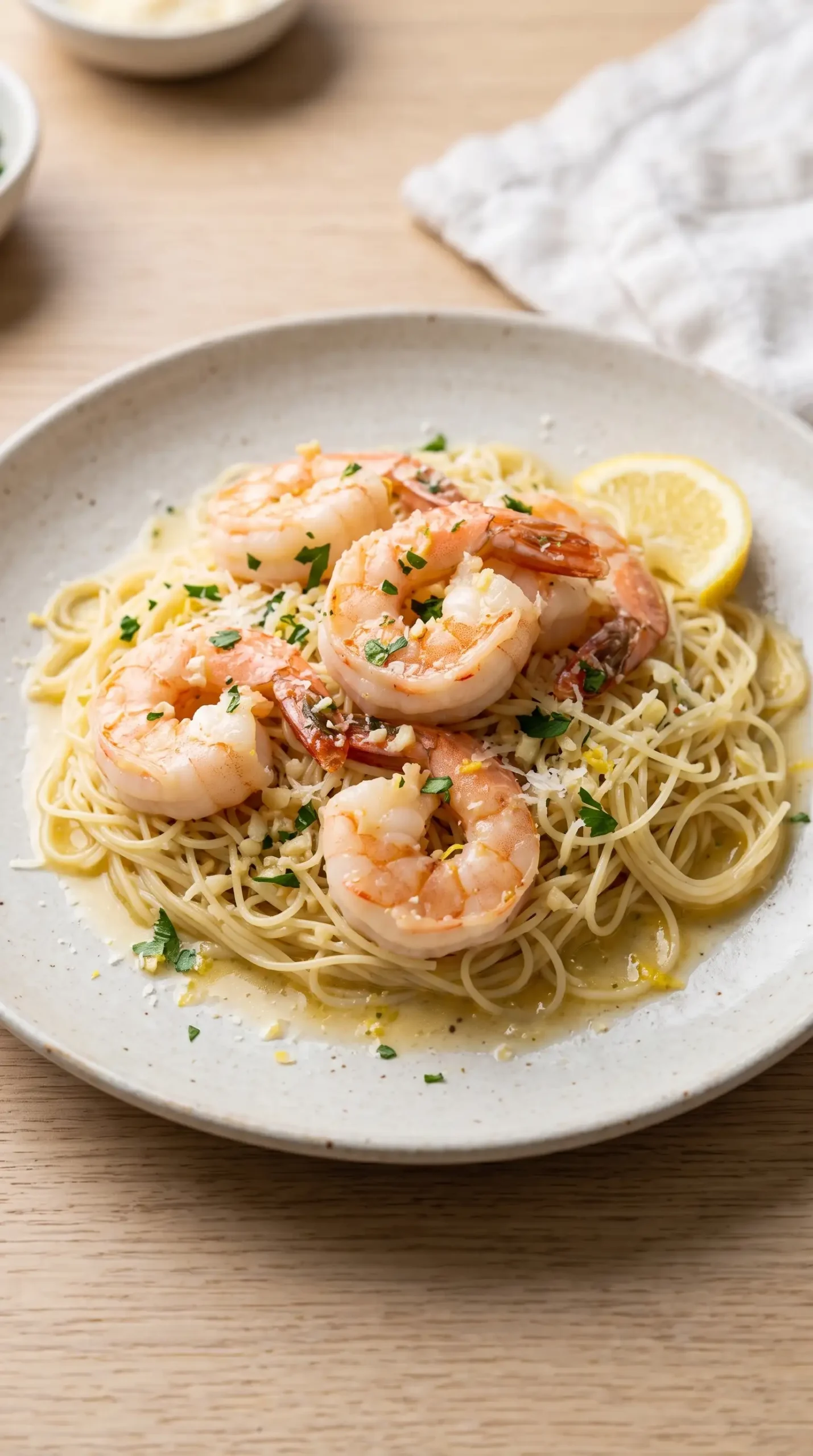
The appeal of shrimp scampi comes from contrast. Rich butter, olive oil, and Parmesan are balanced by lemon, parsley, and a light wine-based sauce. Each element has a clear purpose, allowing the dish to feel flavorful without relying on a heavy coating.
Quick seafood dinners often depend on keeping the main ingredients visible. The shrimp remain the centerpiece, while the pasta provides a base for the garlic and citrus flavors. A small amount of sauce is enough when it is properly combined with the noodles.
Capellini Carries the Garlic Lemon Shrimp Scampi Finish
Thin capellini noodles work especially well because their delicate texture allows the shrimp mixture to spread throughout the serving. The strands collect the butter, garlic, wine, and lemon flavors while keeping the seafood easy to enjoy in every bite. Bright pasta dishes such as lemon pesto penne use citrus-forward flavors to create a fresh finish with noodles and sauce.
Garlic and Lemon Pieces Define the Sauce Character
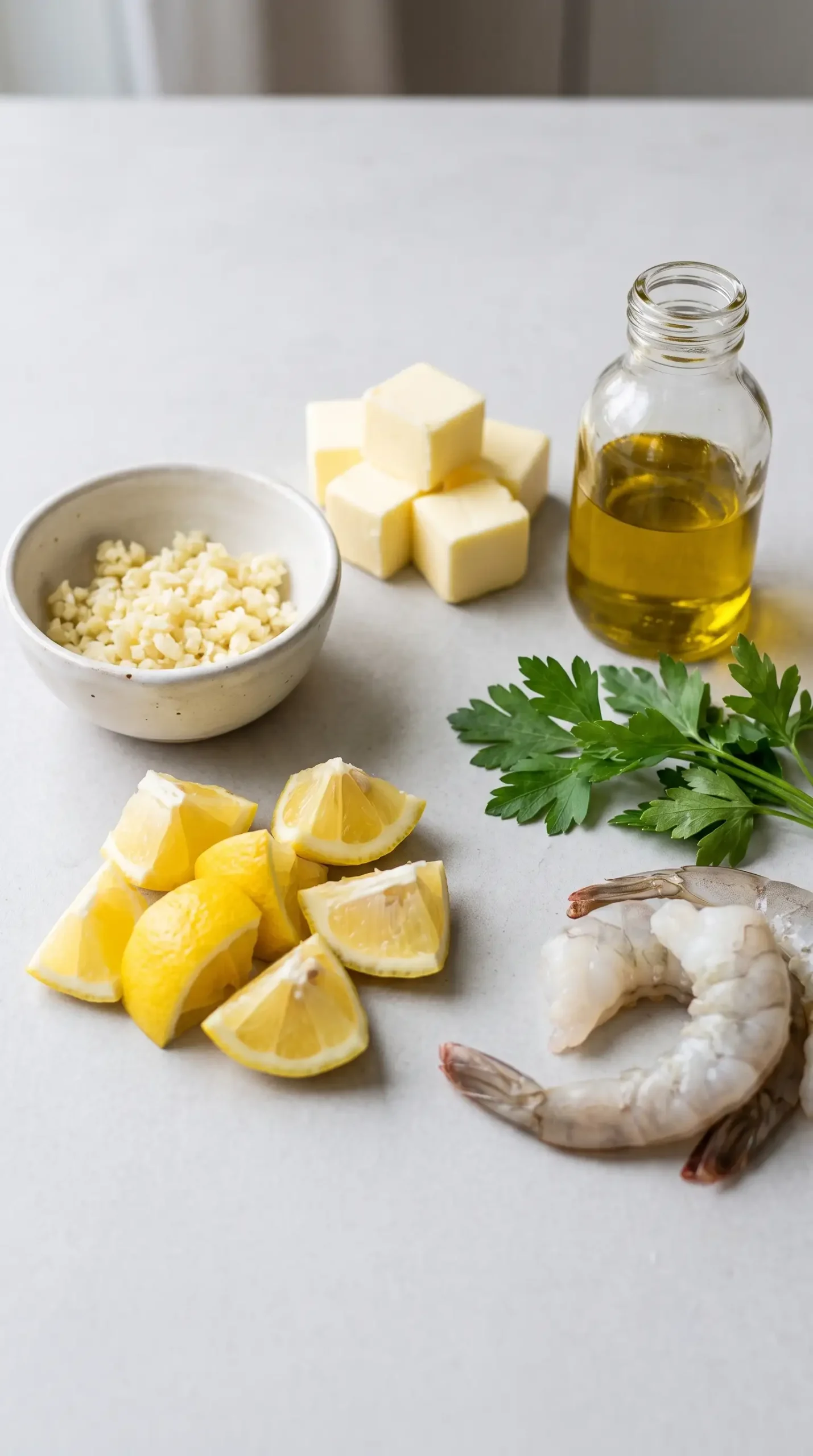
The most important ingredient decision in shrimp scampi is how the aromatic elements are handled. Minced garlic should soften slowly in butter after the shrimp are removed from the pan. This creates a fragrant base while protecting the garlic from becoming harsh.
Lemon pieces with finely chopped peel bring a deeper citrus note because they contribute more than acidity alone. The bright flavor works alongside the savory shrimp and helps the sauce feel lighter. A small adjustment, such as using lemon juice with zest, can provide a similar direction when whole lemon pieces are not available.
Wine adds another layer by loosening the flavorful bits in the skillet and reducing into a concentrated finish. The combination of garlic, citrus, and wine is what gives garlic lemon shrimp scampi its recognizable style.
Fresh Shrimp Handling Shapes the Tender Texture
Shrimp preparation affects the final texture before any seasoning reaches the pan. Removing excess moisture is especially helpful when using frozen shrimp because a dry surface allows the shrimp to contact the hot skillet more effectively.
Leaving the shrimp undisturbed at the beginning of cooking helps the surface heat properly. Moving them too early can prevent the shrimp from developing the firm, lightly browned exterior that supports the sauce.
| Shrimp preparation choice | Cooking impact | Useful action |
|---|---|---|
| Excess moisture removed | Better skillet contact | Press shrimp dry before cooking |
| Shells and tails removed | Easier eating | Prepare pieces before serving |
| Room for shrimp in pan | More even cooking | Avoid overcrowding the skillet |
Raw shrimp cook quickly, so attention matters more than complicated techniques. Once they are cooked through, setting them aside prevents them from staying over heat while the sauce develops.
Cooking Controls Protect the 15 Minute Shrimp Scampi
The skillet sequence matters because each stage has a narrow window. Shrimp benefit from direct heat first, while garlic and butter need a calmer temperature afterward. Adjusting the heat between these stages keeps the flavors clean.
Garlic requires constant attention once it enters the butter. Stirring helps it soften evenly and prevents dark spots that can introduce bitterness. The wine should have time to reduce so the sauce becomes concentrated before the lemon is added.
A few cooking habits make the process more reliable:
- Dry the shrimp: Remove surface moisture so the hot skillet can work effectively.
- Watch the garlic: Keep it moving and stop before browning turns bitter.
- Combine gently: Toss the pasta and shrimp mixture until the flavors are distributed.
These controls allow a quick shrimp scampi dinner to keep its fresh texture and clear flavors from the first bite to the last.
Shrimp Scampi Mistakes That Reduce Flavor and Texture
Even a simple shrimp dish can lose its appeal through a few common errors. Shrimp scampi depends on short cooking stages, so small timing problems are noticeable.
Burned garlic is one of the biggest risks because the ingredient changes quickly once it becomes too dark. The warning sign is a sharp smell instead of a sweet, savory aroma. Lowering the heat and stirring continuously helps protect the sauce.
Another mistake is leaving shrimp in the skillet while preparing the other components. Continued heat can make shrimp tough, so removing them once cooked and returning them only to warm through keeps the texture more pleasant.
Pasta can also affect the result. Draining the noodles and combining them with the shrimp mixture while the flavors are fresh helps the sauce cling to the strands instead of sitting separately.
White Wine Reduction Builds the Scampi Pan Sauce
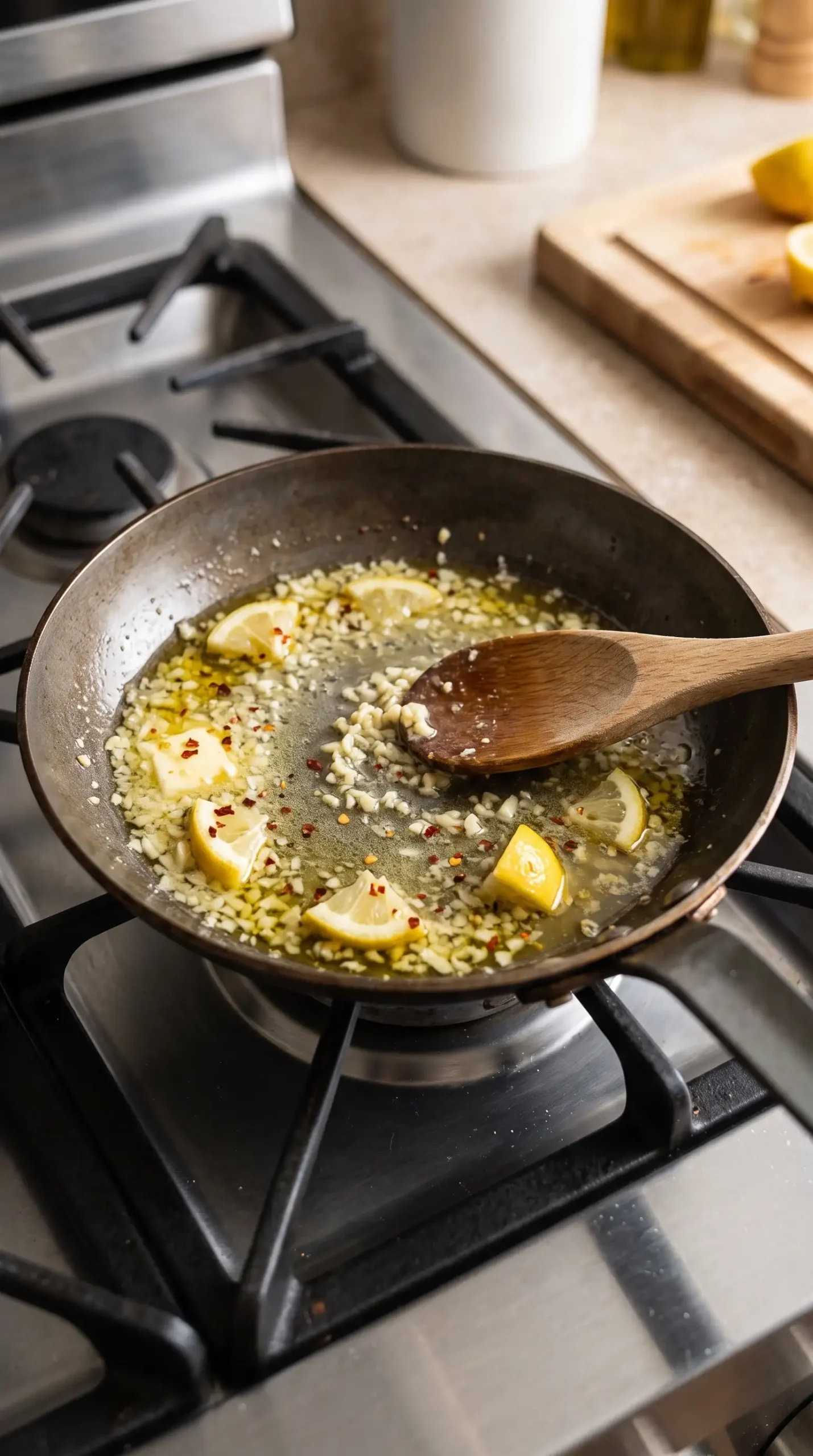
The wine stage creates a bridge between the garlic butter base and the finished pasta. As the liquid cooks down, it concentrates the flavors already present in the skillet.
Shrimp Scampi With Pasta Gains Better Serving Texture
The way the pasta is combined influences how the dish feels at the table. Tossing the noodles with the shrimp mixture distributes the sauce so each serving includes garlic, citrus, herbs, and seafood.
Parsley adds a fresh contrast after the richer ingredients have been combined. A small amount of Parmesan on top provides a savory finish without covering the delicate shrimp flavor.
For a balanced plate, consider these finishing choices:
- Herb finish: Add fresh parsley after tossing so its flavor stays bright.
- Cheese amount: Use Parmesan as a light topping instead of a dominant flavor.
- Citrus adjustment: Increase lemon character according to personal preference.
Recipe Adjustments Keep Shrimp Scampi Flexible
The basic structure of shrimp scampi makes it adaptable while preserving the main flavor profile. Different pasta choices can change the texture, but thin noodles remain especially effective for carrying the sauce.
Cooks using gluten-free noodles can choose a suitable alternative and follow the package directions for the best texture. The shrimp, garlic, lemon, and herb combination remains the defining part of the meal.
Storage Choices Preserve Leftover Shrimp Scampi Quality
Cooked shrimp and pasta are best enjoyed soon after preparation because shrimp texture can change when reheated repeatedly. Store leftovers promptly in a covered container, following cooked shrimp storage times, and warm them gently when serving again.
Ingredient Decisions Improve Quick Shrimp Scampi Results
Choosing raw shrimp gives the cook more control over texture because the seafood can be seasoned and heated directly in the skillet. Removing shells and tails before cooking also makes the finished meal easier to eat.
Small ingredient choices have a noticeable effect in a short recipe. Fresh parsley, good-quality lemon flavor, and careful garlic handling help the finished dish taste more complete without adding extra complexity.
Shrimp Scampi Rewards Careful Timing in Every Skillet Stage
Shrimp scampi succeeds because each cooking decision supports the next one. Properly handled shrimp provide a tender centerpiece, while the garlic, lemon, and butter mixture creates the sauce that connects everything together.
15 minute shrimp scampi works best when speed does not replace attention. The dish comes together quickly because the ingredients are prepared for short cooking moments, allowing every flavor to remain distinct.
Shrimp Scampi Troubleshooting Questions and Answers
Why did my shrimp become rubbery?
Shrimp usually become rubbery when they stay over heat too long. Remove them once cooked through, then return them briefly only when the sauce and pasta are ready to combine.
How can I prevent bitter garlic in shrimp scampi?
Keep the heat moderate after adding garlic and butter, and stir continuously while the garlic softens. Dark brown garlic can create a bitter taste that changes the entire sauce.
Can frozen shrimp work for this dish?
Frozen shrimp can work well when thawed properly and dried before cooking. Removing extra moisture helps the shrimp cook more effectively in the skillet.
What can replace white wine in the sauce?
A cook can use additional lemon flavor with a small amount of liquid if wine is not preferred. The important part is maintaining the bright, savory balance that supports the shrimp and garlic.
How do I make the lemon flavor stronger?
Increase the amount of finely chopped lemon pieces or add more lemon zest and juice according to taste. Citrus should brighten the dish while still allowing the shrimp and garlic to remain noticeable.
15 Minute Shrimp Scampi with Garlic Lemon Capellini
This shrimp scampi combines tender shrimp, delicate capellini noodles, and a bright garlic lemon sauce for a quick, fresh-tasting dinner. It is an easy weeknight meal with a light texture and savory citrus flavor.
Ingredients
Method
Preparation
- Bring a pot of water to a boil for the noodles.
- Heat olive oil in a small skillet over medium-high heat. Remove excess moisture from the shrimp, add them to the hot skillet, and cook for 1-2 minutes before turning. Season with salt and pepper while cooking, then continue until the shrimp are cooked through. Remove from the skillet and set aside.
Cooking
- Cook the capellini noodles in the boiling water according to the package directions.
- Using the same skillet, add garlic and butter and lower the heat to medium. Sauté for 3 minutes, stirring continuously, until the garlic softens and becomes fragrant.
- Add the white wine and simmer for a few minutes until the liquid reduces. Stir in the lemon pieces and cook for another 1-2 minutes.
- Return the shrimp to the skillet briefly to warm them through.
Assembly
- Drain the noodles and return them to the saucepan. Add the shrimp, lemon, and garlic mixture along with the fresh parsley, then toss to combine.
- Season with salt and pepper and finish with a small amount of Parmesan cheese before serving.
Notes
Frozen raw shrimp can be used by removing the shells and tails before cooking. The lemon pieces can be recreated by finely chopping lemon with the rind, or by using 1/2 tablespoons lemon juice and a spoonful of zest. Adjust the lemon flavor to your preference.