From breakfast to dinner, from wholesome meals to indulgent desserts, Nexa Recipes offers quick, easy, and delicious ideas for every occasion and every moment.



 This Recipe
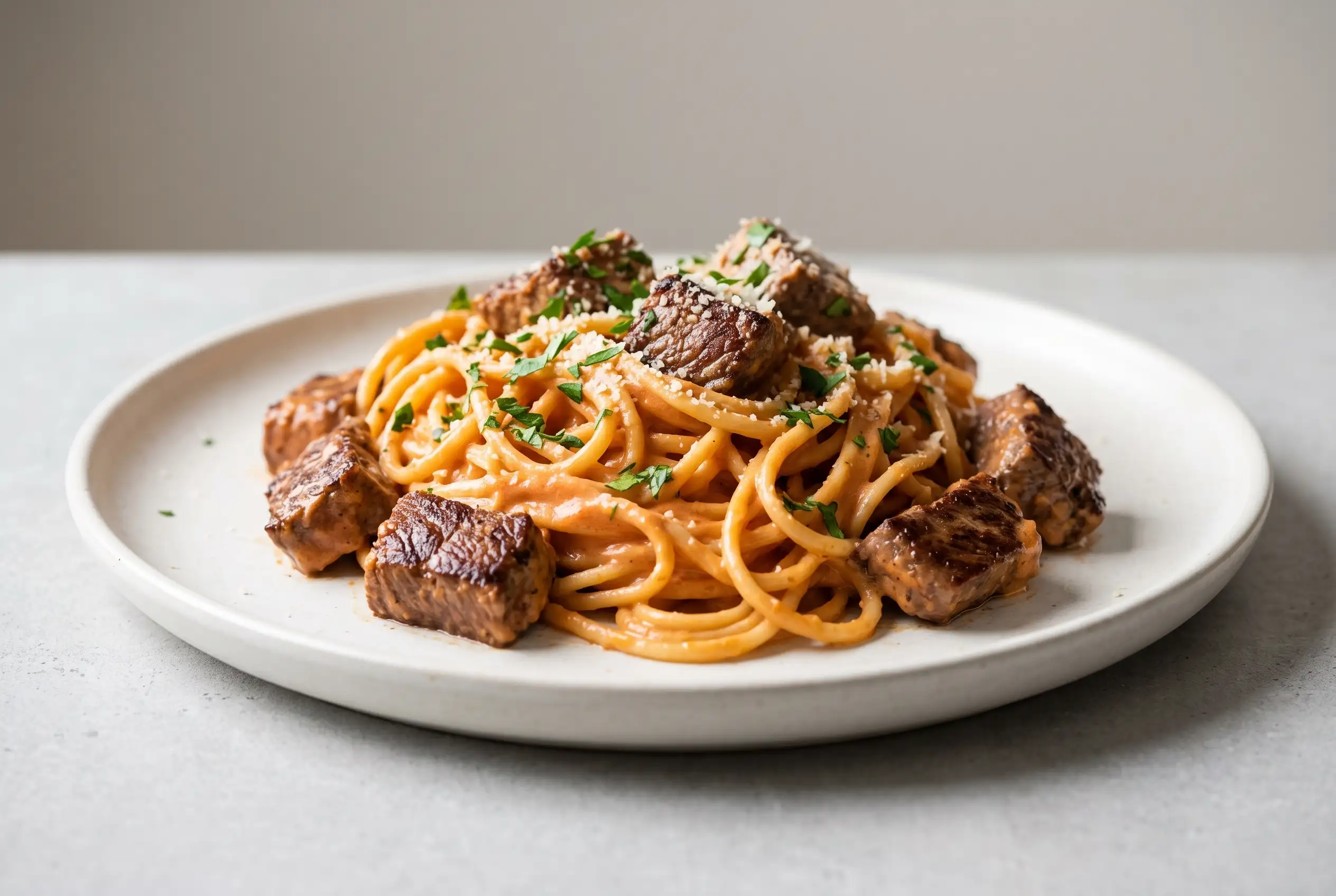
Vodka steak pasta brings together seared sirloin, creamy vodka sauce, and a simple noodle base for a dinner that feels rich without requiring a long ingredient list. The combination works because each part has a clear role: the steak develops a browned exterior, the sauce coats every bite, and zucchini noodles provide a fresh contrast to the savory skillet flavors.
Built around a short list of ingredients, the dish depends on a few important cooking decisions. The way the steak is browned, how the sauce is handled after searing, and when the zucchini noodles meet the sauce all influence the finished texture.
Vodka Steak Pasta Builds Flavor Around Simple Components
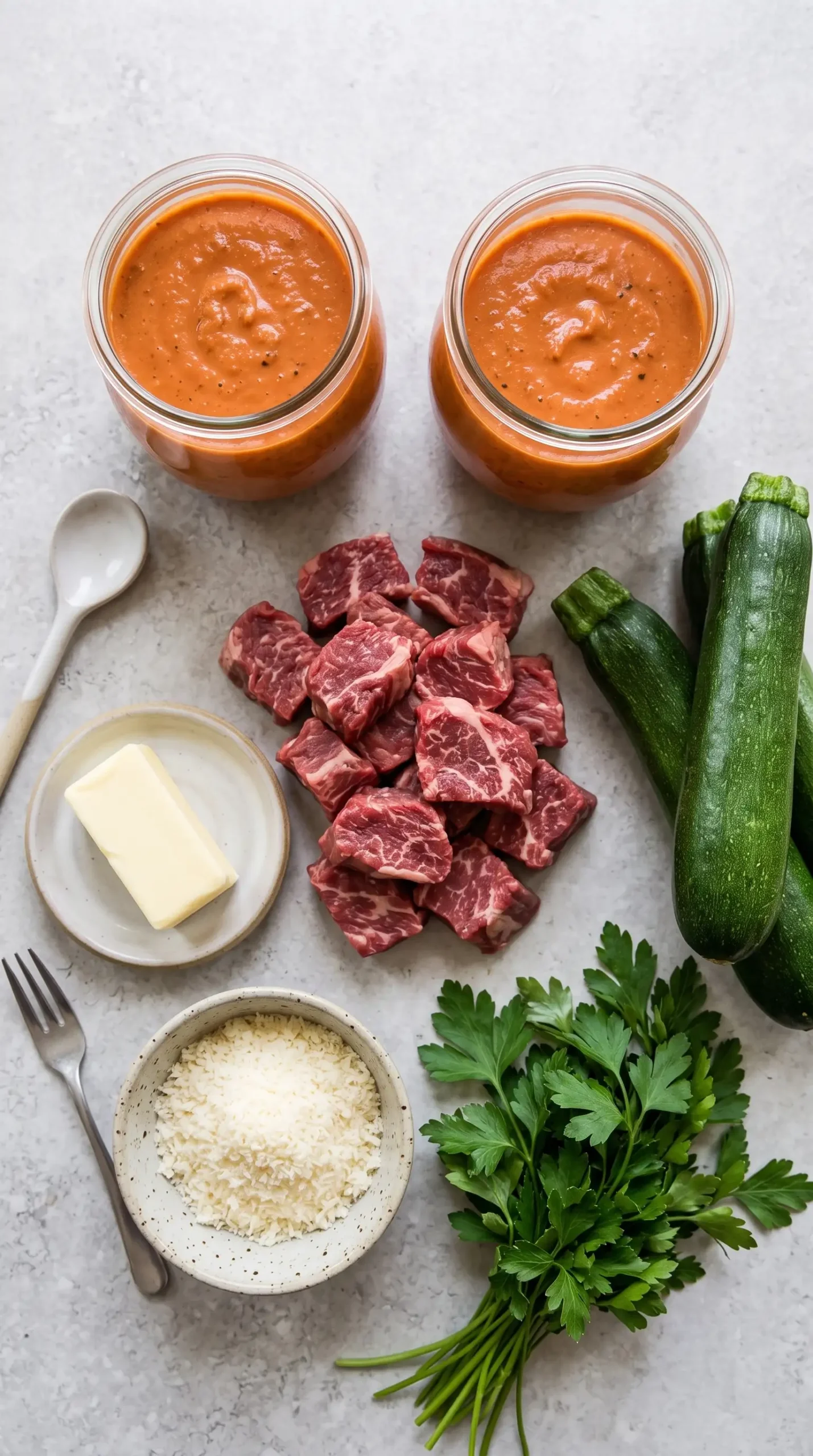
Sirloin steak gives the skillet a hearty centerpiece while still cooking quickly when cut into bite-sized pieces. Small pieces allow the outside to brown rapidly, creating a savory surface before the steak continues gently warming with the sauce.
Meanwhile, the creamy vodka sauce creates the connection between the steak and noodles. A prepared sauce keeps the cooking process focused on technique, allowing the skillet work to bring out deeper flavor without requiring a separate sauce preparation.
DeLallo Vodka Sauce Shapes the Pasta’s Creamy Character
DeLallo Vodka Sauce is the defining ingredient that turns the skillet combination into a creamy vodka sauce pasta. Its ready-to-use texture allows the browned steak pieces to return to a flavorful coating that clings to noodles and balances the richness of the meat.
Choosing the sauce carefully matters because the finished dish depends on how smoothly it surrounds the other components. A thick, creamy sauce helps create a cohesive bite, while the short simmer after adding the steak gives the flavors time to come together.
For serving options, zucchini noodles create a lighter vegetable-based version, while regular pasta can be used when a more traditional pasta texture is preferred. Both choices work because the sauce provides the main flavor connection.
Steak Searing Controls the Texture in Vodka Steak Pasta
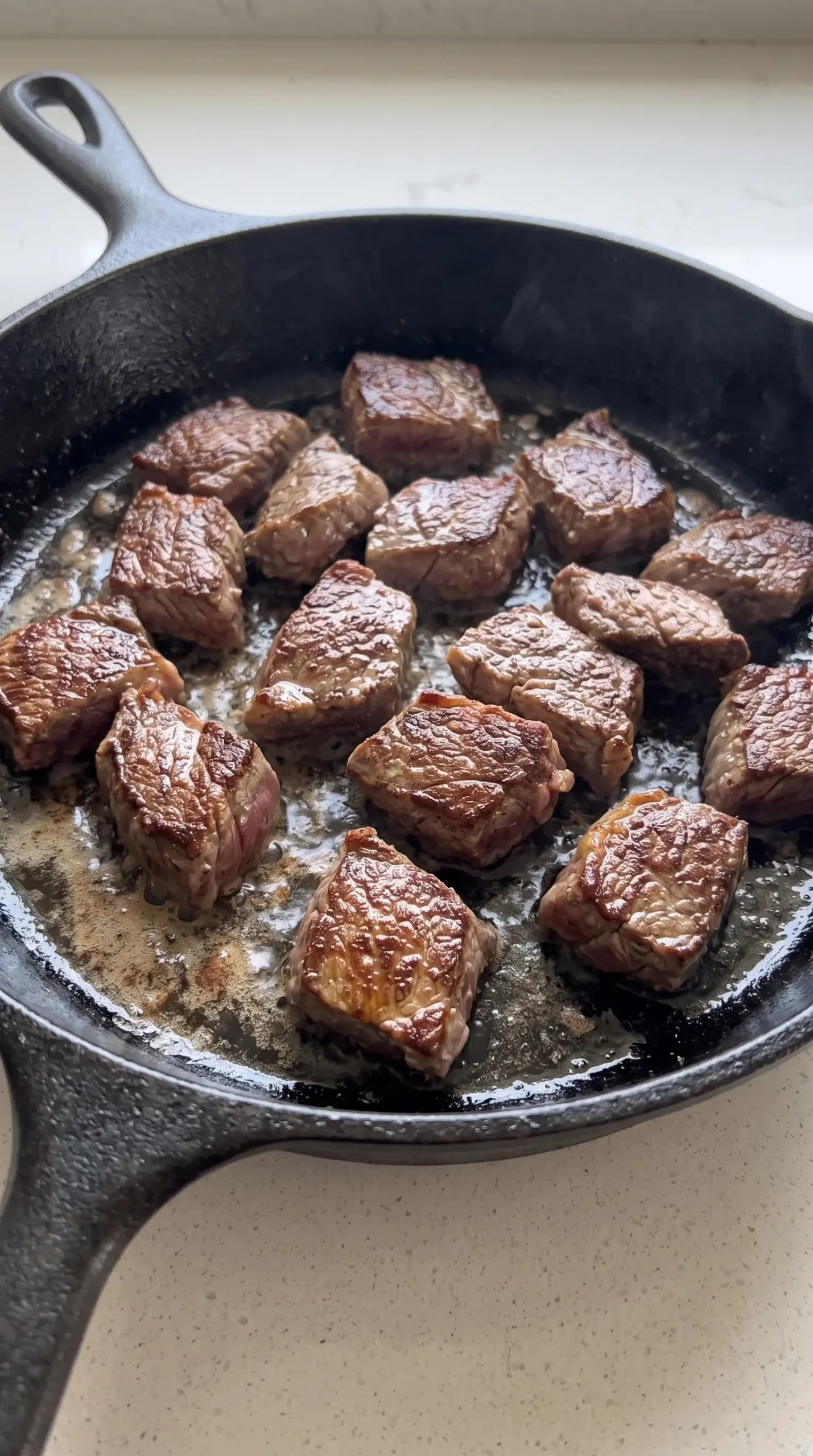
The most important cooking control happens before the sauce enters the skillet. Heating the butter until it is lightly browned builds extra flavor, but keeping it from becoming dark protects the clean taste needed for the steak.
High heat during the steak sear helps create a browned exterior before the pieces are combined with the sauce. Leaving the steak undisturbed briefly allows one side to develop color instead of steaming against the pan surface.
After browning, the skillet should be cleaned of excess grease before the sauce is added. This keeps the creamy sauce smooth and lets the steak flavor remain present without making the finished dish feel heavy.
Zucchini Noodles Keep Vodka Pasta Fresh and Balanced
Zucchini noodles bring a fresh texture to vodka steak pasta and pair well with the rich sauce. They are best served soon after combining with the sauce because the vegetable noodles naturally release moisture over time.
Key Choices Behind a Better Steak Pasta with Vodka Sauce
| Choice | Best approach | Why it matters |
|---|---|---|
| Steak size | Cut sirloin into bite-sized pieces | Small pieces sear quickly while keeping the center tender |
| Butter handling | Brown lightly without burning | Adds flavor while keeping the skillet base balanced |
| Noodle timing | Combine zucchini noodles close to serving | Helps reduce extra moisture in the dish |
| Sauce simmer | Let sauce and steak warm together | Allows the flavors to blend before plating |
Common Vodka Steak Pasta Mistakes That Affect the Finish
Overcooking the steak is one of the easiest ways to lose the texture that makes this dish appealing. Because the pieces are small, they only need a short sear before being removed from the skillet and added back later.
Adding zucchini noodles too early can also change the final consistency. The vegetable noodles release moisture as they sit with sauce, so serving soon after combining helps maintain a better balance.
Several simple checks can prevent common problems:
- Pan heat: Use enough heat for browning instead of allowing steak pieces to cook slowly in their own moisture.
- Sauce texture: Remove excess grease before adding vodka sauce so the coating stays creamy.
- Serving timing: Plate zucchini noodle vodka pasta shortly after combining to protect the texture.
Sirloin Preparation Makes the Steak Pasta More Consistent
Sirloin works well in this skillet because it can develop a flavorful sear while being cooked quickly. Cutting the steak evenly helps each piece reach a similar level of doneness during the brief pan cooking.
Before the steak meets the pan, the pieces should be ready to cook without interruption. The short searing window means preparation helps preserve the browned exterior instead of creating delays that affect texture.
After the sear, resting the steak briefly while the skillet is prepared for sauce allows the cooking process to stay controlled. The pieces can then return to the sauce for the remaining warming time.
Cutting beef into even pieces helps create consistent browning, a detail that matters when preparing skillet meals such as beef stroganoff with creamy mushroom gravy where the meat and sauce need balanced textures in each serving.
Serving Details Highlight the Creamy Vodka Sauce Pasta
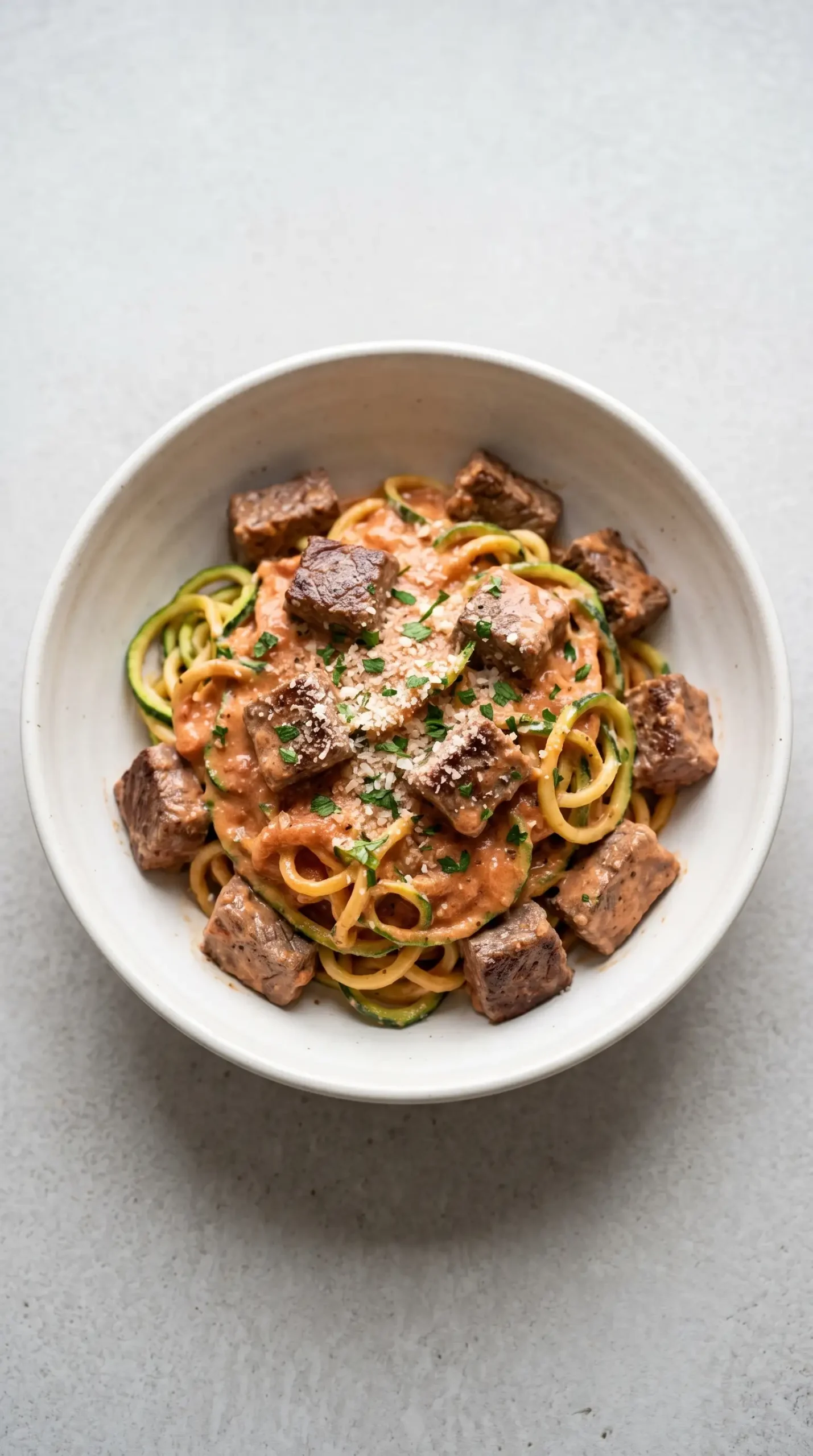
Freshly served vodka steak pasta benefits from simple finishing touches. Parmesan and parsley can add a familiar pasta-style finish without distracting from the steak and sauce combination.
Flexible Noodle Options Change the Dinner Style
Regular pasta can replace zucchini noodles when a classic pasta dinner is preferred. The same sauce and steak pairing continues to work because the main flavor structure remains unchanged.
Zucchini noodles offer a vegetable-focused alternative that keeps the dish lighter in texture. They also provide a different eating experience because their firmness contrasts with the creamy sauce.
Storage Decisions Protect Leftover Steak Pasta Quality
Leftovers require attention because zucchini noodles can release additional moisture after sitting with sauce. Keeping the noodles and sauce separate when possible helps preserve the texture for later serving.
When combined leftovers become softer, stirring the mixture before serving can redistribute the sauce. The flavor remains connected, but the noodle texture may be different from the freshly prepared dish.
Vodka Steak Pasta Pairings Complete the Skillet Meal
A simple side can complement the richness of the creamy sauce without competing with the steak. Fresh vegetables or a light salad can provide contrast alongside the warm skillet meal.
Serving the dish immediately after combining the components keeps the sauce at its best texture. The contrast between browned steak, creamy sauce, and noodles is strongest while each element is freshly prepared.
Zucchini Noodles And Seared Steak Define The Dish’s Best Balance
Zucchini noodles and seared steak create the most important balance in vodka steak pasta: a fresh noodle base supporting a rich sauce and deeply browned meat. Careful timing around the sear and sauce prevents the dish from losing the textures that make the combination work.
The skillet succeeds because the preparation choices stay focused. Browning the steak properly, protecting the sauce texture, and serving the noodles at the right moment turn a short ingredient list into a complete dinner.
Vodka Steak Pasta Questions About Watery Zucchini
How do I prevent watery zucchini noodles?
Serve zucchini noodles soon after adding the sauce because they naturally release moisture as they sit. Keeping the noodles separate from the sauce until serving can also help maintain their texture when storing portions.
Can I use regular pasta instead of zucchini noodles?
Yes, regular pasta can be used in place of zucchini noodles. The creamy vodka sauce and seared steak still provide the main flavor combination, while the pasta changes the texture into a more traditional pasta dish.
What cut of steak works best for vodka steak pasta?
Sirloin is used here because it can be cut into small pieces and quickly seared. The important factor is choosing a steak that can develop browning during the brief skillet cooking time.
Why should the steak be removed before adding the sauce?
Removing the steak helps prevent overcooking during the sauce simmer. The pieces can return to the skillet afterward so they warm through while keeping the texture created during searing.
How can I make the sauce coat the steak and noodles evenly?
Cleaning excess grease from the skillet before adding the vodka sauce helps maintain a smoother coating. Warming the steak with the sauce allows the flavors to combine before serving.
Vodka Steak Pasta with Creamy Vodka Sauce and Noodles
Vodka steak pasta combines tender seared steak, creamy vodka sauce, and noodles for a rich, comforting dinner. This quick skillet meal is perfect when you want a flavorful weeknight dish with a satisfying texture.
Ingredients
Method
Preparation
- Heat the butter in a large heavy-duty skillet over medium-low heat until lightly browned, taking care not to let it burn.
- Cut the steak into bite-sized pieces.
Cooking
- Increase the heat and add the steak pieces to the browned butter. Leave them undisturbed for about 1 minute to sear one side, then turn and cook for another 1-2 minutes until the outside is well browned.
- Remove the skillet from the heat, transfer the steak to a bowl, and wipe away excess grease from the skillet with a paper towel.
- Add the vodka sauce to the skillet. Return the steak to the pan and simmer for 5-10 minutes while preparing the noodles.
Serving
- Spiralize or cut the zucchini into noodles, or cook regular pasta according to its instructions.
- Serve the noodles topped with the steak and sauce mixture, then finish with Parmesan and parsley.
Notes
The nutrition facts were calculated using a generic vodka sauce rather than the specific sauce brand, so values may vary. Zucchini noodles can release extra moisture when mixed with sauce, but serving them right away helps reduce this issue. Leftovers may become more watery; stir before serving or store the noodles and sauce separately.