From breakfast to dinner, from wholesome meals to indulgent desserts, Nexa Recipes offers quick, easy, and delicious ideas for every occasion and every moment.



 This Recipe
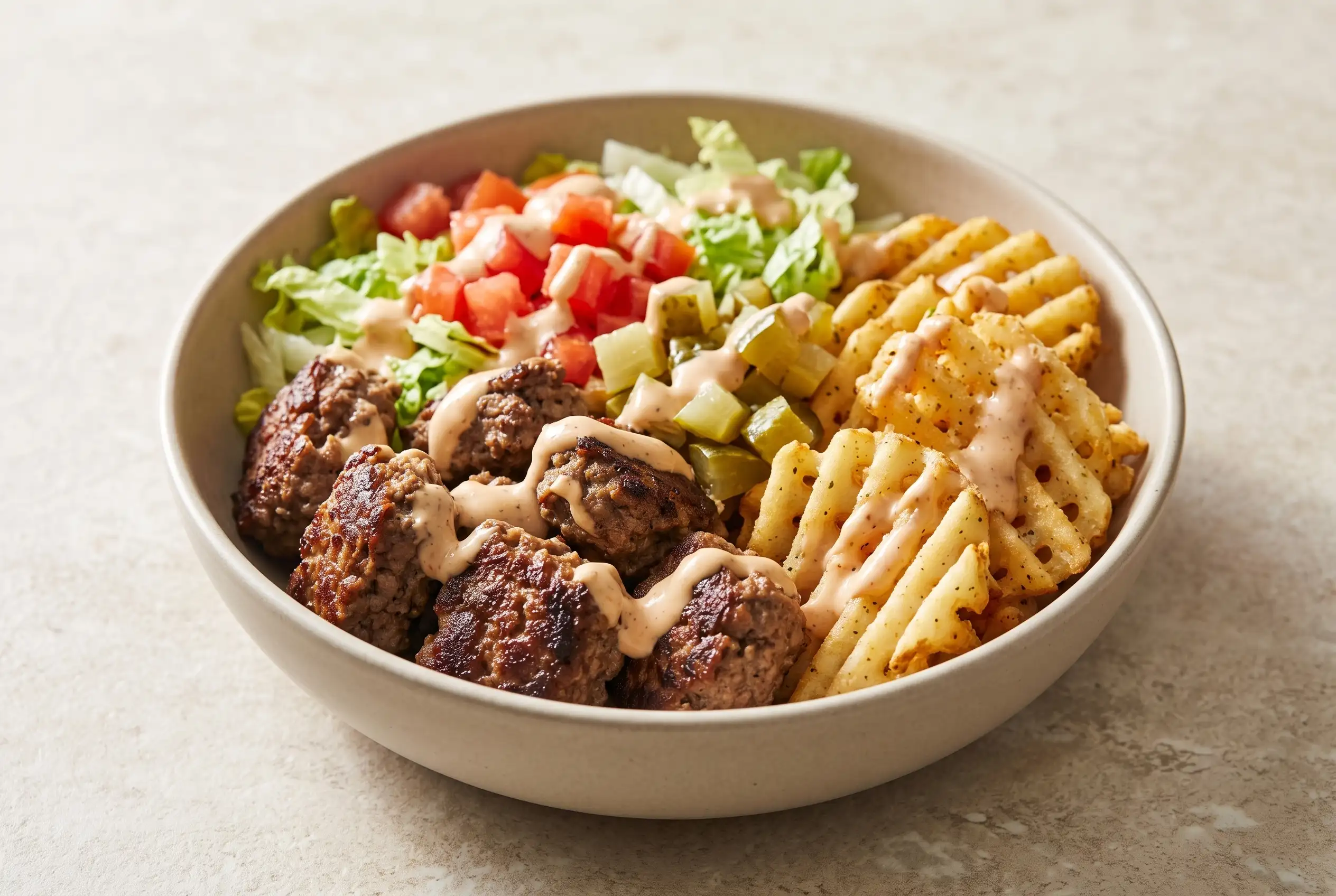
Burger bowls bring the flavors of a classic burger night into a fork-friendly meal layered with juicy beef, crisp toppings, creamy sauce, and seasoned ranch fries. The combination works because every part keeps its identity while still creating the familiar experience of a loaded burger.
Created for easy serving, burger bowls with ranch fries replace the traditional bun without losing the contrast that makes a burger satisfying. A browned beef base, crunchy waffle fries, fresh vegetables, and tangy house sauce create a plate that feels complete without complicated preparation.
Ground Beef Shapes the Texture of These Burger Bowls
Selecting ground beef with enough fat helps create the juicy texture that makes these bowls memorable. An 85/15 blend works especially well because the rendered fat supports browning while keeping the cooked beef pieces tender and flavorful.
Large browned pieces are important for the finished texture. Breaking the beef apart too aggressively can create small dry bits, while leaving some larger fork-sized pieces gives every serving a more satisfying bite alongside the fries and toppings.
Seasoning placement also matters when building ground beef burger bowls. Applying seasoning directly to the surface before the beef hits the hot pan helps create a flavorful crust that carries through the entire bowl.
| Beef approach | Texture result | Best use |
|---|---|---|
| Large browned pieces | Juicy, hearty bites | Loaded burger bowls |
| Small crumbles | More uniform texture | Taco-style bowls |
| Pressed flat pieces | Extra crust | Smash-style flavors |
Ranch Fries Create the Crunchy Base for Every Bite
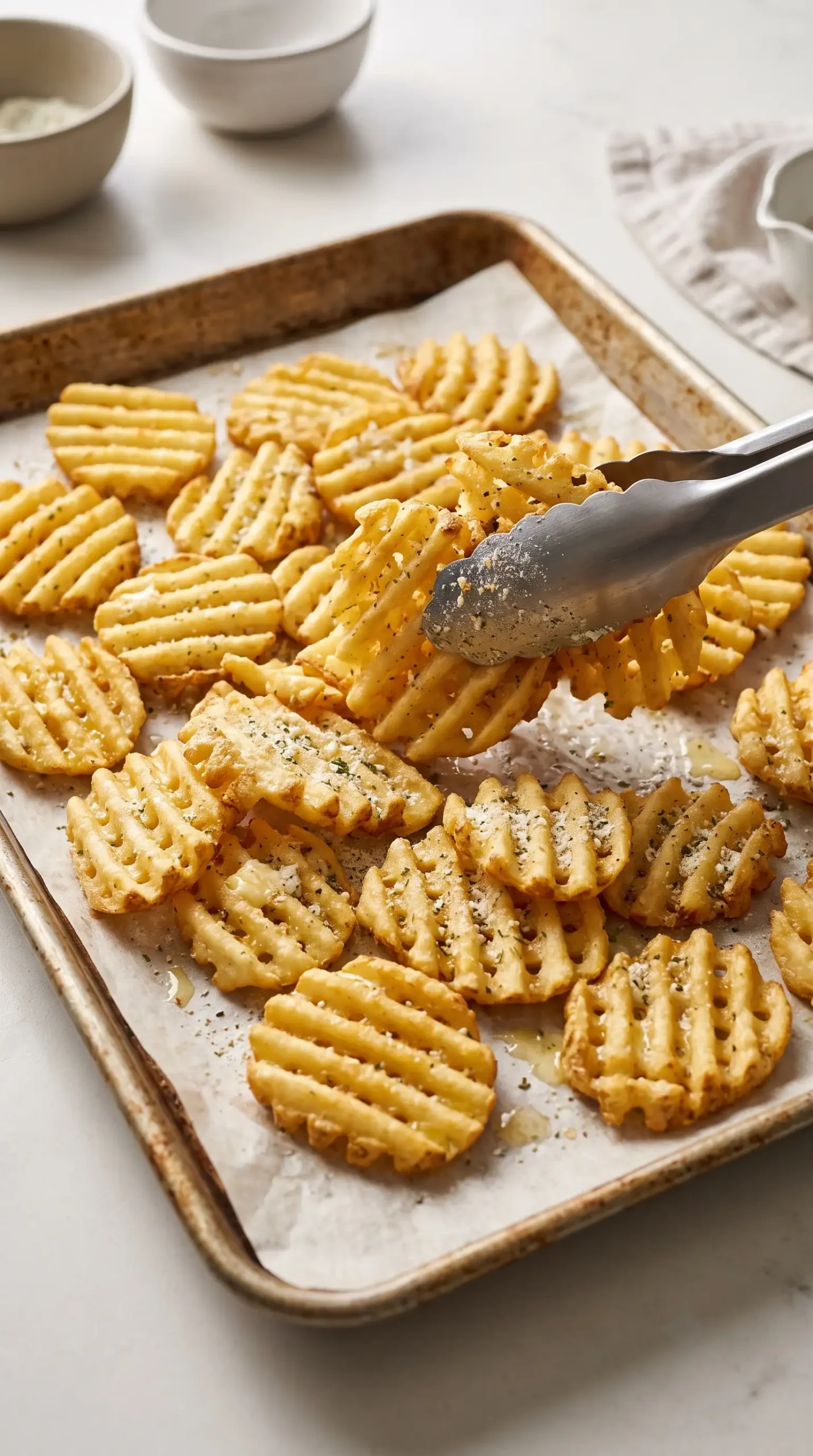
Ranch fries turn simple frozen waffle fries into the foundation that carries the rest of the bowl. Tossing the hot fries with butter before adding ranch seasoning helps the flavor cling to the ridges and creates a richer finish. Loaded potato sides like baked spicy fries with garlic cheese sauce can use bold toppings while keeping the crisp texture that makes fries satisfying.
Waffle fries work especially well because their open shape catches small pieces of beef, sauce, and toppings. Each forkful can combine crispy potato edges with creamy sauce and savory meat instead of separating into individual components.
Keeping the fries seasoned after baking preserves their texture. Adding the ranch coating once they are cooked allows the seasoning to remain noticeable while the butter creates a glossy, flavorful surface.
- Crunch factor: Waffle fries provide sturdy edges that hold toppings.
- Seasoning coverage: Butter helps ranch seasoning stick evenly.
- Serving balance: Fries soften slightly under sauce while keeping structure.
House Sauce Brings Burger Bowls with House Sauce Together
Whisked house sauce connects the savory beef, fresh vegetables, and ranch fries with a creamy, tangy flavor. The mixture of mayonnaise, ketchup, horseradish, Worcestershire sauce, paprika, and garlic creates a burger-inspired finish that coats each layer.
Cast Iron Searing Controls the Beef Texture
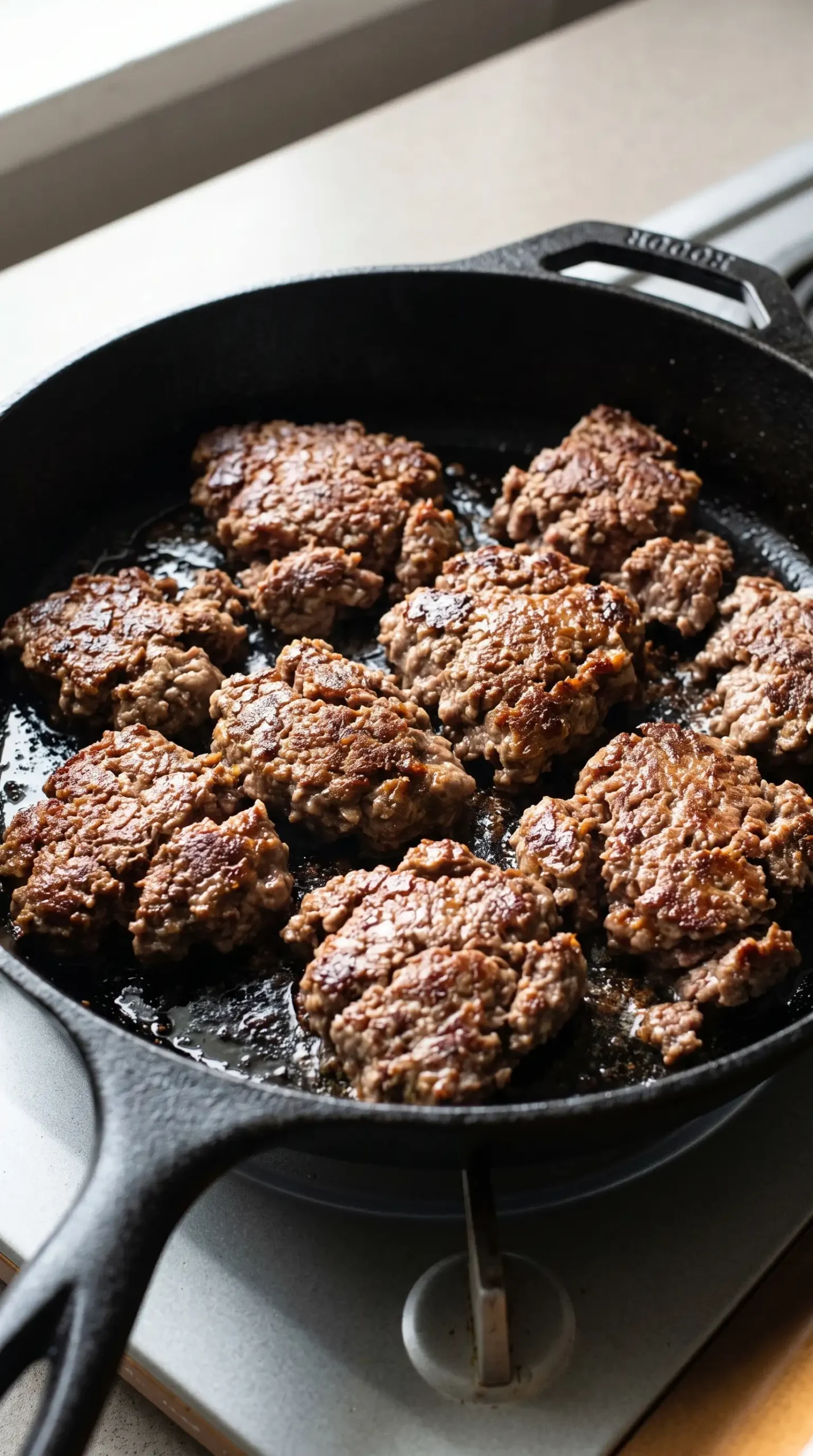
Hot pans create the browned exterior that separates ordinary ground beef from deeply flavored burger-style beef. A well-heated cast iron skillet is useful because its cast iron heat retention helps support the surface browning that gives the beef a richer crust when it first touches the pan.
Cooking patiently before stirring gives the meat time to develop color. Moving the beef too soon can interrupt browning, leaving the surface pale and reducing the roasted flavor that makes the bowl taste like a restaurant-style burger.
Once the crust develops, the beef can be broken into comfortable pieces for serving. Keeping some larger chunks helps preserve moisture and gives the finished bowl a texture that works well with crisp fries.
- Heat control: Start with a properly heated pan for better browning.
- Surface contact: Let the seasoned beef sit undisturbed long enough to color.
- Gentle breaking: Create serving pieces without turning the meat into fine crumbs.
Burger Bowls Mistakes That Ruin the Texture
Mistakes with burger bowls often come from small handling choices that affect the finished contrast. Avoiding a few common problems keeps the beef juicy, the fries crisp, and the toppings fresh.
Avoid overcrowding the pan with beef if the surface cannot stay hot. Too much meat at once can limit browning and create softer results instead of the golden crust expected from burger-style cooking.
Leaving the fries uncovered by flavor after baking can also make the bowl feel incomplete. Adding ranch seasoning while the fries are warm helps the coating adhere and keeps the signature ranch flavor noticeable.
Over-saucing is another common issue because excess sauce can hide the textures that make the bowl enjoyable. Adding enough house sauce for flavor while allowing the beef and fries to remain distinct creates a better balance.
Fresh Toppings Keep the Burger Bowls Balanced
Fresh toppings provide contrast against the warm beef and seasoned fries. Shredded lettuce, diced tomatoes, and burger pickles bring crispness, acidity, and familiar burger flavors that brighten the richer ingredients.
Crisp vegetables also help the bowl avoid feeling heavy. The cool texture of lettuce and tomatoes creates separation from the hot components, while pickles add the sharp flavor associated with classic burgers.
Assembly Styles Change How Burger Bowls Are Served
Assembly choices can change the eating experience without changing the core ingredients. Some servings highlight layers, while others focus on easy mixing so every bite combines beef, fries, toppings, and sauce.
| Style | Arrangement | Best feature |
|---|---|---|
| Layered bowl | Fries first with toppings arranged above | Clear ingredient contrast |
| Mixed bowl | Components gently combined | Even sauce distribution |
| Family platter | Shared ingredients on one serving dish | Custom portions |
Customizing Burger Bowls for Different Cravings
Customization works well because the basic structure already includes savory meat, crispy potatoes, fresh toppings, and sauce. Small changes can shift the flavor direction while keeping the burger bowl concept intact.
Spicy variations can come from adjusting the sauce or adding stronger seasonings that complement the beef. Extra pickles or a sharper sauce can emphasize the classic diner-style profile.
Creative additions should still support the main textures. Ingredients that add moisture or richness work best when balanced with crisp elements so the bowl remains satisfying instead of becoming one-note.
Storing Burger Bowls Without Losing Their Best Textures
Storage works best when the components are separated before chilling. Keeping fries away from sauce and fresh toppings helps protect their individual textures when enjoying leftovers later.
Reheating the beef separately allows it to warm through while maintaining its browned flavor. Fresh lettuce, tomatoes, and pickles are best added after reheating so they keep their crisp qualities.
Why Waffle Fries Work So Well With Burger Bowls
Waffle fries succeed in burger bowls because their shape creates natural pockets for sauces and small pieces of beef. They provide enough structure to replace a bun while offering the crisp, salty quality people expect from a burger meal.
Juicy Beef and Ranch Fries Define the Complete Burger Bowl Experience
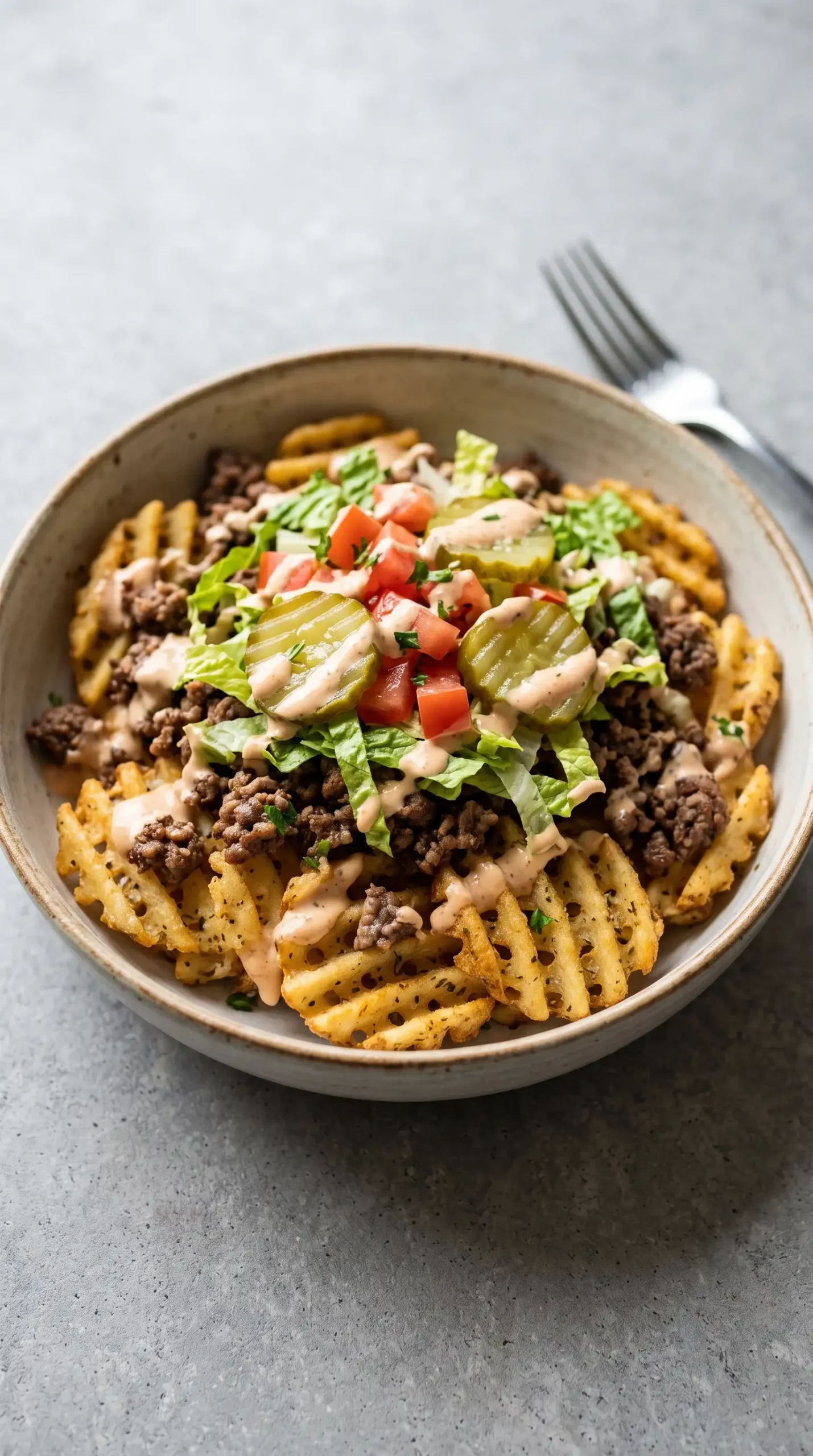
Juicy beef creates the centerpiece of these burger bowls, but the dish depends on the relationship between every layer. A browned crust, flavorful ranch fries, fresh toppings, and creamy sauce all contribute to the familiar burger satisfaction.
Careful heat management and thoughtful assembly make the biggest difference. When the beef stays textured and the fries maintain their character, each serving delivers the contrast that makes this style of meal work.
Burger Bowls Questions About Storage and Preparation
Can burger bowls be made ahead of time?
Yes, the beef and sauce can be prepared ahead, but fries and fresh toppings are best handled close to serving. Keeping separate components allows the bowl to maintain better texture when assembled.
How can I keep ranch fries crispy?
Ranch fries stay crispest when they are not covered with sauce before serving. Store any leftovers separately and reheat the fries until their exterior firms up again.
Can I use a different pan for the beef?
A different skillet can work if it can handle high heat. Cast iron is helpful because it retains heat well, but a quality nonstick pan can still produce a good result.
What can replace burger seasoning?
Salt and pepper can season the beef when burger seasoning is unavailable. A simple seasoning approach still allows the browned beef flavor to remain the focus of the bowl.
Are burger bowls good for meal prep?
They can work for meal prep when stored in separate portions. Keep cooked beef, fries, sauce, and vegetables divided so each part can be reheated or added at the right time.
Burger Bowls with Ground Beef, House Sauce and Ranch Fries
Burger bowls combine juicy ground beef, crispy ranch fries, fresh toppings, and creamy house sauce for a hearty meal with classic burger flavor. They are a comforting choice for an easy weeknight dinner or casual gathering.
Ingredients
Method
Preparation
- Bake the fries according to the package directions.
- Whisk together the sauce ingredients. Taste and adjust the seasoning with salt as needed.
Cooking
- Add butter to the baked fries on the sheet pan and toss to coat. Sprinkle with ranch seasoning and mix until evenly seasoned.
- Heat a well-seasoned cast iron pan over high heat without adding oil. Season one side of the ground beef with 1 teaspoon of burger seasoning, then place that side down in the hot pan.
- Leave the beef undisturbed for several minutes to develop browning. Season the exposed side with the remaining 1 teaspoon of burger seasoning.
- Flip the beef in large pieces after several minutes, breaking it into fork-sized portions while keeping some larger chunks. Continue cooking until well browned, then remove from the heat.
Assembly
- Build the bowls with the cooked beef, ranch fries, shredded lettuce, diced tomatoes, diced burger pickles, and house sauce.
Notes
Burger seasoning can vary, but many options work well. If using only salt and pepper instead, use 3/4 teaspoon of kosher salt per side on the beef. The goal is juicy, medium-sized beef pieces with a browned crust, so high heat helps create searing quickly without drying out the meat. A cast iron pan is recommended because it retains heat well for browning, but a nonstick pan can also work.