From breakfast to dinner, from wholesome meals to indulgent desserts, Nexa Recipes offers quick, easy, and delicious ideas for every occasion and every moment.



 This Recipe
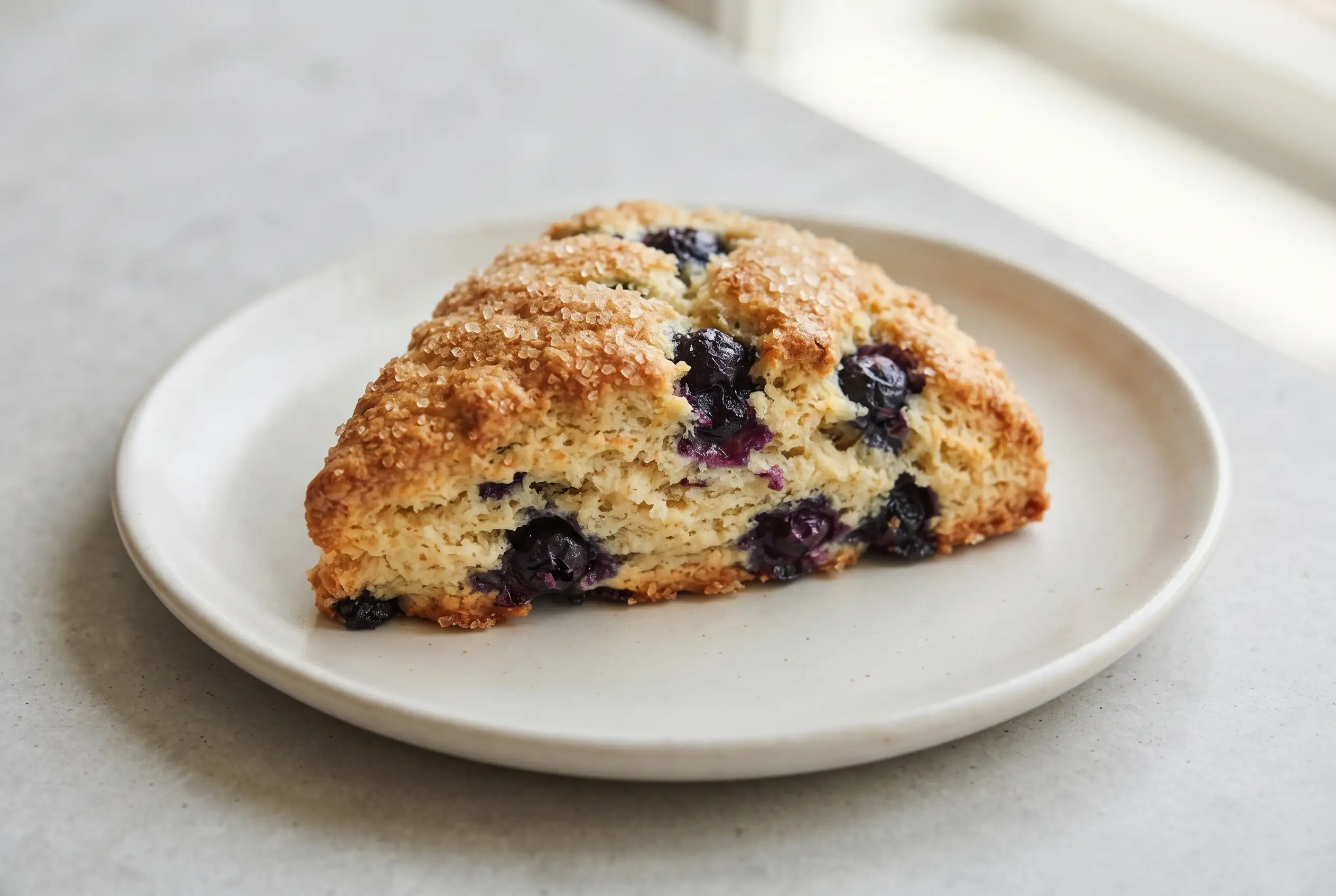
Blueberry scones bring bakery-style appeal to a home kitchen with a tender crumb, bright fruit flavor, and a lightly crisp topping. These blueberry scones rely on careful handling of cold butter, a thick dough, and fresh blueberries to create the kind of texture associated with bakery cases and weekend brunch tables.
Unlike many pastries that require complicated shaping or special equipment, the process focuses on a few important choices. Keeping the dough firm, adding the berries gently, and using a generous sprinkle of turbinado sugar help create a scone that feels both rustic and polished.
Blueberry Scones Gain Bakery Texture From Cold Butter
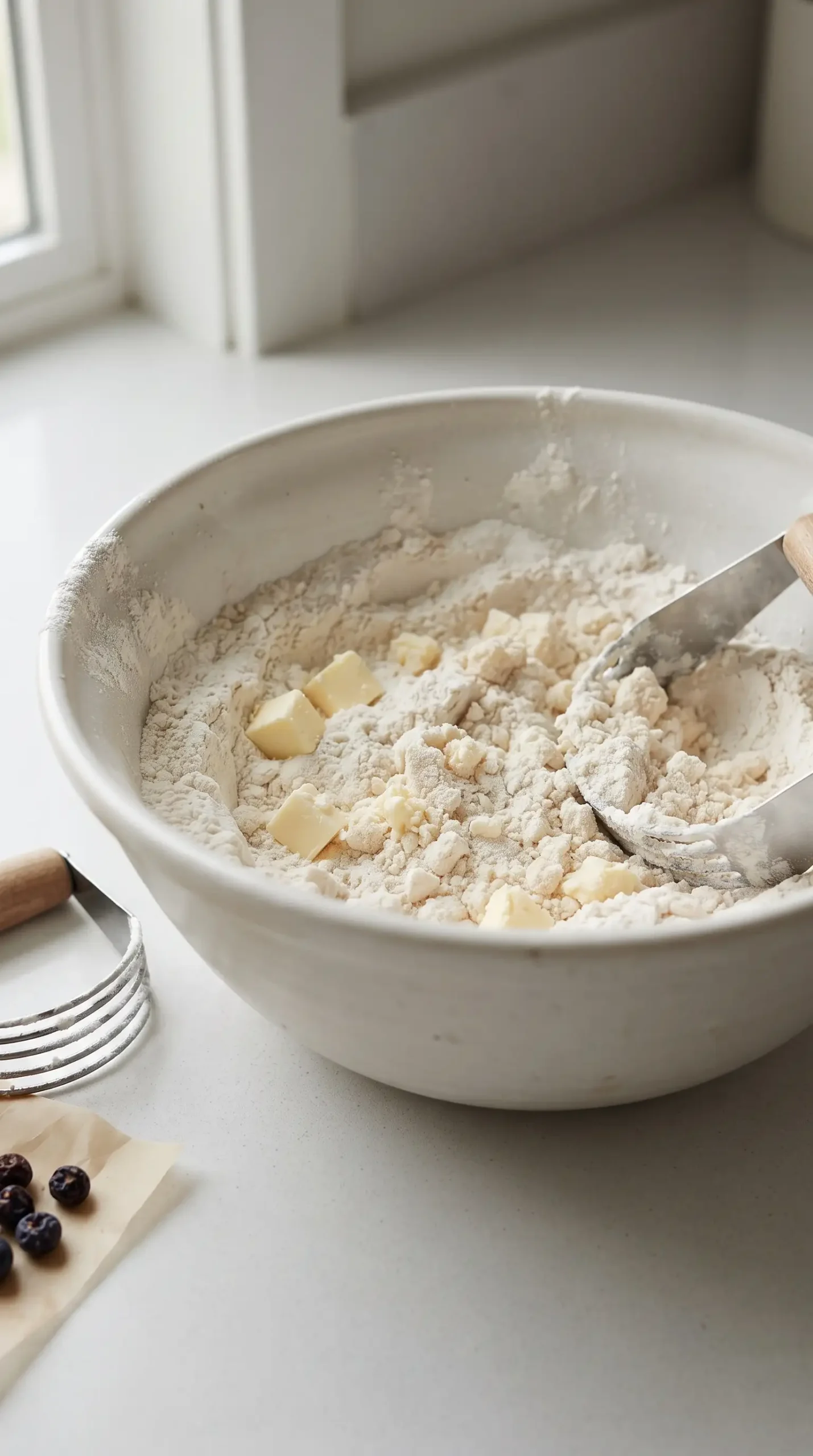
Cold butter determines much of the structure in blueberry scones because cold butter pieces create flaky texture by remaining surrounded by flour during mixing. Those pieces create pockets that contribute to a tender interior once the dough reaches the heat of the oven. The butter should stay firm enough to form fine crumbs instead of blending completely into the flour.
Small butter cubes work especially well for this style of scone because the pieces distribute more evenly through the dough. A crumbly mixture before adding the wet ingredients signals that the flour has been coated while enough butter remains available to influence the baked texture.
Professional-looking bakery style blueberry scones depend on resisting the urge to soften the butter for easier mixing. A dough that becomes warm and loose can lose some of the contrast between a delicate center and a lightly crisp exterior.
Several signs help identify the right butter condition during preparation:
- Firm pieces: Butter should remain cool enough to help form crumbs during mixing.
- Fine texture: The flour mixture should resemble small crumbs before liquids are added.
- Cool dough: Chilling briefly can restore structure if the mixture becomes too soft.
Orange Zest and Blueberries Shape Bakery Style Blueberry Scones
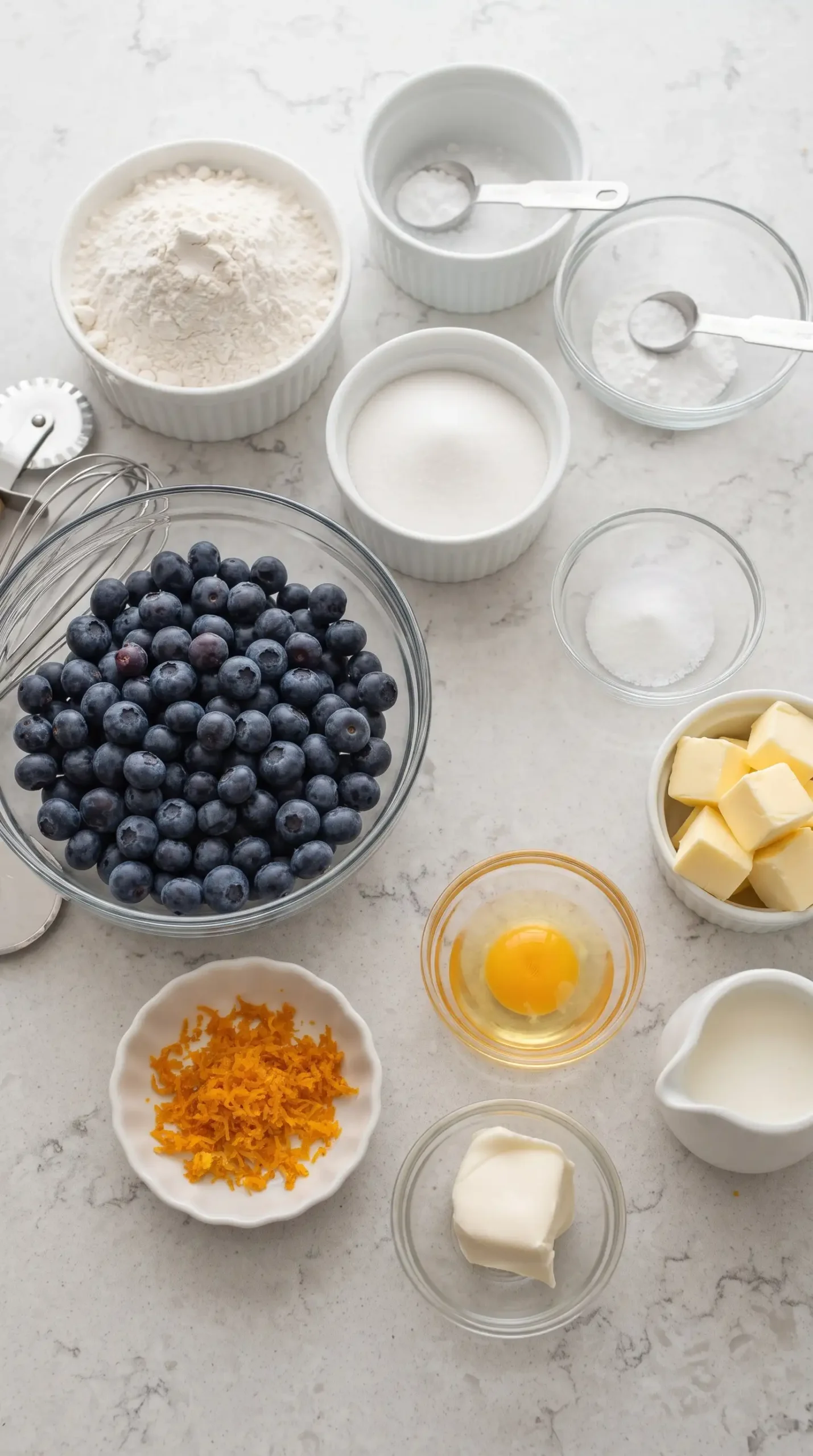
Orange zest and fresh blueberries give bakery style blueberry scones their defining flavor direction. The citrus zest brings a fragrant note throughout the dough, while the berries provide pockets of natural sweetness and colorful streaks when gently incorporated. Fruit-forward baking with fresh blueberries and citrus can continue through treats like blueberry lemon bread, where bright flavors pair with a tender baked texture.
Cold Dough Handling Controls Easy Baked Blueberry Scones
Careful handling creates the difference between dense scones and lighter easy baked blueberry scones. The dough should come together as a thick, stiff mixture instead of becoming smooth like a bread dough. Minimal handling after the berries are added protects the texture.
Temperature awareness matters throughout shaping. If the dough starts feeling warm or soft while working on the floured surface, a short rest in the refrigerator helps maintain the cold butter structure before baking.
Rolling the dough to an even thickness allows the eight cut pieces to bake more consistently. Separating the triangles before brushing the tops gives heat more room to move around each piece, encouraging even browning on the sides.
A simple comparison shows why temperature management matters:
| Dough condition | Expected handling result | Useful response |
|---|---|---|
| Cool and firm | Shapes cleanly into triangles | Continue with cutting and baking |
| Slightly soft | May become harder to separate | Chill briefly before shaping |
| Warm and loose | Butter structure may weaken | Return dough to a cooler state |
Common Blueberry Scones Mistakes That Affect the Rise
Several blueberry scones mistakes can change the finished appearance and texture even when the ingredients are measured correctly. Recognizing these issues before baking makes it easier to protect the tender crumb.
Overmixing after adding the wet ingredients is one common problem because the dough needs only enough mixing to combine. Excessive mixing can create a heavier texture and make shaping more difficult.
Another issue appears when blueberries are handled too aggressively. Broken berries are not a disaster and can create attractive juice drips, but excessive crushing can make the dough wetter and harder to manage.
Incorrect temperature handling also affects the outcome. Letting the butter warm too much before baking can reduce the contrast that creates the characteristic scone texture.
Fresh Blueberry Scones Recipe Keeps Fruit Flavor Balanced
A fresh blueberry scones recipe benefits from adding the berries at the right moment and mixing only until they are distributed. Some berries may break during incorporation, creating colorful pockets without requiring additional flavoring.
Turbinado Sugar Creates a Crisp Scone Finish
Turbinado sugar adds a subtle crunch to the surface of blueberry scones after the dough is brushed with cream. The larger crystals provide texture and a bakery-style appearance that complements the soft center.
Mixing Choices Define the Finished Scone Crumb
Mixing technique affects how the flour, butter, and liquids become one dough. An electric mixer can help form fine crumbs quickly, while a standard mixing bowl also works when the same texture cues are followed.
Adding the egg and heavy cream gradually helps the mixture move from crumbs into a cohesive dough. The correct stopping point is a thick, stiff consistency that can be transferred to a floured surface.
Blueberry scones should not be treated like a batter that needs extensive stirring. The structure comes from combining the ingredients enough to hold together while preserving the butter distribution created earlier.
Parchment and Spacing Support Even Scone Baking
Parchment paper helps protect the bottoms of blueberry scones from excessive browning during baking. Pulling the cut pieces apart before they enter the oven also encourages more even heat exposure around each triangle.
Blueberry Scones Store Best With Careful Handling
Freshly baked blueberry scones are best enjoyed while their crisp exterior and soft interior are still noticeable. Leftovers can be kept in an airtight container for one to two days to maintain their quality.
Storage works best when the scones are protected from excess air. A sealed container helps prevent the surface from drying out while keeping the baked texture pleasant for later servings.
Rewarming stored scones can bring back some of the appeal of a freshly baked pastry. Gentle heating helps soften the interior while preserving the lightly crisp exterior created during baking.
Serving Ideas Highlight Warm Blueberry Scones
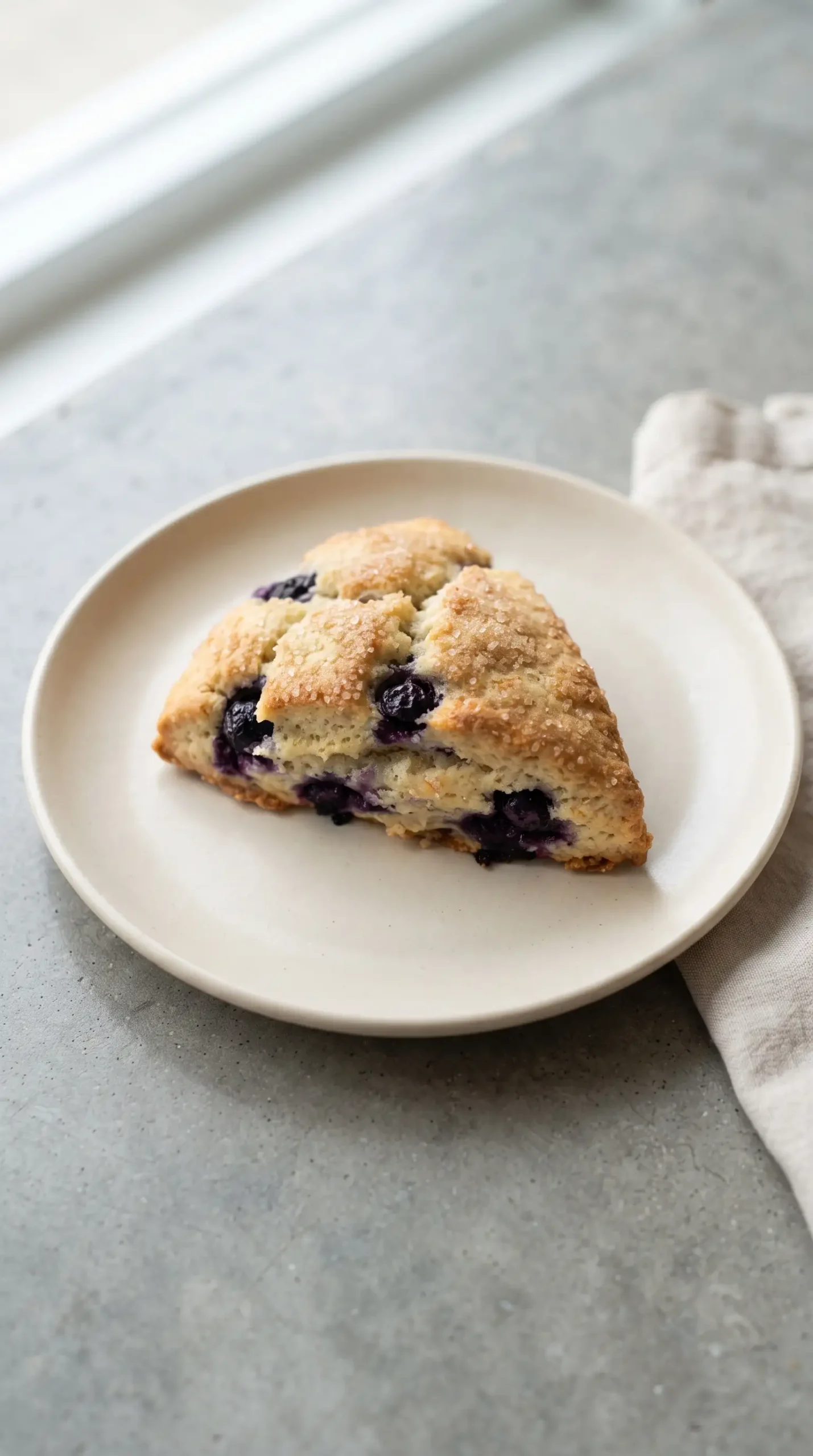
Warm blueberry scones pair naturally with simple breakfast and brunch settings. Their orange and berry flavors already provide contrast, so additional toppings can remain minimal when serving.
Variations Keep Blueberry Scones Flexible Without Losing Character
Small adjustments can change the personality of blueberry scones while preserving the essential structure. The orange zest can remain the aromatic focus, or serving choices can emphasize the natural sweetness of the blueberries.
Seasonal berries may inspire different versions, but the same handling principles still apply. Fruit should be incorporated gently so the dough maintains its firm shape before baking.
Different serving moments also change how the scones are enjoyed. A warm pastry suits breakfast tables, while cooled pieces can work well for afternoon snacks or casual gatherings.
Precise Measurements Protect the Scone Dough Balance
Accurate measuring supports the balance between flour, butter, sugar, and liquids in blueberry scones. The dough depends on enough flour for structure while keeping enough moisture for a tender bite.
Changes to the flour amount or liquid balance can influence how easily the dough shapes and how the baked scones hold together. Careful measuring helps preserve the intended texture without requiring extra adjustments during preparation.
Blueberry Scones Reveal Their Best Texture Through Simple Decisions
Blueberry scones succeed when cold butter, firm dough, and gentle fruit handling work together from mixing through baking. Each choice influences the contrast between a tender center, golden exterior, and crisp sugar topping.
The strongest results come from paying attention to texture cues instead of rushing through the process. A cool dough with evenly mixed berries and a careful finish produces the bakery-style qualities that make these scones memorable.
Blueberry Scones Dough Questions and Answers
Can blueberry scones use frozen blueberries?
Frozen blueberries can change the dough temperature and may release more moisture as they bake. Fresh blueberries are the stated choice here because they incorporate easily and create the desired berry distribution.
Why does my scone dough become too soft?
A soft dough usually means the butter or mixture has warmed during preparation. Chilling the dough briefly can help restore a firmer texture that is easier to shape.
How do I keep blueberry scones from becoming dense?
Maintaining cold butter and mixing only until the dough forms helps preserve the lighter texture. Handling the dough gently after adding the berries also supports a more tender result.
Can I make blueberry scones sweeter?
The sweetness level can be adjusted through serving choices or the amount of topping used, but changing the sugar balance may affect the texture because sugar contributes to the overall dough structure.
What makes bakery style blueberry scones different?
Bakery style blueberry scones often focus on a crisp outer surface, tender middle, visible fruit pieces, and careful shaping. Those qualities come from maintaining the dough texture and finishing the tops with cream and sugar.
Blueberry Scones Bakery Style with Fresh Blueberries
Blueberry scones are bakery-style pastries with a tender crumb, fresh berry flavor, and crisp sugar topping. They are perfect for a cozy breakfast, brunch, or anytime treat when you want a classic homemade baked good.
Ingredients
Method
Preparation
- Preheat the oven to 400°F (204°C). Combine the flour, sugar, baking powder, salt, and orange zest in the bowl of a stand mixer or a mixing bowl.
- Add the cold butter and mix with an electric mixer until the mixture reaches a fine crumb texture.
- Slowly add the egg and heavy cream while mixing on low speed. Continue until a thick, stiff dough forms.
- Add the blueberries and mix just until they are distributed throughout the dough.
Baking
- Flour your hands, transfer the dough to a floured work surface, and roll it into a rectangle about 1 inch thick.
- Cut the dough into 8 triangles, separate the pieces, brush the tops with heavy cream, and sprinkle with turbinado sugar.
- Bake for 18-20 minutes, or until the scones are golden and firm to the touch.
- Sprinkle the baked scones with additional turbinado sugar for extra texture. Serve warm.
Notes
Parchment paper helps prevent the bottoms from burning. Keep the butter as cold as possible throughout the process for lighter scones, and chill the dough briefly if it becomes too warm or soft while preparing it.