From breakfast to dinner, from wholesome meals to indulgent desserts, Nexa Recipes offers quick, easy, and delicious ideas for every occasion and every moment.



 This Recipe
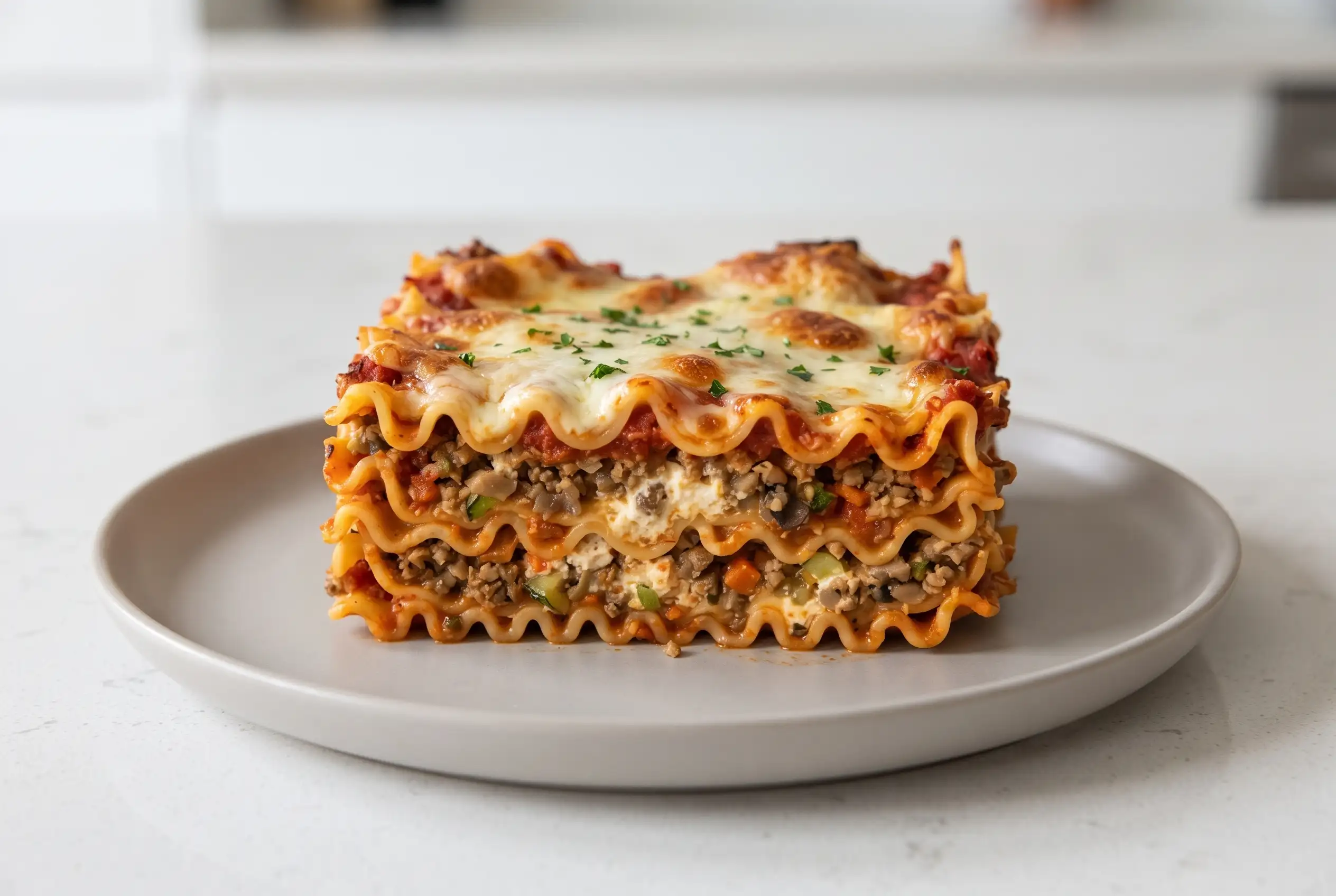
Vegetarian lasagna brings together roasted vegetable flavors, creamy cheese layers, and a hearty sauce structure that makes a meatless dinner feel complete. This vegetable lasagna recipe focuses on building depth from mushrooms, walnuts, zucchini, carrots, and carefully balanced cheeses so every slice holds its shape and flavor.
Classic baked vegetarian lasagna succeeds when each layer has a clear purpose. The finely chopped vegetables create a savory center, the mascarpone mixture adds richness, and the combination of Parmesan and mozzarella creates the browned, melted finish associated with a comforting oven-baked dish.
Mushroom Walnut Filling Creates Deep Vegetable Flavor
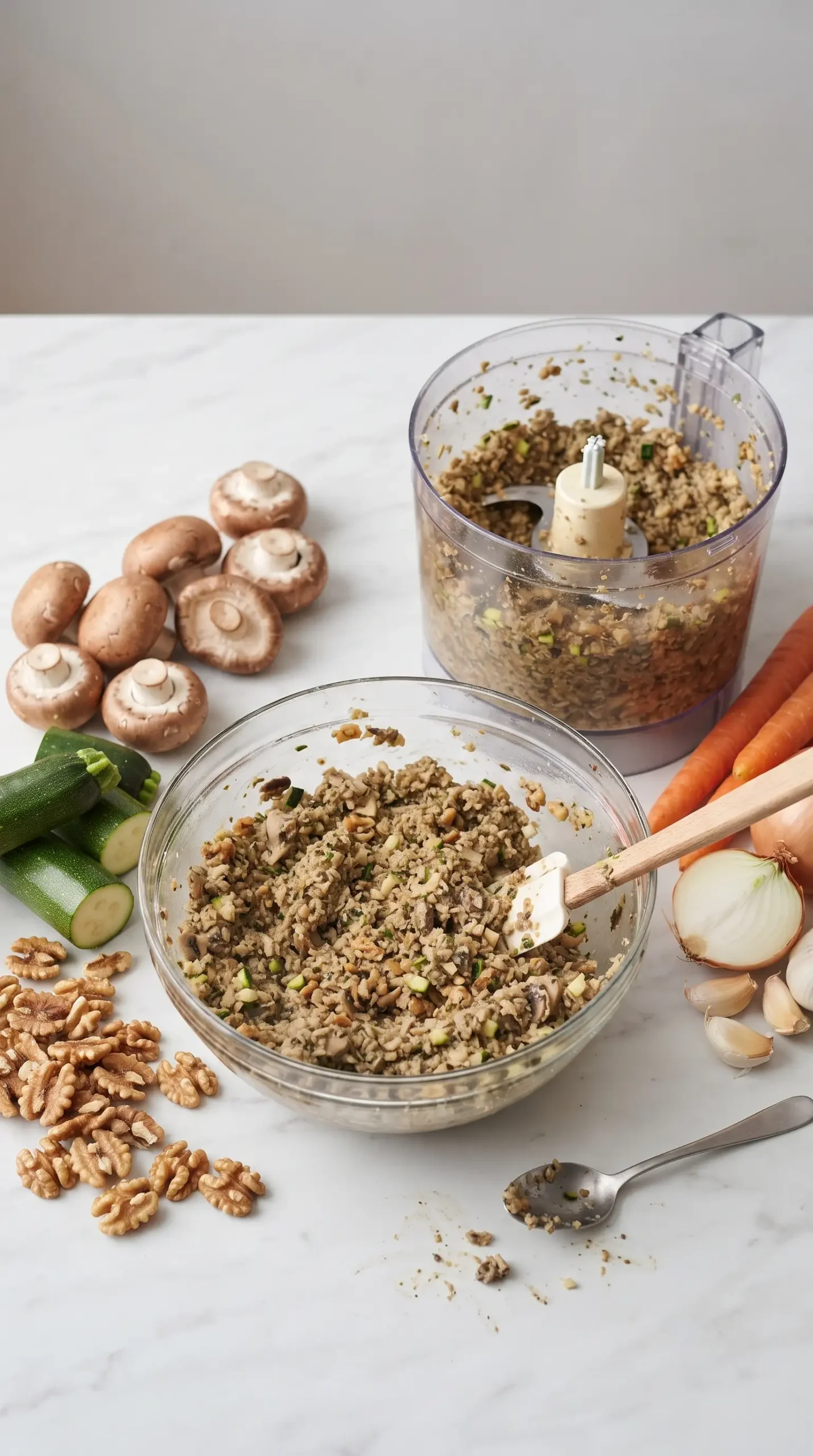
Fresh mushrooms, walnuts, and zucchini form the foundation that gives vegetarian lasagna its satisfying texture. Processing these ingredients into a fine mixture allows the vegetables to blend into the tomato sauce while still providing a substantial bite.
Carrots, onion, and garlic bring another layer of flavor after being finely chopped and softened. Sautéing the vegetable mixture until fragrant helps release their natural sweetness and creates a stronger base before the tomato sauce is added.
Careful seasoning matters because the sauce carries the flavor through every layer. Oregano, Italian seasoning, salt, and black pepper work with the tomato sauce, while the seasoning level may need adjustment depending on the sauce brand used.
Mascarpone Layers Change the Lasagna Texture
The mascarpone mixture separates this vegetarian lasagna with mascarpone from ordinary layered pasta dishes by adding a smooth, creamy element between the vegetable sauce and melted cheese. Grated garlic and salt mixed into the mascarpone create a simple spread that complements the savory filling without overpowering it.
Vegetable Preparation Determines a Balanced Slice
Proper vegetable preparation affects how the finished lasagna cuts and serves. A finely chopped filling distributes evenly across noodles, preventing large pieces from breaking apart the layered structure.
Small zucchini pieces combine naturally with mushrooms and walnuts after processing. The mixture develops a cohesive texture that supports the noodles while allowing the individual vegetables to contribute their own character.
Several preparation choices can improve consistency during cooking. The following details help identify where attention matters most:
- Fine chopping: Creates a smoother filling that spreads easily between noodles.
- Soft sautéing: Develops aroma and tenderness before the sauce enters the pan.
- Seasoning checks: Allow adjustments before the layers are assembled.
Tomato Sauce Balance Guides Every Layer
A well-seasoned tomato sauce connects the vegetable filling, noodles, and cheeses throughout the pan. Adjusting salt after combining the sauce with the sautéed vegetables keeps the finished dish aligned with the flavor of the chosen tomato sauce.
Cooking Controls Protect the Lasagna Structure
Oven handling has a direct effect on the texture of baked vegetarian lasagna. Covering the pan during baking allows the layers to heat through while helping the noodles soften and the cheese mixture warm evenly.
Removing the foil near the end of baking changes the surface texture by exposing the cheese to direct heat. A short broiling step creates a browned top while keeping attention on the cheese so it does not overcook.
Resting after baking gives the layers time to settle before slicing. Cutting immediately can make the portions less defined because the sauce and melted cheeses have not had a chance to stabilize.
Common Vegetarian Lasagna Mistakes Reduce Layer Quality
Several mistakes can affect how vegetarian lasagna turns out, especially when the vegetable mixture and cheese layers are not handled carefully. Avoiding these issues helps preserve the balance between creamy, savory, and structured components.
| Potential issue | What causes it | Better approach |
|---|---|---|
| Loose slices | Cutting before the layers settle | Allow the baked dish to stand before serving |
| Uneven filling | Large vegetable pieces | Process vegetables into a fine mixture |
| Flat flavor | Insufficient seasoning adjustment | Taste the sauce mixture before layering |
Excessive vegetable size can make the layers harder to portion. Processing the mushrooms, walnuts, zucchini, garlic, onion, and carrots creates a filling that stays connected with the pasta.
Because mushrooms naturally contain a high amount of water, cooking them before assembly helps manage texture in baked dishes. mushrooms release moisture during cooking, which can be reduced before they are combined with the other filling ingredients.
Overlooking seasoning before assembly can leave the finished dish less vibrant. The sauce should be tasted after the vegetables and tomato sauce combine because different jarred sauces have different salt levels and flavor profiles.
Layer Arrangement Creates a Reliable Lasagna Finish
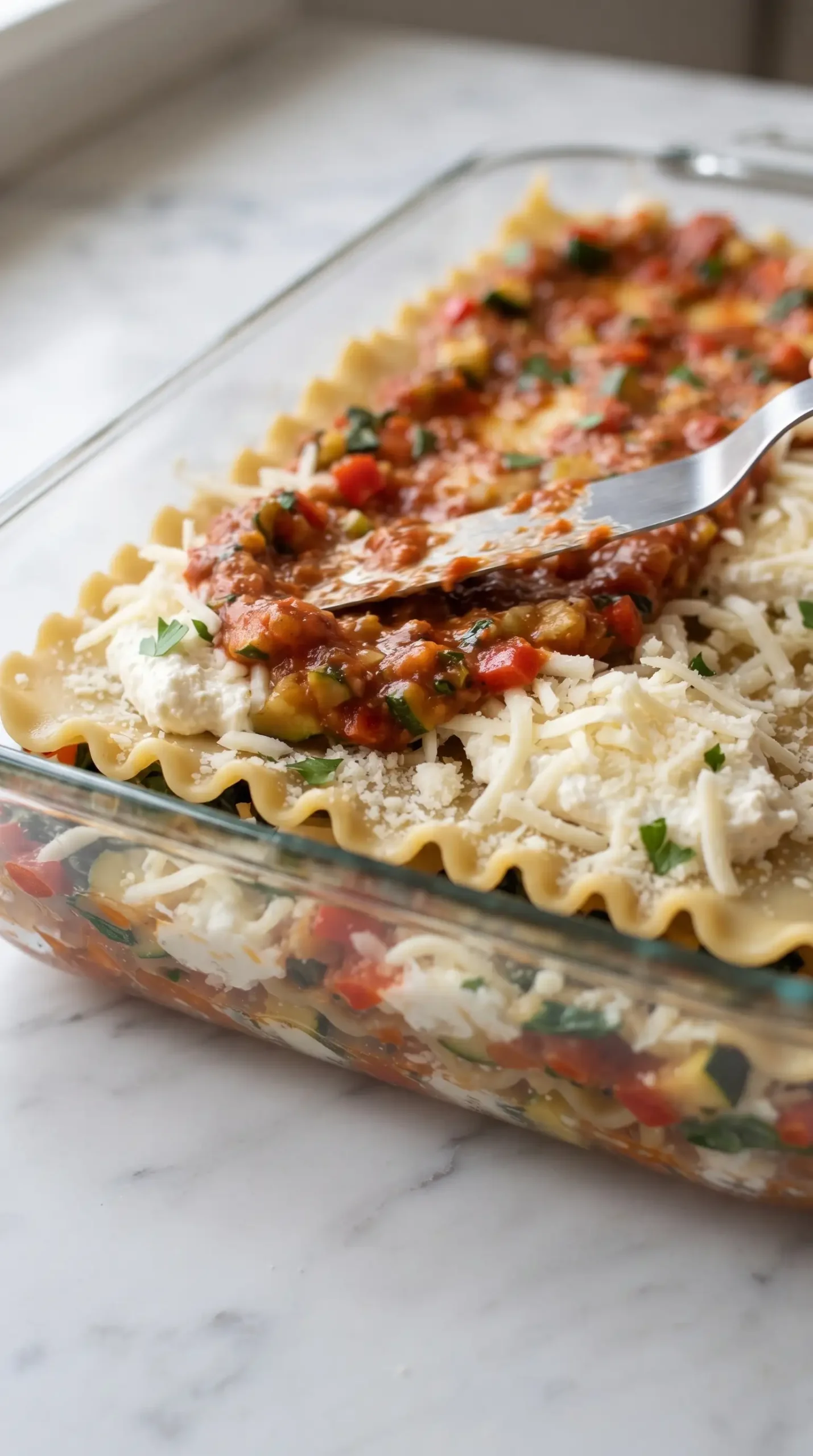
Layering decisions influence how each serving looks and feels. The combination of noodles, sauce, mascarpone, Parmesan, and mozzarella creates repeating sections that distribute richness from the first bite to the last.
| Layer element | Role in the dish | Key handling choice |
|---|---|---|
| Noodles | Provide the framework | Keep layers even across the pan |
| Vegetable sauce | Adds savory flavor | Spread consistently between noodles |
| Cheese mixture | Creates creamy richness | Distribute dollops throughout each layer |
Leftover Handling Keeps Lasagna Enjoyable
Stored portions of vegetarian lasagna can maintain their flavor when handled carefully after serving. Allowing leftovers to cool before covering helps preserve the layered texture and keeps the cheese topping from becoming overly soft.
Reheating individual portions gently helps warm the sauce and cheese without drying the noodles. Extra sauce or a small amount of moisture can help refresh the texture when needed.
Serving Ideas Highlight Vegetable Lasagna Recipe Flavors
Simple accompaniments allow the vegetable filling and cheese layers to remain the focus. A fresh salad, roasted vegetables, or a crisp side can provide contrast while keeping the meal balanced.
Ingredient Swaps Expand the Vegetarian Lasagna Options
Flexible choices can adapt vegetarian lasagna while keeping the central structure intact. The vegetable mixture, sauce, and cheese layers provide several opportunities for adjustment based on preference, including variations such as butternut squash lasagna with ricotta and Parmesan when a seasonal vegetable filling fits the meal.
Different vegetables can change the character of the filling, but the mixture should still be finely prepared so it spreads well between noodles. Maintaining a similar texture helps preserve the layered experience.
Additional variations should respect the balance already created by the original combination. Consider these adjustments when planning a different version:
- Cheese direction: Keep mascarpone as the creamy element while adjusting the finishing cheeses.
- Vegetable emphasis: Preserve a finely chopped texture when changing the filling ingredients.
- Seasoning approach: Taste sauces and fillings before assembly to maintain balance.
Vegetarian Lasagna Layers Create a Complete Comforting Meal
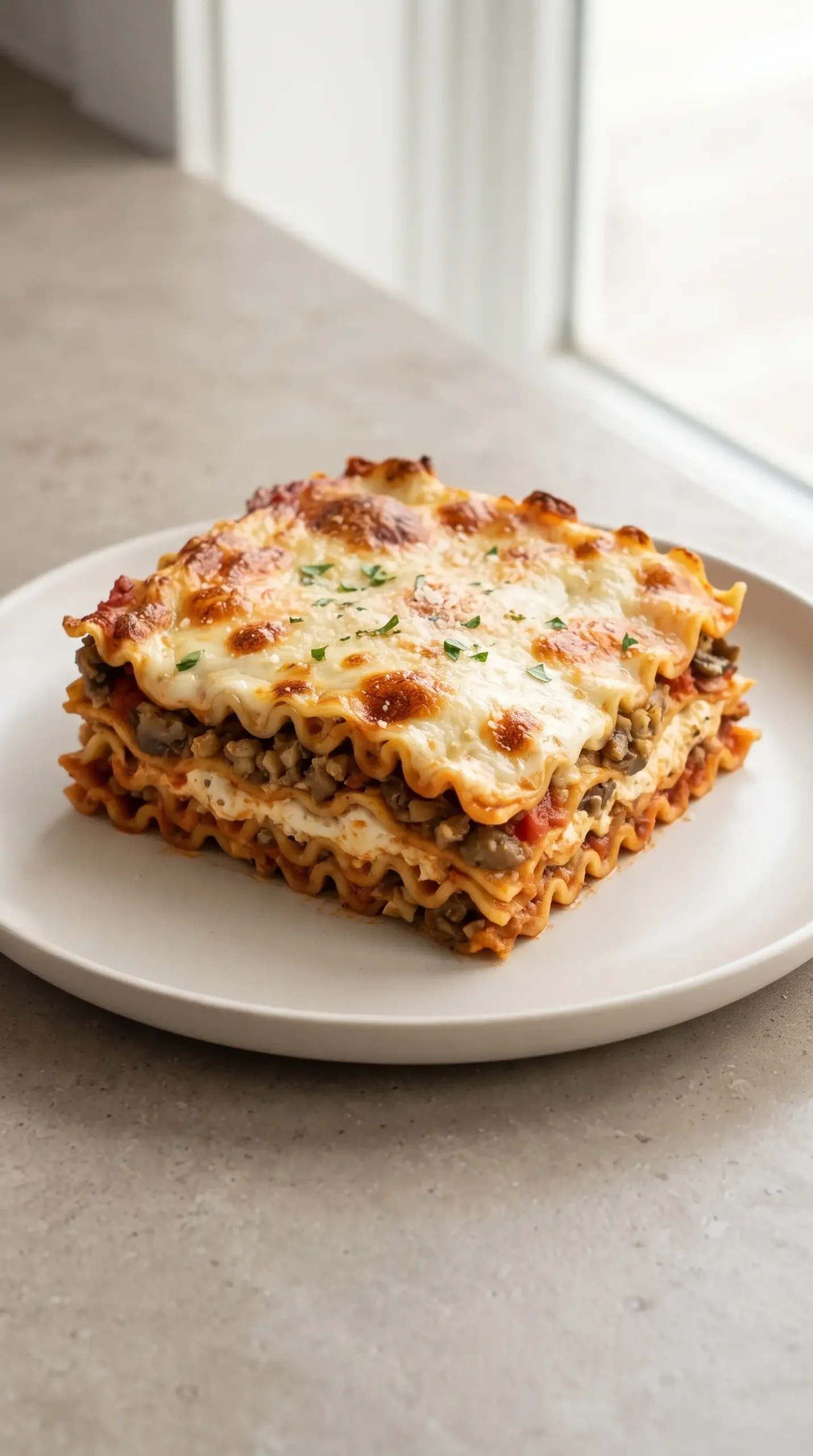
Vegetarian lasagna becomes memorable when the vegetable filling, creamy cheese mixture, and tomato sauce work together as a single layered dish. The finely prepared vegetables create body, while the mascarpone and shredded cheeses provide the richness needed for a satisfying slice.
Balanced preparation decisions determine the finished result. A carefully seasoned sauce, evenly distributed layers, and a properly browned cheese topping create a baked dish where every portion carries the same combination of flavors and textures.
Vegetarian Lasagna Questions About Texture and Storage
Can vegetarian lasagna be made with a softer vegetable filling?
Softer vegetables can work well when they are processed into a cohesive mixture and cooked until tender before assembly. The important factor is maintaining a filling texture that spreads easily between noodles.
Why does vegetarian lasagna sometimes fall apart when sliced?
Loose slices often result from serving too quickly after baking. Allowing the layers to settle helps the sauce, noodles, and cheeses hold together more effectively.
How does mascarpone change the flavor of lasagna?
Mascarpone adds a smooth richness that contrasts with the vegetable sauce and melted mozzarella. Mixing it with grated garlic and salt gives the creamy layer additional savory character.
Can the vegetable mixture be prepared ahead of assembling?
The chopped vegetable mixture can be prepared in advance if it is stored properly before assembly. Keeping it ready makes the layering process easier while preserving the intended texture.
What makes the cheese topping brown evenly?
An uncovered finishing stage allows the cheese surface to receive direct heat. Watching the top closely during broiling helps create browning while protecting the melted layers underneath.
Vegetarian Lasagna with Mushroom Walnut Filling and Cheese
Vegetarian lasagna is a creamy, hearty baked pasta dish with a savory mushroom walnut filling and rich layers of cheese. It is a comforting choice for weeknight dinners or gatherings when you want a satisfying meatless meal.
Ingredients
Method
Preparation
- Add the mushrooms, walnuts, and zucchini to a food processor and pulse until finely chopped. Move the mixture to a bowl, then process the garlic, onion, and carrots in the same way.
- Heat butter or olive oil over medium-high heat. Add the chopped vegetables and seasonings, then sauté for 7-10 minutes until the vegetables are very soft and fragrant.
- Stir the tomato sauce and salt into the vegetable mixture. Taste and adjust the seasoning based on the sauce used.
Assembly
- Preheat the oven to 400°F (204°C). Combine the mascarpone with grated garlic and salt.
- Spread a layer of sauce across the bottom of a 9×13 pan. Build each layer with a few noodles, 1 cup sauce, a few dollops of mascarpone, 1/2 cup Parmesan, and 1/2 cup mozzarella. Repeat the layers, usually creating 4 layers from the ingredients.
- Finish the top with noodles, sauce, cheese, and additional dollops of sauce.
Baking
- Cover the pan with foil and bake for 40-45 minutes.
- Remove the foil and broil for 5 minutes to brown the cheese on top.
- Allow the lasagna to stand for about 10 minutes, then cut and serve.
Notes
Allowing the baked lasagna to stand before slicing helps the layers settle for cleaner portions.