From breakfast to dinner, from wholesome meals to indulgent desserts, Nexa Recipes offers quick, easy, and delicious ideas for every occasion and every moment.



 This Recipe
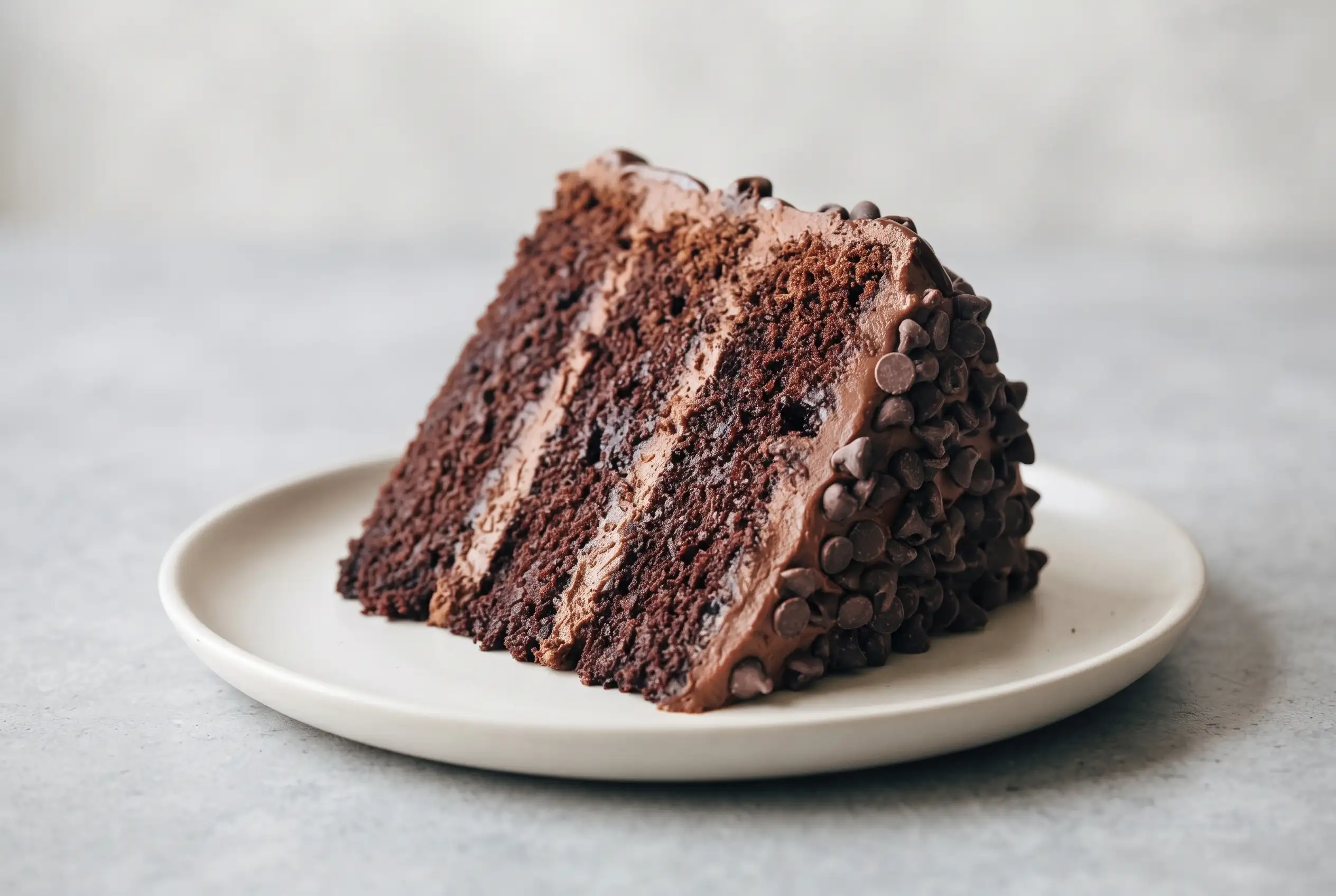
Blackout chocolate cake delivers an intense chocolate experience through three rich layers, a smooth cream cheese frosting, and a dramatic coating of chocolate chips. The dessert stands out because every part of the build supports the same deep cocoa character, from the espresso-enhanced batter to the creamy finish surrounding the cake.
A chocolate blackout cake recipe like this focuses on texture as much as flavor. The soft cake layers need enough structure to hold a generous frosting layer, while the outside coating creates the signature appearance that makes each slice feel special.
Blackout Chocolate Cake Creates Deep Chocolate Layers
Blackout chocolate cake begins with a dark cocoa base that creates a bold foundation for the dessert. Unsweetened cocoa powder forms the main chocolate identity, while instant espresso powder helps emphasize those chocolate notes without changing the dessert into a coffee-flavored cake.
The batter combines familiar baking ingredients in a way that produces a tender crumb suitable for stacking. Eggs, Greek yogurt, water, oil, and vanilla work together with the dry ingredients to create a mixture that spreads evenly between the cake pans and bakes into dependable layers.
Each layer matters because the finished dessert depends on balance. A three layer chocolate cake needs enough softness to pair with frosting but enough stability to remain neat after stacking, chilling, and adding the chocolate chip exterior.
Cocoa And Espresso Shape The Cake’s Signature Flavor
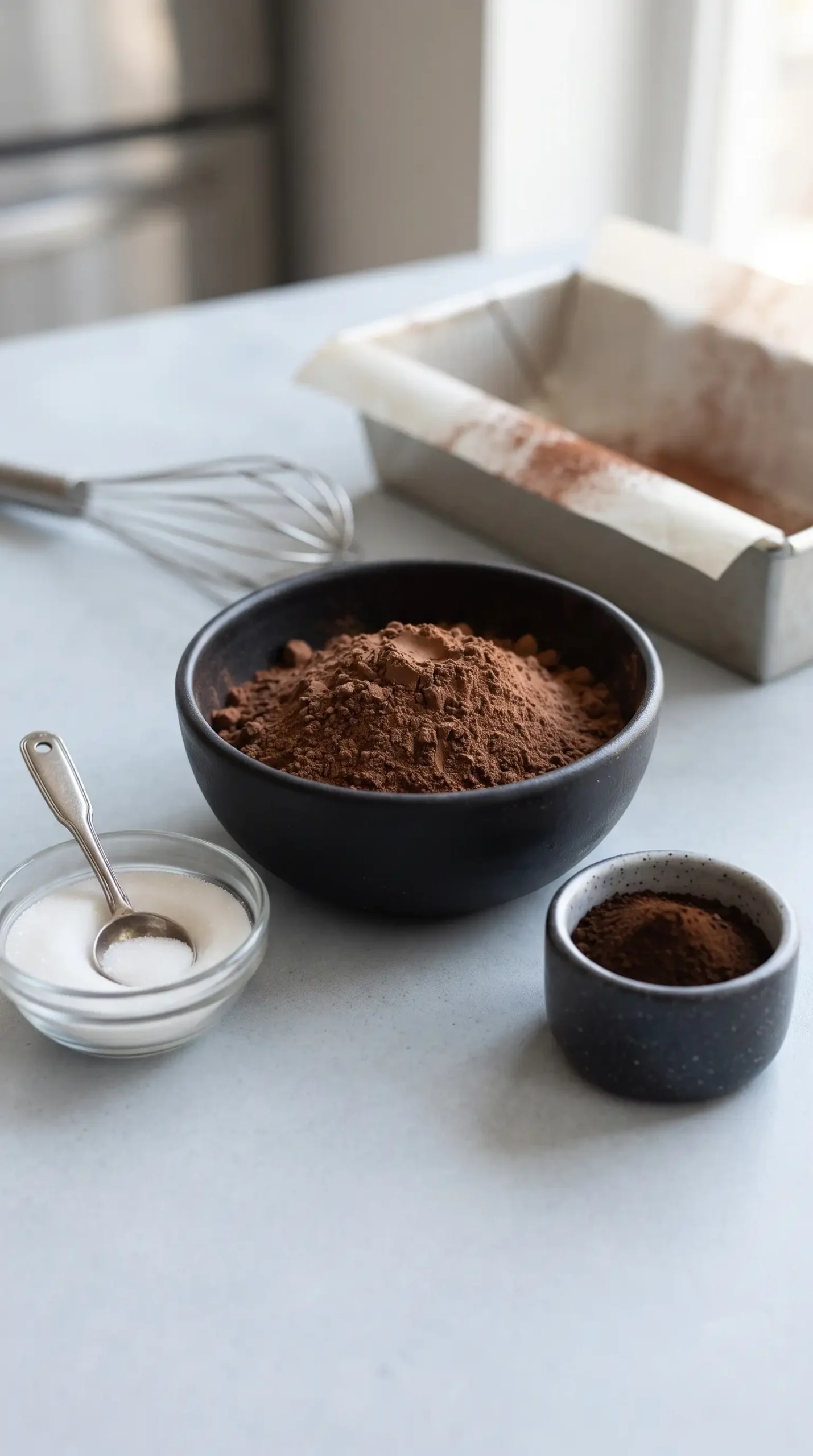
The most important ingredient decision in blackout chocolate cake is the use of unsweetened cocoa powder alongside instant espresso powder. Cocoa provides the concentrated chocolate foundation, while espresso powder deepens the dessert’s chocolate character. A layered cake with chocolate frosting can use coffee-enhanced flavors to create a similarly rich dessert experience built around chocolate intensity.
Choosing unsweetened cocoa keeps control over the sweetness level because the sugar amount is adjusted separately in the batter. This separation allows the cake to develop a clear chocolate profile without relying on sweetened cocoa products that change the recipe balance.
The choice of cocoa also affects the final appearance and flavor of baked goods because cocoa powder types vary in color, acidity, and processing. Understanding these differences helps explain why the cocoa selected for a chocolate cake can influence more than just its sweetness.
Chocolate flavor also depends on handling the cocoa mixture thoroughly. Whisking the dry ingredients before adding liquids helps distribute cocoa, espresso powder, baking soda, baking powder, and salt so the finished layers bake with consistent flavor.
Greek Yogurt And Oil Keep The Layers Balanced
Greek yogurt and vegetable oil give blackout chocolate cake a moist texture that supports the dense chocolate character. The yogurt adds richness and structure, while oil helps maintain tenderness throughout the cake layers after baking and cooling.
Three Layer Chocolate Cake Assembly Depends On Frosting Control
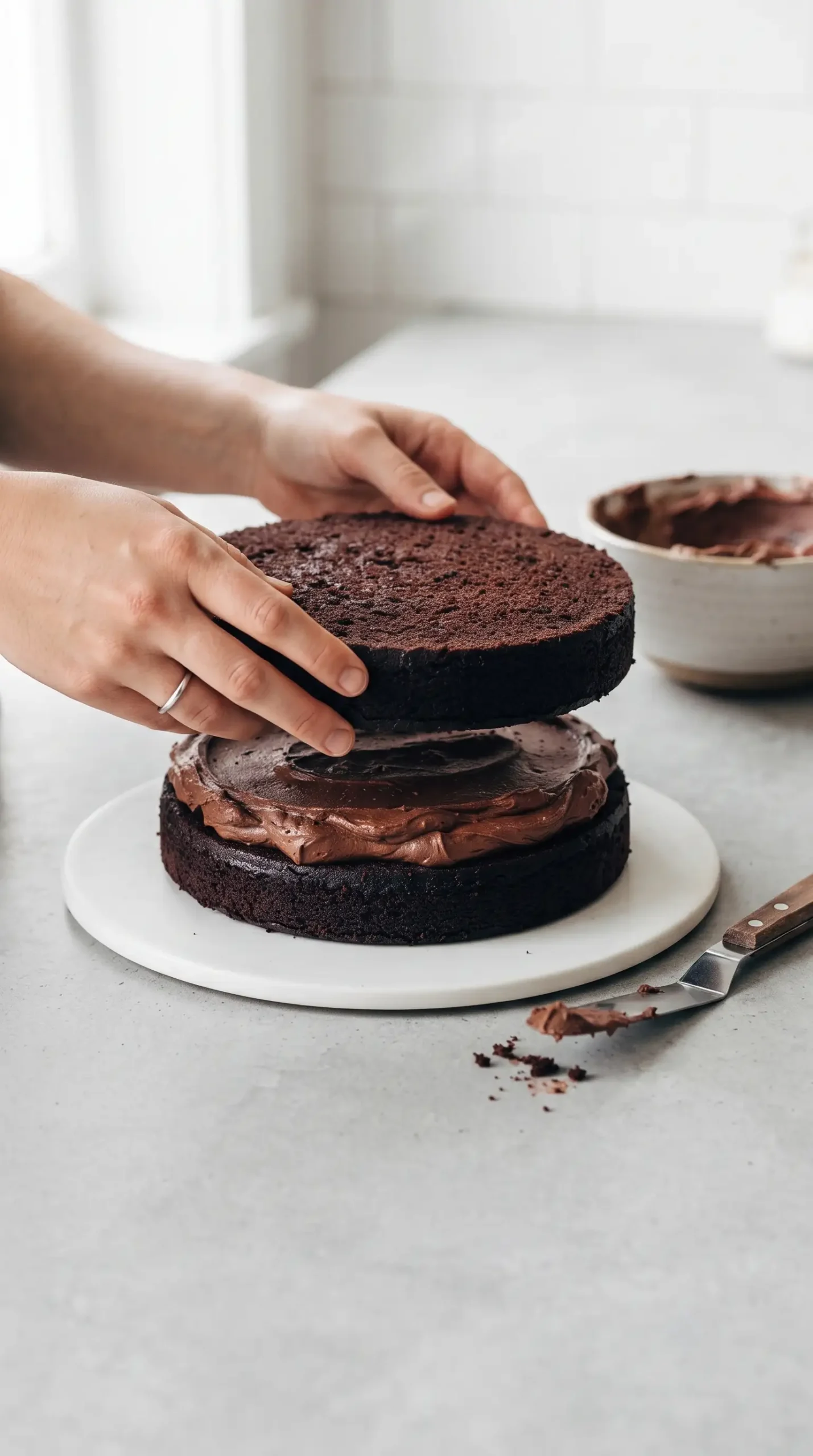
Stacking a chocolate cake with cream cheese frosting requires attention to stability. The frosting mixture should become smooth before spreading so it can hold the layers together and cover the outside with an even finish.
Cooling the baked layers before assembly helps protect the frosting from becoming overly soft during stacking. The cake layers need a stable surface so the frosting remains between each section instead of shifting under the weight of the stacked rounds.
The assembly process creates the recognizable height of this chocolate cake with cream cheese frosting. Spreading frosting between layers, around the sides, and across the top prepares the surface for the chocolate chip coating that defines the finished look.
Chocolate Chip Coating Gives The Blackout Finish Its Texture
The outer chocolate chip layer creates a distinctive contrast against the smooth frosting. Rolling the chilled cake into a wide layer of chocolate chips allows the pieces to attach across the surface, creating a dramatic finish with extra chocolate texture in every slice.
Baking Controls Protect The Cake Layers
Successful baking depends on small observations during preparation. The dry ingredients should be combined before liquids are introduced, and the batter should be mixed only until combined so the cake maintains a soft texture.
Several details influence the baked layers:
- Even portions: Dividing batter between the prepared pans helps the layers finish with similar thickness.
- Gentle mixing: Combining ingredients until incorporated keeps the batter from becoming unnecessarily dense.
- Cooling time: Allowing the cakes to cool before frosting creates a better surface for assembly.
Temperature and timing decisions affect the final structure. The cakes should be set before they are removed from the oven, because a stable crumb makes stacking and decorating easier later.
Blackout Chocolate Cake Mistakes That Affect The Chocolate Finish
Blackout chocolate cake can lose its signature appearance when a few avoidable problems happen during preparation. Understanding the cause of each issue makes the decorating process much more predictable.
| Common issue | What happens | Helpful adjustment |
|---|---|---|
| Warm cake layers | Frosting becomes difficult to spread and hold | Cool layers before adding the frosting |
| Uneven frosting coverage | Chocolate chips may not attach consistently | Create a smooth outer frosting layer first |
| Cutting immediately after chilling | The frosting and coating may feel firmer | Allow the cake to soften slightly for easier slicing |
Another common mistake involves rushing the coating stage. Pressing gently while rolling the cake helps the chocolate chips stick without damaging the frosted surface underneath.
Chilling And Serving Choices Change The Slice
Serving temperature changes the experience of blackout chocolate cake. A chilled cake has a firmer frosting texture, while bringing it closer to room temperature can make slicing easier and create a softer bite.
Cream Cheese Frosting Builds The Right Chocolate Cake Balance
The frosting separates this dessert from a simple chocolate layer cake because it combines cream cheese, butter, cocoa powder, powdered sugar, vanilla, salt, and heavy cream into a rich chocolate covering. The mixture needs a smooth consistency so it spreads across the cake without tearing the delicate layers.
A chocolate cake with cream cheese frosting benefits from careful texture control. Softened butter and cream cheese blend more easily, allowing the cocoa and powdered sugar to distribute evenly throughout the frosting.
The frosting also provides the surface needed for decoration. Once the cake is covered, the chocolate chips can adhere to the exterior and create the recognizable blackout finish.
Extra Chocolate Drizzle Adds A Finishing Option
A little extra melted chocolate can be drizzled over the top for an even more dramatic presentation. The added decoration works especially well when the cake is served as a centerpiece dessert for chocolate lovers.
Storing Blackout Chocolate Cake Keeps The Layers Ready
Blackout chocolate cake keeps its appeal when stored with care. The covered cake should be protected from drying out, and the serving texture can be adjusted by allowing it to soften before slicing if it has been chilled.
The chocolate chip coating provides some protection around the frosted surface, but careful handling still matters when moving or covering the cake. A clean container or secure covering helps maintain the texture of both the cake and frosting.
Leftover slices can be enjoyed after storage because the layered structure holds together well. Cutting individual portions before serving can make it easier to handle the rich frosting and chocolate coating.
Occasions That Suit This Chocolate Dessert
The dramatic appearance of blackout chocolate cake makes it a natural choice for celebrations, gatherings, or any moment when a bold chocolate dessert fits the table. The tall layers and chocolate-covered exterior create a presentation that feels more elaborate than a standard sheet cake.
Blackout Chocolate Cake Brings Every Layer Together
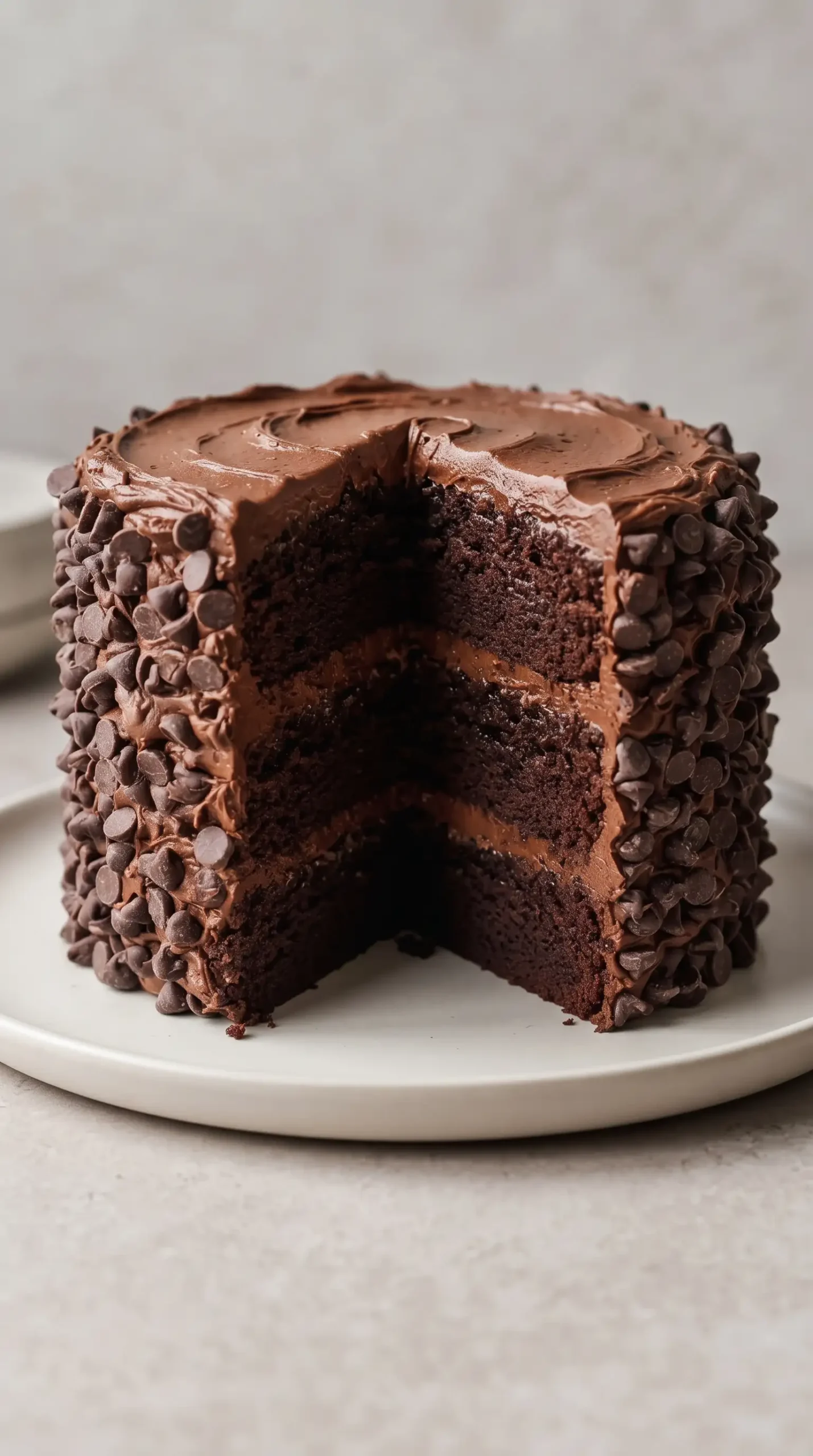
Blackout chocolate cake succeeds because the deepest chocolate elements are supported by careful construction. The cocoa-rich layers, smooth frosting, and chocolate chip exterior each contribute a different texture while staying focused on the same flavor profile.
When the cake layers are cooled properly and the frosting is given enough control, the finished dessert becomes easier to assemble and serve. The most important decision is preserving the relationship between a tender crumb, stable filling, and bold chocolate finish.
Blackout Chocolate Cake Questions About Frosting And Serving
Can blackout chocolate cake be served without chilling?
Yes, blackout chocolate cake can be served at room temperature, and the softer texture can make slicing easier. Chilling changes the firmness of the frosting and coating, so serving preference can depend on the texture you want at the table.
Why does the cake use espresso powder?
Instant espresso powder is used to deepen the chocolate character of the cake. It supports the cocoa flavor while keeping the dessert focused on chocolate instead of creating a coffee-centered taste.
How do chocolate chips stay attached to the outside?
The chocolate chips adhere because they are pressed into the frosted exterior after the cake has been chilled. A smooth frosting surface gives the chips more opportunity to stick evenly around the cake.
What makes the frosting easier to spread?
Using softened butter and cream cheese helps the frosting become smooth during mixing. A consistent texture makes it easier to cover the layers and create an even outside surface.
Can the chocolate coating be changed?
The chocolate chip coating creates the classic blackout appearance, but presentation can be adjusted with additional melted chocolate drizzled over the top for a more decorated finish.
Blackout Chocolate Cake with Cream Cheese Frosting
Blackout chocolate cake is a rich, layered chocolate dessert with a tender crumb, creamy frosting, and a dramatic chocolate chip coating. It is a showstopping choice for gatherings or any occasion calling for an indulgent chocolate treat.
Ingredients
Method
Baking
- Preheat the oven to 350°F (177°C). Grease three 9-inch round cake pans.
- Combine the dry ingredients in a bowl. Add the wet ingredients and mix just until the batter comes together.
- Divide the batter evenly between the three prepared cake pans.
- Bake for 35 minutes, or until the cakes are set. Allow the cake layers to cool before assembling.
Frosting
- Beat the frosting ingredients together, leaving out the chocolate chips, until the mixture is smooth.
Assembly
- Cut two 9-inch round circles from cardboard and cover them with foil.
- Spread a small amount of frosting on one cardboard round and place the first cake layer on top to help secure it.
- Stack the cake layers with frosting between each layer, then cover the outside and top with frosting.
- Chill the assembled cake for 30 minutes.
Topping
- Spread the chocolate chips in a wide jelly roll pan.
- Place the second cardboard round on top of the chilled cake. Hold the cardboard ends and roll the cake into the chocolate chips, pressing gently so they adhere.
Notes
I like to melt a little extra chocolate and drizzle it over the top. This cake can be served chilled or at room temperature, but it is easier to cut at room temperature or before the chocolate drizzle sets.