From breakfast to dinner, from wholesome meals to indulgent desserts, Nexa Recipes offers quick, easy, and delicious ideas for every occasion and every moment.



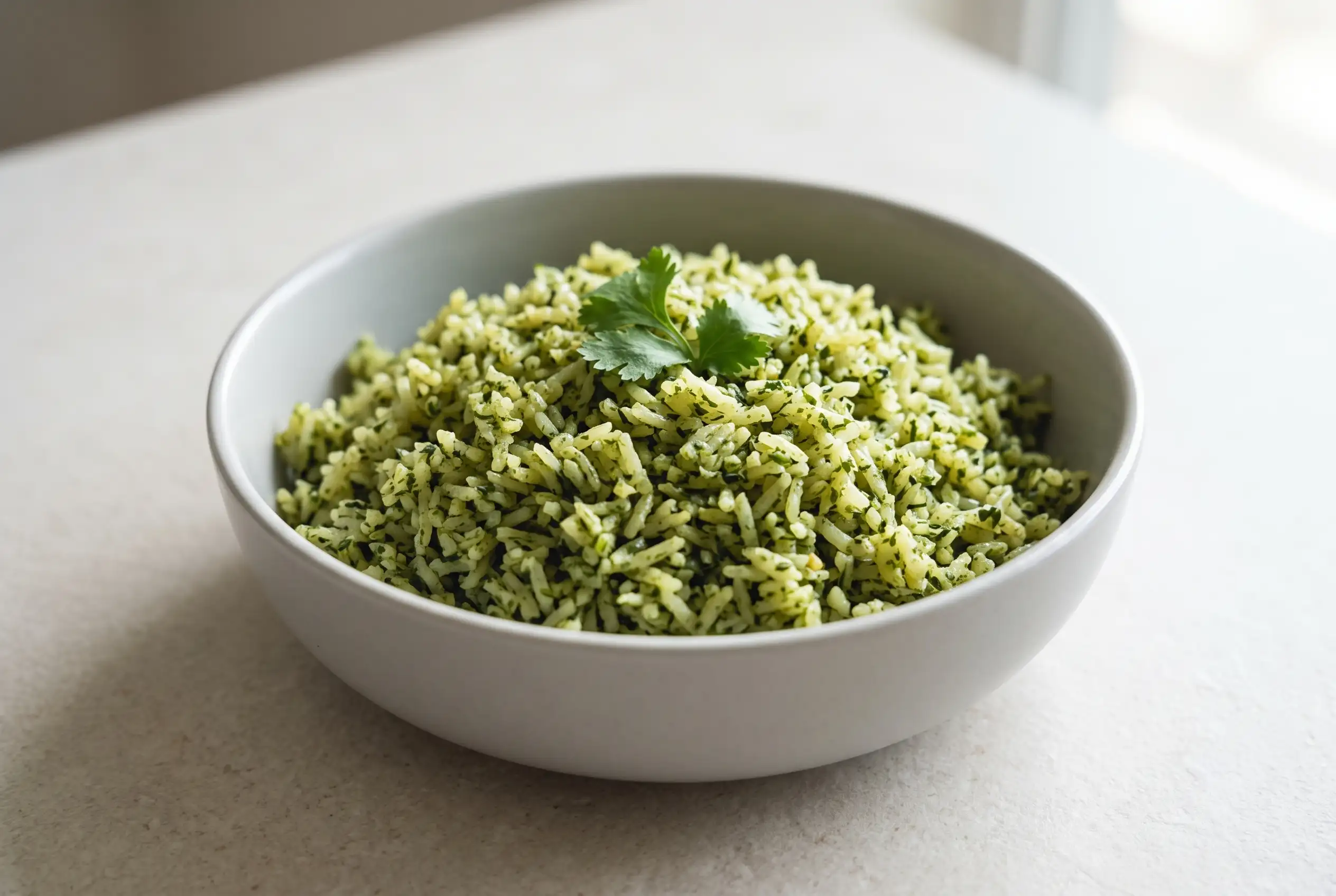 This Recipe
Green rice transforms a simple pot of long-grain grains into a vibrant side dish built around fresh herbs, tender greens, and aromatic vegetables. The combination of cilantro, spinach, serrano pepper, shallot, and garlic creates a deeply colored rice with layers of freshness that work alongside everyday meals. The cooking process focuses on developing flavor before the liquid is added, allowing the grains to absorb the savory herb mixture.
Cilantro and Spinach Shape the Character of Green Rice
The appeal of green rice comes from the way fresh ingredients are blended into the cooking process instead of being added only as a garnish. Cilantro brings its unmistakable herbal brightness, while spinach contributes a rich green color and a softer vegetal note that supports the other flavors.
Fresh greens need careful handling because their flavor is most noticeable when they remain balanced with the toasted grains. Blending the cilantro and spinach with shallot, serrano, and garlic creates a concentrated mixture that coats the rice evenly during sautéing.
Many versions of cilantro green rice focus heavily on the herb itself, but this style builds more complexity through several fresh components working together. The result is a flexible dish that can move from a casual weeknight side to a colorful addition for larger meals.
Fresh Herbs Create the Deep Color Behind This Herb Green Rice Recipe
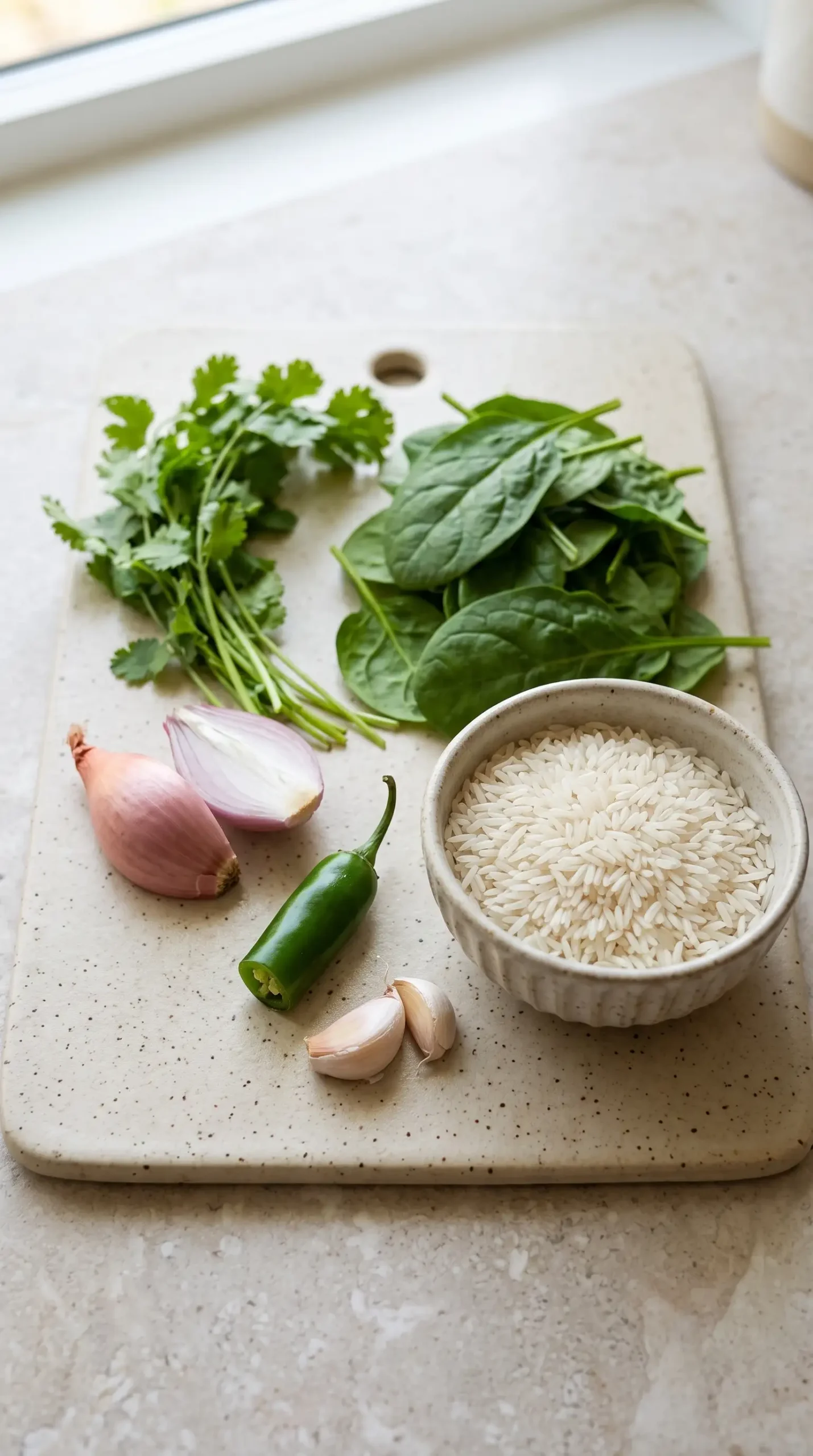
The most important ingredient decision is choosing fresh cilantro and spinach with enough moisture and color to create the signature appearance. A generous amount of greens gives the rice its identity while allowing the grains to remain the main structure of the dish.
Spinach green rice develops its character through the combination of leafy greens and aromatic vegetables. The food processor helps break the ingredients down into a fine mixture so their flavors distribute throughout the grains.
Toasted Grains Give Green Rice a Better Texture
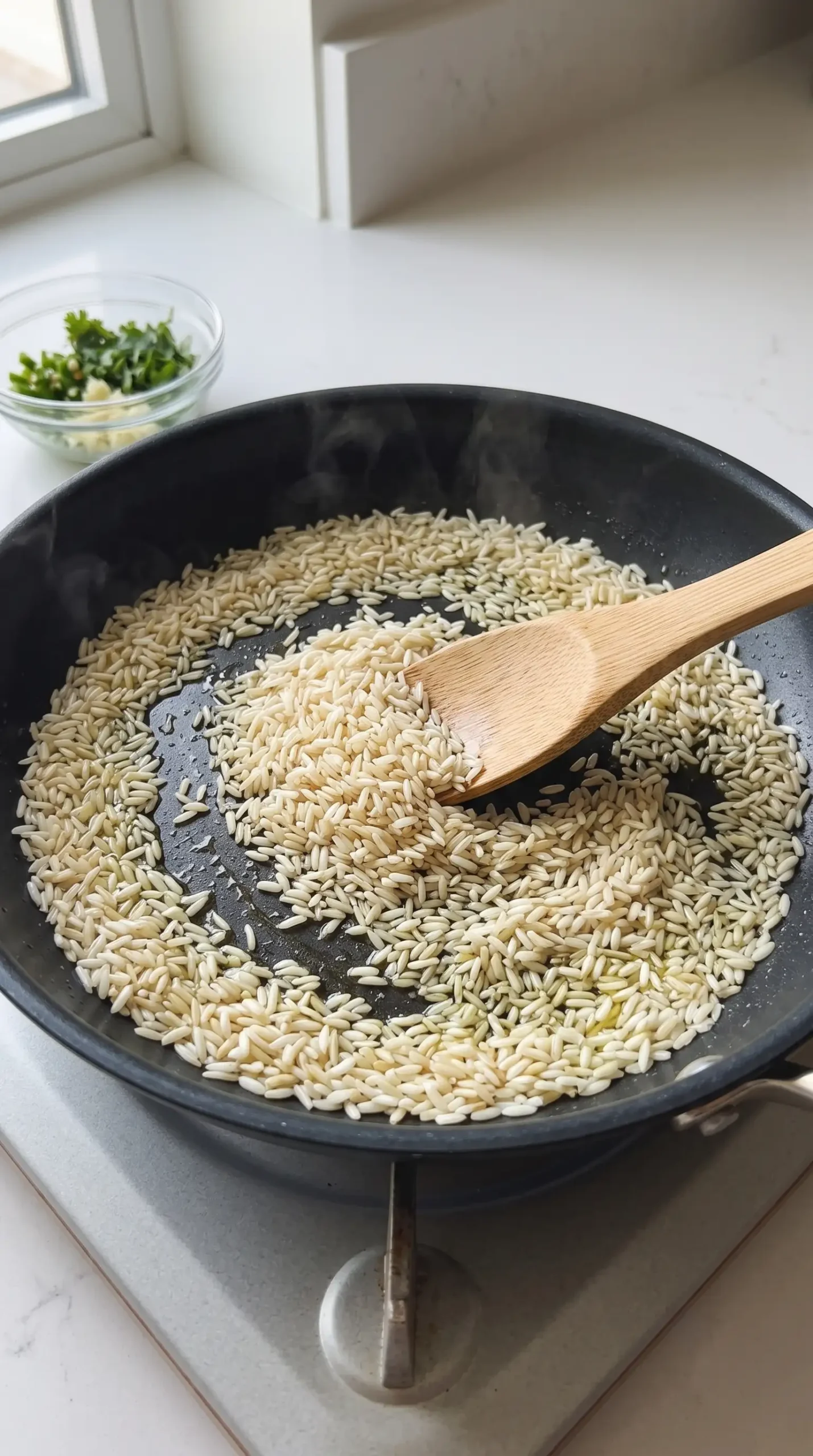
Toasting the rinsed rice in olive oil creates an important textural foundation before the liquid enters the pan, and toasting rice before cooking can help deepen flavor while keeping the grains more distinct. The grains gain a lightly nutty quality and become coated with the oil that helps carry the herb mixture throughout the dish.
A skillet over medium-high heat allows the rice to warm gradually while developing flavor. The grains should become lightly toasted without taking on deep color, because the later simmering stage completes the cooking.
Texture depends heavily on how much liquid the rice absorbs. A smaller amount creates separate, fluffy grains, while additional liquid produces a softer and slightly stickier finish.
| Liquid Amount | Rice Texture | Best Use |
|---|---|---|
| Lower liquid level | Fluffy, distinct grains | Serving beside grilled proteins or tacos |
| More liquid | Softer, more cohesive grains | Meals where a comforting texture fits |
| Extra adjustment after cooking | Allows texture correction | Fine-tuning the finished pot |
Serrano Choices Keep the Flavor Balanced in Green Rice
Pepper selection changes the personality of the dish without changing its structure. A serrano with the ribs and seeds removed provides a fresh pepper flavor, while a jalapeño can offer a milder alternative for cooks who prefer less heat.
- Pepper preparation: Removing the ribs and seeds allows the pepper flavor to blend more gently with the herbs.
- Garlic balance: A small amount of garlic supports the greens without overpowering their freshness.
- Salt adjustment: The amount needed changes depending on whether broth or water is used as the cooking liquid.
Rinsing and Drying Rice Protect the Cooking Process
Proper rice preparation helps prevent problems before the grains reach the skillet. Rinsing removes surface starch, and shaking off excess water or blotting the grains dry reduces splattering when they meet the hot oil.
Common Mistakes That Affect Green Rice Results
Small preparation choices can change the finished texture and flavor of green rice. Understanding the most common issues makes it easier to correct problems while cooking.
| Mistake | What Happens | Better Approach |
|---|---|---|
| Adding wet rice to hot oil | Oil can splatter and the grains may not toast evenly | Drain and dry the rinsed grains first |
| Skipping the herb sauté | Fresh flavors may taste less developed | Cook the blended mixture briefly with the rice |
| Using the wrong liquid amount | The texture may not match expectations | Adjust based on whether fluffy or softer rice is preferred |
Another common issue happens when the rice is checked too early or too often during simmering. Keeping the lid in place helps maintain the environment needed for the grains to absorb the liquid properly.
Uneven flavor can also occur when the herb mixture is not finely processed. Larger pieces of shallot, garlic, or greens may distribute less consistently throughout the finished rice.
Serving Ideas Make Green Rice Fit Many Meals
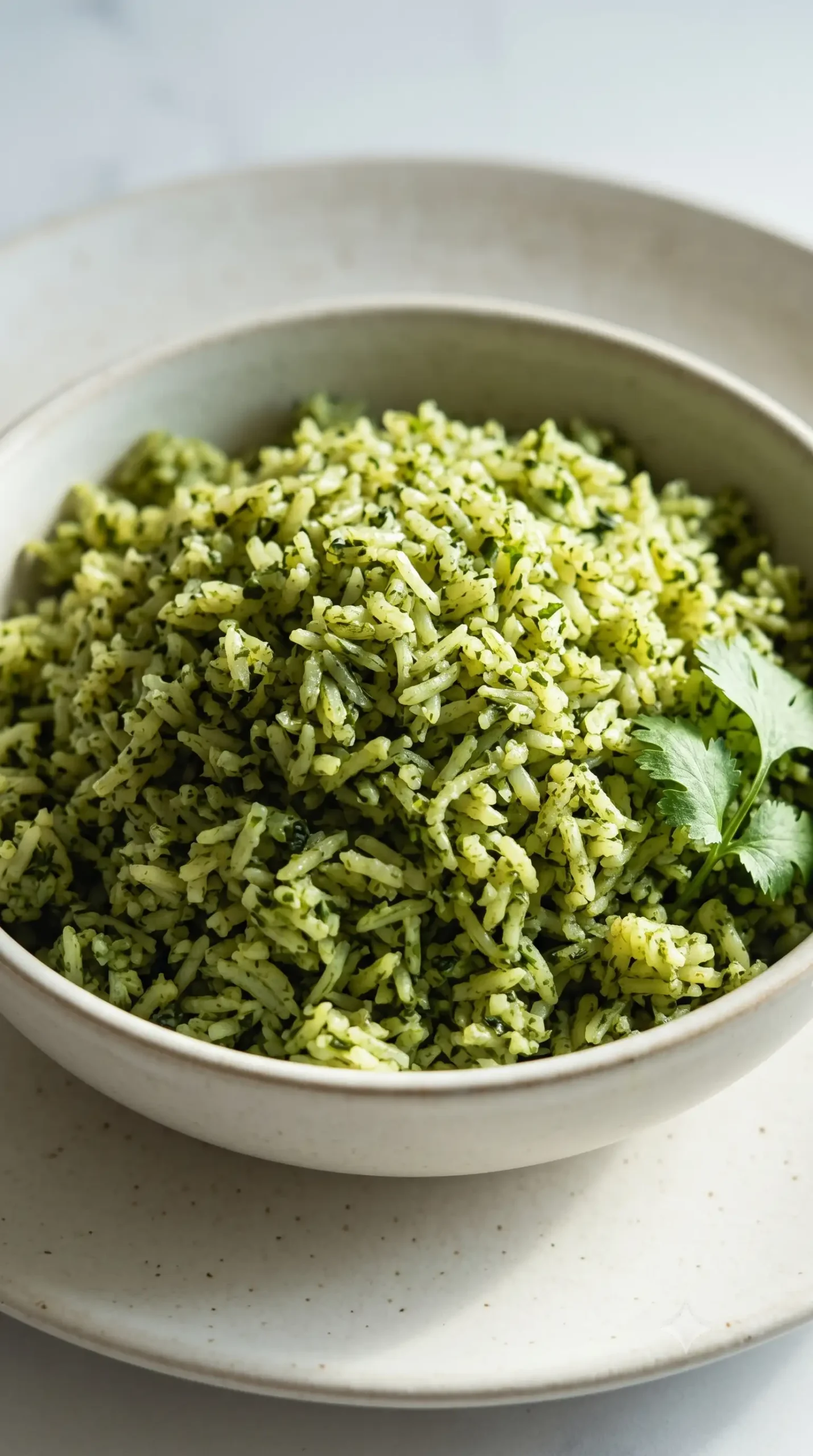
The bright flavor of green rice makes it useful across different styles of cooking. It pairs naturally with grilled foods, roasted proteins, beans, and meals that benefit from a fresh herb element.
Popular serving combinations include chicken skewers, air fryer chicken, salmon, tacos, beans, and creamy corn. A complete meal pairing can feature cilantro lime chicken bowls with lentil rice and salsa verde for a hearty plate where the herb-forward rice elements complement fresh toppings.
Liquid Decisions Change the Finished Green Rice Texture
The cooking liquid influences more than moisture because it determines how the grains finish and how the herbs are carried through the dish. Broth adds a deeper savory background, while water keeps the flavor profile focused on the greens and aromatics.
Experienced cooks can adjust the texture preference after observing how the rice behaves. A fluffier result highlights separate grains, while a softer texture creates a more cohesive accompaniment for saucier meals.
Storage Practices Keep Cooked Green Rice Ready for Later
Cooked rice can remain useful beyond the first serving when it is handled carefully after cooking. Cooling and storing it properly helps preserve the texture and fresh herb character.
Reheating works best when moisture is restored gently. A small splash of water before warming can help loosen the grains and bring back a softer texture.
Simple Variations Expand Green Rice for Different Plates
Variations can change the way green rice fits a meal while keeping the core herb flavor intact. The fresh mixture provides a strong base that can adapt to different preferences.
- Herb adjustments: Different proportions of cilantro and spinach can shift the balance between bright herbal notes and leafy flavor.
- Heat changes: Swapping serrano for jalapeño changes the pepper intensity while maintaining the fresh profile.
- Liquid choices: Broth or water can be selected depending on the desired depth of flavor.
Cooking Controls Improve Every Batch of Green Rice
The most important execution details happen before and during the simmering stage. Drying the rice, toasting the grains, and allowing the herb mixture to become fragrant create the foundation for consistent results.
Temperature control also matters after the liquid is added. A gentle simmer over low heat allows the grains to cook evenly without losing too much moisture before they are tender.
Pairings Highlight Cilantro Green Rice at the Table
Cilantro green rice works especially well when another part of the meal provides contrast. Rich sauces, grilled flavors, and creamy sides allow the fresh herb notes to stand out.
The dish also supports simple meals because it adds color and flavor without requiring complicated toppings. Its versatility makes it suitable for both quick dinners and larger gatherings.
Green Rice Brings Together Color and Cooking Judgment
The blended greens create the identity of green rice, but the cooking decisions determine how that flavor appears in every bite. Toasted grains, balanced seasoning, and careful liquid adjustment work together to create a dish that feels fresh and satisfying.
Fresh cilantro, spinach, and aromatic vegetables become most effective when the rice preparation supports them. The result is a versatile side where texture and flavor depend on thoughtful choices at each stage.
Green Rice Questions About Liquid, Heat, and Preparation
Can green rice be made less spicy?
Yes. Using a jalapeño instead of serrano or keeping the pepper preparation mild reduces the heat while preserving the fresh pepper flavor that supports the herbs.
Why does my green rice look lighter than expected?
The color depends on the amount of cilantro and spinach blended into the mixture and how evenly the greens are distributed through the grains during cooking.
Should I use broth or water for green rice?
Both options work well. Broth creates a deeper savory taste, while water allows the fresh herb and vegetable flavors to remain more prominent.
How can I make green rice softer?
Using a little more liquid during cooking creates a softer texture. The finished grains can also be adjusted after cooking if they need additional moisture.
What meals pair best with green rice?
Green rice complements chicken skewers, air fryer chicken, salmon, tacos, beans, and creamy corn because its fresh flavor balances hearty or rich foods.
Green Rice with Cilantro, Spinach, Shallot and Garlic
Green Rice is a fresh, vibrant side dish with fluffy long-grain grains and a flavorful herb-forward character. It is an easy choice for adding color and a bright, savory element to everyday meals.
Ingredients
Method
Preparation
- Rinse the rice thoroughly in a mesh colander. Shake off excess water or blot the rice dry with paper towels to help prevent splattering when it is added to the skillet.
- Process the cilantro, spinach, shallot, serrano pepper, and garlic in a food processor until the mixture is very finely chopped.
Cooking
- Heat olive oil in a skillet over medium-high heat. Add the rice and sauté for 3-5 minutes until the grains are lightly toasted.
- Stir in the herb mixture and salt, then continue sautéing for another 3-5 minutes until the mixture becomes fragrant.
- Add the broth or water and bring the mixture to a simmer. Cover the skillet and cook over low heat for 15 minutes.
- Check the rice by fluffing it with a fork. Add more water or continue cooking longer if needed. Once the rice reaches the desired texture, remove it from the heat and fluff with a fork to evenly distribute the greens.
Serving
- Serve the green rice alongside your preferred meal.
Notes
The rice shown in the photos was made with 2 cups of liquid, which creates a drier, fluffier texture. For a softer and stickier texture, use 2 1/2 cups of liquid. If you are unsure which texture you prefer, begin with 2 cups and adjust with a little more water after cooking if desired.