From breakfast to dinner, from wholesome meals to indulgent desserts, Nexa Recipes offers quick, easy, and delicious ideas for every occasion and every moment.



 This Recipe
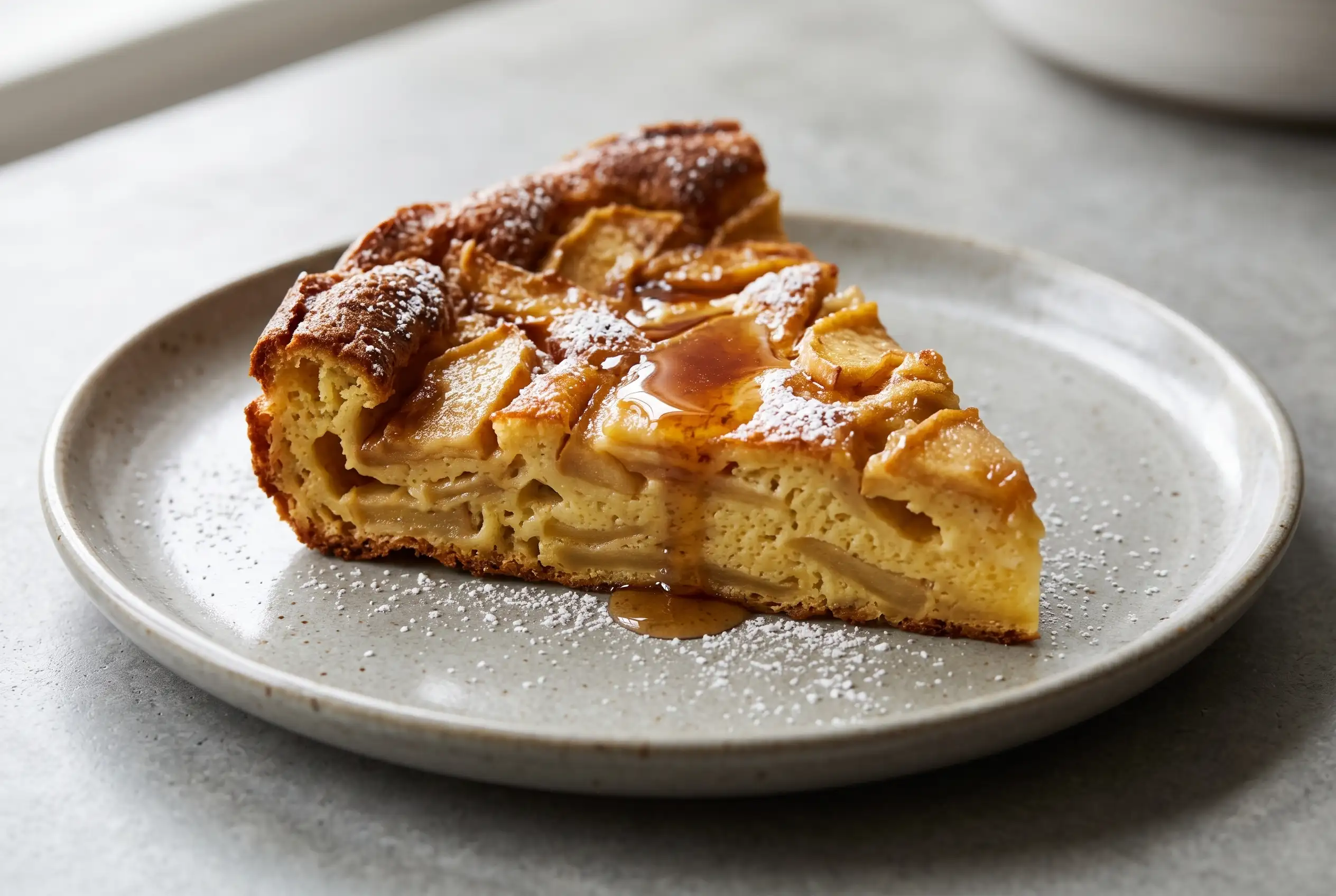
Baked apple pancake brings together tender baked fruit, a lightly sweet custard-style center, and a concentrated apple cider syrup for a breakfast that feels both simple and special. The oven baked apple pancake method creates a single dish with caramelized apple slices underneath a golden top, making each serving different from a traditional stovetop pancake stack.
The appeal comes from the contrast between the soft apple layer and the airy pancake texture. Thin slices of apple settle into the base while the batter surrounds them during baking, creating a finished presentation that can be inverted onto a platter and served with a generous spoonful of syrup.
Baked Apple Pancake Creates a Layered Breakfast Center
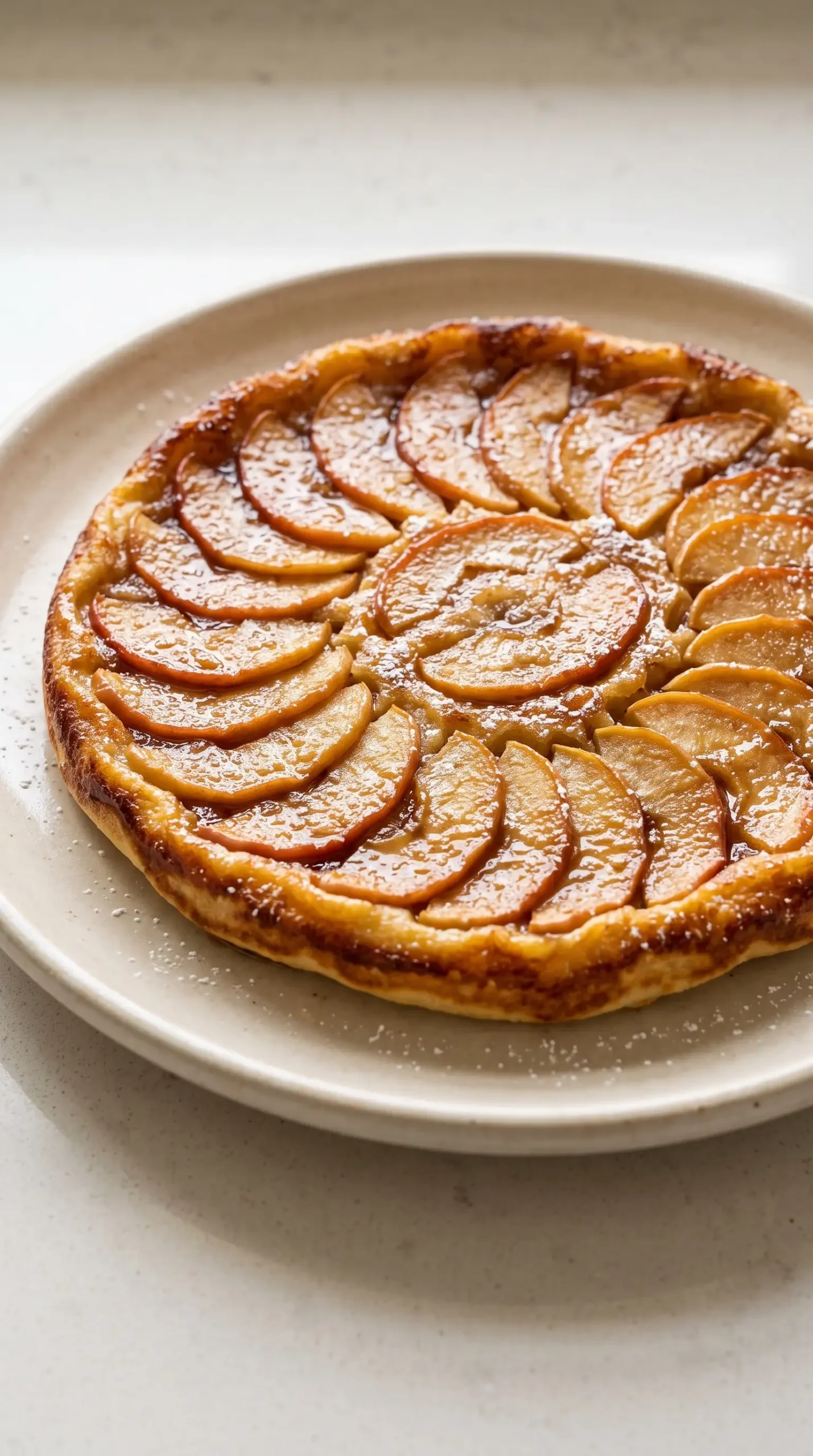
The structure of a baked apple pancake depends on how the fruit and batter work together during baking. The sliced apples create the foundation, while the egg-based batter sets around the fruit to form a tender center with a browned surface.
Unlike a flat griddle pancake, the oven preparation allows the apple slices to remain arranged in a visible pattern. When the pancake is inverted, the fruit becomes the top layer, giving the dish its distinctive appearance and making the apple flavor present in every portion.
The apple cider syrup pancake pairing adds another layer of seasonal flavor. The syrup begins with apple cider reduced with brown sugar and cinnamon sticks, creating a thicker topping that complements the baked fruit without requiring additional spices in the batter.
Apple Cider Syrup Builds Sweet Spiced Depth
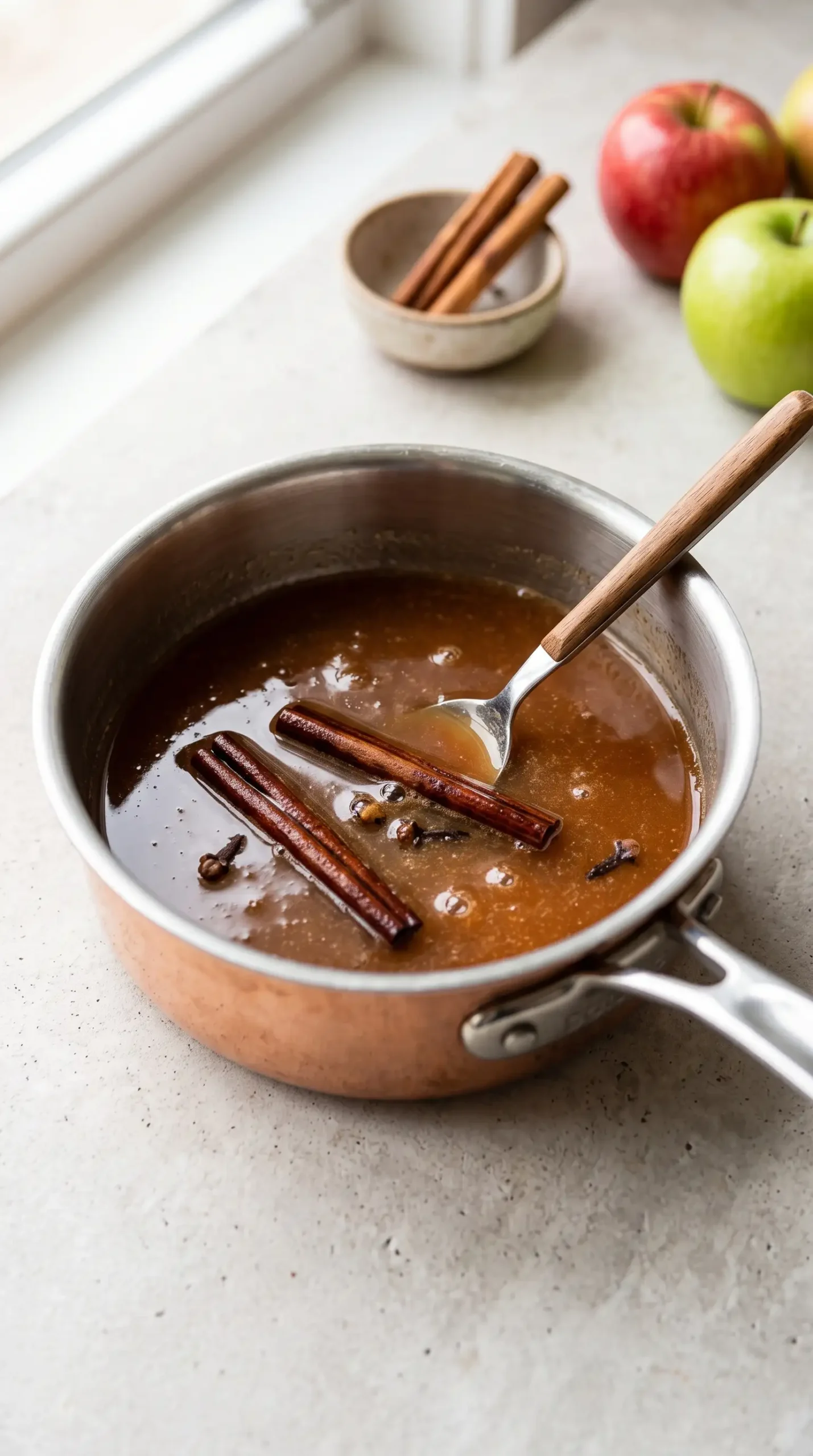
The syrup develops its character through slow reduction. Simmering the cider mixture concentrates the apple flavor while the brown sugar adds a smooth sweetness that coats the pancake after serving.
Cinnamon sticks provide a gentle spice infusion during the reduction process. Removing them before serving keeps the syrup smooth while preserving the warm flavor associated with baked apples.
| Syrup Element | Purpose in the Finish | Cook’s Consideration |
|---|---|---|
| Apple cider | Provides concentrated apple flavor | Reduce slowly to deepen taste |
| Brown sugar | Adds sweetness and body | Helps create a richer texture |
| Cinnamon sticks | Infuses warm spice notes | Remove before pouring |
Cooling the syrup before serving allows the consistency to settle. A warm but not freshly boiled syrup spreads more evenly over the baked pancake surface.
Thin Apple Slices Shape the Pancake Texture
Apple slices determine how the fruit layer feels when the pancake is served. Very thin pieces soften quickly and create overlapping layers that blend with the batter instead of remaining separate chunks.
A mandoline slicer can help create consistent slices when preparing the apple. Even thickness encourages the pieces to cook at the same rate, which is especially useful when arranging the fruit across the bottom of the pie plate.
- Slice thickness: Thin pieces create softer layers throughout the finished pancake.
- Apple arrangement: An even pattern helps each serving receive fruit.
- Seasoning coverage: Tossing the slices with brown sugar and cinnamon distributes flavor before baking.
The unpeeled apple adds color and keeps the preparation straightforward. The peel also helps the slices maintain their shape as they soften in the oven.
Flour and Applesauce Guide the Batter Balance
The ingredient choices in the batter influence the texture of this oven baked apple pancake. Bread flour provides structure, while the eggs create the custard-like quality that separates this style from a standard pancake.
Applesauce contributes moisture and reinforces the apple flavor without requiring a heavy batter. The combination of milk, eggs, flour, and applesauce needs only gentle mixing because overworking the mixture can affect the delicate texture.
Keeping the batter mixing brief helps protect the tender texture of the finished pancake because overmixing batter can strengthen gluten and affect the final structure of baked goods.
Several substitutions can fit different preferences while keeping the basic balance intact:
| Change | Effect on Batter | Best Use |
|---|---|---|
| All-purpose flour | Creates a familiar pancake texture | Convenient pantry swap |
| Whole wheat flour | Adds a heartier texture | For a more rustic breakfast |
| Partial egg white substitution | Lightens the egg mixture | When adjusting richness |
Oven Heat Sets the Pancake Structure
Cooking control matters most when the batter meets the apple layer. A moderate oven temperature allows the center to set while the top develops a browned surface without rushing the fruit underneath.
Mixing the batter until just combined helps preserve the intended texture. Once poured over the prepared apples, the batter settles into the spaces between slices and creates the unified shape needed for inverting.
Watching the surface provides the best visual cue. A properly baked pancake should appear set with a browned top, while a short resting period after baking helps the structure hold together during removal.
Baked Apple Pancake Mistakes That Affect the Finish
Several avoidable choices can change the texture or appearance of a baked apple pancake. Understanding these risks helps protect the soft center and clean presentation.
- Using thick apple slices: Larger pieces may not soften evenly during the short baking period. Slice the apple thinly for a more consistent layer.
- Adding melted butter to the batter: The extra fat can interfere with the batter structure. Add butter after baking if desired.
- Choosing the wrong baking vessel: A pie plate supports the shape and makes the inversion process easier.
- Skipping edge loosening: A knife around the edges helps release the pancake before turning it out.
Careful handling matters after baking because the fruit layer is delicate. Forcing the pancake out before loosening the edges can disturb the arrangement created during baking.
Pie Plate Handling Protects the Inverted Shape
The baking vessel affects both cooking and presentation. A buttered 9-inch pie plate provides the shallow shape needed for the apple layer and gives the pancake enough surface area to brown evenly.
Before inverting, running a knife around the edge separates the baked pancake from the sides. This small step reduces sticking and helps the finished dish transfer as one piece.
The inverted presentation reveals why the apple arrangement matters. The fruit becomes the visible top, while the browned pancake layer supports the slices underneath.
Serving Choices Highlight the Cider Syrup
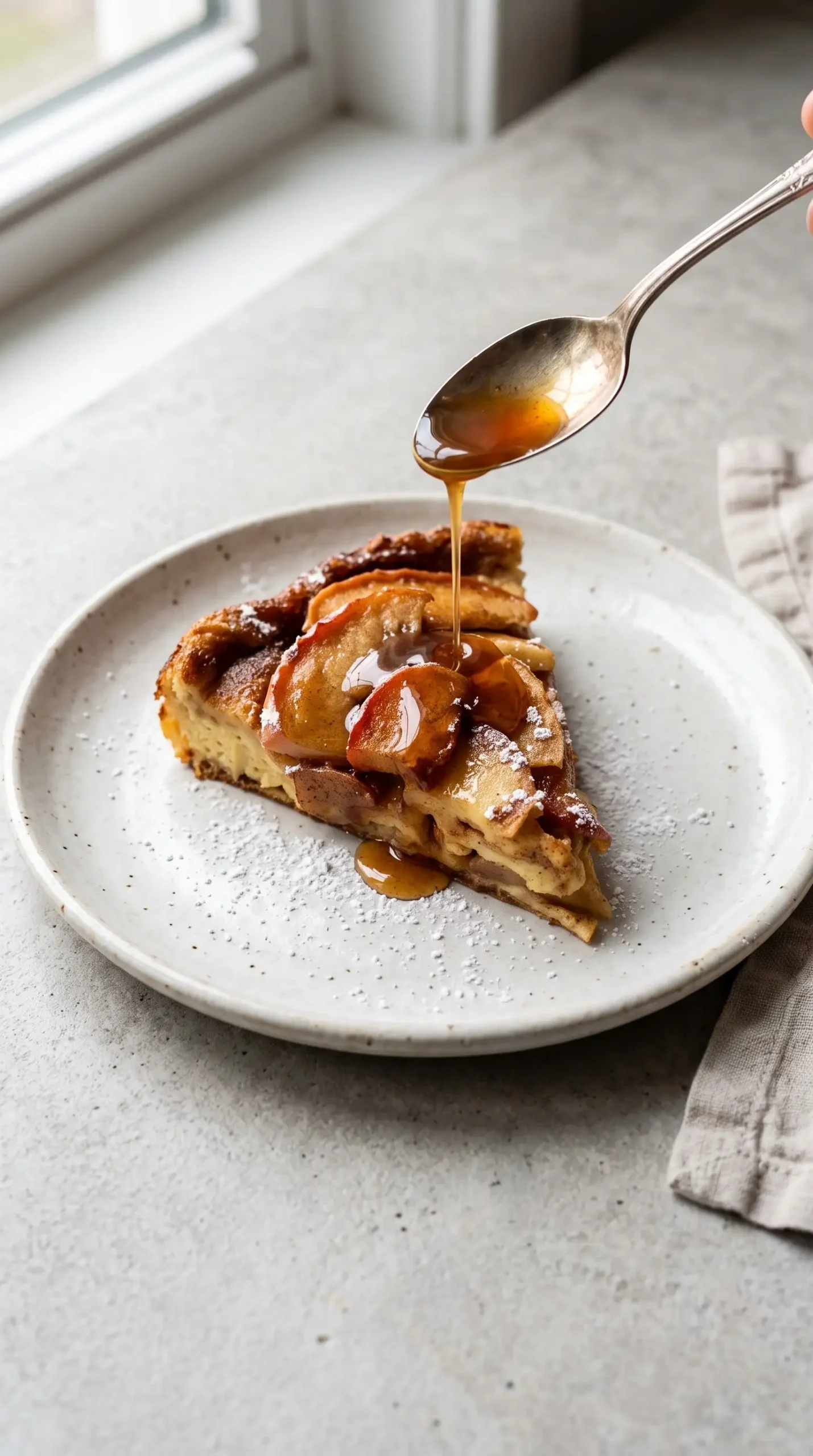
The finished pancake works best when the syrup remains part of the serving experience. A drizzle across the top allows the apple and cinnamon flavors to combine without overwhelming the baked texture.
Powdered sugar adds a light finishing touch after the pancake is transferred to a platter. Additional butter can also be added after baking for a richer serving style.
Apple Pancake Adjustments Fit Different Preferences
The basic format allows small changes while keeping the apple-forward character. Different flour choices or partial egg adjustments can change the texture while maintaining the same overall approach, and seasonal breakfast variations such as Whole Wheat Pumpkin Pancakes use ingredient swaps to create a heartier baked result.
For extra visual appeal, careful apple slicing is the most useful adjustment. The arrangement of the fruit creates the signature layered look without adding unnecessary complexity.
Storage and Reheating Preserve the Apple Texture
Leftover portions should be handled gently to protect the baked fruit layer. Covering the pancake helps prevent the surface from drying while keeping the apple slices tender.
Reheating works best with moderate heat so the pancake warms through without making the edges overly firm. The syrup can be warmed separately and added when serving.
Cinnamon and Apple Pairings Expand the Breakfast
The combination of apple, cinnamon, and cider creates a classic flavor profile that works especially well in cooler seasons. The syrup mirrors the fruit layer by carrying the same warm spice notes into each serving.
Additional toppings should support the existing flavors instead of hiding them. Simple additions keep the focus on the baked apples and the soft pancake base.
Breakfast Timing with Apple Pancake Keeps Preparation Organized
Preparing the syrup ahead can make serving easier because the topping only needs a quick warm-up before it reaches the table. The apple slices can also be arranged before the batter is added.
Organized preparation helps separate the two important stages: developing the cider syrup flavor and allowing the pancake structure to set properly in the oven.
Baked Apple Pancake Delivers a Balanced Finish
Baked apple pancake succeeds when the apple layer stays tender, the batter sets evenly, and the cider syrup adds concentrated sweetness without covering the fruit. The most important decisions happen before serving: slice the apples thinly, handle the batter gently, and protect the shape during inversion.
The finished dish combines the qualities of a baked dessert and a breakfast pancake through its fruit-centered structure and warm apple cider syrup. Each element has a clear role, creating a balanced result with soft apples, a golden top, and a spiced finish.
Apple Cider Syrup Pancake Storage Questions and Answers
Can apple cider syrup be prepared ahead?
Yes, the syrup can be made before serving and stored until needed. Warming it gently before pouring helps restore a smooth consistency.
Why should the apples be sliced thinly?
Thin slices cook more evenly and create the layered fruit texture that defines the baked apple pancake. Thicker pieces may remain firmer while the batter finishes setting.
Can another flour replace bread flour?
All-purpose flour or whole wheat flour can replace bread flour. Each option changes the texture slightly while still supporting the pancake structure.
How do you keep the pancake from breaking when inverted?
Allowing the baked pancake to rest briefly and loosening the edges with a knife helps the structure release more cleanly from the pie plate.
What topping works best with apple cider syrup pancake?
Powdered sugar and a small amount of butter pair well because they add richness while keeping the apple and cinnamon flavors noticeable.
Baked Apple Pancake with Apple Cider Syrup Breakfast
Baked Apple Pancake is a tender, golden breakfast dish with layered apples, a soft custard-like texture, and warm apple cider syrup. It is a comforting choice for a special breakfast or gathering.
Ingredients
Method
Apple Cider Syrup
- Combine the apple cider, 1 cup brown sugar, and cinnamon sticks in a saucepan and bring to a boil.
- Lower the heat and simmer for about 30 minutes, reducing the mixture by about 1/3. Set aside to cool.
Preparation
- Preheat the oven to 350°F (177°C).
- Mix the sliced apples with the brown sugar and cinnamon. Arrange the apples in the bottom of a buttered 9-inch pie plate.
- Whisk the remaining ingredients together just until combined, then pour the batter over the apples.
Baking
- Bake for 15-18 minutes, or until the top is browned and set.
- Remove from the oven and allow the pancake to cool for 5-10 minutes.
Serving
- Run a knife around the edges to loosen the pancake from the pie plate, then invert it onto a serving platter.
- Sprinkle with powdered sugar and top with the apple cider syrup.
Notes
For very thin apple slices, use a mandoline slicer to create even layers. A pie plate gave the best results compared with a cast-iron skillet. Do not add melted butter to the batter, as it can cause the pancake to fall apart; add butter after baking instead.