From breakfast to dinner, from wholesome meals to indulgent desserts, Nexa Recipes offers quick, easy, and delicious ideas for every occasion and every moment.



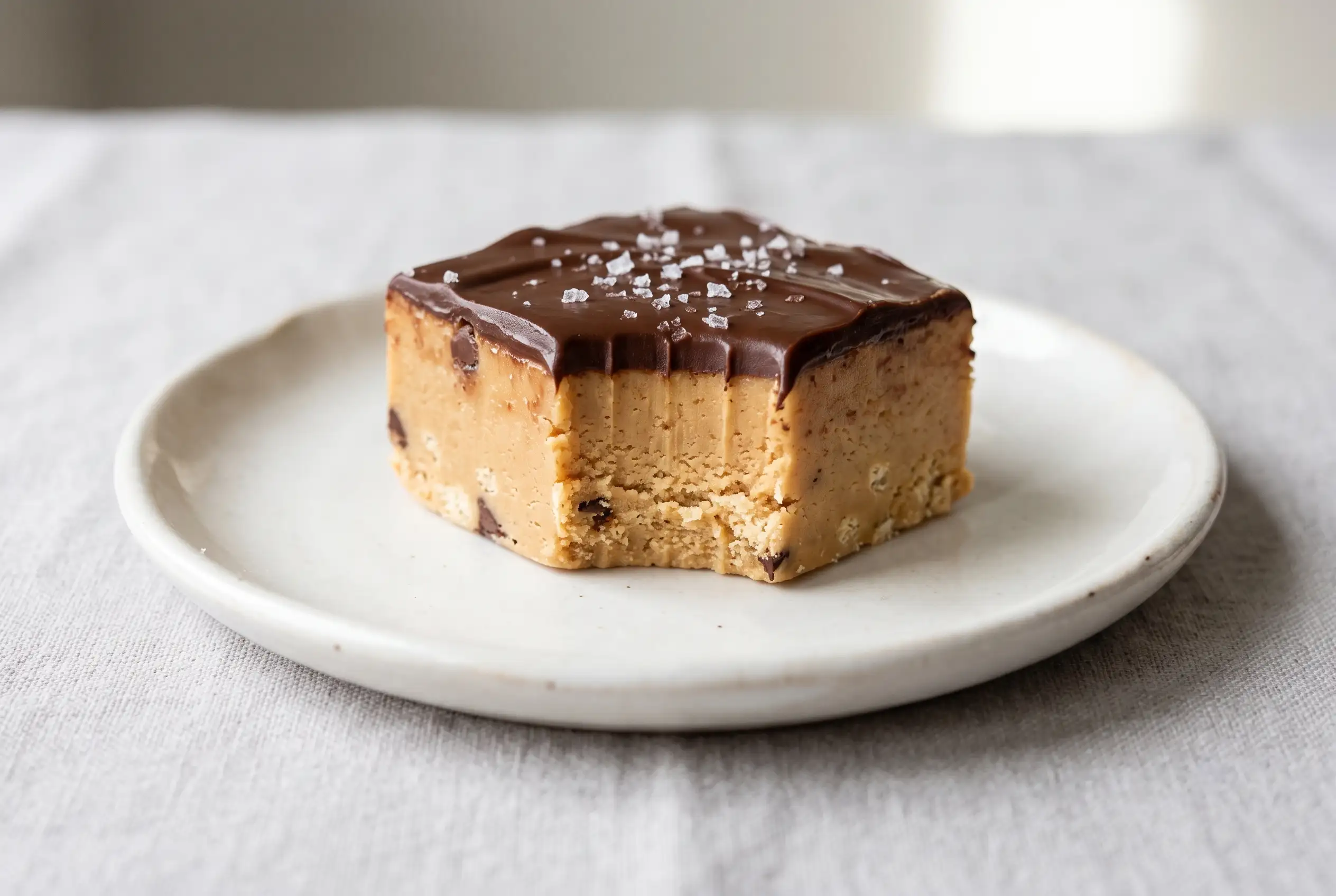 This Recipe
Peanut Butter Fudge Uses Simple Texture Choices
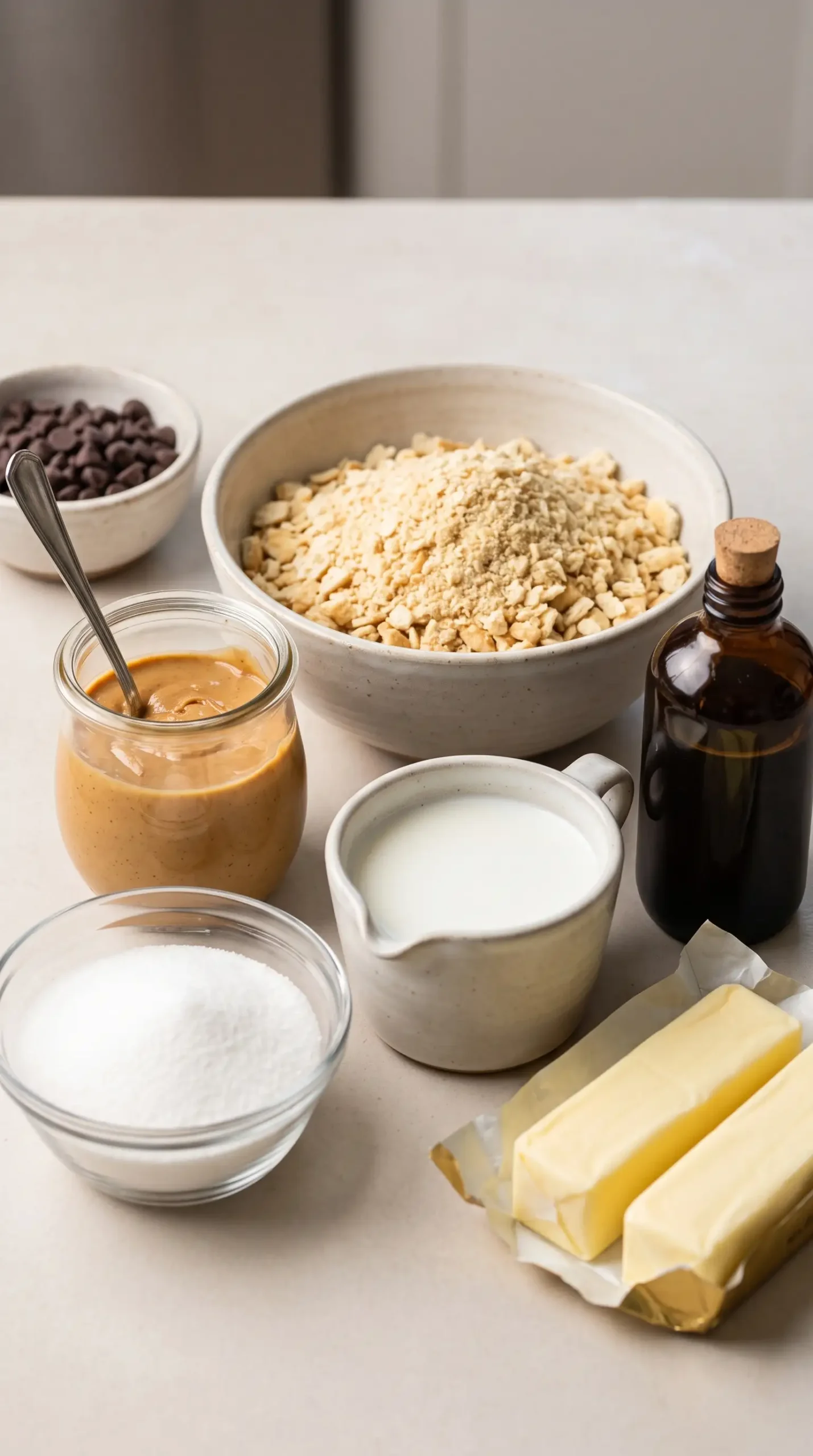
Peanut butter fudge begins with a combination that creates a soft, sliceable dessert through careful balance between sweetness, richness, and structure. The crushed Saltine crackers are an important part of the texture because they help form the firm base that holds together once the mixture cools.
Many traditional fudge recipes depend on precise candy techniques, but this version uses a different approach. The warm sugar mixture blends with peanut butter and cracker crumbs to create a dough-like consistency that can be pressed into a pan and chilled until ready to cut.
Saltine Crumbs Shape the Fudge Structure
Cracker preparation affects how the finished squares feel when eaten. Finely crushed crumbs create a smoother texture, while slightly larger pieces leave more noticeable bites throughout the fudge. Processing the crackers according to the texture you prefer gives control over the final result.
Measured portions are not the only factor that matters when working with Saltines. The size of each cracker piece before crushing can influence how quickly the crumbs break down, so checking the texture after blending helps prevent overly coarse pieces.
Peanut Butter Fudge Gains Its Creamy Center
Peanut butter provides the rich center of the dessert and helps the crumb mixture become cohesive. A creamy peanut butter works especially well because it combines easily with the hot sugar mixture and spreads evenly when pressed into the dish.
Careful mixing after the warm ingredients are combined creates a consistent texture throughout the pan. Stirring until the peanut butter and crumbs are evenly coated prevents dry areas and helps each square hold its shape after cooling.
Balanced sweetness comes from allowing the peanut butter flavor to remain noticeable alongside the sugar. The vanilla added during mixing rounds out the flavor without changing the simple character of the fudge.
Chocolate Topping Changes the Finished Slice
Chocolate chips add a separate layer of flavor and texture when melted over the cooled fudge. The topping creates contrast between the creamy peanut butter base and the smooth chocolate surface.
| Topping choice | Texture result | Serving effect |
|---|---|---|
| Melted chocolate chips | Smooth surface layer | Creates a chocolate peanut butter fudge finish |
| Chocolate drizzle | Light chocolate coverage | Keeps more of the peanut butter layer visible |
| Coarse sea salt | Small crunchy accents | Balances the sweetness of the topping |
Additional finishing touches should stay simple because the main texture comes from the fudge itself. A light sprinkle of coarse sea salt is enough to add contrast without covering the peanut butter and chocolate flavors.
Boiling Control Determines Peanut Butter Fudge Texture
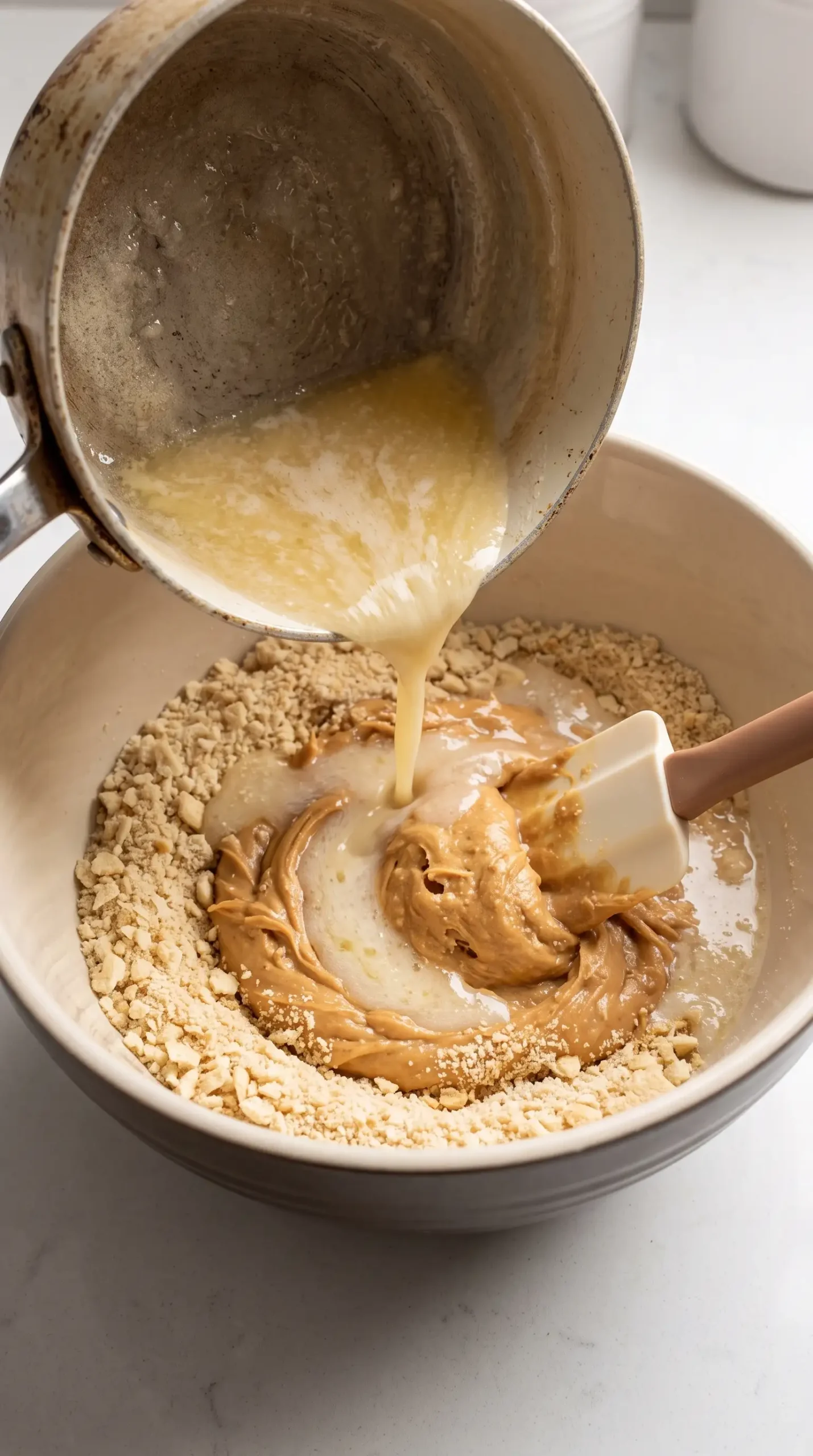
Cooking control matters because the sugar, milk, and butter mixture needs the right timing before it combines with the remaining ingredients. Candy-making relies on how sugar syrup stages affect texture, so the short boiling period helps create the structure needed for the fudge mixture.
Quick removal from the heat keeps the mixture ready for immediate blending. Waiting too long before combining it with the crackers and peanut butter can make the mixture harder to stir and spread.
Consistent stirring after adding the hot mixture helps distribute moisture throughout the crumbs. The finished mixture should become an even, soft dough that can be pressed into the prepared pan.
Common Peanut Butter Fudge Mistakes to Avoid
Several errors can change the texture of peanut butter fudge, but most come from preparation choices rather than complicated techniques. Watching the mixture closely during the short cooking stage and checking the crumb texture can prevent common problems.
- Large cracker pieces: Crush the Saltines enough for the crumbs to blend smoothly with the peanut butter.
- Uneven mixing: Stir thoroughly after adding the warm mixture so the fudge does not contain dry pockets.
- Early cutting: Allow the fudge to firm before slicing so the squares keep clean edges.
Another mistake is adding the chocolate topping before the base has enough firmness. A stable surface makes it easier for the melted chocolate to remain evenly distributed instead of mixing into the softer layer.
Cutting and Serving Peanut Butter Fudge Squares
Clean slicing depends on the firmness of the cooled fudge. Waiting until the mixture has set allows the squares to separate neatly without losing their shape.
Serving pieces on a simple plate keeps the focus on the layered texture. Smaller squares work well because the dessert contains concentrated peanut butter and chocolate flavors in each portion.
Storing Saltine Cracker Peanut Butter Fudge Properly
Storage conditions influence the texture of saltine cracker peanut butter fudge after preparation. Keeping the squares covered helps maintain the soft consistency while protecting the chocolate topping.
| Storage option | Protection method | Texture consideration |
|---|---|---|
| Room temperature | Covered container | Keeps pieces ready for serving |
| Refrigerator | Sealed container | Creates a firmer bite |
| Individual wrapping | Separate pieces before storing | Helps prevent pieces from sticking together |
Extra pieces can be brought back closer to serving texture by allowing them to sit briefly before eating. This helps the peanut butter layer soften slightly after chilled storage.
Small Adjustments Create Different Fudge Styles
Simple variations can change the appearance or balance of peanut butter fudge without changing the basic method. The chocolate layer can be adjusted by changing how much surface coverage is added, while the sea salt can be increased or reduced to suit personal preference.
Texture choices also allow flexibility. More finely processed crackers create a smoother result, while a slightly varied crumb size creates a more rustic bite.
Choosing the Right Pan for Firm Squares
Pan selection affects the thickness of each piece and the way the fudge sets. A nine-inch glass baking dish creates a practical shape for pressing and slicing the mixture once it has cooled.
Lining the dish with parchment can make removal easier, especially when lifting the chilled block before cutting. A clean release helps preserve the edges of each square.
Peanut Butter Fudge Fits Easy Dessert Planning
Prepared peanut butter fudge works well when a dessert needs to be made ahead because the mixture becomes firmer as it cools. The simple assembly also leaves room for serving preparation, packaging, or adding the chocolate topping later.
Families looking for a quick homemade sweet often choose this style because it avoids lengthy candy-making steps. The combination of pantry ingredients creates a dessert with a distinct peanut butter flavor and recognizable texture.
Texture Checks Help Before Slicing
Before cutting, the surface and edges offer useful clues about whether the fudge has set properly. A firm block that holds pressure without spreading is easier to divide into neat pieces.
Chocolate Peanut Butter Fudge Offers a Layered Finish
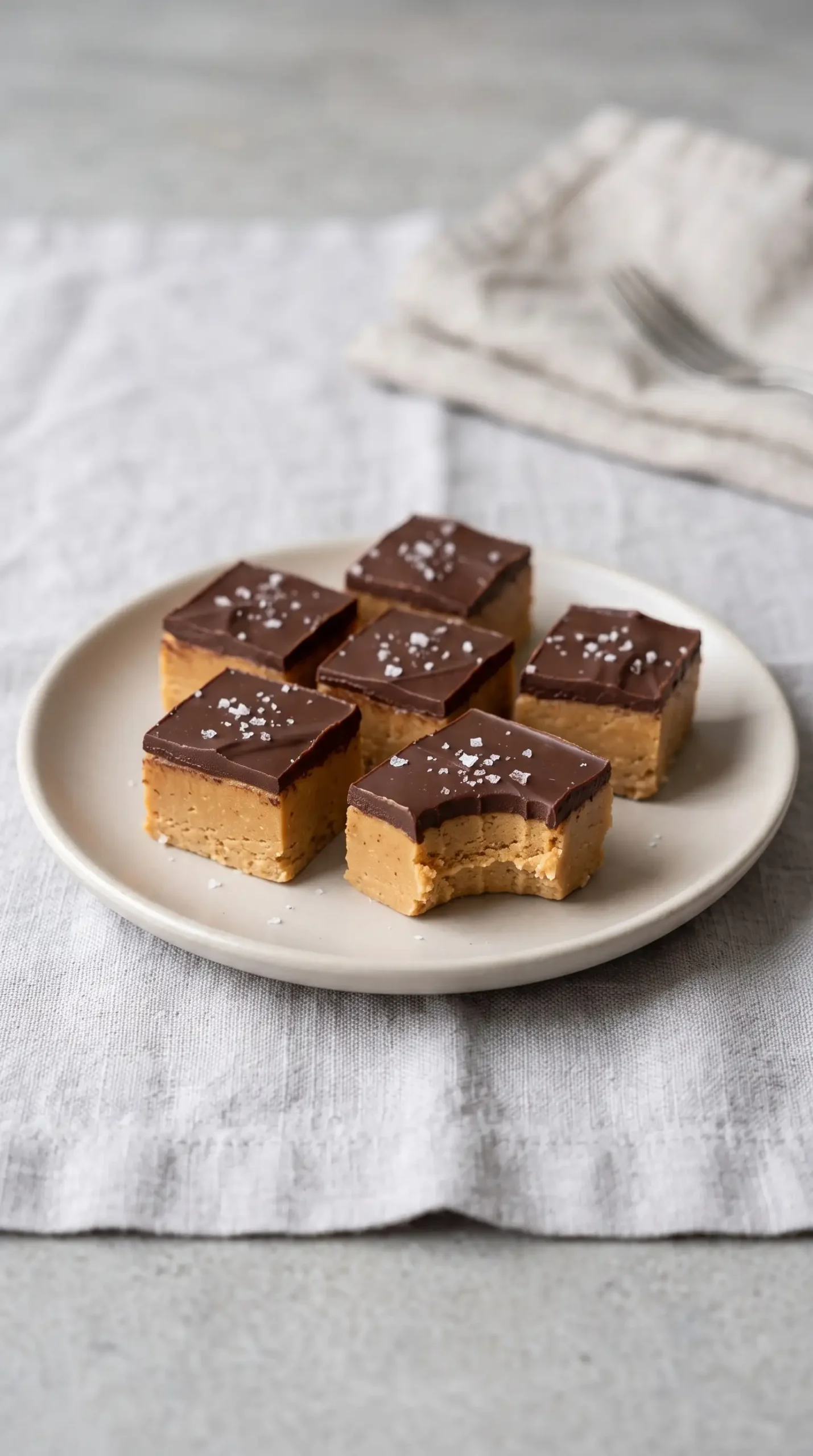
Chocolate peanut butter fudge variations highlight how a topping changes the dessert experience. The chocolate layer provides a contrasting surface while the peanut butter base remains the dominant texture underneath, creating a rich style that connects with candy fudge bars with chocolate and peanut butter cups when a layered sweet finish is desired.
Decorative changes should support the original balance instead of hiding it. A drizzle pattern or light sprinkle keeps the focus on the combination of chocolate, peanut butter, and sea salt.
Peanut Butter Fudge Texture Depends on Balanced Timing
The fudge mixture shows why timing and texture decisions matter throughout preparation. The warm sugar mixture needs to combine smoothly with the cracker and peanut butter base, while cooling allows the structure to become firm enough for serving.
Peanut butter fudge succeeds when the crumbs, creamy peanut butter, chocolate topping, and short cooking stage work together. Each choice affects the final slice, making attention to texture the most important part of preparing these squares.
Peanut Butter Fudge Questions About Storage and Texture
Can peanut butter fudge be made with chunky peanut butter?
Chunky peanut butter can be used if a more textured dessert is preferred. The added peanut pieces will change the smoothness of the base, so the finished squares will have a more noticeable bite.
Why does my peanut butter fudge feel too soft?
A soft texture may happen when the mixture has not cooled long enough or when the ingredients have not combined evenly. Allowing more setting time gives the structure a chance to firm before slicing.
How can I make the chocolate topping look even?
Spread the melted chocolate gently over the surface or drizzle it in thin lines across the cooled fudge. Working with a firm base makes it easier to control the appearance of the topping.
Can the Saltine crumbs be crushed without a food processor?
Yes, the crackers can be broken down using another method that creates fine crumbs. The important factor is reaching a texture that blends smoothly with the peanut butter mixture.
Peanut Butter Fudge with Saltine Crumbs and Chocolate Chips
Peanut Butter Fudge is a quick, creamy dessert with a soft, sliceable texture and a rich peanut butter flavor balanced by chocolate and sea salt. It is an easy treat to make for gatherings or when you want a simple homemade sweet.
Ingredients
Method
Preparation
- Crush the Saltine crackers into fine crumbs, adjusting the texture based on the desired amount of crumb in the finished fudge. Place the crumbs in a large mixing bowl with the peanut butter.
- Combine sugar, milk, and butter in a saucepan over medium-low heat. Once the mixture begins boiling, cook for 1 minute while it becomes slightly frothy, then remove from the heat.
- Immediately pour the hot mixture over the crackers and peanut butter. Add the vanilla and stir until the mixture becomes an evenly combined, soft dough.
- Press the mixture into a 9-inch glass baking dish lined with parchment paper if desired. Let it cool until firm enough to cut into squares.
Topping
- Melt the chocolate chips and drizzle the chocolate over the fudge.
- Sprinkle coarse sea salt over the chocolate topping.
Notes
The size of the Saltine crackers used may vary. The crackers do not need to be broken apart before crushing; count sheets with three smaller pieces as one cracker.