From breakfast to dinner, from wholesome meals to indulgent desserts, Nexa Recipes offers quick, easy, and delicious ideas for every occasion and every moment.



 This Recipe
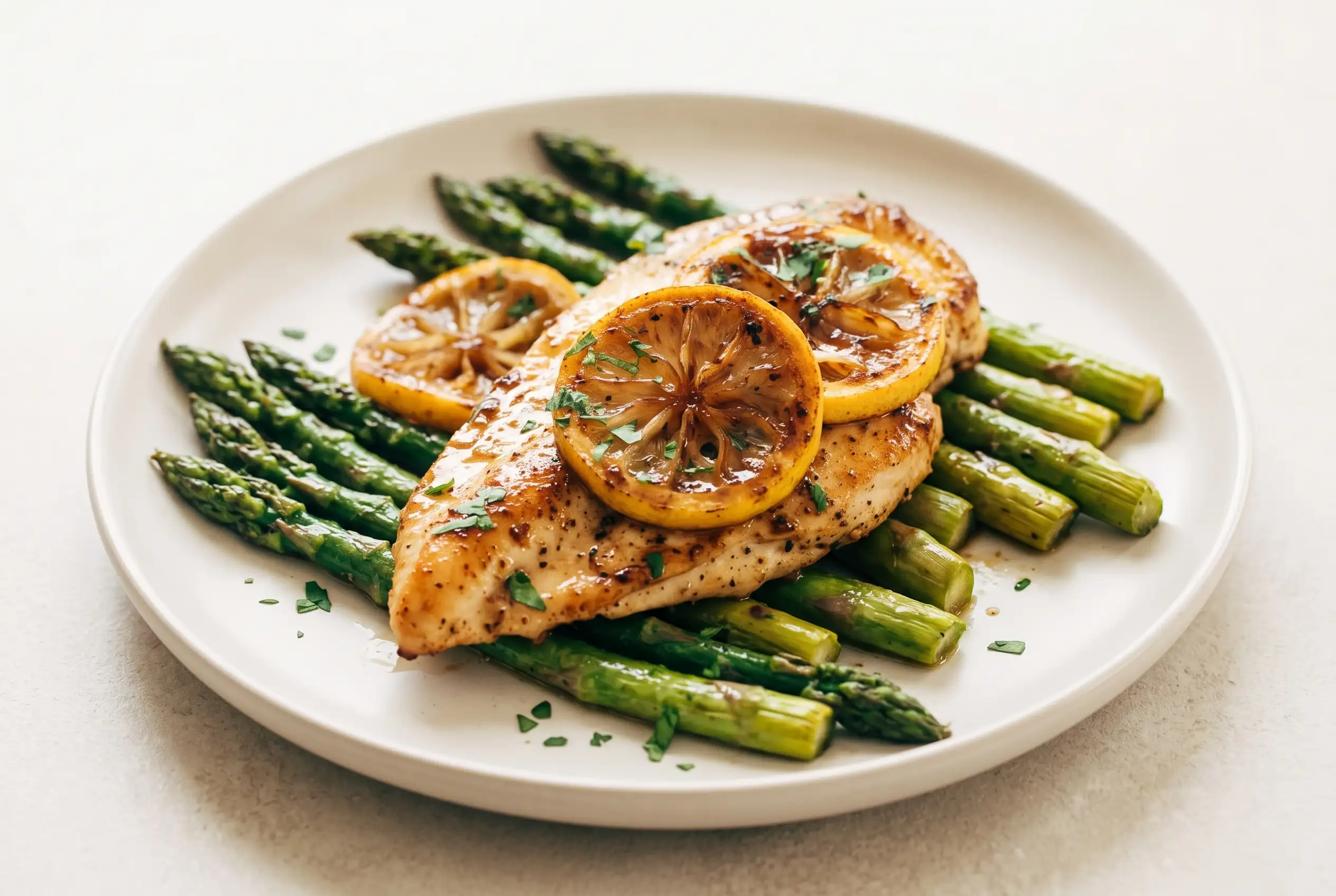
Lemon chicken with asparagus brings together a golden skillet-seared chicken breast, fresh green vegetables, and bright citrus flavor in a meal built around simple decisions. The combination of tender chicken, crisp asparagus, buttery pan flavors, and caramelized lemon slices creates a balanced dinner without requiring a long ingredient list or complicated preparation.
The appeal comes from how each part is handled. Thin chicken pieces develop a browned surface, asparagus keeps its fresh bite, and lemon slices collect the savory flavors left behind in the pan. Small adjustments in preparation have a noticeable effect on the finished plate.
Lemon Chicken with Asparagus Balances Brightness and Savory Depth
The structure of lemon chicken with asparagus depends on contrast. The chicken provides a rich, savory base, while the lemon brings acidity that keeps the skillet flavors lively. Asparagus adds a fresh vegetable element with a texture that stands apart from the tender chicken.
A short ingredient list makes each cooking choice more visible. The flour coating helps create a lightly golden exterior, butter carries the seasoning through the pan, and lemon pepper seasoning reinforces the citrus character already present from the sliced lemons.
Unlike heavier skillet meals that rely on thick sauces, this dish highlights the natural flavors created during cooking. The browned bits from the chicken and butter become part of the flavor when the lemon slices cook against the pan surface.
Chicken Thickness Shapes the Texture of Lemon Chicken with Asparagus
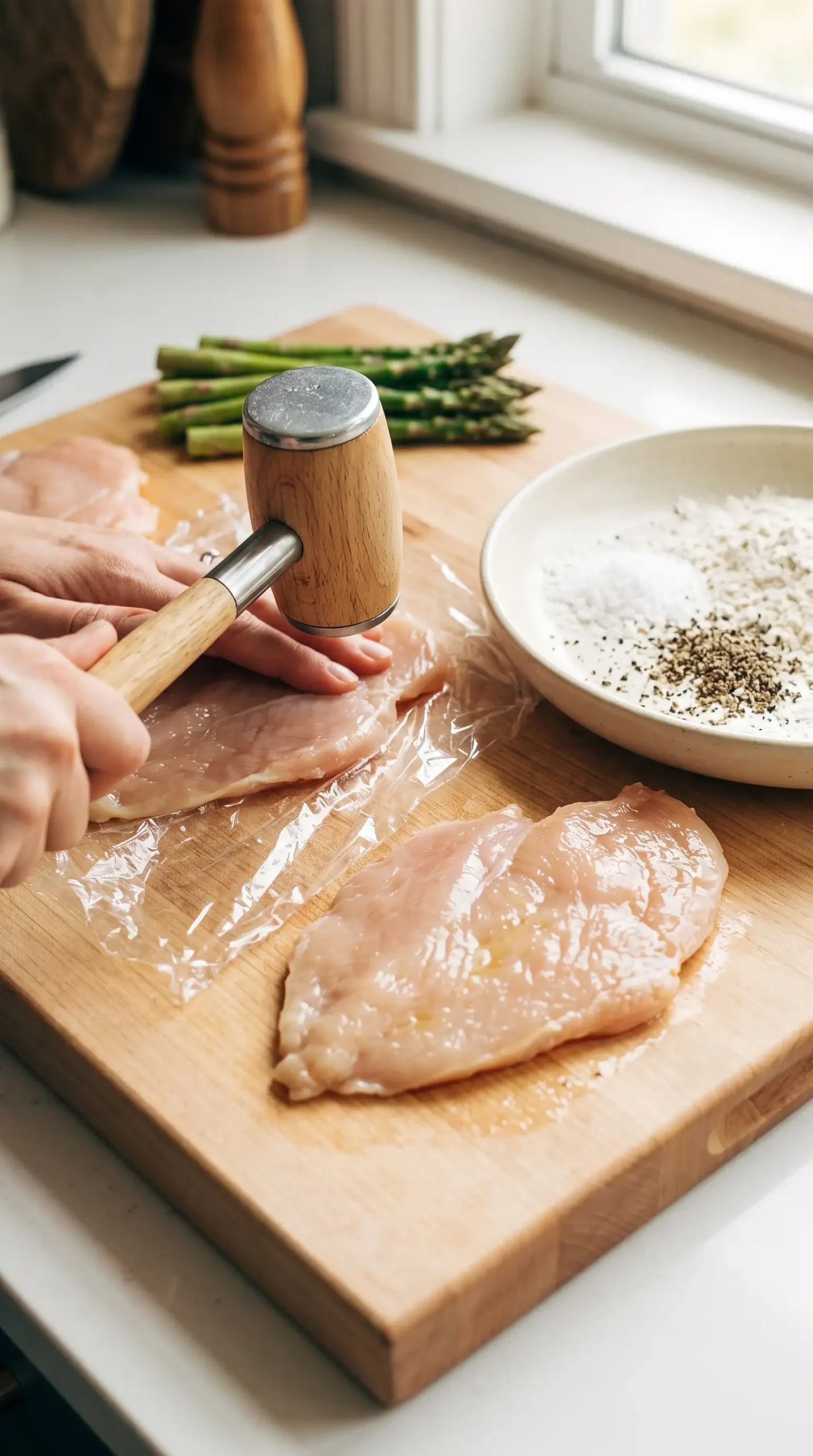
Even chicken thickness is one of the most important preparation details for this skillet meal. Flattening thick chicken breasts helps create pieces that cook more evenly and develop a consistent golden coating across the surface.
Flour Coating and Lemons Create the Dish’s Key Flavor Shift

The flour coating does more than add color. A light layer helps the chicken develop a delicate browned exterior while allowing the seasoning to cling to the surface. Keeping the coating simple prevents it from covering the lemon pepper flavor.
Choosing how to handle the lemons also changes the character of the finished dish. Cooking lemon slices directly in the skillet allows their edges to brown and gives them contact with the savory residue left from the chicken.
Fresh lemon slices work especially well because they provide both juice and aromatic oils from the peel. The browned surface adds another layer of flavor that supports the butter and seasoning already in the pan.
- Chicken coating: Use a light flour layer so the exterior browns without becoming heavy.
- Lemon preparation: Allow slices to sit against the pan so they can pick up browned skillet flavors.
- Seasoning balance: Add lemon pepper during cooking so the flavor reaches the chicken surface.
Crisp Asparagus Keeps the Skillet Meal Fresh
Asparagus contributes the vegetable contrast that makes the plate feel complete. Cooking the chopped pieces until bright green and tender crisp preserves their texture and keeps them from becoming soft after returning to the skillet. A careful asparagus preparation with butter and shallot can further emphasize the vegetable’s fresh character when building a balanced meal around this chicken dish.
Browning Control Improves Easy Stovetop Lemon Chicken
Heat management determines how well the chicken develops color while staying tender. A skillet that is ready for cooking helps create a browned surface quickly, allowing the chicken to build flavor before the asparagus and lemons return.
Several visual cues help guide the process:
- Watch for a golden exterior before moving the chicken from the pan.
- Look for asparagus that has turned bright green while still holding its shape.
- Check that lemon slices have developed browned areas from direct skillet contact.
Cooking each component with attention to its texture makes the final combination more balanced. The chicken benefits from browning, the asparagus benefits from brief heat exposure, and the lemons benefit from undisturbed contact with the pan.
| Component | Useful visual cue | Cooking focus |
|---|---|---|
| Chicken | Golden outer surface | Maintain even thickness for consistent cooking |
| Asparagus | Bright green color | Keep a tender crisp texture |
| Lemon slices | Browned edges and surface marks | Allow direct pan contact |
Common Mistakes That Affect Lemon Chicken with Asparagus
Several small mistakes can change the texture and flavor of lemon chicken with asparagus. Most issues come from handling the chicken thickness, vegetables, or lemon slices without considering how each part responds to heat.
- Uneven chicken pieces: Very thick areas may cook differently from thinner areas. Flattening or slicing thick breasts helps create a more consistent result.
- Overcooked asparagus: Extended cooking can remove the crisp texture that makes the vegetable stand out.
- Moving lemon slices too often: Constant stirring reduces the direct contact needed for browning.
- Heavy flour coating: Too much flour can distract from the delicate citrus and butter flavors.
Correcting these issues usually involves returning attention to the original ingredients. A lighter coating, careful heat control, and brief vegetable cooking keep the dish aligned with its intended balance.
Seasoning Choices Shape the Lemon Pepper Chicken with Asparagus
Lemon pepper chicken with asparagus relies on seasoning that supports the natural ingredients. Salt and pepper in the flour create a foundation, while lemon pepper seasoning added during cooking reinforces the citrus notes.
The optional honey and butter combination can shift the flavor toward a slightly sweeter, richer finish. It works best as an adjustment for cooks who prefer a softer contrast between the lemon acidity and savory chicken.
Skillet Layering Protects the Finished Texture
Returning the cooked components to the skillet is about bringing flavors together without continuing to cook everything for too long. The chicken, asparagus, and caramelized lemons each have a texture worth preserving.
Keeping the lemon slices visible on top also makes the dish easier to serve. Their placement highlights the citrus element and allows diners to decide how much lemon flavor reaches each bite.
Serving Choices Highlight the Finished Chicken Dish
The bright flavors of this skillet chicken pair naturally with simple sides that allow the lemon and asparagus to remain noticeable. A plain grain, roasted vegetable, or fresh salad can complement the main flavors without competing with them.
Fresh parsley can be used as a finishing touch when available. Its green color and fresh flavor match the asparagus while adding a small contrast to the golden chicken and lemons.
Storage and Reheating Need Gentle Handling
Leftover chicken and asparagus are best handled carefully to protect the textures created during cooking. Gentle reheating helps prevent the chicken from becoming dry and keeps the vegetables from losing all of their firmness.
Separating components before storing can be useful when different textures matter. The chicken, asparagus, and lemon slices may respond differently when warmed again, so shorter reheating periods help preserve their individual qualities.
| Storage choice | Benefit | Consideration |
|---|---|---|
| Store components together | Convenient for quick meals | Flavors continue to blend |
| Store chicken separately | Helps control reheating | Requires extra containers |
| Keep lemon slices with the dish | Maintains citrus presence | Flavor intensity may increase over time |
Chicken and Asparagus Finish With a Balanced Skillet Result
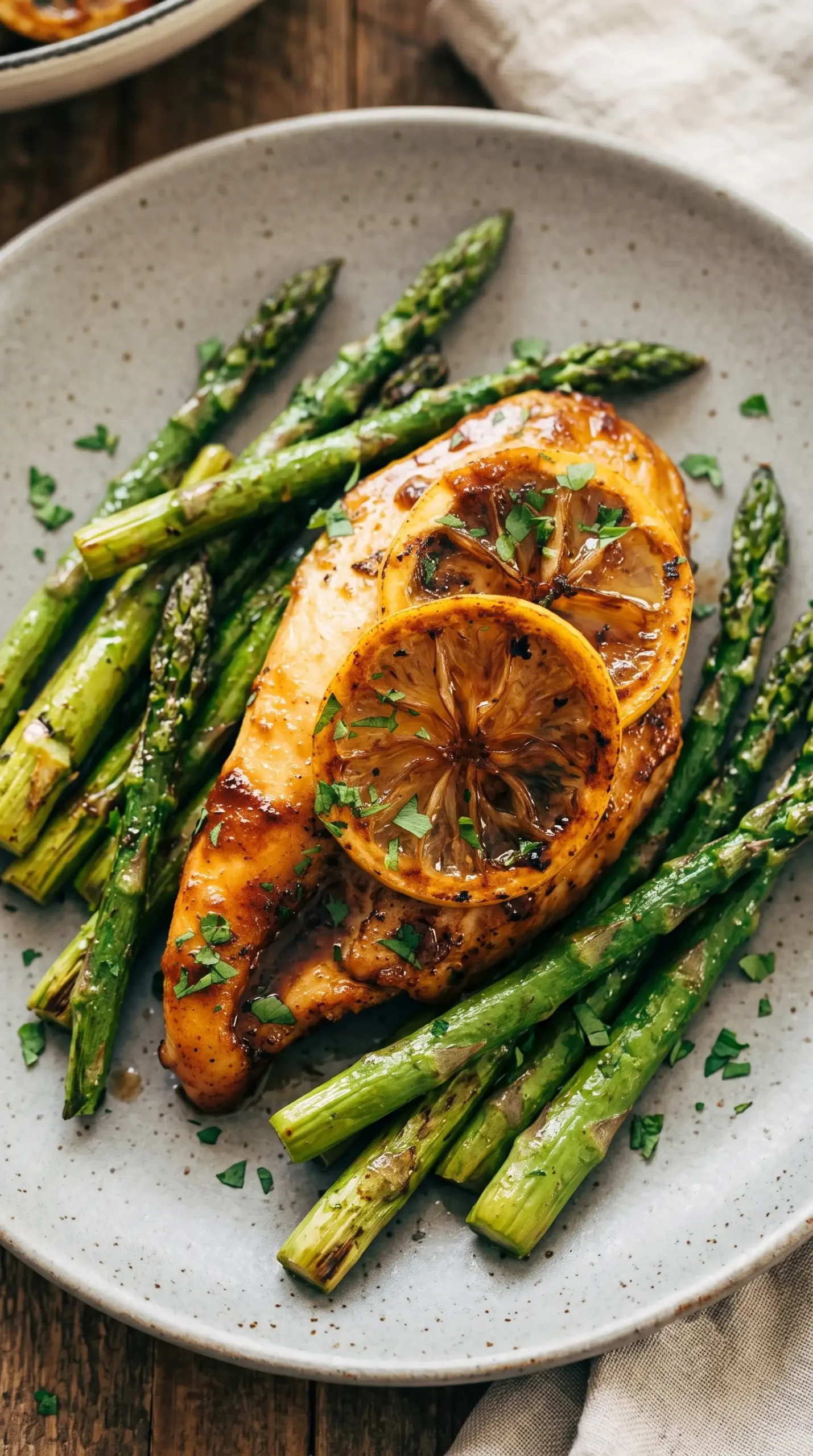
Golden chicken, crisp asparagus, and browned lemon slices create the defining combination in this skillet meal. The most important cooking judgment is keeping each element at its best point so the finished plate has contrast in every bite.
Careful browning, controlled vegetable cooking, and thoughtful lemon handling allow a short ingredient list to create a complete flavor experience. The result is a practical stovetop dinner where texture and timing matter as much as the ingredients themselves.
Lemon Chicken with Asparagus Questions and Answers About Storage
Can lemon chicken with asparagus be made with thicker chicken breasts?
Thicker chicken breasts can be used, but adjusting their size helps them cook more evenly. Cutting them horizontally or flattening them creates pieces that are easier to brown while maintaining a tender texture.
How should leftover lemon chicken with asparagus be reheated?
Warm leftovers gently to protect the chicken texture and prevent the asparagus from becoming overly soft. Short reheating periods help maintain the contrast between the different components.
Can another vegetable replace the asparagus?
Other vegetables with a similar quick-cooking quality can work when prepared with the same attention to texture. The replacement should complement the lemon and chicken flavors while remaining pleasant after brief skillet cooking.
Why are lemon slices cooked in the skillet?
Cooking the lemon slices allows them to develop browned areas and collect flavors from the pan. This adds a deeper citrus character compared with simply adding fresh lemon juice at the end.
What makes the honey and butter option useful?
The honey and butter addition provides a slightly sweeter and richer direction for the sauce-like flavors in the skillet. It is an optional adjustment for those who enjoy a smoother balance between citrus and savory notes.
Lemon Chicken with Asparagus and Lemon Slices with Butter
Lemon Chicken with Asparagus is a quick skillet dinner featuring tender chicken, crisp asparagus, and bright caramelized lemon flavor. It is an easy weeknight meal with a fresh, savory appeal.
Ingredients
Method
Preparation
- Cover the chicken breasts and pound them until each piece is about 3/4 inch thick. If the breasts are very thick, slice them horizontally instead to create thinner pieces.
- Combine the flour with the salt and pepper in a shallow dish. Coat each chicken breast evenly in the flour mixture.
Cooking
- Melt the butter in a large skillet over medium-high heat. Add the chicken and cook for 3-5 minutes per side until browned, adding lemon pepper seasoning directly to each side while it cooks.
- Transfer the cooked chicken to a plate once it is browned and cooked through.
- Add the chopped asparagus to the skillet and sauté for a few minutes until bright green and tender crisp. Remove the asparagus and set aside.
- Place the lemon slices flat in the skillet and cook for a few minutes on each side without stirring so they brown and absorb the skillet flavors. Remove the lemons from the pan and set aside.
Assembly
- Return the asparagus and chicken to the skillet, then arrange the lemon slices on top.
Notes
Flattening the chicken breasts helps create more even pieces for cooking and browning.