From breakfast to dinner, from wholesome meals to indulgent desserts, Nexa Recipes offers quick, easy, and delicious ideas for every occasion and every moment.


 This Recipe
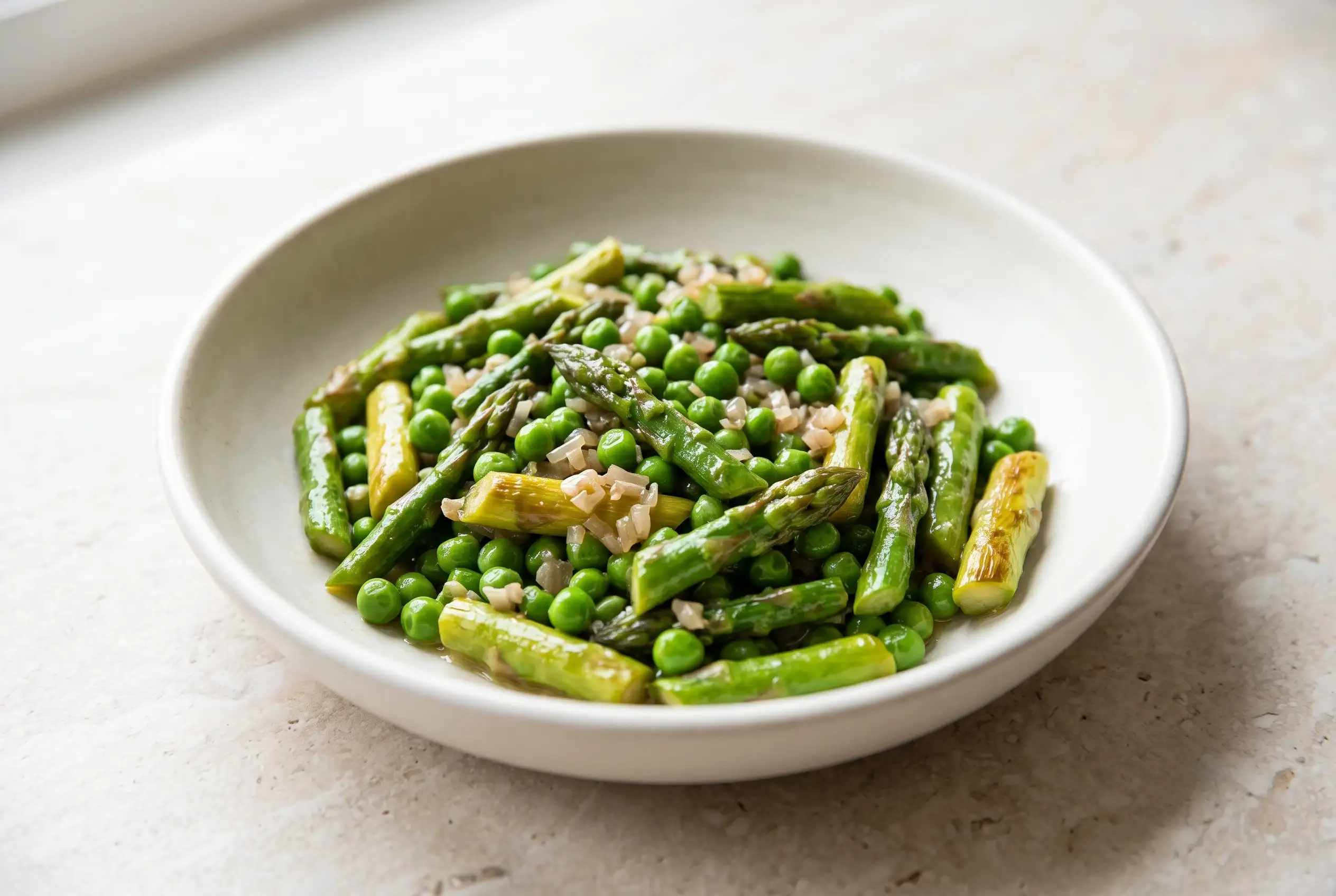
Asparagus pea saute brings together tender green vegetables, aromatic shallot, rich butter, and a small touch of honey for a side dish that feels fresh while still offering comforting flavor. The combination works because each element has a clear role: asparagus provides structure, peas bring sweetness, shallot creates a savory foundation, and honey rounds the finished flavors. This asparagus pea saute is a useful example of how a few carefully handled ingredients can create a memorable vegetable dish.
Asparagus Pea Saute Balances Spring Vegetables with Sweet Savory Flavor
Seasonal vegetables often shine when preparation respects their natural qualities. Fresh asparagus and peas have enough character to stand on their own, but the butter and shallot create a richer background that makes the vegetables feel complete. The result is a fresh asparagus pea side dish that fits beside simple meals without requiring complicated additions.
Balanced sweetness separates this vegetable combination from ordinary sautéed greens. Honey is used sparingly, allowing the vegetables to remain the main focus while adding a gentle contrast to the savory butter and softened shallot. The finished flavor stays bright, with enough richness to make the dish satisfying.
Unlike heavier vegetable preparations, asparagus and peas recipe ideas built around quick cooking can preserve color, texture, and freshness. The short pan time encourages the asparagus to develop slight golden edges while keeping the vegetables recognizable on the plate.
Fresh Asparagus Choices Shape the Vegetable Balance
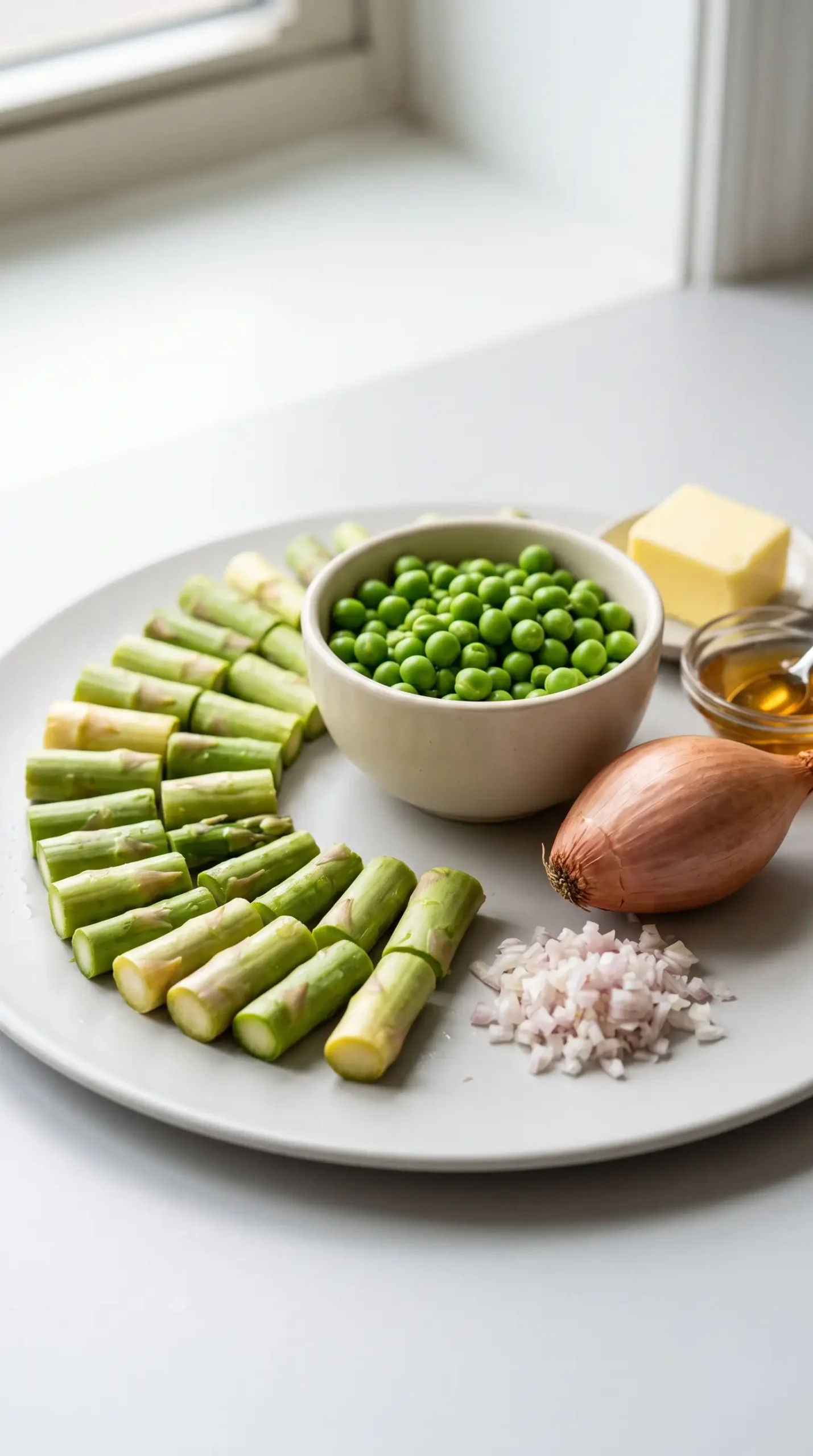
Asparagus selection influences how the sauté feels from the first bite. Firm stalks provide enough texture to hold up during pan cooking, while evenly chopped pieces help different portions finish cooking together. Consistent preparation makes it easier to achieve vegetables that are tender without losing their structure.
When buying asparagus, look for bright green spears with firm stalks and qualities that indicate choosing fresh asparagus for the best texture in the finished sauté.
Peas bring a different texture to the pan. Frozen peas offer convenience and reliable sweetness, while fresh peas can add a seasonal quality when available. Either option works with the buttery base because the cooking process focuses on warming the peas through without needing a long cooking period.
Vegetable size matters because asparagus and peas do not behave the same way in a hot pan. Cutting asparagus into manageable pieces allows it to soften and develop flavor before peas are added for their shorter cooking requirement.
| Ingredient choice | Cooking effect | Best handling approach |
|---|---|---|
| Fresh asparagus | Provides texture and slight browning | Cut evenly and cook until tender |
| Frozen peas | Add sweetness and quick cooking convenience | Add near the end to warm through |
| Fresh peas | Offers seasonal flavor and firm texture | Use when available and cook gently |
Honey Butter Asparagus Peas Need Careful Sweetness
Butter creates the foundation that carries the flavors throughout the pan. It helps soften the shallot and coats the vegetables, creating a smooth texture that connects the individual ingredients. The honey butter asparagus peas combination depends on restraint because too much sweetness would hide the vegetable flavors.
Small additions have a noticeable effect in a dish with a short ingredient list. Honey should blend into the sauté after the vegetables have developed their cooked flavor, allowing the sweetness to support the dish instead of dominating it.
Simple finishes can make vegetable sides feel intentional. A gentle coating of butter and honey gives the asparagus and peas a glossy appearance while maintaining the fresh character that makes the combination appealing.
Shallot and Pea Pairing Creates the Side Dish Character
Aromatics establish the first layer of flavor before the vegetables enter the pan. Shallot becomes soft and fragrant when cooked in butter, creating a savory base that complements the natural sweetness of peas and the grassy notes of asparagus.
Many vegetable dishes rely on seasoning blends or multiple additions, but this pairing demonstrates how a focused combination can be enough. The shallot does not compete with the vegetables; it supports the flavors already present.
- Softened shallot: Builds the savory background before vegetables are added.
- Golden asparagus: Adds a lightly developed flavor from careful pan cooking.
- Sweet peas: Bring a bright contrast to the buttery finish.
Cooking Control Keeps Asparagus Golden and Tender
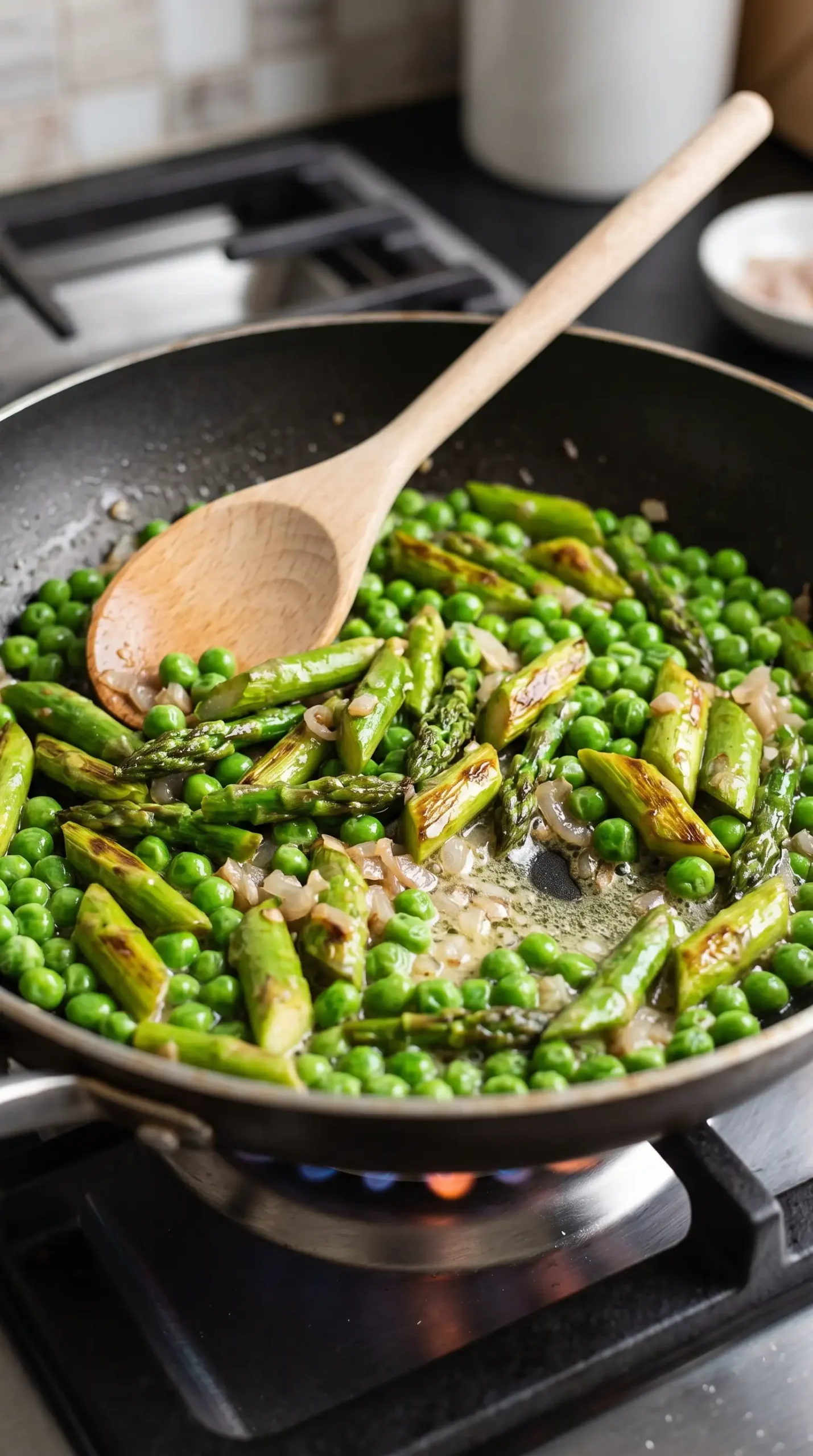
Pan temperature and attention determine the texture of the finished sauté. Medium-high heat allows the asparagus to cook efficiently while encouraging slight browning, but frequent observation prevents the vegetables from becoming overly dark.
Stirring at useful intervals keeps the pieces moving without interrupting the cooking process. The asparagus needs enough contact with the pan to develop flavor, while excessive movement can make browning more difficult.
Adding peas after the asparagus has begun cooking follows the natural difference between the vegetables. Peas require less time to become ready, so introducing them later helps maintain a pleasant contrast between the two textures.
A Simple Pan Technique Protects Texture and Flavor
Successful sautéing depends on recognizing visual changes during cooking. Asparagus should move from raw firmness toward tenderness while showing slight golden color on the outside. Those signs indicate that the vegetable has developed flavor without being overlooked.
Several small decisions help create consistency when preparing the dish:
- Prepare evenly: Cut asparagus pieces to similar sizes so they cook at a similar pace.
- Watch closely: Use the appearance and texture of the vegetables as cooking guides.
- Finish gently: Stir in honey after the vegetables are cooked enough to absorb the flavor.
Attention during a short cooking window matters because the vegetables have limited time to change. Careful handling preserves the fresh qualities that define the sauté.
Asparagus Pea Saute Mistakes That Affect the Finished Dish
Common problems with asparagus pea saute usually come from timing and heat management. Because the dish relies on a few ingredients, small mistakes can noticeably change the final texture and flavor.
- Burned shallot: Cooking the aromatic too aggressively can create bitterness before the vegetables arrive. Keeping the pan controlled helps the shallot become fragrant and soft.
- Overcooked asparagus: Leaving the vegetable in the pan too long can remove the firm texture that makes the side dish appealing.
- Lost sweetness: Adding honey without proper mixing can leave uneven flavor instead of a balanced coating.
- Soggy peas: Cooking peas longer than needed may reduce the contrast between the vegetables.
Correcting these issues starts with observing the ingredients during cooking. The dish rewards attention because each stage contributes directly to the final texture.
Serving Ideas Expand the Fresh Vegetable Side Dish
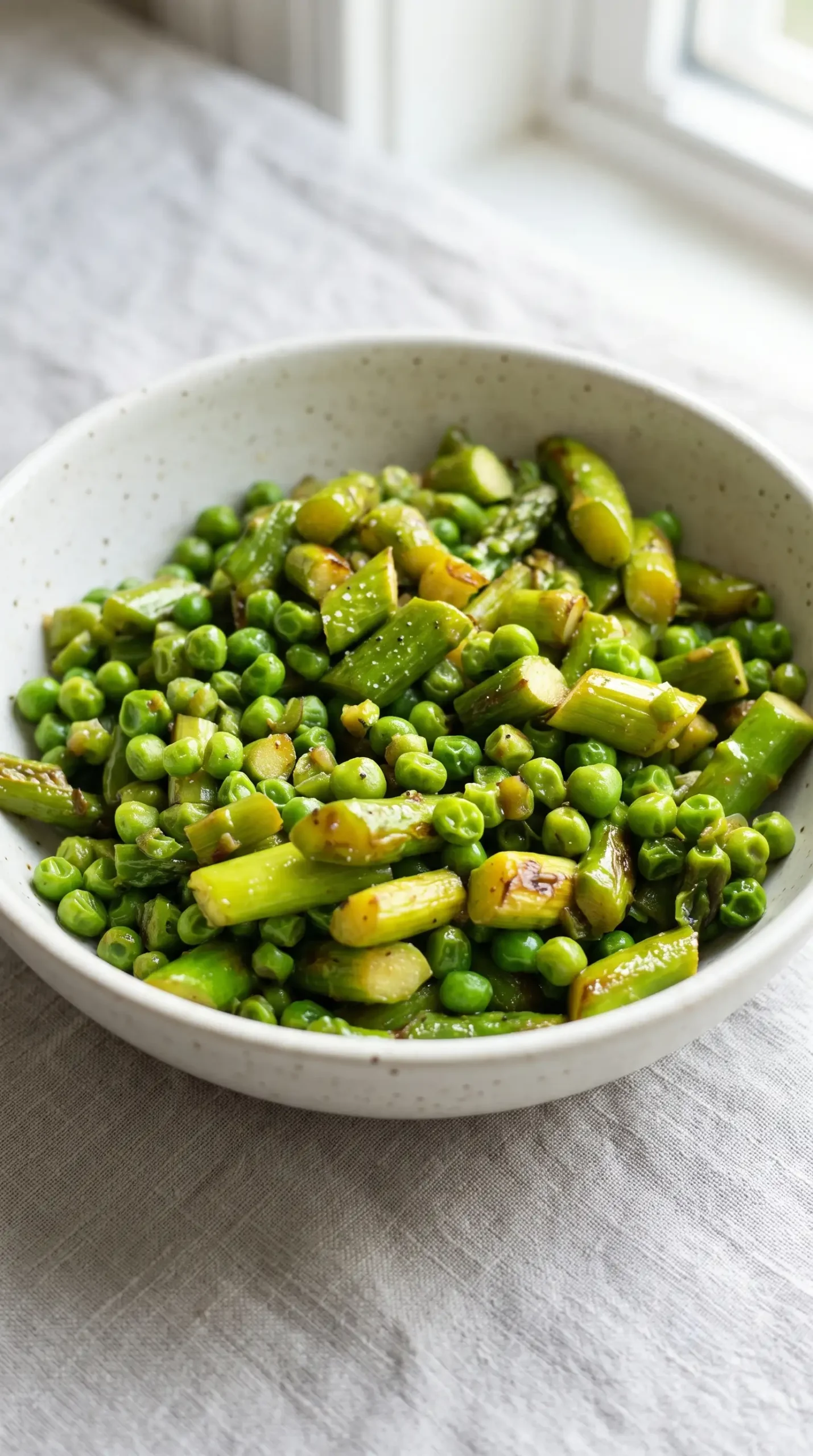
Versatility makes this vegetable preparation useful across different meals. The bright flavors pair naturally with straightforward main dishes where a colorful vegetable side can add freshness and balance.
Fresh asparagus pea side dish options can work alongside roasted foods, grilled meals, or simple weeknight plates. Vegetable preparations with sweet finishes, such as caramelized Brussels sprouts with maple orange sauce, show how seasonal produce can pair with a touch of sweetness while keeping the main flavors balanced.
Presentation also affects how the dish is enjoyed. Keeping asparagus pieces visible and peas distributed evenly creates an appealing appearance without requiring decorative additions.
Storage and Reheating Preserve the Sauteed Vegetables
Cooked vegetable dishes are best enjoyed when their texture remains a priority after storage. Cooling the sauté promptly and storing it properly helps maintain the flavor created by the butter, shallot, and honey.
Reheating should be gentle because asparagus can soften further when exposed to too much heat. A short warming period helps bring back the buttery flavor while avoiding unnecessary texture changes.
Leftovers can also become part of another meal. The sweet savory vegetables can complement grains, salads, or other simple preparations where a small portion of seasoned vegetables adds color and flavor.
Variations Keep Asparagus and Peas Recipe Flexible
Small adjustments can change the character of the dish while preserving its core identity. The asparagus and peas recipe concept works because the main ingredients already provide contrast, allowing cooks to make thoughtful changes without losing the original balance.
Possible approaches include changing the herb profile, adjusting the sweetness, or using fresh peas when they are in season. Any variation should continue supporting the relationship between the vegetables, butter, and aromatic base.
Keeping the ingredient structure recognizable helps the dish remain approachable. The strongest variations enhance the existing flavors instead of covering them with unnecessary additions.
Asparagus Pea Saute Shows How Small Details Matter
Asparagus develops its best character when it reaches tenderness with a little golden color, while peas remain most appealing when their sweetness and texture are protected. The cooking choices around heat, timing, and finishing touches determine how successfully those qualities come together.
Butter, shallot, and honey create a supporting framework that allows the vegetables to stay at the center of the dish. A careful pan approach turns simple produce into a side where texture and flavor remain connected from the first serving.
Asparagus Pea Saute Questions About Texture and Preparation
Can frozen peas work well in asparagus pea saute?
Frozen peas are a practical choice because they add sweetness and cook quickly once added to the pan. They should be warmed through without extended cooking so they maintain a pleasant texture alongside the asparagus.
How can asparagus stay crisp in this vegetable side?
Cutting asparagus evenly and watching the cooking process closely helps maintain its structure. The vegetable should become tender while still offering some firmness when served.
What makes honey butter asparagus peas taste balanced?
The balance comes from using honey as a finishing flavor instead of making sweetness the main feature. Butter provides richness, shallot adds savory depth, and the vegetables remain the primary flavors.
Can fresh peas replace frozen peas in this dish?
Fresh peas can replace frozen peas when available. Their texture may differ slightly, but they fit naturally with asparagus because both ingredients highlight seasonal vegetable flavors.
Asparagus Pea Saute with Butter, Shallot and Honey
Asparagus Pea Saute is a fresh vegetable side dish with tender asparagus, sweet peas, and a buttery savory finish. It is a quick, easy recipe for adding bright flavor and texture to a meal.
Ingredients
Method
Cooking
- Melt the butter in a saucepan over medium-high heat. Add the minced shallot and cook for 1 to 2 minutes until softened and fragrant.
- Add the chopped asparagus to the pan and cook, stirring occasionally to prevent burning, until tender and slightly golden on the outside.
- Add the peas and saute for a few minutes until they are cooked.
- Stir in the honey until it is evenly combined with the vegetables.
Notes
Cook the asparagus until tender with a slight golden color while keeping the peas from cooking longer than needed.