From breakfast to dinner, from wholesome meals to indulgent desserts, Nexa Recipes offers quick, easy, and delicious ideas for every occasion and every moment.



 This Recipe
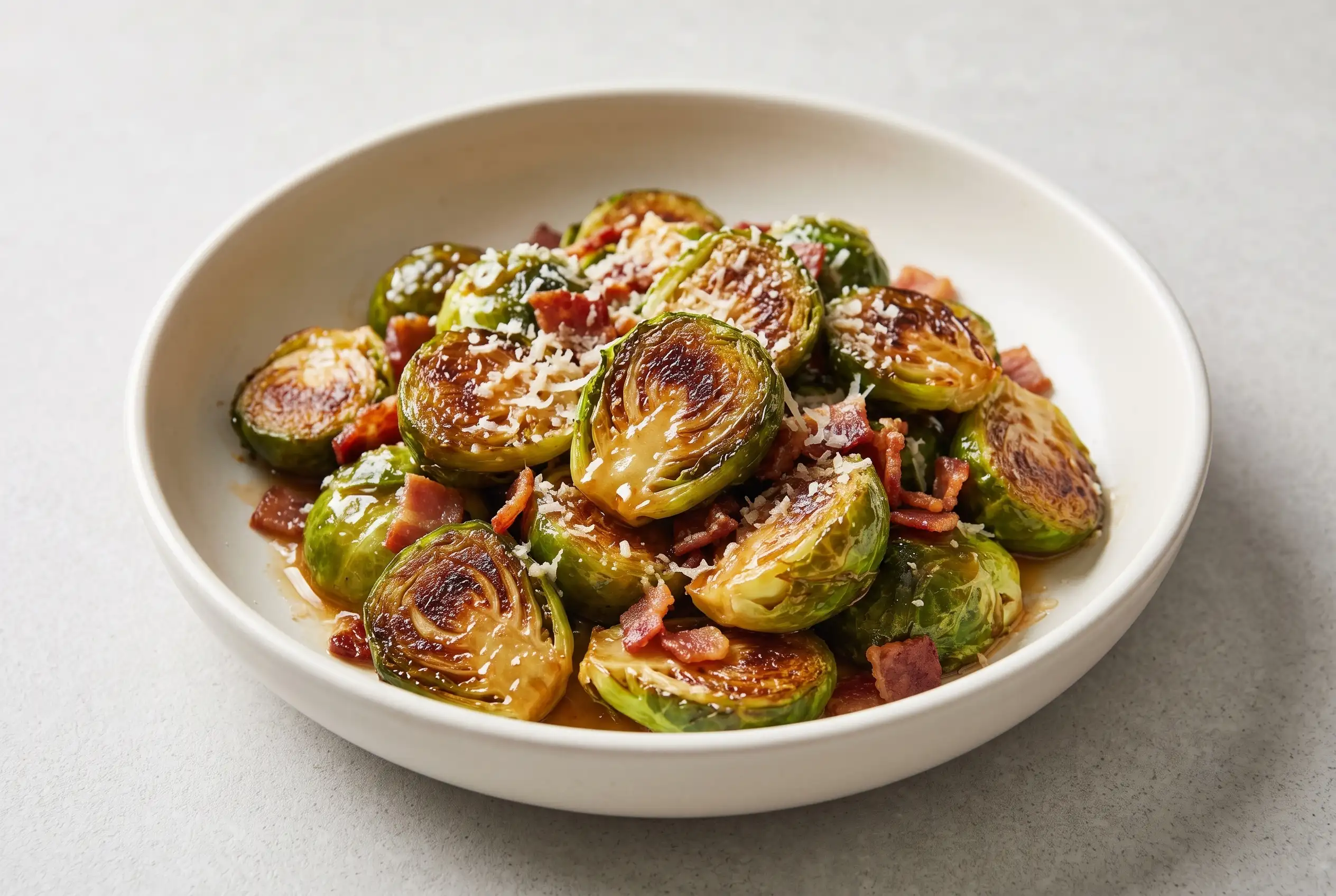
Caramelized Brussels sprouts bring together crisp bacon, browned vegetable edges, and a bright maple orange sauce for a side dish built around contrast. The combination works because each cooking decision supports a different part of the finished flavor, from preserving the sprouts’ structure to creating a quick layer of sweetness and savory depth.
Careful pan handling turns ordinary Brussels sprouts into a dish with golden surfaces and tender centers. The caramelized brussels sprouts approach relies on direct contact with heat, allowing the cut sides to develop color before the sauce joins the pan.
Caramelized Brussels Sprouts Create Sweet Savory Balance
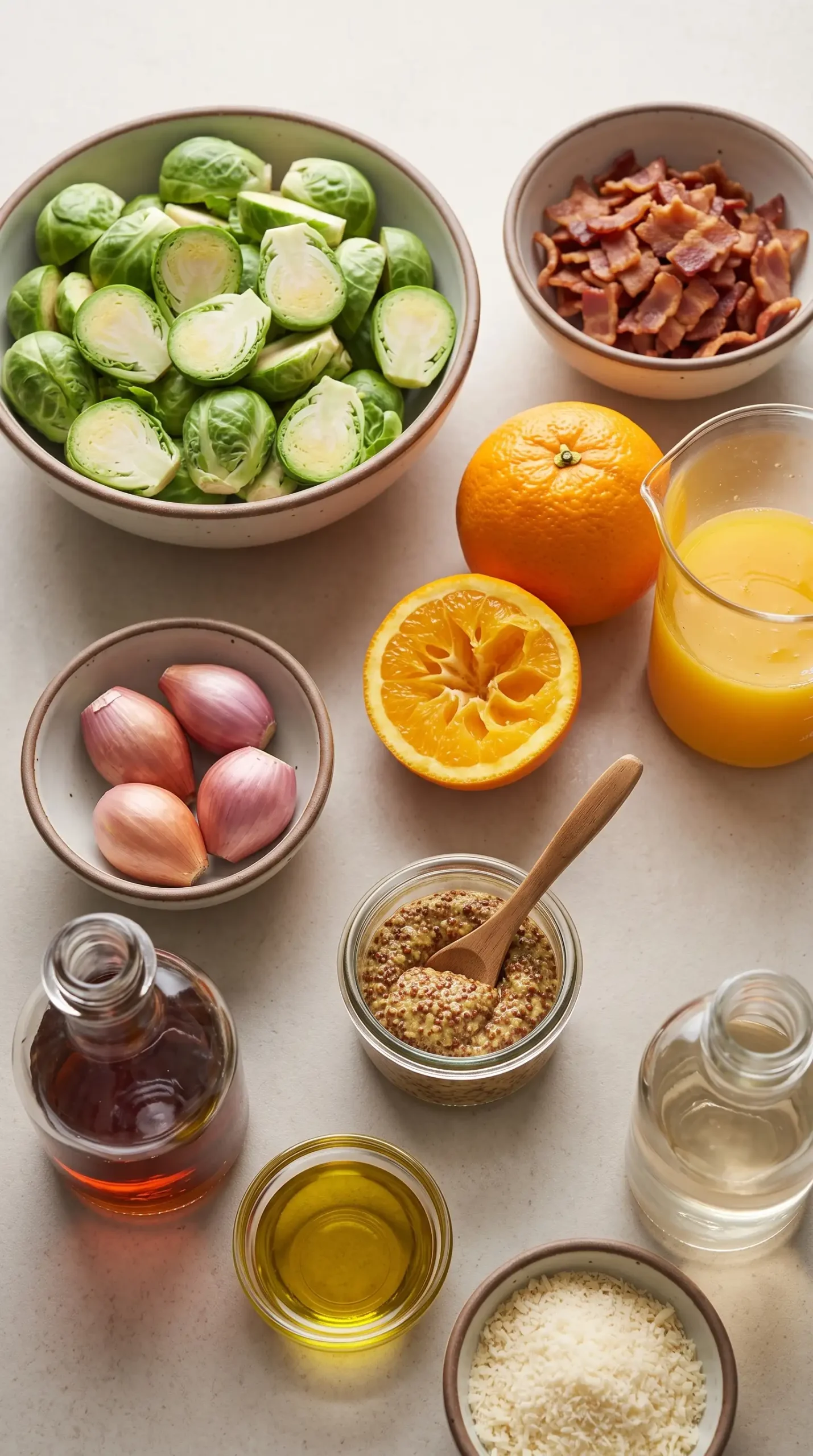
Balanced flavors define these caramelized brussels sprouts by pairing naturally earthy vegetables with salty bacon and a sauce that blends citrus, vinegar, mustard, and maple syrup. The orange juice gives the dish brightness, while the maple syrup helps create the characteristic browned finish that makes each bite feel rich.
Fresh Brussels sprouts respond especially well to a short, high-heat sear because the cut surfaces can develop a toasted exterior. Keeping the halves intact during cooking allows the inside to soften while the outside takes on a deeper flavor.
Preparing the vegetables for browning is an important part of the process because excess moisture can slow the development of a crisp exterior. A proper Brussels sprouts browning technique starts with creating enough direct surface contact for the cut sides to develop color.
Many vegetable side dishes depend on a single dominant note, but these sprouts avoid that limitation. The bacon contributes smokiness, the sauce introduces sweet and tangy elements, and Parmesan adds a salty finish that ties the flavors together. A bold finishing sauce can shift the character of Brussels sprouts, as shown in Gochujang Butter Brussels Sprouts, where the vegetable is paired with a richer, spiced coating.
Orange Shallot Sauce Defines the Flavor Direction
Orange juice and shallot form the foundation of the blended sauce that separates this dish from a basic roasted vegetable preparation. Pureeing the ingredients creates a smooth coating that can move around the pan and reach the surfaces of the sprouts.
Acidity from cane vinegar keeps the maple syrup from becoming overly sweet. Mustard adds a sharp quality that helps connect the citrus notes with the savory bacon, creating a sauce suited for the browned vegetable edges.
Small adjustments can change the balance after blending. A slightly stronger orange character, extra tang from vinegar, or a more noticeable mustard flavor can be chosen before the sauce reaches the hot pan.
Bacon Adds Texture to Pan Seared Brussels Sprouts
Crispy bacon gives pan seared brussels sprouts with bacon their signature texture contrast. The chopped pieces provide small bursts of saltiness after the vegetables have absorbed some of the flavorful cooking fat.
Reserved bacon grease also serves a practical purpose during browning. A small amount helps the cut sides contact the pan while carrying additional savory flavor into the caramelized surfaces.
Removing excess grease after frying keeps the finished dish balanced. The reserved fat is most useful as a cooking tool, while the crisp bacon pieces remain the main texture element added at the end.
Cutting Technique Preserves the Sprout Shape
Trimming only the very bottom of each Brussels sprout stem helps keep the leaves attached during cooking. Removing too much of the base can cause the layers to separate, making it harder to achieve evenly browned halves.
Maple Orange Brussels Sprouts Need Careful Heat Control
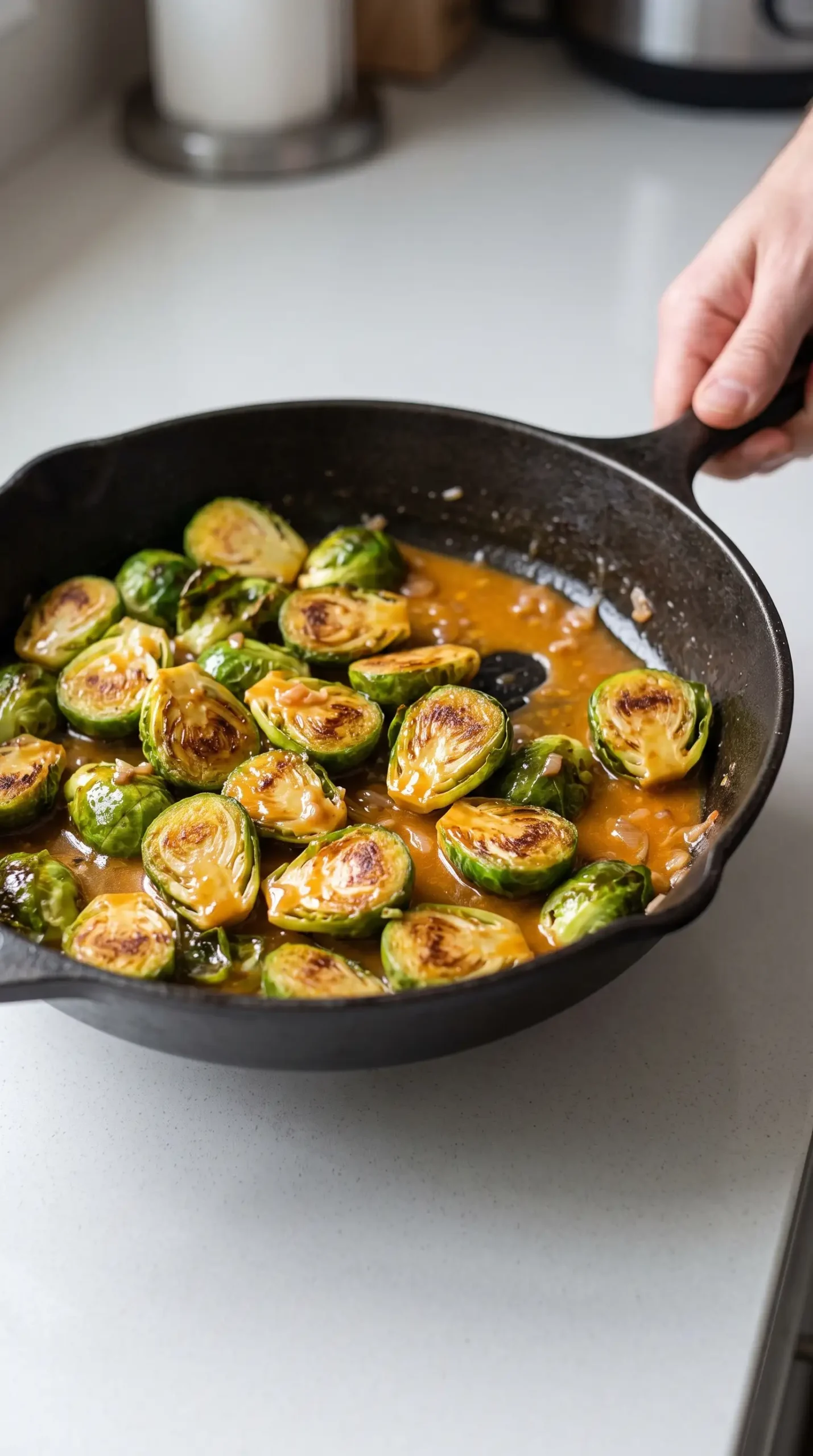
Maple orange brussels sprouts depend on timing because the sugars in the sauce react quickly once they meet a hot skillet. The sprouts need enough heat exposure to gain color, but the sauce requires attention once it begins sizzling.
High heat creates the dramatic reaction when the blended sauce enters the pan. That sizzling sound signals that the liquid is meeting the browned surfaces and beginning to coat the vegetables.
Quick movement becomes important after the sauce is added. Shaking the pan helps distribute the coating while limiting the chance that the sweet components remain against one hot spot for too long.
Several visual cues make the process easier to manage. Look for lightly browned cut sides before adding the sauce, then remove the pan once the sprouts have the desired caramelized appearance.
| Cooking Stage | Important Observation | Helpful Action |
|---|---|---|
| Before sauce | Cut sides begin browning | Keep sprouts positioned against the pan |
| After sauce enters | Liquid sizzles immediately | Move the pan to spread the coating |
| Before serving | Color and coating look balanced | Remove from heat and add toppings |
Pan Browning Mistakes Can Ruin Caramelized Brussels Sprouts
Common problems with caramelized brussels sprouts usually appear when the pan conditions change too quickly. Understanding the signs makes it easier to protect the texture and flavor.
- Loose leaves: Cutting too much from the stem can cause the sprouts to fall apart before they develop a proper seared surface.
- Burned sauce: Leaving the maple orange mixture over intense heat too long can darken the sugars beyond the desired caramelized stage.
- Pale surfaces: Moving the sprouts constantly before browning reduces contact with the skillet and limits color development.
Preventing these issues comes from observing the food instead of relying only on time. The sprouts, sauce, and pan each show when the next adjustment is needed.
A Skillet Finish Builds Deep Color Quickly
Direct skillet cooking creates the defining exterior of this side dish. Placing the cut sides down allows the natural structure of the sprouts to support browning while the interiors continue softening.
Working in batches can be useful when the pan cannot comfortably hold all the halves with enough contact space. Crowding makes it harder for the surfaces to brown evenly.
Finishing the vegetables with the sauce in the same pan captures the browned flavors left behind from the bacon and sprouts. This approach keeps the dish cohesive without requiring separate cooking vessels.
Parmesan Topping Completes the Savory Contrast
Parmesan adds a finishing layer of salty richness that complements the sweet citrus glaze and crispy bacon pieces. The cheese works best as a final addition so its flavor remains noticeable.
Serving Ideas Highlight Bacon Caramelized Brussels Sprouts
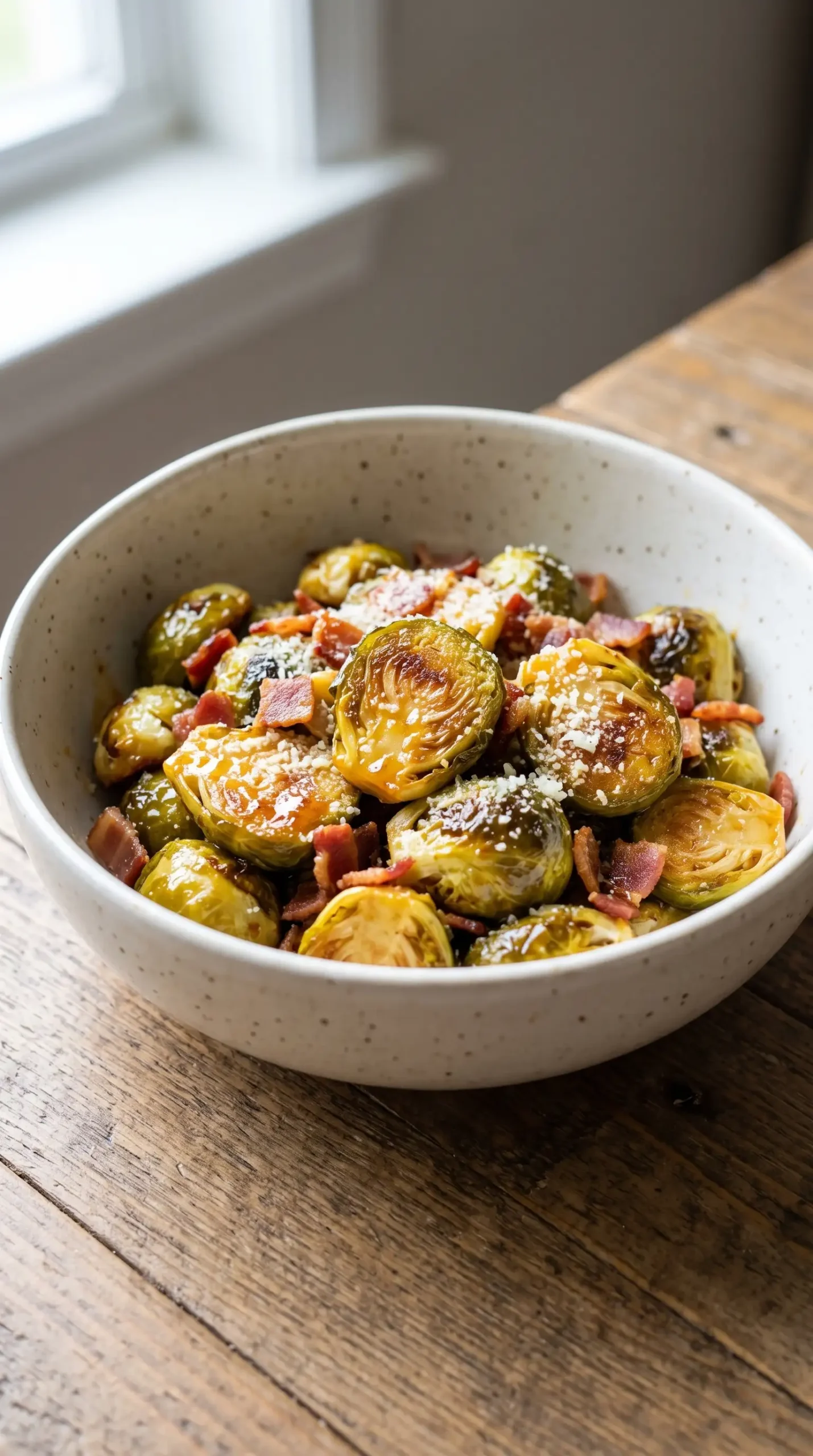
Bacon caramelized brussels sprouts fit naturally alongside hearty meals because the sweet and savory profile can stand beside rich main dishes. The crisp bacon and bright orange notes keep the vegetables from feeling heavy.
Different presentations can emphasize different parts of the dish. Serving the sprouts warm allows the sauce to remain glossy, while adding Parmesan near the table keeps the topping distinct.
These sprouts also work well as a holiday-style side because the combination of color, texture, and bold seasoning creates visual interest without complicated ingredients.
- Family dinners: Pair the sprouts with roasted meats or other comforting dishes.
- Special occasions: Use the colorful finish as a vegetable centerpiece.
- Casual meals: Serve smaller portions as a flavorful addition to a simple plate.
Storage Choices Keep Sprout Texture Fresh
Cooked Brussels sprouts are best enjoyed soon after preparation because the browned edges provide the strongest texture contrast. If leftovers are stored, use a sealed container and warm them gently to preserve as much texture as possible.
Flavor Adjustments Suit Different Tables
Small changes can adapt the flavor profile while keeping the character of caramelized brussels sprouts intact. The orange, mustard, vinegar, and maple combination provides a flexible base for personal preferences.
Extra heat can come from spicy additions that complement the sweetness, while additional Parmesan can increase the savory finish. Keeping the balance between sweet, acidic, and salty elements maintains the dish’s original direction.
Caramelized Brussels Sprouts Reward Precise Finishing
Caramelized brussels sprouts succeed when browning, sauce timing, and finishing touches work together. The most important judgment comes after the sauce enters the pan, when quick movement protects the sweet coating while allowing the vegetables to keep their golden surfaces.
Properly finished sprouts show how a few simple ingredients can create layered flavor. The bacon, maple orange sauce, and Parmesan each have a clear role, but the skillet technique brings those elements together into one cohesive side dish.
Caramelized Brussels Sprouts Troubleshooting Questions Answered
Why do caramelized brussels sprouts turn soggy?
Soggy sprouts often result from losing the browned exterior that provides structure and texture. Keeping the cut side against the hot pan before adding the sauce helps build the firmer surface needed for a better finished dish.
Can I prepare the sauce for caramelized brussels sprouts ahead?
The orange shallot sauce can be blended before cooking and kept ready until needed. Preparing it early can make the skillet process smoother because the sauce is available when the sprouts reach the correct browning stage.
How can I prevent the maple sauce from burning?
Move quickly once the sauce reaches the hot skillet. The sugars can darken fast, so shaking the pan and removing it from heat when the coating reaches the preferred color helps avoid an overly bitter finish.
What makes bacon caramelized brussels sprouts different from a basic vegetable side?
Bacon caramelized brussels sprouts combine smoky crisp pieces with a sweet and tangy coating, creating multiple textures and flavors in one preparation. The bacon also contributes cooking fat that supports the browning process.
Caramelized Brussels Sprouts with Maple Orange Sauce
Caramelized brussels sprouts combine crisp bacon, tender browned sprouts, and a sweet-tangy maple orange sauce for a flavorful side dish. This easy recipe is a great choice when you want a vegetable dish with rich texture and a bright finish.
Ingredients
Method
Preparation
- Trim the bottom stem from each Brussels sprout, taking care to keep the leaves attached. Slice each sprout in half and set aside.
- Add the orange juice, shallot, olive oil, mustard, vinegar, maple syrup, and salt to a food processor. Blend until smooth, then set the sauce aside.
Cooking
- Cook the bacon according to package directions until crisp. Transfer it to paper towels, allow it to cool, then chop into small pieces. Reserve the hot bacon grease in a heatproof container.
- Place the same pan over medium-high heat and arrange the Brussels sprouts cut side down. Add 1 to 2 teaspoons of the reserved bacon grease and move the sprouts gently to coat them while keeping the cut sides in contact with the pan.
- Cook for about 5 minutes until the cut sides begin to brown. Add the prepared sauce to the pan, then shake the pan by the handle to move the sprouts and coat them quickly. Continue for 1 minute or less, then remove from heat when the desired caramelization is reached.
- Toss the Brussels sprouts with the reserved bacon pieces and Parmesan cheese before serving.
Notes
Trim only the very bottom of the Brussels sprout stem to help keep the leaves attached while cooking.