From breakfast to dinner, from wholesome meals to indulgent desserts, Nexa Recipes offers quick, easy, and delicious ideas for every occasion and every moment.



 This Recipe
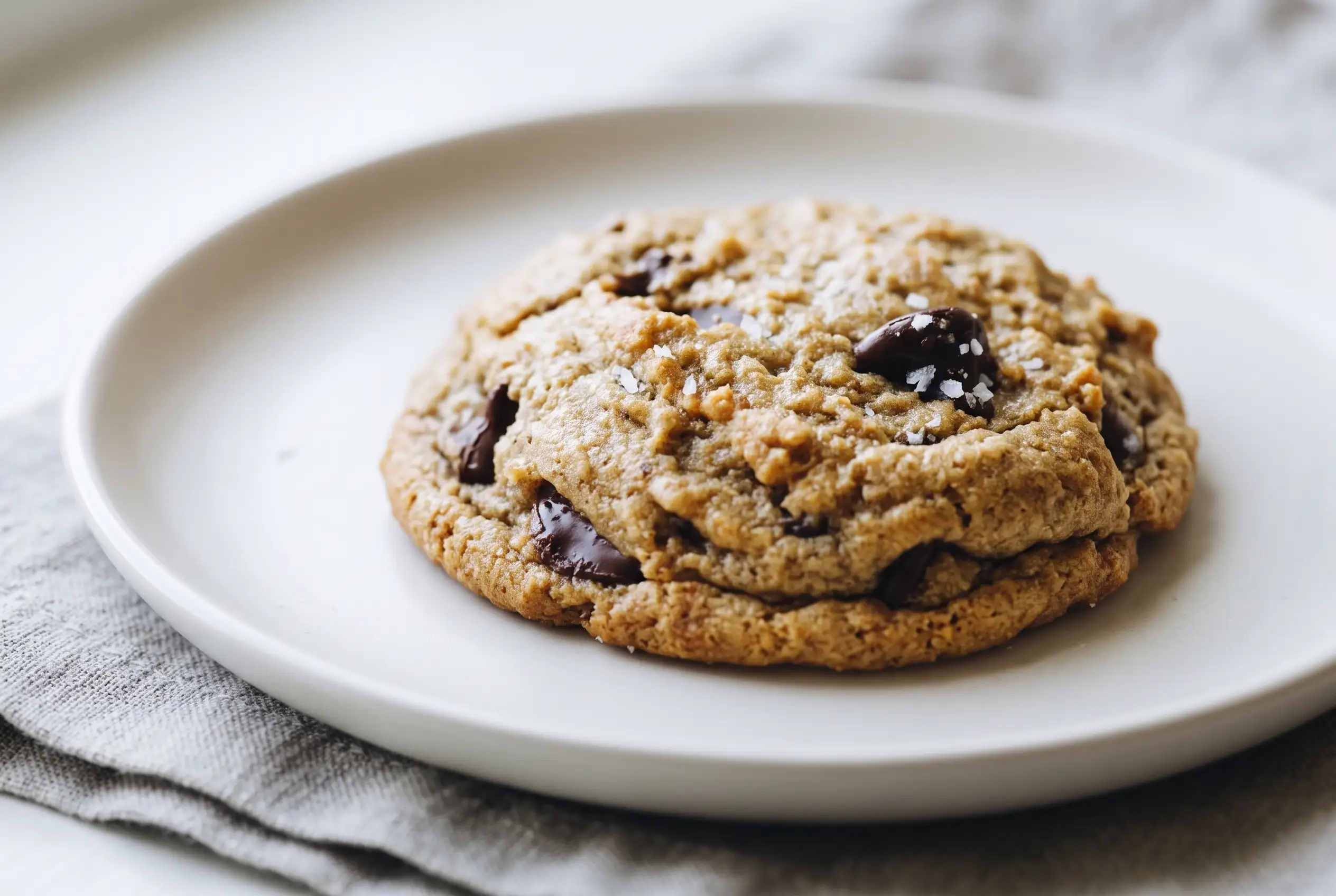
Peanut butter chocolate chip cookies bring together a short ingredient list and a satisfying balance of nutty richness, sweetness, and melted chocolate. The combination of creamy peanut butter, coconut sugar, eggs, vanilla, salt, and chocolate chips creates a cookie with a soft center, lightly golden edges, and plenty of familiar bakery flavor.
Simple cookie formulas depend on careful choices because each ingredient has a visible effect on the finished texture. The peanut butter determines much of the dough structure, while the sugar choice influences sweetness, moisture, and how the cookies spread during baking.
Coconut sugar shapes these peanut butter chocolate chip cookies
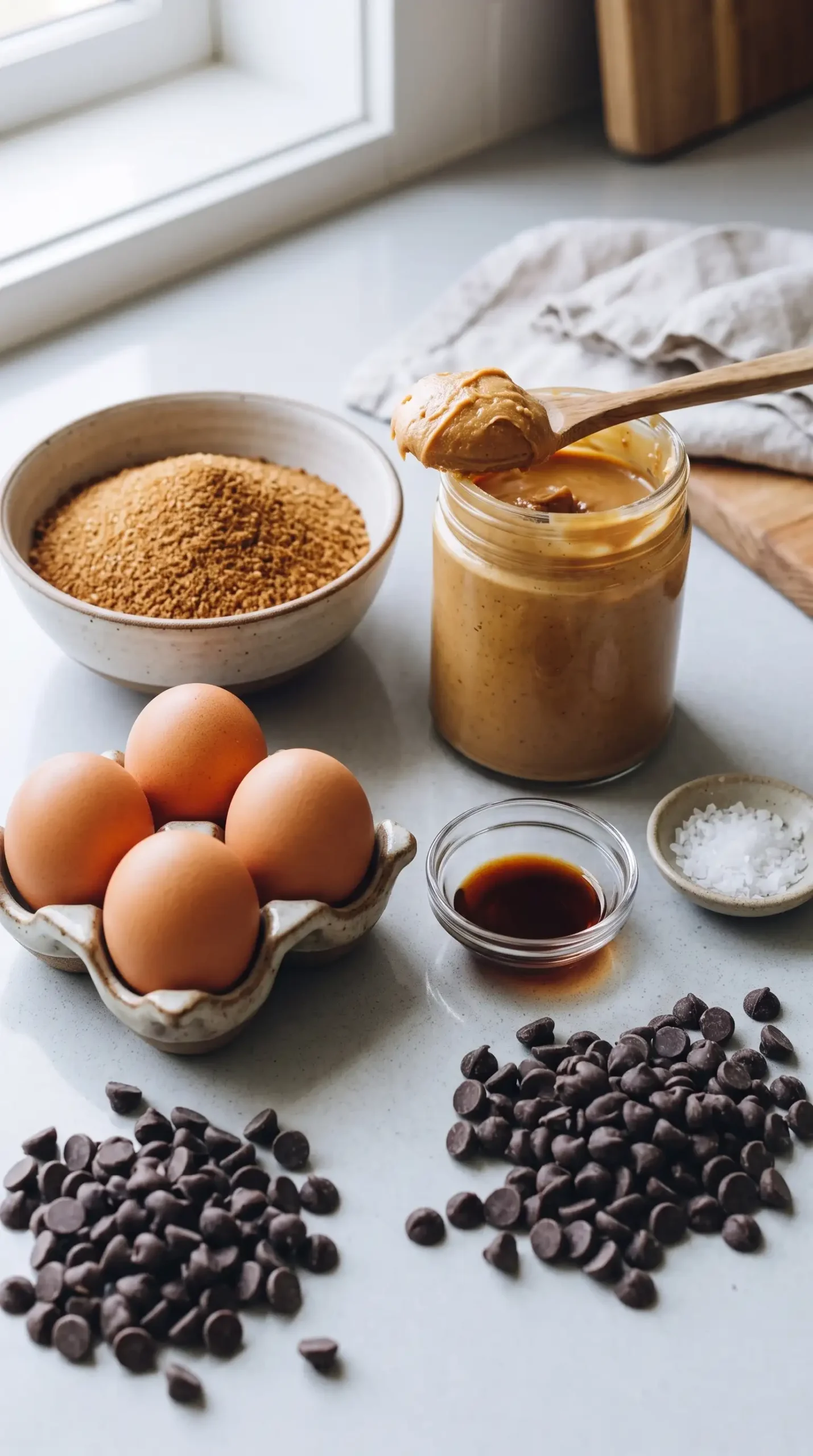
Coconut sugar gives these cookies their distinctive sweetness and contributes to the deeper color that appears during baking. Its lightly caramel-like character pairs naturally with peanut butter and chocolate, creating a flavor profile that feels rich without requiring extra additions.
Mixing the coconut sugar thoroughly with the eggs helps create a smooth base before the peanut butter enters the dough. A well-combined mixture allows the dry crystals of sugar to become evenly distributed, which supports a consistent texture throughout each cookie.
Home bakers who prefer a slightly different flavor direction can use brown sugar in place of coconut sugar when preparing a batch. The change keeps the structure of the dough similar while shifting the sweetness toward a more traditional chocolate chip cookie taste. A batch of Brown Sugar Cookies with Butter and White Sugar Coating shows how sugar selection can shape the finished cookie texture and flavor.
Creamy peanut butter controls cookie texture
Peanut butter is the ingredient that most strongly defines the body of these cookies. A creamy variety blends into the dough easily, creating a smooth mixture that holds the chocolate chips evenly instead of leaving pockets of separated peanut butter.
Texture can change depending on the peanut butter consistency. A softer peanut butter may create a looser dough, while a thicker one can produce a more stable scoopable mixture. Paying attention to the dough before baking helps determine whether extra chilling will improve the shape.
- Soft peanut butter: Chill the dough when it feels loose or difficult to portion neatly.
- Thick peanut butter: Mix carefully until no streaks remain and the dough looks uniform.
- Creamy texture: Expect a smooth cookie interior with an even peanut flavor.
Chocolate chips create contrast in every bite
Chocolate chips add small bursts of sweetness that balance the salty, nutty character of peanut butter. Their placement throughout the dough matters because evenly mixed chips help every cookie deliver the same combination of flavors.
Cookie dough consistency decides the finished shape
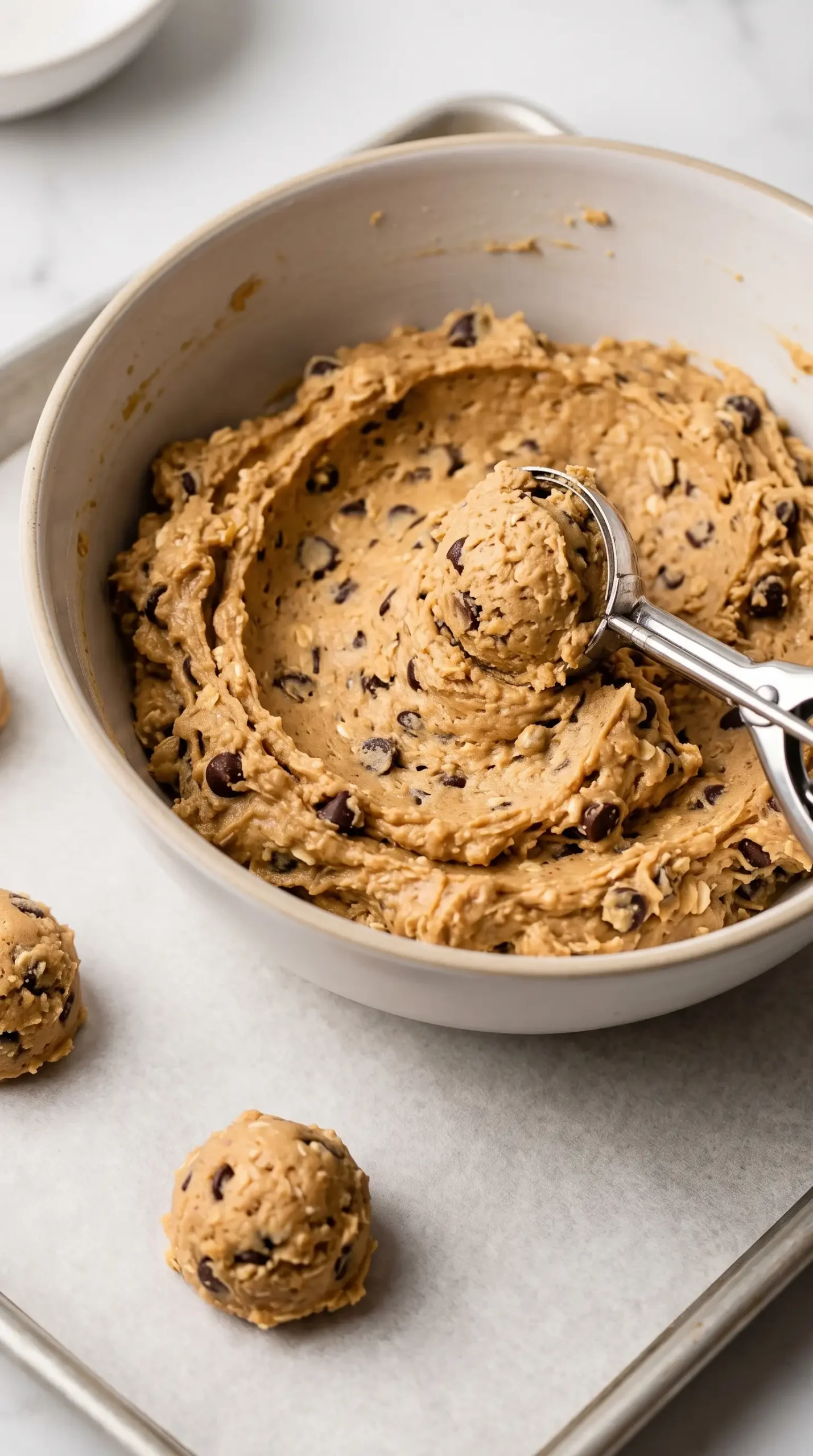
Cookie dough consistency is one of the most important controls for this batch. A dough that is firm enough to scoop will generally hold its shape better during baking, while a softer mixture may spread more across the baking sheet.
Chilling the dough briefly gives the mixture time to become easier to handle. This step is especially useful when the peanut butter creates a softer texture, and it can help cookies keep a rounded appearance after they enter the oven.
Portion size also affects the way these cookies bake. Larger scoops create thicker cookies with more noticeable centers, while smaller portions may bake more quickly and develop more crisp edges.
Common mistakes in peanut butter chocolate chip cookies
Several avoidable issues can change the results of peanut butter chocolate chip cookies. Watching the dough texture, keeping the chocolate chips evenly distributed, and paying attention to baking cues can prevent many common problems.
| Issue | Possible cause | Better approach |
|---|---|---|
| Cookies spread too much | Soft dough or warm mixture | Chill the dough before scooping |
| Uneven chocolate distribution | Insufficient mixing after adding chips | Stir until chips are spread throughout |
| Dry cookie centers | Baking beyond the ideal point | Remove when centers remain slightly underdone |
Baking choices keep peanut butter cookies tender
Baking time requires attention because these cookies continue setting after they leave the oven. The edges should become golden while the centers can still appear slightly soft when the baking sheet is removed from heat.
Resting the cookies on the hot baking sheet allows residual heat to finish the texture gently. Moving them too quickly can make delicate cookies harder to transfer without breaking.
Cooling on a rack creates a more even finish by allowing air to circulate around the cookies. Once cooled, the texture becomes easier to judge because the peanut butter and chocolate flavors settle into the finished cookie.
Coconut sugar cookies adapt with simple swaps
Coconut sugar cookies can be adjusted with small ingredient changes when needed. A different granulated sweetener may alter the flavor slightly, but the main balance of peanut butter and chocolate remains the defining feature.
Storage keeps baked peanut butter cookies ready
Proper storage helps preserve the texture and flavor of baked peanut butter cookies after they cool completely. A sealed container at room temperature keeps them enjoyable for several days.
Freezing is another option for longer storage. Individual cookies can be protected from freezer air and thawed when a quick homemade treat is needed.
Serving ideas highlight chocolate chip cookie texture
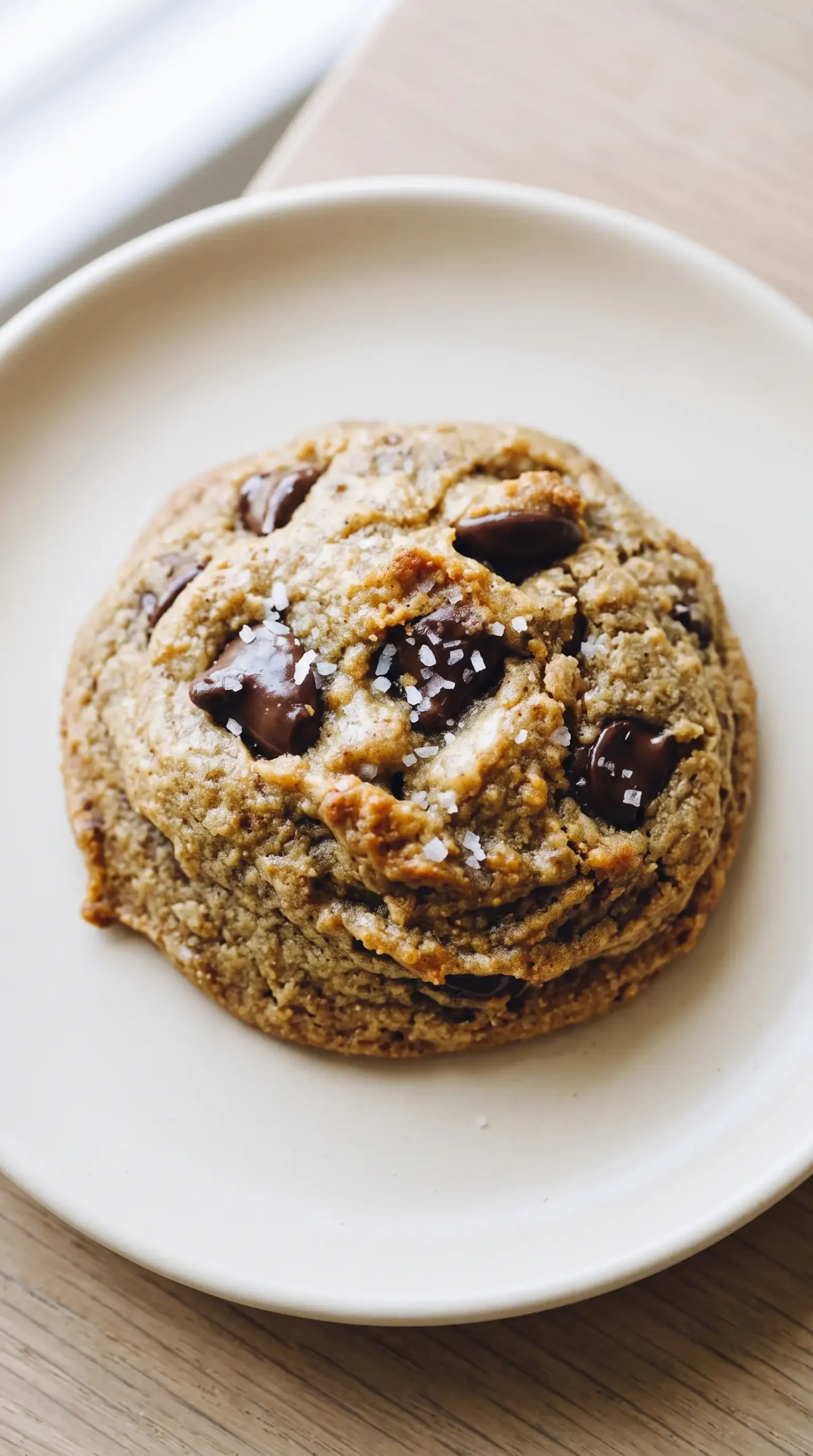
These cookies work well as a simple snack, dessert, or addition to a dessert spread. Their combination of peanut butter and chocolate makes them easy to pair with drinks and other sweet treats.
Warm cookies offer a softer experience because the chocolate chips may still have a slightly melted texture. Fully cooled cookies provide a firmer bite where the peanut butter flavor becomes more pronounced.
For a finishing touch, a small sprinkle of sea salt can add contrast to the sweetness. The extra seasoning should complement the existing flavors without covering the peanut butter and chocolate balance.
Choosing cookie tools improves peanut butter results
The tools used during preparation can influence how smoothly the dough comes together. A sturdy mixing bowl, reliable measuring tools, and a scoop that creates consistent portions all make the process easier.
Parchment paper helps with clean removal after baking, especially while the cookies are still warm. A metal spatula can slide underneath the cookies without disturbing their shape as they move to a cooling surface.
Peanut butter chocolate chip cookies succeed through balanced handling
Peanut butter chocolate chip cookies become their best version when the dough receives careful attention before baking. The peanut butter consistency, sugar blend, and chilling decision all influence whether the cookies hold their shape while keeping a soft center.
Small observations create the biggest improvements with these cookies. Recognizing when the dough needs more firmness and removing the cookies at the right moment preserves the contrast between golden edges, tender centers, and chocolate-filled bites.
Peanut Butter Chocolate Chip Cookies Texture Questions and Answers
Why does peanut butter consistency affect cookie texture?
Peanut butter consistency changes how easily the dough comes together and how firmly the cookies hold their shape. A softer peanut butter may create a looser dough that benefits from chilling before baking.
Can these cookies be made without chilling the dough?
Chilling is helpful when the dough feels soft, but a thicker mixture may already be easy to portion. The best choice depends on the texture you see after mixing.
How can I tell when the cookies are baked enough?
The edges should look golden while the centers should still appear slightly underdone. They continue to set while resting on the warm baking sheet after leaving the oven.
Why do my cookies have uneven chocolate chips?
Uneven chips usually come from incomplete mixing after the chocolate is added. Stirring until the chips are spread throughout the dough helps create a more consistent cookie.
How should leftover cookies be stored?
Store cooled cookies in a sealed container at room temperature to maintain their texture. For longer storage, freezing keeps them available for later enjoyment.
When saving cookies for later, freeze baked cookies in freezer-safe packaging to help preserve their quality, with homemade cookies maintaining their best results for months when stored properly.
Peanut Butter Cookies with Chocolate Chips and Coconut Sugar
Peanut Butter Chocolate Chip Cookies are soft-centered cookies with rich peanut butter flavor and sweet chocolate chips. They are an easy dessert choice for anyone craving a classic homemade cookie with a tender texture and satisfying flavor.
Ingredients
Method
Preparation
- Heat the oven to 350°F (177°C). Cover a large rimmed baking sheet with parchment paper.
- Whisk the coconut sugar and eggs together in a medium bowl until smooth. Add the vanilla and salt, then mix until combined.
- Add the peanut butter and mix until the dough is uniform and the peanut butter is fully incorporated. Stir in the chocolate chips until evenly distributed.
Chilling
- If a more rounded cookie shape is desired, refrigerate the dough for 15 minutes before portioning. Keep any remaining dough chilled while the first batch bakes.
Baking
- Scoop heaping tablespoons of dough using a 1-tablespoon cookie scoop or two spoons onto the prepared baking sheet, leaving 1 to 2 inches of space between portions.
- Bake for 11 to 13 minutes, until the edges are golden and the centers remain slightly underbaked.
- Leave the cookies on the hot baking sheet for 2 minutes, then transfer them with a metal spatula to a cooling rack to cool completely. Repeat with the remaining dough.
Notes
These cookies varied slightly each time they were made, with peanut butter consistency being the biggest factor. Softer peanut butter may need the dough chilled for at least 15 minutes, or closer to 30 minutes. The original yield was 42 cookies, but using a larger scoop resulted in about half that amount. Brown sugar can be used in place of coconut sugar according to the source notes, and the tops may be finished with a sprinkle of sea salt.