From breakfast to dinner, from wholesome meals to indulgent desserts, Nexa Recipes offers quick, easy, and delicious ideas for every occasion and every moment.



 This Recipe
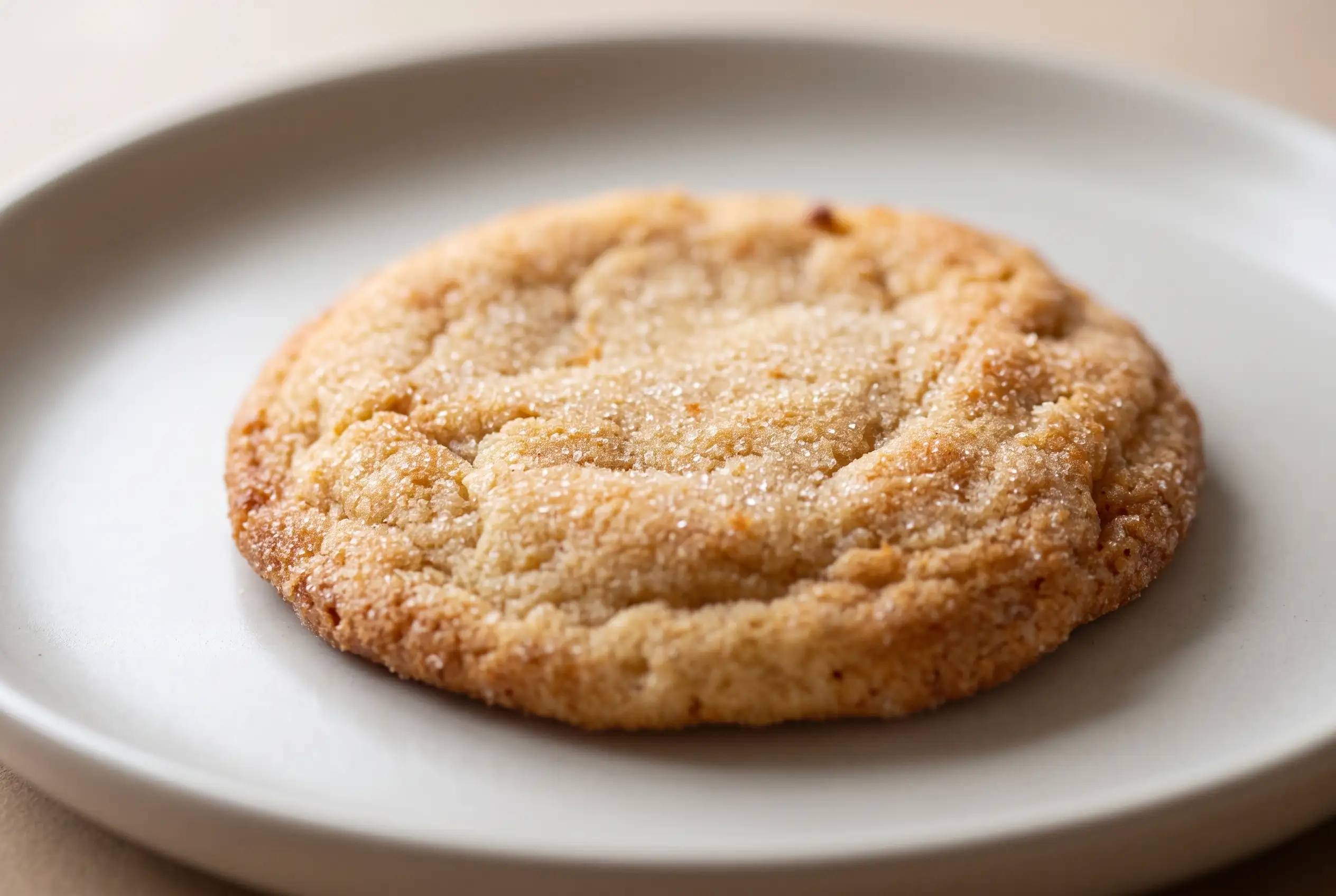
Brown sugar cookies bring together a lightly caramelized sweetness, a tender center, and a sugar-coated finish in a simple cookie built from familiar pantry ingredients. The balance comes from how the brown sugar, white sugar, shortening or butter, and leavening ingredients work together during mixing and baking. An easy brown sugar cookies approach focuses on small decisions that shape the finished texture, especially the way the dough is handled before it reaches the oven.
Brown Sugar Cookies Create a Soft Sugar Cookie Balance
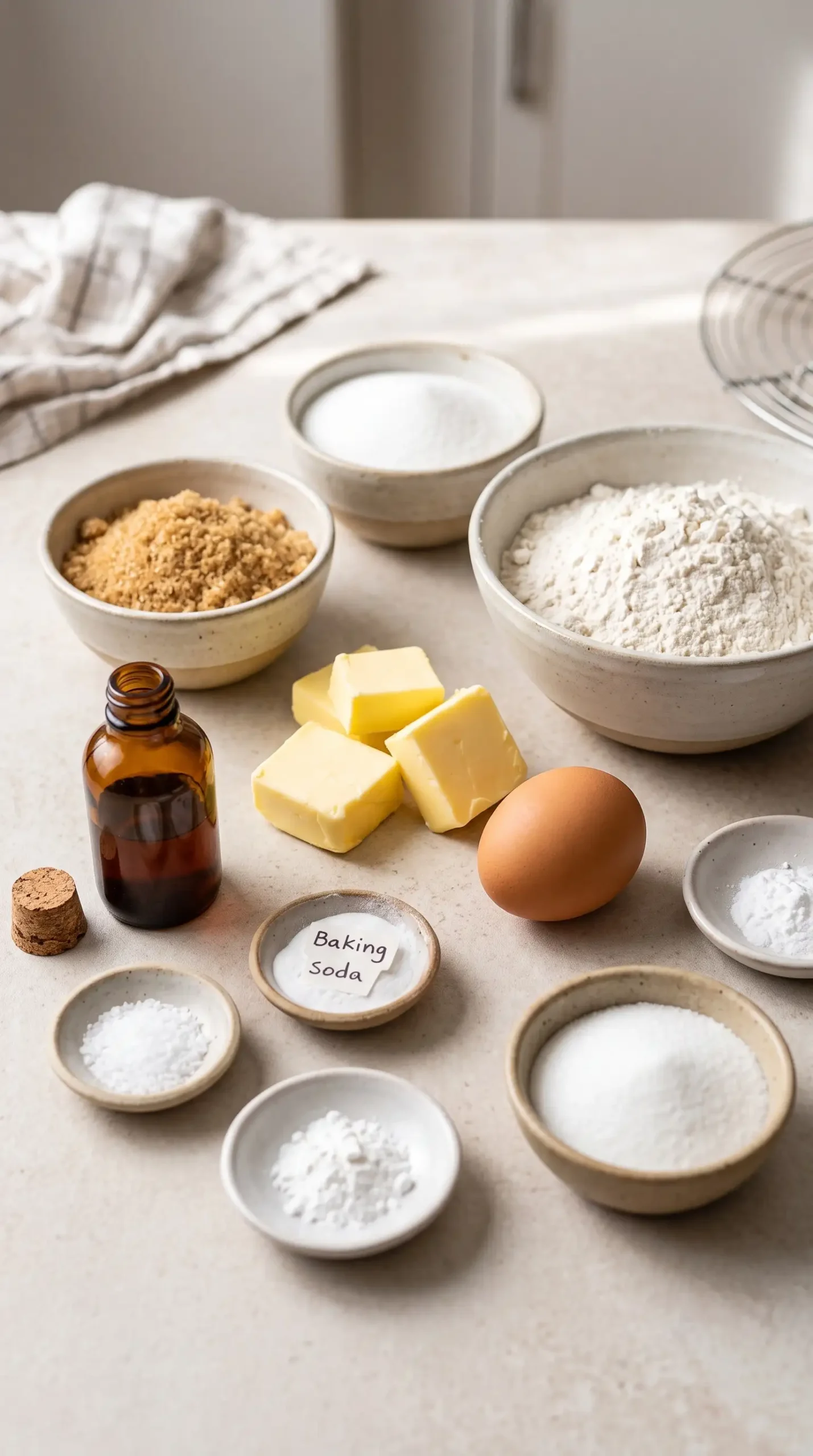
Cookie texture starts with contrast. The brown sugar contributes a deeper sweetness, while the white sugar helps maintain the classic sugar cookie character that makes these treats recognizable. Together, the two sugars create a dough that feels familiar while still offering a slightly richer flavor profile.
Simple preparation makes brown sugar cookies approachable for both new and experienced bakers. The dough does not rely on complicated techniques, but the order of combining ingredients influences how evenly the cookies bake and how the surface develops after rolling.
Brown Sugar Choices Shape the Cookie Texture
Brown sugar affects more than flavor because its moisture content changes how the dough behaves. The combination of brown sugar with shortening or butter helps create a cookie that can feel soft when freshly baked while still developing a more traditional crispness after sitting.
Butter and shortening can each influence the experience of the cookie. Butter adds a familiar richness, while browned butter can bring a deeper toasted note to brown butter cookies through careful fat preparation and mixing choices. The choice depends on the type of finish desired from this baked brown sugar cookie recipe.
| Choice | Texture Effect | Flavor Direction |
|---|---|---|
| Brown sugar | Supports a softer, moist bite | Adds deeper sweetness |
| White sugar | Helps create a classic sugar cookie finish | Keeps sweetness familiar |
| Butter | Creates a rich cookie texture | Provides buttery flavor |
| Shortening | Can keep cookies tender | Offers a neutral base |
Creaming Technique Controls the Dough Foundation
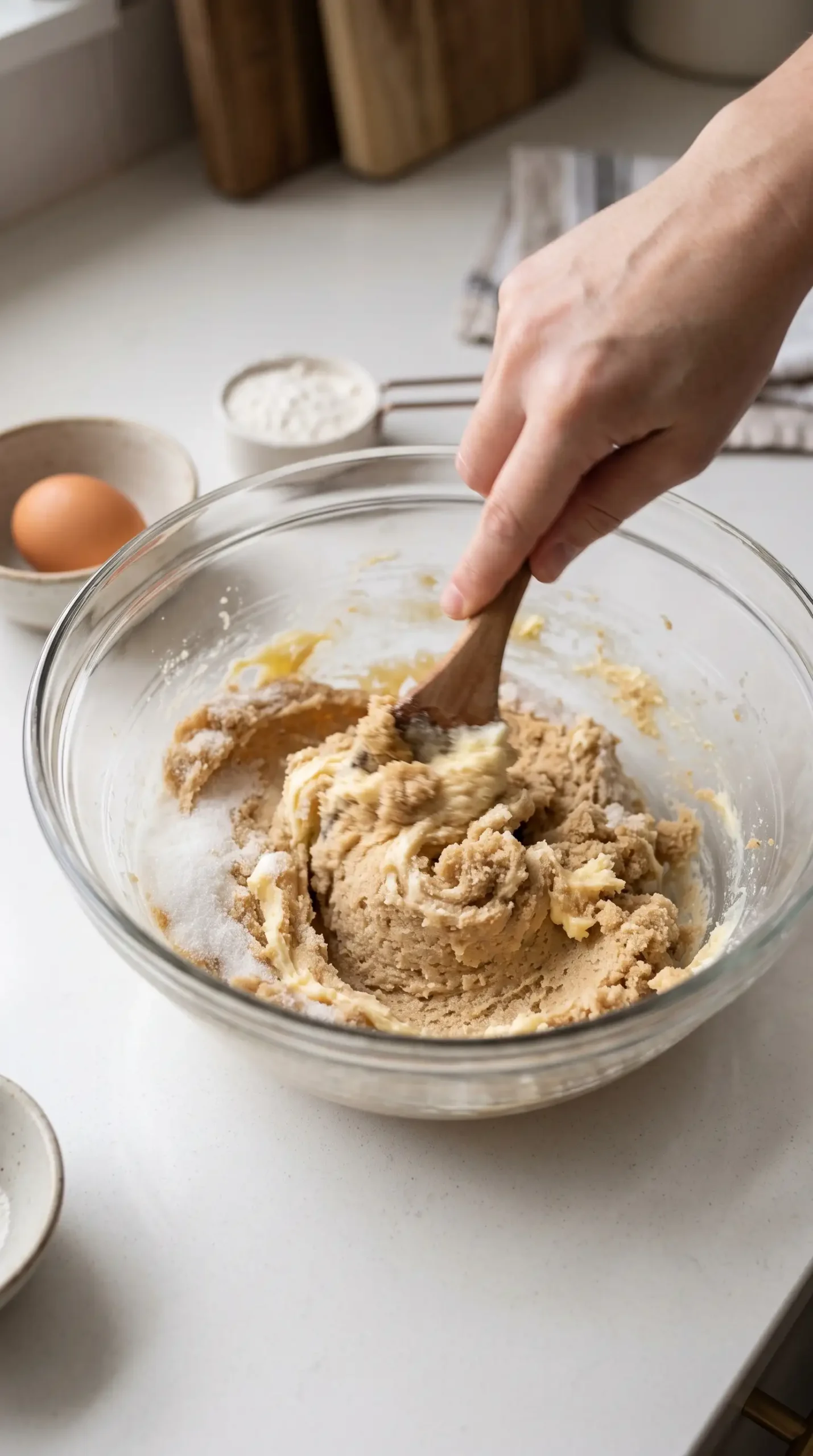
Proper mixing begins with combining the sugars and fat until they are evenly blended. This step creates the base that allows the egg and dry ingredients to distribute throughout the dough without leaving pockets of uneven sweetness or texture.
Careful additions matter once the egg is incorporated. The dry ingredients should be mixed into the dough until combined, because excessive handling can change the feel of the finished cookies. A balanced dough makes it easier to create consistent cookie shapes before baking.
- Even blending: helps distribute sugars and fat throughout the dough.
- Gentle mixing: keeps the dough from becoming unnecessarily dense.
- Consistent portions: helps cookies bake at a similar rate.
Rolling Sugar Builds the Cookie Exterior
The sugar coating creates one of the defining visual and textural features of brown sugar cookies. Rolling each dough ball in white sugar gives the outside a sparkling finish while adding a delicate sweetness to the first bite.
Rounded dough portions also affect the final appearance. Keeping the balls intact before baking allows the cookies to spread naturally in the oven instead of starting with a flattened shape that may change the finished thickness.
Brown Sugar Cookies Depend on Simple Ingredient Decisions
Small ingredient details have a noticeable impact because the recipe uses a short list where each component has a clear purpose. The flour provides structure, the egg binds the dough, and the combination of baking soda and cream of tartar supports the classic cookie texture.
Vanilla adds a background note that supports the sugars without overpowering them. Salt also plays an important balancing role, helping the sweetness feel more rounded across each bite.
Another important ingredient decision is measuring flour accurately, because the amount added to the dough affects the balance of the ingredients and the final cookie texture. Using the right amount helps preserve the tender structure expected from brown sugar cookies.
Freshly Baked Brown Sugar Cookies Show Their Best Qualities
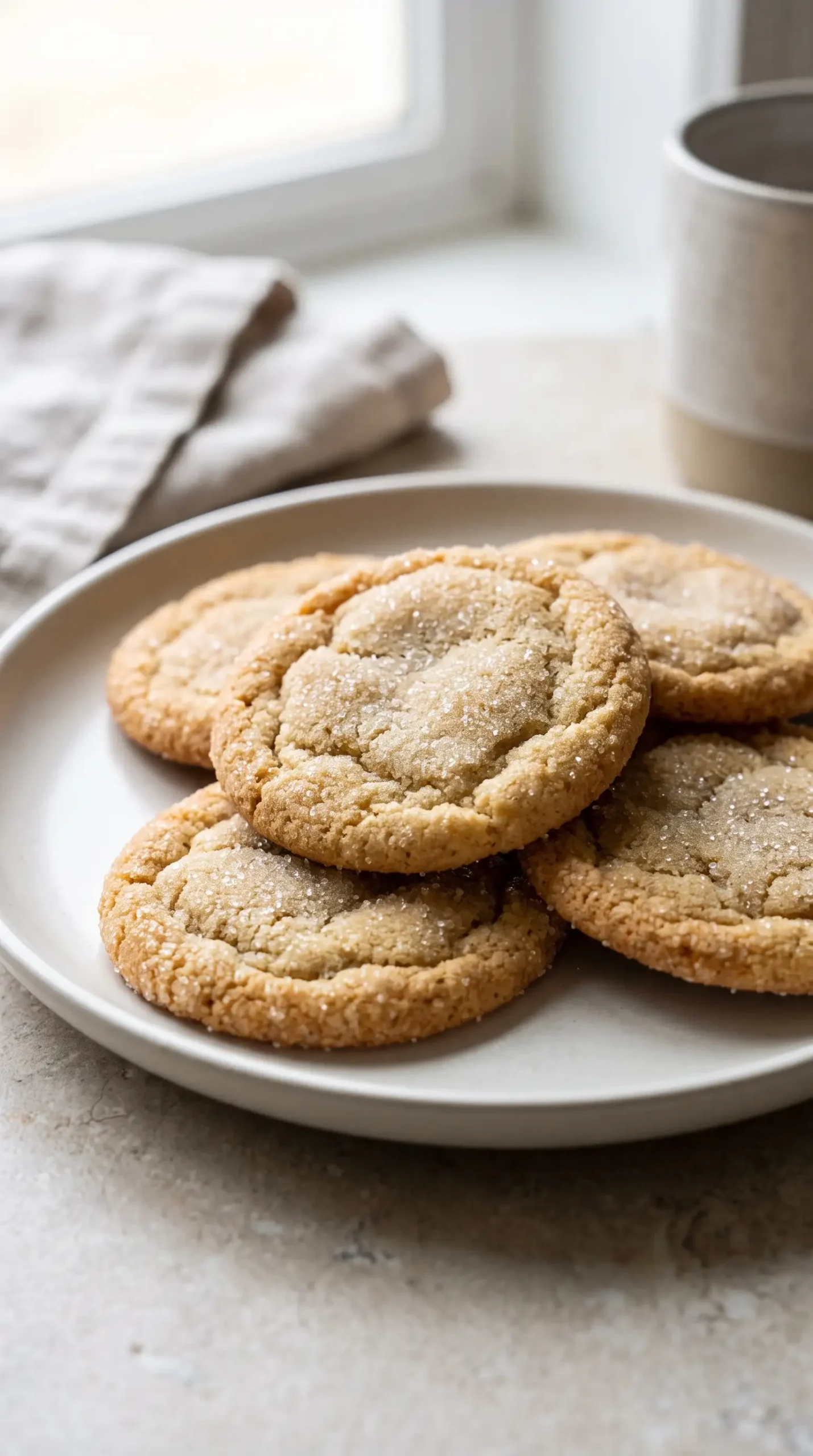
Timing changes the eating experience after the cookies leave the oven. Freshly baked cookies have a softer texture that highlights the combination of sugars and fat, making the warm stage especially appealing for anyone who prefers a tender bite.
After several hours, the texture shifts toward a crisper sugar cookie style. That change does not mean the cookies have failed; it simply creates a different version of the same dessert with a firmer exterior and a more traditional snap.
Common Brown Sugar Cookies Mistakes to Avoid
Several problems can come from small handling choices. Brown sugar cookies are simple, but the dough still responds to changes in preparation, shaping, and baking.
- Flattening dough balls: changes the starting shape and can affect the finished thickness.
- Skipping the sugar coating: removes the exterior texture that defines the cookie.
- Overworking the dough: can make the cookie texture less tender.
- Ignoring cooling changes: may lead to expecting a fresh-baked softness after the cookies have rested.
Correcting these issues begins with returning to the simple process. Keeping portions rounded, mixing with care, and watching the baking stage closely preserves the qualities that make this cookie distinct.
Cookie Pairings Highlight Brown Sugar Cookie Flavor
Serving choices can emphasize different parts of the cookie experience. The sweetness pairs naturally with drinks or desserts that allow the brown sugar flavor to remain noticeable without competing for attention.
Warm cookies can be enjoyed on their own, while cooled cookies provide a firmer texture that works well for snack plates or dessert spreads. The sugar-coated exterior makes them visually suited for casual gatherings.
Brown Sugar Cookies Adapt to Small Kitchen Changes
Small adjustments can personalize the cookies while keeping the original structure intact. Using butter instead of shortening is one example already supported by the ingredient options, creating a slightly different flavor expression while maintaining the familiar cookie style.
Another adjustment comes from choosing when to enjoy the cookies. Those who prefer softness can focus on the freshly baked stage, while those who enjoy crisp edges may appreciate the texture after the cookies have rested.
Storage Choices Affect Brown Sugar Cookie Crispness
Storage influences how the cookie texture develops after baking. As time passes, the cookies naturally move away from their softest stage and toward a crisper sugar cookie texture.
Keeping cookies protected from excess air helps preserve their intended texture for longer. A sealed container can reduce unwanted texture changes and make it easier to enjoy the cookies according to personal preference.
| Stage | Texture Description | Best Match |
|---|---|---|
| Freshly baked | Softer and more tender | Warm dessert moments |
| After resting | Crisper with a traditional cookie feel | Classic sugar cookie fans |
| Stored carefully | More consistent texture | Planned snacking |
Baking Control Protects the Cookie Finish
The oven stage determines how the shaped dough becomes a finished cookie. Keeping the temperature steady and following the suggested bake time helps the cookies develop their recognizable surface and texture.
Shape observation provides useful feedback. Rounded dough portions should bake into cookies with a balanced appearance, while overextending the bake can move the texture away from the softer style many people expect.
Brown Sugar Cookie Details Make the Recipe Memorable
Attention to small finishing choices creates the strongest connection between preparation and enjoyment. The sugar coating, rounded shape, and combination of brown and white sugars each contribute to the identity of brown sugar cookies.
Familiar ingredients become more interesting when their roles are understood. A short ingredient list does not limit the result; it highlights how texture, sweetness, and timing work together in a straightforward dessert.
Brown Sugar Cookies Find Their Best Texture Fresh
Brown sugar cookies reach their most distinctive balance when the soft interior, sugar-coated exterior, and changing texture over time are considered together. Fresh cookies showcase the tender side of the dough, while later stages reveal a crisp sugar cookie character.
The most important choice is deciding which texture fits the moment. Careful shaping and controlled baking create a cookie that can satisfy both those looking for a soft bite and those who enjoy a firmer finish.
Brown Sugar Cookies Baking Questions and Answers
Can brown sugar cookies be made with butter?
Yes, butter can replace shortening in this cookie style. The swap changes the flavor by adding a richer buttery note while keeping the same basic dough structure supported by the other ingredients.
Why do brown sugar cookies become crisp after cooling?
Cooling allows the cookie structure to set and moisture to redistribute. As the cookies sit, their texture naturally moves away from the freshly baked softness toward a more traditional crisp sugar cookie feel.
Should the dough balls be flattened before baking?
No, the dough balls should remain rounded before they go into the oven. Starting with an unflattened shape helps maintain the intended cookie thickness and appearance.
What makes these cookies different from regular sugar cookies?
The addition of brown sugar creates a deeper sweetness and a different texture compared with cookies made only with white sugar. The combination gives brown sugar sugar cookies their own character while keeping the familiar sugar-coated finish.
Can the cookies be enjoyed before they are baked?
The dough may be appealing during preparation, but raw dough contains an uncooked egg, so it is best to avoid eating it before baking. Enjoying the finished cookies provides the intended flavor and texture safely.
Brown Sugar Cookies with Butter and White Sugar Coating
Brown sugar cookies are tender, sugar-coated cookies with a rich caramel sweetness and classic homemade appeal. They are an easy dessert choice when you want a simple cookie with a soft freshly baked texture and crisp sugar finish.
Ingredients
Method
Preparation
- Blend the sugars and shortening together until combined. Add the egg, then mix in the dry ingredients.
- Shape the dough into round balls using a cookie scoop. Coat each dough ball in white sugar and keep the shapes rounded without flattening.
Baking
- Bake the cookies at 350°F (175°C) for 12 minutes.
Notes
These cookies are especially enjoyable before baking and right after they come out of the oven. After a few hours, they naturally become crispier with a texture closer to a traditional sugar cookie.