From breakfast to dinner, from wholesome meals to indulgent desserts, Nexa Recipes offers quick, easy, and delicious ideas for every occasion and every moment.



 This Recipe
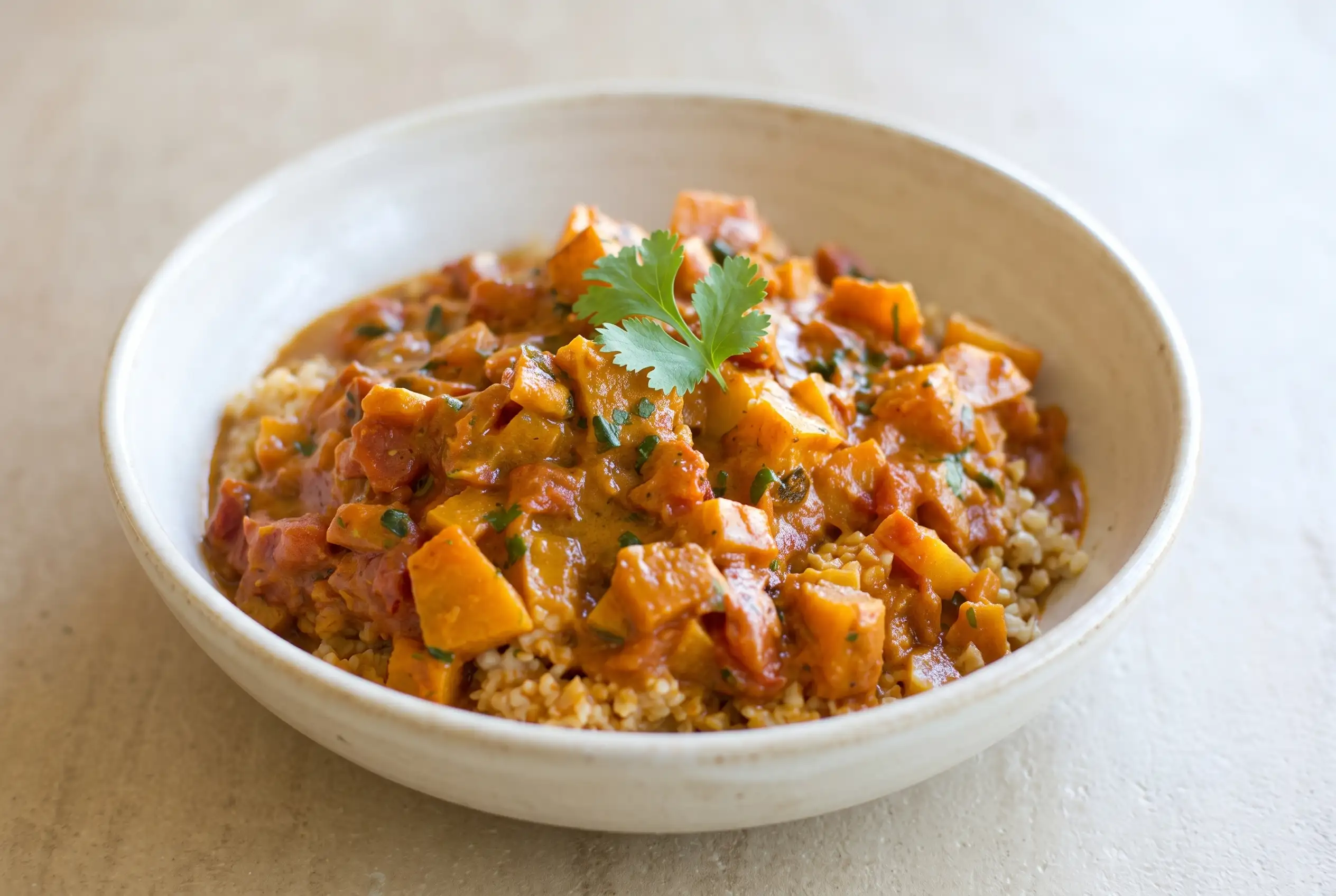
Squash coconut curry brings together creamy coconut milk, tender squash, warm spices, and a hearty grain base for a comforting meal built around contrasting textures. The combination of sweet squash, savory fire roasted tomatoes, peanut butter, and curry paste creates a sauce that feels layered without requiring a long ingredient list or complicated preparation.
Created around kabocha squash and flexible enough for butternut squash, this dish highlights how a few carefully balanced flavors can turn vegetables into a satisfying centerpiece. The curry sauce carries gentle heat from chili powder and cayenne while coconut milk softens the spice with richness.
Squash Coconut Curry Builds Balance From Sweet Heat and Creaminess
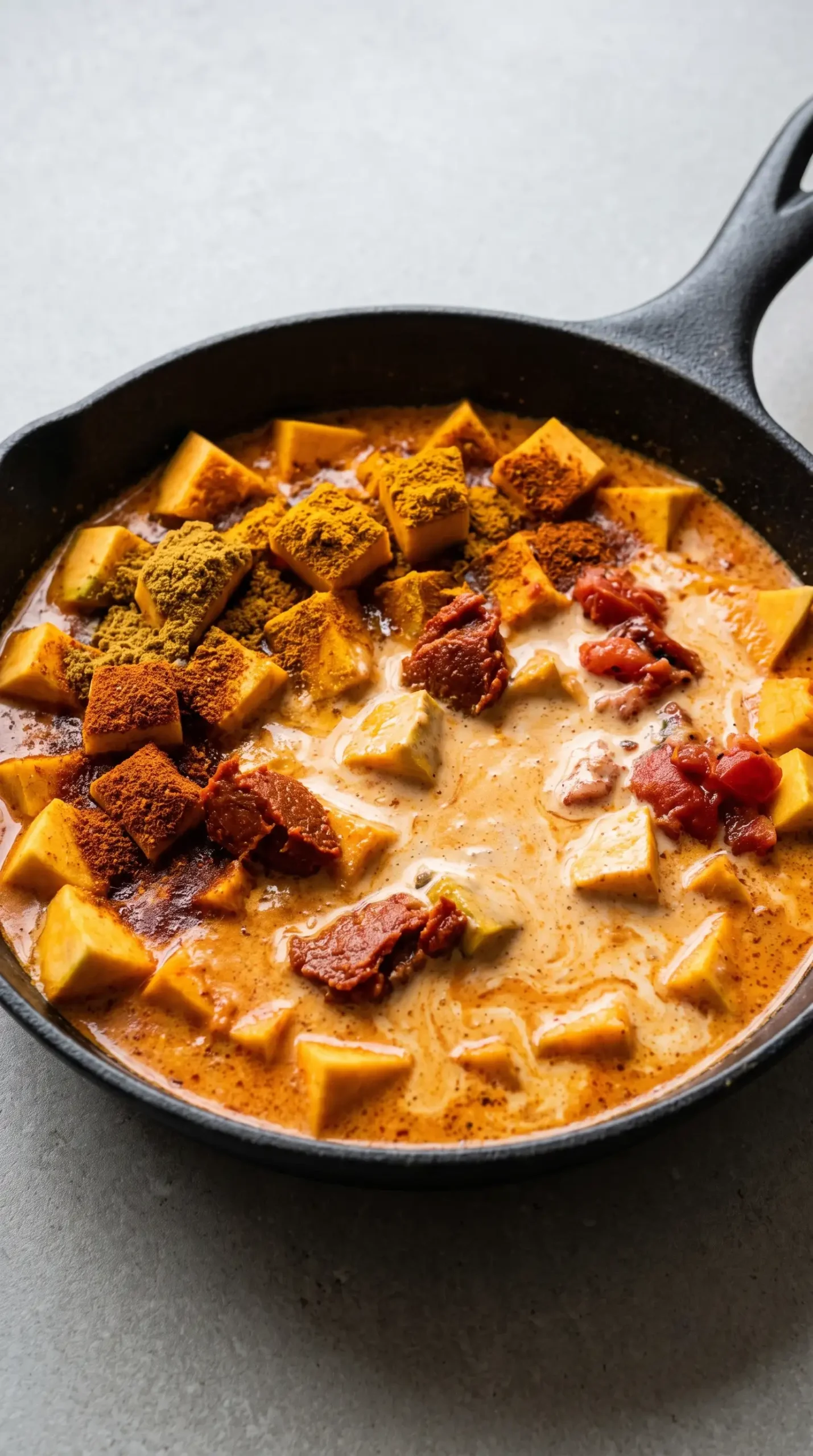
Sweet squash provides the foundation for the curry’s flavor structure because its natural character works with the richness of coconut milk and the savory depth of curry paste. When the squash is coated with the dry seasonings before simmering, the spices become part of the sauce instead of sitting separately on the surface.
Meanwhile, peanut butter adds body to the coconut mixture and helps create a smoother texture. The small amount of honey supports the squash’s sweetness while the fire roasted tomatoes bring acidity that keeps the sauce from feeling overly heavy.
Across each serving, the contrast between the creamy sauce and the grains creates a complete texture experience. Bulgur absorbs some of the flavorful liquid while still providing a distinct bite that complements the soft squash pieces.
Kabocha Squash Curry Depends on Choosing the Right Texture
Kabocha squash is especially well suited for this style of curry because its dense flesh becomes tender while holds its shape in curries during simmering. Butternut squash can also work well when a slightly different texture is preferred.
| Squash choice | Texture after simmering | Flavor direction |
|---|---|---|
| Kabocha | Dense and creamy with sturdy pieces | Naturally sweet and rich |
| Butternut | Soft and smooth with tender cubes | Mild sweetness and gentle nuttiness |
| Other firm squash varieties | Depends on the squash type and cut size | Can change the balance of sweetness and earthiness |
Proper cutting matters because evenly sized squash pieces cook at a similar rate. Pieces that are too small may break down into the sauce, while larger pieces may need more time before reaching the tender texture expected from the curry.
Coconut Milk and Curry Paste Shape the Sauce Character
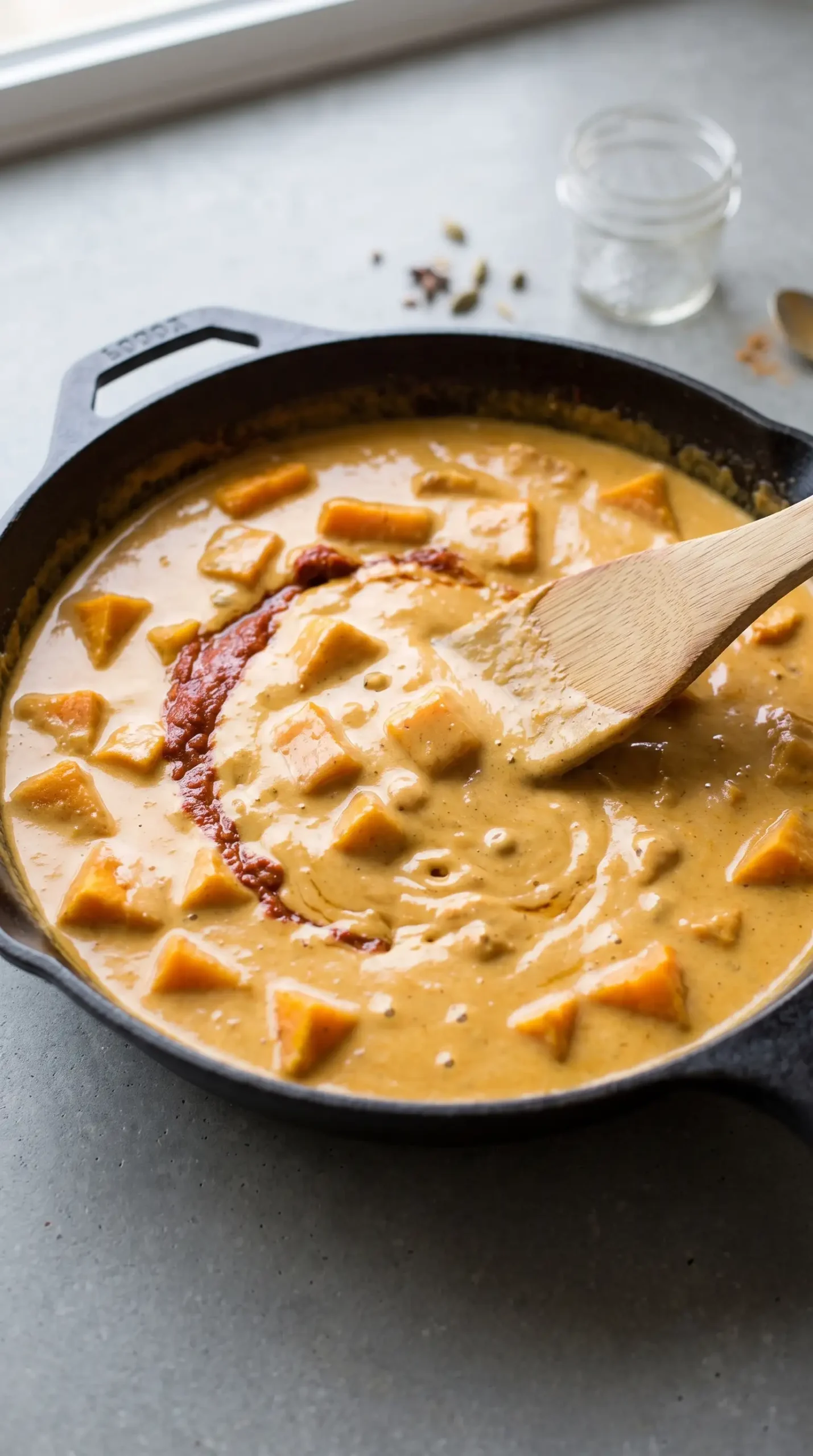
Creamy coconut milk creates the base where curry paste, peanut butter, and honey can blend smoothly. The thickness of the coconut milk helps the finished sauce cling to squash and bulgur instead of becoming a thin coating, a technique used in coconut curry with coconut milk for building a rich vegetable-centered sauce.
Bulgur Creates a Hearty Base for Squash Coconut Curry
Bulgur gives the meal a satisfying grain component that can be mixed directly into the skillet or served underneath the curry. Keeping the grain separate until serving allows each person to control the amount of sauce and texture in every portion.
Cooking Controls Keep Squash Tender Without Losing Structure
Gentle simmering is the key cooking decision for this curry because squash needs enough time to soften while avoiding a completely collapsed texture. Covered cooking helps the squash become tender as it absorbs the seasoned coconut sauce.
After the curry reaches the right consistency, allowing it to stand briefly gives the sauce time to become thicker. This resting period helps the coconut mixture settle around the squash and creates a more cohesive texture when combined with bulgur.
Careful seasoning during the cooking process also improves the result. Curry paste varieties differ in salt and heat, so tasting the sauce and adjusting based on the specific paste used helps maintain the intended balance.
Fire Roasted Tomatoes Brighten the Rich Coconut Sauce
Fire roasted tomatoes add a deeper tomato flavor and a bright contrast to the coconut base. Their acidity cuts through the richness of the sauce while helping the squash and spices taste more defined.
Common Squash Coconut Curry Mistakes That Change the Finished Texture
Small cooking choices can affect how the squash, sauce, and grain come together. Recognizing common problems makes it easier to adjust the curry while it is still cooking.
- Overcooking squash: Simmering beyond tenderness can cause the pieces to lose their shape and blend into the sauce.
- Using too much curry paste: Stronger curry paste can overwhelm the sweeter squash flavor, so begin with the amount that matches your preferred spice level.
- Skipping the resting time: Serving immediately after cooking may result in a thinner sauce before it has time to settle.
- Adding bulgur too early: Mixing the grain in before the sauce reaches the desired texture can change how much liquid the curry retains.
Another helpful habit is keeping the squash pieces consistent in size before cooking. Uniform pieces make it easier to recognize when the whole batch has reached the same level of tenderness.
Serving Choices Highlight the Curry’s Versatility

Fresh cilantro provides a bright finish that balances the creamy sauce and warm spices. Adding it just before serving keeps the herb flavor noticeable against the richer elements of the curry.
Different serving styles can change the experience without altering the core preparation. The curry can be combined with bulgur throughout the skillet for a unified dish or spooned over individual portions for a more distinct separation between sauce and grain.
Many readers searching for a 30 minute squash curry are looking for a practical meal that still feels complete. The combination of squash, coconut sauce, and bulgur delivers that balance through ingredients that each contribute a different texture or flavor role.
Spice Adjustments Make the Curry Easier to Personalize
Heat levels can be adjusted by changing the curry paste choice or reducing the amount used. A mild curry paste creates a softer spice profile, while a stronger variety gives the sauce more intensity alongside the cayenne and chili powder.
Storage and Reheating Preserve the Curry Texture
Cooling the curry properly and storing it in a sealed container helps preserve the flavors of the coconut sauce, squash, and spices. Because the sauce continues to develop as it sits, leftovers can have a slightly deeper blended flavor after storage.
When reheating, gentle warming helps protect the texture of the squash pieces and keeps the coconut-based sauce smooth. Stirring carefully prevents the tender squash from breaking apart more than desired.
Extra portions also make it easier to enjoy the flavors of a coconut squash curry recipe beyond the first serving. Keeping the grain and curry separate when possible can help maintain the texture of both parts.
Squash Coconut Curry Comes Together Through Balanced Simmering
Squash becomes the defining element when it stays tender, the coconut sauce remains creamy, and the spices are adjusted to match the chosen curry paste. The strongest results come from protecting those contrasts throughout cooking instead of allowing one flavor or texture to dominate.
A carefully handled simmer creates a curry where kabocha squash curry flavors, creamy sauce, and bulgur work together naturally. Each part has enough space to be noticed while contributing to a comforting bowl with warmth and depth.
Squash Coconut Curry Questions About Spice, Storage, and Swaps
Can I use butternut squash instead of kabocha squash?
Yes, butternut squash is a suitable alternative for this curry. It will create a slightly different texture and flavor profile while still pairing well with the coconut milk, tomatoes, and spices.
How can I make the curry less spicy?
Choose a mild curry paste or reduce the amount of curry paste used in the sauce. Since curry paste varieties differ in heat, adjusting that ingredient is the easiest way to control the spice level.
Should bulgur be mixed into the curry or served underneath?
Both approaches work. Mixing bulgur into the skillet creates a more integrated texture, while serving the curry over bulgur keeps the grain more distinct and lets each serving be adjusted individually.
Why did my squash pieces become too soft?
Squash can become very soft if it simmers longer than needed or if the pieces are cut very small. Using evenly sized pieces and checking tenderness during cooking helps preserve their shape.
Can I adjust the flavor if my curry paste is too strong?
A stronger curry paste can be balanced by choosing a milder paste next time or reducing the amount added. The coconut milk, peanut butter, and tomatoes also help create a smoother flavor balance.
Squash Coconut Curry with Coconut Milk and Tomatoes
Squash Coconut Curry is a creamy, hearty curry with tender squash, a rich coconut sauce, and balanced warm spices. It is an easy comforting meal for weeknights or whenever you want a satisfying plant-forward dish.
Ingredients
Method
Preparation
- Cook the bulgur following the package directions, then set it aside.
Cooking
- Warm the olive oil in a large skillet over medium heat. Add the garlic and ginger and cook for 2-3 minutes until softened and fragrant.
- Coat the squash with the curry powder, chili powder, turmeric, and cayenne pepper.
- Add the coconut milk to the skillet. Whisk in the curry paste, peanut butter, and honey until the mixture is smooth.
- Add the seasoned squash and tomatoes to the skillet. Cover and simmer for 10-15 minutes, until the squash is tender but still holds its shape.
- Remove the skillet from the heat and allow it to rest for 10 minutes so the sauce can thicken.
Serving
- Stir the bulgur into the skillet until combined, or serve the curry over individual portions of bulgur. Finish with chopped cilantro before serving.
Notes
The amount of salt needed may vary depending on the curry paste used. Three tablespoons of Massaman curry paste provides a mild kick, but those who prefer less heat can use less curry paste or choose a mild variety. This recipe makes 6 large, filling servings.