From breakfast to dinner, from wholesome meals to indulgent desserts, Nexa Recipes offers quick, easy, and delicious ideas for every occasion and every moment.



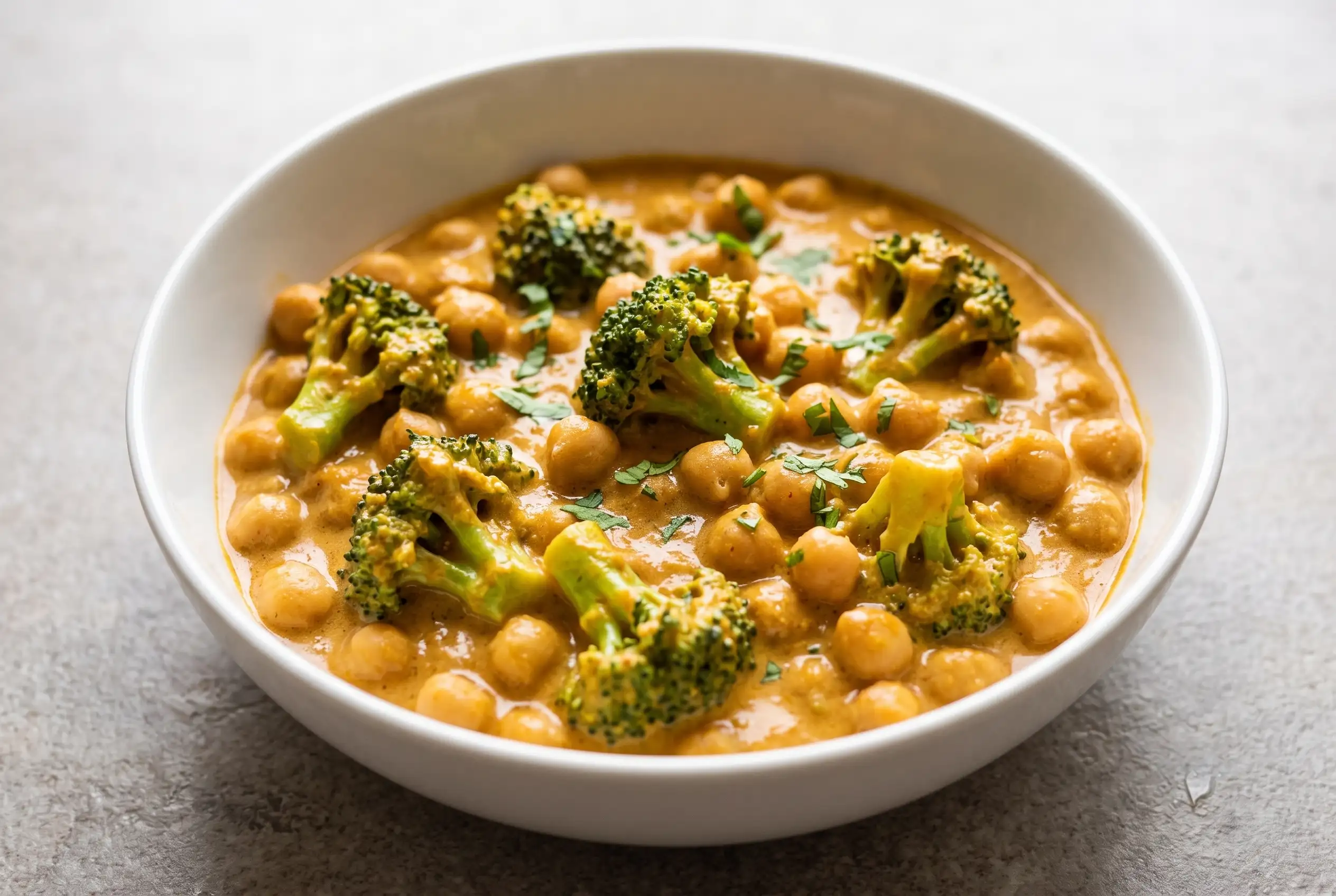 This Recipe
Coconut curry brings together creamy coconut milk, bold red curry paste, tender vegetables, and chickpeas in a simple meal built around contrast. The combination creates a satisfying balance of richness, spice, and texture without requiring a long ingredient list. A well-prepared 5 ingredient coconut curry depends on small cooking decisions, including how the vegetables are softened, when the sauce is thickened, and how the flavors are allowed to come together.
The appeal comes from the way a few pantry-friendly ingredients work together. Coconut milk creates the smooth base, curry paste provides concentrated seasoning, broccoli adds freshness, and chickpeas make the dish hearty. Understanding how these elements interact helps home cooks adjust the texture and flavor while keeping the preparation focused.
Coconut curry gains depth from coconut milk and curry paste
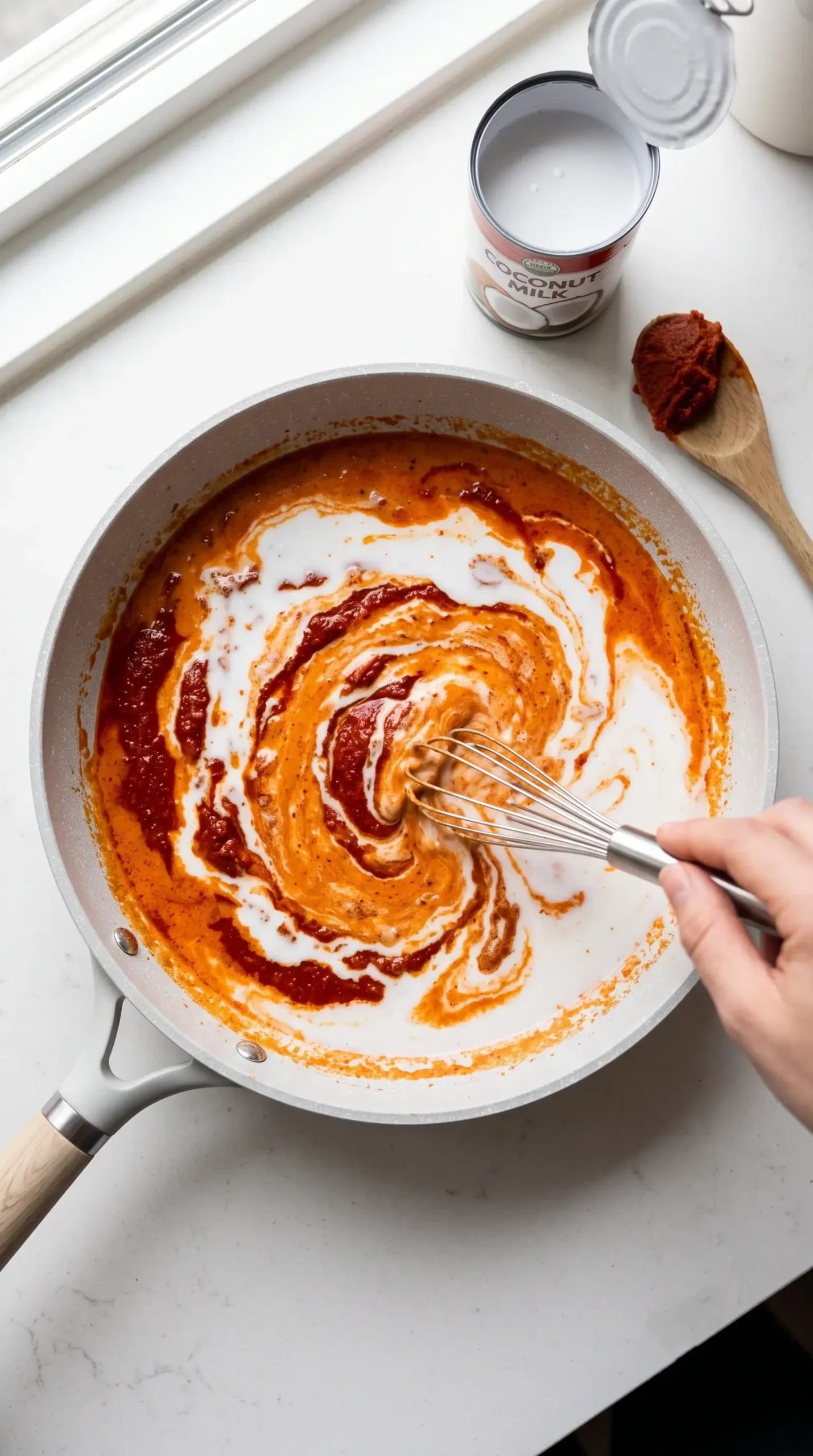
Creamy coconut milk creates the foundation of the sauce, allowing the red curry paste to spread evenly throughout the dish. The richness of the coconut milk softens the sharper notes of the curry paste and creates a smooth coating for the vegetables and chickpeas.
Red curry paste works best when it is fully blended into the coconut milk instead of remaining in concentrated pockets. Whisking it through the sauce helps distribute its flavor so each bite has a consistent seasoning level. The amount of paste can also influence the final heat and intensity, making it one of the most noticeable choices in the finished dish.
Chickpea coconut curry gets its satisfying character from the interaction between the creamy sauce and the firm texture of the beans. The chickpeas absorb some of the surrounding flavor while maintaining enough structure to contrast with the softer broccoli and silky sauce.
| Component | Role in the curry | Cooking consideration |
|---|---|---|
| Coconut milk | Creates the creamy sauce base | Simmer gently to combine flavors |
| Red curry paste | Adds concentrated spice and seasoning | Whisk into the sauce for even distribution |
| Chickpeas | Add texture and substance | Add after the sauce is flavored |
Chickpeas and broccoli shape the texture of this bowl
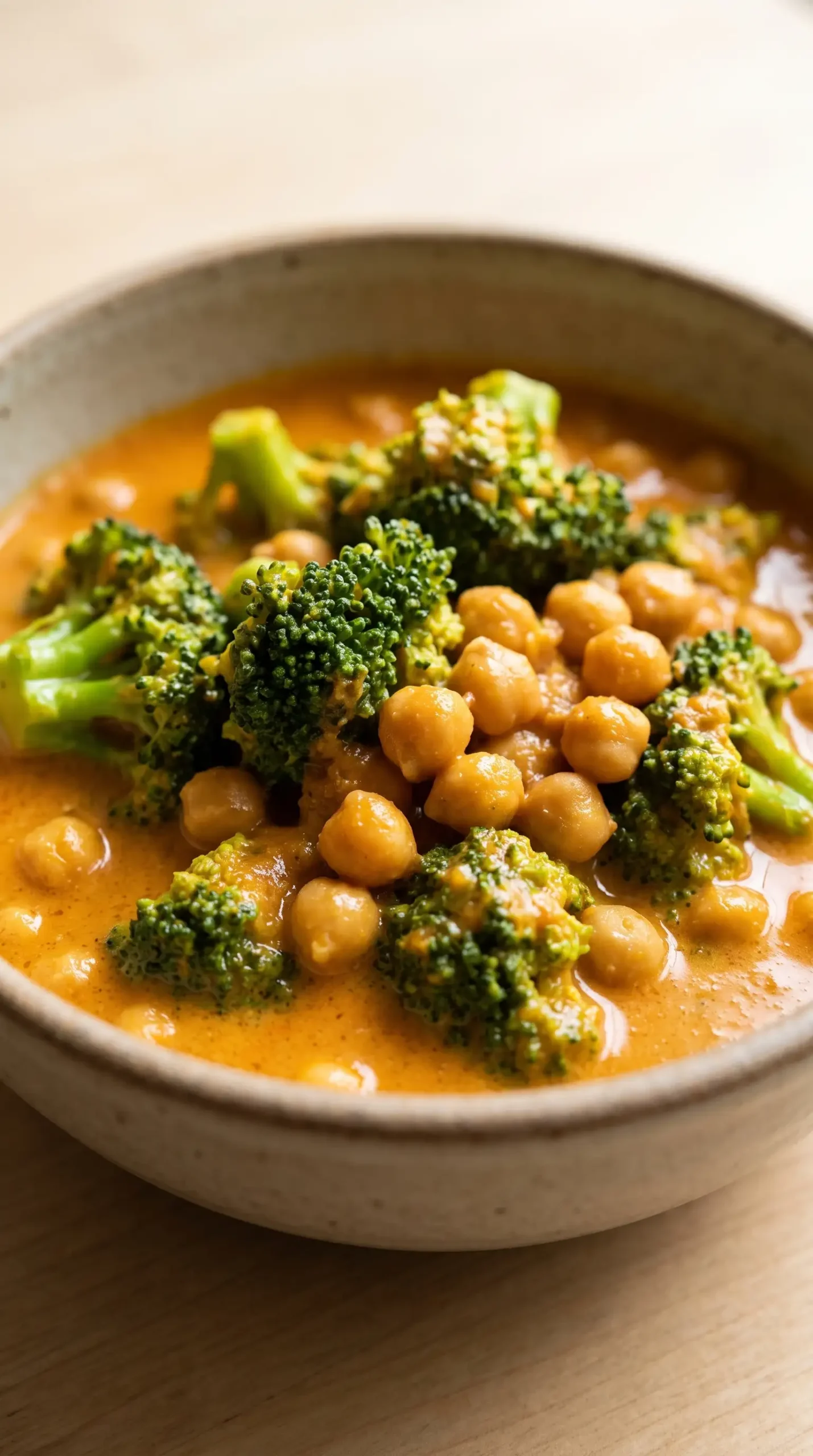
Broccoli and chickpeas create the contrast that makes this coconut curry feel complete. The broccoli should remain tender while keeping some firmness, while the chickpeas provide a steady bite that balances the creamy sauce.
Coconut milk decisions improve the finished curry
The most important ingredient choice in coconut curry is selecting coconut milk that can create a smooth, cohesive sauce. Because it becomes the main liquid element, its texture affects how the curry coats the vegetables and chickpeas.
For a curry with a rich, creamy sauce, canned coconut milk is the best choice because it has the thicker texture and higher coconut solids needed for a fuller sauce.
Stirring the coconut milk thoroughly before adding other flavors helps prevent uneven richness throughout the pan. A consistent sauce allows the curry paste to blend more easily and gives the vegetables a more balanced coating.
Optional additions such as minced garlic or onion can bring extra savory notes to the base, but they should support the main flavors instead of distracting from the coconut and curry combination. When included, they are best cooked alongside the broccoli so their flavor becomes part of the overall sauce.
Timing choices keep coconut curry balanced in the pan
Careful timing affects the difference between vegetables that feel lively and vegetables that become overly soft. Broccoli needs enough heat to soften while still holding its shape, which helps the finished dish maintain contrast.
Adding the curry paste after the coconut milk is in the pan allows it to blend into the sauce instead of sticking directly to the vegetables. This creates a more even flavor throughout the meal and makes the creamy texture more noticeable.
Thickening the sauce requires attention because cornstarch changes the consistency quickly once it reaches heat. Adding the dissolved mixture gradually and allowing the curry to cool slightly afterward gives the sauce time to reach its final texture.
- Vegetable texture: Keep broccoli tender-crisp so it adds structure to the creamy sauce.
- Sauce blending: Combine curry paste thoroughly so the seasoning reaches every portion.
- Thickening stage: Allow the sauce to settle after adding cornstarch because the consistency continues to develop.
Common coconut curry mistakes that affect sauce and texture
Several small errors can change the balance of coconut curry. Adding ingredients in the wrong order or overlooking texture changes can leave the sauce less cohesive than intended.
One common mistake is cooking the broccoli until it loses all firmness. Over-soft vegetables can disappear into the sauce, removing the contrast that makes the dish enjoyable. Keeping an eye on the texture during simmering helps preserve the vegetable character.
Another issue is failing to combine the curry paste with the coconut milk completely. Uneven mixing can create stronger pockets of seasoning instead of the consistent flavor expected from the finished sauce.
Using undissolved cornstarch can also create uneven thickening. Mixing it with cold water first allows it to enter the pan smoothly and helps the sauce develop a more uniform texture.
Simple adjustments create different servings of coconut curry
The flexible vegetable base allows coconut curry to adapt to seasonal produce while keeping the creamy sauce structure intact. Roasted squash adds a naturally sweet, tender element that pairs with coconut milk and curry seasoning in a squash coconut curry variation that uses vegetables as the centerpiece of the meal.
Storing coconut curry keeps its texture consistent
Stored coconut curry can continue to develop flavor as the ingredients rest together. Reheating gently helps maintain the creamy sauce texture and prevents the vegetables from becoming unnecessarily soft.
Serving ideas highlight the creamy chickpea coconut curry base
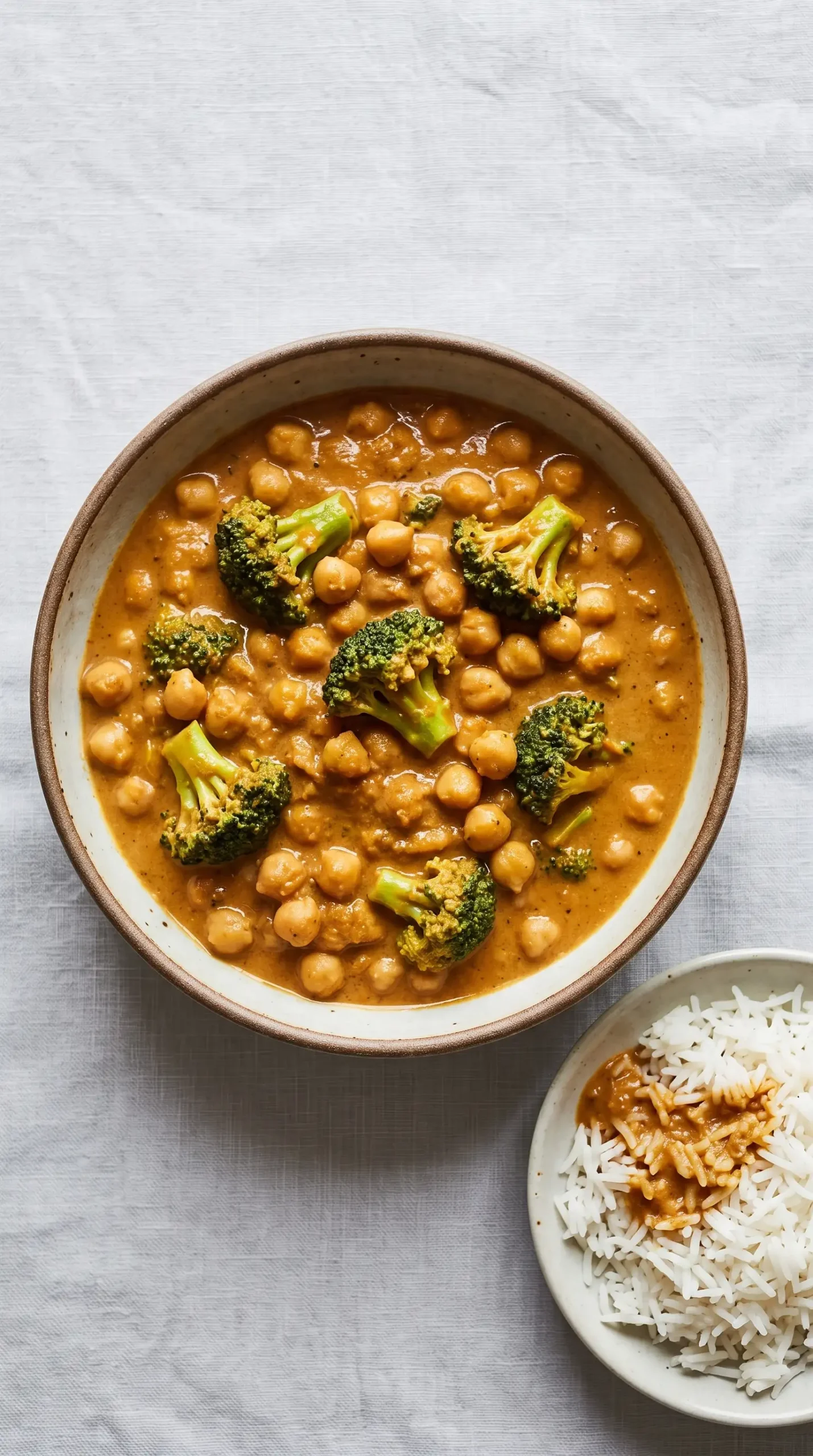
The thick, flavorful sauce makes coconut curry easy to pair with simple accompaniments. The creamy texture works well with foods that can absorb the sauce without competing with the curry flavors.
Rice is a natural pairing because it provides a neutral base for the coconut and curry flavors. A serving option that absorbs the sauce can make the chickpeas and vegetables feel more substantial.
Fresh toppings or simple additions can also change the presentation without altering the core preparation. The focus remains on the balance between creamy sauce, vegetables, and seasoned chickpeas.
| Serving approach | What it emphasizes | Why it works |
|---|---|---|
| Over rice | Sauce and creaminess | Creates a base for soaking up the curry |
| With extra vegetables | Fresh texture | Adds variety while keeping the same sauce style |
| As a standalone bowl | Chickpea and broccoli balance | Keeps the focus on the main ingredients |
Red curry paste choices guide the flavor direction
Red curry paste determines much of the character of this dish, so choosing a paste with a flavor profile you enjoy is an important step. Different brands can vary in spice level and seasoning balance, which may slightly change the finished curry.
Broccoli preparation changes the vegetable texture
Broccoli size influences how quickly it softens and how it feels alongside the sauce. Smaller pieces blend more closely with the curry, while larger pieces create more noticeable vegetable bites.
Cooking the broccoli before the sauce develops allows the vegetable to reach the desired tenderness without relying on a long simmer. This approach protects the texture while still allowing the coconut milk and curry flavors to surround each piece.
Choosing fresh broccoli with firm pieces helps maintain a pleasant structure after cooking. The vegetable should complement the creamy sauce by adding contrast instead of becoming indistinguishable from it.
Pantry planning makes 5 ingredient coconut curry accessible
Keeping coconut milk, curry paste, chickpeas, and a few flexible vegetables available makes 5 ingredient coconut curry a practical option when a simple meal is needed. The short ingredient list leaves room for small adjustments while preserving the main flavor structure.
Coconut curry reaches its best balance through texture control
Coconut curry succeeds when the creamy sauce, tender vegetables, and chickpeas maintain their individual qualities while working together. Paying attention to vegetable firmness, sauce consistency, and curry paste distribution creates a more balanced result from the same simple ingredients.
Coconut curry questions about texture, substitutions, and preparation
Can coconut curry be made with other vegetables?
Yes, vegetables that cook well in a creamy sauce can replace or join the broccoli. The best choices are those that can soften while still providing some texture after simmering.
How can the sauce become thicker without changing the flavor?
The dissolved cornstarch helps create a thicker sauce without adding another strong flavor. Allowing the curry to cool slightly after thickening also helps the texture settle.
Can chickpea coconut curry be prepared ahead of time?
Yes, preparing it ahead can allow the flavors to blend further. Reheating gently is helpful because it keeps the coconut sauce smooth and protects the texture of the vegetables.
Why does my coconut curry taste uneven?
Uneven flavor often comes from curry paste that has not been fully combined with the coconut milk. Thorough mixing helps distribute the seasoning throughout the sauce.
What can I add if I want more savory flavor?
Minced garlic or onion can add extra savory depth when cooked with the broccoli. These optional additions blend into the sauce while keeping the coconut and curry flavors prominent.
Coconut Curry with Coconut Milk, Chickpeas and Vegetables
Coconut curry is a creamy, hearty meal with a rich sauce, tender vegetables, and satisfying chickpeas. It is an easy choice for a flavorful weeknight dish made with a simple ingredient list.
Ingredients
Method
Preparation
- Saute broccoli and optional onion or garlic in a tablespoon of oil.
- After a few minutes, add the coconut milk and simmer for 5-8 minutes until the broccoli is softened while remaining tender-crisp.
Cooking
- Add the curry paste to the pan and whisk until it is fully combined with the coconut milk. Stir in the chickpeas.
- Bring the mixture to a slight boil, add the dissolved cornstarch, and boil for about a minute.
- Reduce the heat and allow the curry to cool slightly as the sauce thickens.
Notes
Keep the broccoli tender-crisp during cooking so it maintains texture in the creamy sauce.