From breakfast to dinner, from wholesome meals to indulgent desserts, Nexa Recipes offers quick, easy, and delicious ideas for every occasion and every moment.



 This Recipe
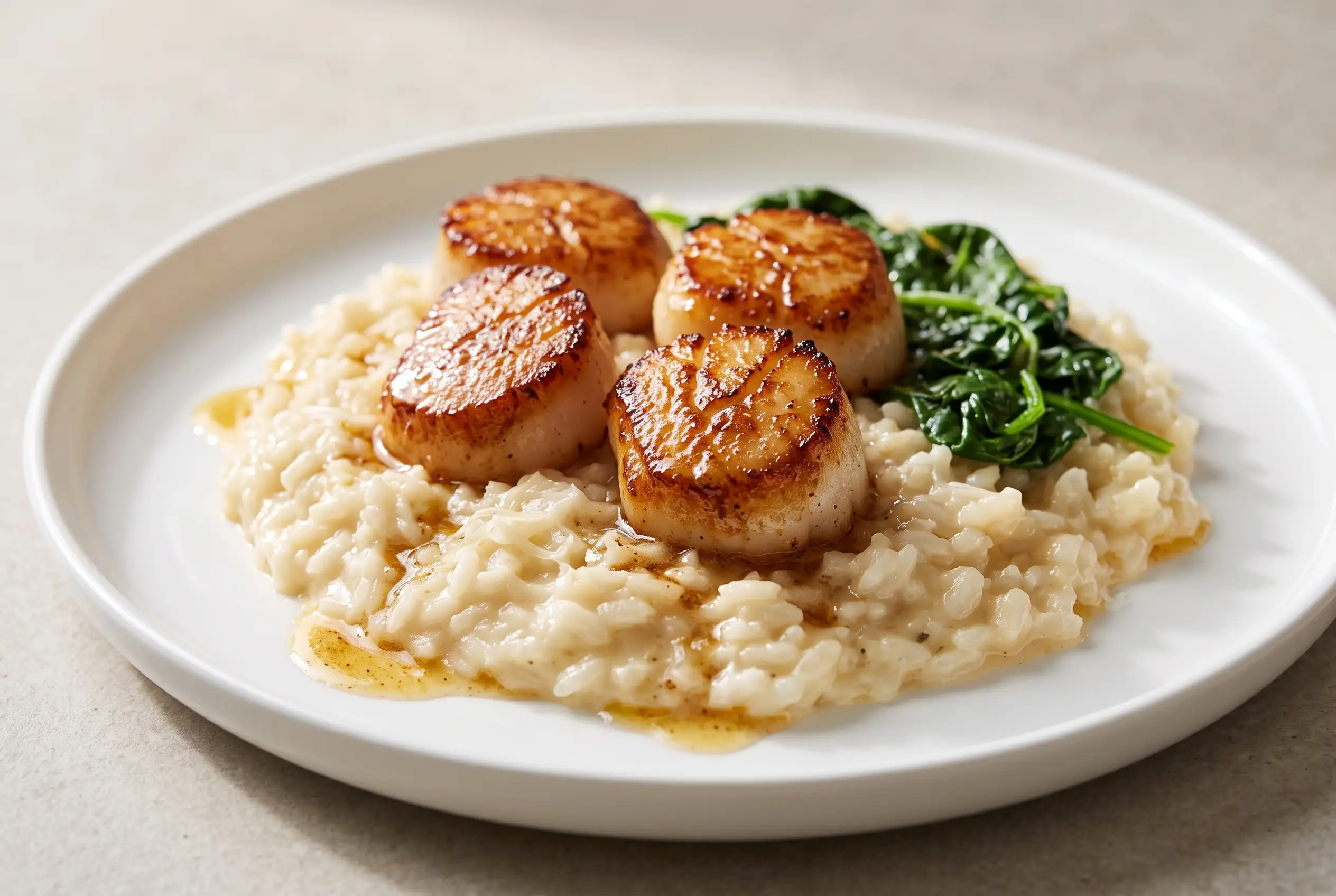
Brown butter scallops bring together sweet seafood, nutty browned butter, and creamy rice in a dish where each cooking decision shapes the finished plate. Brown butter scallops with Parmesan risotto rely on careful heat control, from creating a golden crust on jumbo scallops to building a smooth risotto texture with Arborio rice and Parmesan.
Brown Butter Scallops Build a Balance of Rich and Fresh Flavors
The combination of seared scallops, creamy rice, wilted greens, and brown butter creates contrast in every bite. The seafood provides a delicate sweetness, while the toasted butter finish adds depth that connects the scallops to the Parmesan risotto.
Careful timing matters because the different elements have their own ideal texture. Scallops need a dry surface and strong heat for browning, while risotto needs gradual liquid additions and frequent attention to develop its creamy consistency.
Parmesan Risotto with Scallops Depends on Arborio Rice Technique
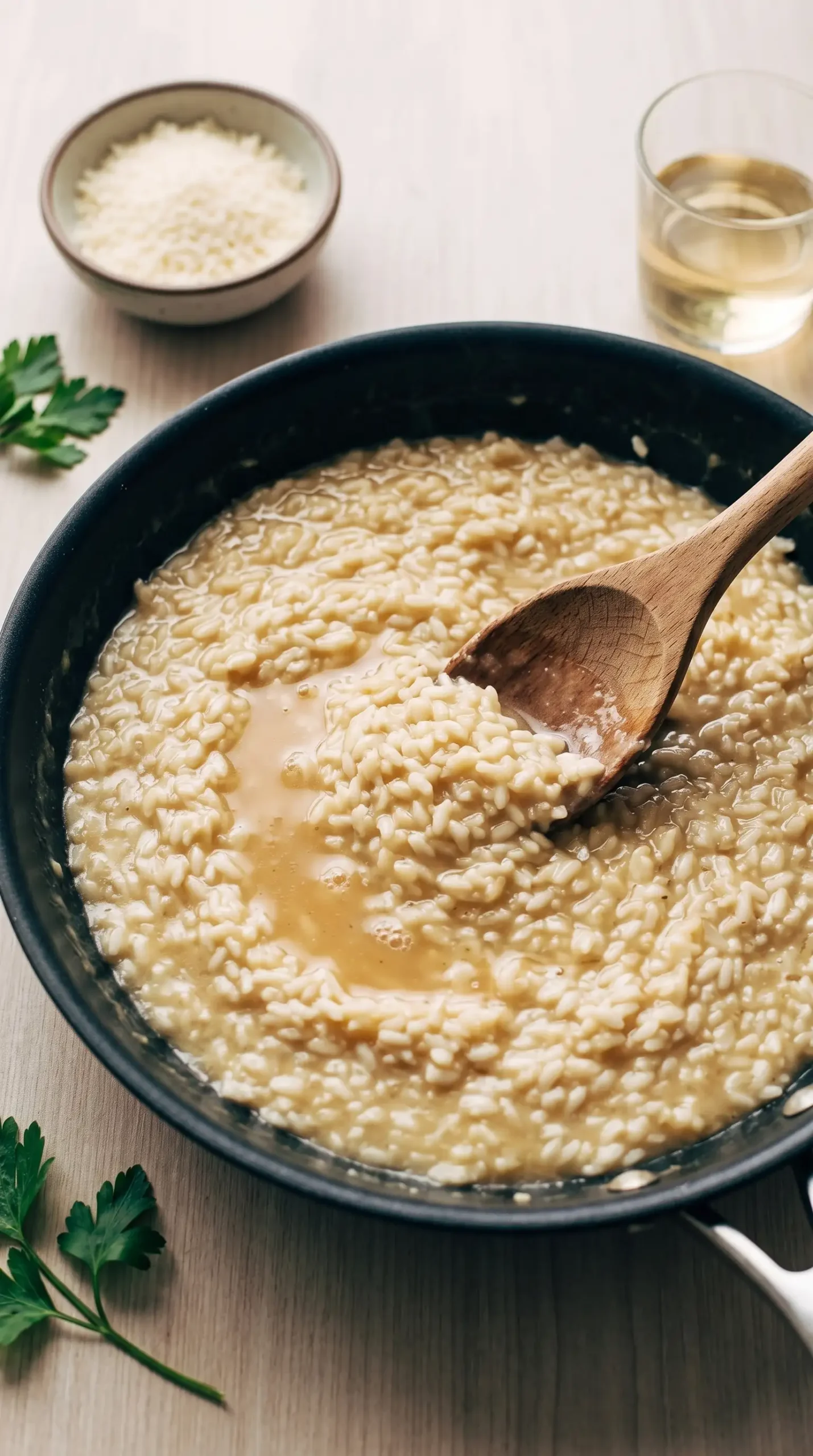
Arborio rice gives this style of risotto its signature texture because the grains release starch as they cook. Adding broth gradually while stirring allows the rice to soften while maintaining the creamy quality associated with a well-made risotto.
Patience during the rice stage creates a stronger foundation for scallops with Parmesan risotto. The white wine begins the flavor development, and the Parmesan added near the end brings the creamy finish together without overwhelming the seafood.
Extra liquid can be useful when adjusting the consistency. A risotto that feels too firm can often be loosened with additional warm broth, helping the grains stay surrounded by a smooth sauce-like texture.
| Cooking element | Key observation | Desired result |
|---|---|---|
| Arborio rice | Stir after each broth addition | Creamy texture with tender grains |
| Jumbo scallops | Look for strong sizzling when added to the pan | Golden exterior with opaque center |
| Brown butter | Watch for golden color and foam | Nutty finishing drizzle |
Brown Butter Adds a Toasted Finish to the Seafood Plate
Butter changes character when heated carefully. As it foams and turns golden, the milk solids brown, creating deeper toasted flavors that turn the butter into a finishing element for the scallops, greens, and risotto.
Removing the butter from heat as soon as it reaches the desired color helps protect the delicate browned milk solids. The finished drizzle should bring aroma and richness without becoming bitter.
- Golden appearance: Signals that the butter has developed toasted flavors.
- Foamy stage: Shows active moisture leaving the butter as browning begins.
- Heat removal: Prevents the color from progressing too far after cooking.
Dry Scallops Create the Golden Crust This Dish Needs
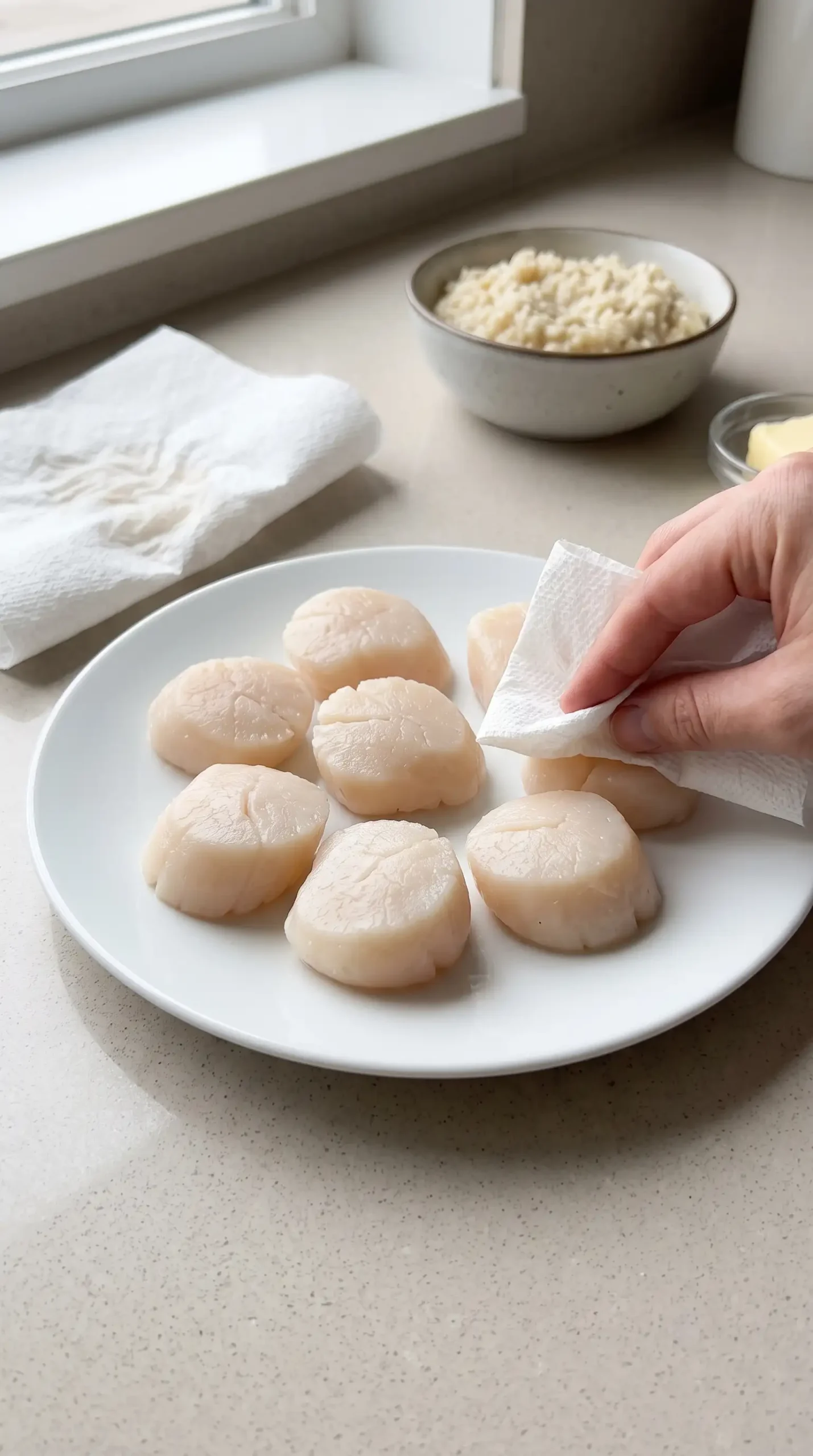
Moisture on the surface of scallops can interfere with browning because the pan must first evaporate that water before the exterior can develop color. Drying the scallops thoroughly before seasoning helps the surface contact the heat more effectively.
High-quality browning also depends on avoiding overcrowding. Each scallop needs enough contact with the pan so the exterior can become golden while the inside remains tender.
Cooking Control Protects Brown Butter Scallops Texture
Heat management is the central cooking skill behind brown butter scallops. The pan should be hot enough for scallops to sizzle immediately, but the butter used for finishing requires close observation at a lower intensity to avoid over-browning.
Risotto requires a different kind of control. Gentle simmering and regular stirring encourage the rice to release starch while keeping the texture creamy. Rushing the process with all the broth at once changes how the rice cooks and can affect the finished consistency.
Visual cues provide reliable guidance throughout preparation. Scallops should develop a golden exterior and an opaque interior, while the risotto should appear creamy and cohesive after Parmesan is incorporated.
Greens Bring Contrast to Parmesan Risotto with Scallops
Spinach or kale adds a fresh element that balances the richness of the risotto and browned butter. Cooking the greens briefly with garlic keeps their texture tender while preserving their role as a bright accompaniment.
Common Brown Butter Scallops Mistakes That Reduce Flavor
Small preparation errors can change the texture and appearance of brown butter scallops. Paying attention to moisture, heat, and timing prevents the most common problems with this seafood and risotto combination.
- Wet scallop surfaces: Prevent proper browning by creating excess moisture in the pan. Pat scallops very dry before cooking.
- Cool cooking oil: Leads to weak searing instead of a golden exterior. Wait for the pan to provide an immediate sizzle.
- Overheated butter: Pushes browned butter beyond its ideal flavor. Remove it once the color becomes golden and fragrant.
- Undercooked rice texture: Happens when risotto does not receive enough gradual liquid or stirring time. Adjust with additional broth if needed.
White Wine and Parmesan Shape the Risotto Foundation
White wine introduces acidity that helps balance the richness of butter and cheese. Added after the rice is coated, it creates the first layer of flavor before the broth gradually develops the creamy texture.
Parmesan works as both a seasoning element and a texture enhancer. Stirring it into the finished risotto allows the cheese to blend with the rice rather than forming separate pockets of flavor.
Nonstick Skillet Choices Support Even Scallop Searing
A nonstick skillet makes it easier to handle scallops while they develop color. Gentle shaking can help prevent sticking, allowing the seafood to release more naturally once the exterior has cooked.
Brown Butter Scallops Risotto Allows Simple Serving Variations
The core combination of scallops, risotto, greens, and brown butter can be adjusted while keeping the same balance of creamy, savory, and fresh flavors.
- Greens swap: Use spinach or kale depending on the texture and flavor you prefer.
- Flavor adjustment: Add garlic, shallot, or both during the rice preparation for a deeper aromatic base.
- Finishing choice: Drizzle browned butter across the complete plate so each component receives the toasted flavor.
Serving Parmesan Risotto with Scallops at Its Best
Serving immediately helps preserve the contrast between creamy rice and freshly seared scallops. As the dish rests, the risotto continues absorbing moisture, and the scallop crust can lose some of its texture.
Seafood plates often benefit from a balanced starch component; baked coconut shrimp with honey butter sauce and rice pairs a seafood entrée with rice to create a complete serving structure.
Preparing Brown Butter Scallops for a Restaurant-Style Finish
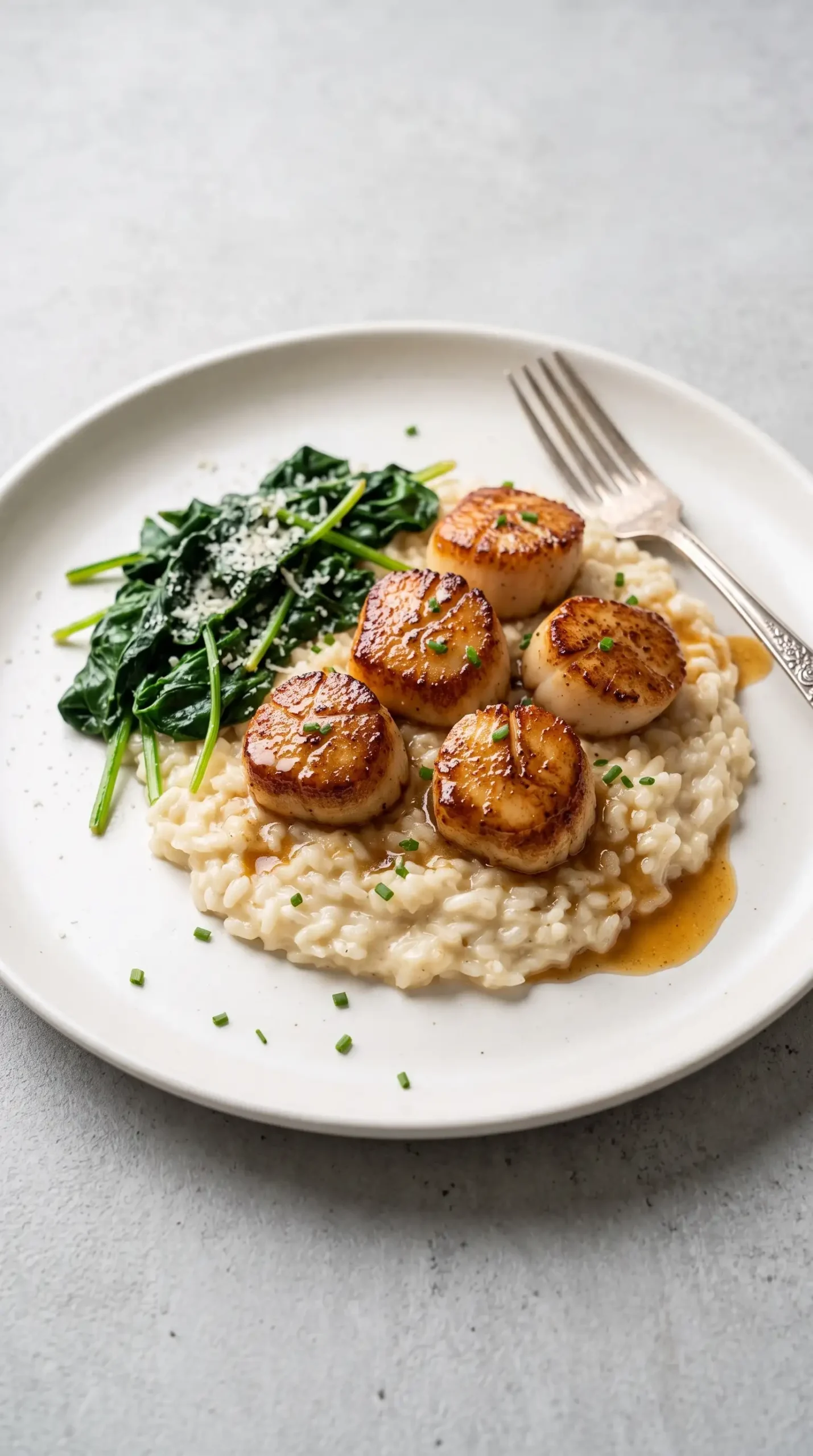
Restaurant-style presentation comes from keeping each component distinct while allowing the flavors to connect. A spoonful of creamy risotto, a portion of greens, and carefully browned scallops create a balanced arrangement finished with the nutty butter drizzle.
Brown Butter Scallops Reveal the Value of Careful Heat
Brown butter scallops succeed because each element responds to careful temperature decisions. The scallops need enough heat for a golden crust, the risotto needs steady cooking to become creamy, and the finishing butter needs attention at the exact moment it becomes fragrant and golden.
The combination of Parmesan risotto, tender seafood, greens, and toasted butter creates a complete plate built around texture and timing. When those controls are respected, the dish delivers the contrast that makes it memorable.
Brown Butter Scallops Questions and Answers
How do you know scallops are cooked properly?
Scallops are ready when the outside has a golden brown surface and the center appears opaque. The seafood should feel tender while still holding its shape, without becoming dry or firm.
Can brown butter scallops risotto use another type of rice?
Arborio rice is the best match for the creamy texture expected from risotto because it releases starch during cooking. Other rice varieties may produce a different texture and will not create the same consistency.
Why does risotto need broth added gradually?
Adding broth in smaller amounts allows the rice to absorb liquid while releasing starch into the surrounding sauce. This process helps create the creamy texture that defines Parmesan risotto.
What causes scallops to turn out pale instead of golden?
Scallops often remain pale when their surface contains too much moisture or when the pan is not hot enough at the start of cooking. Drying them thoroughly and waiting for a strong sizzle improves browning.
How should leftover scallops and risotto be handled?
Store leftover components separately when possible because scallops and risotto reheat differently. Gentle reheating with attention to moisture can help maintain a better texture than prolonged high heat.
Brown Butter Scallops with Creamy Parmesan Risotto
Brown Butter Scallops with Creamy Parmesan Risotto is a rich seafood dish featuring tender scallops, creamy risotto, and a nutty brown butter finish. It is a comforting choice when you want an elegant meal with balanced textures and deep savory flavor.
Ingredients
Method
Risotto
- Melt the butter in a large non-stick skillet over medium heat. Add the garlic or shallots and sauté for a minute or two until softened and fragrant.
- Stir the Arborio rice into the butter mixture until coated. Add the white wine, then add the broth 1/2 cup at a time, simmering and stirring after each addition until the rice becomes soft and creamy.
- Mix in the Parmesan cheese until fully incorporated. Season with salt and pepper to taste.
Scallops
- Heat the oil in a nonstick skillet. Pat the scallops very dry, season with salt, and place them in the pan.
- Gently shake the pan to help prevent sticking. Cook for 2-3 minutes, then turn each scallop over and continue until the exterior is golden and the center is opaque.
- Transfer the scallops to a paper towel-lined plate to absorb excess oil. Serve immediately.
Greens
- Heat the oil over medium-low heat. Add the garlic and stir for about a minute to release its flavor.
- Add the spinach or kale and cook, stirring, until wilted.
Brown Butter Finish
- Place the butter in a clean skillet over medium heat and stir while watching closely. When the butter becomes golden and foamy, remove it from the heat.
- Transfer the browned butter to a heat-proof bowl to cool slightly, then drizzle it over the risotto, scallops, and greens.
Notes
Pat the scallops very dry before cooking to help create a golden exterior.