From breakfast to dinner, from wholesome meals to indulgent desserts, Nexa Recipes offers quick, easy, and delicious ideas for every occasion and every moment.



 This Recipe
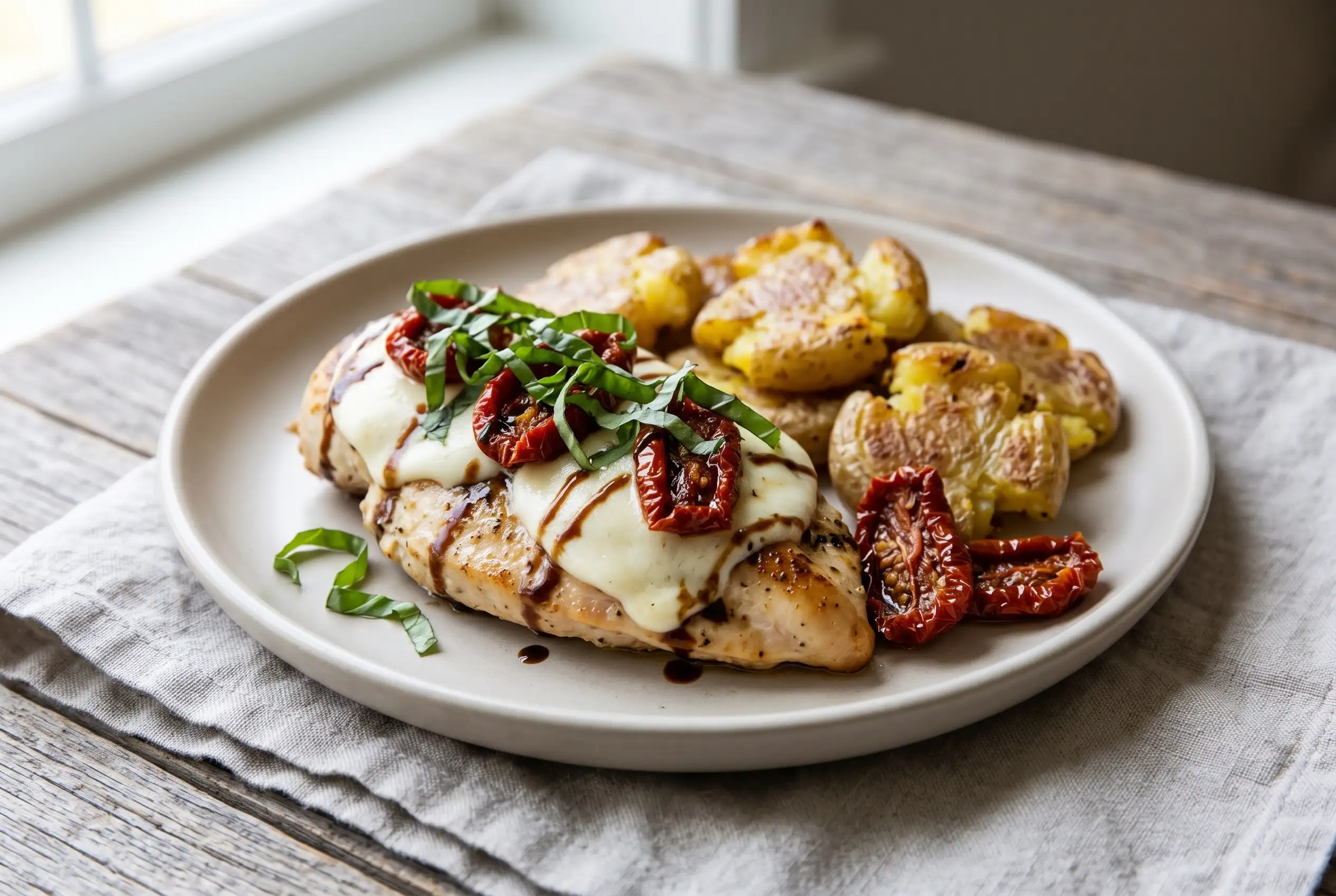
Caprese chicken combines tender chicken, melted cheese, tomatoes, basil, and balsamic reduction into a dinner that connects classic Italian flavors with a practical skillet-and-oven approach. The addition of smashed potatoes gives caprese chicken a hearty side that shares the same roasted, savory character while bringing a crisp texture to the plate.
Caprese Chicken Brings Italian-Inspired Layers to Dinner
The appeal of caprese chicken comes from the way each layer remains recognizable after cooking. The chicken provides a mild foundation for creamy cheese and sweet tomatoes, while basil and balsamic reduction introduce fresh and tangy notes after the oven work is finished.
Unlike a dish built around a heavy sauce, the toppings stay focused on simple contrasts. Warm cheese softens over the chicken, roasted or sun dried tomatoes bring concentrated flavor, and the fresh herbs are added at the end so their character remains noticeable.
Serving caprese chicken with potatoes creates a complete meal where the side dish supports the main without competing for attention. The smashed potatoes use the same oven heat to develop a browned exterior, making them a natural match for the chicken.
Smashed Potatoes Create a Crisp Companion for Caprese Chicken

Small red or gold potatoes work especially well for smashed potatoes because their size allows the centers to stay tender while the flattened surfaces have room to brown. Gentle mashing keeps the potato pieces connected instead of turning them into a loose layer.
Garlic powder, olive oil, salt, and pepper provide the seasoning foundation, but the finishing herbs bring a fresher note. Parsley or chives can be scattered over the potatoes before serving to add color and a mild herbal flavor.
| Potato choice | Texture after baking | Best handling approach |
|---|---|---|
| Small red potatoes | Creamy center with firm skin | Mash gently to keep shape |
| Small gold potatoes | Soft interior with smooth texture | Flatten evenly for browning |
| Larger potatoes | Less consistent pieces | Cut before cooking if used |
Havarti, Tomatoes, and Basil Shape the Ingredient Balance
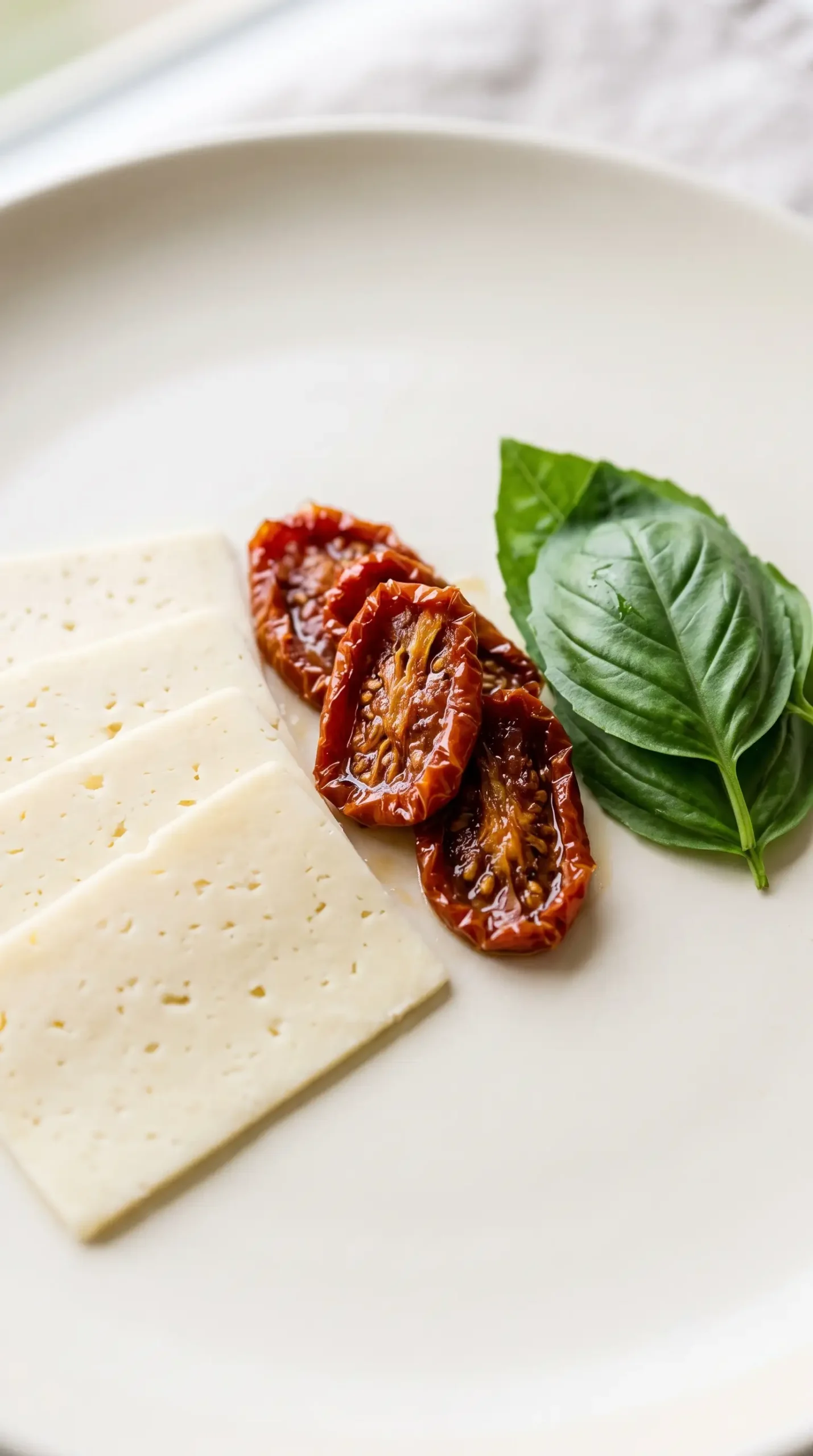
The ingredient choices most likely to change caprese chicken are the cheese, tomatoes, and finishing herbs. Havarti melts smoothly and provides a creamy layer, but the recipe also allows flexibility with other cheeses that melt well.
Roasted or sun dried tomatoes bring concentrated tomato flavor without requiring a separate sauce. Their texture holds up beneath the melted cheese and creates a contrast with the fresh basil added after baking.
Choosing ingredients with different roles prevents the finished plate from feeling one-dimensional. The cheese handles richness, tomatoes provide acidity and texture, and basil adds freshness once the heat is removed.
Balsamic Reduction Adds the Finishing Contrast
A balsamic reduction changes the final flavor direction by adding sweetness and acidity in a concentrated drizzle. Simmering balsamic vinegar until it thickens and coats the back of a spoon creates a consistency that can be applied lightly over the chicken.
Chicken Preparation Choices Affect the Final Texture
Cutting chicken breasts lengthwise into thinner pieces helps create portions with a more even thickness. Even pieces cook more consistently because thinner areas are less likely to dry out before thicker areas are finished.
Seasoning the chicken simply with salt, pepper, and olive oil keeps the focus on the caprese toppings. Browning the pieces before adding the cheese and tomatoes also develops a deeper surface flavor before the oven completes the cooking.
- Even thickness: Slice carefully so each piece cooks at a similar pace.
- Gentle handling: Avoid pressing chicken excessively while browning to keep the surface texture intact.
- Timing awareness: Add toppings after browning so the cheese and tomatoes warm without unnecessary exposure to direct pan heat.
Caprese Chicken with Potatoes Fits Simple Serving Plans
Caprese chicken with potatoes works well when a warm main dish and a roasted side need to finish together. The potatoes can share oven space while the chicken receives its cheese and tomato topping, reducing the need for multiple cooking methods.
Cooking Control Keeps the Chicken and Potatoes on Track
The most important cooking control for this meal is managing texture at each stage. Potatoes need enough initial cooking to soften before smashing, but they also need enough surface exposure to develop browning in the oven.
Chicken requires a balance between browning and gentle finishing. Keeping the skillet at medium heat helps create color without overdeveloping the exterior before the cheese and tomatoes are added.
A useful visual check comes from the finished toppings. The cheese should appear melted over the chicken, while the potatoes should have browned edges and hold their flattened shape when transferred to the plate.
Common Caprese Chicken Mistakes to Avoid
Caprese chicken can lose its intended texture when a few preparation details are overlooked. Avoiding these problems helps preserve the contrast between juicy chicken, melted cheese, and crisp potatoes.
- Breaking potatoes apart: Pressing too firmly during smashing can create loose pieces that do not keep their structure while baking.
- Overloading toppings: Too many tomato or cheese layers can make the chicken harder to finish evenly in the oven.
- Adding basil too early: Baking fresh basil can reduce the bright flavor that makes it useful as a finishing ingredient.
- Skipping the browning step: Moving directly to oven cooking removes the surface development created in the skillet.
Smashed Potato Variations Change the Side Without Losing Character
The potato side can adapt to what is available while keeping the same overall approach. Red potatoes and gold potatoes both suit the smashing technique, and fresh herbs can be changed according to preference.
Additional seasoning should support the chicken instead of covering the caprese flavors. Garlic, herbs, and balanced seasoning work better here than strong additions that compete with the tomatoes, basil, and balsamic finish.
Storage and Reheating Keep Leftovers Ready
Cooked chicken and potatoes should be cooled and stored properly after serving. Keeping components in sealed containers helps preserve texture and makes later reheating more practical.
When reheating, gentle warming is useful for protecting the melted cheese and preventing the chicken from becoming dry. The potatoes may benefit from oven or skillet reheating because dry heat can help restore some surface crispness.
Serving Ideas Match the Fresh Toppings and Warm Base
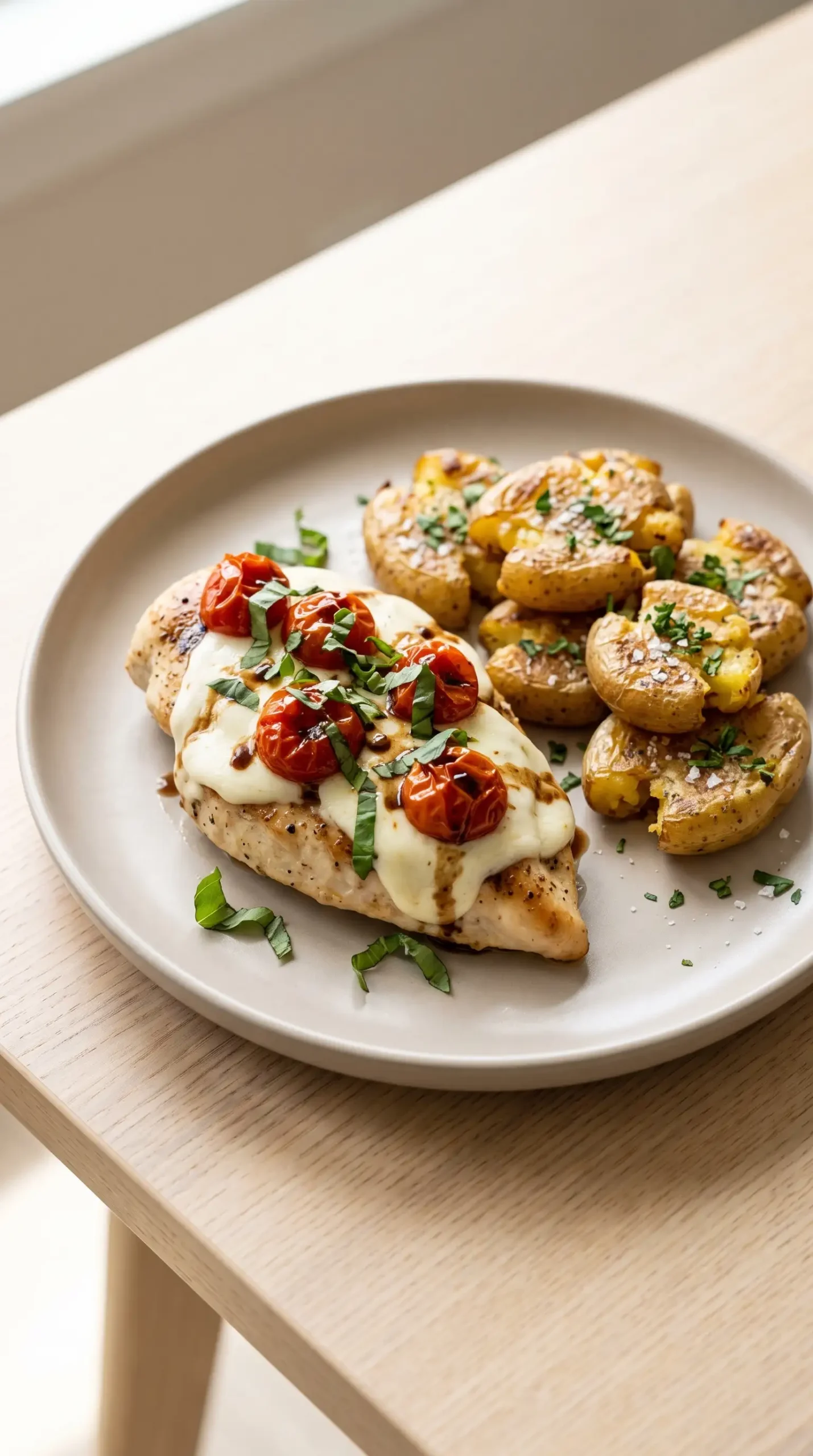
A simple presentation keeps the contrast between the hot chicken, browned potatoes, fresh basil, and balsamic drizzle visible. Adding the finishing elements close to serving time helps maintain their intended texture.
The meal can be paired with a light side salad or another vegetable when a larger spread is needed. The existing combination already includes protein, starch, cheese, tomatoes, and herbs, so additional sides can remain uncomplicated.
Selecting Cheese Alternatives Works With Caprese Chicken
Havarti is only one option for caprese chicken because the important quality is how the cheese melts with the tomatoes. Choosing a cheese that softens without overpowering the fresh toppings keeps the chicken balanced, whether the cheese is layered over the cutlets or folded into mozzarella chicken rolls.
| Cheese option | Texture after baking | Flavor direction |
|---|---|---|
| Havarti | Smooth and creamy | Mild and buttery |
| Mozzarella | Stretchy and soft | Classic caprese style |
| Provolone | Melted with a firmer bite | Slightly sharper |
Small Adjustments Refine the Baked Caprese Chicken Recipe
A baked caprese chicken recipe depends on timing choices more than complicated techniques. Keeping the chicken pieces even, managing the potato texture, and adding fresh toppings at the right moment all contribute to a balanced result.
Small adjustments can also fit different kitchens. The cheese can change, the herbs can vary, and the potato seasoning can be adapted while maintaining the recognizable combination of chicken, tomato, basil, and balsamic flavors.
Caprese Chicken with Smashed Potatoes Depends on Balance
Caprese chicken with smashed potatoes succeeds when each part keeps its own purpose. The chicken carries the melted cheese and tomato topping, while the potatoes provide a crisp, seasoned contrast that supports the main dish without distracting from it.
Careful attention to browning, topping placement, and finishing ingredients creates a plate where warm and fresh elements remain distinct. The result is a meal built around simple decisions that affect texture and flavor from the skillet to the serving dish.
Caprese Chicken Questions About Storage, Cheese, and Preparation
Can caprese chicken be made with a different cheese?
Yes, cheeses such as mozzarella or provolone can replace havarti. Choose a cheese that melts smoothly so it can combine with the tomatoes while still allowing the basil and balsamic flavors to remain noticeable.
How should the smashed potatoes stay crisp after cooking?
The potatoes keep more surface texture when they are smashed gently, coated with oil, and given enough space on the baking sheet. Reheating with dry heat can help bring back some of their browned exterior.
Can the balsamic drizzle be prepared ahead of time?
Yes, balsamic reduction can be made in advance and stored until needed. Simmering the vinegar until it thickens and coats the back of a spoon creates the concentrated consistency used for drizzling.
What helps prevent dry chicken in this dish?
Creating evenly sized chicken pieces and avoiding excessive cooking before the cheese and tomatoes are added helps maintain a better texture. Finishing the chicken with its toppings also adds moisture during the oven stage.
Is chicken with smashed potatoes suitable for meal preparation?
Chicken with smashed potatoes can be portioned for later meals when stored correctly. Keeping the components covered and reheating them gently helps preserve the flavors and textures developed during cooking.
Caprese Chicken with Smashed Potatoes and Balsamic Reduction
Caprese chicken with smashed potatoes is a comforting dinner featuring tender chicken, melted cheese, fresh basil, tomatoes, and a crisp potato side. It is a flavorful weeknight meal that balances creamy, savory toppings with a browned potato texture.
Ingredients
Method
Preparation
- Preheat the oven to 425°F (218°C). Place the potatoes in a pot, cover with water, and bring to a boil. Once boiling, cook for 10 minutes, then drain and let the potatoes cool slightly.
- Flatten each potato gently by covering it with a clean dish towel and pressing down while keeping the potato intact. Transfer the potatoes to a baking sheet, drizzle with olive oil, and season with garlic powder, salt, and pepper.
Baking
- Bake the prepared potatoes for 10-15 minutes until they develop a browned exterior.
Cooking
- Heat a small amount of oil in an oven-safe skillet over medium heat. Season the chicken with salt and pepper, then brown both sides without needing to cook it fully through.
- Add the roasted or sun dried tomatoes and cheese slices over the chicken. Move the skillet to the oven and bake for 8-10 minutes, until the chicken is cooked through and the cheese has melted.
Serving
- Finish the chicken with fresh basil and balsamic reduction. Serve alongside the smashed potatoes.
Notes
The balsamic reduction can be prepared by simmering about a cup of balsamic vinegar over medium heat in a small saucepan. Once the liquid has reduced significantly and coats the back of a spoon, remove it from the heat for a smooth balsamic drizzle.