From breakfast to dinner, from wholesome meals to indulgent desserts, Nexa Recipes offers quick, easy, and delicious ideas for every occasion and every moment.



 This Recipe
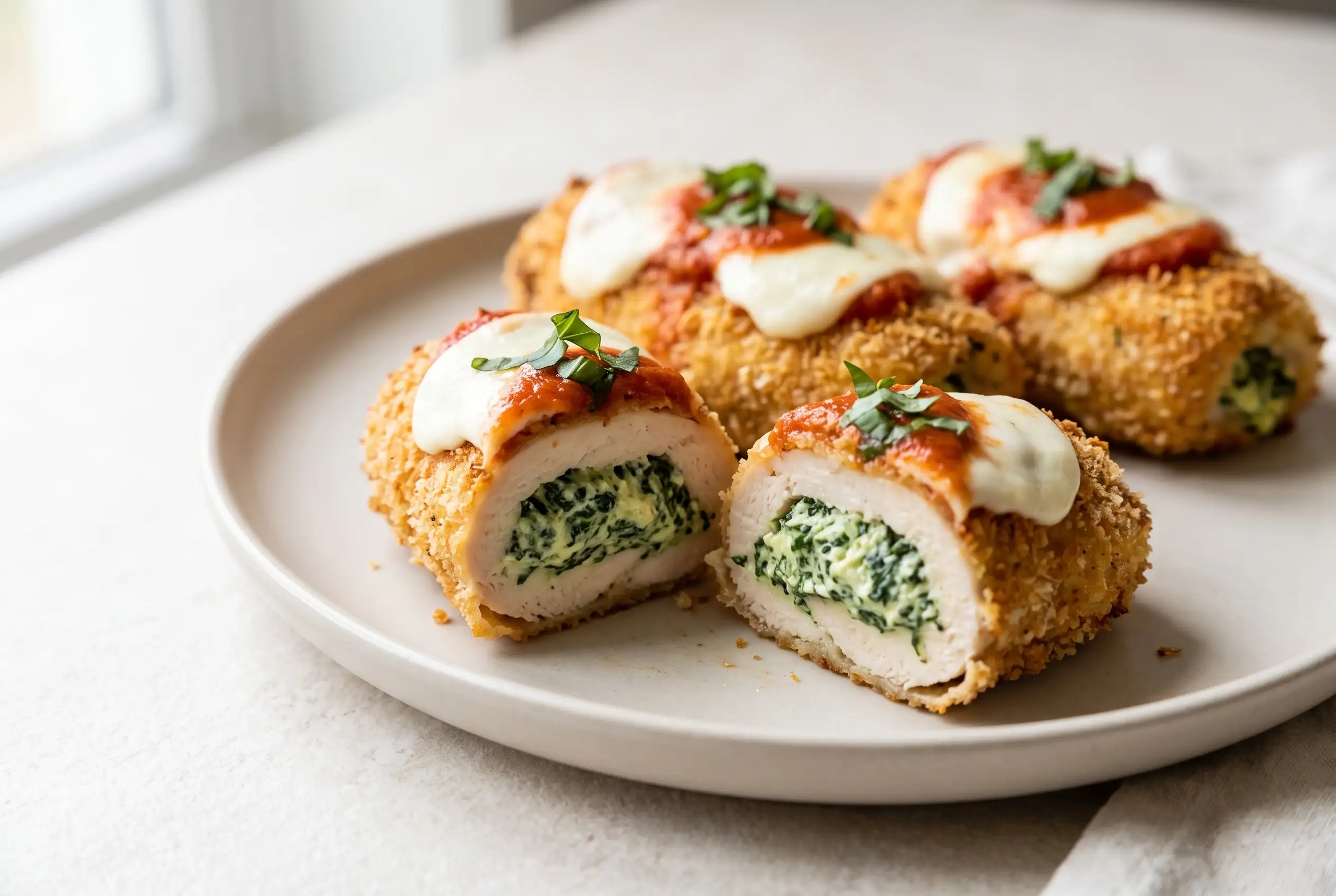
Mozzarella chicken rolls bring together thin chicken breast, a creamy spinach ricotta center, crisp seasoned breadcrumbs, and a melted cheese finish for a baked dinner with layers of texture. The combination works because the filling stays contained inside each roll while the outside develops a golden coating before marinara sauce and fresh mozzarella complete the dish.
Baked mozzarella chicken rolls are built around a few important choices: creating evenly thin chicken pieces, keeping the spinach mixture balanced, and leaving enough room for the breaded surfaces to brown. Those details help the chicken remain tender while the filling and topping create a satisfying contrast.
Mozzarella Chicken Rolls Create a Crispy Stuffed Dinner Center
Each portion of mozzarella chicken rolls starts with a simple transformation of boneless chicken breasts into a wider, thinner surface that can hold a savory filling. Pounding the chicken increases the area available for the spinach ricotta mixture and helps the pieces form a manageable roll.
The breaded exterior gives the dish its defining contrast. Seasoned crumbs surround the chicken before baking, creating a crisp layer that works with the creamy interior. Once marinara and mozzarella are added near the end, the texture changes into a combination of crunchy edges, tender meat, and melted cheese.
Unlike a layered casserole, stuffed mozzarella chicken rolls keep the filling portioned inside individual pieces. That structure makes each serving carry the same balance of spinach, ricotta, Parmesan, and mozzarella from the first bite to the last.
Spinach Ricotta Filling Shapes the Chicken Roll Balance
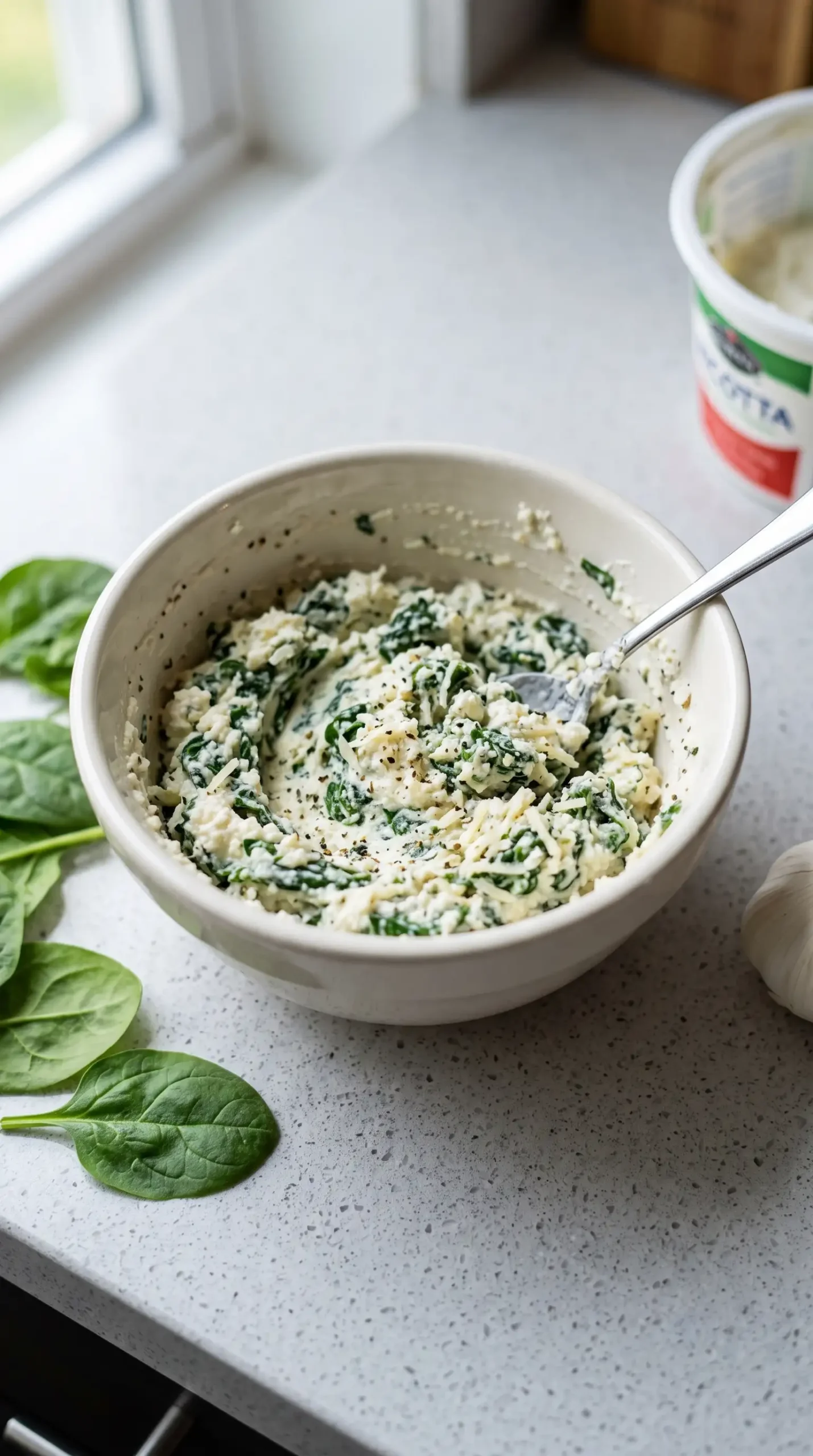
The spinach ricotta center is the ingredient decision that most affects the character of baked mozzarella chicken rolls. Fresh baby spinach is lightly cooked with garlic before it is combined with ricotta, Parmesan, and egg whites, creating a filling that can be placed inside the chicken without becoming overly heavy.
| Filling element | Preparation choice | Effect inside the roll |
|---|---|---|
| Spinach | Wilt briefly with garlic and olive oil | Creates a softer texture that blends into the filling |
| Ricotta cheese | Combine with spinach mixture | Adds a creamy interior layer |
| Parmesan cheese | Mix into filling and coating | Provides savory flavor in multiple areas |
| Egg whites | Use part for filling and part for coating | Helps bind the preparation steps together |
Fresh mozzarella plays a separate role from ricotta. The thin slices are added after the chicken has cooked through, allowing the cheese to melt over the marinara-covered rolls without changing the structure of the interior filling.
Pounding Chicken Opens Space for a Secure Roll
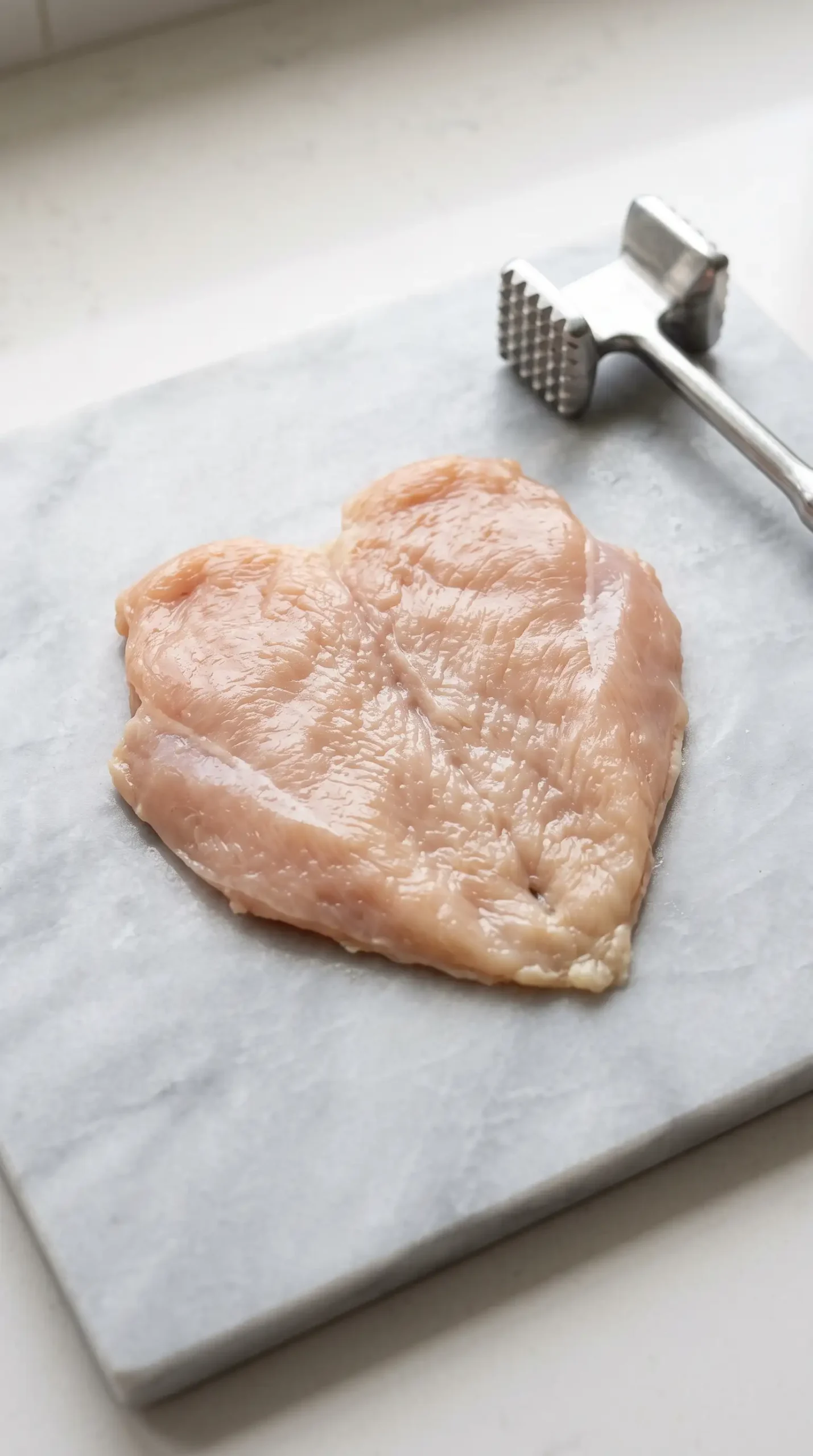
Thin chicken pieces make the rolling process possible because the filling needs enough surface area to sit in the center while the edges meet around it. pounding chicken breasts to an even thickness also helps the pieces cook more consistently across each roll.
Mozzarella Chicken Rolls Need Careful Oven Spacing for Crisp Coating
Oven technique determines whether the breadcrumb coating develops the texture expected from mozzarella chicken rolls. The breaded pieces should sit in the baking dish with room around them so hot air can reach the sides and help the coating brown.
When chicken pieces are pressed tightly together, the touching areas are exposed to moisture from neighboring rolls instead of direct oven heat. Leaving small spaces between portions supports a more evenly crisp surface before the sauce and cheese are added.
Temperature control also matters during the finishing stage. The chicken needs to be cooked through before marinara and mozzarella are placed on top, because the final minutes are focused on melting the cheese and bringing the topping together.
Marinara and Mozzarella Finish the Baked Chicken Surface
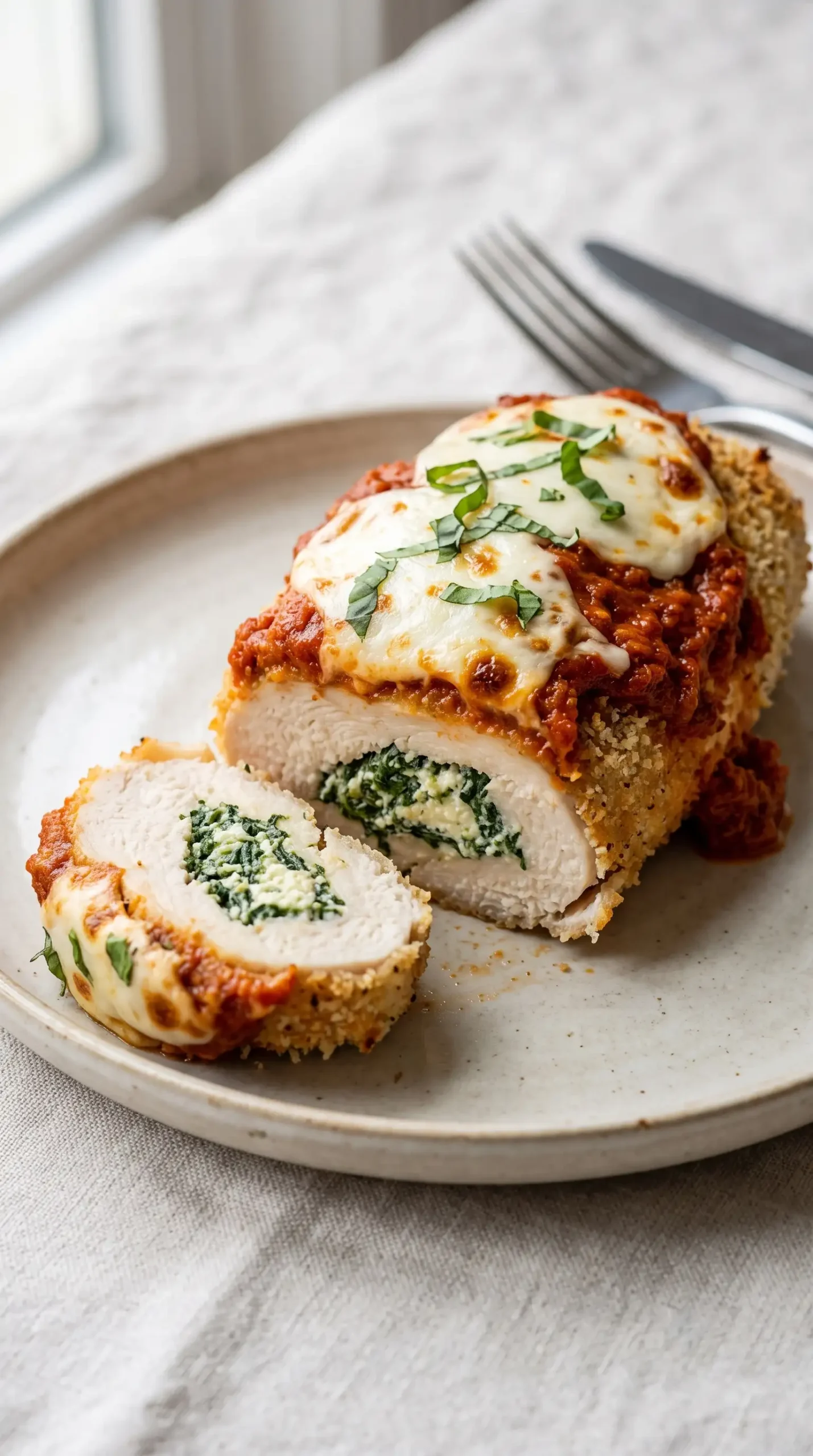
The sauce and cheese topping changes the baked mozzarella chicken rolls from a breaded entrée into a complete Italian-inspired dinner. Marinara adds moisture and tomato flavor, while fresh mozzarella creates a soft, melted layer across the top. A breaded chicken with tomato sauce and melted cheese preparation can follow the same type of finishing sequence when building a comforting baked chicken meal.
- Sauce placement: Add marinara after the initial baking stage so the coating has time to brown first.
- Cheese timing: Place fresh mozzarella near the end to focus on melting instead of extended baking.
- Basil finish: Sprinkle fresh basil after cooking for a lighter aromatic note.
This finishing approach keeps the different textures recognizable. The breadcrumb layer remains present beneath the sauce, while the mozzarella provides a creamy contrast against the seasoned exterior.
Breadcrumb Choices Change the Roll Texture
The whole wheat Italian-style breadcrumb coating does more than add flavor. It creates the outer layer that protects the chicken surface during baking and gives the rolls their crisp character.
Combining the breadcrumbs with Parmesan before coating distributes savory flavor throughout the crust. The Parmesan also connects the exterior with the cheese flavors already present in the spinach ricotta filling.
Common Mozzarella Chicken Rolls Mistakes to Avoid During Assembly
Mozzarella chicken rolls depend on careful handling, and a few assembly mistakes can affect the finished texture or shape. The most common problems come from overfilling, crowding the baking dish, or adding the topping at the wrong stage.
| Problem | What happens | Better approach |
|---|---|---|
| Too much filling | The roll edges may not meet securely | Keep the center portion manageable so the chicken can close |
| Pieces touching closely | Breadcrumbs lose some crispness | Leave space around each roll |
| Sauce added too early | The coating has less opportunity to brown | Wait until after the first baking stage |
Rolling the chicken with the seam positioned underneath helps keep the filled shape in place during baking. A careful assembly process also makes the rolls easier to serve because the filling remains distributed inside each portion.
Serving Ideas Keep Stuffed Mozzarella Chicken Rolls Balanced
Stuffed mozzarella chicken rolls pair naturally with simple sides that allow the spinach, cheese, and marinara flavors to remain noticeable. Fresh vegetables, roasted sides, or a light salad can provide contrast without competing with the main dish.
Because each roll already includes protein, vegetables, breadcrumbs, and cheese, side dishes can focus on adding freshness or a different texture. A crisp green salad or lightly prepared vegetables can balance the richness of the filling and topping.
Storage Decisions Protect the Chicken Roll Quality
Cooked mozzarella chicken rolls can be handled as a prepared meal, but maintaining the texture requires attention when storing and reheating. The breadcrumb coating naturally changes as it absorbs moisture from the sauce and filling over time.
For the best leftover texture, store portions in a covered container and reheat them until warmed throughout. Keeping extra sauce separate when possible can help preserve more of the baked coating.
Adjustments That Keep the Filling Inside the Chicken
Small changes to preparation can make baked mozzarella chicken rolls easier to customize while keeping the same structure. The spinach ricotta filling provides a flexible base because its ingredients already combine into a cohesive mixture.
- Cheese balance: Keep the ricotta mixture moderate so it supports rolling without spilling.
- Spinach texture: Cook just until wilted so the filling keeps a pleasant vegetable presence.
- Coating coverage: Roll each piece completely through the egg white and breadcrumb layers for an even exterior.
These adjustments focus on preserving the relationship between the chicken, filling, coating, and topping. The identity of the dish comes from how those layers work together.
Chicken Selection Helps Shape Mozzarella Roll Results
Boneless skinless chicken breasts are especially useful for mozzarella chicken rolls because they can be divided into individual pieces and flattened before filling. Consistent portions make the rolls easier to assemble and help each serving cook in a similar way.
Fresh ingredients also influence the finished result. Baby spinach, fresh mozzarella, ricotta, and basil each contribute a distinct part of the dish, from the creamy center to the bright finishing flavor.
Mozzarella Chicken Rolls Reach Their Best Texture Through Layered Cooking
The chicken rolls develop their best result when each stage has a specific purpose. The breadcrumb coating needs direct oven exposure to become crisp, while the marinara and mozzarella are reserved for creating the moist, melted finish.
Careful spacing, balanced filling, and properly timed toppings allow mozzarella chicken rolls to maintain the contrast that defines the dish. The tender chicken surrounds the spinach ricotta filling, the crust adds texture, and the cheese finish ties the flavors together.
Mozzarella Chicken Rolls Questions About Filling and Baking
Can the spinach ricotta filling be prepared ahead?
The spinach ricotta filling can be mixed in advance and kept chilled until assembly. Preparing it earlier can make the rolling stage easier because the mixture has time to become fully combined before it is placed inside the chicken.
How do I keep mozzarella chicken rolls from opening?
Place the filling in the middle of each flattened chicken piece and roll so the edges meet. Positioning the seam underneath when the rolls are placed in the baking dish helps the shape stay together during cooking.
Why should the chicken rolls have space between them?
Spacing allows the breadcrumb coating to receive more direct heat. When the pieces touch, the covered areas have less opportunity to brown and crisp during baking.
Can I use a different cheese topping?
Fresh mozzarella is the cheese specified for the melted topping because it provides the intended finish. Other melting cheeses may change the flavor and texture of the completed dish.
What makes the breadcrumb coating stay crisp?
The coating stays at its best when it has room around each roll during the initial bake. Adding marinara after that stage helps prevent the sauce from softening the breadcrumbs before they develop color.
Mozzarella Chicken Rolls with Spinach Ricotta Filling
Mozzarella Chicken Rolls are a crispy, comforting baked dinner featuring tender chicken wrapped around a creamy spinach ricotta filling and finished with melted cheese. This hearty recipe is a great choice for a flavorful weeknight meal or a satisfying gathering dish.
Ingredients
Method
Preparation
- Cut the chicken into 8 portions and pound each piece thin to create a larger surface for filling and rolling. Place the breadcrumbs in a shallow bowl with 2 tablespoons of Parmesan cheese and set aside.
Filling
- Chop the spinach and saute it with the garlic and a drizzle of olive oil for 2-3 minutes, or until just wilted.
- Mix the cooked spinach with the ricotta, remaining Parmesan cheese, and 2-3 tablespoons of the egg whites. Transfer the remaining egg whites to a separate shallow bowl.
Assembly
- Oil the bottom of a large baking dish and preheat the oven to 450°F (232°C).
- Place a chicken piece on a flat surface, add a spoonful of spinach ricotta filling to the center, and roll the chicken so the edges meet and form a seam.
- Coat each chicken roll in egg whites, then cover with the breadcrumb mixture. Arrange the rolls seam side down in the baking dish, leaving space between pieces, and repeat with the remaining chicken.
- Bake for 25 minutes.
Finishing
- After 25 minutes, cover the chicken rolls with marinara sauce and sliced fresh mozzarella.
- Bake for another 3-5 minutes, or until the cheese is melted.
- Sprinkle with fresh basil before serving.
Notes
Avoid placing the chicken pieces too close together in the baking dish. Leaving some space between each roll helps the breadcrumbs bake, brown, and become crisp.