From breakfast to dinner, from wholesome meals to indulgent desserts, Nexa Recipes offers quick, easy, and delicious ideas for every occasion and every moment.



 This Recipe
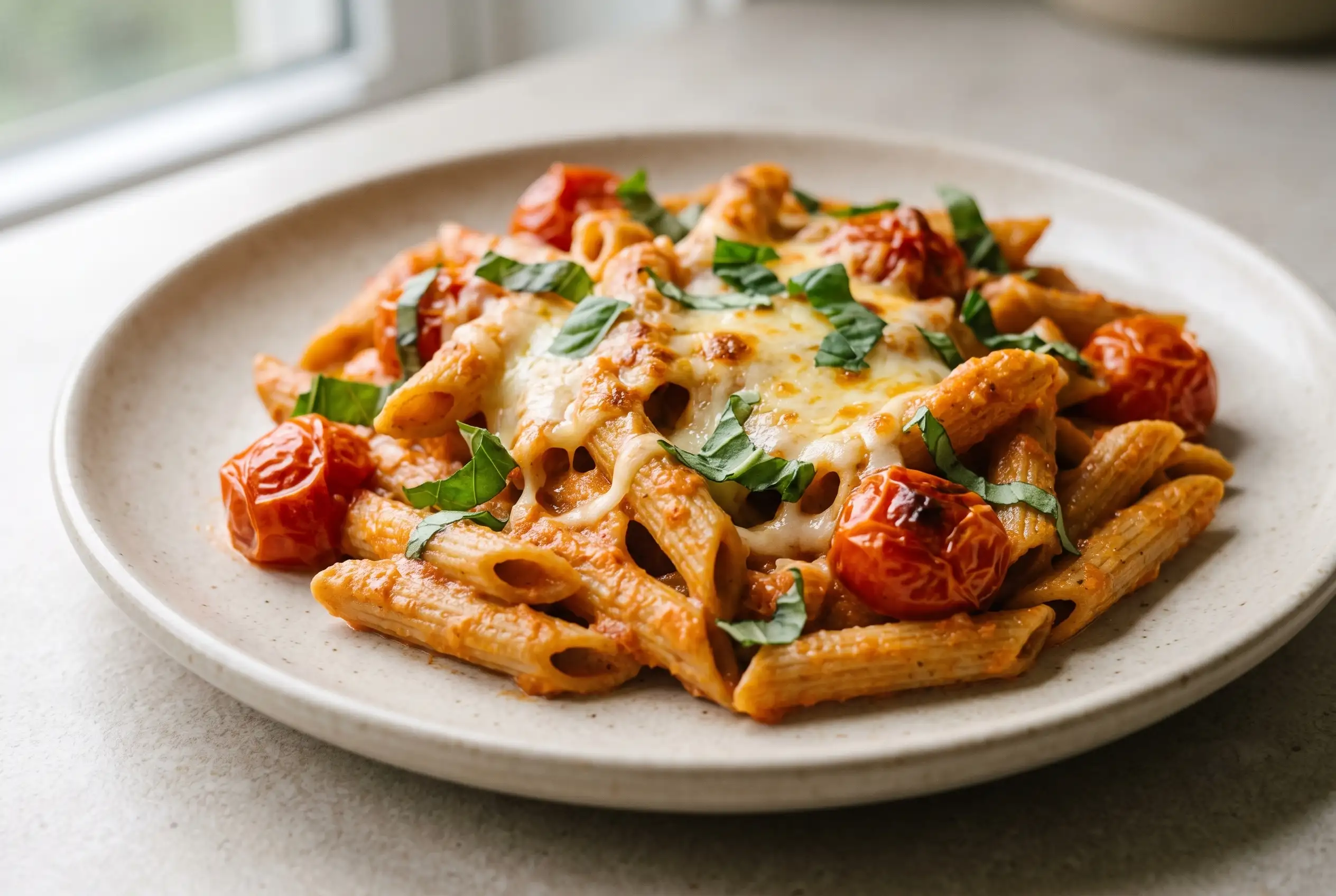
Caprese penne brings together whole wheat pasta, tomato sauce, creamy cheese, fresh mozzarella, cherry tomatoes, and basil in a comforting baked pasta dish inspired by classic Caprese flavors. The combination works because the ingredients are layered with intention: the pasta carries the sauce, the tomatoes add freshness, and the melted cheese creates the golden finish that makes a tomato basil penne bake feel complete.
The oven transforms simple ingredients into a cohesive meal by blending creamy sauce with bubbling cheese and tender pasta. Caprese penne keeps the recognizable flavors of a traditional Caprese pairing while adding the heartiness of a warm pasta bake that fits both family dinners and casual gatherings.
Caprese Penne Creates a Creamy Tomato Basil Pasta Bake
The appeal of caprese penne comes from the contrast between rich and fresh elements. A creamy tomato sauce coats the pasta, while mozzarella and basil introduce the familiar combination associated with Caprese dishes. The result is a baked pasta that feels satisfying without relying on heavy layers of ingredients.
Whole wheat penne provides structure throughout the dish because its shape holds sauce well and allows the cheese topping to spread across the surface. The short pasta pieces make each serving easy to portion while keeping the tomato and cheese flavors balanced.
Fresh toppings remain important even after baking. Additional basil added after the oven stage brings back a bright herbal note, while cherry tomatoes maintain small bursts of acidity that keep the creamy sauce from feeling one-dimensional.
Mozzarella and Basil Shape Caprese Penne’s Fresh Finish
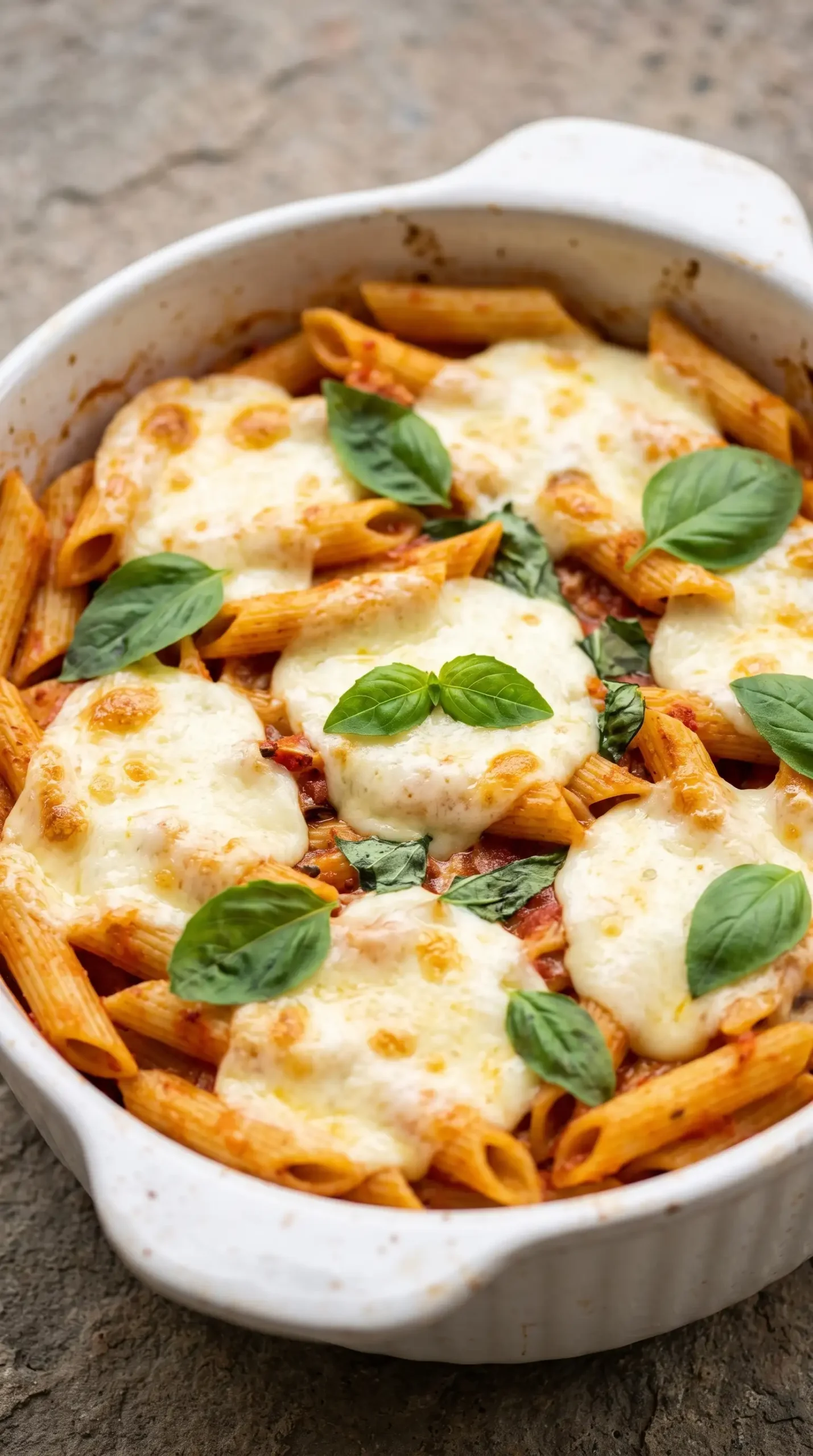
Fresh mozzarella and basil define the character of caprese penne because they create the signature contrast between melted richness and fresh flavor. Sliced mozzarella forms the bubbling top layer, while basil leaves provide a fragrant finish that connects the pasta bake to its Caprese inspiration.
Whole Wheat Penne Supports the Baked Caprese Pasta Texture
The pasta choice affects how the finished dish eats after baking. Whole wheat penne offers a slightly firmer texture that pairs well with a creamy tomato coating because the pasta pieces remain distinct while carrying sauce inside their hollow centers.
Baked caprese pasta depends on pasta that can handle both stovetop sauce mixing and oven heat. Cooking the penne according to package directions before combining it with the sauce allows the noodles to absorb flavor while still contributing texture to the finished bake.
Careful handling after draining helps preserve the balance of the dish. Mixing the pasta directly with the warm tomato sauce allows the sour cream and parmesan mixture to coat each piece before the mozzarella layer is added.
Sauce Balance Keeps the Tomato Basil Penne Bake Smooth
The sauce creates the connection between every part of caprese penne. Warm tomato sauce combined with sour cream and parmesan produces a creamy coating that softens the sharper tomato notes while allowing basil and mozzarella flavors to remain noticeable. Managing tomato sauce acidity during preparation can help create a more balanced final flavor when working with cooked tomato dishes.
| Component | Texture contribution | Flavor role |
|---|---|---|
| Tomato sauce | Coats the pasta evenly | Provides the main savory tomato base |
| Sour cream mixture | Adds creaminess to the sauce | Balances tomato acidity |
| Parmesan cheese | Helps enrich the sauce | Adds salty depth |
Oven Heat Controls the Cheese and Pasta Finish
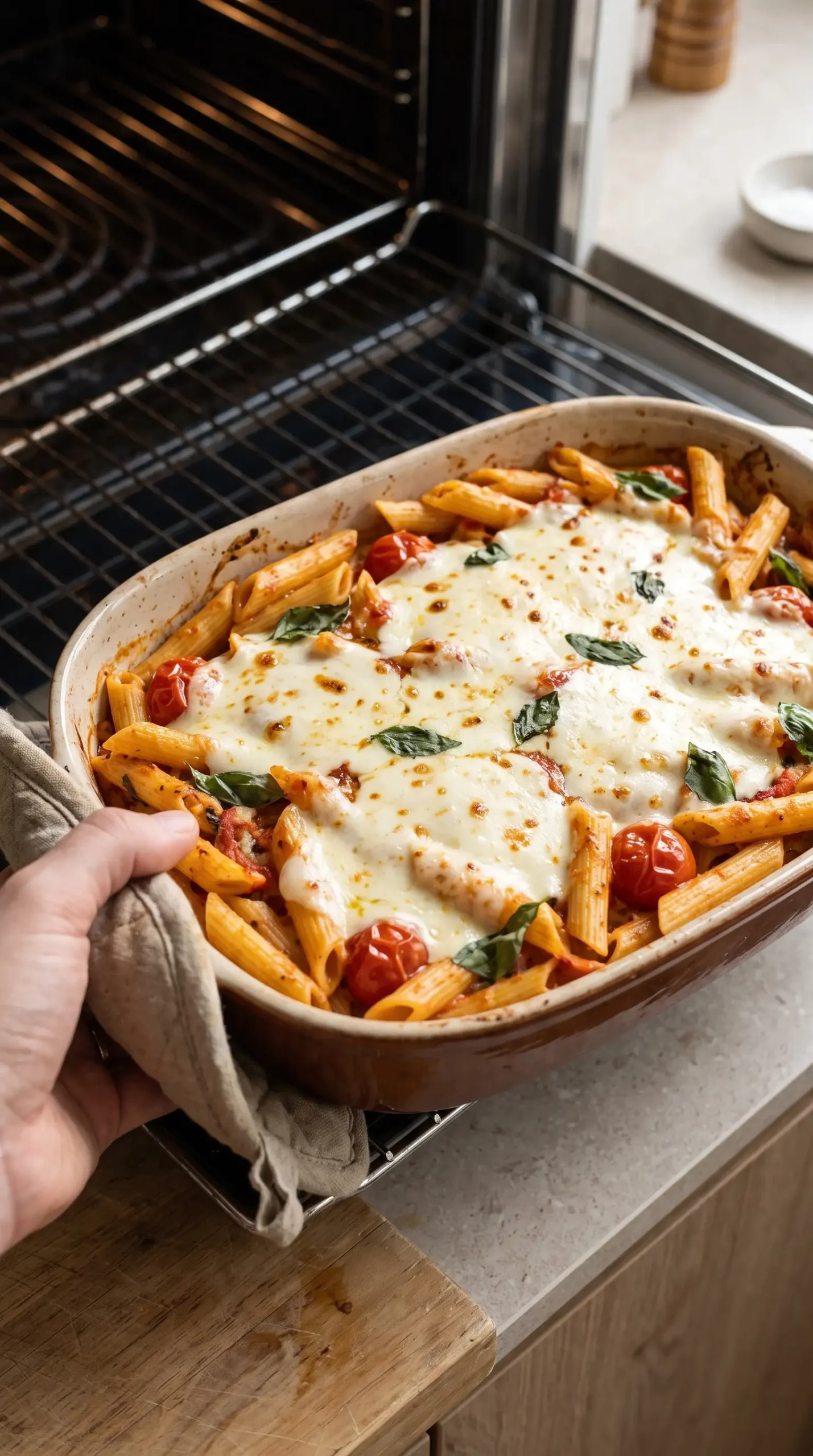
The baking stage gives caprese penne its signature appearance. A hot oven allows the sliced mozzarella to melt across the pasta surface until it becomes golden and bubbly, creating the visual cue that the dish is ready.
Several small choices improve the oven finish. These details help keep the texture consistent:
- Even cheese coverage: Spread the sliced mozzarella across the top so each portion receives a melted layer.
- Short baking time: Heat the dish until the cheese reaches the desired golden, bubbling stage without drying the pasta.
- Fresh basil finish: Add extra basil after baking to protect its fresh aroma and color.
Temperature control matters because the pasta has already been cooked before entering the oven. The purpose of baking is to combine flavors and melt the cheese topping, not to continue aggressively cooking the noodles.
Caprese Penne Mistakes That Affect the Baked Cheese Layer
Caprese penne can lose its appeal when the cheese, sauce, or pasta balance shifts during preparation. Avoiding a few common problems helps maintain the creamy center and attractive topping that define the dish.
One frequent issue is adding the mozzarella before the pasta mixture is evenly combined. When the sauce and pasta are not coated well first, some bites may have too much cheese while others lack the creamy tomato base.
Another mistake is skipping the fresh basil finish. Basil added only before baking can lose the bright flavor that makes the dish feel fresh. Adding additional leaves after the oven stage restores the herb-forward character.
Cherry Tomatoes Bring Contrast to Each Caprese Penne Serving
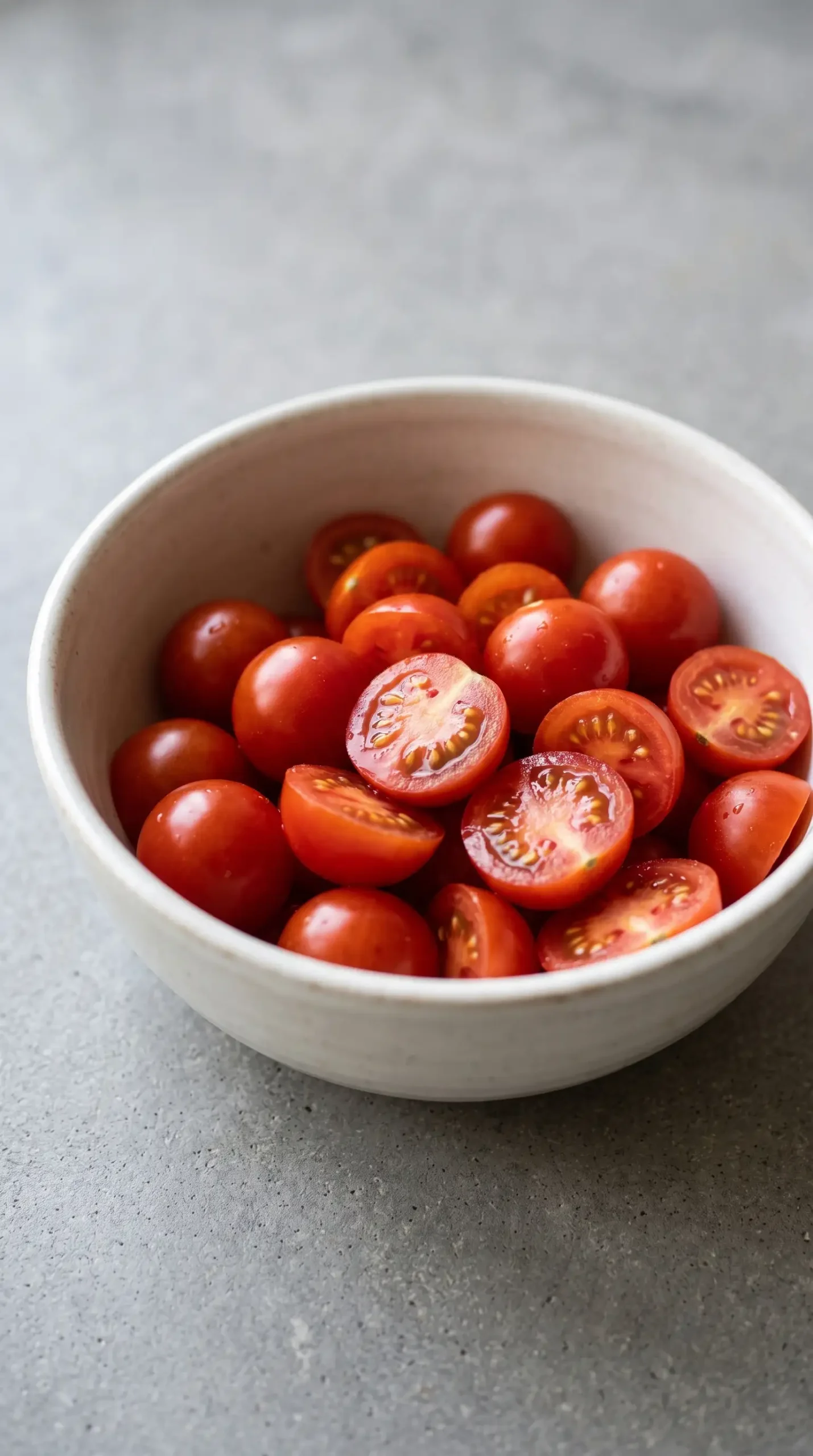
Cherry tomatoes provide small areas of freshness throughout caprese penne. Using a mixture of halved and whole tomatoes creates different bites, with some pieces blending into the warm pasta while others maintain their shape.
Basil Timing Preserves the Bright Pasta Flavor
Basil plays two roles in caprese penne. Chopped leaves mixed into the pasta help distribute herbal flavor through the sauce, while additional leaves placed on top after baking create a fresher aroma at serving time.
The timing of basil addition matters because delicate herbs are affected by prolonged heat. Keeping some basil away from the oven allows its natural fragrance to remain noticeable alongside the tomato and cheese.
Fresh basil also helps connect the creamy pasta elements with the lighter flavors of the tomatoes. That contrast keeps the dish recognizable as a Caprese-inspired pasta instead of a standard cheese casserole.
Serving Choices Change How Caprese Penne Works at the Table
Caprese penne works well as a centerpiece meal because the combination of pasta, vegetables, and cheese creates a complete flavor profile. Extra basil leaves or additional sliced cheese can be used at serving time according to preference.
Storage and Reheating Protect the Pasta Texture
Leftover caprese penne benefits from gentle reheating because the sauce and cheese can become thicker after chilling. Warming portions slowly helps bring back the creamy texture without overwhelming the pasta.
Keeping leftovers covered helps maintain moisture and protects the tomato, basil, and cheese flavors. The pasta is best enjoyed when reheated until warmed throughout while avoiding excessive heat that can make the cheese layer separate.
When planning portions, storing the pasta in smaller containers can make reheating easier. Smaller amounts warm more evenly and help preserve the balance between the creamy sauce and pasta texture.
Variations Keep Caprese Penne Flexible Without Losing Identity
Caprese penne can adapt to available ingredients while keeping its central tomato, basil, and mozzarella combination. Sliced provolone can replace fresh mozzarella when needed, providing another melty cheese option while maintaining the baked pasta character.
Choosing Cheese Options for Caprese Penne Changes the Melt
The cheese selection influences the final texture of caprese penne. Fresh mozzarella creates a soft, stretchy topping, while sliced provolone offers a practical alternative when mozzarella is unavailable. Both choices support the creamy tomato and basil flavors that define the dish.
Caprese Penne Finishes with a Balanced Tomato and Cheese Layer
Caprese penne succeeds when the creamy sauce, pasta texture, fresh basil, and melted cheese remain in balance. Baked dishes such as Caprese Rigatoni use tomato, basil, and cheese together to create a satisfying oven-finished meal, while the tomatoes and herbs keep this pasta lively after the cheese has melted.
The pasta mixture creates its best result when the sauce coats every piece before the oven stage and the fresh basil returns at the end. That combination allows a warm baked pasta to keep the recognizable freshness of tomatoes, mozzarella, and basil.
Caprese Penne Questions About Storage and Serving
Can caprese penne be prepared ahead of time?
Caprese penne can be assembled ahead when needed, but the freshest texture comes from baking it close to serving time. Keeping the prepared pasta covered until baking helps maintain the sauce consistency and prevents the surface from drying.
How can leftover caprese penne stay creamy?
Gentle reheating helps leftover caprese penne stay creamy because the sauce and cheese warm gradually. Adding a small amount of moisture while reheating can help loosen the sauce if it has thickened after storage.
What cheese works best if mozzarella is unavailable?
Sliced provolone works well as a substitute because it melts over the pasta and provides a similar baked cheese finish. The flavor will vary slightly, but the tomato, basil, and parmesan elements still support the overall dish.
Why add basil after baking?
Basil added after baking keeps more of its fresh aroma and bright flavor. The finishing leaves create contrast with the warm pasta and melted cheese while reinforcing the Caprese-style combination.
Caprese Penne Tomato Basil Pasta Bake with Fresh Mozzarella
Caprese penne is a creamy tomato basil pasta bake with tender whole wheat penne, melted cheese, and fresh flavors. It is a comforting dish perfect for easy family dinners or casual gatherings.
Ingredients
Method
Preparation
- Preheat oven to 400°F (204°C). Bring a pot of water to a boil and cook the pasta according to the package directions.
- While the pasta cooks, warm the tomato sauce in a large saucepan over low heat. Stir in the sour cream and grated parmesan once the sauce is heated.
Assembly
- Drain the cooked pasta and add it to the warm sauce, stirring to coat. Turn off the heat, then mix in the tomatoes and several chopped basil leaves.
- Coat a baking dish with non-stick spray and transfer the pasta mixture into the dish. Arrange the sliced mozzarella over the top.
Baking
- Bake for 10-15 minutes, or until the cheese is melted, golden, and bubbly.
- Finish with additional fresh basil before serving.
Notes
Add fresh basil after baking to maintain its bright flavor and finish the pasta bake with a fresh herbal note.