From breakfast to dinner, from wholesome meals to indulgent desserts, Nexa Recipes offers quick, easy, and delicious ideas for every occasion and every moment.



 This Recipe
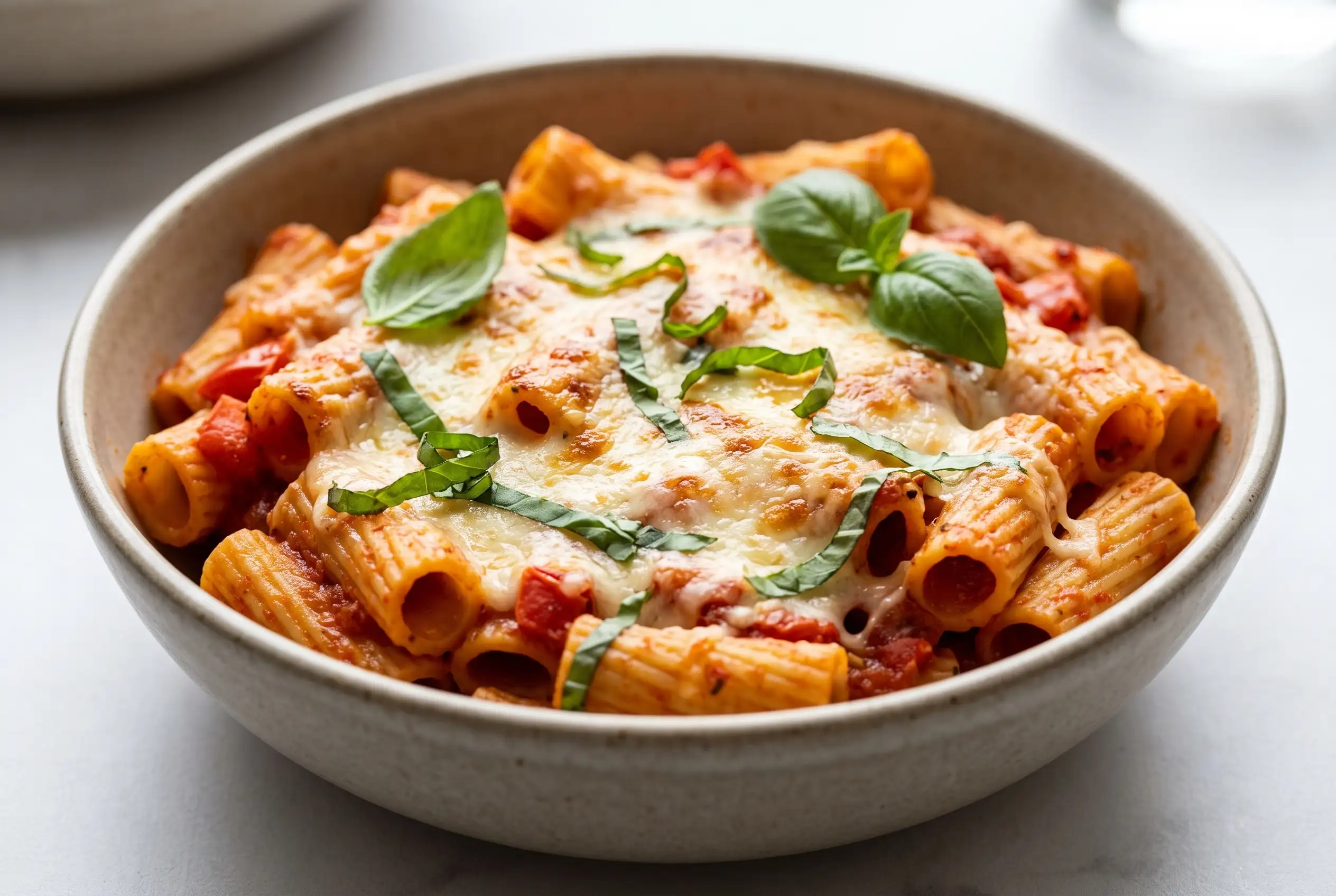
Caprese rigatoni brings the familiar combination of tomatoes, basil, and melted cheese into a baked pasta dish with layers of sauce and texture. The shape of rigatoni makes it especially suited for a rich tomato coating because the wide tubes capture sauce inside and around each piece.
The appeal of this baked pasta comes from balancing fresh ingredients with a concentrated tomato base. Fresh tomatoes contribute bright pieces throughout the dish, while canned tomatoes and prepared sauce create the deeper flavor needed for a satisfying oven-finished meal.
Caprese Rigatoni Builds Tomato Basil Layers
Rigatoni creates the foundation for a hearty pasta bake because its ridges and hollow centers hold onto the tomato mixture. Each serving offers a combination of tender pasta, savory sauce, melted cheese, and fresh basil instead of a single uniform texture.
The tomato mixture develops character through the combination of fresh and cooked tomatoes. Diced fresh tomatoes keep recognizable pieces in the sauce, while crushed or diced canned tomatoes provide a softer base that blends with the jarred sauce added later.
Unlike a simple pasta tossed with sauce, caprese rigatoni finishes under the broiler so the cheese becomes a visible part of the dish. The short blast of heat changes the surface texture while keeping the tomato and basil flavors at the center.
Fresh Tomatoes and Basil Shape the Caprese Rigatoni Character
Fresh tomatoes and basil determine the caprese identity of the pasta. Keeping some basil aside until serving preserves its lighter aroma, while adding part of it during cooking allows the sauce to absorb its flavor. A Caprese Penne Tomato Basil Pasta Bake uses the same core combination of tomatoes, herbs, and cheese to create a baked pasta finish with a different shape and texture.
Three Tomato Textures Create a Balanced Sauce
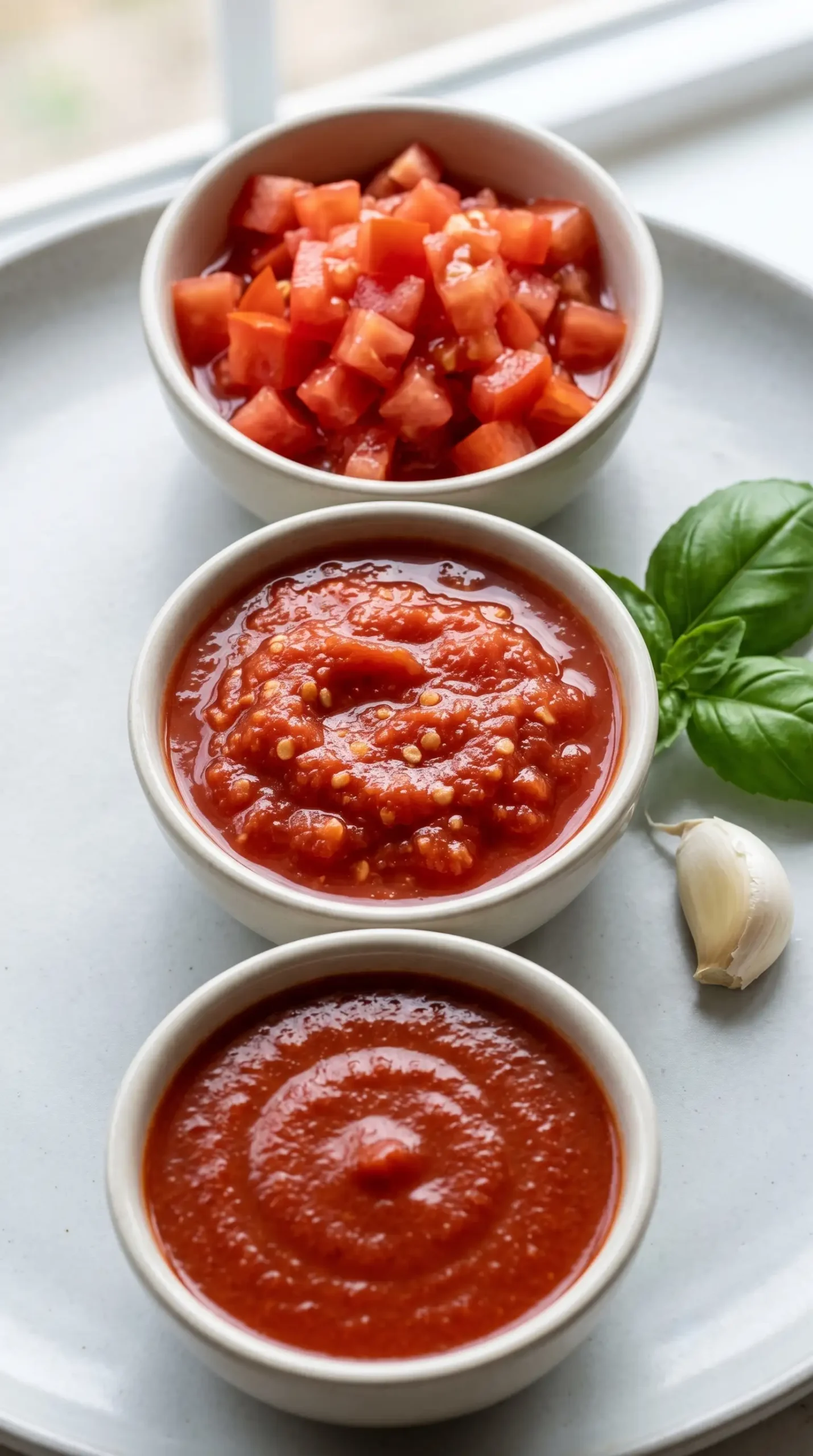
The combination of tomato forms gives the sauce a range of textures that can be adjusted based on what is available. Using all three creates more contrast, but changing the balance still allows the dish to maintain its tomato-forward character.
| Tomato choice | Texture contribution | When it helps most |
|---|---|---|
| Fresh diced tomatoes | Visible soft pieces | When a brighter tomato texture is desired |
| Canned crushed or diced tomatoes | Cooked tomato base | When the sauce needs a blended foundation |
| Jarred tomato sauce | Smooth saucy consistency | When the pasta needs extra coating |
Adjusting the tomato combination can also help match personal preference. A thicker mixture can rely more heavily on cooked tomatoes, while a looser baked pasta can include additional sauce for easier coating.
Broiling Controls the Cheesy Baked Rigatoni Finish
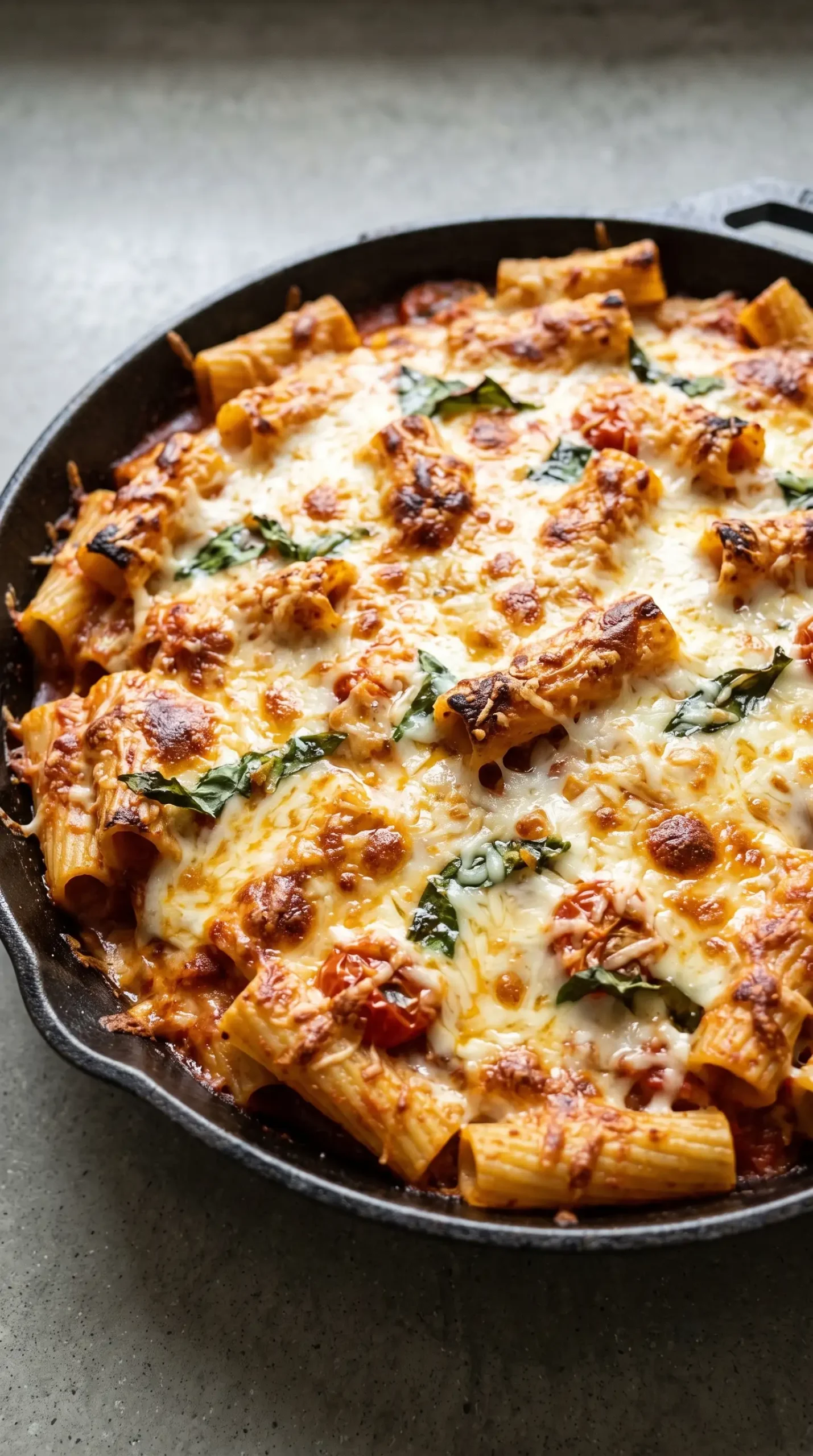
The broiler is responsible for the signature top layer of cheesy baked rigatoni. Once the pasta is covered with grated cheese, the intense heat quickly melts the topping and creates a bubbling surface.
Positioning the dish under the broiler requires attention because the cheese can change quickly. Watching for a melted, bubbly finish helps prevent the topping from becoming overly dark while the pasta underneath remains warm.
A skillet or baking dish can both work for the oven finish. The important choice is using a vessel that can safely handle the broiler and provides enough room for the pasta, sauce, and cheese layer.
Choosing the Right Pan Helps Baked Caprese Pasta Hold Its Texture
Baked caprese pasta benefits from a dish that keeps the sauce distributed throughout the rigatoni instead of leaving dry edges. A pan with enough space allows the tomato mixture to surround the pasta before the cheese melts across the surface.
Caprese Rigatoni Mistakes That Leave the Pasta Unbalanced
Small choices during preparation can affect the final texture and flavor of caprese rigatoni. Most problems come from changing the balance between pasta, sauce, tomatoes, and the finishing cheese layer.
- Burned garlic: Stir the garlic while sautéing so it adds savory flavor without developing a bitter taste.
- Dry pasta bake: Add enough tomato sauce to coat the rigatoni before baking because the noodles need surrounding moisture.
- Lost basil flavor: Reserve fresh basil for the serving stage so the finished dish keeps a fresh herbal note.
Another common issue is overheating the cheese topping. The broiler works quickly, so the surface should be checked closely once the cheese begins melting and bubbling.
Sauce Decisions Keep Rigatoni with Tomato Basil Sauce Cohesive
Rigatoni with tomato basil sauce depends on the relationship between the pasta shape and the amount of sauce surrounding it. The hollow noodles provide places for the tomato mixture to settle, making even coating an important part of the eating experience.
Adding more jarred sauce when needed is a practical way to control the finished consistency. Different pasta brands and cooking conditions can absorb sauce differently, so the mixture should look generously coated before it reaches the oven.
As pasta continues cooking, it can absorb sauce, which is why baked pasta benefits from having enough tomato mixture surrounding the noodles before it goes into the oven.
The tomato sauce should support the pasta without hiding the fresh ingredients. A balanced amount allows the basil, tomatoes, and cheese to remain recognizable in every portion.
Basil Timing Protects Fresh Flavor After Baking
Basil changes during cooking, which is why the herb is divided between the sauce and the serving finish. Adding some during preparation builds flavor throughout the pasta, while the remaining ribbons provide a fresher aroma at the table.
Serving Choices Highlight the Melted Cheese Top
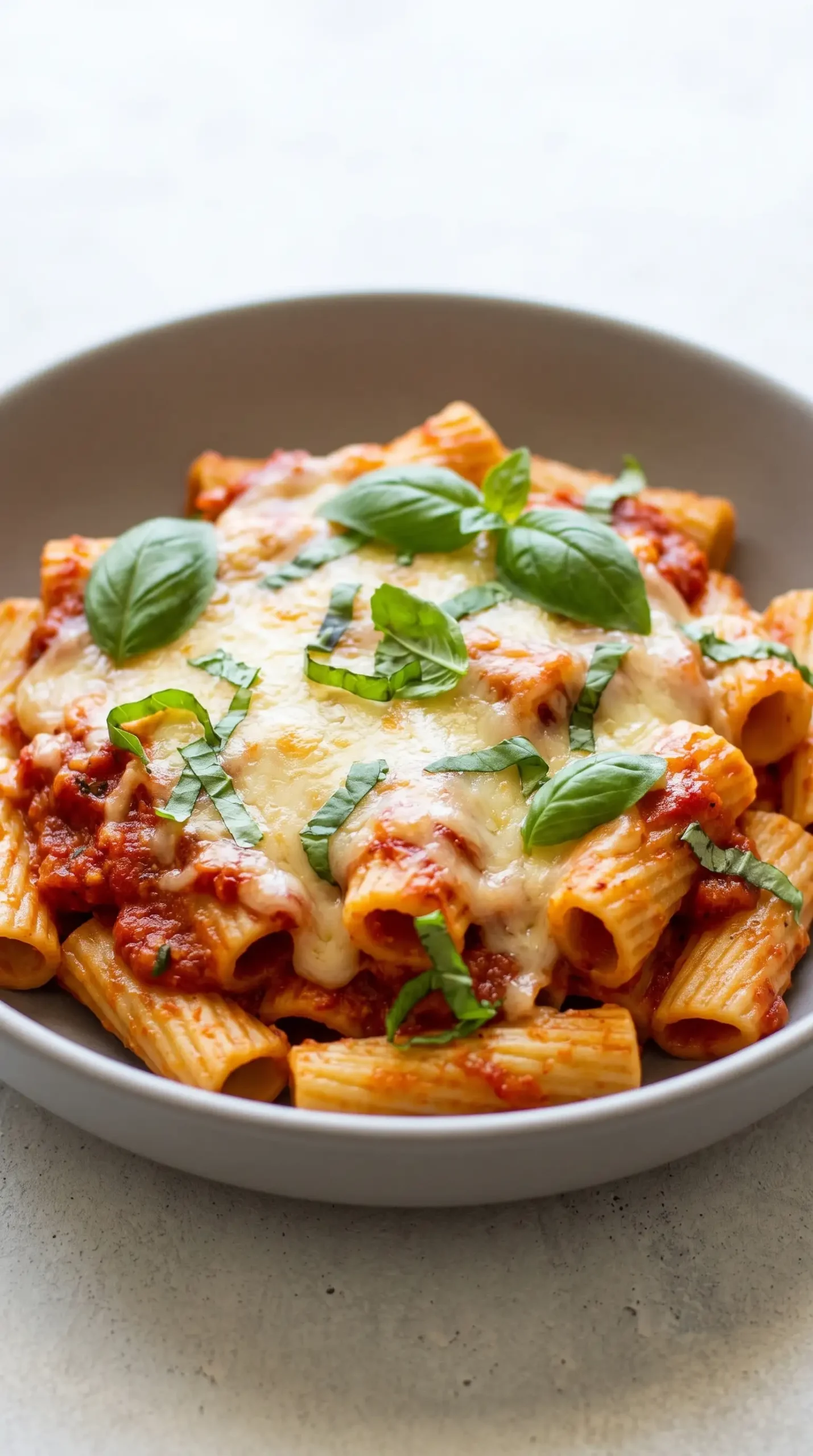
The bubbling cheese layer makes caprese rigatoni especially suited for serving directly after the broiler stage. Fresh basil scattered over the top creates contrast against the warm tomato sauce and melted cheese.
Leftovers Stay Useful with Gentle Reheating
Stored baked pasta can remain enjoyable when reheated carefully. Keeping portions covered helps retain moisture, while gentle reheating prevents the sauce from separating too quickly.
For best quality, leftover pasta should be cooled and refrigerated promptly in a sealed container. Reheating individual portions can make serving easier because the pasta warms more evenly than a large chilled dish.
Extra sauce can be helpful when reheating if the noodles have absorbed some of the tomato mixture. A small addition of moisture helps bring back the softer texture associated with freshly baked pasta.
Variations Fit Available Tomato Ingredients
Caprese rigatoni is flexible when tomato options change. One type of tomato can replace another based on availability, allowing cooks to adjust texture while keeping the central combination of pasta, tomatoes, basil, and cheese intact.
Simple Additions Change the Pasta Experience
Small adjustments can personalize the dish without changing its identity. Different cheese choices, extra herbs, or a change in tomato texture can create a slightly different result while preserving the baked caprese pasta style.
Because the core flavors are straightforward, additions should support the tomato and basil combination instead of overwhelming it. The strongest versions keep the sauce, pasta, and melted topping working together.
Caprese Rigatoni Finishes with a Balanced Tomato and Cheese Layer
Caprese rigatoni succeeds when the tomato mixture coats the pasta generously, the basil remains noticeable, and the cheese forms a melted finish without covering the fresh flavors underneath. The combination of tomato textures creates a sauce that feels complete while still allowing individual ingredients to stand out.
The baked finish depends on careful attention to the cheese layer and the moisture level of the pasta. When those elements are balanced, the result is a comforting dish built around the contrast between saucy rigatoni, bright tomatoes, fragrant basil, and bubbling cheese.
Cheese Browning Questions About Caprese Rigatoni
Can caprese rigatoni use only one type of tomato?
Yes. The dish can be made with one tomato style, although using fresh tomatoes, canned tomatoes, and jarred sauce together creates more variation in texture and flavor. Adjusting the amount of the remaining tomato ingredient can help maintain a well-coated pasta consistency.
How can the cheese topping avoid becoming too dark?
Watch the pasta closely during broiling because the top layer can melt and brown quickly. Removing it once the cheese is melted and bubbly keeps the topping appealing while protecting the pasta underneath.
Can caprese rigatoni be prepared with a different pasta shape?
A pasta shape with enough structure to hold sauce can work, but rigatoni is especially useful because its tubes capture the tomato mixture. Shapes with ridges or openings can provide a similar sauce-holding effect.
Why does the basil get added at different times?
Cooking part of the basil allows its flavor to blend into the sauce, while adding the rest after baking preserves a fresher herbal character. The two stages create a more noticeable basil presence.
Baked Caprese Rigatoni with Tomato Basil and Cheese
Baked Caprese Rigatoni is a hearty pasta bake with saucy rigatoni, melted cheese, fresh basil, and layered tomato flavors. It is a comforting choice for a flavorful weeknight meal or a gathering.
Ingredients
Method
Preparation
- Cook the rigatoni according to the package directions. Drain the pasta and set it aside. Preheat the broiler.
- Warm olive oil in a large skillet. Cook the diced onion and minced garlic over medium-high heat for 2-3 minutes, stirring frequently to prevent the garlic from burning.
Cooking
- Add the crushed or diced canned tomatoes and fresh diced tomatoes to the skillet. Season with salt and pepper, then simmer for 5-10 minutes until the mixture thickens slightly.
- Stir in half of the basil and cook for 1 minute. Remove the skillet from the heat and combine the tomato mixture with the cooked pasta.
- Add the tomato sauce and stir until the rigatoni is coated. Add more sauce if needed for the desired saucy consistency. Transfer the pasta mixture to a baking dish or skillet.
Baking
- Cover the pasta with grated cheese and place it under the broiler for 5-8 minutes, or until the cheese is melted and bubbly.
- Finish with the remaining fresh basil and serve.
Notes
I used all three types of tomatoes because I enjoy the different textures they add to the sauce. You can leave one out and replace it with more of another depending on what you have available or the texture you prefer.