From breakfast to dinner, from wholesome meals to indulgent desserts, Nexa Recipes offers quick, easy, and delicious ideas for every occasion and every moment.



 This Recipe
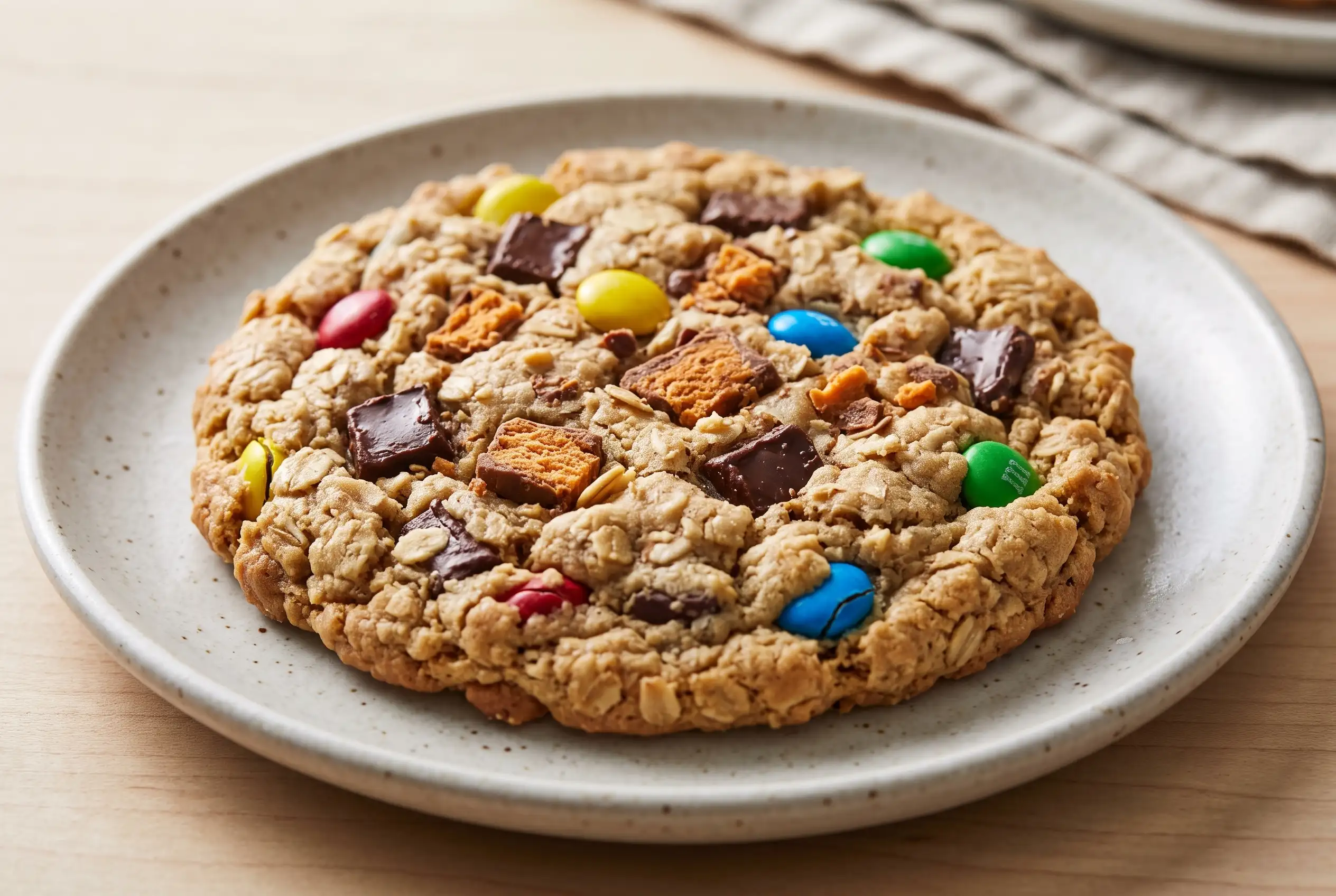
Butterfinger Monster Cookies bring together the familiar comfort of peanut butter cookies, chewy oats, chocolate pieces, colorful M&M’s, and chopped Butterfinger candy in one generous cookie style. The combination works because each bite moves between creamy, crisp, chewy, and chocolate-rich textures while keeping the cookie base sturdy enough to hold the mix-ins.
Butterfinger Monster Cookies Blend Classic Candy Textures
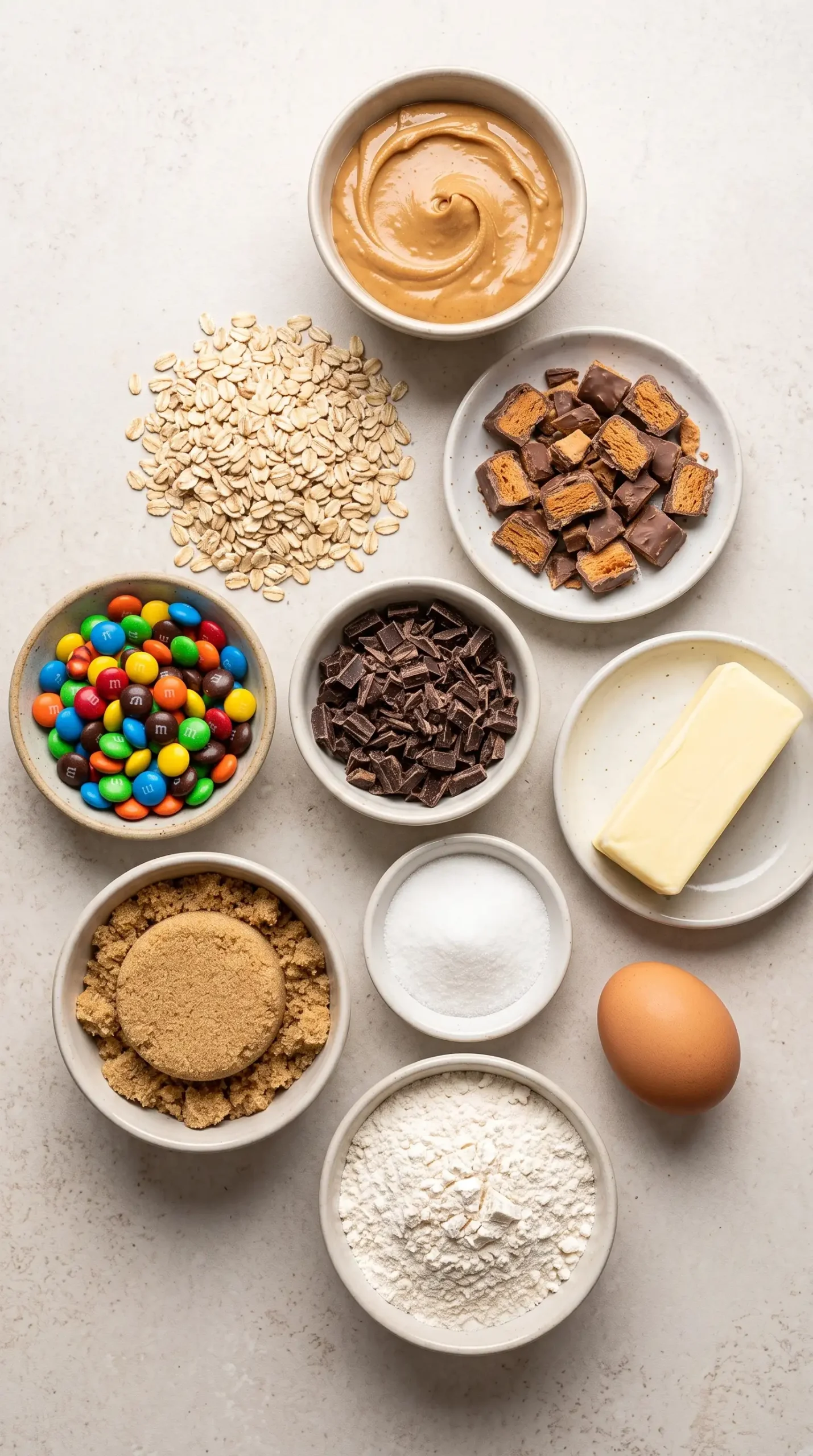
Baked cookies with multiple additions depend on balance, and these cookies create that balance through a simple dough that can support several sweet ingredients. The peanut butter and oats give the cookie body, while the candy pieces create the playful texture associated with monster cookies.
Peanut butter provides a smooth foundation that connects the flour, oats, and chocolate throughout the dough. The combination of white sugar and brown sugar helps create a cookie with a lightly crisp edge and a softer center when baked until the edges begin to brown.
Candy combinations make each portion slightly different because the chopped Butterfinger, dark chocolate, and M&M’s are distributed throughout the dough. Smaller pieces spread more evenly, allowing every cookie to carry a mixture of flavors instead of concentrating all the candy in one area.
Peanut Butter Oat Mixture Shapes Cookie Structure
Rolled oats help define the texture of peanut butter oatmeal monster cookies by adding a hearty bite that separates them from a standard peanut butter cookie. Mixing the oats in after the flour blend keeps their texture noticeable while allowing the dough to remain cohesive, while peanut butter cookies with chocolate chips show how chocolate can complement a peanut butter cookie base.
Candy Pieces Need Careful Balance in Butterfinger Monster Cookies
Chocolate pieces and candy additions affect both flavor and handling because they become part of the cookie structure during baking. Dark chocolate offers a deeper chocolate note, while M&M’s contribute color and a familiar candy crunch.
Cookie centers can change depending on how the Butterfinger pieces are distributed. Larger chopped pieces create noticeable pockets of candy, while smaller fragments blend more thoroughly into the dough and provide a more consistent texture.
Balanced portions help prevent the cookie dough from being overwhelmed by the mix-ins. The following comparison shows how each candy element behaves during preparation and baking.
| Mix-in | Texture contribution | Preparation consideration |
|---|---|---|
| Butterfinger pieces | Chewy when warm, crisp after cooling | Chop before mixing so pieces distribute through dough |
| Dark chocolate | Rich, smooth chocolate pockets | Use chopped pieces for even spread |
| M&M’s | Colorful candy crunch | Fold in gently to keep pieces intact |
Mixing Choices That Protect Cookie Texture
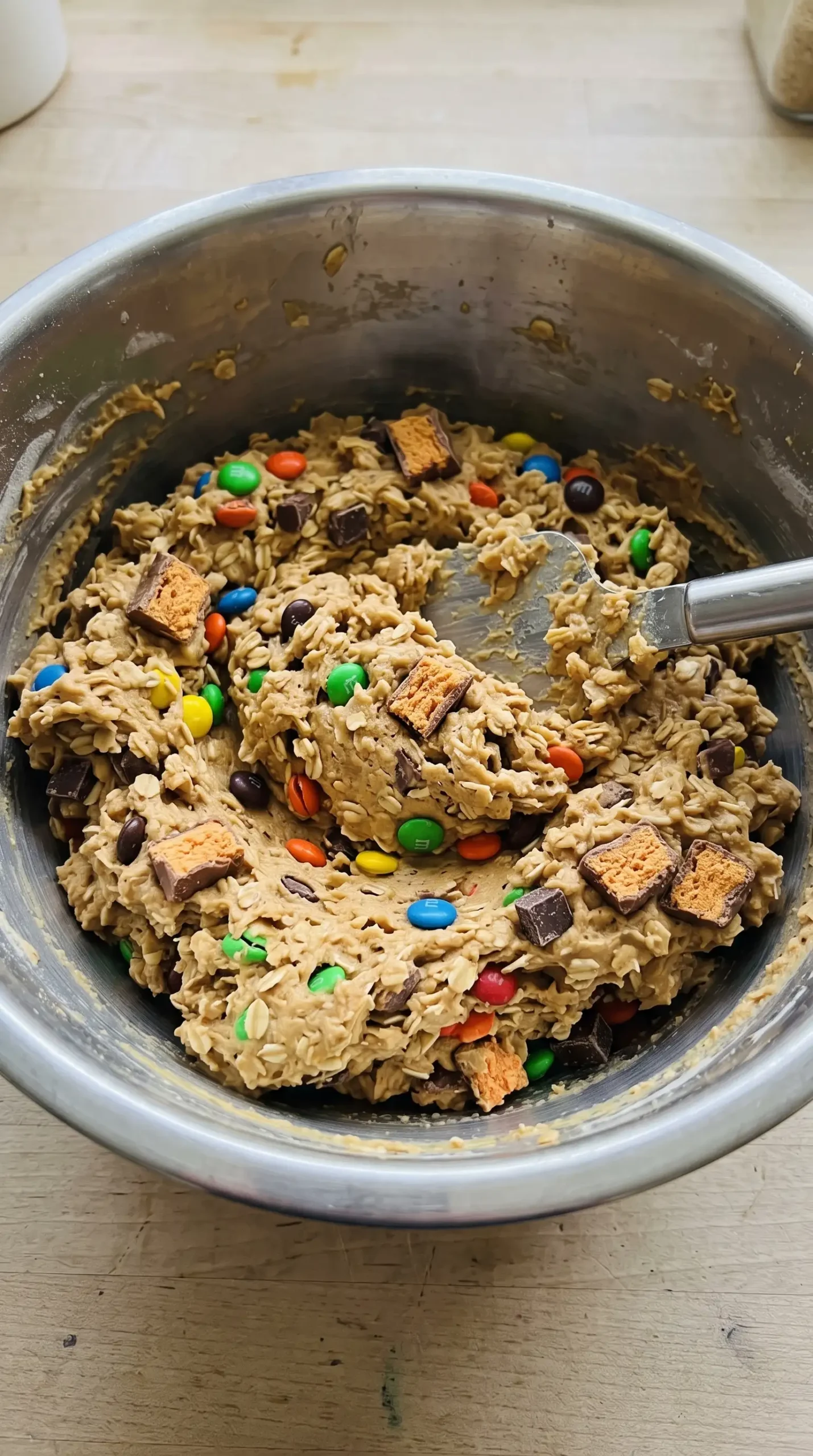
Mixing bowls filled in the right order make a difference because cookie dough needs even moisture distribution without unnecessary handling. Combining the dry ingredients separately allows the flour, baking soda, and salt to spread evenly before meeting the wet mixture.
Bake Controls Create Baked Butterfinger Monster Cookies with Better Results
Oven heat determines how the outside of the cookie develops while the inside finishes setting. A properly preheated oven helps the edges brown during the short baking window without leaving the candy pieces exposed to uneven heat.
Rounded spoonfuls create similarly sized cookies that bake at a comparable rate. Keeping portions consistent helps some cookies avoid overbaking while others are still soft in the center.
Cooling racks and cookie sheets both play important roles after baking. Allowing the cookies to sit briefly on the sheet helps them firm up before transfer, which is especially useful when the warm candy pieces have a softer texture.
Common Butterfinger Monster Cookies Mistakes That Affect Texture
Common mistakes with Butterfinger Monster Cookies usually involve timing, mixing, or judging the texture before the cookies have finished cooling. Understanding these moments helps prevent confusion when the cookies look different immediately after leaving the oven.
Overmixing flour into the dough can make the cookies less tender because extra stirring changes the dough texture. Stirring until the ingredients are just combined keeps the structure closer to the intended cookie consistency.
Crowded baking sheets and rushed cooling can also create uneven results. Useful checks for avoiding texture problems include:
- Warm Butterfinger: Expect softer candy pieces immediately after baking because the texture changes as the cookies cool.
- Even distribution: Fold the oats and candies through the dough so no single area contains too many additions.
- Gentle mixing: Stop stirring once the flour mixture is incorporated to maintain a balanced dough.
Cooling Time Changes the Butterfinger Candy Experience
Freshly baked cookies may seem unusual because the Butterfinger pieces can become chewy and harder to enjoy while still warm. As the cookies cool completely, the candy pieces regain a crisper texture that better matches the cookie base.
Serving Ideas Keep Peanut Butter Oatmeal Monster Cookies Enjoyable
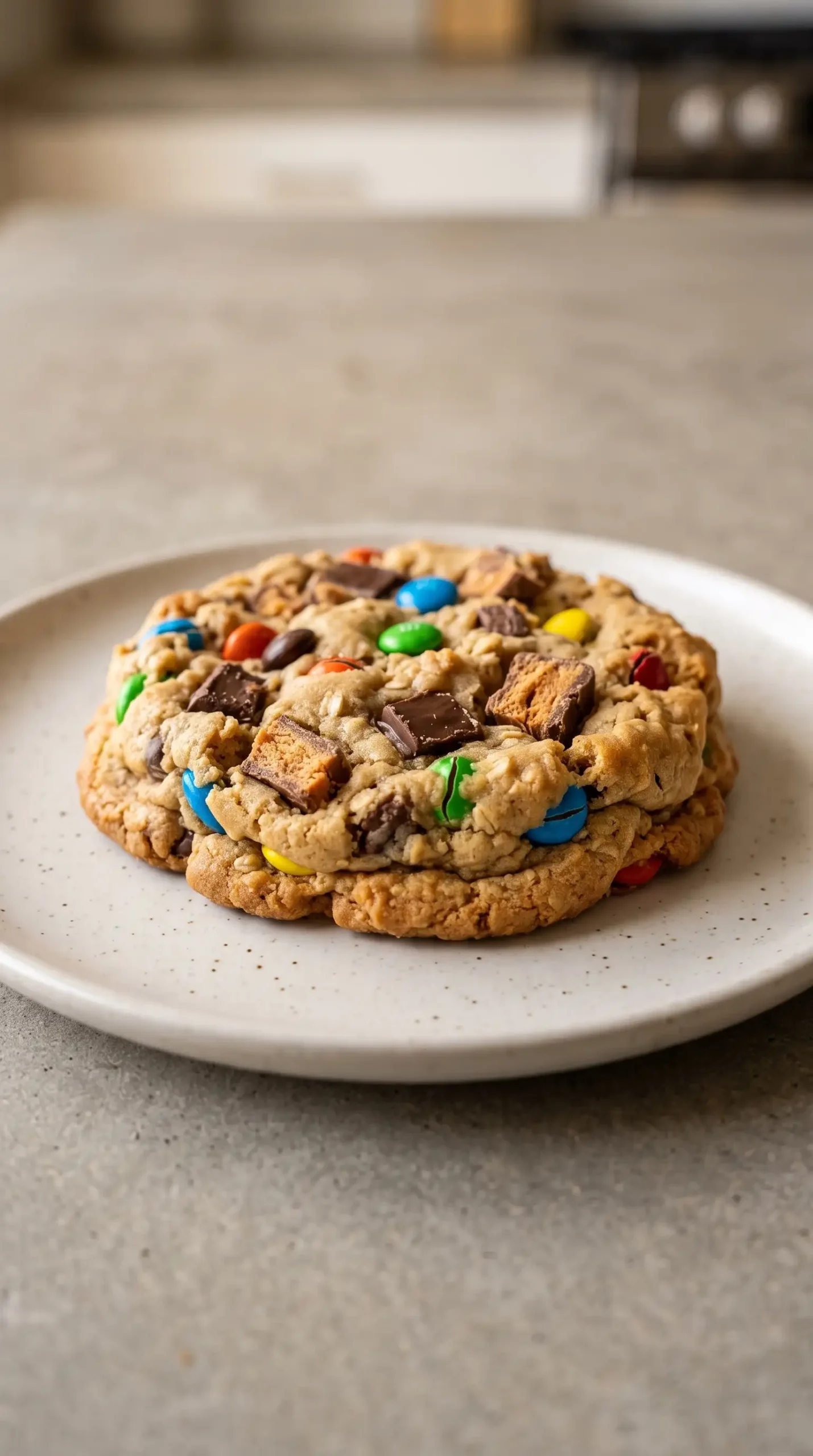
Serving options for these cookies depend on the texture you want to highlight. A fully cooled cookie emphasizes the contrast between oats, chocolate, and candy, while a slightly warm cookie creates a softer experience.
Family gatherings often work well for monster cookies because the colorful candies make them visually appealing without requiring extra decoration. The combination of peanut butter, chocolate, and candy also makes them easy to serve as a familiar sweet treat.
Leftover cookies can be enjoyed on their own or paired with simple additions such as a glass of milk or a warm drink. Keeping the presentation uncomplicated lets the mix-ins remain the focus.
Cookie Storage Decisions Preserve Crunch and Flavor
Proper storage keeps the cookie texture closer to the intended balance of crisp candy pieces and a soft cookie base. Once completely cooled, store cookies in a covered container to help maintain their freshness and prevent unnecessary texture changes.
Creative Additions Keep Butterfinger Monster Cookies Interesting
Creative additions can adjust the personality of Butterfinger Monster Cookies while keeping the main structure recognizable. Chunky peanut butter can replace smooth peanut butter when a more textured bite is preferred.
Extra changes should respect the balance already created by the oats and candy. Adding too many additional mix-ins can make it harder for the dough to hold everything evenly throughout each cookie.
Butterfinger Pieces Define the Cookie’s Best Texture Balance
Butterfinger pieces create the most important texture decision in these cookies because their behavior changes from the moment the cookies leave the oven until they cool completely. The temporary chewy texture is part of the process, not a sign that the cookies have failed.
Successful cookies come from judging the finished texture after cooling and allowing the peanut butter, oats, chocolate, and candy pieces to settle together. That waiting period reveals the crisp candy character and the sturdy cookie structure that make this combination distinctive.
Butterfinger Monster Cookies Questions About Crunch
Why are Butterfinger pieces chewy right after baking?
Crunch depends on cooling because the candy pieces are softened by oven heat when the cookies first come out. Once the cookies cool fully, the Butterfinger pieces become firmer and develop the expected crisp texture.
Can these cookies use chunky peanut butter?
Chunky peanut butter works because the extra peanut pieces add another texture without changing the basic cookie structure. The dough will simply have a more noticeable peanut presence throughout each bite.
How should I handle cookies that seem too soft?
Cooling time is the first thing to consider because warm cookies are naturally softer and more delicate. Allowing them to cool completely gives the sugars, candy pieces, and cookie structure time to settle.
Can I change the candy mixture?
Extra candies can be adjusted if the overall balance remains similar. Keeping a combination of chocolate and candy textures helps preserve the character that makes monster cookies recognizable.
What makes these cookies different from regular peanut butter cookies?
Multiple mix-ins create the difference because these cookies combine oats, chocolate, M&M’s, and Butterfinger pieces with the peanut butter base. The result is a more varied texture in every bite.
Butterfinger Monster Cookies with Peanut Butter and Oats
Butterfinger Monster Cookies are a fun, hearty peanut butter cookie packed with oats, chocolate, and candy pieces for a chewy texture with a crisp candy finish. They are an easy dessert choice for gatherings, celebrations, or anytime you want a classic cookie with extra texture and flavor.
Ingredients
Method
Preparation
- Preheat oven to 350°F (177°C).
- Beat butter, white sugar, and brown sugar together until smooth. Add peanut butter, vanilla extract, and egg, mixing until fully combined.
- Whisk together flour, baking soda, and salt in a separate bowl. Stir the dry mixture into the wet ingredients just until moistened, then fold in oats and candies until evenly distributed. Place rounded spoonfuls of dough onto lightly greased cookie sheets.
Baking
- Bake the cookies for 8-10 minutes in the preheated oven, until the edges begin to brown.
- Leave cookies on the baking sheets for about 5 minutes, then transfer them to wire racks to cool completely.
Notes
The Butterfinger pieces may seem chewy and firm immediately after baking. Allow the cookies to cool fully, and the candy pieces will regain their crisp texture.