From breakfast to dinner, from wholesome meals to indulgent desserts, Nexa Recipes offers quick, easy, and delicious ideas for every occasion and every moment.



 This Recipe
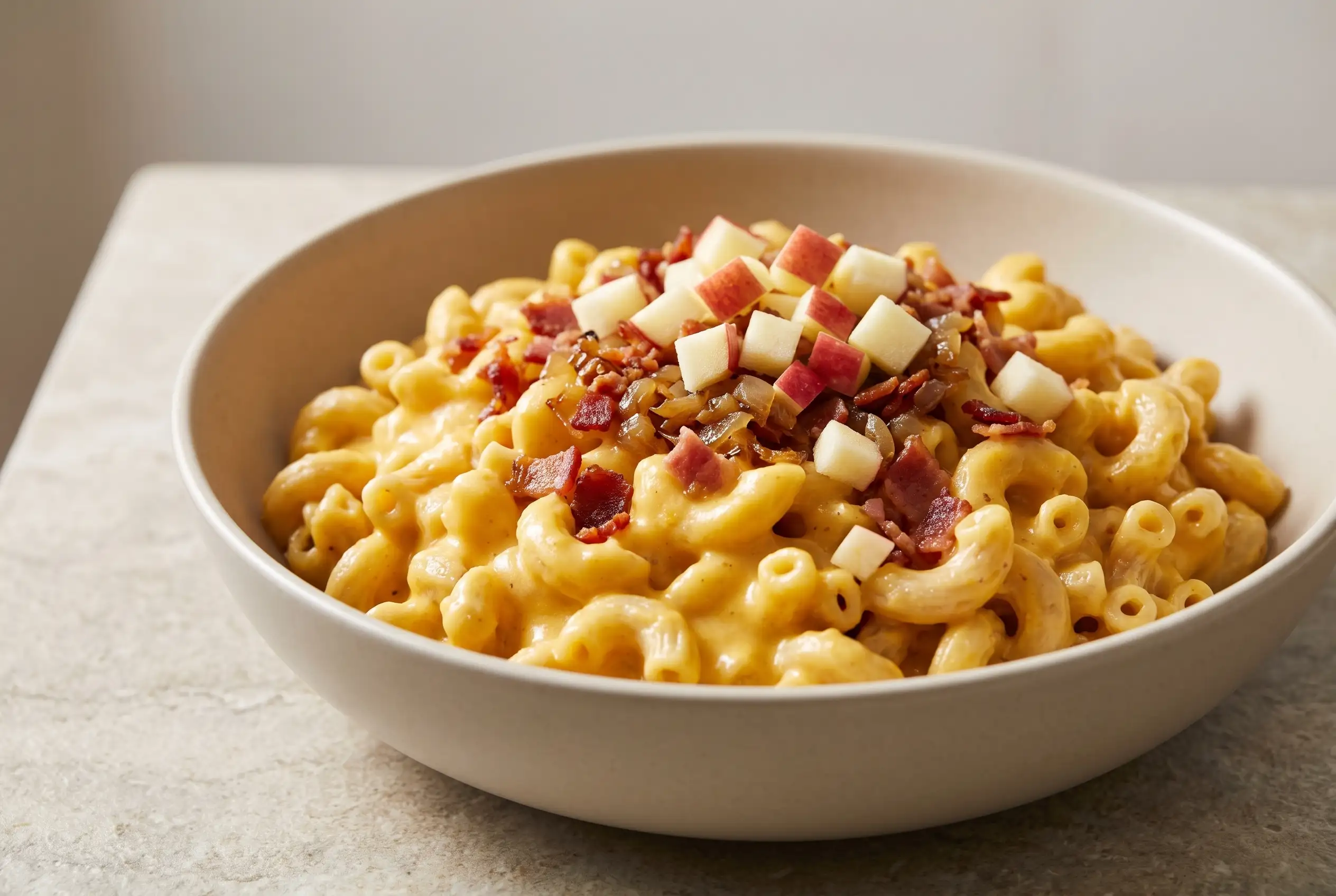
Butternut squash mac and cheese combines the familiar comfort of creamy pasta with the savory depth of bacon, sweet caramelized onions, and crisp apple pieces. The blend works because each element has a specific role: squash creates a smooth base, cheddar adds familiar cheese flavor, and the toppings bring contrast to every bite.
Butternut Squash Mac and Cheese Brings Fall Comfort to the Table
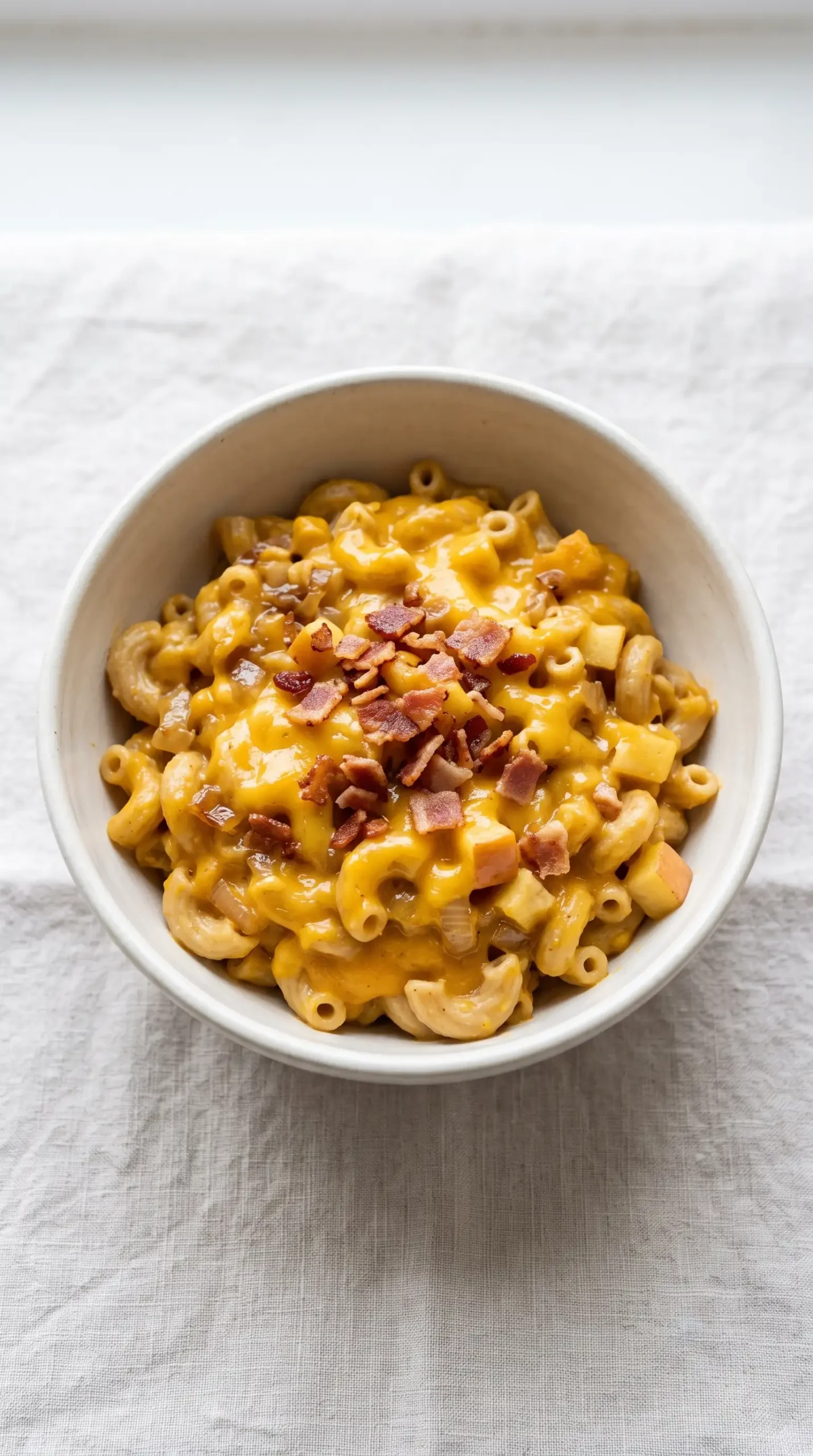
Butternut squash mac and cheese offers a different approach to a classic pasta dish by building creaminess from squash puree, evaporated milk, broth, and a small amount of cream cheese. The result is a sauce that coats whole grain elbow macaroni while keeping the cheese flavor present.
Warm flavors define the character of this dish. Slowly softened onions develop sweetness during caramelization, while apple pieces add a fresh, lightly crisp note that cuts through the richness of the pasta and cheese. Bacon on top provides a salty finish that ties the sweet and savory parts together.
Families looking for a seasonal comfort meal can enjoy this combination because it balances familiar ingredients with a few unexpected additions. The caramelized onion butternut squash mac and cheese style brings together pantry-friendly components without requiring complicated techniques or a separate cheese sauce preparation.
Butternut Squash Puree Shapes the Creamy Mac and Cheese Texture
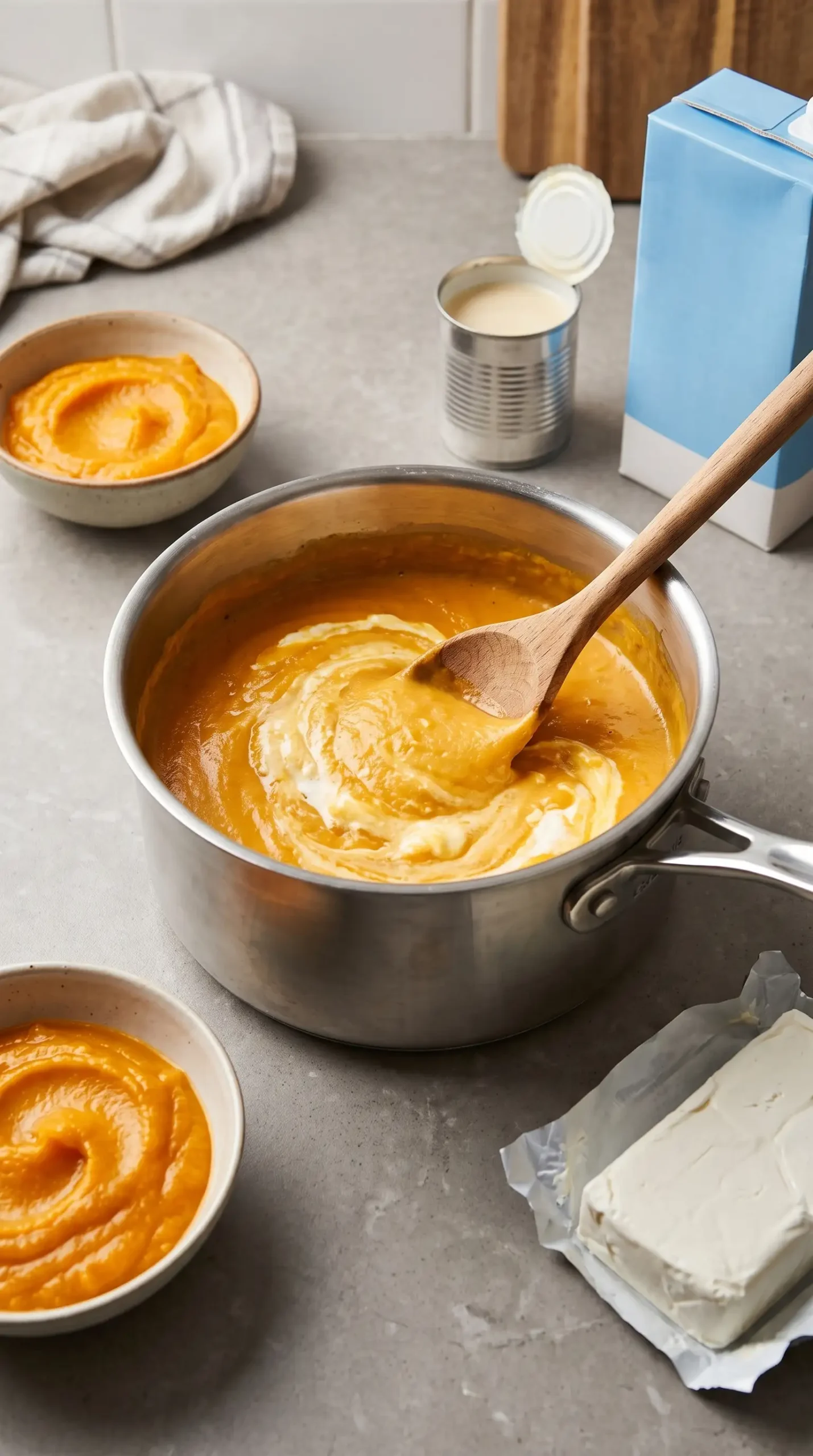
Butternut squash puree is the ingredient decision that most influences the sauce texture in butternut squash cheddar mac and cheese. The smooth puree blends with evaporated milk, broth, and cream cheese to create a velvety coating for the pasta, while the added moisture helps keep the macaroni tender and rich.
Caramelized Onions and Apples Create the Signature Flavor Contrast
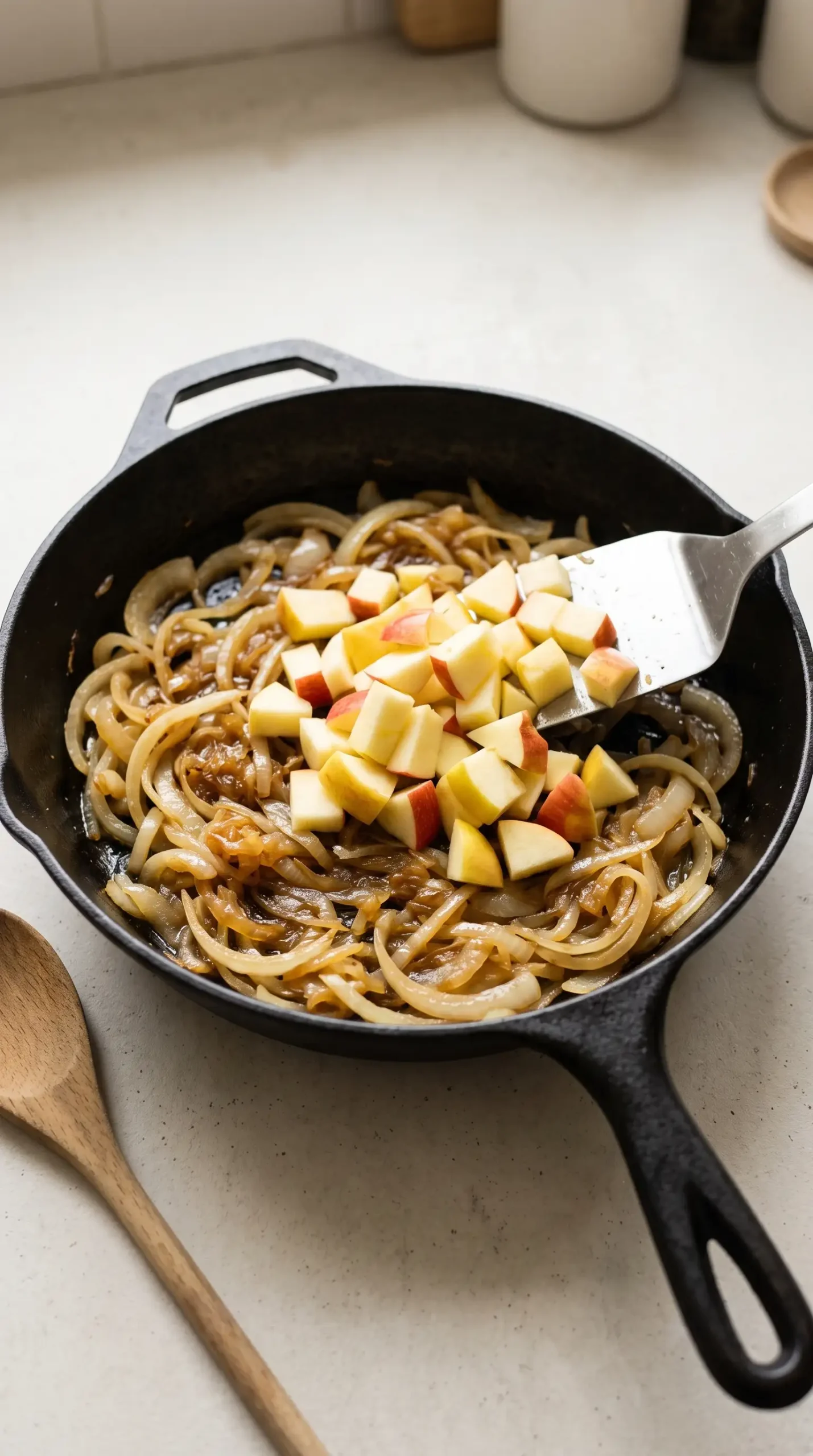
Caramelized onions are an important part of the finished flavor because the low and slow cooking process changes their sharp bite into a deeper sweetness. Keeping the skillet heat low allows the onions to soften gradually and develop the flavor needed to balance the squash.
Fresh apple brings another layer of contrast after the onions have reached their sweet, tender texture. A crisp apple works especially well because its brighter character prevents the pasta from feeling too heavy, creating a combination similar to a savory autumn-inspired side dish.
Small choices during preparation affect how these additions appear in every serving. Thinly sliced onions distribute their sweetness more evenly, while chopped or grated apple can be adjusted depending on whether you prefer noticeable pieces or a softer blend throughout the macaroni.
Cheddar and Bacon Finish the Butternut Squash Mac n Cheese with Bacon
Cheddar cheese and crumbled bacon complete the dish by adding familiar mac and cheese qualities. The cheese is stirred in just before serving so it melts into the warm sauce, while bacon is used as a topping that keeps its savory texture and flavor. A classic baked mac and cheese with cheddar preparation can highlight how cheese-forward finishes create a comforting pasta experience.
Cooking Controls Keep the Sauce Smooth and Creamy
The most important cooking decisions happen when the pasta and sauce come together. Returning the drained macaroni to low heat helps the squash mixture combine evenly without rushing the creamy ingredients or creating a dry texture.
Gentle heat also matters when adding cheese. Stirring shredded cheddar into the warm pasta at the right moment allows it to melt smoothly into the sauce, and understanding cheese melting behavior helps prevent a grainy texture caused by overheating.
Moisture adjustments can protect the finished texture because the dish contains very little butter. If the macaroni becomes thicker after sitting, a small addition of water, milk, or broth can bring back the smooth consistency without changing the main flavors.
Common Mistakes That Affect Butternut Squash Mac and Cheese
Butternut squash mac and cheese can lose its best qualities when a few simple details are overlooked. Avoid rushing the onions before they become tender, adding cheese too early, or letting the pasta sit without checking the sauce consistency. Watch for these signs and corrections:
- Dry pasta: Add a small splash of liquid when the sauce tightens after cooking.
- Sharp onion flavor: Continue low heat cooking until the onions soften and become sweeter.
- Uneven sauce: Keep the pasta over gentle heat while combining the squash mixture and dairy ingredients.
- Muted toppings: Add bacon and apple at the right stage so their textures remain noticeable.
A Simple Guide to Adjusting the Mac and Cheese Balance
The balance of flavors can be adjusted based on how you want the finished bowl to taste. The table below highlights changes that affect texture and flavor while staying within the ingredients used for the dish.
| Adjustment | Result | Best Use |
|---|---|---|
| Extra splash of broth or milk | Softer, creamier sauce | When macaroni becomes thicker after resting |
| More caramelized onion pieces | Deeper sweetness | When you want the savory-sweet contrast to stand out |
| Additional apple pieces | Brighter fresh flavor | When the dish needs more crisp contrast |
| Extra cheddar | Stronger cheese character | For a more traditional mac and cheese profile |
These adjustments work because the dish already contains complementary flavors. Small changes can highlight one part of the combination without removing the balance between squash, cheese, bacon, onions, and apples.
Serving Choices Highlight the Apple Bacon Squash Combination
Serving butternut squash mac n cheese with bacon warm allows the creamy sauce, melted cheddar, and topping flavors to stand out. The dish works well as a comforting main meal or as a rich side alongside simple proteins and vegetables.
Storing and Refreshing Butternut Squash Mac and Cheese
Leftover pasta can become firmer as it cools because the sauce continues to absorb into the macaroni. Storing it in a covered container helps protect the moisture and makes reheating easier.
Reheating works best with gentle heat and a small amount of added liquid if needed. A spoonful of water, milk, or broth can loosen the sauce and help restore the creamy texture that makes the dish enjoyable.
Serving portions separately can make it easier to refresh only the amount needed. Stirring while warming helps distribute the squash sauce, cheese, and pasta evenly so the flavors remain balanced.
Whole Grain Pasta Decisions Change the Dish Experience
Whole grain elbow macaroni gives this butternut squash mac and cheese a heartier pasta base. Its slightly firmer texture pairs well with the smooth squash sauce and creates a satisfying contrast with the tender onions and soft apple pieces.
Butternut Squash Mac and Cheese Finds Its Balance Through Contrast
Butternut squash mac and cheese succeeds because its strongest qualities come from balance. Creamy squash sauce, melted cheddar, sweet onions, fresh apple, and bacon each contribute something different, making the dish feel complete without relying on one dominant flavor.
The most important judgment is keeping the texture creamy while protecting the contrasts that make every serving interesting. Careful heat control, properly softened onions, and a thoughtful finish with toppings preserve the character of the pasta from the first bite to the last.
Butternut Squash Mac and Cheese Texture Questions
Can I prevent the sauce from becoming dry?
Yes. The sauce can thicken as the pasta sits, so adding a small amount of water, milk, or broth while reheating or serving can help return the creamy consistency.
Can I use a different type of apple?
A crisp apple is the best fit because it provides a noticeable fresh contrast against the creamy pasta. Choose an apple that holds its texture when chopped or grated.
Why do the onions need low heat?
Low heat allows the onions to soften gradually and develop sweetness. Faster cooking can leave them sharper and less integrated with the squash and cheese flavors.
Can I make the dish more cheese-forward?
Adding more shredded cheddar can emphasize the classic mac and cheese flavor while keeping the squash sauce as the creamy foundation.
Butternut Squash Mac and Cheese with Bacon and Apples
Butternut squash mac and cheese is a creamy, comforting pasta dish with a smooth squash cheddar sauce, sweet apple contrast, and savory bacon finish. It is a cozy choice for a satisfying fall-inspired meal with familiar flavors and a unique twist.
Ingredients
Method
Preparation
- Melt the butter in a skillet over low heat, then add the sliced onions. Cook over low to low-medium heat for at least 30 minutes until the onions caramelize and develop flavor.
- Cook the macaroni according to the package directions. Drain the pasta and return it to the pan over low heat.
Cooking
- Add the butternut squash puree, chicken or vegetable broth, evaporated milk, and cream cheese to the pasta. Stir until combined, then mix in the salt.
- Fold the caramelized onions and chopped or grated apple into the pasta. Add an additional tablespoon of broth or milk if needed to loosen the texture.
- Stir in the shredded cheddar cheese just before serving until melted. Finish each serving with 1 tablespoon of crumbled bacon on top.
Notes
Because the recipe uses very little butter, the mac and cheese may become dry more quickly, especially after it is removed from heat. Add a tablespoon of water, milk, or broth if needed to restore the creamy consistency.