From breakfast to dinner, from wholesome meals to indulgent desserts, Nexa Recipes offers quick, easy, and delicious ideas for every occasion and every moment.



 This Recipe
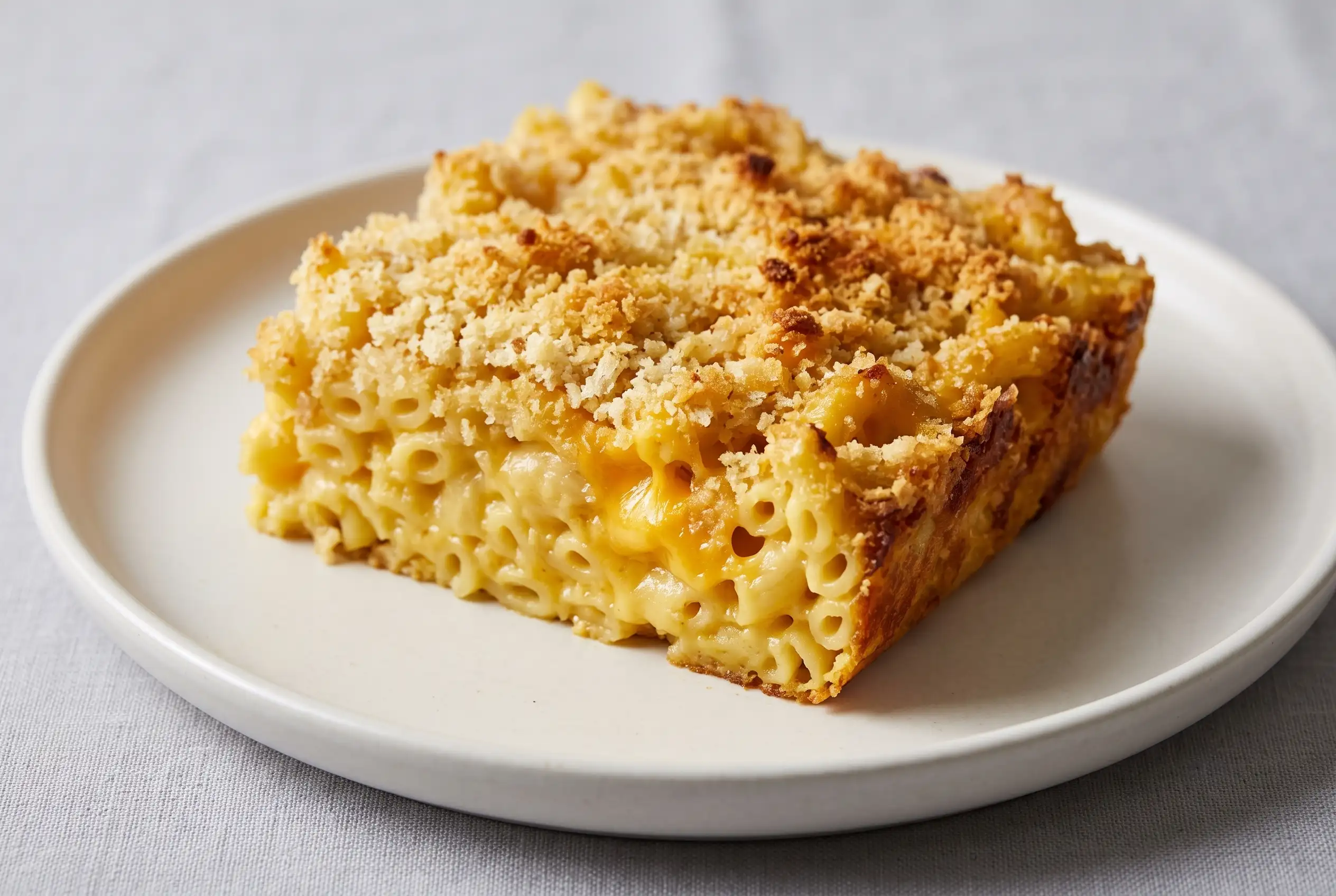
Baked mac and cheese brings together a creamy cheese sauce, tender elbow macaroni, and a crisp breadcrumb topping for a casserole-style dinner with a distinct baked texture. Unlike stovetop versions that stay loose and flowing, this dish uses eggs and oven heat to create a firmer sliceable finish while keeping plenty of cheddar flavor throughout.
Baked Mac and Cheese Finds Balance Between Sauce and Set
Many baked pasta dishes succeed because every layer has a clear purpose, and baked mac and cheese depends on the relationship between the sauce, noodles, and topping. The macaroni needs enough moisture before entering the oven, while the cheese mixture must be rich enough to coat the pasta and stable enough to hold together after baking.
Unlike a quick stovetop macaroni, this version develops a casserole texture that can be portioned cleanly. The beaten eggs help the sauce firm as it cooks, creating a cheesy baked macaroni and cheese experience with a structure closer to a savory pie than a loose bowl of noodles.
Cheddar and Melting Cheese Shape the Casserole Finish
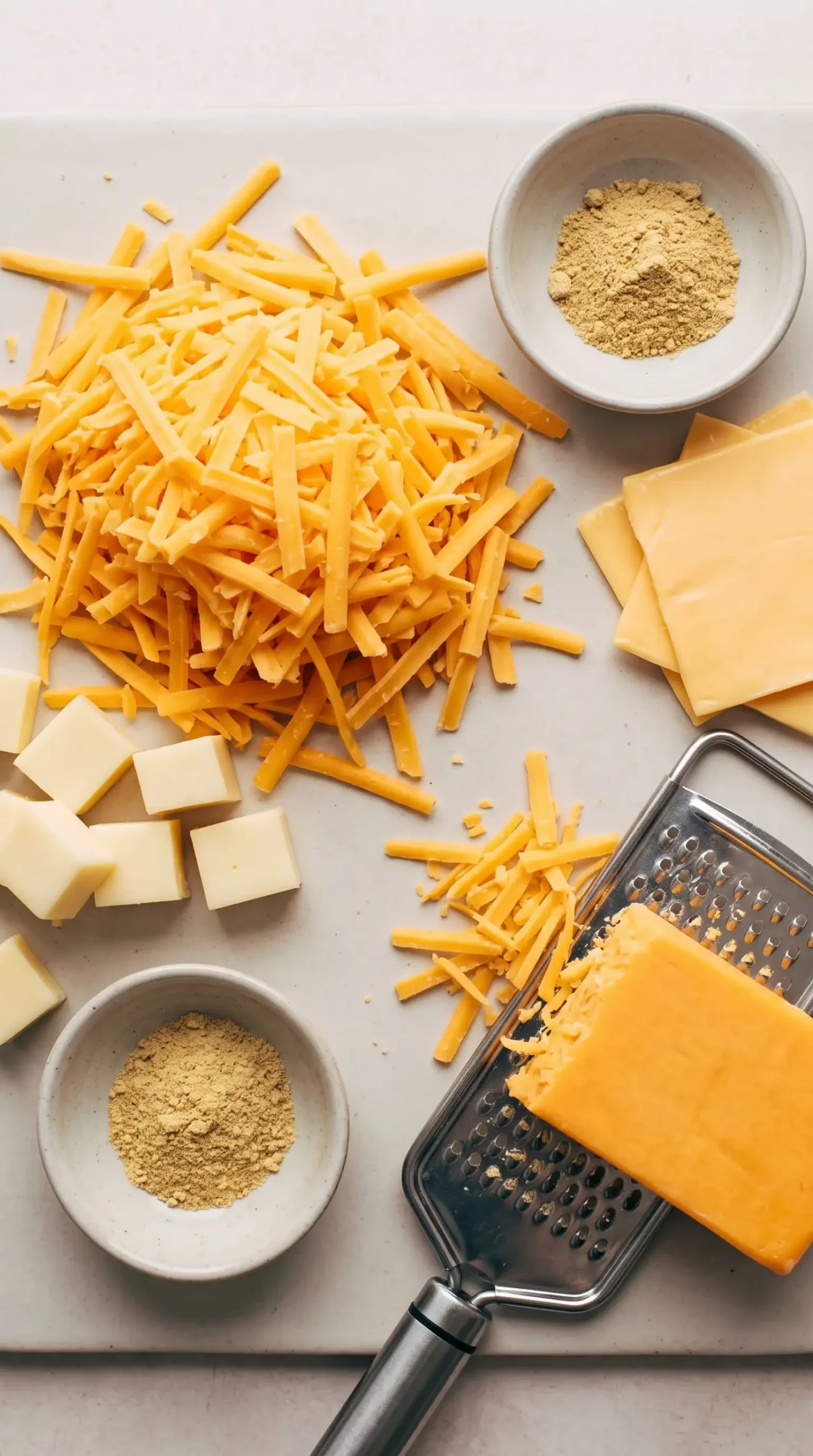
Cheddar provides the familiar sharp flavor that defines the dish, while a second smooth-melting cheese changes the way the sauce behaves in the oven. Combining cheddar with American, Gruyere, or another cheese that melts evenly creates a sauce that coats the macaroni and supports the baked texture.
Smooth cheese selection matters because uneven melting can leave a sauce that separates or feels heavy. Grating the cheese or cutting it into smaller pieces helps it blend into the warm dairy mixture without leaving large pockets of unmelted cheese.
Another important choice is keeping the cheese balance focused on flavor and texture. The combination of a flavorful aged cheese with a softer melting variety allows the casserole to taste rich while still producing a cohesive slice when served.
Soaked Macaroni Creates the Right Texture Before Baking
Soaked macaroni gives the noodles a head start before they enter the oven. Covering the pasta with hot salted water allows it to soften without a traditional boil, helping the finished baked mac and cheese maintain the tender texture needed for a casserole that continues cooking during baking.
Sauce Thickening Controls the Oven Baked Mac and Cheese Structure
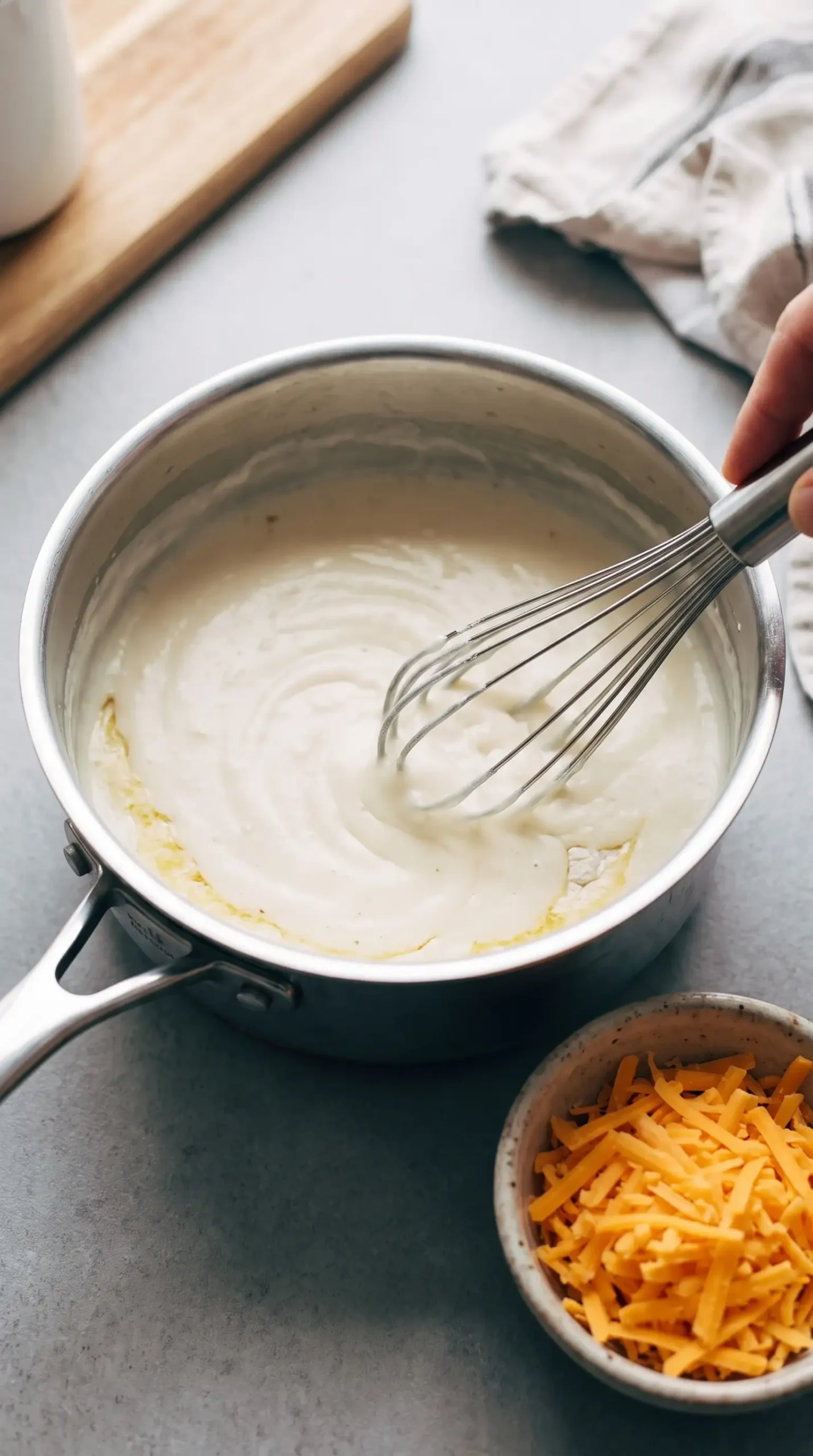
Building the cheese sauce begins with a flour-and-butter base that creates the foundation for a smooth coating. Cooking the flour until it reaches a light golden color removes the raw flour taste and prepares it to combine with the evaporated milk and whole milk.
Whisking the sauce while gradually adding dairy keeps the sauce smooth and prevents uneven thick spots. The sauce should become thick enough to cling to the macaroni before the cheese is added, because a properly coated noodle helps the finished casserole stay flavorful throughout.
Gentle heating also protects the texture of the cheese mixture. Adding the cheeses after removing the sauce from direct heat allows them to melt into the base without excessive cooking that could make the mixture less smooth.
Breadcrumbs Add the Crisp Contrast
Breadcrumbs create the defining contrast on top of the casserole by adding a toasted layer against the creamy pasta underneath. Tossing toasted bread with melted butter before baking helps the topping brown evenly and gives each serving a crisp surface.
Common Baked Mac and Cheese Mistakes That Change the Texture
Common problems in baked mac and cheese usually come from changes that affect moisture, structure, or heat control. Paying attention to the sauce consistency and noodle preparation helps prevent a casserole that feels either dry or overly loose.
- Thin sauce: A sauce that has not thickened enough before baking may leave the casserole watery instead of sliceable.
- Overheated cheese: Excessive heat after adding cheese can affect the smooth texture of the sauce base.
- Missing topping balance: Too little buttered breadcrumb coverage can remove the crisp contrast that defines the baked style.
Overbaking can push the noodles past their ideal texture because the casserole continues to firm as it cools. Removing the foil near the end of baking gives the breadcrumbs time to toast without exposing the pasta to unnecessary heat for too long.
Skipping the gradual egg tempering step can also create uneven results. Combining hot sauce with beaten eggs too quickly may cause the eggs to set before they are distributed through the cheese mixture.
Egg Tempering Keeps the Cheese Base Smooth
Eggs provide the setting power that separates this baked mac and cheese from a softer stovetop version. Mixing a portion of the warm sauce with the beaten eggs first raises their temperature gradually, allowing them to blend into the casserole without creating curdled pieces.
Choosing a Baking Dish Changes the Set and Crust
Selecting the right baking dish affects how the casserole cooks from edge to center. A dish with enough surface area allows the breadcrumb topping to brown while giving the cheese mixture room to settle into a consistent layer.
Smaller dishes create thicker portions with more interior softness, while wider dishes emphasize the browned topping and slightly firmer edges. Either approach works, but the shape changes the balance between crust and creamy center.
A larger baking surface also changes how quickly heat reaches the macaroni. Keeping the casserole evenly arranged helps the sauce and noodles finish together instead of creating sections with different textures.
Preparing Ahead Requires Protecting the Cheese Texture
Preparing baked mac and cheese ahead of time works best when the sauce, pasta, and topping are handled carefully. Keeping the breadcrumb mixture ready separately until baking helps preserve its crisp texture instead of allowing it to absorb moisture before entering the oven.
Serving Adjustments Keep Each Slice Balanced
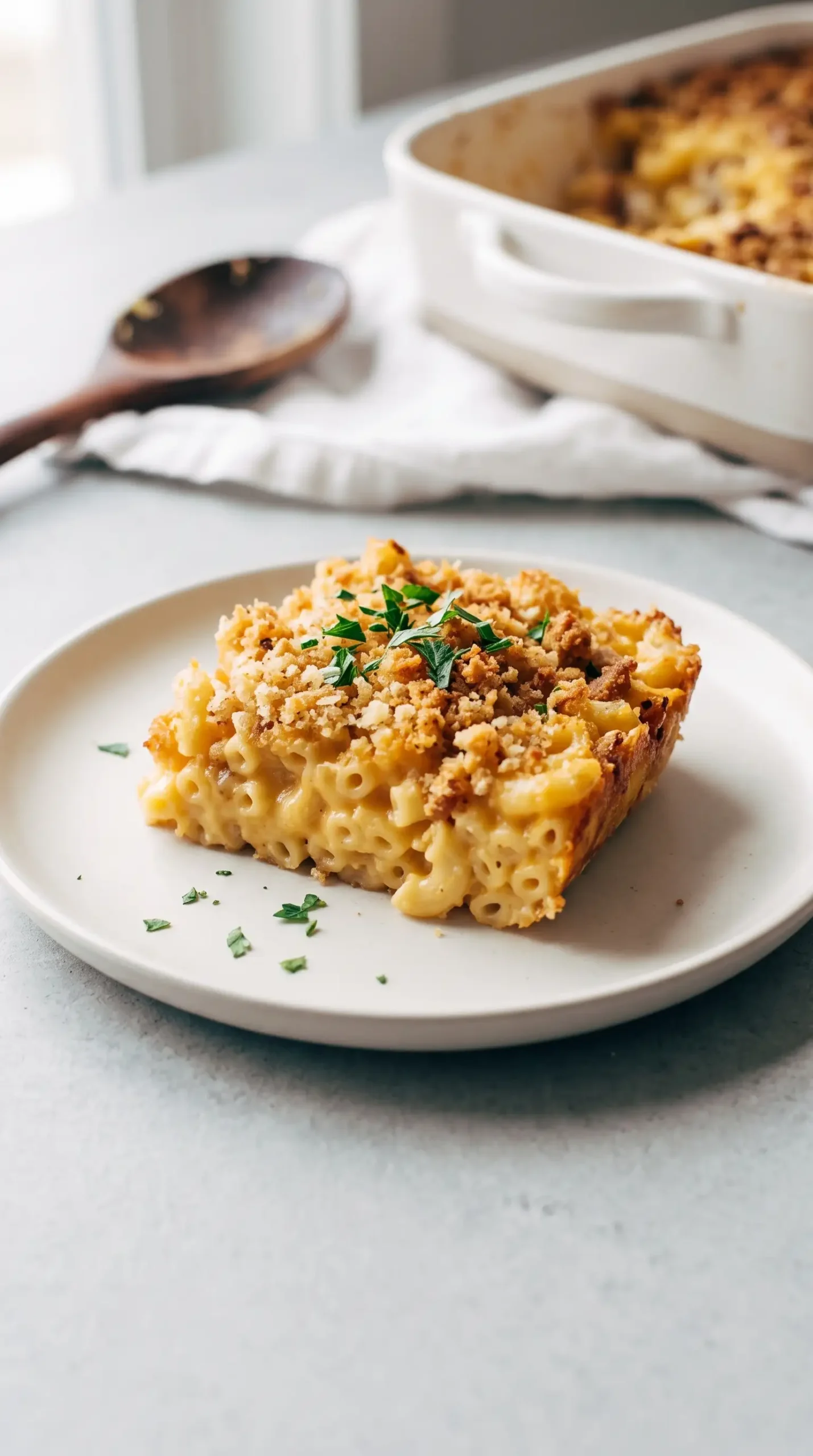
Serving baked mac and cheese is about highlighting the contrast between the creamy interior and toasted surface. A short rest after baking allows the sauce to settle, making portions easier to lift while keeping the cheese flavor concentrated.
Portions can be finished with simple seasonings that complement the richness of the casserole. Salt, pepper, or hot sauce can add brightness at the table without changing the carefully balanced cheese base.
Simple Variations Match the Baked Style
Simple adjustments can change the personality of oven baked mac and cheese while preserving its casserole structure. Keeping the same sauce approach while changing seasonings or serving additions allows the baked finish to remain the focus.
Adding roasted vegetables or savory mix-ins can change the balance of a baked casserole; Butternut Squash Mac and Cheese with Bacon and Apples combines squash with a cheese-forward baked pasta format for a seasonal variation.
Stored Portions Need Careful Reheating
Stored portions of baked mac and cheese benefit from gentle reheating because the cheese sauce can tighten as it cools. Adding a small amount of moisture during warming can help restore a softer texture without removing the baked character.
Reheated servings may not have the same fresh breadcrumb crispness as they do from the oven, but the casserole texture remains satisfying when warmed carefully. Avoiding excessive heat helps protect the cheese from becoming separated or oily.
Cold leftovers can also be enjoyed in different ways depending on personal preference. The firmer set created by the eggs makes slices easier to handle than a traditional loose macaroni preparation.
Baked Mac and Cheese Holds Its Casserole Texture Through Careful Baking
The casserole develops its signature character when the sauce, eggs, macaroni, and breadcrumb topping work together during baking. The cheese mixture must be smooth before it enters the oven, while the noodles need enough preparation to remain tender as the dish sets.
When the baking process is controlled, baked mac and cheese delivers a firm yet creamy center with a crisp topping that separates it from stovetop versions. That balance comes from understanding how the ingredients respond to heat, not from adding extra richness alone.
Baked Mac and Cheese Texture Questions and Answers
Why does baked mac and cheese set more firmly than stovetop versions?
The eggs in the cheese mixture help the casserole firm as it bakes, creating a sliceable texture instead of the loose consistency common in stovetop macaroni. The oven heat allows the sauce to bind with the noodles while the dish cools slightly.
Can the breadcrumb topping be changed for baked mac and cheese?
Yes, the topping can be adjusted while keeping the same purpose. The important factor is maintaining a buttery layer that can toast in the oven and provide contrast to the creamy macaroni underneath.
What makes the cheese sauce stay smooth during baking?
A smooth sauce comes from properly thickening the flour and butter base, adding dairy gradually, and melting the cheeses carefully. These steps help the cheese blend evenly before the casserole goes into the oven.
How can the casserole keep its creamy center after baking?
Maintaining the correct sauce consistency before baking is the key. A sauce that fully coats the macaroni provides enough moisture for the noodles while allowing the eggs to create the desired baked structure.
Baked Mac and Cheese with Cheddar and Breadcrumb Topping
Baked Mac and Cheese is a comforting casserole with a creamy, cheesy center and crisp breadcrumb topping. It is perfect for gatherings or cozy meals when you want a hearty baked pasta dish with a sliceable texture.
Ingredients
Method
Preparation
- Preheat the oven to 375°F (190°C). Place the macaroni in a large bowl, cover with hot water, add a generous pinch of salt, and soak for about 30 minutes while preparing the remaining ingredients.
- Melt 2 tablespoons of butter. Process the toasted bread in a food processor, then combine with the melted butter and set the breadcrumb topping aside.
Cooking
- Melt the remaining butter in a large saucepan. Add the flour and cook while stirring constantly until the mixture reaches a light golden blonde color.
- Slowly whisk in the evaporated milk and whole milk until the sauce is smooth and thickened. Add the mustard, bring the sauce to a simmer over medium heat, then remove from the heat.
- Stir the cheeses into the warm sauce until melted. Season to taste.
- In a separate bowl, whisk about 1 cup of the sauce with the beaten eggs to gradually warm them. Stir the egg mixture into the remaining sauce, then add the drained macaroni and mix until combined.
- Transfer the macaroni mixture to a greased rectangular or square baking dish.
Baking
- Spread the breadcrumbs over the macaroni, cover the dish with foil, and bake for 30 minutes.
- Remove the foil and continue baking for another 5 minutes to toast the breadcrumb topping.
- Serve with salt, pepper, hot sauce, or other preferred accompaniments.
Notes
Because this is a baked mac and cheese with eggs, it sets into a firmer casserole texture rather than a loose, extra-creamy stovetop style. The eggs help the dish hold together, creating a cheesy bake that can be portioned into slices. For a softer, more sauce-forward texture, the source notes suggest omitting the eggs, adding a little extra milk to the sauce, and baking only until the breadcrumbs are toasted.