From breakfast to dinner, from wholesome meals to indulgent desserts, Nexa Recipes offers quick, easy, and delicious ideas for every occasion and every moment.



 This Recipe
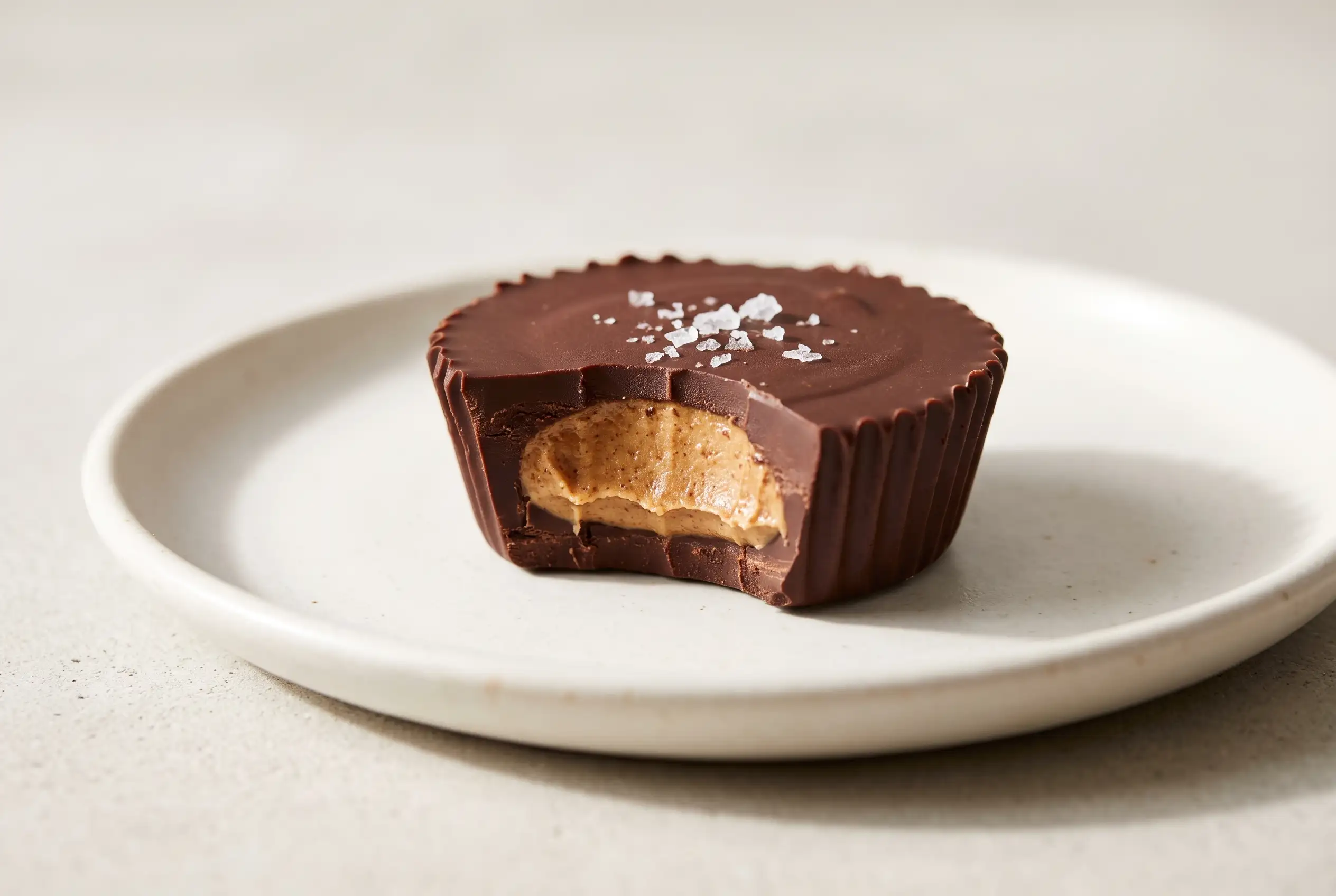
Almond butter cups combine a rich chocolate shell, a creamy nut butter center, and a touch of sea salt for a homemade treat that balances deep cocoa flavor with smooth sweetness. These homemade almond butter cups are built from a short ingredient list, but small choices in the chocolate mixture, filling texture, and freezing process shape the finished result. The simplicity makes them approachable while leaving room to adjust sweetness, richness, and nut butter style.
Almond Butter Cups Create a Simple Chocolate and Nut Butter Contrast
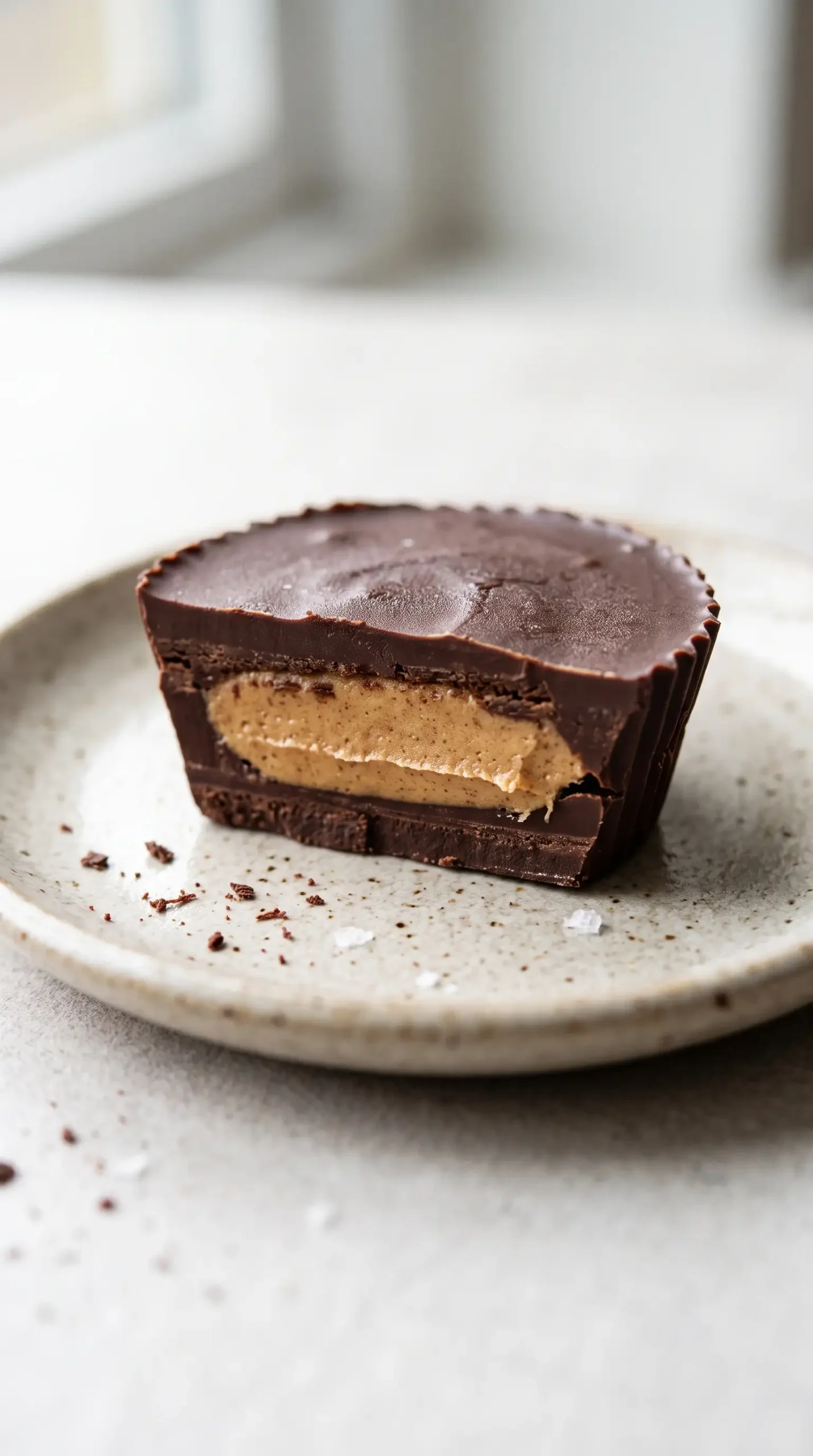
The appeal of almond butter cups comes from the meeting of two distinct textures. A firm chocolate coating surrounds a softer almond butter center, creating a bite that feels both creamy and crisp after chilling. The combination works because the cocoa mixture forms the structure while the nut butter provides the smooth interior.
Many chocolate desserts depend on multiple layers of preparation, but these treats focus on balance. The cocoa flavor can be adjusted toward a darker finish or a sweeter profile depending on the amount of natural sweetener used. A small amount of sea salt on top helps highlight the chocolate and keeps the sweetness from becoming one-dimensional.
Coconut Oil and Cocoa Build the Chocolate Foundation
Coconut oil plays an important role in the chocolate coating because it creates a mixture that can be combined easily with cocoa powder and sweetener. Melted coconut oil allows the cocoa to disperse smoothly, giving the cups a consistent chocolate layer when chilled.
Cocoa powder determines much of the character of these chocolate almond butter cups. A larger amount creates a more intense chocolate flavor, while a smaller amount allows the sweetener and nut butter to stand out more clearly. Adjusting the cocoa level changes the overall personality without changing the basic technique.
Choosing a cocoa amount comes down to personal preference and the type of chocolate experience you want. A more pronounced cocoa taste pairs especially well with naturally sweet almond butter, while a milder chocolate mixture creates a softer dessert profile.
| Cocoa approach | Flavor result | Best match |
|---|---|---|
| More cocoa | Deeper and darker chocolate taste | Less sweet nut butter fillings |
| Moderate cocoa | Balanced chocolate flavor | Classic almond butter cup texture |
| Less cocoa | Softer chocolate character | Stronger sweetener or nut butter flavors |
Almond Butter Texture Determines the Center Experience
The nut butter filling is the defining middle layer of almond butter cups. A smooth almond butter spreads easily into the chocolate base, while thicker varieties create a more substantial center. Recipes such as almond butter dessert bars show how this ingredient can bring richness and structure to baked treats, making the quality and texture of the chosen nut butter especially noticeable.
Peanut butter can replace almond butter when a different flavor profile is preferred. The same structure works with other nut butters, allowing the chocolate coating to pair with a variety of creamy centers while keeping the preparation approach unchanged.
- Smooth filling: Creates an even center that blends easily with the chocolate layers.
- Thicker filling: Produces a more noticeable nut butter bite inside each cup.
- Alternative nut butter: Changes the flavor while keeping the same chocolate-based format.
Sea Salt Brings Balance to Chocolate Almond Butter Cups
Sea salt is a small finishing detail that has a noticeable effect on the finished treat. A pinch sprinkled over the chocolate surface creates contrast against the sweetness and strengthens the cocoa flavor.
The topping works best when used lightly. Too much salt can distract from the creamy center, while a small amount provides a sharper finish that makes each bite feel more balanced.
Natural Sweeteners Adjust the Homemade Almond Butter Cups
The sweetener choice gives flexibility to the chocolate mixture. Agave and maple syrup both blend into the melted cocoa and coconut oil mixture, allowing the sweetness level to match personal taste preferences.
Different sweetener amounts create different results. A smaller amount emphasizes the cocoa and nut butter, while additional sweetness creates a more traditional candy-like flavor. The adaptable nature of the mixture makes it easy to create a version that fits your preferred chocolate intensity.
| Sweetness preference | Chocolate character | Adjustment focus |
|---|---|---|
| Dark chocolate style | More cocoa-forward | Use less sweetener |
| Balanced dessert style | Chocolate and nut butter share attention | Use a moderate sweetener amount |
| Sweeter candy style | Softer cocoa impact | Add more natural sweetener |
Paper Liners Make Portioning Almond Butter Cup Recipe Easier
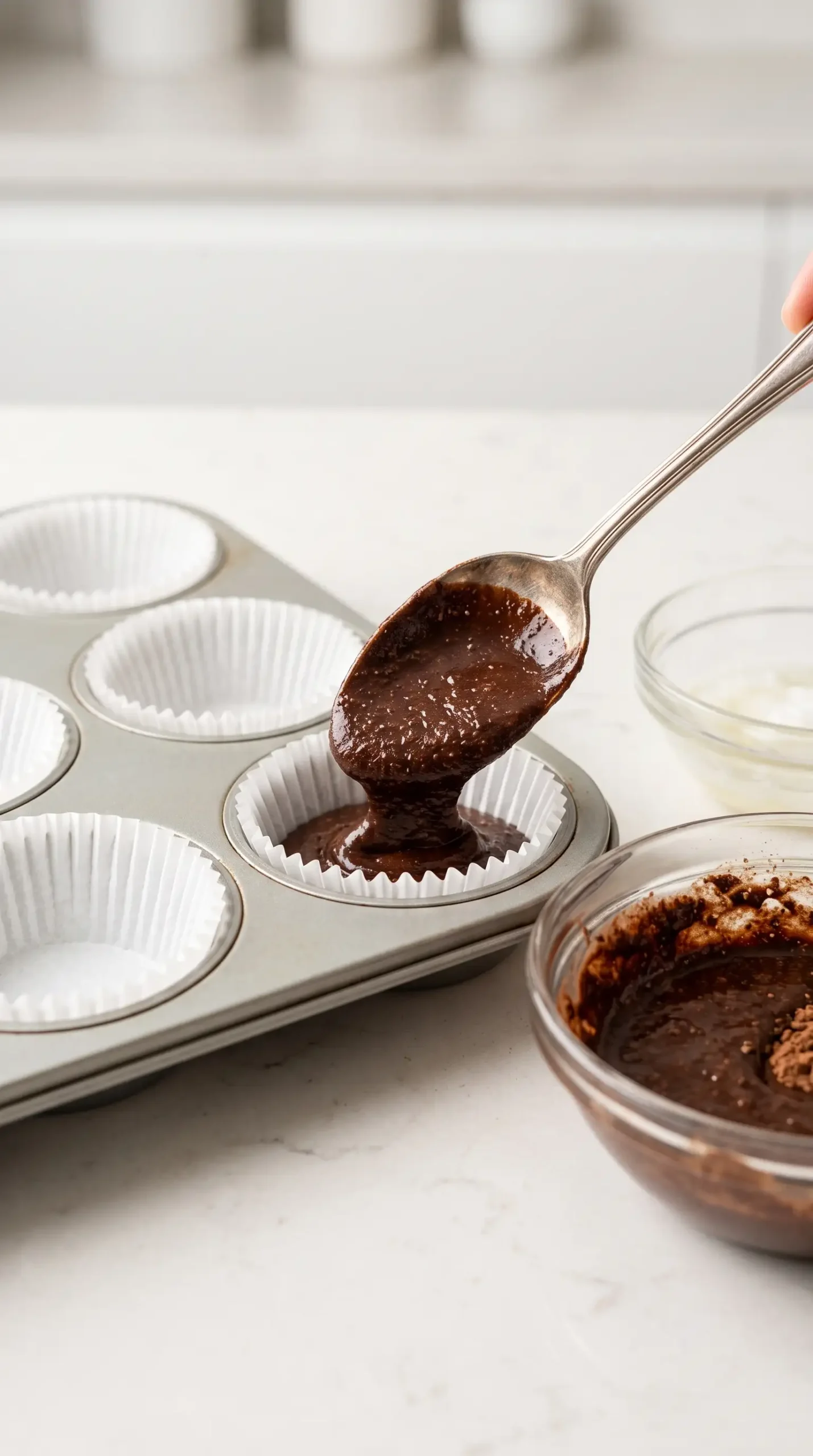
Paper liners provide a practical way to shape and remove each chocolate treat after chilling. They keep the layers contained and make the finished cups easier to handle once the chocolate becomes firm.
The liner size also affects how the chocolate and almond butter layers feel together. Even portions help create a consistent balance between the outer coating and the creamy middle.
Freezing Controls the Structure of Each Chocolate Cup
Chilling is essential because the chocolate mixture needs time to become firm around the almond butter center. The cold environment allows the coconut oil-based coating to set and gives the cups their recognizable candy-like texture.
Patience during chilling improves the final texture. Moving the cups before they are solid can disturb the layers, while allowing them to firm completely creates a cleaner bite with defined chocolate and nut butter sections.
- Set the layers: Allow the chocolate coating to firm fully before expecting a stable texture.
- Protect the shape: Keep chilled cups in a cold location until ready to serve.
- Preserve freshness: Store finished cups properly to maintain their texture.
Common Almond Butter Cups Mistakes Come From Layer Problems
Chocolate almond butter cups are simple to prepare, but a few issues can affect the final result. The most common problems involve uneven layers, exposed filling, or a chocolate mixture that does not match the desired flavor balance.
When almond butter rises above the chocolate surface, gently pressing it down before the top layer finishes setting helps create a smoother appearance. Keeping the filling centered also helps every bite contain both chocolate and nut butter.
Another possible issue is choosing a cocoa and sweetener balance that does not match your preference. A mixture that tastes too bitter can be adjusted in future batches by increasing sweetness, while a mixture that feels too sweet can move toward a darker cocoa profile.
Storage Keeps Almond Butter Cups Ready for Easy Treats
These treats hold their texture well when kept cold. Refrigeration keeps the chocolate firm while maintaining the creamy center, and freezing provides a longer-lasting option for storing extra portions.
Cold storage also makes the cups convenient for preparing ahead. The firm texture allows them to be served as a small dessert, snack, or chocolate treat whenever a rich bite is desired.
Flavor Variations Expand the Almond Butter Cups Collection
The basic chocolate and nut butter combination welcomes simple changes without requiring a new approach. Swapping almond butter for peanut butter creates a familiar chocolate-peanut flavor, while different sweetener choices shift the overall taste.
Additional experimentation can focus on the balance between cocoa, sweetness, and filling texture. The recipe structure stays dependable while allowing personal preferences to guide the final flavor.
Serving Ideas Highlight the Rich Chocolate Finish
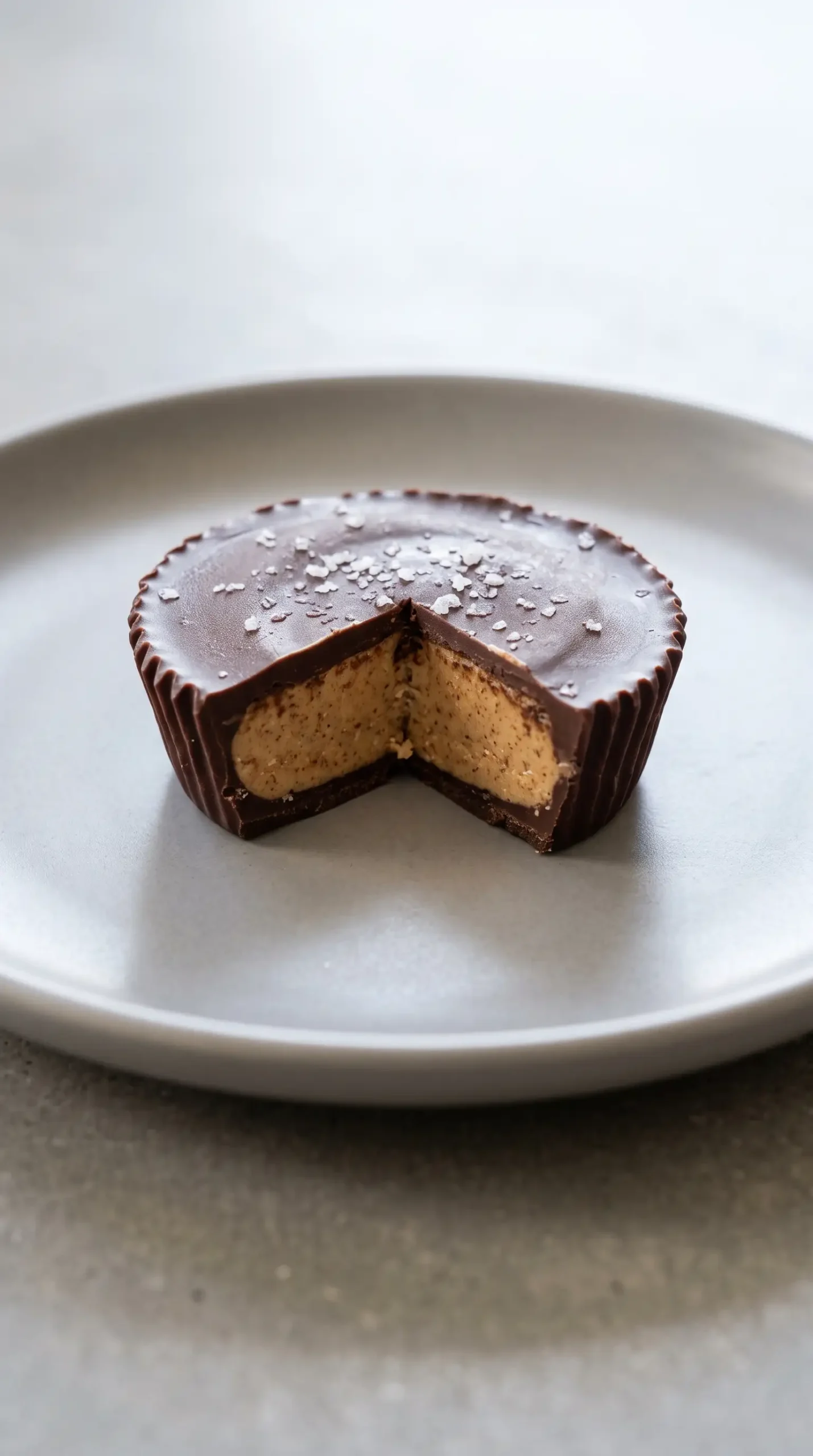
Almond butter cups work well as individual treats because each portion contains a complete combination of chocolate, creamy filling, and salt. Their small size makes them easy to serve alongside coffee, tea, or other desserts.
The firm texture after chilling also makes them suitable for keeping prepared in advance. Serving them cold preserves the contrast between the chocolate exterior and the smooth nut butter center.
Almond Butter Cups Reward Careful Chocolate Balance
Almond butter cups depend on the relationship between cocoa intensity, creamy filling, and a controlled touch of sweetness. The most important decision is finding the chocolate balance that allows the almond butter center and sea salt finish to stand out together.
A smooth mixture, centered filling, and properly chilled chocolate create the texture that defines this treat. Each adjustment changes the experience, but the core appeal remains the same: a simple homemade dessert built around contrasting flavors and textures.
Almond Butter Cups Questions About Storage and Texture
Can almond butter cups be made with another nut butter?
Yes, peanut butter and other nut butters can replace almond butter. The swap changes the flavor of the center while keeping the chocolate coating and preparation approach consistent.
Why does the chocolate layer need to become firm?
The chocolate layer needs to set so the cup holds its shape and creates a clear contrast with the softer nut butter filling. Chilling helps the coconut oil-based coating become stable.
How can the flavor become less bitter?
A less bitter result comes from adjusting the cocoa and sweetener balance. Reducing cocoa intensity or adding more natural sweetener creates a softer chocolate flavor.
Can homemade almond butter cups stay frozen?
Yes, freezing is a suitable storage option for these cups. Keeping them frozen helps maintain their firm texture and allows them to be enjoyed later without changing the basic structure.
What helps create a smooth top layer?
Keeping the almond butter centered and gently pressing down any filling that rises above the chocolate helps create a more even surface before the cups finish setting.
Almond Butter Cups with Chocolate Shell and Sea Salt
Almond butter cups are a simple homemade chocolate treat with a firm chocolate shell, creamy nut butter center, and a touch of sea salt. They are easy to make when you want a rich dessert with a satisfying sweet and salty contrast.
Ingredients
Method
Preparation
- Whisk together the melted coconut oil, cocoa powder, sweetener, and salt until combined.
- Line a regular size muffin tin with paper liners. Add 1-2 tablespoons of the cocoa mixture to each liner.
- Place 2-3 teaspoons of almond butter in the center of each cup, then divide the remaining chocolate mixture over the tops.
- If any almond butter extends above the chocolate layer, gently press it down to create an even surface.
Topping and Chilling
- Sprinkle each almond butter cup with a pinch of coarse sea salt.
- Freeze the cups for one hour or until solid.
Notes
These can be stored in the fridge or freezer. The recipe is adaptable, with cocoa and sweetener amounts adjusted based on how sweet or dark you prefer the chocolate flavor. Peanut butter also works well in place of almond butter.