From breakfast to dinner, from wholesome meals to indulgent desserts, Nexa Recipes offers quick, easy, and delicious ideas for every occasion and every moment.



 This Recipe
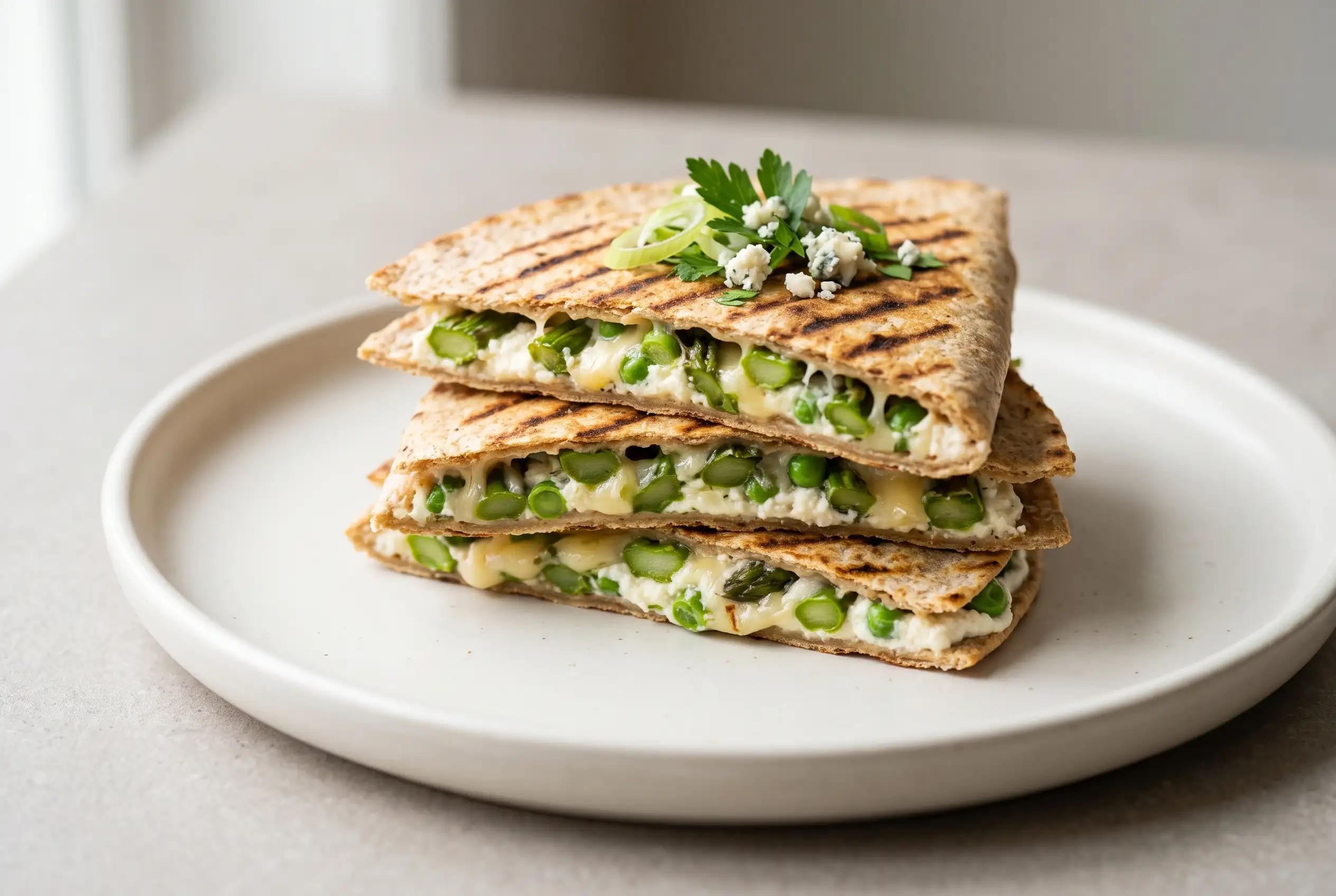
Asparagus quesadilla brings grilled vegetables, creamy ricotta, and melted cheese together in a layered handheld meal with a unique twist. The stacked wedge presentation gives the dish its lasagna-inspired character while keeping the familiar appeal of a warm quesadilla.
Unlike a traditional layered casserole, the asparagus quesadilla lasagna approach focuses on tortilla layers, contrasting fillings, and careful grilling. Each bite combines tender vegetables with savory cheese elements that make a simple vegetarian meal feel more substantial.
Asparagus Quesadilla Brings Grilled Vegetables Into Layers
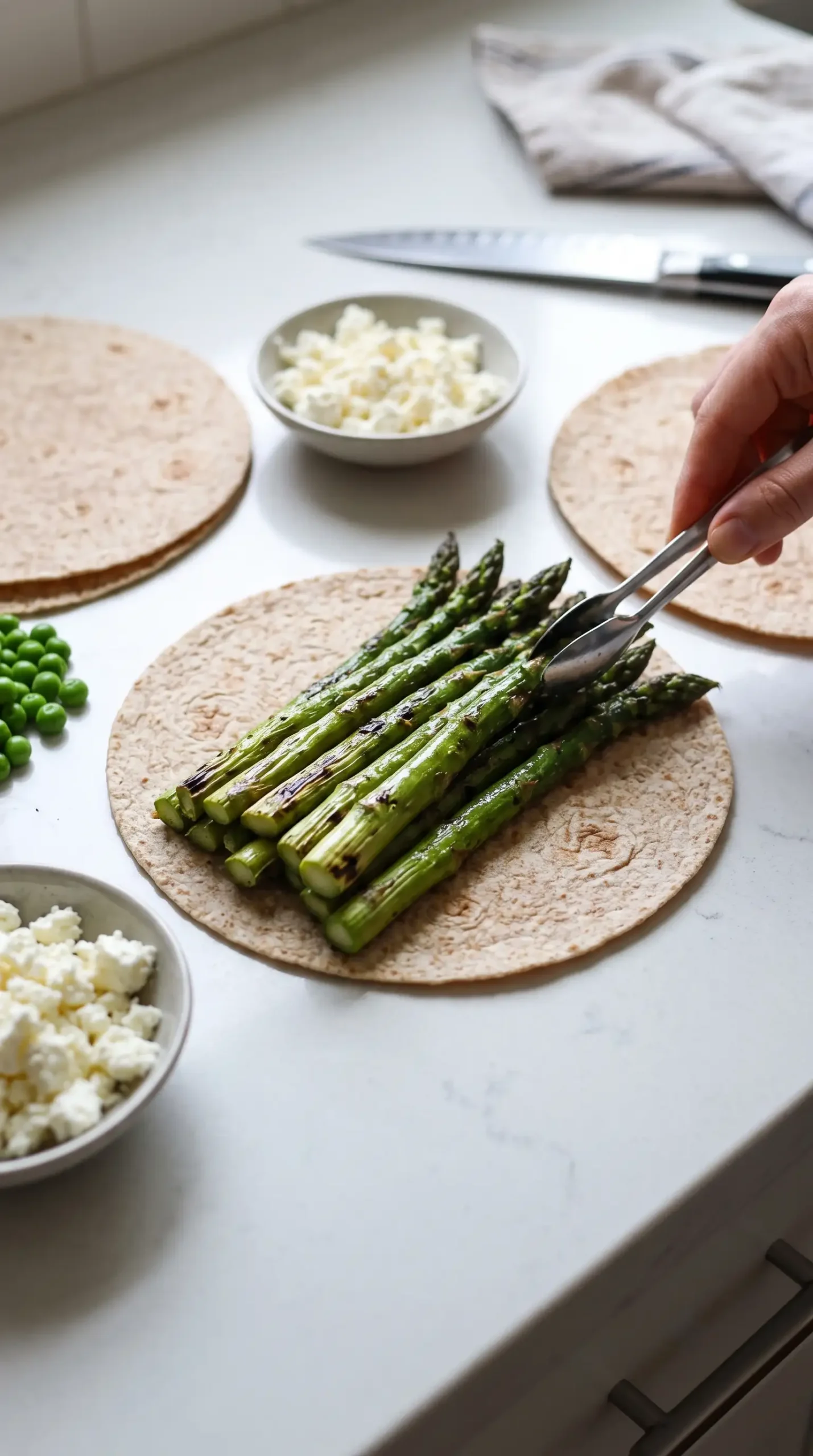
Grilled asparagus creates the central vegetable layer by adding a lightly charred flavor and a firmer texture that works well with soft cheese. Cooking the asparagus before assembling the quesadilla helps prevent the filling from tasting flat or watery.
Fresh preparation choices shape how the finished wedges hold together. The vegetables need enough tenderness to blend with the filling while still keeping their identity inside each stacked portion.
Stacked wedges give the dish its signature presentation. Cutting and arranging the grilled quesadilla pieces creates the appearance of layers, making the vegetable-filled tortillas feel closer to a lasagna-inspired creation.
Ricotta Garlic Filling Controls Moisture and Flavor
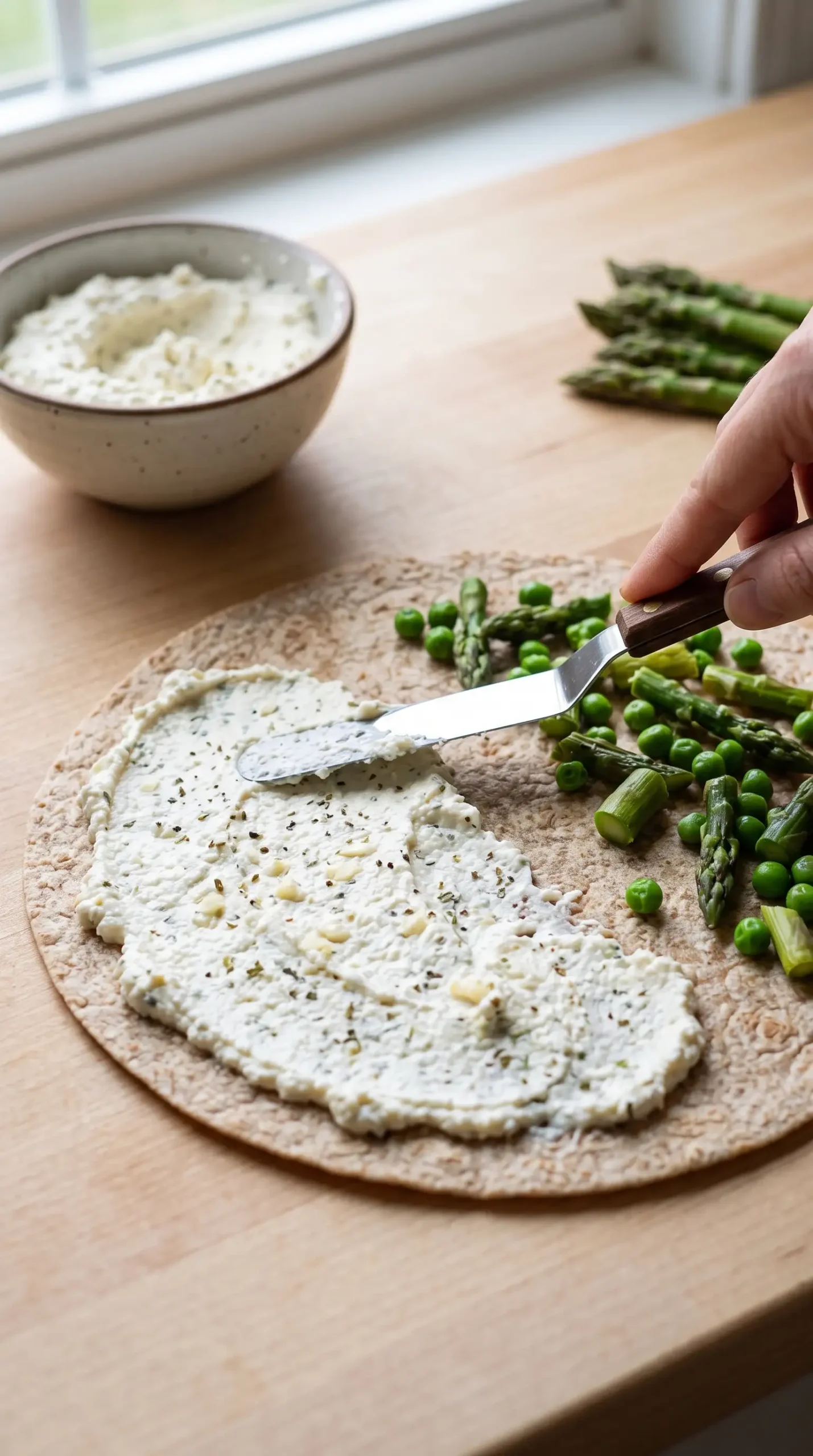
Ricotta mixed with garlic forms the creamy foundation of this ricotta asparagus quesadilla, but its moisture level requires attention. Spreading a moderate layer across the tortilla helps balance the vegetables and cheese without overwhelming the structure.
Peas and Asparagus Create a Vegetable Quesadilla Balance
Frozen peas bring a sweet vegetable note that contrasts with the grilled asparagus. Their softer texture fits naturally beside the crisp tortilla and creamy filling, creating a vegetable quesadilla with asparagus and peas that feels balanced. The asparagus and pea pairing can be prepared with careful attention to tenderness so the vegetables keep their individual texture.
Green vegetables often need contrast to avoid becoming one-dimensional. The combination of peas, asparagus, herbs, and cheese creates different flavors in each bite while keeping the dish focused on simple ingredients.
Seasoning choices influence how the vegetables connect with the dairy components. Garlic, salt, and pepper help tie the filling together so the vegetables remain noticeable after grilling.
| Component | Preparation focus | Effect on finished quesadilla |
|---|---|---|
| Asparagus | Grill until tender | Adds vegetable texture and roasted flavor |
| Peas | Cook before assembly | Provides sweetness and softer bites |
| Ricotta mixture | Spread evenly | Creates creamy layers between vegetables |
Grilled Tortilla Layers Need Careful Cooking Control
Careful heat management determines whether the tortillas become pleasantly crisp while the cheese layers warm through. Cooking with medium heat quesadilla cooking allows the outside to develop color without forcing the filling to release too much moisture.
Medium heat works well for layered quesadillas because it gives the tortilla time to crisp gradually. Excessive heat can brown the exterior before the interior has enough time to warm and combine.
Visual cues provide useful guidance during grilling. A properly cooked quesadilla should show a lightly crisp surface, warmed cheese, and a filling that stays inside the tortilla when cut.
Asparagus Quesadilla Mistakes That Affect Structure
Common mistakes with asparagus quesadilla preparation usually involve moisture, filling amounts, or handling. The layered design depends on keeping each part balanced so the tortilla can support the vegetables and cheese.
- Too much ricotta: A heavy spread can make the tortilla softer and harder to manage.
- Wet vegetables: Excess moisture from the filling can reduce crispness during grilling.
- Rushed cutting: Slicing before the layers settle may cause the filling to shift.
Excess filling creates pressure between the tortillas and can make the quesadilla difficult to flip or serve. Keeping layers controlled allows the cheese and vegetables to remain distinct.
Uneven vegetable preparation can also affect the final texture. Larger asparagus pieces may make stacked wedges harder to bite through, while smaller pieces distribute more consistently.
Serving Choices Highlight Stacked Quesadilla Wedges
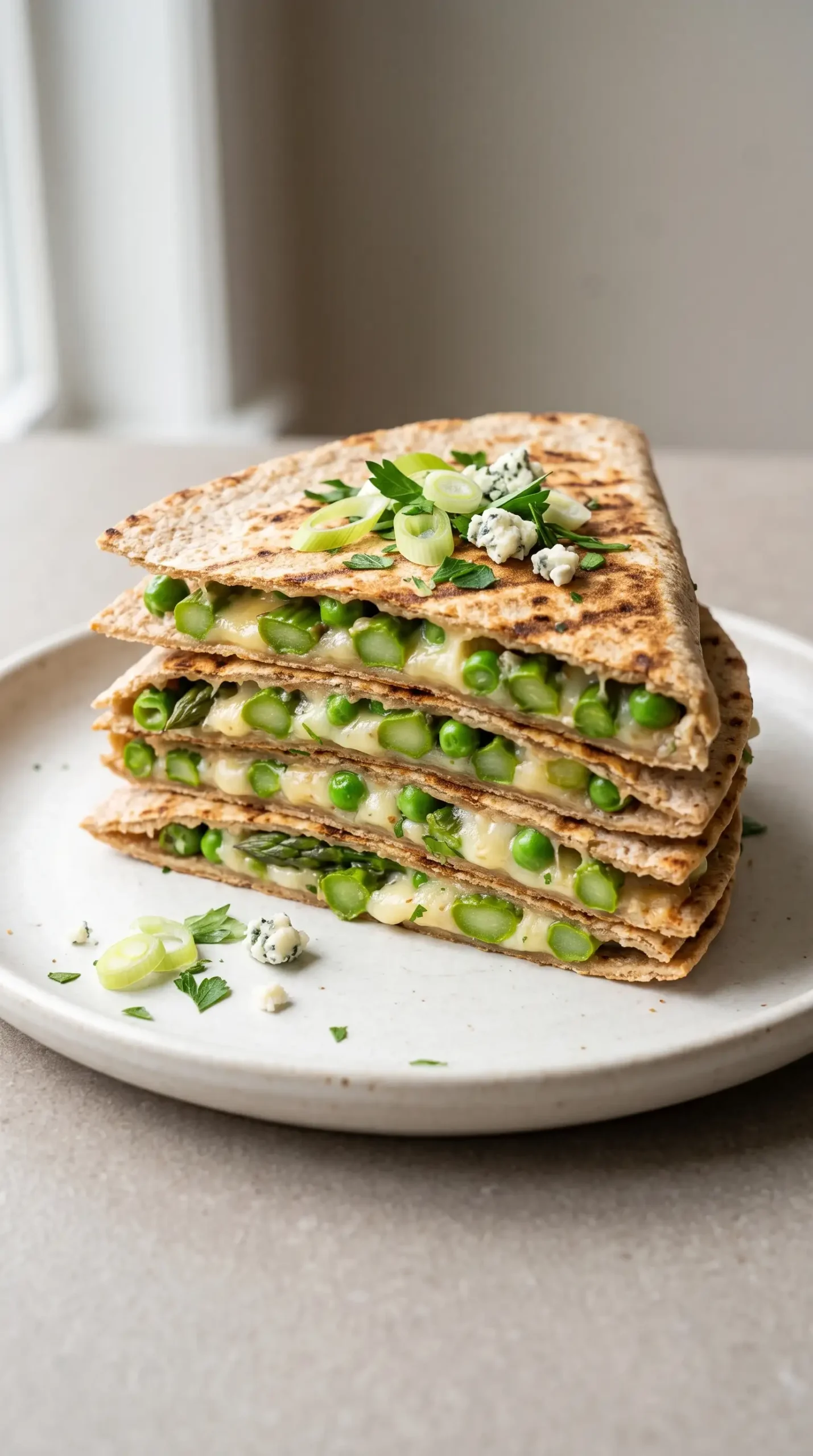
Simple garnishes such as green onions, parsley, and a small amount of gorgonzola add color and extra flavor without changing the core vegetable and cheese balance. The stacked wedge style makes the presentation especially suited for sharing or individual plating.
Texture Decisions Shape the Ricotta Asparagus Quesadilla Experience
Texture variety is what separates this dish from a standard cheese quesadilla. The tortilla provides crispness, the ricotta adds softness, and the vegetables create bites with more definition.
Gentle assembly helps maintain those contrasts. Spreading the creamy layer evenly and placing vegetables thoughtfully keeps one section from becoming much heavier than another.
Serving temperature also affects the experience. A warm quesadilla highlights melted cheese and tender vegetables, while a slightly rested version may hold its layers more firmly when sliced.
Garnishes Add Fresh Contrast Without Overloading the Stack
Bright garnishes finish the quesadilla with fresh notes that complement the grilled vegetables. Green onions, parsley, and optional gorgonzola can be added after cooking so their flavors remain distinct.
Storage and Reheating Keep Leftover Quesadilla Enjoyable
Stored quesadilla portions are best kept protected from excess air and moisture so the tortillas maintain their texture. Cooling the pieces before storing helps prevent trapped steam from softening the exterior.
Reheating works best with methods that restore surface crispness. A skillet or grill can help revive the tortilla texture while gently warming the filling inside.
Covered storage keeps the vegetable and cheese layers together for later serving. The table below summarizes practical storage choices based on how the quesadilla will be enjoyed.
| Storage option | Best use | Texture consideration |
|---|---|---|
| Refrigerated slices | Short-term leftovers | Protect from moisture loss |
| Wrapped portions | Easy reheating | Helps keep layers together |
| Skillet reheating | Restoring crispness | Improves tortilla texture |
Building Variations Around the Asparagus Quesadilla Format
Creative variations can adjust the balance of vegetables and cheese while keeping the layered idea intact. Additional herbs or different melting cheeses may change the flavor direction, but the asparagus and tortilla structure remain the defining elements.
Asparagus Quesadilla Lasagna Works Through Layered Vegetable Texture
Layered vegetables, creamy filling, and grilled tortillas create the defining character of asparagus quesadilla lasagna. The most important cooking decision is maintaining enough structure for the wedges to hold while preserving the contrast between crisp tortilla, tender asparagus, and soft cheese.
Stacked quesadilla pieces succeed when each layer supports the next. Careful moisture control and gentle grilling allow this unusual format to keep the familiar comfort of a quesadilla while presenting a more creative vegetable-focused meal.
Asparagus Quesadilla Lasagna Questions About Moisture and Cooking
Can ricotta make an asparagus quesadilla too soft?
Removing excess ricotta from the spread or using a thinner layer can help maintain a firmer tortilla texture. The creamy filling should complement the vegetables without becoming the dominant moisture source.
Can another cheese replace Gouda in the quesadilla layers?
Replacing Gouda with another cheese that melts well can change the flavor while keeping the layered structure. A cheese with good melting ability helps connect the tortillas and vegetables during grilling.
How can the asparagus pieces fit better inside the tortillas?
Adding smaller asparagus pieces can make each wedge easier to eat because the vegetables distribute more evenly across the filling. Consistent pieces also help prevent large sections from separating when sliced.
What makes this dish different from a regular vegetable quesadilla?
Choosing the stacked presentation creates the lasagna-inspired appearance. The combination of layered wedges, creamy filling, and grilled vegetables gives the dish a different serving style from a flat folded quesadilla.
Asparagus Quesadilla Lasagna with Ricotta and Cheese
Asparagus Quesadilla Lasagna layers grilled vegetables, creamy ricotta, and melted cheese between tortillas for a fresh, comforting twist on a classic quesadilla. It is a quick, creative meal with a satisfying mix of crisp tortilla texture and savory filling.
Ingredients
Method
Preparation
- Grill the asparagus and cook the peas.
- Combine the minced garlic with the ricotta cheese, then season the mixture with salt and pepper.
Assembly
- Spread the ricotta mixture over half of the tortilla, arrange the vegetables on top, add the cheese slices, and cover with the remaining tortilla half.
Cooking
- Grill the assembled quesadilla until warmed through, then cut it into wedges and stack the pieces.
- Finish with the garnishes and serve.
Notes
For a more workable quesadilla texture, consider replacing the ricotta with another option that releases less moisture onto the tortilla during cooking. Adding more regular sliced cheese may help the layers hold together better.