From breakfast to dinner, from wholesome meals to indulgent desserts, Nexa Recipes offers quick, easy, and delicious ideas for every occasion and every moment.



 This Recipe
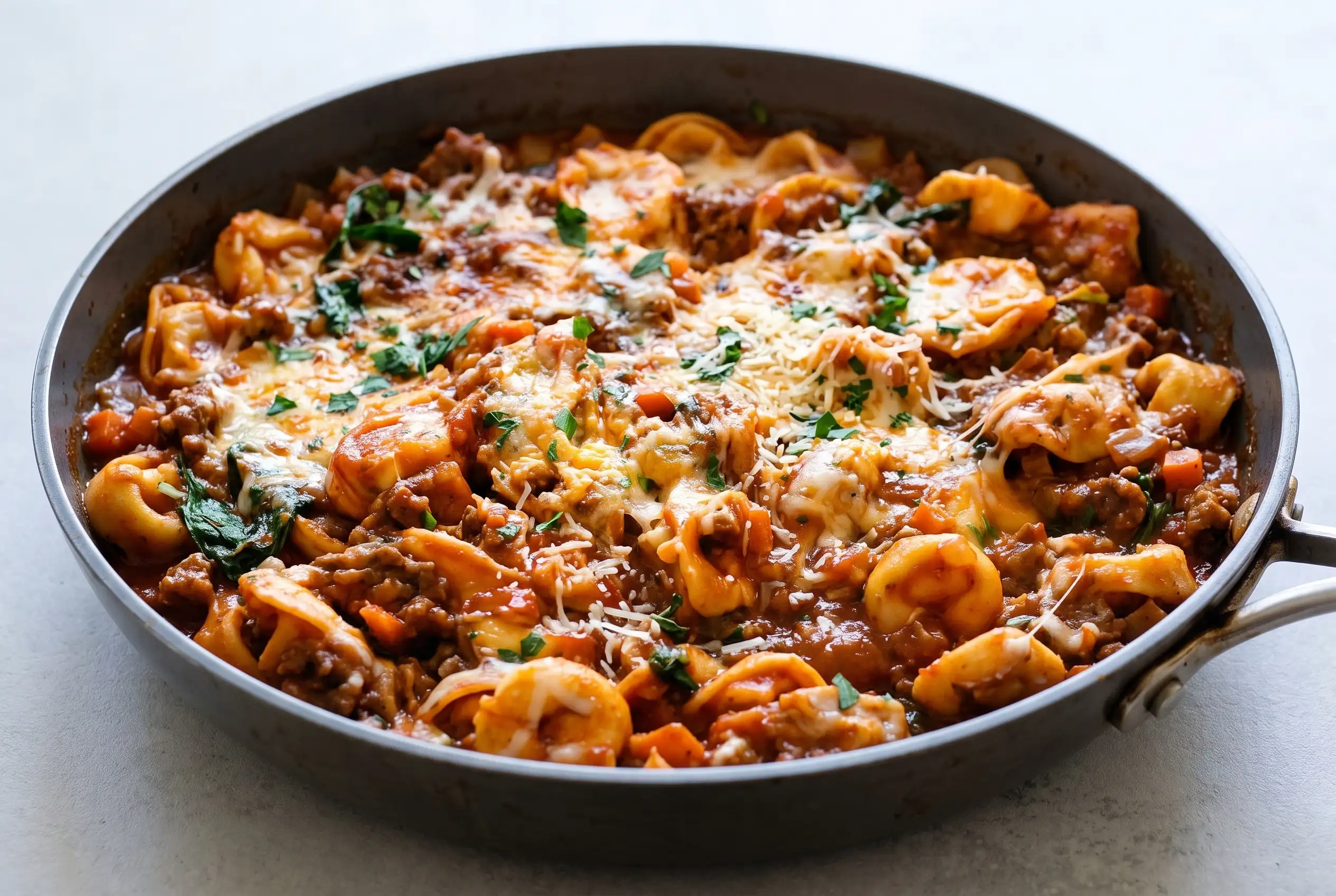
Baked tortellini brings together tender pasta, savory sausage, vegetables, tomato sauce, and melted cheese in a comforting skillet-style meal. The combination works because refrigerated cheese tortellini absorbs the surrounding flavors while the sausage creates a rich base that carries the sauce through every bite.
Designed for a busy dinner table, baked tortellini with sausage offers the heartiness of a pasta bake without requiring separate layers or complicated assembly. The oven finish gives the mozzarella a golden, melted surface while the stovetop portion develops the deeper flavors that make the dish satisfying.
Baked Tortellini Builds Flavor From a One-Pan Foundation
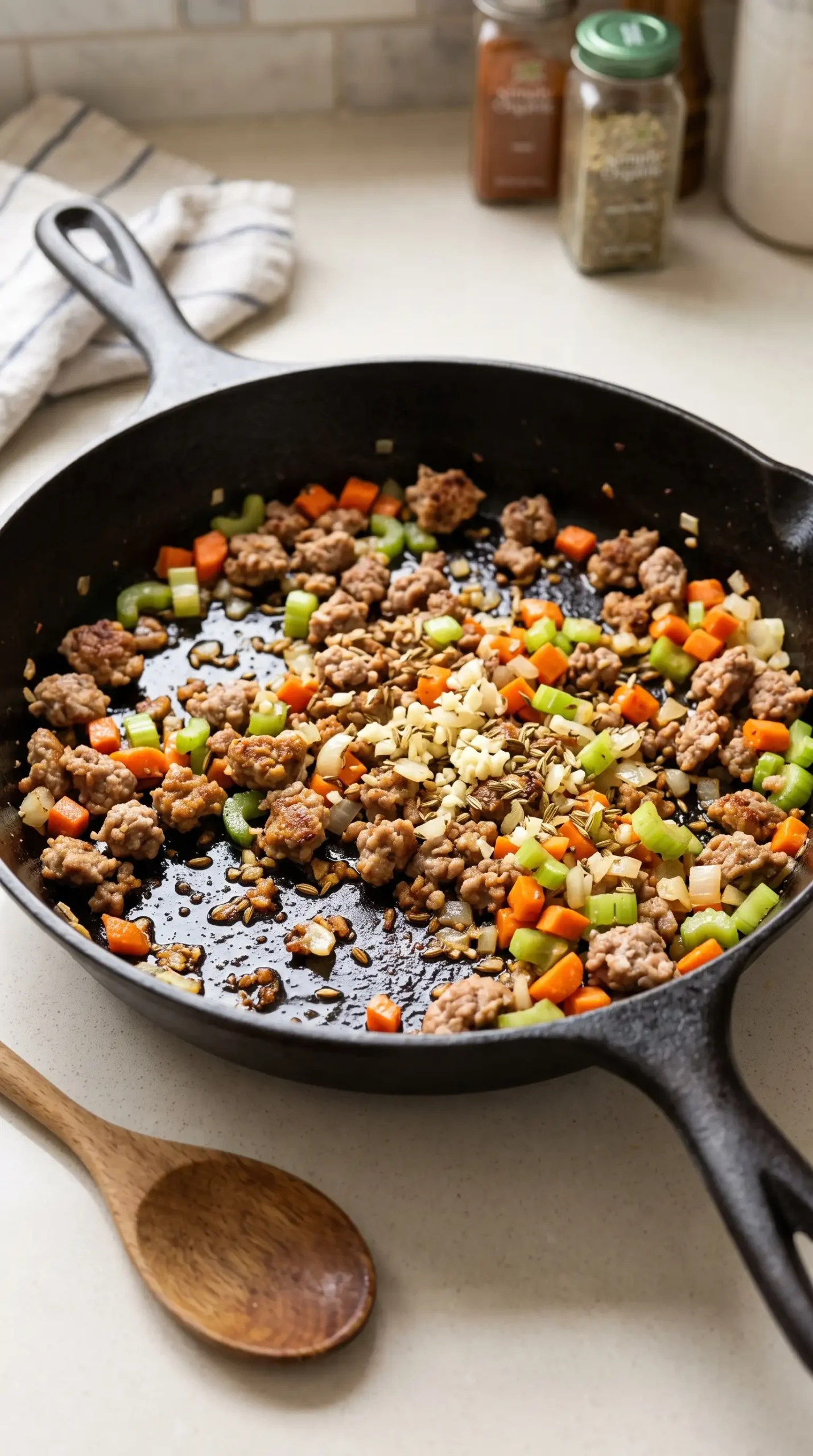
Ground Italian sausage creates the starting point for the dish by adding seasoning and richness before the vegetables and sauce enter the pan. Browning the meat until it develops color leaves flavorful bits behind that become part of the finished tomato base.
Carrots, celery, onion, garlic, and crushed fennel seeds shape the savory direction of the sauce. Their slow softening helps create a balanced background that supports the cheese tortellini with sausage without making the pasta feel overly heavy.
Tomato sauce or San Marzano tomatoes provide the liquid needed for the tortellini to cook while creating the familiar flavor profile of a classic Italian-inspired dinner. The sauce consistency matters because the pasta continues absorbing moisture as it cooks.
Sausage and Vegetables Create the Dish’s Flavor Base
Vegetable preparation changes how the sausage tortellini bake develops because evenly chopped pieces soften at the same pace and blend into the sauce. Smaller pieces distribute throughout the skillet, allowing each serving to contain a mix of textures.
Aromatics become especially important when the sausage has a mild seasoning profile. Garlic and fennel seeds reinforce the traditional Italian flavors, while the vegetables add sweetness and depth that round out the tomato sauce.
- Sausage browning: Creates savory depth before liquid ingredients are added.
- Vegetable softening: Builds a smoother sauce texture throughout the skillet.
- Spinach finishing: Adds color and freshness after the tortellini cooks.
Tortellini Choice Shapes the Finished Pasta Texture
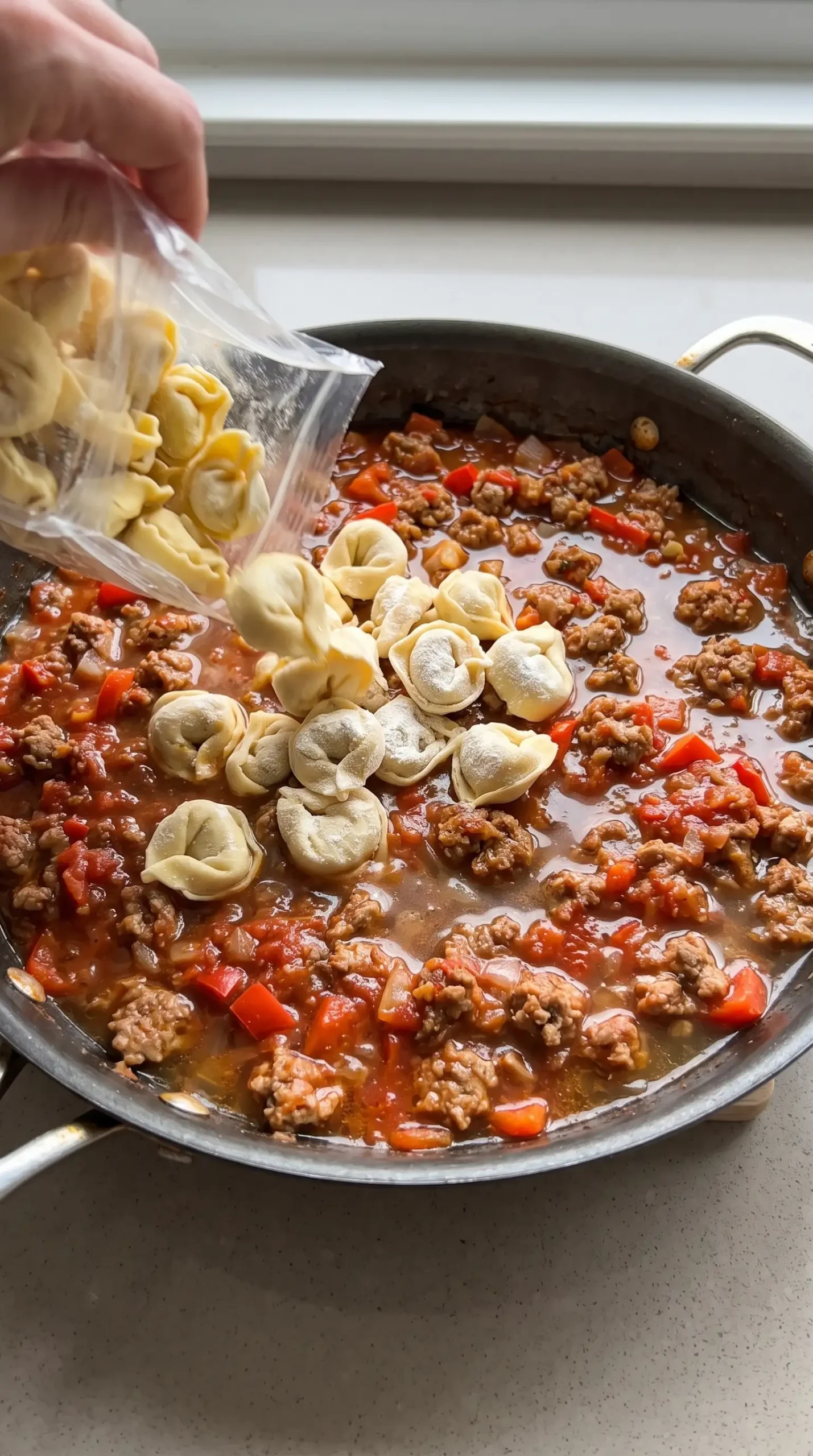
Refrigerated cheese tortellini works well because it cooks directly in the sauce, allowing the pasta filling and surrounding flavors to come together in one pan. The amount added can vary depending on the available skillet space and how much sauce you want around the pasta.
Package sizes vary, so choosing a quantity that fits comfortably in the cooking vessel helps maintain the right balance between pasta, broth, and tomato sauce. Overfilling the pan can make stirring difficult and leave some tortellini without enough liquid exposure.
Cheese-filled pasta provides a creamy contrast against the sausage and vegetables. The filling also means the dish feels complete without requiring extra layers of cheese or additional toppings beyond the mozzarella and Parmesan finish.
| Pasta choice | Cooking behavior | Best use in the dish |
|---|---|---|
| Refrigerated cheese tortellini | Cooks directly in sauce | Creates a soft, filled pasta texture |
| Smaller tortellini amount | Leaves more sauce around pasta | Useful when a saucier skillet is preferred |
| Larger tortellini amount | Uses more available liquid | Works when the pan has enough room |
Tomato Sauce and Broth Balance the Tortellini Bake
Liquid balance determines how smoothly the pasta cooks. Tomato sauce provides the main flavor, while broth gives the tortellini additional moisture as it softens in the skillet.
Extra broth can be useful when the pasta needs more room to cook or when the sauce becomes thicker during simmering. Adjusting the liquid while the tortellini cooks keeps the texture cohesive without leaving a dry pan.
Browning Controls the Sausage Tortellini Bake Texture
Strong browning on the sausage creates a more developed flavor because the meat has direct contact with the hot skillet before other ingredients are introduced. Breaking the sausage apart during cooking helps create smaller pieces that distribute throughout the sauce.
The deeper flavor from browned sausage comes from Maillard browning, a high-heat reaction between proteins and sugars that creates savory, complex flavors before the sauce is added.
Careful heat management also affects the vegetables and sauce. Once the sausage has colored, the softened vegetables can pick up the browned flavors left in the pan, creating a richer foundation for the pasta.
Oven finishing serves a specific purpose by melting the mozzarella and combining the flavors after the tortellini has cooked. Keeping the skillet hot enough during the earlier stages helps the pasta reach the right texture before the cheese layer is added.
Common Mistakes in Baked Tortellini with Sausage
Several issues can change the result of a sausage tortellini bake, but most come from pan size, liquid balance, or timing decisions. Paying attention to the cooking environment helps prevent texture problems before they happen.
- Crowded skillet: A pan that is too small can make stirring difficult and limit how evenly the tortellini cooks.
- Insufficient liquid: Pasta may not soften properly if it does not have enough sauce or broth available.
- Unbalanced seasoning: Canned tomatoes may need additional seasoning compared with prepared tomato sauce.
- Overcooked spinach: Adding spinach too early can reduce its fresh texture and color.
Cheese Topping Finishes the Oven-Baked Tortellini Experience
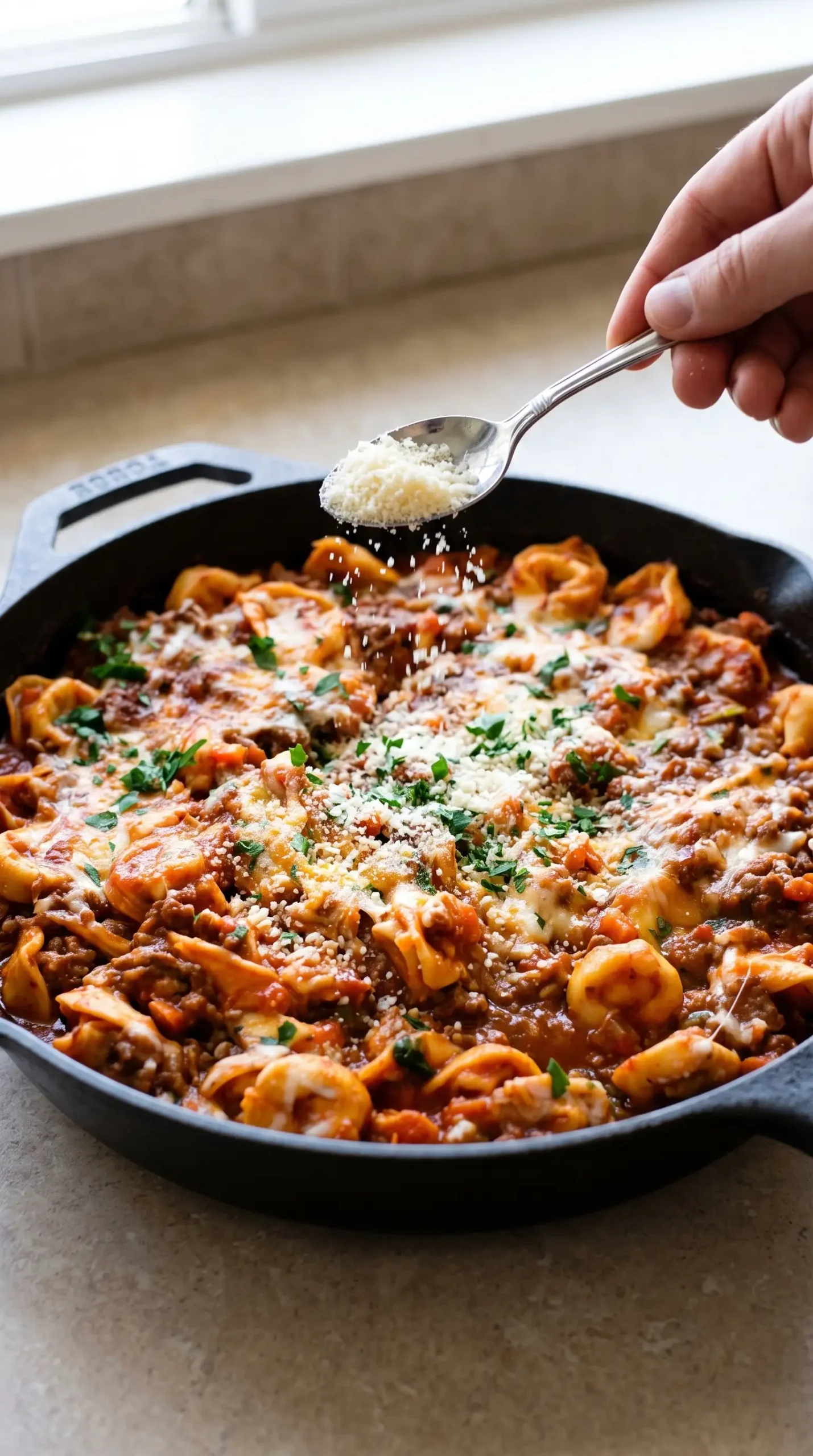
Melty mozzarella creates the familiar baked pasta finish by forming a creamy layer across the surface. Managing the cheese coverage helps preserve the tomato sauce, filling, and sausage flavors underneath, while techniques used for baked pasta with a cheese topping emphasize the balance between a browned surface and a moist interior.
Parmesan and parsley provide the finishing contrast after the pan leaves the oven. The grated cheese adds a sharper note, while chopped parsley brings a fresh element that balances the richer ingredients.
Flexible Additions Keep the Tortellini Bake Adaptable
Spinach is an easy addition because it folds into the hot pasta mixture quickly and works with the tomato, sausage, and cheese combination. The mild flavor allows the main ingredients to remain prominent.
Different sausage varieties can shift the character of the dish. Mild Italian sausage creates a family-friendly flavor, while a spicier version can add more heat without changing the cooking approach.
Garlic bread makes a natural pairing because it can capture the extra tomato sauce left in the skillet. The crisp texture contrasts with the soft pasta and creamy cheese topping.
Serving Choices Highlight the Sausage Tortellini Bake
Serving baked tortellini directly from the skillet keeps the meal casual and practical. A wide serving spoon helps gather pasta, sauce, sausage, and vegetables together in each portion.
A simple side can complete the meal without competing with the main flavors. Fresh greens or lightly dressed vegetables can provide contrast alongside the rich pasta and cheese combination.
Storage Decisions Protect the Tortellini Texture
Cooked pasta dishes continue absorbing sauce after cooling, so storing leftovers in a covered container helps preserve moisture. Gentle reheating can help bring back the creamy texture without drying the pasta.
Extra portions can be useful for planned meals because the flavors often remain well combined after resting. Adding a small amount of moisture during reheating can help loosen the sauce if it has thickened.
Baked Tortellini Holds Its Flavor Through Balanced Cooking
The skillet develops its character before the oven stage, when browned sausage, softened vegetables, and tomato sauce create the foundation for the filled pasta. Keeping the liquid, pasta, and cheese in balance allows each element to remain noticeable in the finished dish.
Baked tortellini succeeds when the cooking choices support the texture of the tortellini instead of overwhelming it. A properly sized pan, enough sauce for the pasta, and a brief cheese-melting finish create a dependable meal with rich flavor and satisfying contrast.
Baked Tortellini Troubleshooting Questions and Answers
Can I freeze baked tortellini with sausage?
Freezing can work well when the dish is cooled properly and stored in an airtight container. The texture of the tortellini may become slightly softer after freezing and reheating, so gentle warming with a little added moisture can help improve the result.
Why is my tortellini bake too dry?
A dry texture usually means the pasta absorbed more liquid than expected during cooking. Adding enough sauce or broth while the tortellini softens helps maintain a moist consistency throughout the skillet.
Can I use frozen tortellini instead of refrigerated pasta?
Frozen tortellini may require different cooking conditions because it starts at a colder temperature. Adjusting the cooking time and watching the liquid level can help the pasta cook evenly while staying coated with sauce.
How can I make the sausage flavor stronger?
Using a more strongly seasoned Italian sausage or a spicier variety can increase the savory character of the dish. Browning the sausage well before adding the vegetables also helps develop deeper flavor.
What size pan works best for this pasta bake?
A larger oven-safe skillet or Dutch oven provides more room for stirring and allows the tortellini to sit in the sauce comfortably. Extra space also makes it easier to add liquid if the pasta needs more moisture while cooking.
Baked Tortellini with Sausage and Tomato Sauce Skillet
Baked Tortellini with Sausage and Tomato Sauce Skillet is a comforting, hearty pasta dish with tender cheese tortellini, savory sausage, rich tomato sauce, and a creamy melted cheese finish. It is an easy skillet meal that works well for a satisfying weeknight dinner.
Ingredients
Method
Cooking
- Heat a very large oven-safe skillet over medium-high heat. Add the oil and ground sausage, breaking it apart with a wooden spoon, and cook until browned. Transfer the sausage to a bowl and remove any excess oil from the skillet, leaving about a tablespoon if desired.
- Add the carrots, celery, onion, garlic, and fennel seeds to the skillet. Cook until the vegetables are softened and fragrant, adding a small amount of salt or oil if needed. Return the sausage to the pan.
- Stir in the tomato sauce, tortellini, and 1 cup of chicken broth. Bring the mixture to a low simmer and cook for about 5 minutes to cook the tortellini. Add some or all of the remaining broth if more liquid is needed, and cover briefly on low heat if desired.
Baking
- Taste the skillet mixture and adjust seasoning if using canned tomatoes. Stir in the spinach until wilted, then cover the surface with mozzarella cheese. Transfer the skillet to the oven at 375°F (190°C) for 8-10 minutes, or until the cheese is melted.
Serving
- Finish with grated Parmesan and chopped parsley. Serve with garlic bread.
Notes
Tortellini package sizes vary between 10-20 ounces, and the amount used depends on the size of the pan. The recipe is flexible, as the available space in the skillet determines how much tortellini can be added. The photos use a 3 quart sauté pan; if the pan seems too small, use a larger Dutch oven or similar pan to provide enough room.