From breakfast to dinner, from wholesome meals to indulgent desserts, Nexa Recipes offers quick, easy, and delicious ideas for every occasion and every moment.



 This Recipe
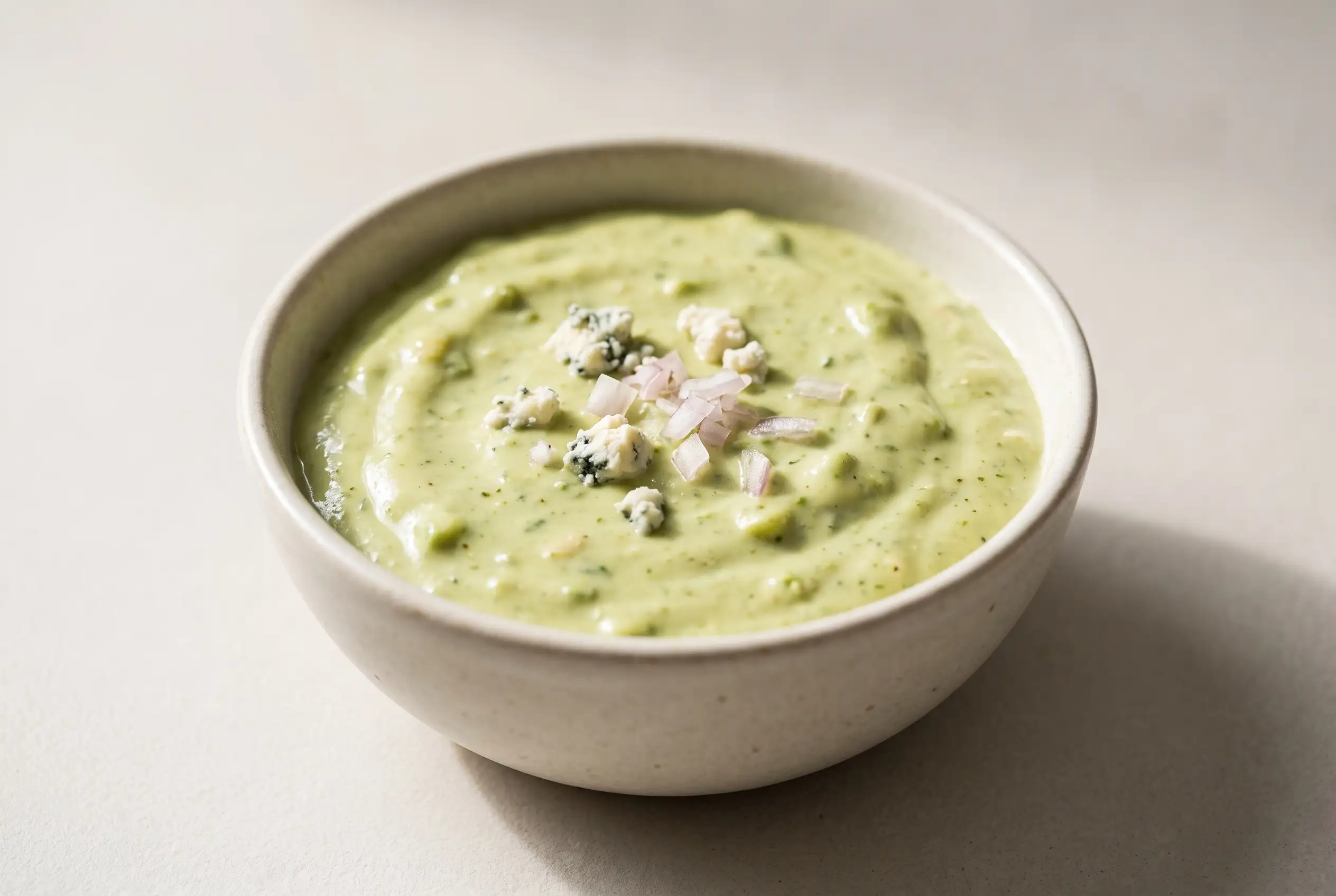
Avocado blue cheese dressing brings together creamy avocado, tangy blue cheese, and bright acidic notes in a rich mixture that works for salads, vegetables, and dipping. The combination succeeds because the smooth avocado softens the sharp character of the cheese while shallots and vinegar keep the flavor lively.
Balanced texture depends on how the ingredients come together. Some cooks prefer visible pieces of blue cheese and avocado, while others prefer a smoother blend. The flexibility makes the dressing easy to adjust while keeping its defining flavors recognizable.
Avocado Texture Shapes the Dressing’s Smoothness
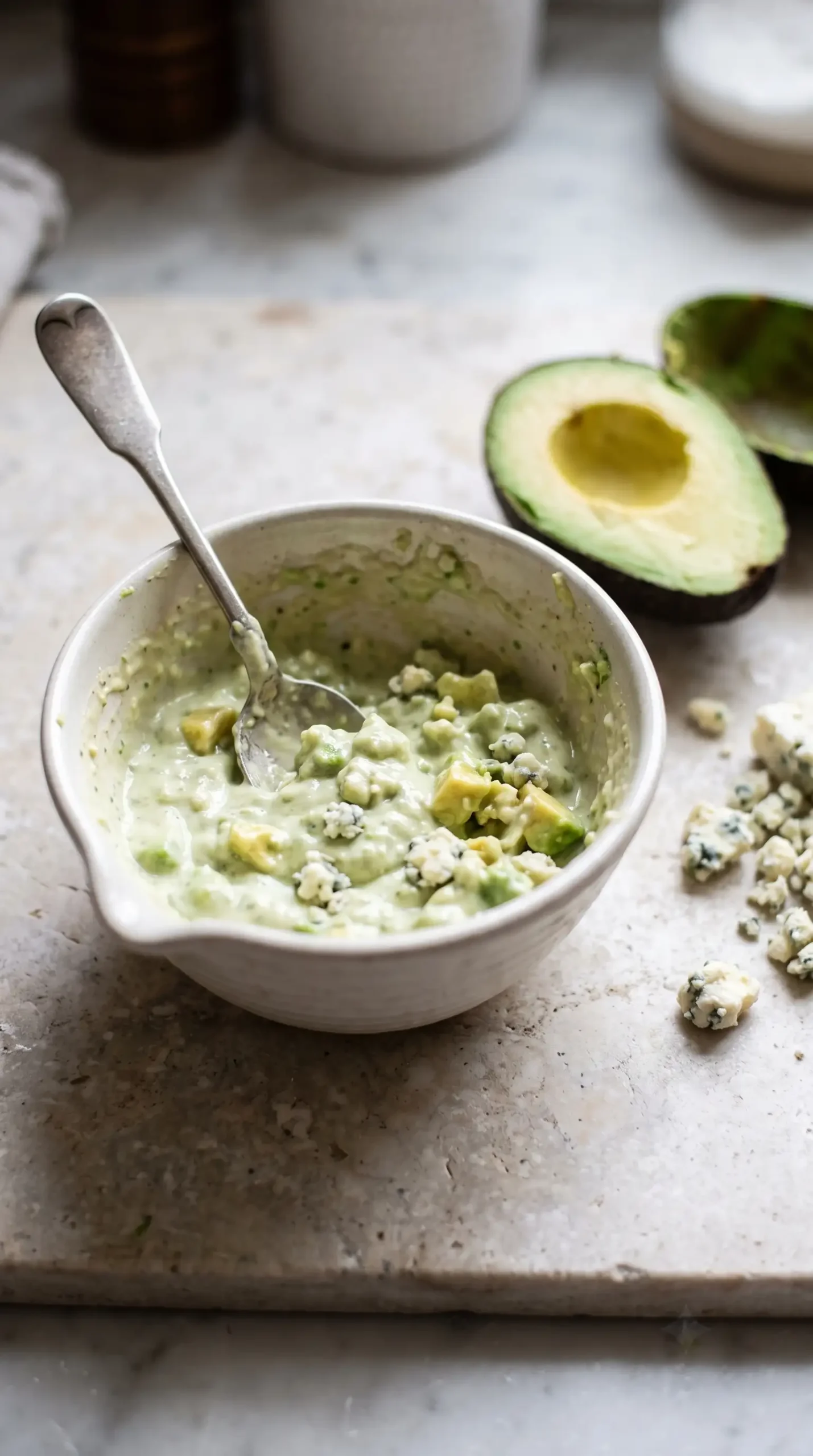
Ripe avocado determines much of the finished texture because it becomes the creamy foundation that connects the other ingredients. A softer avocado will mash more easily into the mixture, creating a smoother consistency with less effort.
Careful mashing also changes the eating experience. Leaving small avocado pieces and crumbled blue cheese visible creates a more rustic dressing, while additional stirring produces a creamier avocado blue cheese dressing that spreads easily across greens or vegetables.
Texture adjustments can be made after combining the ingredients. A drizzle of olive oil or an extra tablespoon of milk can loosen a dressing that feels too thick, allowing the consistency to match the way it will be served.
Blue Cheese Choices Define the Bold Flavor
Blue cheese provides the recognizable savory character of this dressing. Its strong flavor pairs with the mild richness of avocado, creating a contrast that keeps the creamy base from feeling flat.
Crumbled cheese distributes throughout the mixture and allows small bites of its distinct flavor to appear. The amount used gives the dressing enough blue cheese presence while leaving room for the avocado, dairy, and acidic ingredients to remain noticeable.
| Component | Flavor effect | Texture effect |
|---|---|---|
| Blue cheese | Tangy and savory | Creates small creamy crumbles |
| Avocado | Mild and rich | Adds smooth body |
| Sour cream | Light dairy tang | Helps create a creamy mixture |
| Milk | Softens intensity | Helps adjust thickness |
Shallot Preparation Controls the Fresh Savory Notes
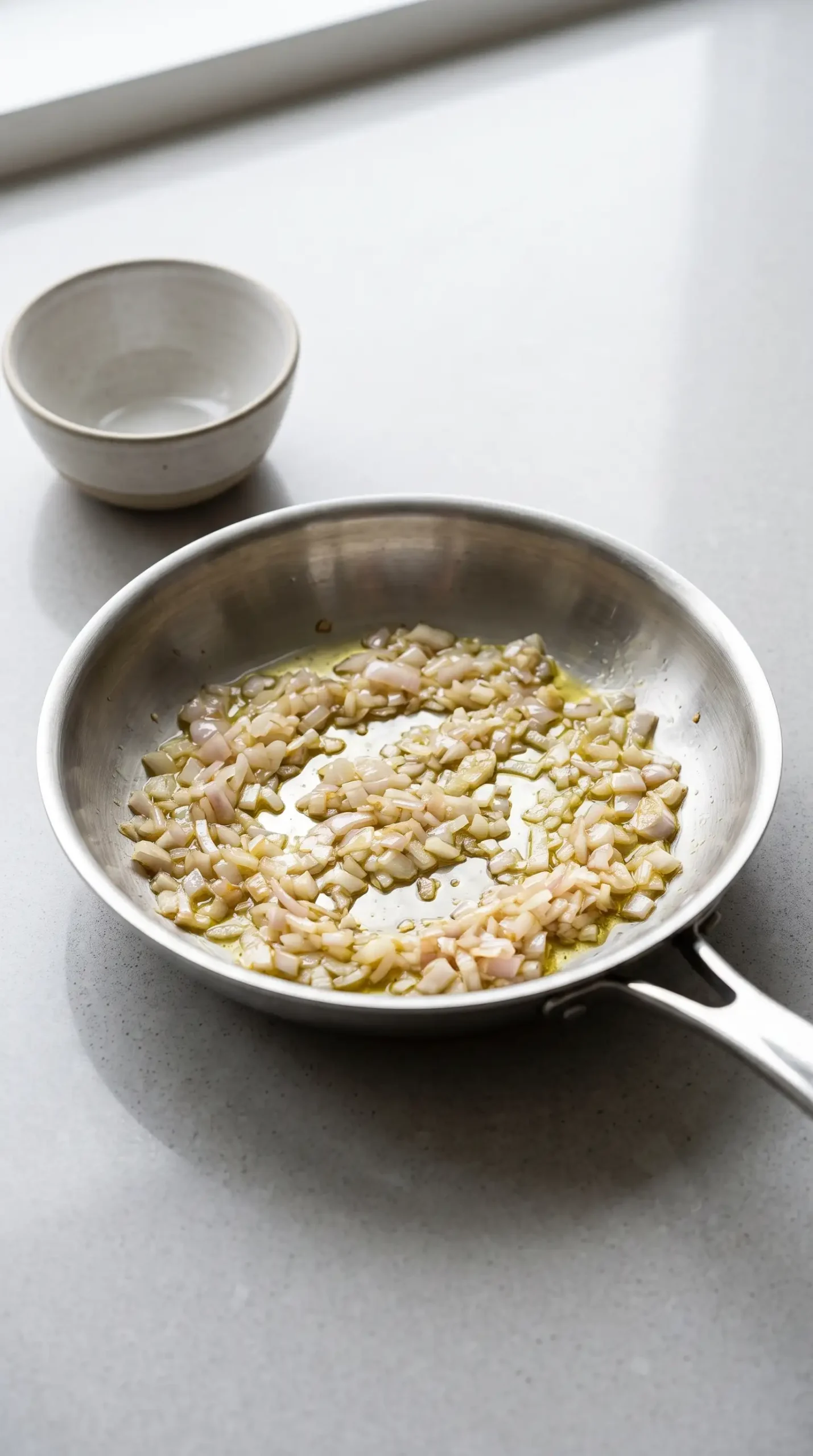
Softened shallots bring a gentle savory flavor that blends more evenly after a brief sauté. Cooking the chopped shallot with olive oil reduces its sharper raw edge while keeping its aromatic qualities in the dressing.
Cooling the sautéed shallot before mixing matters because the remaining ingredients are meant to combine into a creamy mixture. A short rest helps the warm shallot integrate without changing the texture of the avocado.
- Shallot texture: Soft pieces blend more naturally into the dressing.
- Flavor balance: A mild sautéed note supports the blue cheese without overpowering it.
- Mixing readiness: Slight cooling keeps the remaining ingredients easy to combine.
Mixing Decisions Protect the Desired Dressing Texture
Gentle mixing gives cooks control over how chunky or smooth the dressing becomes. The avocado can be mashed into the other ingredients gradually, making it easier to stop at the preferred consistency.
Small adjustments create different uses. A thicker version can work as a dip or spread, while a looser mixture is easier to drizzle over salads. The texture decision should match the food being served alongside the dressing.
Consistent seasoning also improves the finished mixture. Salt and pepper should be adjusted after the main ingredients are combined because blue cheese already contributes a noticeable savory flavor.
- Combine gradually: Add the avocado into the prepared mixture and check the texture as it changes.
- Check thickness: Add a small amount of olive oil or milk if the dressing needs more movement.
- Taste last: Adjust seasoning after the cheese and avocado flavors are fully blended.
Avocado Blue Cheese Dressing Mistakes That Change the Result
Common problems with avocado blue cheese dressing usually come from texture choices or ingredient handling. Small changes during preparation can affect whether the finished mixture feels balanced or overly heavy.
- Over-mashing: Turning every ingredient completely smooth removes the contrast that some diners enjoy from avocado pieces and blue cheese crumbles.
- Skipping the shallot sauté: Using the shallot without softening it changes the flavor profile by keeping more of its sharp raw character.
- Ignoring thickness: Serving a dressing that is too dense can make it difficult to drizzle, but a small amount of milk or olive oil can correct the texture.
- Adding seasoning too early: Waiting until the ingredients are mixed makes it easier to judge the final salt and pepper balance.
Serving Ideas Expand the Homemade Blue Cheese Dressing Uses
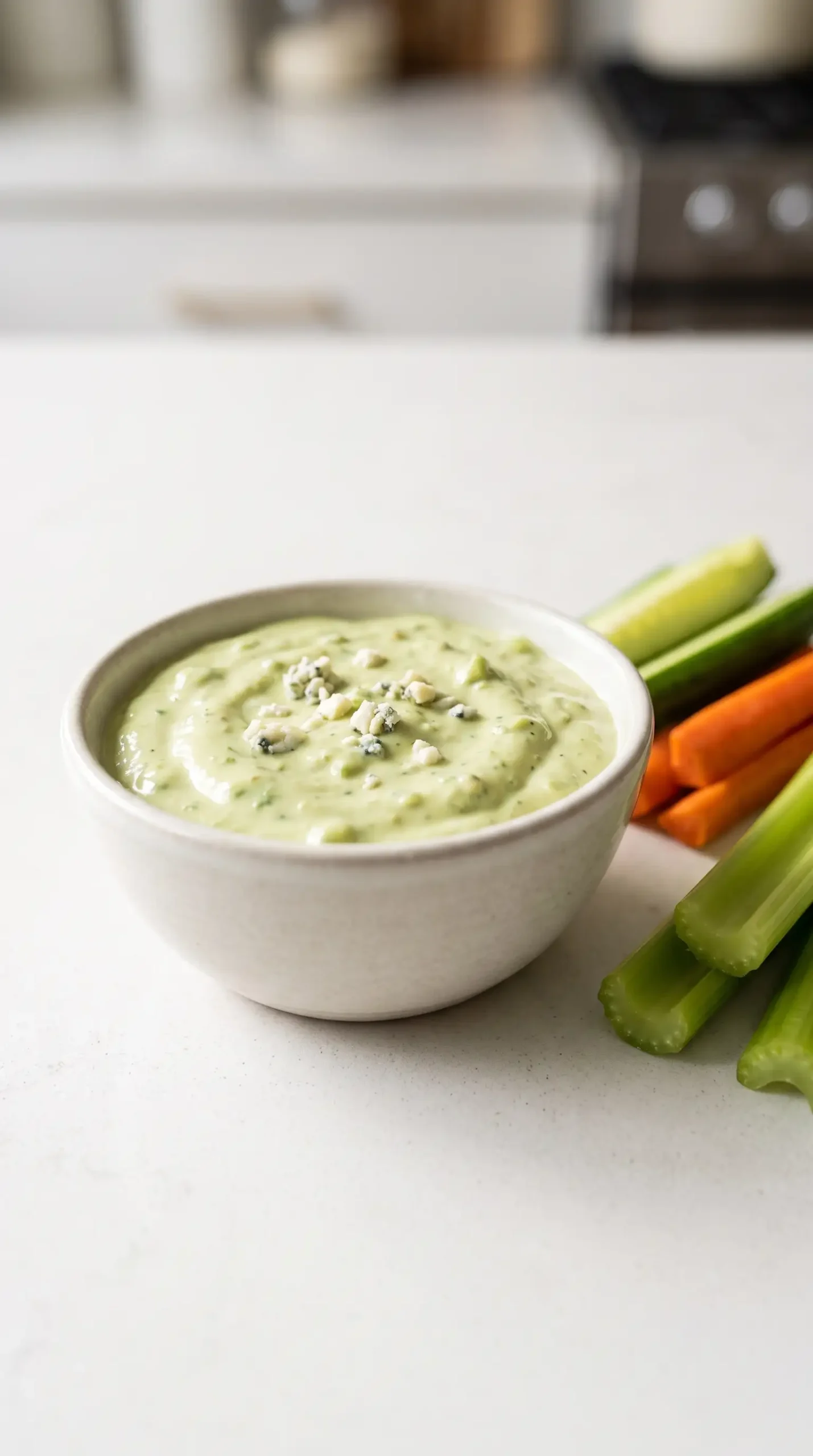
Versatile uses make homemade blue cheese dressing a practical addition to many meals. The creamy mixture can accompany fresh vegetables, add richness to salads, or provide a flavorful dip depending on its thickness. A balanced salad pairing can bring together hearty greens, vegetables, and a rich topping through an avocado-based salad meal that lets the dressing remain a central part of the dish.
Fresh salads benefit from the contrast between crisp ingredients and the creamy dressing. Vegetable platters can also highlight the avocado and blue cheese combination because the bold flavor remains noticeable with simple accompaniments.
Different serving styles can come from the same mixture. Keeping it thicker creates a spoonable texture, while thinning it slightly produces a dressing that coats ingredients more easily.
Adjustments Keep the Dressing Balanced for Different Tastes
Flavor preferences can guide small changes without changing the identity of the dressing. More acidity can emphasize brightness, while a smoother texture can be achieved by increasing the amount of mashing.
Some diners prefer a stronger cheese presence, while others enjoy a softer avocado-forward flavor. Adjusting the balance after mixing allows the dressing to match personal preferences while maintaining the key combination.
Storage Handling Preserves the Avocado Dressing with Blue Cheese
Avocado dressing with blue cheese is best enjoyed while the ingredients are fresh and the texture is at its peak. The avocado contributes natural richness, so preparation close to serving helps maintain the intended appearance and consistency.
Keeping leftovers chilled in a covered container can help protect the mixture from air exposure. Stirring before serving may help redistribute the ingredients if the texture changes while resting.
Because avocado can darken over time, appearance may shift after storage even when the flavors remain recognizable. Planning the amount needed for serving helps preserve the freshest presentation.
Pairings Highlight the Dressing’s Rich Character
Crisp foods create a useful contrast with the creamy mixture. Fresh vegetables, leafy salads, and other lightly flavored foods allow the blue cheese and avocado flavors to remain the focus.
Stronger ingredients can also work when their flavors complement the dressing’s richness. The creamy texture provides a connecting element that helps bold and fresh components feel more balanced together.
| Serving style | Texture preference | Useful adjustment |
|---|---|---|
| Salad topping | Smooth and pourable | Add a little milk if needed |
| Vegetable dip | Thicker and scoopable | Keep more avocado texture |
| Spread | Creamy and firm | Use less thinning liquid |
Avocado Blue Cheese Dressing Creates a Fresh Creamy Finish
Avocado, blue cheese, and softened shallot create the central balance that defines the finished dressing. The creamy avocado base gives the bold cheese room to shine, while vinegar and lemon options provide the brightness needed to keep the mixture lively.
Successful preparation comes from watching texture closely and making small adjustments at the right moment. A thoughtful balance between smoothness, tang, and seasoning produces a dressing that feels rich without losing the freshness of its ingredients.
Avocado Dressing Questions About Thickness and Storage
How can I make the dressing thinner?
Adding a small drizzle of olive oil or another tablespoon of milk can loosen a thick mixture. Stir gradually after each addition so the dressing reaches the desired consistency without becoming too thin.
Can I keep some texture in avocado blue cheese dressing?
Yes, the mixture can remain chunky by mashing the ingredients less and leaving some avocado pieces and blue cheese crumbles visible. The amount of mixing controls whether the dressing feels rustic or smooth.
What causes a strong blue cheese flavor?
Blue cheese naturally has a bold savory character, and its intensity can stand out more when the other flavors are mild. Keeping the avocado, dairy, and acidic elements balanced helps create a more rounded taste.
Why should shallots be cooked before mixing?
Sautéing the shallots softens their sharper flavor and creates a gentler savory note that blends into the creamy mixture. The short cooking step changes their texture and makes them easier to combine.
Can the dressing be used beyond salads?
The creamy texture makes it suitable as a dip for vegetables or a thicker spread. Adjusting the consistency with the available ingredients helps match the dressing to different serving ideas.
Avocado Blue Cheese Dressing with Shallots and Vinegar
Avocado Blue Cheese Dressing is a creamy, tangy dressing with a rich texture and balanced savory flavor. It is an easy homemade option when you want a fresh, flavorful addition to meals.
Ingredients
Method
Preparation
- Sauté the shallots with 1 tsp. of olive oil until softened and fragrant. Allow them to cool for a few minutes, then place them in a small mixing bowl.
- Add all ingredients except the avocado to the bowl with the shallots and mash or stir until combined, keeping the texture as chunky or smooth as desired.
- Slice the avocado and mix it into the dressing. Mash or stir to reach the preferred consistency, then season with salt and pepper. If the mixture is too thick, add a drizzle of olive oil or another tbs. of milk.
Notes
Mash the avocado and other ingredients to the texture you prefer, from chunky to smoother.