From breakfast to dinner, from wholesome meals to indulgent desserts, Nexa Recipes offers quick, easy, and delicious ideas for every occasion and every moment.



 This Recipe
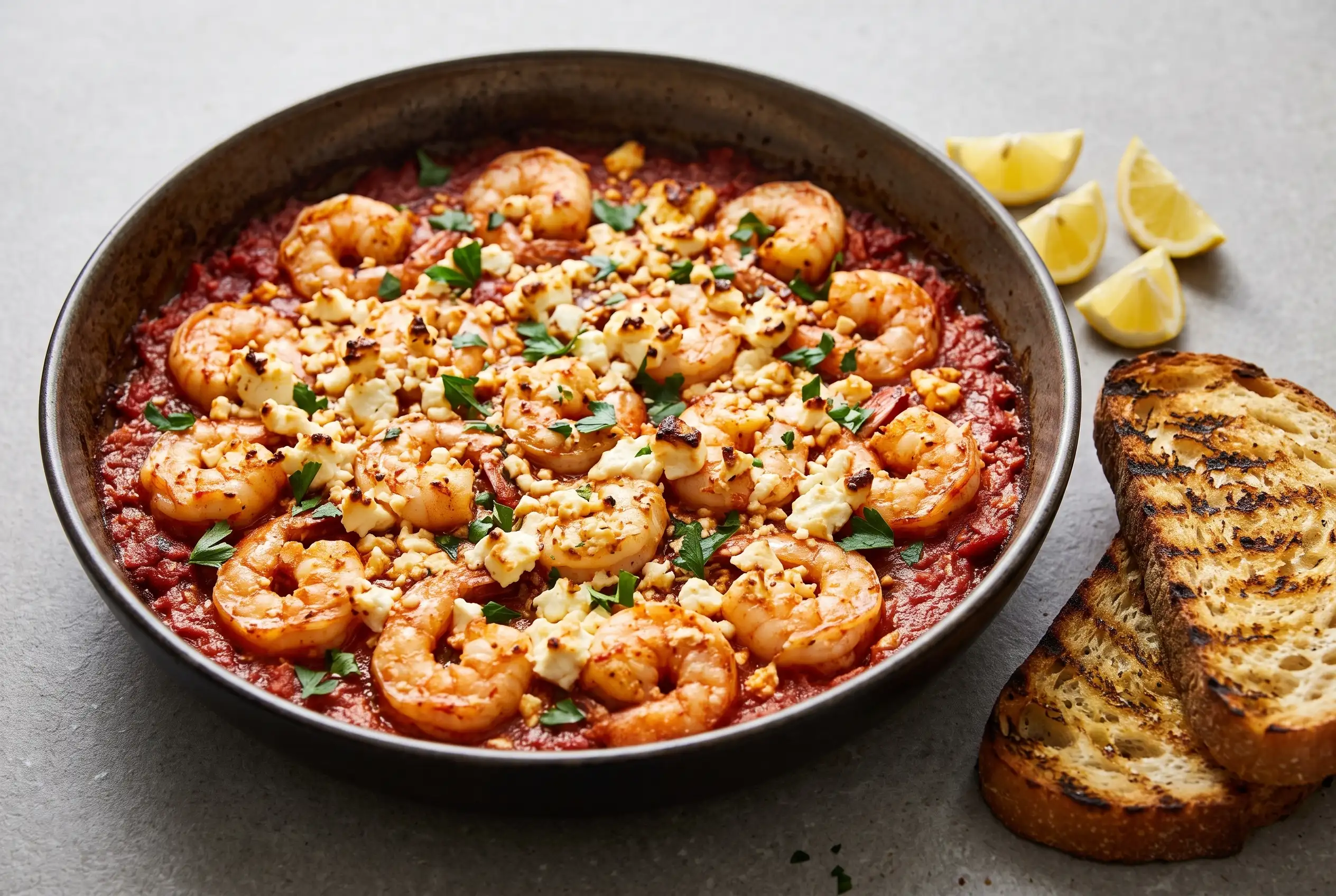
Baked shrimp with feta brings together a rich tomato base, tender seafood, creamy cheese, and crisp grilled bread in a meal built around contrast. The combination works because each part has a clear role: the sauce keeps the shrimp moist, feta adds a salty finish, and sourdough creates a sturdy bite for catching every bit of flavor.
Prepared in a wide oven-safe skillet, this dish follows a Mediterranean-inspired style that feels both simple and impressive. The shrimp cooks directly in the seasoned tomato mixture, allowing the flavors to blend before the browned feta topping adds a warm, savory finish.
Baked Shrimp with Feta Creates a Bright Skillet Dinner
Tomato sauce, shrimp, and feta create a natural balance of acidity, sweetness, richness, and salt. The crushed tomatoes provide a foundation that supports the seafood without overpowering its delicate texture, while the cheese adds depth after the shrimp has absorbed the surrounding flavors.
Fresh parsley and lemon wedges bring a lighter finish to the skillet. The citrus is especially useful when serving because a small squeeze can sharpen the tomato sauce and balance the creamy character of the feta.
Many seafood dinners depend on careful timing because shrimp can quickly move from tender to firm. The skillet approach makes it easier to watch the shrimp closely while building flavor in the same pan.
Tomato Sauce Sets the Flavor Base for Shrimp with Feta
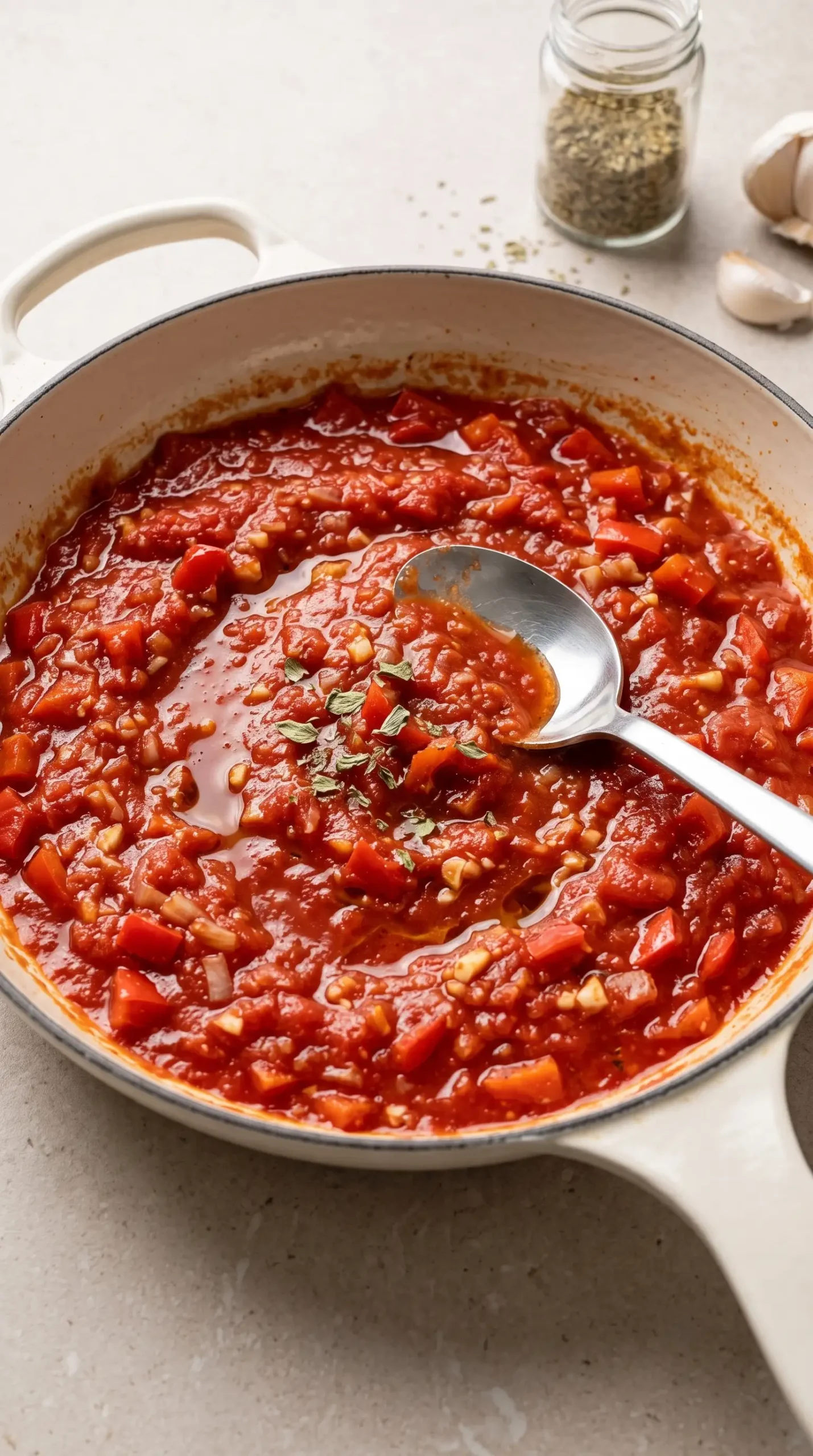
A well-developed tomato sauce gives the seafood enough support to create a complete meal. Shallot and red bell pepper soften first, creating a sweet aromatic layer before garlic, tomatoes, broth, and seasonings are added.
Slow simmering allows the sauce to become more concentrated and helps the ingredients blend together. A darker, thicker sauce provides better coverage for the shrimp and creates a flavorful base for dipping the grilled sourdough.
| Sauce element | Kitchen purpose | Effect in the finished dish |
|---|---|---|
| Crushed tomatoes | Provides the main liquid base | Creates a bright savory coating for shrimp |
| Bell pepper and shallot | Builds aromatic sweetness | Adds depth without heavy seasoning |
| Broth | Adjusts sauce consistency | Helps the flavors combine smoothly |
Red pepper flakes can be adjusted according to preference. A small amount adds gentle warmth, while leaving them out keeps the tomato and feta flavors more prominent.
Feta Choice Changes the Finished Baked Shrimp Texture
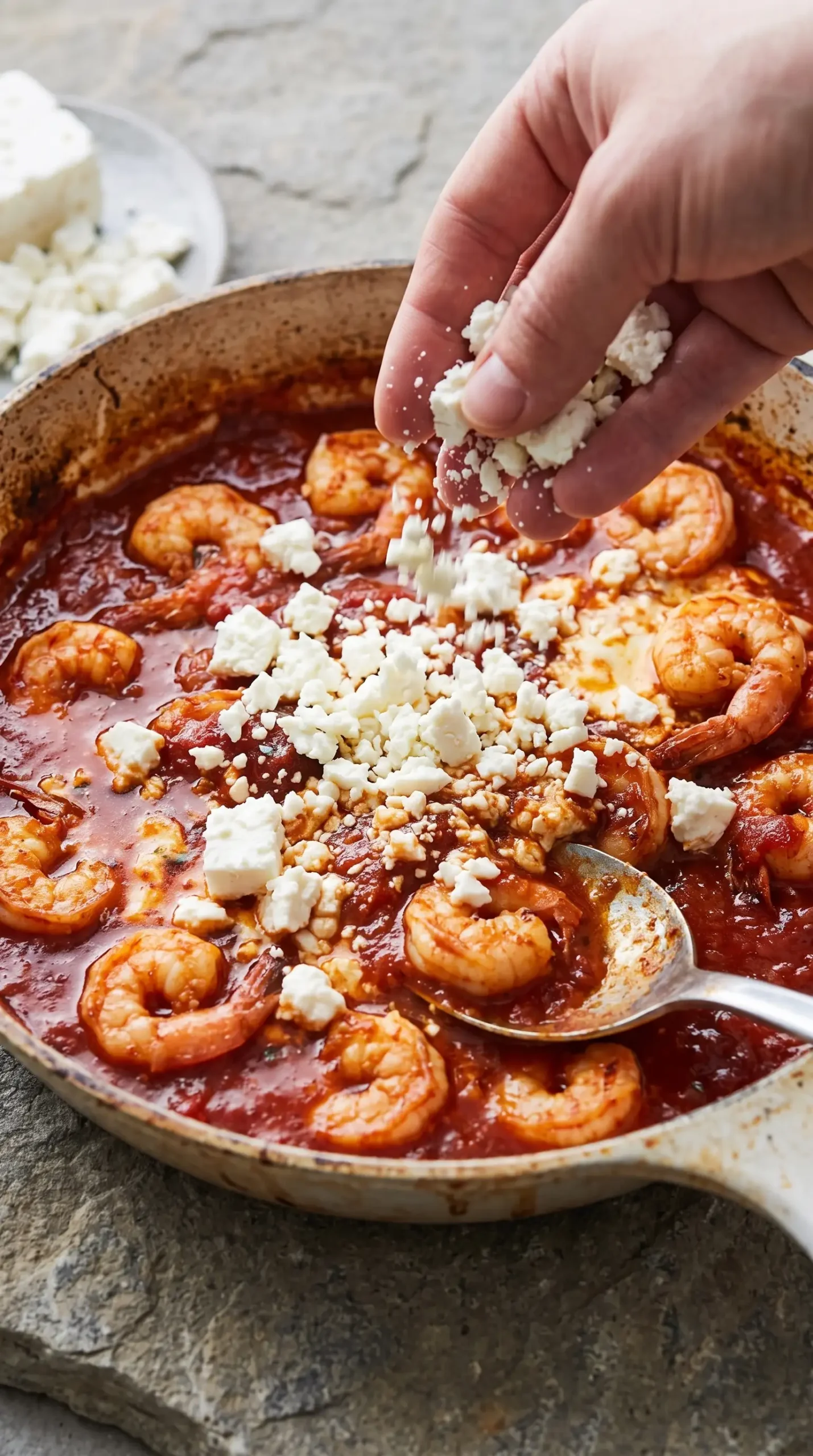
Crumbled feta is more than a topping because it changes how each bite feels. The cheese softens under heat, develops browned edges, and creates creamy pockets that contrast with the juicy shrimp and tomato sauce.
Choosing feta with a firm crumble helps it remain visible after broiling. Smaller pieces distribute salty flavor throughout the skillet, while larger crumbles create more noticeable bites of cheese.
Because feta already brings a strong savory quality, the surrounding ingredients should support it without competing. The simple tomato base allows the cheese to stand out while parsley and lemon keep the dish balanced.
Grilled Sourdough with Baked Shrimp Completes the Serving Experience
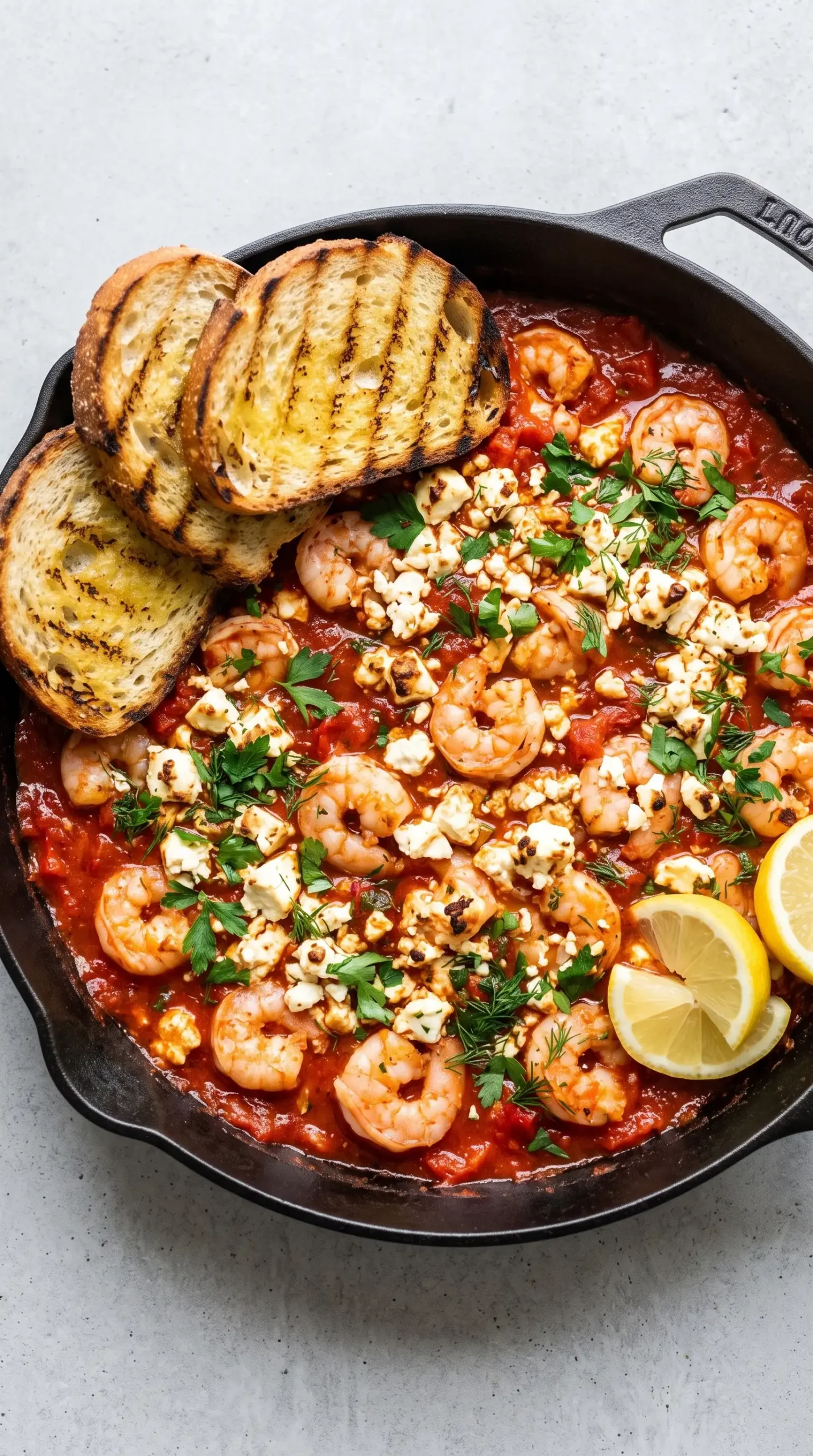
Thick slices of sourdough provide structure for the saucy shrimp mixture. Brushing the bread with butter before grilling creates a crisp surface that can hold the tomato sauce without becoming immediately soft.
- Crisp surface: Helps each slice maintain texture when paired with the skillet sauce.
- Buttery flavor: Adds richness that connects the bread with the feta topping.
- Thick slices: Provide enough strength for scooping and serving.
Warm grilled bread also turns the meal into a more interactive serving experience. Guests can use the sourdough to collect sauce, feta, and shrimp in each bite instead of leaving flavorful portions behind.
Shrimp Cooking Control Protects the Tender Center
Careful shrimp handling has the biggest effect on the texture of the finished skillet. Adding the shrimp after the sauce has already developed allows the seafood to cook gently while absorbing the surrounding flavors. Paying attention to shrimp cooking techniques helps maintain a tender texture when preparing seafood dishes with delicate finishing steps.
Even placement matters because shrimp arranged in a single layer have more consistent contact with the sauce. Turning the shrimp once during cooking helps both sides cook evenly while keeping the pieces tender.
Several visual signs help determine when shrimp are ready. Looking for shrimp doneness signs can help confirm that the seafood has changed from translucent to opaque while maintaining a soft, springy texture.
- Prepare the sauce: Build the tomato mixture before introducing the shrimp.
- Watch the color: Look for shrimp that change from translucent to opaque.
- Finish gently: Use the broiler only for the feta topping after the seafood is cooked.
Common Baked Shrimp with Feta Mistakes to Avoid
Overcooking shrimp is the most common issue with baked shrimp with feta. Leaving the seafood in heat too long can make it firm and dry, so watching for visual changes is more useful than relying only on time.
Another mistake happens when the tomato mixture is too thin before the shrimp enters the skillet. A sauce that has not reduced enough may leave the dish watery and make the sourdough less effective for serving.
Excessive heat during the feta finish can also affect the texture. The broiler should create browning on the cheese surface while avoiding unnecessary cooking of the already prepared shrimp.
Broiler Heat Shapes the Golden Feta Finish
The short broiling stage gives the skillet its finished appearance. Heat from above encourages the feta to brown slightly, creating roasted notes that complement the tomato sauce.
Watching closely during broiling is important because the cheese can change quickly under direct heat. The purpose is a warm, browned topping that adds texture without drying the seafood beneath it.
Flexible Serving Ideas Keep the Dish Balanced
Baked shrimp with feta works best when served with foods that complement its sauce and texture. Grilled sourdough is the natural pairing, but other simple sides can fit when you want a different presentation.
| Serving option | Why it works | Best pairing quality |
|---|---|---|
| Grilled sourdough | Absorbs tomato sauce easily | Crisp and buttery contrast |
| Simple greens | Adds freshness beside the skillet | Light counterpoint |
| Extra lemon wedges | Brightens rich flavors | Fresh acidic finish |
Serving portions can be adjusted by changing accompaniments while keeping the skillet flavors intact. The shrimp and feta combination remains the centerpiece, with sides providing additional texture and freshness.
Storage Choices Preserve Shrimp and Sauce Quality
Cooked shrimp dishes are best enjoyed soon after preparation because seafood texture changes as it sits. Any leftovers should be cooled promptly and stored in a covered container.
Reheating should be gentle to help protect the shrimp from becoming tough. Warm the leftovers until heated through while avoiding prolonged high heat that can affect the seafood texture.
Ingredient Decisions Improve This Shrimp and Tomato Combination
The strongest results come from choosing ingredients that work together instead of adding unnecessary complexity. A flavorful feta, ripe-tasting tomatoes, fresh parsley, and sturdy sourdough each contribute a specific quality to the finished plate.
Olive oil helps carry the aromatic flavors from the shallot, pepper, and garlic into the sauce. The combination creates a smooth foundation where the shrimp can cook while keeping the dish connected from skillet to serving plate.
Fresh shrimp with a firm texture is especially suitable because it holds its shape while cooking in the sauce. The seafood should remain the highlight, with the tomato mixture and feta acting as complementary elements.
Baked Shrimp with Feta Delivers a Complete Flavor Balance
Baked shrimp with feta succeeds because the seafood, sauce, cheese, and grilled bread each solve a different part of the meal. Tender shrimp depends on careful cooking, browned feta depends on controlled finishing heat, and the sourdough provides the texture needed to enjoy the flavorful sauce.
The combination of shrimp with feta and tomato sauce creates a skillet that feels complete without unnecessary additions. When the seafood stays tender and the feta gains gentle color, every element supports the next bite.
Baked Shrimp with Feta Questions About Feta, Shrimp, and Serving
Can frozen shrimp be used for baked shrimp with feta?
Frozen shrimp can work well when thawed properly before cooking. Removing excess moisture helps the shrimp cook evenly and allows the tomato sauce to maintain its intended texture.
What type of feta works best for this dish?
A firm feta that crumbles easily is a good choice because it spreads across the skillet and develops browned areas during the finishing step. The cheese should add flavor while still allowing the shrimp and sauce to remain noticeable.
Why is sourdough served with shrimp and tomato sauce?
Sourdough provides a crisp, sturdy companion for the saucy skillet. Its texture makes it useful for collecting the tomato mixture and balancing the softer components of the dish.
Can the spice level be changed without affecting the recipe?
Yes. Adjusting or omitting the red pepper flakes changes the warmth of the dish while leaving the main tomato, feta, and shrimp flavors intact.
Baked Shrimp with Feta and Grilled Sourdough Skillet
Baked Shrimp with Feta is a comforting skillet dish featuring tender shrimp, creamy feta, rich tomato flavor, and crisp grilled sourdough. It is a simple yet impressive meal perfect for an easy weeknight dinner or a casual gathering.
Ingredients
Method
Preparation
- Warm the olive oil in a large oven-safe skillet over medium-high heat. Add the minced shallot and diced bell pepper, then cook until softened, about 5 minutes.
- Reduce the heat and add the crushed tomatoes, garlic, salt, red pepper flakes, and broth. Simmer the sauce until it reduces and becomes slightly darker, about 10 minutes.
Grilled Sourdough
- While the sauce cooks, melt the butter and brush it over the sourdough slices. Grill the bread in a pan until crisp and golden brown, then wrap it in foil and keep warm in the oven.
Cooking
- Place the shrimp in a single layer in the tomato sauce. Cook for about 5 minutes, turning the shrimp once, until they are no longer translucent.
Baking
- Turn on the broiler. Sprinkle the feta over the skillet, transfer it to the oven, and broil for 5 minutes or until the feta is browned.
Serving
- Finish with fresh parsley and serve the shrimp skillet with grilled sourdough and lemon wedges.
Notes
Cook the shrimp until they are no longer translucent to help maintain a tender texture.