From breakfast to dinner, from wholesome meals to indulgent desserts, Nexa Recipes offers quick, easy, and delicious ideas for every occasion and every moment.



 This Recipe
Beef biryani brings tender spiced beef, fragrant basmati rice, caramelized onions, and a rich yogurt-based sauce together in a layered meal built around patience and balance. The combination creates a dish where every layer has a purpose, from the browned meat at the base to the partially cooked rice that finishes gently in the oven.
Preparing a beef biryani recipe successfully depends on controlling texture at each stage. The beef needs enough time in its aromatic sauce to become tender, while the rice needs careful rinsing and partial cooking so the grains stay distinct when everything comes together.
Spiced Beef and Rice Build Biryani Depth
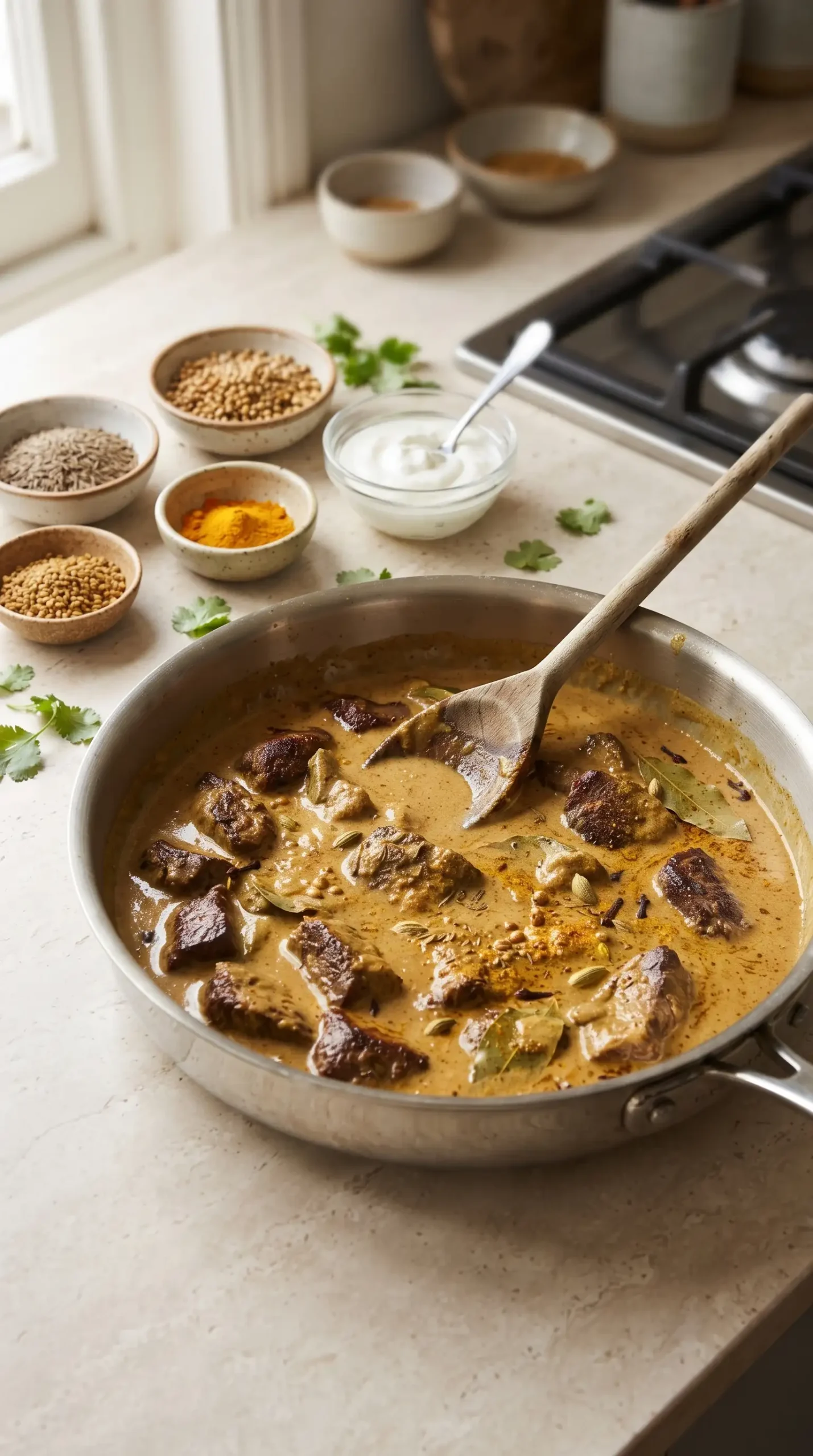
Fenugreek seeds, roasted coriander, cumin, and turmeric shape the character of the dish by creating a warm spice foundation that works with the beef. The spices are added after the blended onion, garlic, cilantro, and ginger mixture has begun cooking, allowing their fragrance to develop before the yogurt creates a smooth sauce.
Greek yogurt plays an important role in the cooking process because it helps create a creamy coating around the browned beef pieces. Stirring it into the simmering sauce carefully keeps the mixture smooth and allows the spices to distribute throughout the meat.
Caramelized onions provide a separate texture and flavor contrast when scattered over the rice. The toasted almonds and softened golden raisins placed with the onions add small bursts of sweetness and richness that complement the savory beef underneath.
Layer Choices Shape the Basmati Rice Beef Biryani Experience
The arrangement of the layers determines how the finished dish eats. Each part contributes a different texture, and keeping those roles separate during preparation helps the oven finish the biryani evenly.
| Layer | Preparation focus | Reason it matters |
|---|---|---|
| Beef base | Brown pieces before simmering | Creates deeper flavor and a sturdy foundation |
| Spiced sauce | Cook aromatics and spices until fragrant | Distributes seasoning through the meat |
| Basmati rice | Rinse and partially cook before baking | Helps maintain separate grains |
| Onion topping | Add caramelized onions, almonds, and raisins | Provides contrast after baking |
Cooking Controls Protect Tender Beef Biryani Texture
Careful browning starts the flavor development before the longer simmer. The beef pieces should have enough space and heat to gain color, because the browned surface adds complexity before the meat returns to the sauce.
Gentle simmering is the stage that transforms the beef texture. Keeping the liquid around the meat prevents drying, and adding a small amount of water, yogurt, or both when needed helps maintain the sauce while the beef continues becoming tender.
This gentle simmer works because collagen softens during slow moist cooking, helping tougher beef pieces become more tender as they cook in the sauce.
Oven finishing requires attention to moisture and coverage. A tight seal from foil and a fitted lid keeps steam inside, allowing the rice to complete cooking while absorbing the flavors rising from the beef layer below.
Aromatic Blends Define the Biryani Sauce Character
The blended onion, garlic, cilantro, and ginger mixture creates the starting point for the sauce. Pureeing these ingredients allows their flavors to spread evenly, giving the beef a consistent aromatic coating throughout the simmer.
Common Beef Biryani Mistakes That Affect the Finished Dish
Rushing the beef simmer is one of the biggest risks with this dish. The meat may brown well at the beginning, but it still needs enough gentle cooking time to develop a tender texture inside the spiced sauce.
Overlooking the rice preparation can also change the result. Rice that keeps too much surface starch may become overly sticky, which is why soaking and rinsing the basmati rice before cooking helps create a looser texture.
Skipping the resting period after baking can make serving more difficult. Allowing the covered dish to stand gives the moisture time to settle so the rice can be fluffed without disturbing the layers too aggressively.
Serving Beef Biryani With Traditional Accompaniments
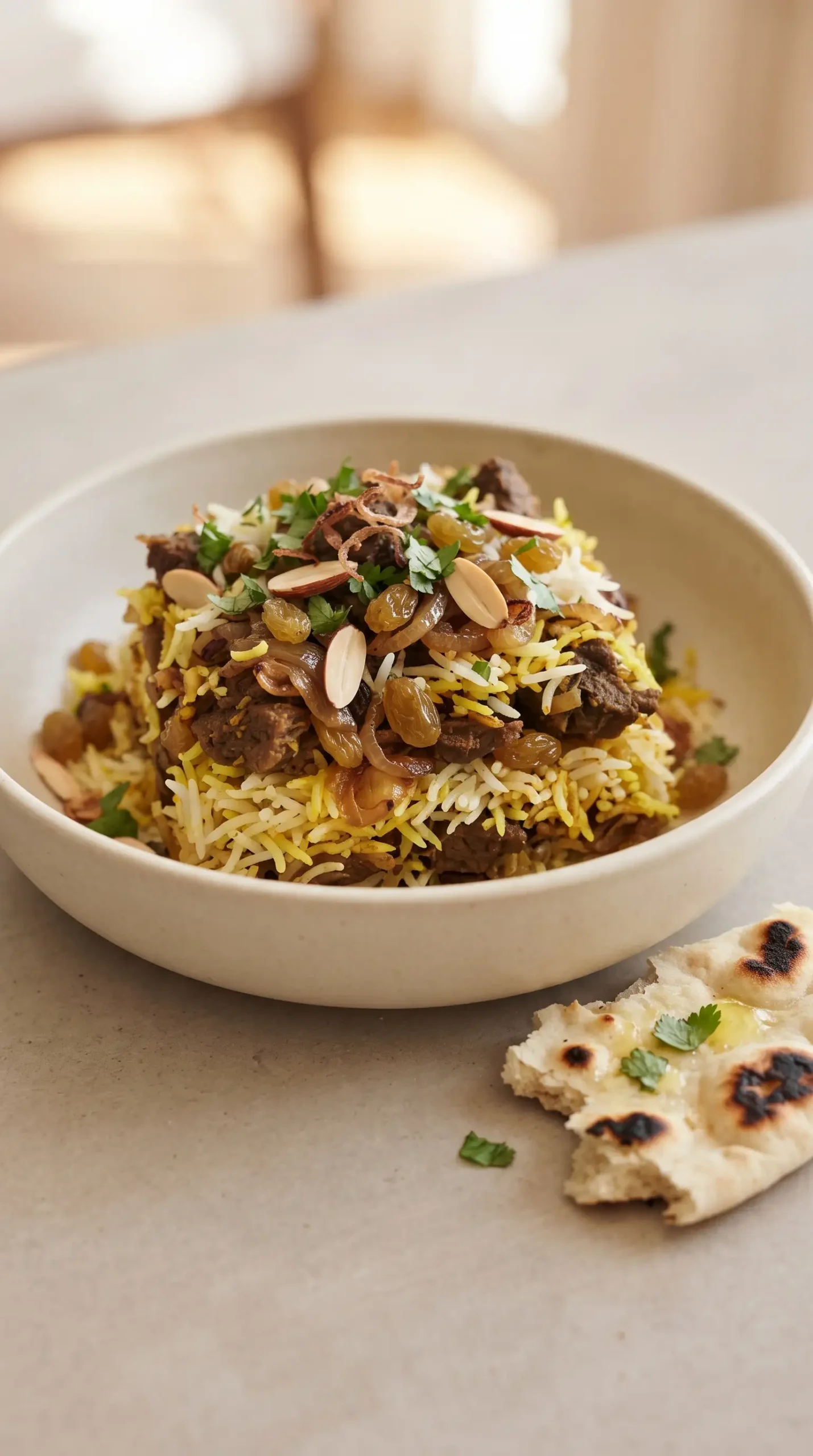
Warm portions pair naturally with chapati or naan, which can be used to scoop up the spiced beef and rice. A simple garnish of fresh cilantro keeps the presentation connected to the aromatic ingredients already used in the dish.
Rice Preparation Creates a Better Oven Baked Beef Biryani

Rinsing basmati rice removes excess surface starch before the grains meet the flavorful beef layer. This preparation step matters because the rice must absorb moisture from the sauce while still holding its own shape.
Partial cooking gives the grains enough progress before the oven stage without taking them all the way to completion. The remaining cooking happens inside the covered pan, where steam moves between the rice and beef.
Proper layering also protects the rice from becoming uneven. Keeping the rice above the beef allows the grains to cook through gently while the sauce below provides moisture and seasoning.
Make Ahead Decisions Keep Beef Biryani Ready for Serving
Cooked beef biryani can be stored and reheated carefully while protecting the rice texture. Cool leftovers promptly, keep them covered, and add a small splash of moisture when reheating if the grains seem dry.
Simple Adjustments Change Beef Biryani Without Losing Its Identity
The spice balance can be adjusted by slightly reducing the cumin or changing the amount of fenugreek seeds while keeping the core aromatic profile intact. Small changes are easier to manage when the layered structure remains the same.
Kitchen Details That Improve Every Beef Biryani Batch
Small observations during cooking make the process more reliable. The sauce should smell deeply fragrant after the spices cook, the beef should feel tender before the rice is added, and the rice should still have some firmness before the oven completes the dish.
- Spice timing: Add ground spices after the aromatic base begins cooking so their fragrance develops in the sauce.
- Rice texture: Stop the first rice cooking stage while the grains still need more time to finish.
- Moisture check: Maintain enough sauce around the beef so the simmer remains gentle and productive.
Beef Biryani Gains Its Character Through Patient Layering
Beef becomes tender inside the spiced yogurt sauce when simmering time, moisture, and heat are balanced. The rice then completes the transformation by absorbing the surrounding flavors while staying light enough to separate with a fork.
Caramelized onions, almonds, and raisins bring the finishing contrast that makes the layered structure meaningful. The combination works because the rich beef base and fragrant rice are joined by small sweet and toasted details that appear in each serving.
Beef Biryani Questions About Texture and Preparation
Why does beef need a long simmer in biryani?
Beef pieces benefit from gentle simmering because the longer cooking time allows them to soften while taking on the flavors of the spiced yogurt sauce. A shorter cooking period may leave the meat firm even if the exterior is well browned.
Can I use another cut of beef for this dish?
A beef cut suitable for stewing can work well because gradual cooking helps soften tougher pieces. Choosing evenly sized chunks keeps the simmer consistent, and slow-cooked beef with creamy mushroom gravy pairs tender meat with a rich sauce, a useful style of cooking when selecting beef for long simmered dishes.
How can I prevent sticky rice in beef biryani?
Rinsing basmati rice thoroughly before cooking helps remove excess starch from the surface. Keeping the first cooking stage partial also prevents the grains from becoming fully soft before they finish in the oven.
What should I do if the beef sauce becomes too dry?
If the simmering liquid reduces too much, add a small amount of water, yogurt, or a combination of both and continue cooking gently. The sauce should remain present around the beef before the rice layer is added.
Layered Beef Biryani Shows Why Tender Beef and Fragrant Rice Matter
The beef and rice become most successful when each stage receives the attention it needs. Tender meat, aromatic sauce, properly prepared basmati rice, and the sweet toasted onion topping combine into a dish where texture depends on careful handling from start to finish.
Balanced moisture is the key condition that connects the entire preparation. When the beef stays surrounded by sauce and the rice finishes through gentle covered baking, the layers come together without losing their individual character.
Beef Biryani with Yogurt Sauce and Basmati Rice Recipe
Beef biryani is a hearty layered rice dish with tender spiced beef, fragrant basmati rice, and a rich yogurt-based sauce. It is a comforting meal with contrasting textures and flavors that is perfect for sharing.
Ingredients
Method
Preparation
- Cut the onion in half, reserve one half, and cut the remaining half into quarters. Blend the quartered onion with garlic, cilantro, and ginger in a food processor until smooth, adding a small amount of water if needed. Set aside.
- Slice the reserved onion half thinly and prepare the rice by soaking it in cold water, then rinsing thoroughly to remove excess starch.
Cooking
- Heat a large ovenproof pan over medium-low heat. Melt 1/2 tablespoon butter with 1/2 tablespoon oil, then cook the sliced onion until caramelized and golden, about 15 minutes. Add the almonds and raisins and cook until softened and lightly toasted. Transfer the mixture aside.
- Return the pan to the stove and heat the remaining 1/2 tablespoon butter and oil over medium-high heat. Sear the beef pieces until browned on all sides, about 5 minutes, then transfer the beef to a plate.
- Remove excess grease from the pan and add the blended onion mixture. Add the spices while the sauce cooks and stir until fragrant, about 3 minutes. Mix in the yogurt and about 1 cup water until smooth, then return the browned beef to the pan. Cover and simmer gently for 1 hour.
Rice Preparation
- Bring 3 cups of beef broth to a low boil in a saucepan. Add the rinsed rice and cook covered for 5-10 minutes until partially cooked. Drain any remaining liquid and set the rice aside.
- Preheat the oven to 350°F (175°C).
Baking
- Spread the rice over the beef mixture and create a small opening in the center for moisture. Add the caramelized onion mixture over the rice.
- Cover the pan with two tight layers of foil and a secure lid. Bake for 30-40 minutes, then rest covered for 10-15 minutes before fluffing with a fork.
Serving
- Fluff the rice and serve the beef biryani topped with cilantro and accompanied by chapati or naan.
Notes
When simmering the beef, it is important to allow enough time for the meat to become tender. If the liquid reduces too much during cooking, add a small amount of water, yogurt, or both, stir, and continue simmering. Fenugreek seeds can be purchased in bulk; a small amount is enough for making this recipe several times.