From breakfast to dinner, from wholesome meals to indulgent desserts, Nexa Recipes offers quick, easy, and delicious ideas for every occasion and every moment.



 This Recipe
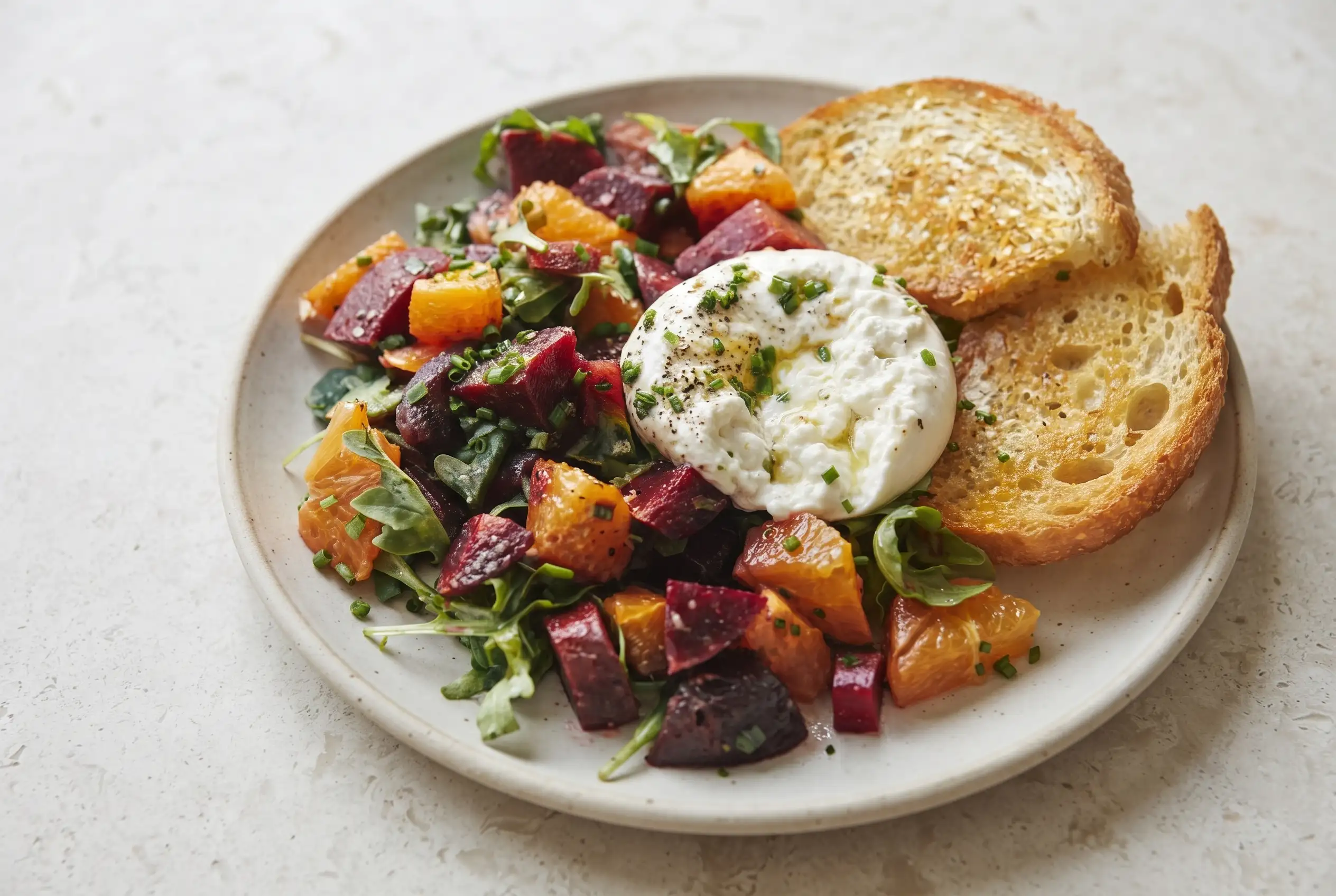
Beet burrata salad brings together earthy cooked beets, creamy burrata, bright oranges, peppery greens, and golden fried bread for a dish built around contrast. Each element has a clear role: the beets provide richness, the citrus lifts the flavors, the cheese creates a soft center, and the crisp bread adds a satisfying bite. The combination feels elegant enough for entertaining while staying approachable for a relaxed meal.
Burrata and Beets Create a Fresh Contrast

Creamy burrata changes the way a beet salad feels on the plate. The cheese has a delicate texture that spreads into the surrounding ingredients, creating pockets of richness beside the naturally sweet and earthy beets. Keeping the burrata in larger pieces allows each serving to have a noticeable creamy element instead of blending everything into one uniform mixture.
Balanced textures make the beet and burrata salad with fried bread especially memorable. Soft beets and cheese need a crisp component to prevent the dish from feeling too heavy. The fried sourdough provides that contrast while also absorbing small amounts of dressing, creating flavorful bites that connect the separate parts.
Burrata’s appeal comes from its contrast of textures: the cheese has a mozzarella-like exterior with a soft, spreadable center, giving the salad its signature richness. The burrata’s creamy center makes each bite feel more indulgent while still pairing naturally with the earthy beets.
Bright flavors develop from the relationship between sweet, tangy, and savory notes. Red wine vinegar and Dijon mustard give the dressing a sharp edge, while oranges bring natural sweetness and freshness. The result is a salad where every forkful moves between creamy, crunchy, juicy, and savory sensations.
Orange Segments Brighten the Beet Burrata Salad
Orange pieces add more than color to the salad. Removing the peel and cutting the fruit into chunks creates juicy bites that balance the deeper flavor of the beets. The citrus also works with the vinegar in the dressing, helping the finished dish taste lively instead of dense.
Chive Dressing Shapes the Salad’s Savory Balance

Chopped chives give the dressing a fresh allium flavor that fits naturally with both burrata and beets. Their mild onion character supports the other ingredients without covering the creamy cheese or sweet citrus. Garlic powder adds a subtle savory note that blends smoothly into the oil-based mixture.
A shaken jar dressing works well because the mustard helps bring the oil and vinegar together. The short preparation keeps the focus on the ingredients that define the salad, while the seasoning can be adjusted to match personal preferences. A little extra pepper can emphasize the earthy beets and rich burrata.
Ingredient choices matter most when flavors are simple and exposed. Cooked beets already contain moisture and sweetness, so pressing out excess juice before cutting helps keep the dressing balanced and prevents the other ingredients from becoming overly tinted or watery.
| Ingredient choice | Effect on the salad | Best handling approach |
|---|---|---|
| Cooked beets | Earthy sweetness and soft texture | Remove excess surface juice before combining |
| Burrata | Creamy richness and mild flavor | Keep in larger portions for distinct bites |
| Sourdough bread | Crisp contrast and savory crunch | Fry until golden before serving |
Crispy Bread Gives the Salad Its Essential Texture
Crisp bread separates this dish from a standard beet salad. Sourdough slices develop a browned exterior when fried in olive oil, creating a sturdy piece that can hold creamy burrata and juicy beet mixtures. Salads built around toasted bread, such as BLT Panzanella with bacon, avocado, and tomato, show how bread can add structure while absorbing flavorful ingredients. The bread turns simple salad ingredients into something closer to a complete plate.
Freshly fried pieces are most enjoyable when served alongside the salad immediately. Their texture changes as they absorb moisture from the dressing and vegetables, so keeping them separate until serving helps preserve the contrast that makes the combination appealing.
Golden bread also provides a practical serving advantage. Larger pieces can be used to scoop burrata and beet mixtures together, allowing diners to experience several flavors in one bite. Smaller portions can work too, but maintaining some size keeps the crunchy element noticeable.
Fried Bread Timing Protects the Crunchy Finish
Medium heat control is the main factor when preparing the bread component. Olive oil needs enough warmth to create browning, while excessive heat can darken the outside before the inside develops a pleasant crisp texture. Turning the slices at the right moment helps create even color on both sides.
Visual cues are more useful here than strict timing. Look for a golden surface and a firm texture before removing the bread from the pan. The finished pieces should feel crisp enough to stand beside moist ingredients without immediately becoming soft.
Beet Burrata Salad Mistakes That Ruin Texture
Avoiding common problems helps protect the balance of the salad. Most issues come from moisture management or serving order instead of complicated cooking steps.
- Wet beets: Excess juice can dilute the dressing and spread too much color through the dish. Pressing the cooked beets before cutting helps maintain a cleaner texture.
- Soft bread: Leaving fried sourdough sitting in dressing or beet juices for too long reduces the crisp bite. Add bread close to serving time.
- Hidden burrata: Breaking the cheese into tiny pieces can make the creamy texture disappear. Larger portions keep the cheese recognizable.
- Heavy seasoning: Strong additions can cover the gentle flavors of the oranges and burrata. Season gradually so the natural ingredients remain noticeable.
Common errors with a beet salad with crispy bread usually happen when the contrasts are lost. Protecting each texture until serving keeps the dish closer to its intended character.
Serving Choices Keep Burrata Salad with Beets and Oranges Flexible
Serving the salad in individual bowls or on a shared platter can both work well. Placing burrata visibly on top highlights the creamy centerpiece, while arranging bread pieces nearby allows each person to combine textures as desired.
Arugula Leaves Add a Green Layer Without Overpowering
Arugula brings a peppery freshness that can lighten the richer ingredients. A handful is enough to introduce a green element while allowing the beets, oranges, and burrata to remain the focus.
Storage Decisions Preserve the Salad Components
Leftover components are easiest to manage when stored separately. The beets and dressed vegetables can become more flavorful as they rest, but fried bread loses its crisp quality after contact with moisture. Keeping the bread apart protects its texture for later use.
Separate storage also makes it easier to refresh individual portions. Extra greens can be added before serving, and burrata can be placed on top when ready to eat. This approach prevents the creamy cheese from becoming mixed throughout the entire container.
Refrigerated ingredients should be kept covered and handled with normal food safety practices. Because the salad contains fresh cheese and prepared vegetables, checking the texture and aroma before eating leftovers helps maintain the best experience.
Burrata Salad with Beets and Oranges Fits More Occasions
When planning a meal, the salad works as a starter, light lunch, or side dish depending on the portion and surrounding dishes. Its combination of fresh produce, creamy cheese, and crisp bread gives it enough substance to feel satisfying without relying on heavy ingredients.
Small gatherings benefit from the simple presentation. The colorful beets, bright oranges, and white burrata create visual contrast with minimal decoration. A serving platter can make the ingredients easy to share while keeping the textures distinct.
Seasonal adjustments can be made without changing the core idea. Different greens or bread styles may alter the character slightly, but the essential balance comes from pairing creamy cheese, earthy vegetables, citrus brightness, and a crunchy element.
Creamy Burrata Meets Crisp Bread in a Balanced Beet Salad

Silky burrata paired with golden fried bread creates the central contrast that defines this beet salad. The beets bring depth, oranges provide brightness, and the dressing ties the flavors together without hiding their individual qualities.
Careful preparation of moisture and texture keeps each part working together. Serving the crunchy bread at the right moment and keeping the burrata prominent allows the salad to deliver creamy, crisp, sweet, and savory notes in every serving.
Texture and Storage Questions About Beet Burrata Salad
Can the fried bread be prepared ahead?
Prepared bread can be cooked in advance, but it is best kept away from moist ingredients until serving. A dry storage container helps preserve the crisp surface, while reheating briefly can help restore some texture if needed.
How can the beets stay from making the salad watery?
Cooked beets release moisture naturally, so pressing out excess juice before cutting is an important step. Handling the beets this way helps the dressing stay concentrated and keeps the other ingredients from becoming overwhelmed.
Can another green replace the arugula?
Other tender greens can be used when arugula is unavailable or when a milder flavor is preferred. The purpose of the greens is to add freshness, so the replacement should complement the creamy cheese and sweet citrus.
What should be served with the beet burrata salad?
The salad pairs well with simple meals that allow its flavors to remain noticeable. Grilled proteins, roasted vegetables, or additional bread can create a fuller meal while keeping the salad’s fresh character.
How should leftover burrata be handled?
Remaining burrata should be kept chilled and covered. For the best texture, add it to a refreshed portion when serving instead of mixing it into stored salad components for an extended period.
Beet and Burrata Salad with Fried Bread and Oranges
Beet burrata salad combines creamy burrata, earthy beets, bright citrus, and crispy fried bread for a fresh, balanced dish. It is an appealing choice when you want a simple salad with contrasting textures and vibrant flavors.
Ingredients
Method
Preparation
- Combine the olive oil, red wine vinegar, Dijon mustard, garlic powder, chives, salt, and pepper in a jar and shake until mixed.
- Remove excess moisture from the cooked beets, then cut them into chunks. Peel the oranges and cut the fruit into chunks. Toss the beets and oranges with the dressing, then add arugula if desired.
Cooking
- Warm a generous amount of olive oil over medium-high heat. Add the sourdough slices and cook on both sides until crisp and golden.
Serving
- Divide the salad among bowls and serve each portion with burrata and pieces of fried bread.
Notes
Pressing excess juice from the cooked beets before combining helps keep the salad texture balanced.