From breakfast to dinner, from wholesome meals to indulgent desserts, Nexa Recipes offers quick, easy, and delicious ideas for every occasion and every moment.



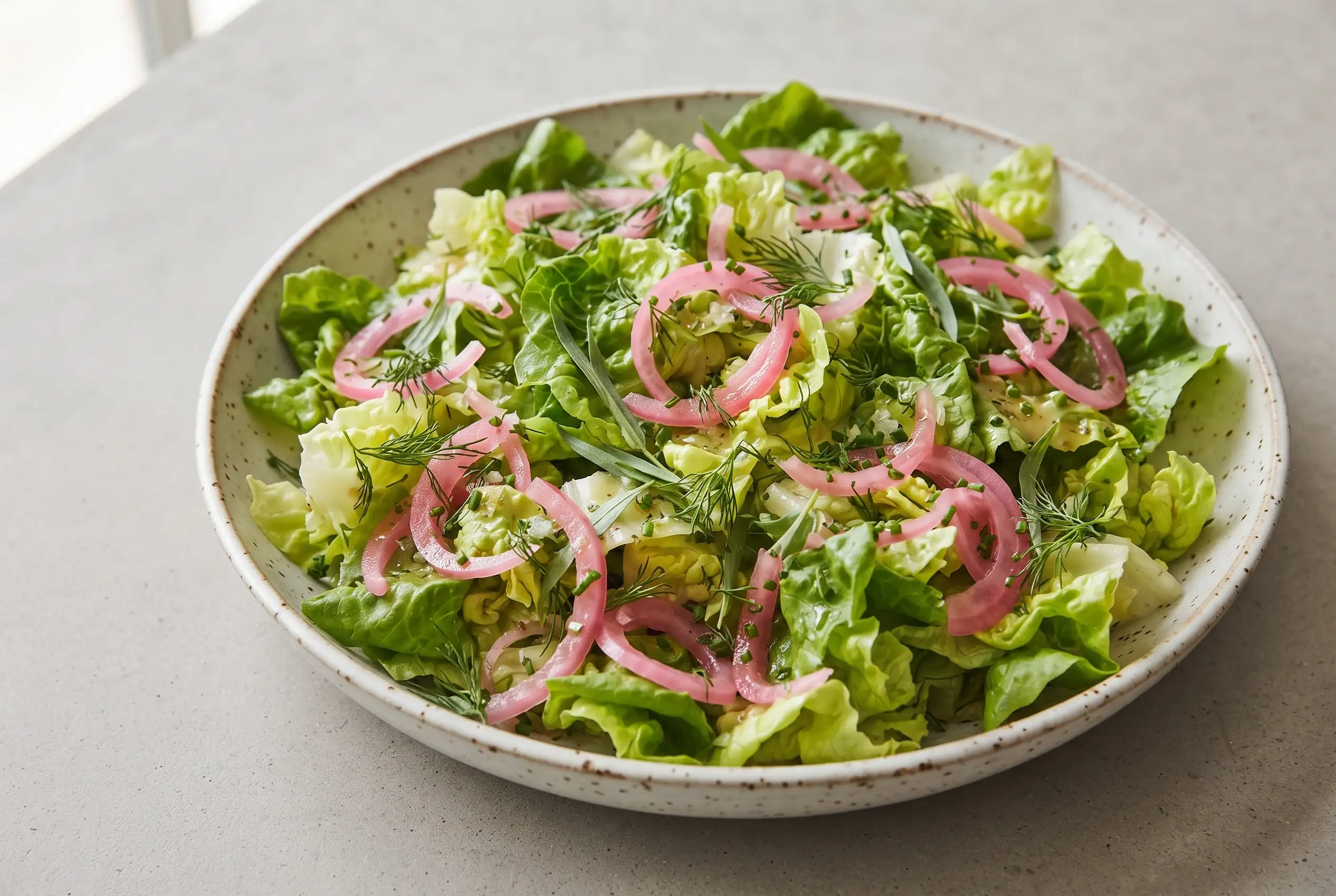 This Recipe
Liz’s Bistro Salad brings crisp lettuce, fresh herbs, and bright pickled onions together in a bistro salad that feels both simple and carefully balanced. The combination works because each element has a clear purpose: tender greens carry the dressing, herbs provide a fresh aroma, and lightly tangy onions create contrast throughout every bite.
Liz’s Bistro Salad Starts with a Bright Herb-Lettuce Balance
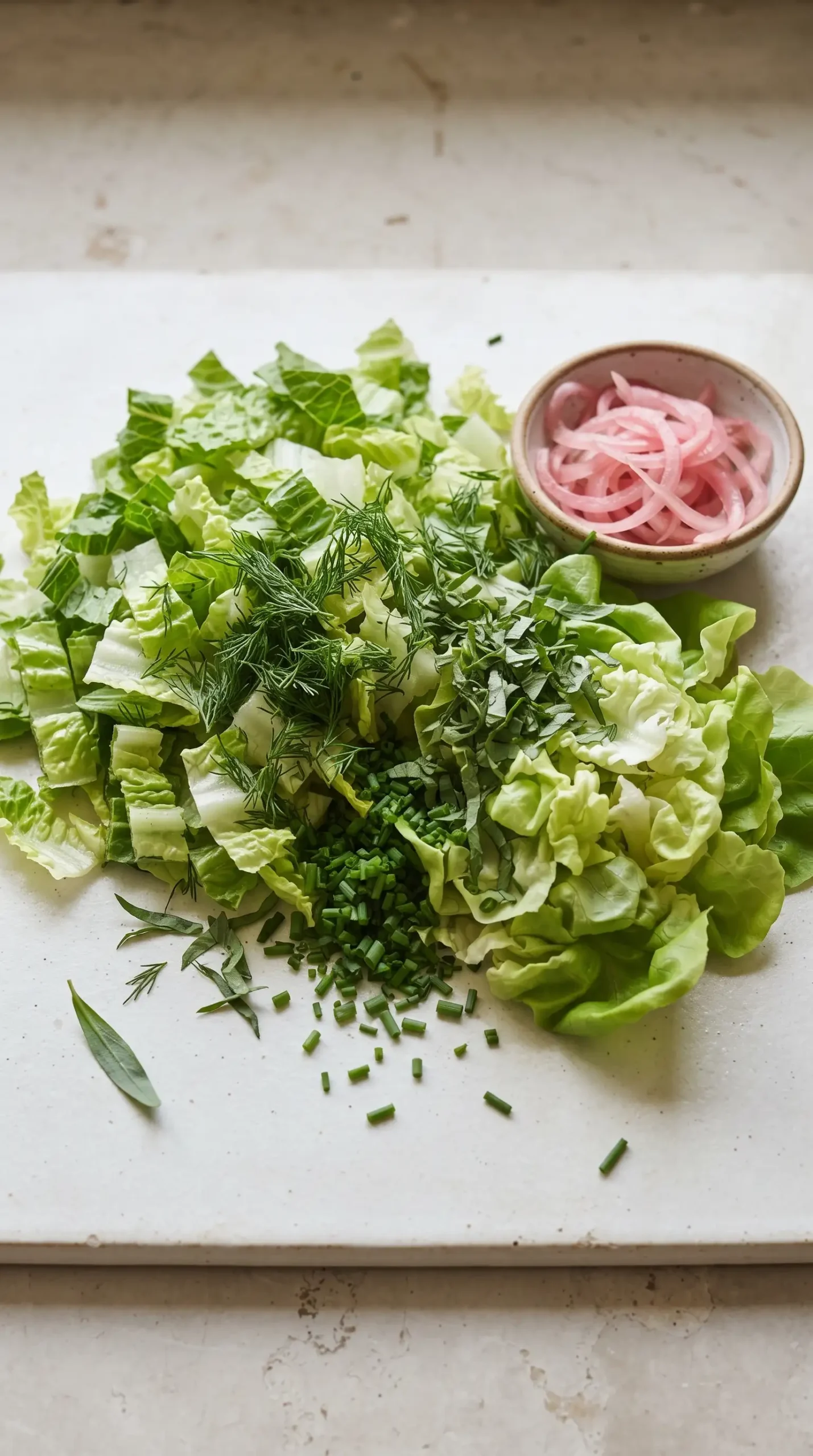
Unlike heavier salads built around many toppings, Liz’s Bistro Salad focuses on the relationship between greens, herbs, and a mellow vinaigrette. The finished bowl depends on freshness and restraint, allowing the natural character of the lettuce and herbs to remain noticeable.
Across the plate, the romaine and butter lettuce create different textures. Romaine contributes a pleasant crispness, while butter lettuce offers softer leaves that hold the dressing gently. Together, they create a foundation that feels light but satisfying.
Beyond the greens, the combination of dill, tarragon, and chives gives the bistro salad its recognizable personality. The herbs are not decorative additions; they shape the flavor from the first forkful through the last.
Pickled Onion Salad Elements Create the Signature Tang
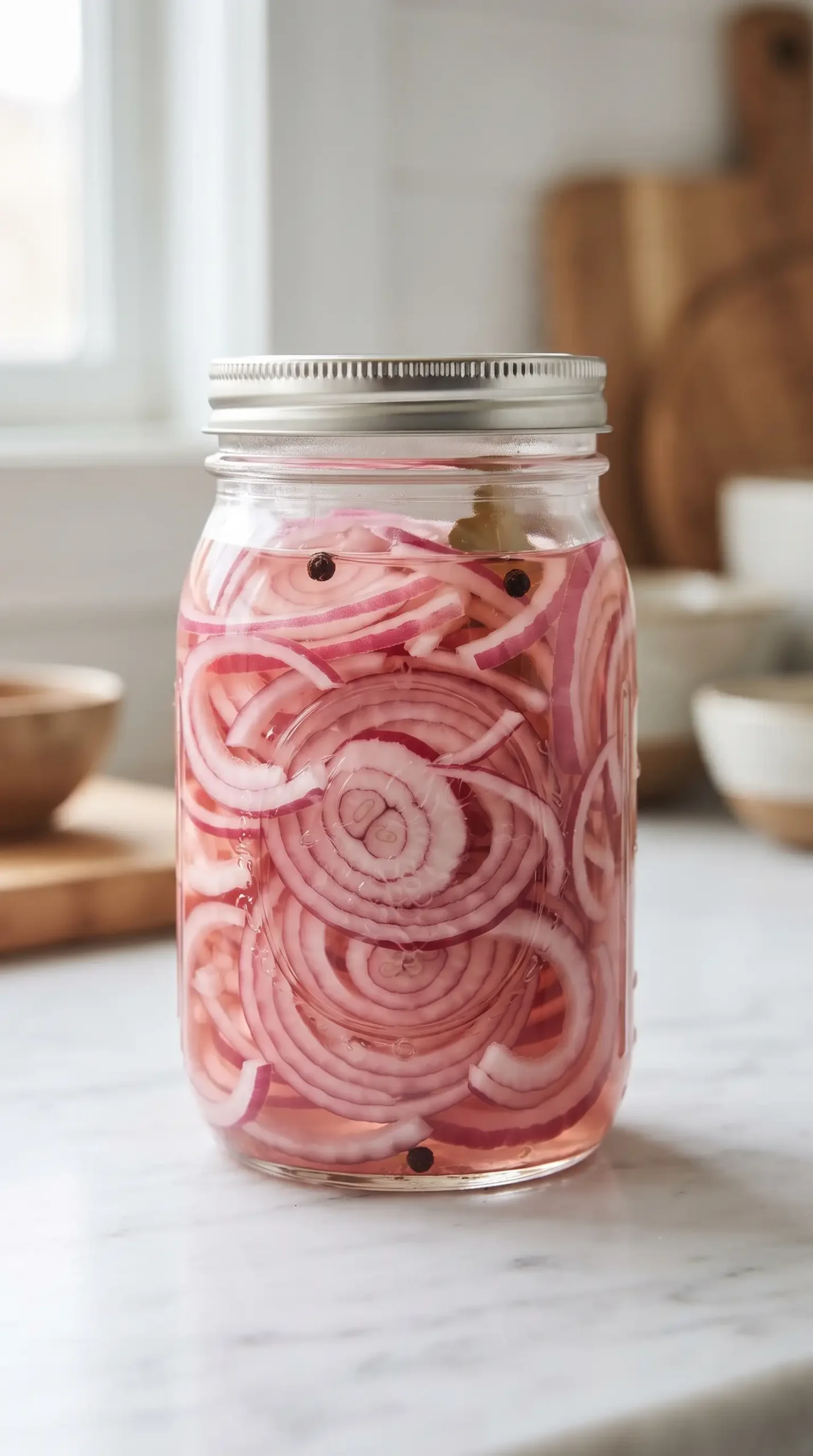
Quickly prepared onions provide the sharp, refreshing note that keeps the salad from tasting flat. The vinegar and water mixture softens the raw onion intensity while preserving the crisp texture that makes each bite lively.
This salad’s onions use a quick pickling method that relies on a vinegar-based brine to add flavor while keeping thinly sliced vegetables crisp.
Chilled onions also bring convenience to the kitchen because they can be prepared ahead and added when the salad is ready to serve. The gentle acidity blends with the mild dressing, creating a balanced pickled onion salad component instead of an overpowering garnish.
| Component | Flavor effect | Handling choice |
|---|---|---|
| Red onion | Bright, lightly sharp contrast | Slice thinly before pickling |
| Vinegar mixture | Creates gentle acidity | Allow time for the flavors to settle |
| Salt and sugar | Rounds out the tang | Use a small amount for balance |
Keeping the onions separate until serving protects the lettuce texture. When combined at the right moment, the onions add moisture and flavor without making the greens lose their delicate structure.
Fresh Herbs Define the Herb and Lettuce Bistro Salad Character
Tarragon, dill, and chives give the herb and lettuce bistro salad its distinctive fresh profile, with each herb contributing a different aromatic quality. Chopping or tearing them before serving helps distribute their flavor evenly through the greens.
Fresh herbs can be paired with crisp produce beyond lettuce; combining cucumber, avocado, and grapefruit with herbs creates a refreshing side format in avocado cucumber salad with grapefruit and fresh herbs.
The Dressing Emulsification Keeps the Flavors Connected
Balanced vinaigrette is essential for a salad built around subtle ingredients. The dressing combines oil, lemon juice, salt, sugar, and Dijon mustard or mayonnaise to create a smooth coating that reaches every leaf.
Emulsification matters because the mustard or mayonnaise helps the oil and acidic ingredients stay blended. A well-mixed dressing coats the lettuce evenly, preventing bites that feel either too oily or too sharp.
Since the herbs and onions already bring strong freshness, the dressing stays mellow. A lighter approach allows the salad’s natural flavors to remain clear instead of covering them with a heavy sauce.
Bistro Salad Assembly Depends on Gentle Handling
Careful tossing protects the tender lettuce leaves and keeps the herbs distributed throughout the bowl. Adding dressing gradually makes it easier to reach the right texture without overwhelming the greens.
Lettuce Choices Shape the Finished Texture
Romaine and butter lettuce create a useful contrast that defines the eating experience. The combination avoids a single-texture salad by pairing firm chopped pieces with softer torn leaves.
Fresh preparation has the biggest impact on the greens. Chopping the romaine and gently tearing the butter lettuce into bite-sized pieces helps each serving feel easy to eat while keeping the leaves visually appealing.
Simple lettuce decisions also influence how the dressing behaves. Sturdy romaine pieces can support the vinaigrette, while delicate butter lettuce catches the herbs and smaller flavor details.
Common Liz’s Bistro Salad Mistakes That Dull the Fresh Finish
Several small choices can change the character of Liz’s Bistro Salad. Avoiding a few common problems helps preserve the crisp, bright qualities that make this dish work.
- Overdressing greens: Start with less dressing and add more only if needed so the lettuce stays fresh.
- Skipping onion time: Give the sliced onions a chance to soften their sharp edge through the vinegar mixture.
- Cutting herbs too early: Prepare herbs close to assembly when possible to maintain their fresh aroma.
Another frequent issue is treating the dressing as the main flavor. The vinaigrette should support the herbs and onions, not hide the delicate balance between them.
Excessive tossing can also affect the salad’s texture. Gentle mixing keeps the lettuce intact and helps maintain the contrast between crisp leaves, soft greens, and bright onion pieces.
Make-Ahead Storage Keeps Salad Components Ready
Prepared onions, dressing, and chopped greens can be stored separately so the salad can be assembled when needed. Keeping each part apart helps maintain freshness and prevents the lettuce from becoming soggy.
Scaling Liz’s Bistro Salad Works Through Dressing Balance
Adjusting Liz’s Bistro Salad for a larger gathering is mostly about maintaining the relationship between greens, herbs, onions, and dressing. More lettuce needs enough vinaigrette to coat the leaves without making the bowl heavy.
Extra portions are easiest to manage when the dressing remains separate until serving. This approach lets smaller servings be mixed as needed while preserving the texture of unused greens.
For different serving sizes, the most important adjustment is keeping the flavor balance consistent. The herbs should remain noticeable, and the pickled onions should continue providing their bright contrast.
Serving Pairings Highlight the Pickled Onion Salad Contrast
The fresh acidity of this pickled onion salad style makes it a natural companion for richer meals. It can add brightness beside roasted dishes, grilled foods, or comforting dinners where a crisp side provides balance.
Bistro Salad Flavor Adjustments Suit Different Tables
Small flavor changes can personalize the salad while keeping its original structure intact. The neutral oil creates a mild base, allowing cooks to adjust the brightness with lemon juice or the seasoning with additional salt and pepper.
Different oils can change the personality of the dressing. A stronger oil may become more noticeable, while a neutral option keeps attention on the herbs, lettuce, and onions.
Family-style serving also benefits from flexibility. Leaving extra dressing available allows guests to choose their preferred level of tang and richness without affecting the entire bowl.
Herb Preparation Decisions Improve Every Bowl
Fresh herb handling has a direct effect on the finished salad. Chopping chives finely, preparing dill into smaller pieces, and mincing tarragon evenly helps their flavors spread throughout the lettuce.
Liz’s Bistro Salad Brings Freshness Through Simple Control
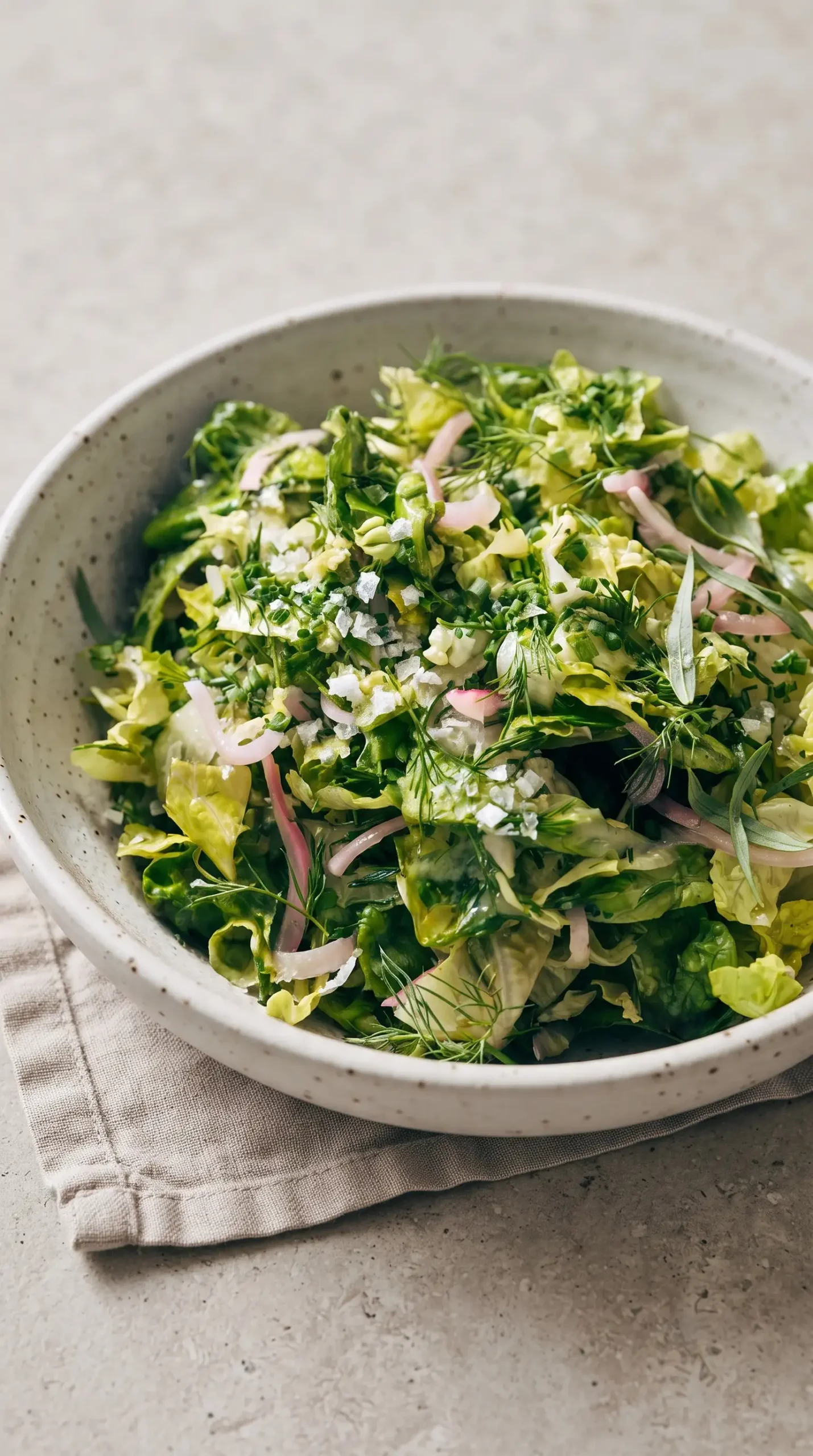
Fresh greens, balanced herbs, and gently tangy onions create the character that defines Liz’s Bistro Salad. The best results come from protecting those contrasts: keeping the dressing mild, handling lettuce carefully, and combining everything close to serving.
Careful preparation turns a few everyday ingredients into a bistro salad with a clean finish and enough versatility for many meals. Each component has room to stand out while still contributing to a unified bowl.
Liz’s Bistro Salad Questions About Preparation and Storage
Can Liz’s Bistro Salad be prepared ahead of time?
Yes, the separate components can be prepared in advance. Store the onions, dressing, and greens individually, then combine them when you are ready to eat so the lettuce remains crisp.
Why are pickled onions used in this salad?
Pickled onions add acidity and a gentle sharpness that balances the mild greens and herbs. The vinegar mixture softens the onion flavor while keeping a refreshing texture.
Can another oil replace canola oil in the dressing?
Another oil can work if it has a flavor that fits the salad. A neutral oil keeps the vinaigrette mild, allowing the lemon, herbs, and onions to stay prominent.
How should the herbs be prepared for the best flavor?
The herbs should be chopped or torn into manageable pieces so they distribute evenly. Preparing them close to assembly helps maintain their fresh aroma and flavor.
What makes this bistro salad different from a basic green salad?
The combination of fresh herbs, quick pickled onions, and a lightly emulsified dressing gives this salad more layered flavor while still keeping the focus on crisp lettuce.
Liz'S Bistro Salad with Pickled Onions and Fresh Herbs
Liz's Bistro Salad is a fresh bistro salad with crisp lettuce, fragrant herbs, and bright pickled onions. It is a simple, flavorful side that adds a refreshing balance to any meal.
Ingredients
Method
Preparation
- Place the sliced onions in a jar. Add vinegar to fill about one-third of the jar, then add water until the onions are covered. Add salt and sugar, shake well, and refrigerate for a few hours or up to a few days.
- Combine all dressing ingredients in a jar and shake until blended. Refrigerate the dressing if preparing ahead.
- Prepare the greens by chopping the romaine and tearing the butter lettuce into bite-sized pieces. Prepare the herbs for mixing.
Assembly
- Combine the greens, herbs, pickled onions, and dressing just before serving. Begin with about half of the dressing and add more as needed.
- Taste the salad and adjust the seasoning with salt and pepper as needed before serving.
Notes
To prepare ahead, make the onions and dressing, then chop the greens and store each component separately in the refrigerator. Assemble only the amount needed before serving. For a larger salad, increase the greens while keeping enough dressing to coat everything. A different oil can be used, but a neutral oil keeps the dressing mild.