From breakfast to dinner, from wholesome meals to indulgent desserts, Nexa Recipes offers quick, easy, and delicious ideas for every occasion and every moment.



 This Recipe
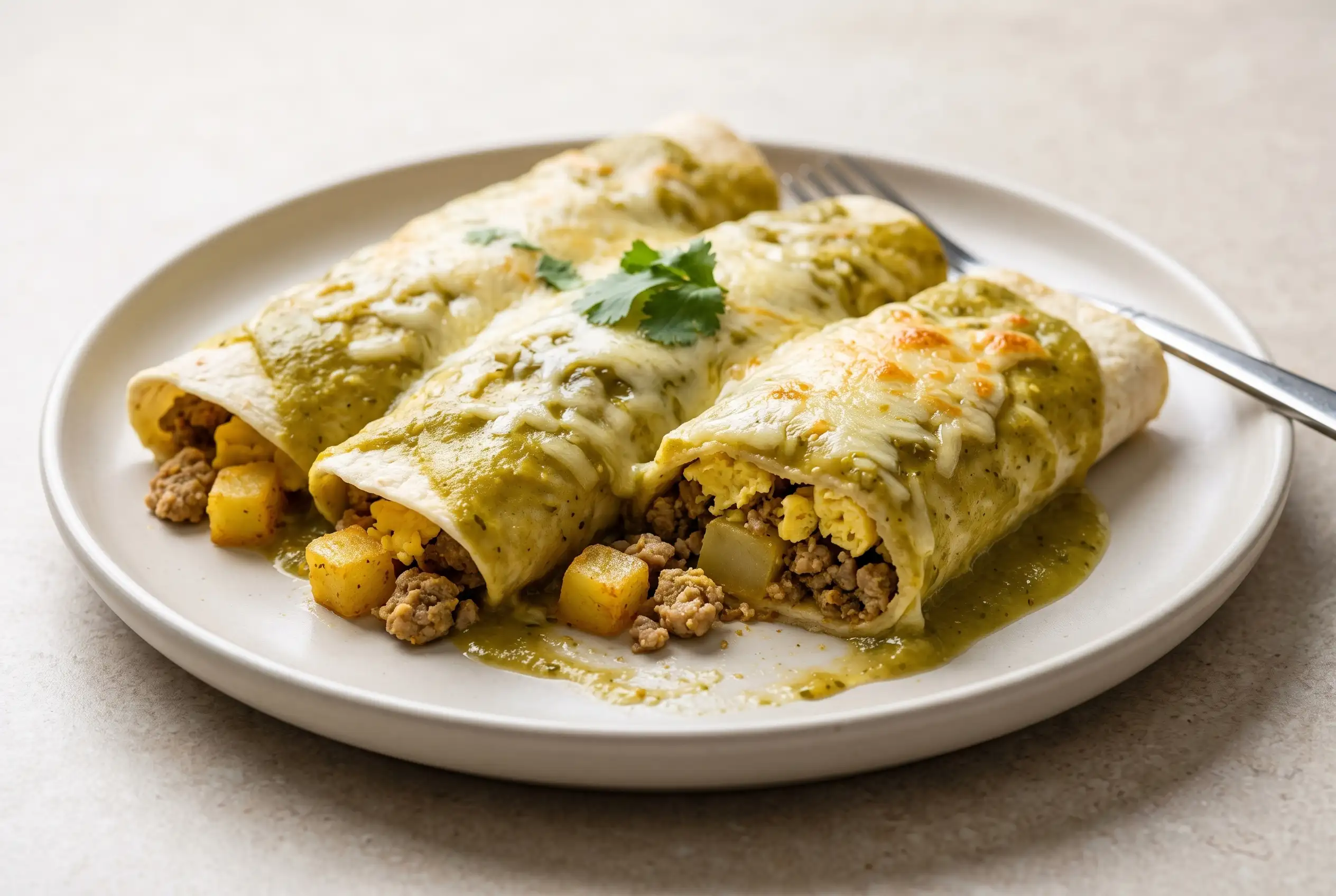
Breakfast enchiladas bring together soft eggs, seasoned turkey, tender potatoes, melted cheese, and a smooth poblano sauce for a baked morning meal with layers of flavor. The combination works because each part is prepared with a different texture in mind before the tortillas are covered and baked.
These breakfast enchiladas with poblano sauce offer a satisfying way to turn familiar breakfast ingredients into a warm casserole-style dish. The sauce-coated tortillas hold the filling together while the oven creates a bubbly finish that makes every serving feel complete.
Roasted Poblano Sauce Shapes the Enchilada Experience
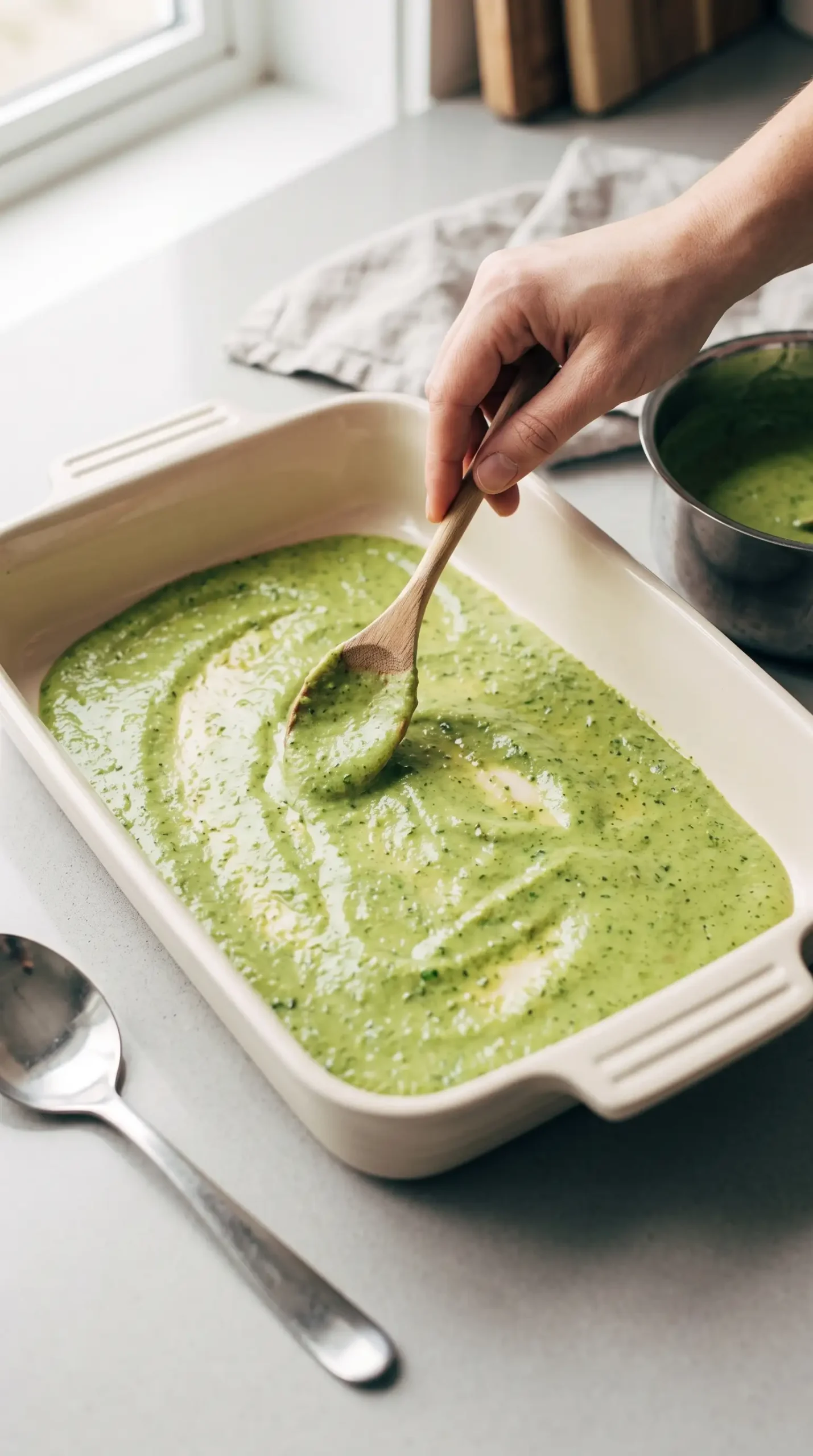
Poblano sauce defines the character of these enchiladas by adding moisture throughout the bake. A thin layer underneath the tortillas helps prevent sticking, while the sauce over the top allows the rolls to stay tender as they heat through.
Potato and Turkey Filling Choices Improve Texture
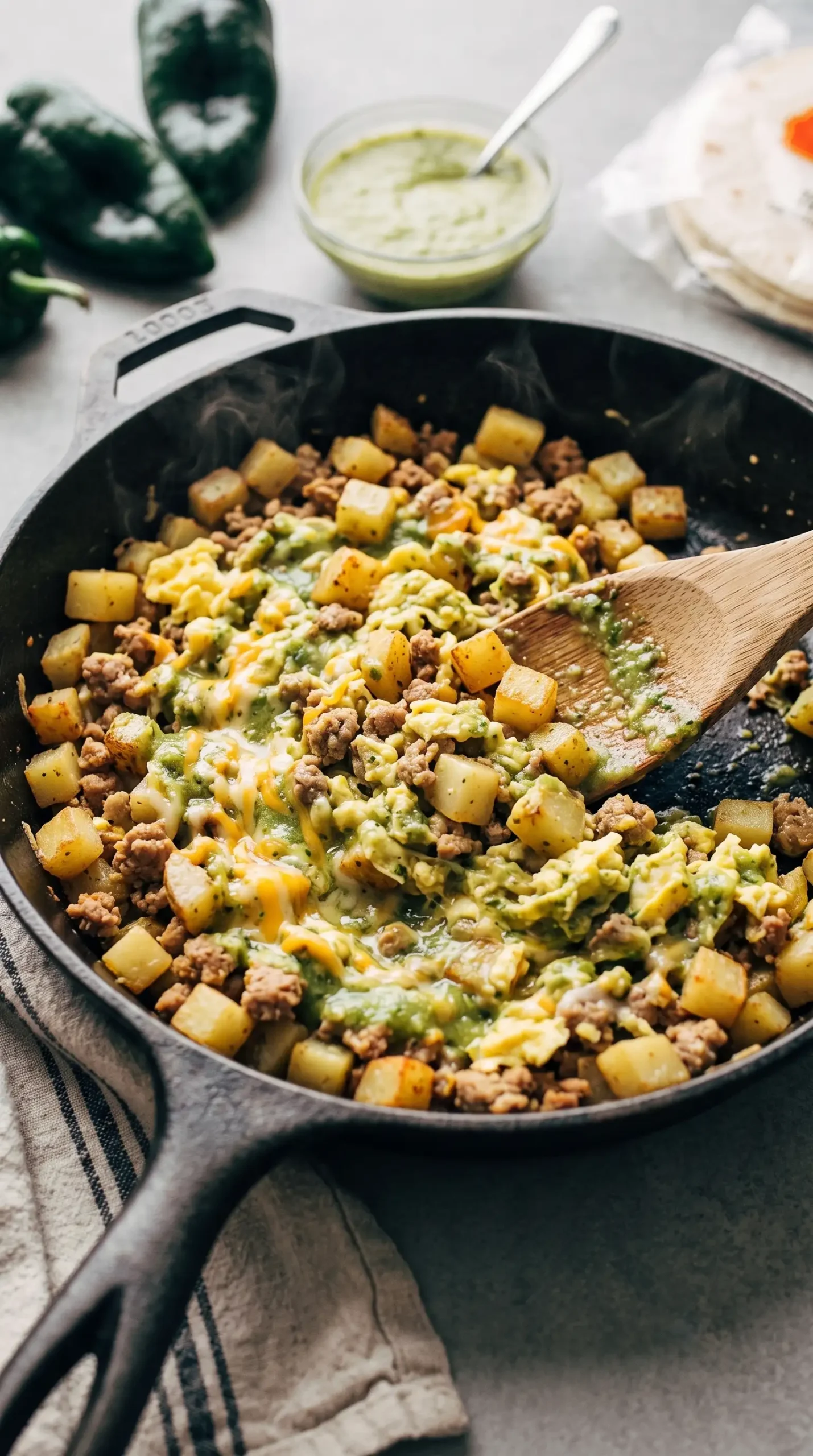
Golden potatoes create a firm contrast against the softer egg mixture. Cooking the diced potatoes until tender-crisp helps them keep their shape when combined with the other filling ingredients.
Seasoned ground turkey gives the center of each tortilla a hearty texture without overwhelming the other flavors. Breaking the meat into small pieces allows it to distribute evenly throughout the filling, creating a satisfying base for a hearty breakfast with eggs and potatoes when building a filling morning meal.
Several details help the filling stay balanced once assembled:
- Potato texture: Cook until the pieces are tender but still hold their shape.
- Turkey size: Break the meat apart so each bite contains an even amount.
- Egg consistency: Keep the eggs barely scrambled before they finish cooking in the oven.
Tortilla Handling Prevents Dry Baked Enchiladas
Tortillas absorb moisture during baking, which makes sauce coverage an important part of assembly. Coating tortillas with a thinner sauce mixture before rolling helps them stay flexible and prevents a stiff texture after baking.
Warming tortillas before filling can make them more flexible and easier to roll without cracking during assembly, which helps create a cleaner enchilada shape.
Cheese and Sauce Balance Keeps Every Roll Tender
Mexican style cheese melts into the filling and across the top, creating a creamy connection between the ingredients. Adding cheese inside the rolls and over the surface gives the baked enchiladas a consistent texture.
Extra sauce coverage matters because exposed tortillas can lose moisture while the dish heats. Keeping the rolls surrounded by sauce creates a softer bite from the first serving to the last.
Careful layering also keeps the flavors distinct. The filling remains savory and structured, while the poblano sauce brings the moisture that ties the baked breakfast enchiladas together.
Cooking Controls Protect the Breakfast Enchilada Texture
Temperature changes throughout preparation influence the finished texture. Medium-high skillet heat helps the potatoes develop color, while lower heat during the egg stage keeps the eggs from becoming firm before baking.
Assembly requires attention because the tortillas, filling, sauce, and cheese all continue cooking in the oven. A fully covered dish heats evenly and helps maintain the soft texture expected from enchiladas.
Baking until the sauce is bubbly and the dish is hot gives the cheese time to melt and the flavors time to combine. Avoiding unnecessary extra baking helps protect the tortilla texture.
Common Breakfast Enchilada Mistakes to Avoid
Breakfast enchiladas can lose their appeal when a few small preparation choices are overlooked. These problems come directly from the way tortillas, sauce, and fillings behave during assembly and baking.
| Common issue | What causes it | Better approach |
|---|---|---|
| Dry tortillas | Too little sauce reaches the tortilla surface | Coat tortillas with thinned sauce before rolling |
| Firm eggs | Eggs cook too much before baking | Stop scrambling while they are still barely set |
| Uneven filling | Large pieces are not distributed well | Break turkey apart and combine ingredients evenly |
Another common mistake is skipping the sauce layer beneath the tortillas. Without that moisture barrier, the bottom of the enchiladas can cook differently from the sauced top.
Serving Decisions Highlight the Saucy Breakfast Layers
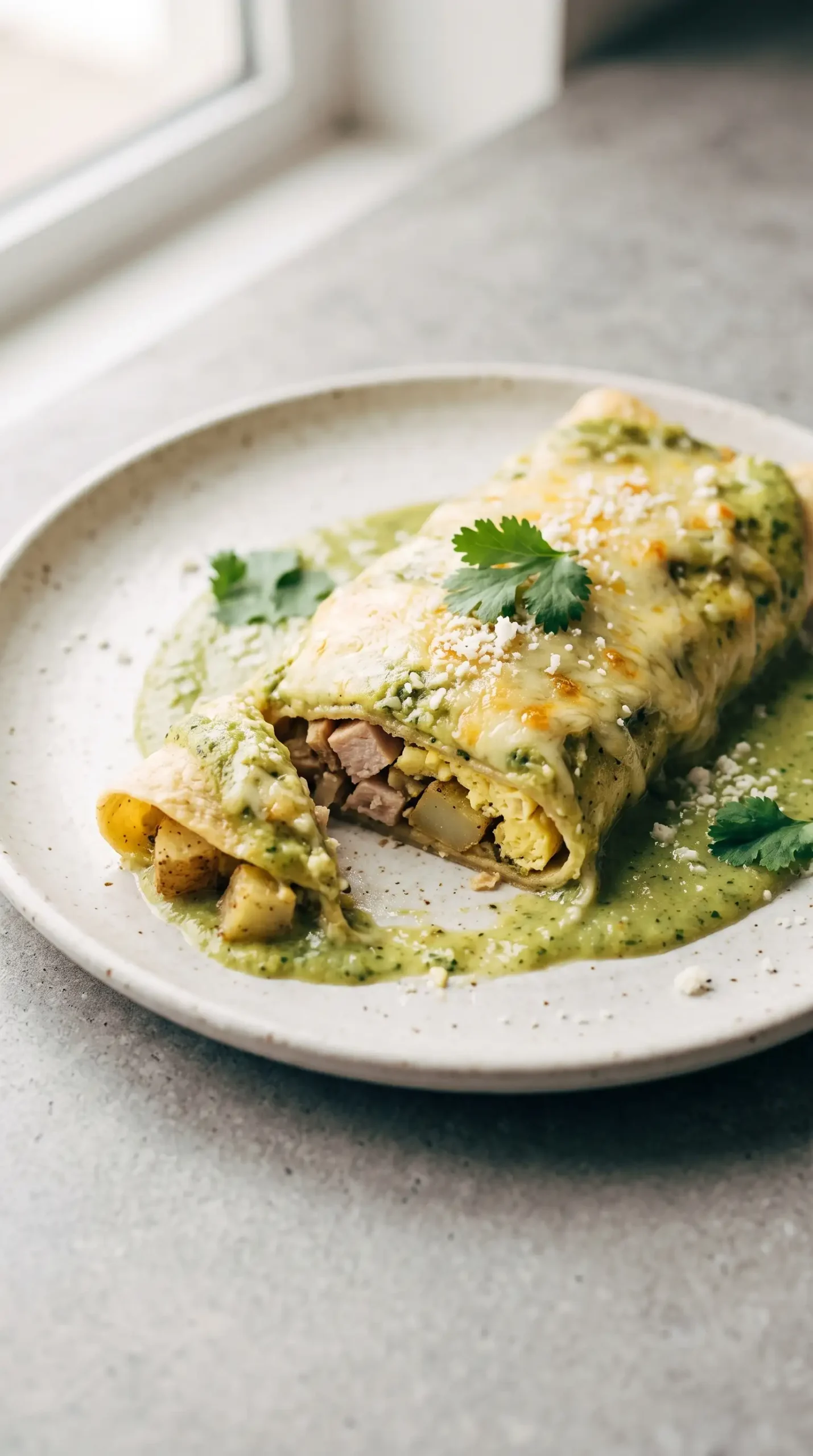
Serving the enchiladas while they are hot allows the melted cheese and poblano sauce to remain part of the overall texture. The dish can also be enjoyed later because the baked filling holds together well after resting.
Make-Ahead Handling Fits Leftover Breakfast Enchiladas
Leftover enchiladas are practical because the assembled flavors continue to work together after baking. Keeping extra sauce available can help refresh portions when reheating.
Stored portions benefit from added moisture because tortillas naturally absorb sauce over time. A little extra poblano sauce can help bring back the softer texture associated with freshly baked enchiladas.
Planning the assembly also makes preparation easier for larger batches. The tortilla size and baking dish capacity can determine whether all rolls fit in one pan or require additional space.
Tortilla Choices Change the Breakfast Enchilada Results
| Tortilla option | Texture after baking | Best handling focus |
|---|---|---|
| Corn tortillas | Traditional enchilada texture with sauce absorption | Use enough sauce to keep them tender |
| Flour tortillas | Softer, flexible rolls | Prevent excess drying during baking |
| Larger tortillas | Can hold more filling | Check pan space before arranging rolls |
Choosing between corn and flour tortillas depends on the texture you want from the finished dish. Both options work with the filling, but sauce coverage remains important for either choice.
Roasted Poblano Breakfast Enchiladas Depend on Moisture Balance
Roasted poblano breakfast enchiladas succeed when the tortillas, filling, cheese, and sauce work together during baking. The most important judgment is maintaining enough sauce around the tortillas while keeping the potato, turkey, and egg filling structured.
Roasted sauce coverage, gentle egg preparation, and careful tortilla handling create the conditions for a baked dish that stays tender and flavorful from the first roll to the last serving.
Breakfast Enchiladas Questions About Dry Tortillas and Sauce
Can I keep tortillas from becoming dry?
Yes. The best approach is making sure tortillas are coated with enough sauce before baking. A thinner sauce mixture can be brushed over the tortillas before filling and rolling so they absorb moisture without becoming stiff.
Can I use flour tortillas for breakfast enchiladas?
Yes. Flour tortillas can be used in place of corn tortillas, and their softer texture works well with the turkey, egg, potato, cheese, and poblano sauce filling.
Why should the eggs be barely scrambled?
Barely scrambled eggs have room to finish cooking during baking. Starting with softer eggs helps prevent a firmer filling after the enchiladas spend time in the oven.
Can I make turkey breakfast enchiladas with another filling arrangement?
The filling can be adjusted while keeping the same structure of eggs, potatoes, sauce, tortillas, and cheese. Keeping the filling balanced helps the enchiladas hold together when rolled and baked.
How much sauce should cover the enchiladas?
The tortillas should be surrounded by enough poblano sauce to stay moist during baking. A layer under the rolls and additional sauce over the top helps create the soft texture expected from this dish.
Breakfast Enchiladas with Roasted Poblano Sauce and Turkey
Breakfast enchiladas with roasted poblano sauce are a comforting baked breakfast dish with a tender, saucy texture and hearty filling. They are perfect for a warm morning meal or a make-ahead breakfast option.
Ingredients
Method
Preparation
- Heat a large skillet over medium-high heat. Add olive oil, potatoes, half of the chili powder, cumin, and salt. Cook until the potatoes are tender-crisp with some color, then transfer them to a bowl.
- Add the ground turkey to the same skillet with the remaining spices and salt. Break the turkey into small pieces and cook until fully done. Transfer the cooked turkey to a separate bowl.
Filling
- Reduce the skillet heat to low. Add the beaten eggs and gently stir until they are barely scrambled.
- Return the potatoes and turkey to the skillet with the eggs. Add half of the cheese and 1/2 cup of the poblano sauce, then stir until the filling is combined.
Assembly and Baking
- Preheat the oven to 350°F (177°C). Grease a 9×13 pan and spread a thin layer of poblano sauce across the bottom.
- Fill each tortilla with the egg, turkey, and potato mixture, roll it closed, and place it seam side down in the baking dish.
- Cover the rolled tortillas with the remaining poblano sauce and cheese.
- Bake for 20 minutes until the enchiladas are hot and the sauce is bubbly. Serve immediately.
Notes
Two pans may be needed to fit all 10 enchiladas depending on tortilla size, as a 9×13 pan may only hold about 6 larger tortillas. Since tortillas absorb sauce while baking, set aside some sauce and thin it with water to coat each tortilla before rolling to help keep them flexible and prevent a dry, stiff texture.