From breakfast to dinner, from wholesome meals to indulgent desserts, Nexa Recipes offers quick, easy, and delicious ideas for every occasion and every moment.



 This Recipe
Broccoli Cheese Soup Creates Creamy Comfort From Simple Technique

Broccoli cheese soup brings together tender vegetables, a smooth dairy base, and sharp cheddar in a bowl built around careful texture decisions. The combination of broccoli, carrots, aromatics, and cheese works because each part is prepared with attention to how it behaves during cooking. A balanced approach creates a creamy soup that feels rich without losing the character of the vegetables.
The structure of this broccoli cheese soup comes from a few important moments: developing the flour-thickened base, cooking the vegetables until tender, and adding cheese at the right stage. Small adjustments in heat and timing help create a comforting result with a velvety texture and a clear cheddar flavor.
Cheddar Texture Defines Broccoli Cheese Soup Success
The cheese choice has a major effect on the finished bowl. Extra-sharp cheddar brings a stronger flavor that stands up to the creamy base, while freshly grated cheese melts more smoothly into the soup. The dairy mixture carries the cheddar throughout each spoonful, allowing the cheese to remain noticeable without overpowering the broccoli. Flavorful cheese-based soups can highlight how aged cheeses contribute depth when balanced with creamy ingredients.
A creamy broccoli cheese soup depends on the relationship between the roux, milk, half and half, broth, and cheese. The flour helps create body before the cheddar is introduced, giving the soup a foundation that can hold the melted cheese evenly. Adding the cheese after removing the pot from direct heat helps maintain a smooth texture.
The cheddar broccoli cheese soup style works especially well when the cheese remains the finishing element instead of being cooked aggressively for a long period. Gentle melting preserves the flavor and keeps the creamy consistency intact.
Broccoli Stems and Florets Shape the Soup’s Balance
Broccoli stems and florets create different textures in the soup. Chopped stems can add extra vegetable depth to the base, while small florets provide the recognizable bites that make the bowl satisfying. Cutting the pieces into smaller portions helps them blend naturally with the creamy soup.
Roux Control Builds the Creamy Soup Base
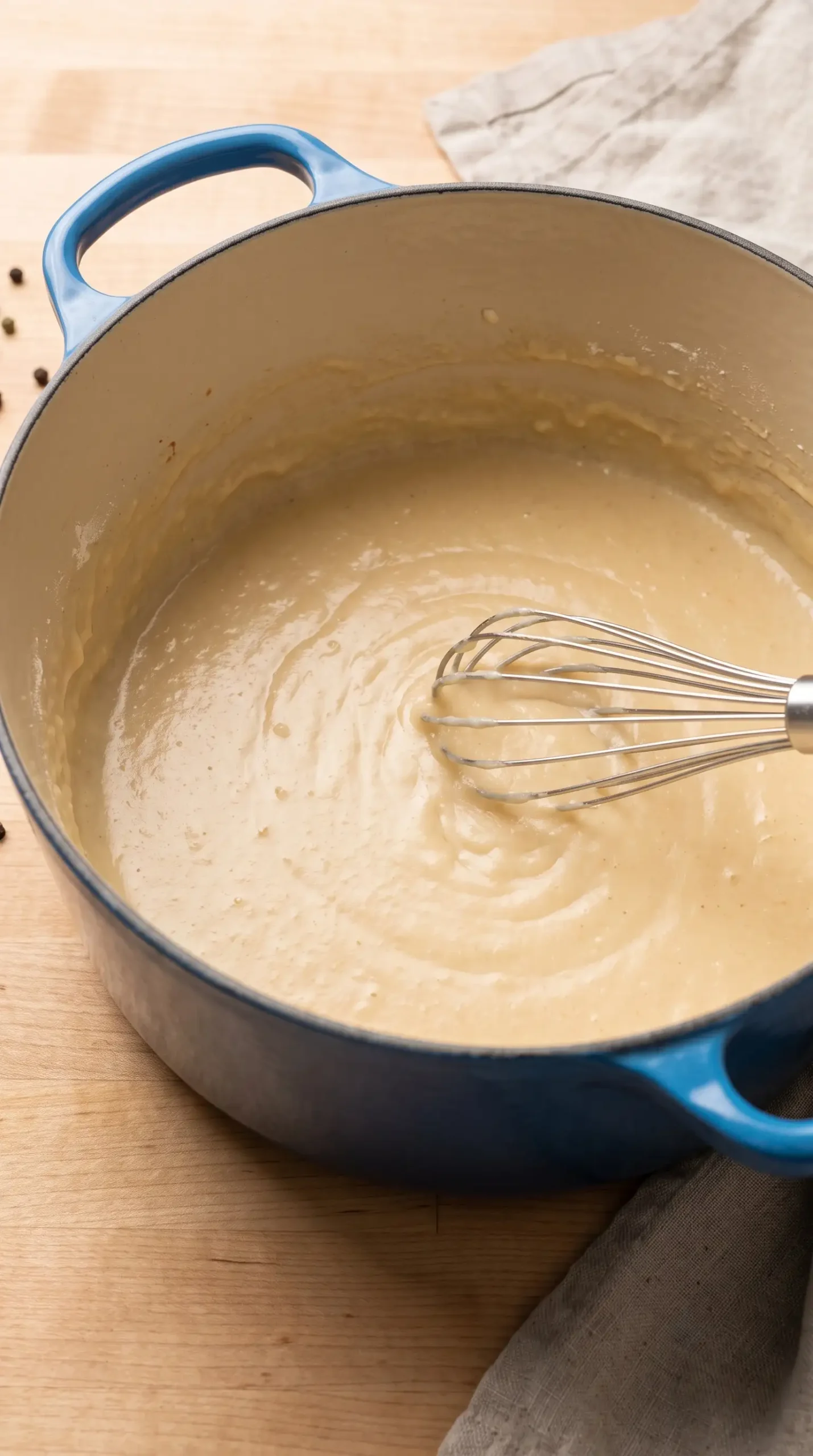
The flour and butter mixture establishes the foundation for the entire soup. Cooking the flour briefly after it combines with melted butter helps remove its raw taste while creating the thickness needed for the dairy and broth. This step determines how smoothly the liquid ingredients come together.
Adding milk, half and half, and broth gradually allows the thickened mixture to loosen evenly. Whisking during this stage prevents pockets of flour from remaining in the base and encourages a consistent texture throughout the pot.
Heat management continues after the liquids are added. A gentle simmer allows the soup base to develop body while keeping the dairy mixture stable. Frequent stirring also helps reincorporate any surface layer that forms as the soup cooks.
Cheese Addition Protects the Cheddar Broccoli Cheese Soup Finish
The cheese reaches its best texture when stirred into the slightly cooled soup base away from direct heat. This creates a smooth finish and lets the cheddar flavor remain prominent in every serving.
The reason this finishing step matters is that cheddar can separate when exposed to excessive heat for too long. cheese melts best slowly and gently, which helps the proteins and fats stay combined for a smoother texture.
Vegetables Stay Bright Through Careful Cooking Choices
The vegetables in broccoli cheese soup contribute more than color. Onion and garlic create the savory foundation, carrots add a subtle sweetness, and broccoli provides the central flavor and texture. Cooking these elements in stages allows each ingredient to maintain its role.
Broccoli needs enough time to become fork-tender while still keeping its fresh character. The small pieces used in this soup cook evenly, which helps avoid a mixture where some bites are soft and others remain firm.
The vegetable preparation can be adjusted based on the texture you prefer. Smaller broccoli pieces create a more blended experience, while slightly larger pieces make the vegetables easier to notice in the finished bowl.
Broccoli Cheese Soup Mistakes That Cause Thin or Grainy Results
Broccoli cheese soup can lose its appeal when a few cooking choices work against the intended texture. The most common problems come from rushing the base, overheating the cheese, or preparing the vegetables without considering how they will cook in the liquid.
- Thin consistency: Adding the liquids too quickly or not allowing the flour mixture to develop can prevent the soup base from becoming properly thickened.
- Uneven cheese texture: High heat after adding cheddar can affect the smooth finish, so gentle melting is important.
- Overcooked broccoli: Excessive cooking can reduce the contrast between the creamy base and vegetable pieces.
These issues are easy to correct by paying attention to visual cues. A properly prepared base should coat the ingredients lightly, the cheese should disappear smoothly into the soup, and the broccoli should remain recognizable after cooking.
Serving Choices Complete the Cozy Bowl
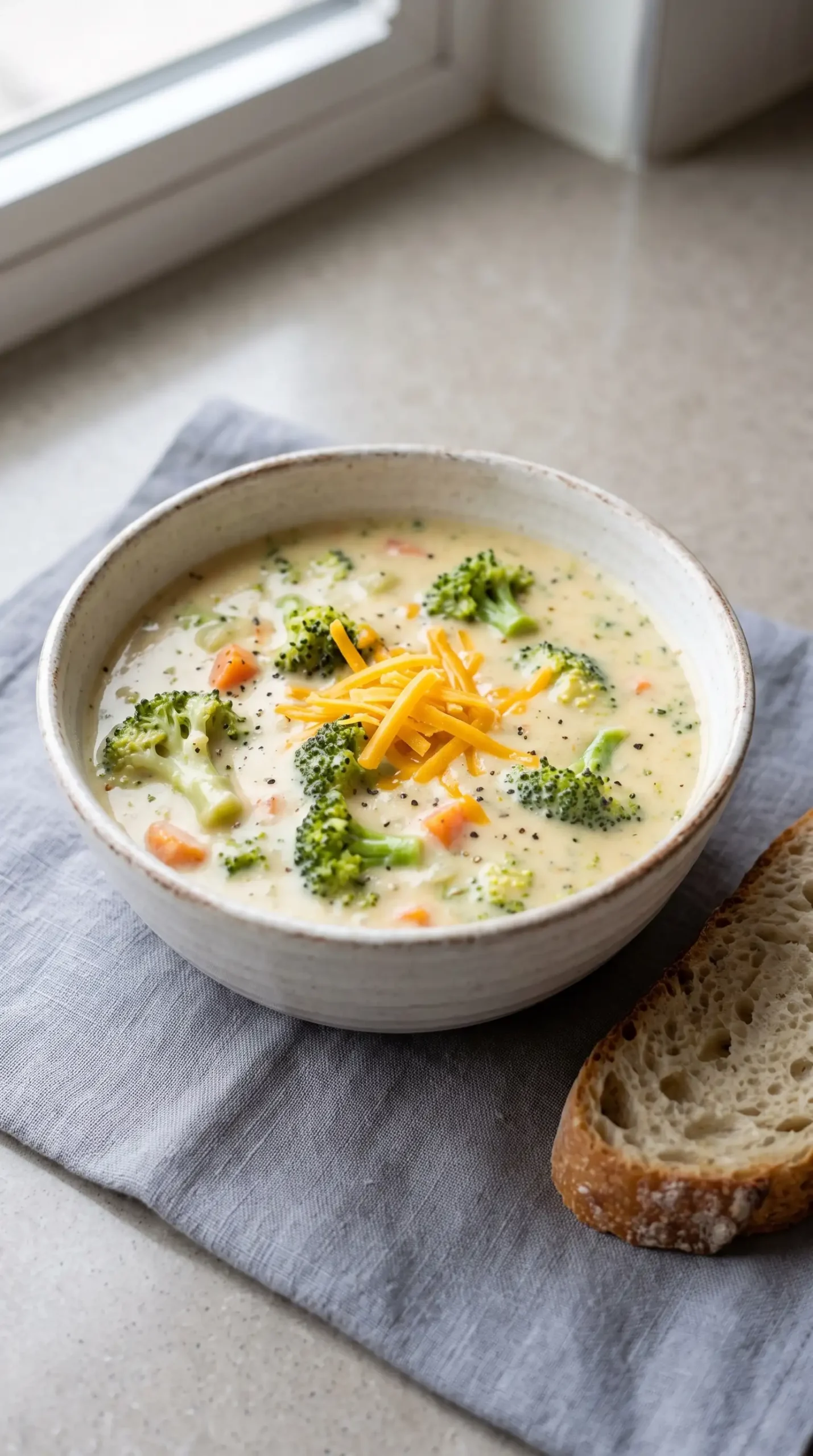
A warm bowl of broccoli cheddar soup recipe goodness pairs naturally with simple additions that complement its creamy texture. A little extra cheese on top and a piece of crusty bread create a satisfying finish without distracting from the main flavors.
Storage and Reheating Keep Leftovers Ready
Proper storage helps preserve the creamy texture of broccoli cheese soup after cooking. Allowing the soup to cool before transferring it to a covered container helps maintain its quality in the refrigerator.
Reheating works best with gentle heat and occasional stirring. A gradual warming process helps the dairy and cheese mixture return to a smooth consistency without stressing the ingredients.
| Storage method | Best practice | Texture consideration |
|---|---|---|
| Refrigerator | Keep in a sealed container | Stir while warming to restore creaminess |
| Stovetop reheating | Warm over gentle heat | Prevents the dairy base from separating |
| Microwave reheating | Heat in shorter intervals | Stir between intervals for even warmth |
Variations Adjust the Broccoli Cheddar Soup Recipe Naturally
The broccoli cheddar soup recipe format allows room for small changes while keeping the same creamy character. Vegetable broth can replace chicken broth for a different base, and the choice between broccoli stems and florets can shift the texture from rustic to more uniform.
Soup Pairings Highlight the Rich Texture
The richness of broccoli cheese soup makes it a natural match for crisp bread, simple salads, or lighter sides. These pairings add contrast and allow the creamy bowl to remain the focus of the meal.
Broccoli Cheese Soup Uses Small Details for Better Results
The quality of broccoli cheese soup comes from decisions made throughout preparation. Freshly grated cheddar, properly cooked flour, and evenly prepared vegetables all contribute to a more consistent bowl.
One useful approach is watching the soup’s appearance during each stage. The base should become smooth, the vegetables should soften without disappearing completely, and the cheese should blend into the liquid without harsh heat.
A broccoli cheddar soup recipe becomes more reliable when the cook focuses on texture signals instead of only timing. The soup should look creamy, feel cohesive, and carry the distinct flavors of broccoli and cheddar together.
Broccoli Cheese Soup Reaches Its Best Texture Through Gentle Finishing
The finished broccoli cheese soup depends on patience at the moments when texture changes most. A carefully developed base, tender vegetables, and gently melted cheddar create a bowl where richness and freshness remain balanced.
Broccoli Cheese Soup Texture Questions and Answers
Why does my broccoli cheese soup turn grainy?
A grainy texture can happen when cheddar is exposed to excessive heat after it has been added. Stirring the cheese into the soup after reducing the heat helps it melt smoothly into the creamy base.
How can I make broccoli cheese soup thicker?
The soup becomes thicker when the flour and butter mixture is properly cooked and the liquid ingredients are incorporated gradually. Allowing the base to simmer also gives the flour time to create a fuller texture.
Can I use frozen broccoli for this soup?
Frozen broccoli can work when fresh florets are unavailable, but the cooking time may need adjustment because frozen vegetables soften more quickly. Add them carefully so the pieces keep some structure.
What cheese works best in broccoli cheese soup?
Extra-sharp cheddar provides a bold flavor that matches the broccoli and creamy base. A good-quality block of cheddar that is grated before adding typically blends more smoothly than pre-shredded cheese.
How do I keep the soup from becoming too heavy?
Keeping the broccoli pieces visible, balancing the dairy with broth, and seasoning carefully helps maintain a soup that feels rich while still allowing the vegetable flavor to stand out.
Broccoli Cheese Soup with Sharp Cheddar and Vegetables
Broccoli cheese soup is a creamy, comforting bowl with tender vegetables and rich sharp cheddar flavor. It is a cozy recipe for anyone craving a hearty soup with a smooth texture and satisfying homemade appeal.
Ingredients
Method
Preparation
- Melt 1 tablespoon butter in a large soup pot or Dutch oven over medium heat. Add the onion, garlic, and optional broccoli stems, then cook for about 5 minutes until softened and fragrant.
Cooking
- Add the remaining 4 tablespoons butter to the pot. Once melted, stir in the flour and cook over medium heat for 2-3 minutes until the mixture thickens.
- Gradually whisk in the milk and half and half, then slowly add the broth while continuing to whisk. Simmer the soup base for about 10 minutes, whisking occasionally to keep the texture smooth.
- Stir the broccoli florets, carrots, salt, pepper, and paprika into the thickened soup base. Simmer for about 10 minutes until the broccoli is bright green and fork-tender.
Finishing
- Remove the pot from the heat and allow the soup to cool slightly for a few minutes. Stir in most of the grated cheddar cheese until melted.
Serving
- Serve the soup in bowls with a small amount of extra cheese if desired.
Notes
Stir the cheddar into the soup after removing it from direct heat to help maintain a smooth, creamy texture.