From breakfast to dinner, from wholesome meals to indulgent desserts, Nexa Recipes offers quick, easy, and delicious ideas for every occasion and every moment.



 This Recipe
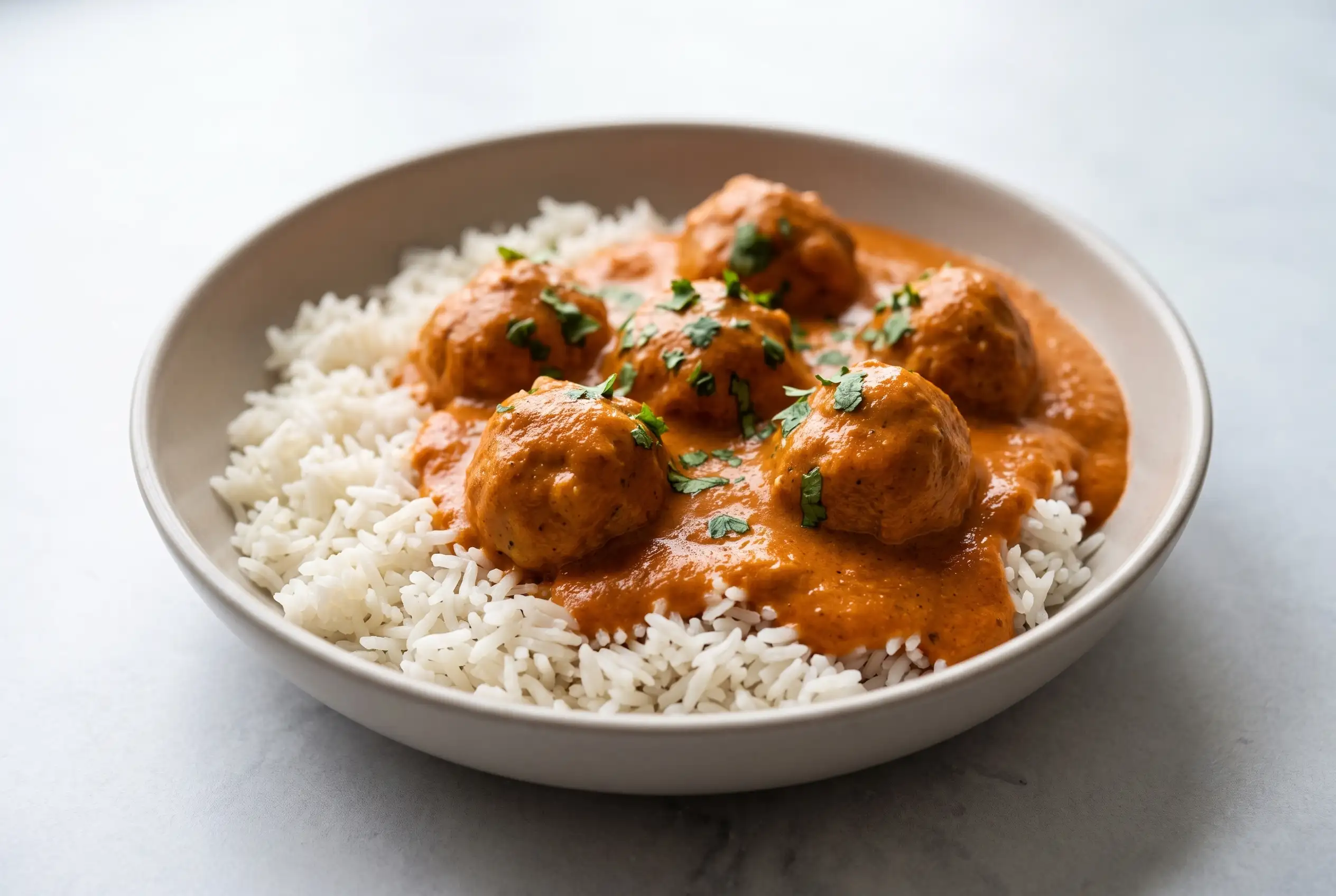
Butter chicken meatballs bring the familiar richness of a classic Indian-inspired sauce into an easy dinner format built around tender cooked meatballs, aromatic spices, and creamy tomato flavor. The combination works because the sauce has enough depth to coat each meatball while still pairing naturally with a simple serving of basmati rice.
Across the dish, the balance comes from careful contrasts. Warm spices meet smooth dairy, tomatoes provide brightness, and the meatballs create a hearty center that turns a familiar butter chicken style into a practical meal. The result is chicken meatballs in butter chicken sauce with a texture and flavor profile that feels comforting without requiring a complicated preparation.
Butter Chicken Meatballs Bring Takeout Comfort to a Weeknight Meal
Many butter chicken dishes rely on slow-developed flavors, but this version uses prepared meatballs as the foundation and focuses attention on building a sauce that tastes complete. Onion, garlic, ginger, and spices create the aromatic base that supports the tomatoes before butter and cream round out the finish.
Simple ingredients can create a layered result when each stage has a clear purpose. The tomato base carries the spices, the blended texture makes the sauce cling smoothly, and the creamy finish gives the dish its recognizable richness.
Families looking for a flexible dinner often appreciate how easily the finished dish fits different serving styles. A bowl of butter chicken meatballs with rice feels substantial, while the sauce also works well with other grains or additional vegetables alongside the plate.
Tomato Sauce Creates the Signature Butter Chicken Meatballs Flavor Balance
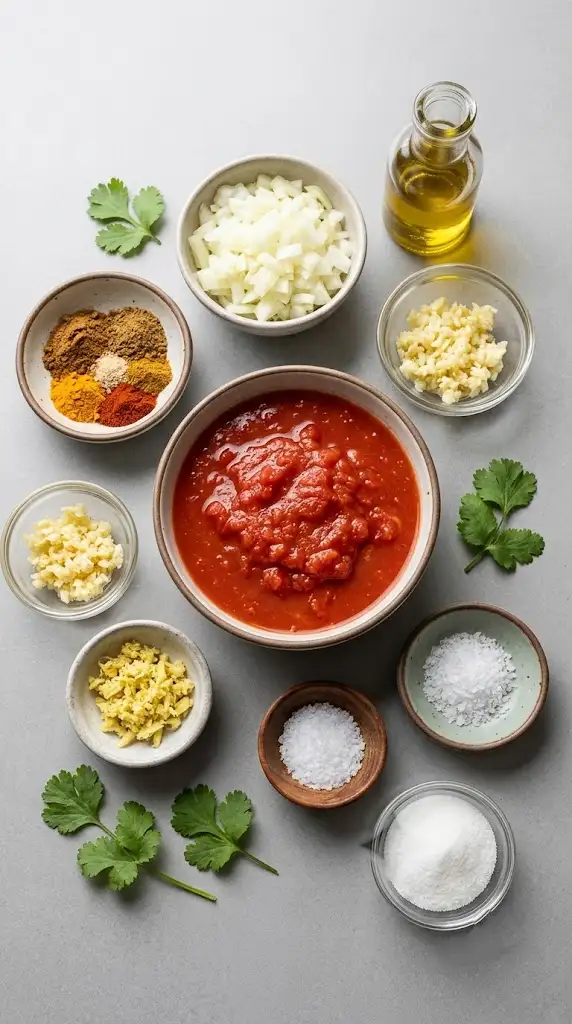
Tomatoes provide the foundation that connects every other flavor in the skillet. Crushed tomatoes or plain tomato sauce bring moisture and acidity, helping the spices remain noticeable after the butter and cream are added.
Several small decisions influence how the sauce develops. The onion should soften before the liquid ingredients arrive, while garlic and ginger need enough time to release their aroma without becoming harsh. Keeping the spice quantities balanced allows the finished sauce to stay smooth and approachable.
| Component | Role in the dish | Cook-facing consideration |
|---|---|---|
| Tomato base | Creates the sauce foundation | Blend for a smoother coating texture |
| Butter and cream | Add richness and softness | Stir in near the end for a finished sauce |
| Basmati rice | Balances the creamy sauce | Serve alongside to absorb extra sauce |
Garam Masala and Cream Shape the Sauce Character
Spice selection matters most when the ingredient list is short. Garam masala, cumin, turmeric, and smoked paprika work together with the aromatics to create warmth and complexity without overwhelming the creamy tomato base.
Texture also depends on how the sauce ingredients interact after blending. A smooth puree allows the spices and aromatics to distribute evenly, while the cream and butter create the glossy consistency associated with butter chicken flavors.
Ingredient choices can be adjusted while protecting the central identity of the dish. A cook can choose avocado oil or olive oil for the initial sauté, use fresh or prepared ginger and garlic, and adjust the salt level to match personal preference.
- Garam masala: brings the defining warm spice character.
- Fresh aromatics: build a deeper base before the tomatoes are added.
- Cream finish: softens the sauce and connects the flavors.
Blending Choices Change the Sauce Texture
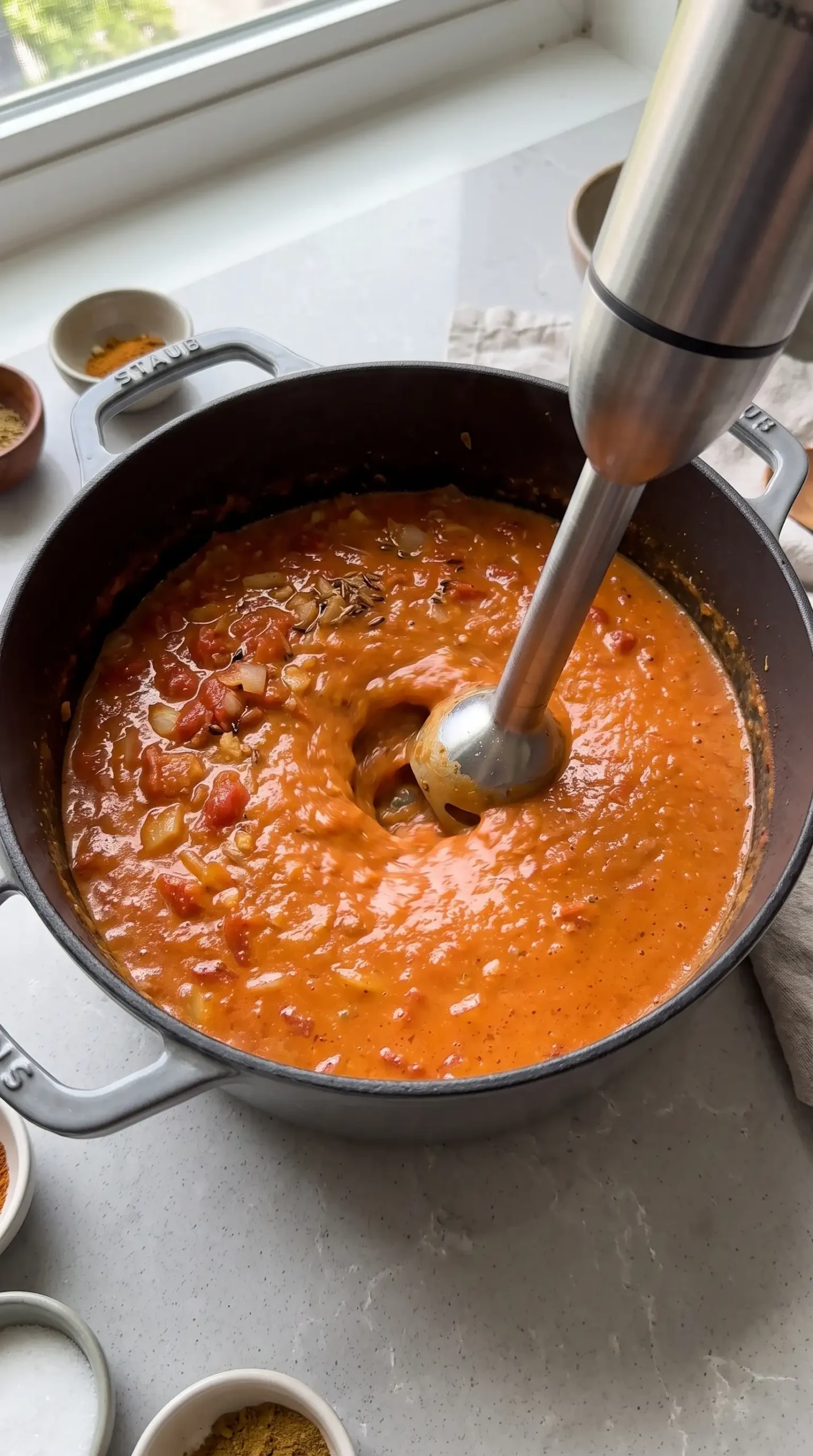
Sauce texture becomes one of the most noticeable differences between a good butter chicken meatballs recipe and a rushed version. Pureeing the tomato mixture creates a smooth coating that surrounds the meatballs instead of leaving separate pieces of onion and tomato throughout the dish.
A regular blender can create an especially silky consistency when the sauce is transferred carefully. An immersion blender offers convenience directly in the cooking vessel, especially when the sauce has enough depth to blend without splattering.
Kitchen setup influences which approach works best. A deeper pot gives an immersion blender more room to operate, while a shallow skillet may require transferring the sauce before blending to keep the process controlled.
Cooking Controls Keep Chicken Meatballs in Butter Chicken Sauce Cohesive
Heat management determines how well the sauce and meatballs come together. The aromatic base needs gentle cooking to soften, while the finished sauce benefits from a calm simmer that allows the flavors to combine.
Once the sauce is blended, the meatballs should warm through while staying surrounded by enough liquid to absorb the butter chicken flavors. Covering the pan or keeping the heat low helps maintain a consistent texture during this stage.
- Build the base: soften aromatics and spices before adding the tomato mixture.
- Create smoothness: blend the sauce until it reaches the desired texture.
- Finish carefully: add butter and cream after the meatballs are coated in sauce.
Small adjustments can improve the final texture. Extra water may be useful if the sauce needs more volume for blending or if the consistency becomes thicker than desired after simmering.
Common Butter Chicken Meatballs Mistakes to Avoid
Rushing the aromatic stage can leave the sauce tasting flat because onion, garlic, and ginger need time to soften and combine with the spices. Allowing those flavors to develop before adding tomatoes creates a stronger foundation.
Using the wrong blending method for the cookware can also create frustration. A shallow pan paired with an immersion blender may lead to splattering, while transferring the sauce to a blender can provide a cleaner approach.
Several common issues have simple fixes:
- Thin sauce: allow more simmering time so the tomato base develops a fuller texture.
- Uneven spice flavor: blend the sauce thoroughly so seasonings distribute throughout.
- Heavy finish: balance the richness by serving with plain basmati rice and fresh cilantro.
Rice Pairings Complete Butter Chicken Meatballs with Rice
Basmati rice provides a neutral base that allows the creamy sauce to remain the focus. Its separate grains make it practical for catching the sauce without turning the meal into a single blended texture.
Serving choices can change the overall experience without changing the main preparation. A generous spoonful of rice under the meatballs creates a classic presentation, while additional cilantro adds a fresh contrast to the richer sauce.
| Serving option | Best feature | Helpful pairing detail |
|---|---|---|
| Basmati rice | Classic balance | Absorbs creamy tomato sauce |
| Precooked rice | Convenient serving | Works when a quick meal is needed |
| Extra cilantro | Fresh contrast | Add after cooking for brightness |
Meatball Variations Fit Different Dinner Needs
The dish can accommodate different cooked meatball choices while keeping the sauce as the central feature. Baked chicken meatballs bring a firmer texture that pairs with rich sauces, while chicken or turkey meatballs allow the creamy tomato mixture and warm spices to remain prominent.
For a spicier version, cayenne or chili oil can be added according to taste. The heat level is easy to personalize because the base sauce remains balanced by the cream and butter.
Regular chicken pieces can also work with the same style of sauce. The cooking approach changes because larger pieces require different timing, but the aromatic tomato foundation remains useful.
Serving Details Highlight the Finished Dish
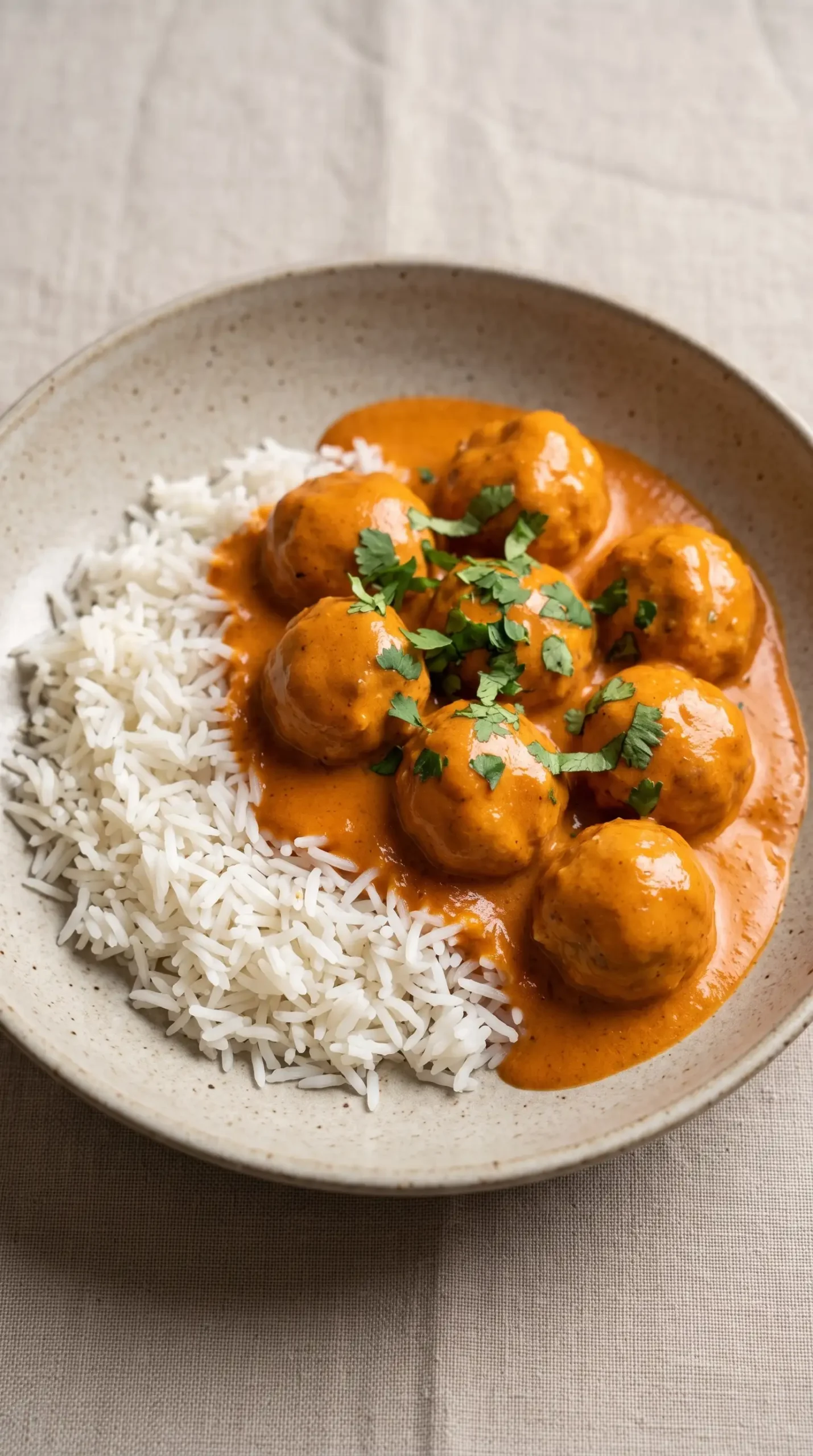
Presentation affects how the flavors are experienced. Placing the meatballs over rice allows the sauce to collect around the grains, while a small amount of cilantro adds color and a fresh finishing note.
Balanced portions help the creamy sauce remain enjoyable. Since the sauce is rich, pairing it with a simple side or a lighter vegetable accompaniment can create a more complete meal.
Butter chicken meatballs also work well for casual gatherings because the sauce can be prepared as the centerpiece of the meal. Guests can serve rice and meatballs together, making the dish easy to portion.
Storage Decisions Protect Butter Chicken Meatballs Quality
Proper handling helps preserve the texture of the meatballs and the smooth character of the sauce. Cooling leftovers promptly and storing them in a sealed container keeps the flavors together for later meals.
Reheating works best with gentle heat so the cream-based sauce warms evenly. A small amount of added moisture can help loosen the sauce if it thickens after chilling.
Freezing is also a practical option when planning ahead. The sauce may separate slightly after thawing, so stirring while reheating helps restore a more consistent texture.
Butter Chicken Meatballs Create a Smooth Sauce Through Careful Balance
Butter chicken meatballs succeed when the sauce receives the same attention as the meatballs themselves. The blended tomato base, measured spices, and creamy finish work together to create a coating that carries every flavor from the pan to the plate.
Careful blending, gentle warming, and thoughtful serving choices turn a convenient meatball dinner into a dish where texture and flavor remain connected from the first bite.
Butter Chicken Meatballs Questions About Freezing and Sauce Texture
Can butter chicken meatballs be frozen?
Yes, butter chicken meatballs can be frozen for future meals. Thaw them safely and reheat gently, stirring the sauce as it warms to help maintain a smoother consistency.
How can the sauce stay smooth after blending?
The sauce stays smoother when it is blended thoroughly and finished with butter and cream after the tomato mixture has reached the desired texture. Choosing the right blending tool for the cookware also helps avoid uneven results.
Can I make butter chicken meatballs more spicy?
Yes, the heat level can be increased by adding cayenne or chili oil. Adding spice gradually makes it easier to match individual preferences without changing the creamy character of the sauce.
What rice works best with this dish?
Basmati rice is a natural pairing because its texture complements the creamy sauce. Precooked rice can also be used when convenience is the priority.
Can turkey meatballs replace chicken meatballs?
Turkey meatballs can replace chicken meatballs while keeping the same sauce approach. Their mild flavor allows the tomato, spice, butter, and cream combination to remain prominent.
Butter Chicken Meatballs in Creamy Tomato Sauce and Rice
Butter chicken meatballs are a creamy, comforting dish featuring tender meatballs coated in a smooth tomato-based sauce with warm spices and served with rice. It is an easy, flavorful meal that brings cozy weeknight appeal to the table.
Ingredients
Method
Preparation
- Prepare the rice according to package directions.
Cooking
- Warm oil over medium heat in a large skillet or Dutch oven. Add the onion, garlic, ginger, and spices, then cook until the aromatics soften.
- Stir in the tomatoes, water, salt, and sugar. Let the mixture simmer for 10-15 minutes.
- Blend the sauce until smooth using either a blender or an immersion blender directly in the pot.
Finishing
- Return the blended sauce to the pan. Add the meatballs and simmer covered or over low heat until they are warmed through.
- Stir in the butter and cream to create the finished sauce coating for the meatballs.
Serving
- Serve the meatballs over rice and finish with fresh cilantro.
Notes
For the smoothest sauce texture, a regular blender can be used, though an immersion blender is also a convenient option. An immersion blender works best in a deeper pot such as a Dutch oven or Instant Pot; tilt the pot to gather the sauce before blending if needed. If splattering occurs, add a little extra water so the sauce blends smoothly. Avoid using an immersion blender in a shallow skillet; transfer the sauce to a blender instead. For Instant Pot preparation, add all sauce ingredients and cook on high pressure for 5 minutes, then blend the sauce directly in the pot. Add the meatballs and use the warm or sauté setting until heated through, which takes 5-10 minutes, then finish with butter and cream. If using regular chicken breasts or thighs instead of meatballs, add the chicken with the sauce ingredients at the beginning, cook on high pressure for 12 minutes, remove and shred or pull apart the chicken, blend the sauce, then return the chicken and finish with cream and butter.