From breakfast to dinner, from wholesome meals to indulgent desserts, Nexa Recipes offers quick, easy, and delicious ideas for every occasion and every moment.



 This Recipe
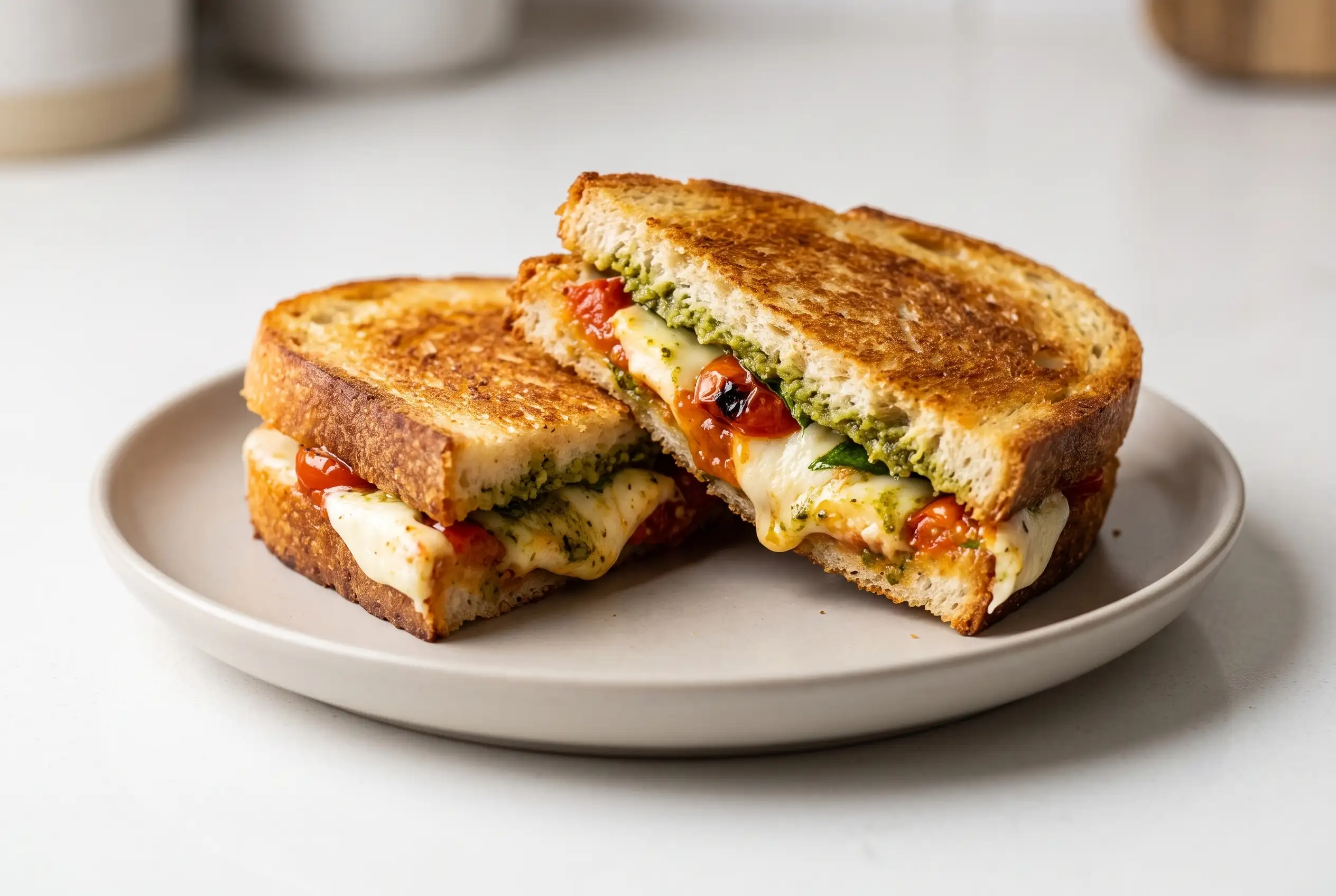
Caprese Grilled Cheese Builds Fresh Italian-Inspired Flavor
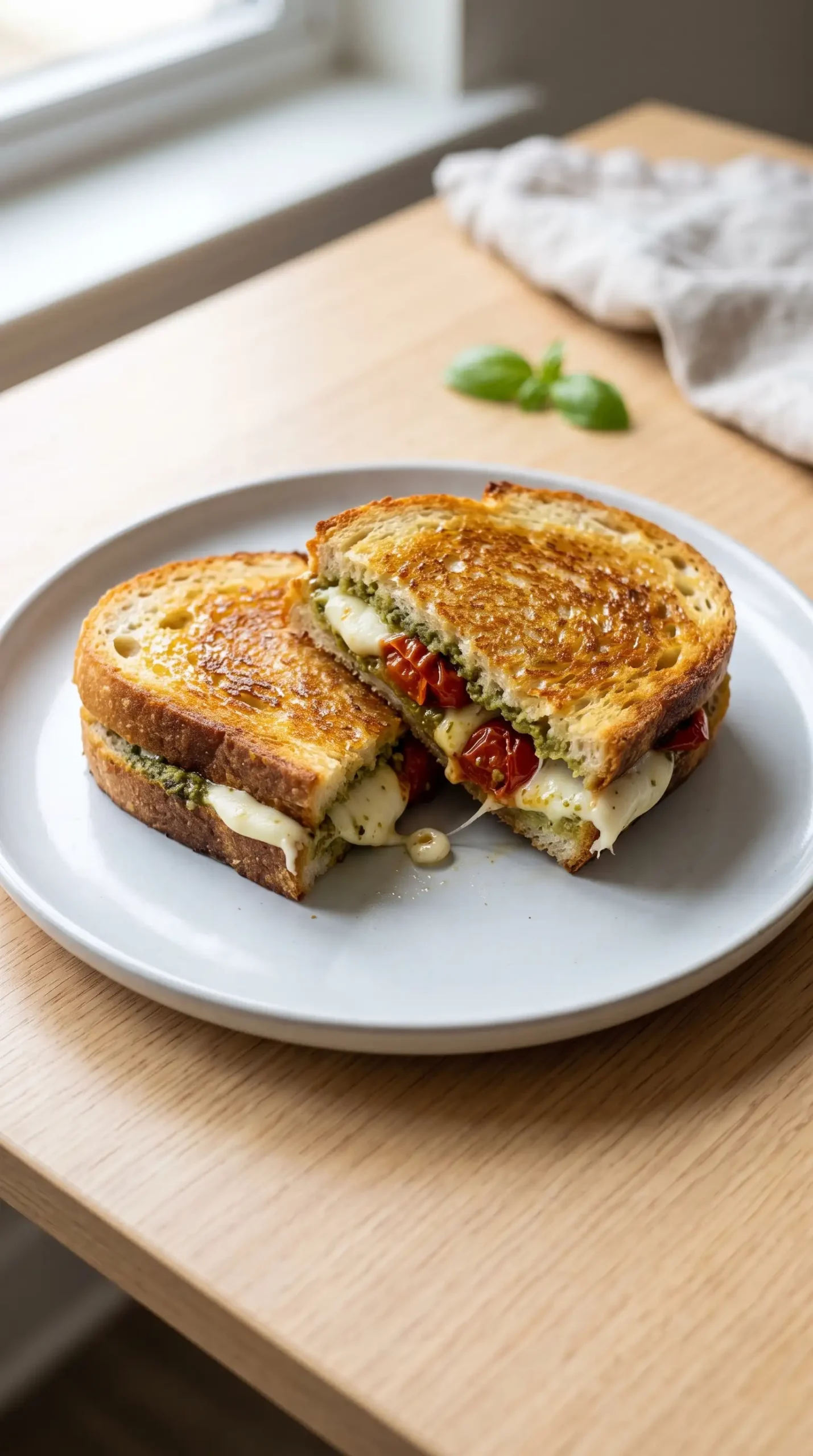
Caprese grilled cheese combines crisp sourdough, creamy mozzarella, pesto, and a rich garlic butter tomato sauce into a sandwich that turns familiar Italian flavors into a warm skillet meal. The appeal comes from the contrast between toasted bread, melted cheese, bright tomatoes, and the herbaceous character of pesto.
Sourdough and Mozzarella Shape the Sandwich Foundation
Thick sourdough slices provide the structure needed for a loaded caprese grilled cheese sandwich because the bread must support generous fillings while developing a browned exterior. A sturdy slice helps contain the melted mozzarella and tomato sauce without losing its texture during cooking.
Fresh mozzarella is central to the sandwich because its gentle flavor allows the other Caprese-inspired elements to remain noticeable. As the cheese warms, it creates the stretchy melted layer that connects the pesto, tomatoes, and bread into one cohesive bite.
Pesto selection also affects the finished sandwich. A walnut pesto works especially well because its nutty flavor complements the creamy cheese and balances the sweet acidity of the garlic butter tomato sauce.
| Sandwich element | Important quality | Effect on the finished bite |
|---|---|---|
| Sourdough bread | Thick and sturdy slices | Holds fillings while browning |
| Fresh mozzarella | Creamy melting texture | Creates a rich cheese layer |
| Pesto | Herb and nut flavor | Adds savory depth |
| Tomato sauce | Concentrated tomato flavor | Brings brightness and moisture |
Garlic Butter Tomatoes Create the Caprese Center
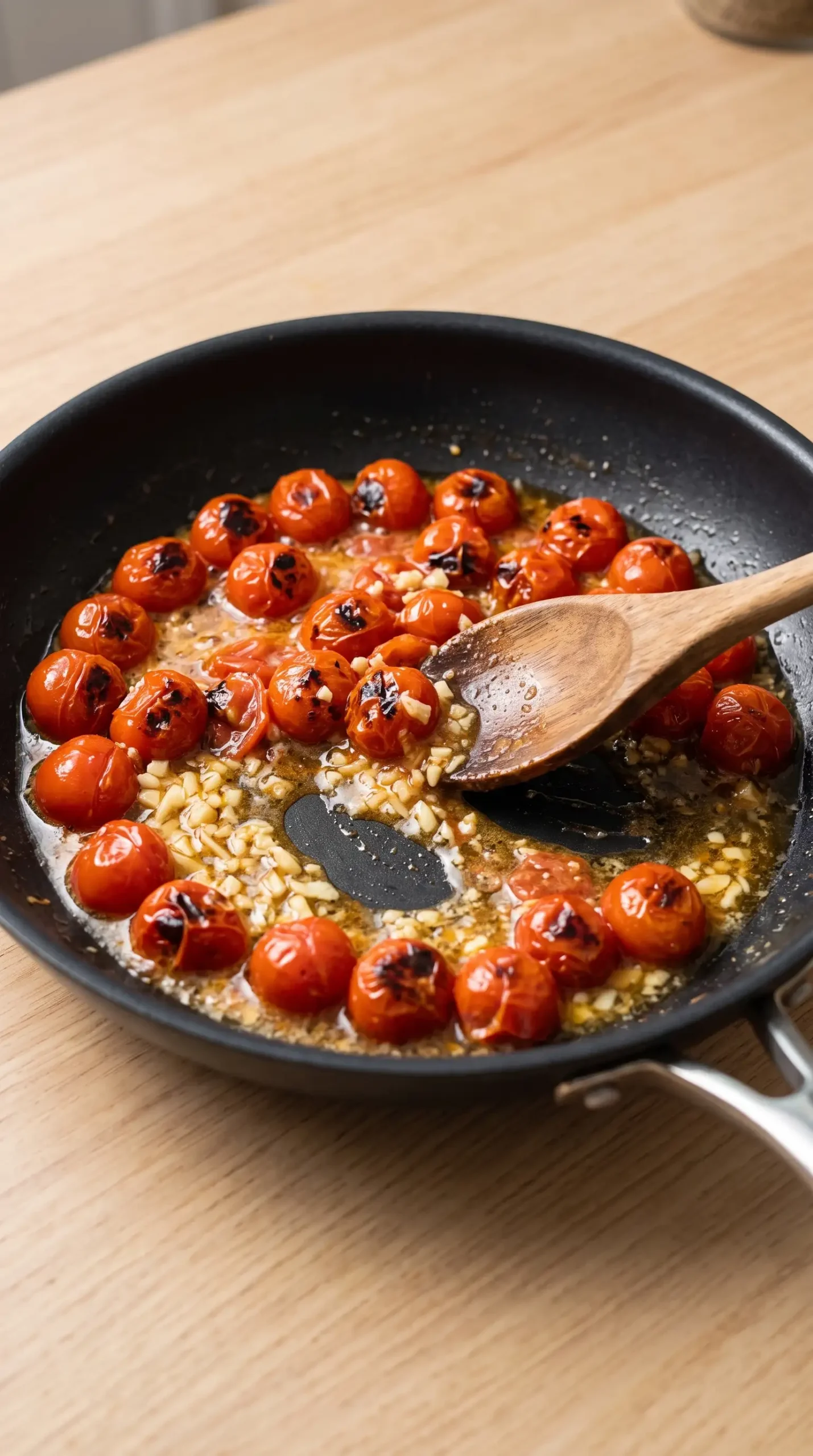
Charred cherry tomatoes give the caprese grilled cheese its most distinctive layer. Heating the tomatoes until their skins begin to color concentrates their flavor, while butter, garlic, and balsamic vinegar create a savory sauce that ties the sandwich together.
Pesto Mozzarella Grilled Cheese Gains Layered Depth
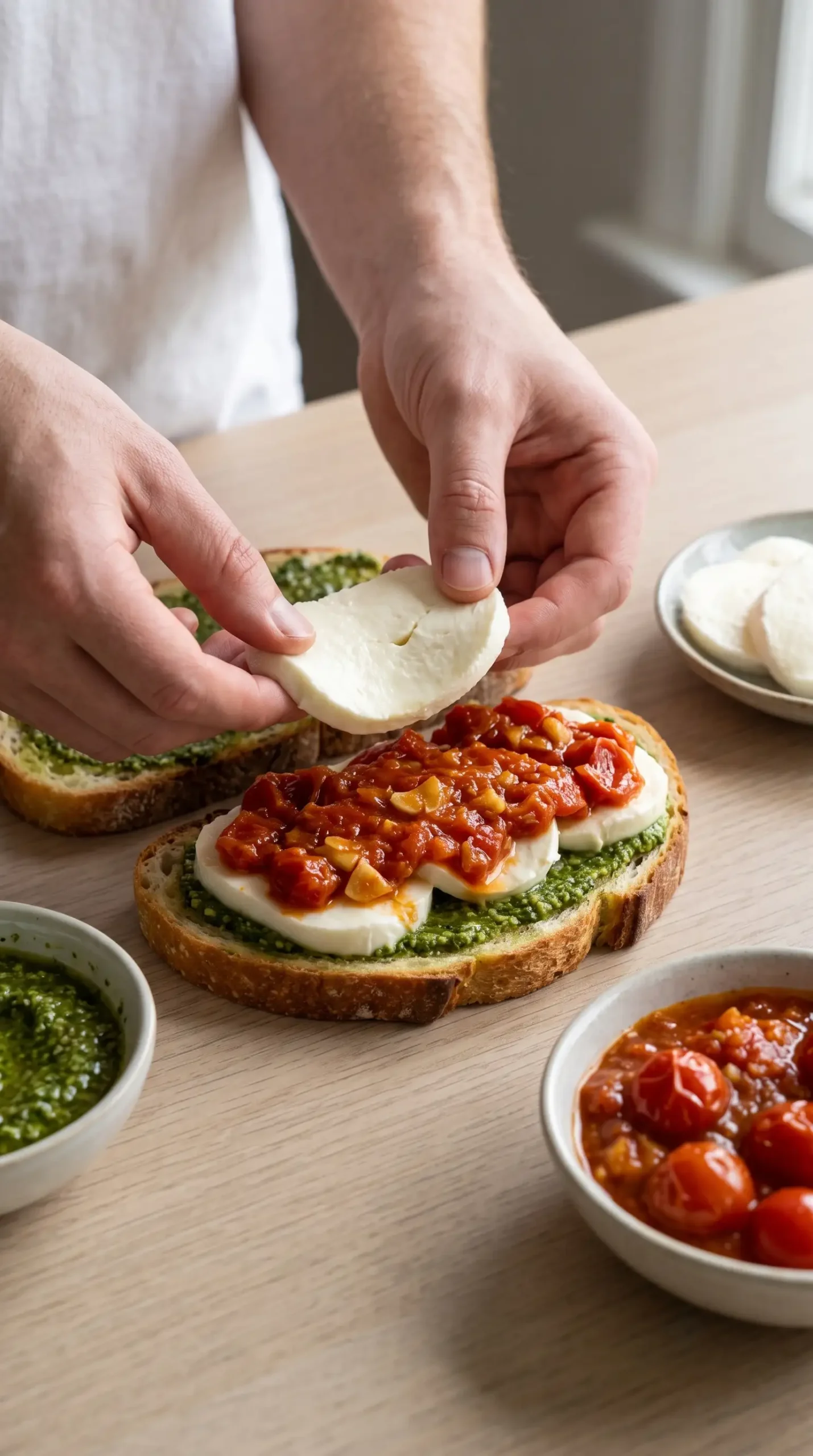
Inside the pesto mozzarella grilled cheese, each layer has a clear purpose without overwhelming the others. Pesto introduces aromatic herbs, mozzarella delivers richness, and the tomato mixture adds a sweet-tangy contrast that keeps the sandwich from feeling one-dimensional.
Careful layering helps distribute the flavors throughout each portion. Spreading pesto across the bread allows its flavor to reach more bites, while placing the tomato sauce with the cheese creates a warm filling that blends as the mozzarella melts.
Many grilled sandwiches rely on a single dominant flavor, but caprese grilled cheese succeeds because the components stay recognizable. The bread remains crisp, the cheese stays creamy, and the tomatoes provide the fresh character associated with Caprese combinations.
Cherry Tomato Sauce Needs Careful Heat Control
Tomato preparation determines whether the filling feels concentrated or watery. Gentle simmering after the tomatoes release their juices allows the sauce to thicken and cling to the sandwich instead of soaking quickly into the sourdough.
Medium Heat Protects the Grilled Finish
Cooking temperature is one of the most important decisions for a successful caprese grilled cheese sandwich. Cooking over medium-low heat allows the mozzarella enough time to soften while the bread develops a golden exterior, preventing an uneven texture between the crust and filling.
Flipping the sandwich carefully encourages even browning on both sides. The bread should develop a golden surface while the interior becomes warm enough for the cheese to melt into the pesto and tomato layers.
Skillet contact matters because the buttered exterior creates the toasted crust that defines the sandwich. Keeping attention on the bread color and cheese texture gives a better result than relying only on time.
Loaded Caprese Grilled Cheese Mistakes That Affect the Finish
Small preparation choices can change the balance of a loaded caprese grilled cheese sandwich. The most common problems come from moisture, uneven heating, and overfilling the bread beyond what the slices can support.
- Wet tomato filling: Excess liquid can soften the sourdough, so allow the tomato sauce to reduce until it becomes thicker.
- Cold cheese center: Very thick mozzarella pieces may need enough skillet time to soften fully while the bread browns.
- Overloaded layers: Too much filling can make flipping difficult and prevent the sandwich from cooking evenly.
- High skillet heat: Excessive temperature can darken the bread before the interior reaches the desired melted texture.
Another mistake is rushing the tomato preparation. Pressing the tomatoes gently releases their juices, but the sauce still needs enough reduction to develop the concentrated flavor that makes the sandwich memorable.
Uneven assembly can also affect the eating experience. Keeping the fillings spread across the bread creates a more consistent combination of pesto, cheese, and tomato in every section.
Bread Browning Depends on Surface Contact
Sourdough browning improves when the buttered exterior has direct contact with the skillet. A properly toasted surface creates the contrast needed between the crisp outside and the soft, melted center.
Pesto and Tomato Choices Change the Sandwich Experience
Ingredient choices can personalize caprese grilled cheese while keeping the original flavor direction intact. Fresh mozzarella, tomatoes, and basil remain a classic combination in a tomato basil pasta bake, creating a savory balance that can inform how the sandwich layers its cheese, herbs, and tomato elements.
Fresh cherry tomatoes are especially useful because their smaller size allows them to soften and release flavor during cooking. Their natural sweetness pairs with balsamic vinegar and garlic without requiring additional complexity.
Pesto variations can shift the sandwich personality. A walnut-based pesto adds a subtle nutty note, while other pesto styles may emphasize basil or other herbs. The important factor is maintaining harmony with the mozzarella and tomato sauce.
| Adjustment | Works best when | Expected change |
|---|---|---|
| Different pesto style | You want a new herb profile | Changes aromatic flavor |
| Extra tomato sauce reduction | The filling seems too loose | Creates a thicker center |
| Alternative sturdy bread | Sourdough is unavailable | Maintains sandwich structure |
Serving Decisions Keep the Sandwich Balanced
A caprese grilled cheese sandwich is rich enough to stand alone, but lighter sides can create a balanced meal. Fresh greens, simple vegetables, or a crisp salad provide contrast to the buttery toasted bread and creamy filling.
Leftover and Storage Handling Preserves Texture
Freshly cooked caprese grilled cheese has its best texture immediately because the bread is crisp while the cheese is warm and stretchy. If storing portions for later, cooling the sandwich before covering it helps limit trapped moisture.
Reheating requires attention because the bread texture can soften over time. A skillet or similar dry heat method can help restore some crispness while warming the filling gradually.
Tomato sauce components can also be prepared separately if you want to assemble sandwiches later. Keeping moist ingredients away from the bread until cooking helps protect the sourdough texture.
Variations That Fit the Caprese Grilled Cheese Style
Creative changes work best when they maintain the defining features of caprese grilled cheese: toasted bread, melted mozzarella, pesto flavor, and tomato brightness. Small adjustments can create variety without losing the identity of the sandwich.
Loaded Caprese Grilled Cheese Finds Balance Through Heat and Layers
The sandwich reaches its strongest result when the bread, mozzarella, pesto, and tomato sauce are treated as connected parts. A crisp sourdough exterior, softened cheese, and concentrated tomato filling depend on controlled cooking and thoughtful assembly.
Warm skillet heat transforms simple ingredients into a caprese grilled cheese with distinct textures in every bite. The combination works because each layer remains recognizable while creating a unified toasted sandwich experience.
Tomato Moisture and Melting Questions About Caprese Grilled Cheese
How can I prevent a soggy sandwich?
Reduce the garlic butter tomato sauce until it thickens before adding it to the sandwich. A concentrated filling provides tomato flavor while limiting excess moisture that could soften the sourdough.
Can I use another cheese instead of fresh mozzarella?
Another mild melting cheese can work if fresh mozzarella is unavailable, but the texture and flavor will change. Fresh mozzarella provides the creamy quality that gives the caprese grilled cheese its signature character.
Why is my bread browning before the cheese melts?
The skillet temperature may be too high for the filling thickness. Lower heat allows the bread to toast more gradually while giving the mozzarella enough time to warm through.
Can the tomato sauce be adjusted for stronger flavor?
You can increase the richness by allowing the tomatoes to simmer longer after releasing their juices. A thicker sauce will deliver a more concentrated tomato presence inside the sandwich.
What makes a loaded caprese grilled cheese different from a regular grilled cheese?
A loaded caprese grilled cheese sandwich adds the fresh Italian-inspired combination of pesto, mozzarella, and tomato sauce. Those additions create a layered flavor profile that extends beyond the traditional cheese-and-bread pairing.
Caprese Grilled Cheese with Garlic Butter Tomato Sauce
Caprese Grilled Cheese is a crispy, creamy sandwich with fresh mozzarella, pesto, and rich tomato flavor. It is a comforting choice for a quick, satisfying meal when you want a flavorful twist on classic grilled cheese.
Ingredients
Method
Cooking
- Add the tomatoes to a dry nonstick skillet and heat them until the outside begins to lightly char. Lower the heat, add one tablespoon of butter, and stir carefully.
- Gently press the tomatoes with the back of a wooden spoon to release their juices. Add the balsamic vinegar, garlic, and remaining tablespoon of butter, then simmer until the mixture thickens. Season with salt and pepper.
Assembly
- Spread pesto, mozzarella, and tomato sauce onto a slice of bread. Place another slice of bread on top and coat the outside with butter. Repeat to make the second sandwich.
Cooking
- Place the sandwiches in a skillet over medium high heat. Cook until the cheese melts and both sides are browned, flipping once or twice as needed.
Notes
This recipe makes two large sandwiches and can serve two or four people depending on portion size. For the pesto, I used the Walnut Pesto from this recipe.