From breakfast to dinner, from wholesome meals to indulgent desserts, Nexa Recipes offers quick, easy, and delicious ideas for every occasion and every moment.



 This Recipe
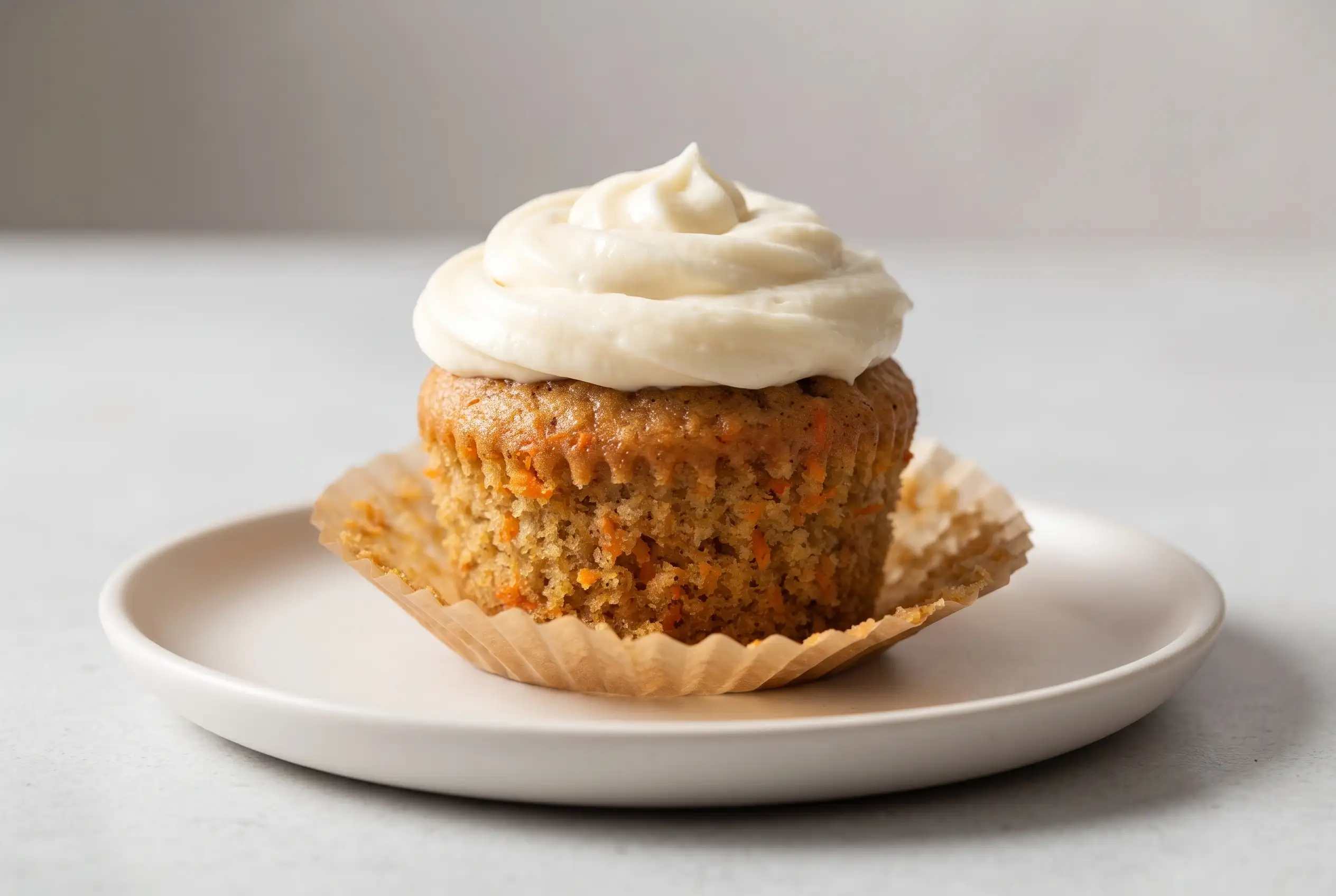
Carrot cake cupcakes bring the classic warmth of spiced carrot cake into a smaller format with a soft crumb, gentle sweetness, and a smooth cream cheese topping. These homemade treats rely on a few thoughtful choices, including finely prepared carrots, a balanced oil-based batter, and a frosting texture that stays rich without overwhelming the cake.
Simple preparation choices make these easy carrot cake cupcakes dependable for gatherings, celebrations, or a make-ahead dessert. The contrast between the tender cupcake center and tangy frosting creates the familiar flavor people expect from carrot cake while keeping each serving easy to enjoy.
Carrot Cake Cupcakes Create Moist Texture Through Simple Choices
Balanced batter structure comes from keeping the wet and dry ingredients in harmony. The oil-based mixture surrounds the carrots and spices, helping the cupcakes stay soft after baking and cooling. Baked desserts such as carrot-based coffee cake with cinnamon streusel topping depend on careful ingredient balance, and these cupcakes benefit from the same attention to moisture and texture during preparation.
Fresh carrot pieces contribute both flavor and moisture, but their preparation affects the finished bite. Smaller carrot pieces distribute throughout the batter so every cupcake has a consistent texture, while larger pieces can create uneven pockets.
Finished cupcakes pair especially well with cream cheese frosting because the cake itself has a mild sweetness. The topping adds richness and tang, creating a dessert that feels complete without needing additional fillings or layers.
Canola Oil Keeps Homemade Cupcakes Soft After Cooling
Choosing the right oil changes how carrot cupcakes with cream cheese frosting feel after they sit. Canola oil works well because it helps maintain a soft texture as the cupcakes cool, making the dessert easier to prepare ahead.
Different oils can influence the character of the crumb. Coconut oil can create a rich texture when warm but may become firmer after cooling, while a neutral oil keeps the cupcake texture consistent for serving later.
| Oil choice | Texture effect | Best consideration |
|---|---|---|
| Canola oil | Soft and moist after cooling | Good for preparing cupcakes ahead |
| Coconut oil | Rich when warm, firmer when cool | Best when serving soon |
| Vegetable oil | Neutral flavor and tender crumb | Useful everyday option |
| Avocado oil | Light texture with mild flavor | Works when a neutral oil is preferred |
Careful measuring also supports the balance between moisture and structure. Carrots vary greatly in size, so weighing prepared carrots when possible helps keep the batter consistent from one batch to another.
Carrot Preparation Shapes Tender Bites
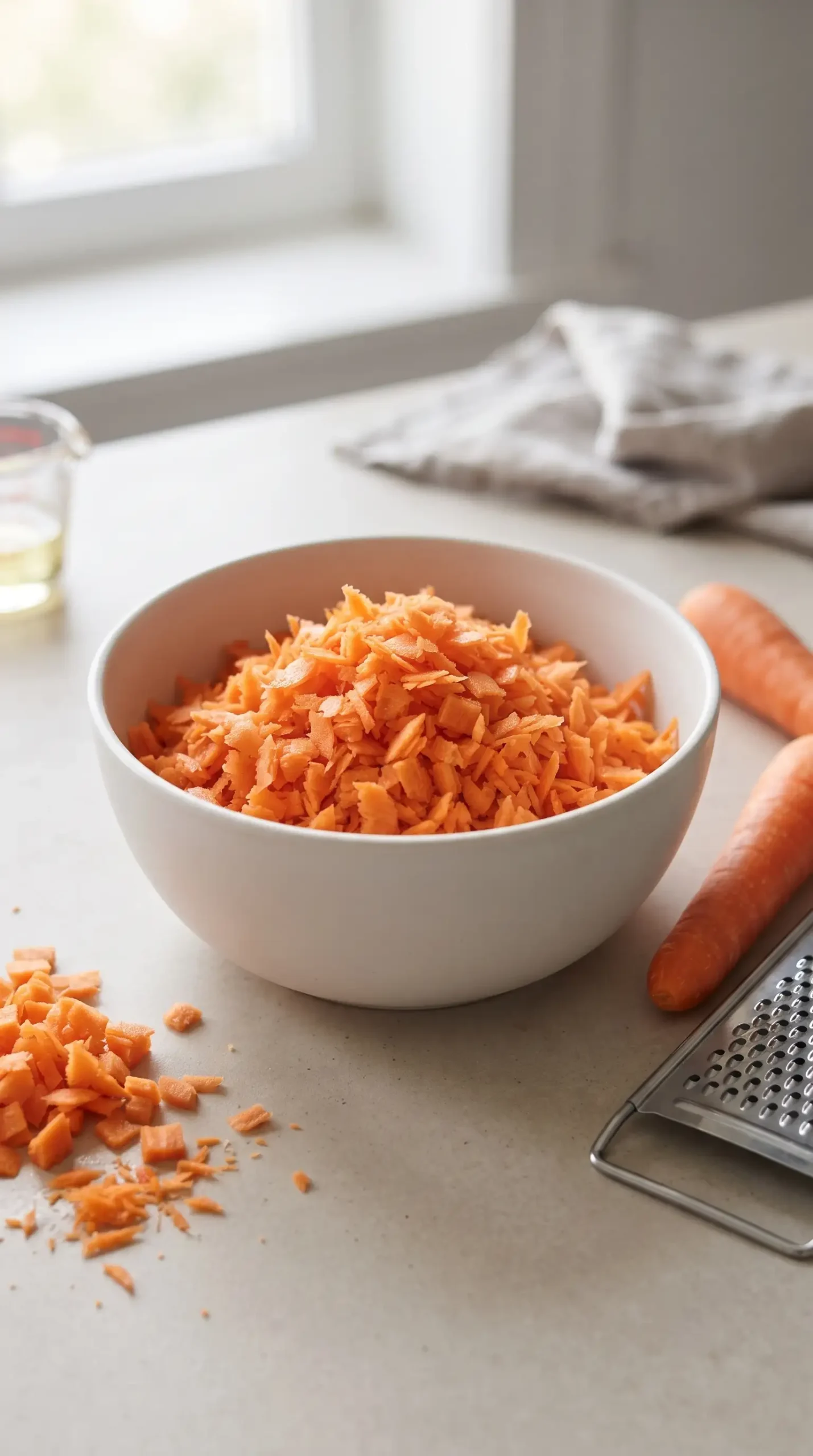
Grating carrots and then chopping them into smaller pieces creates a texture that blends smoothly into the cupcake batter. The smaller pieces spread through the cake, allowing the carrot flavor to appear in every bite without creating heavy sections.
Cream Cheese Frosting Balances Sweet Cupcake Centers
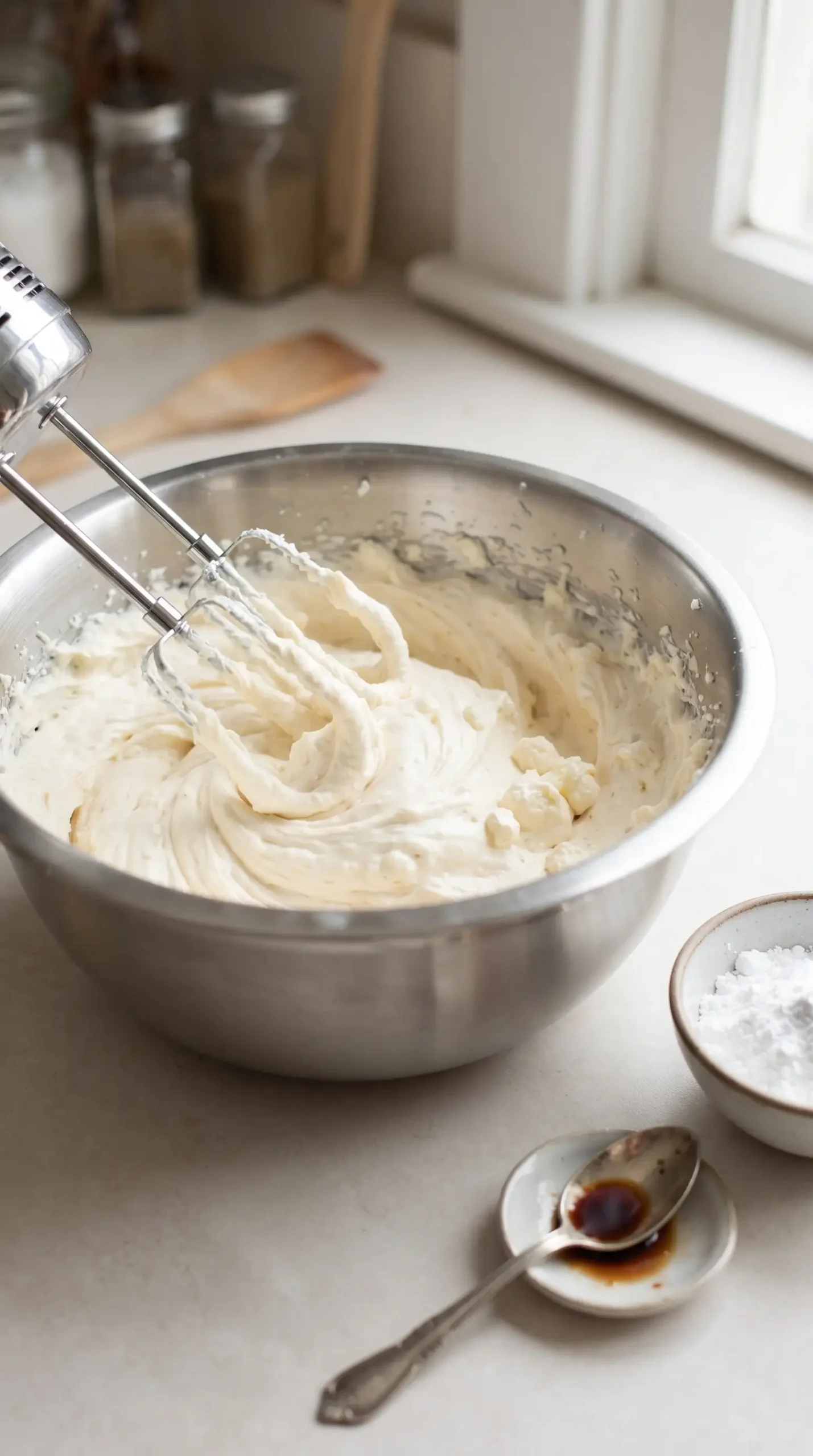
Silky cream cheese frosting provides the signature finish that defines these cupcakes. Softened cream cheese and butter blend into a smooth base before powdered sugar creates the structure needed for spreading or piping.
Frosting consistency depends on temperature and mixing. Ingredients that are softened combine more evenly, while a short chill can help a loose frosting become easier to shape.
Some bakers prefer a lighter topping with less sweetness. Folding whipped cream into the prepared frosting can create a fluffier texture and soften the overall sweetness while keeping the cream cheese character.
Baking Controls Protect Carrot Cupcake Texture
Proper baking control keeps the cupcake centers tender while allowing the edges to develop their appealing texture. Filling the muffin cups evenly helps the cupcakes rise at a similar rate and bake consistently.
Visual cues are useful when judging doneness. A cupcake that springs back gently when pressed in the center has usually developed enough structure to hold its shape after cooling.
Paper liners change the baking experience by creating a different surface around the cupcake. Baking without liners allows the outside edge to develop a slightly firmer texture that contrasts with the soft interior.
Common Carrot Cake Cupcake Mistakes That Affect Results
Several small mistakes can change the texture or appearance of carrot cake cupcakes. Avoiding these problems helps preserve the soft crumb and smooth frosting that make the dessert successful.
- Overmixing batter: Stir dry ingredients in gently after they are added to keep the cupcakes tender.
- Uneven carrots: Chop grated carrots into smaller pieces so the moisture and flavor distribute throughout the batter.
- Warm frosting ingredients: Use softened ingredients that blend smoothly without becoming runny.
- Frosting warm cupcakes: Allow cupcakes to cool before adding the topping so the frosting keeps its shape.
Another common issue comes from changing carrot quantities without adjusting the rest of the batter. Too many carrots can affect the balance of moisture and structure, while too few can reduce the recognizable carrot cake character.
Serving Options Add Personal Touches
Decorative additions can make carrot cupcakes feel special for holidays or gatherings. Small carrot-shaped toppers made from colored almond bark provide a playful finish while keeping the cream cheese frosting as the main feature.
Storage Decisions Preserve Frosted Cupcakes
Cream cheese frosting makes storage an important part of enjoying these cupcakes. Keeping frosted cupcakes chilled helps maintain the frosting texture and keeps the dessert fresh for later servings.
Because cream cheese frosting contains dairy, frosted cupcakes should not remain at room temperature for extended periods. Keep them refrigerated and limit time at room temperature to two hours on the counter before returning them to the refrigerator.
Serving temperature affects the eating experience. Allowing chilled cupcakes to sit briefly before serving can bring back some of the softness of the cake while keeping the frosting stable.
| Storage approach | Texture result | Best use |
|---|---|---|
| Refrigerated frosted cupcakes | Firm frosting with preserved cake texture | Make-ahead serving |
| Room temperature serving period | Softer cake and topping | Immediate enjoyment |
| Separate frosting storage | Freshly finished appearance | Decorating closer to serving |
Planning ahead works especially well because the cupcake texture stays pleasant after cooling. Proper handling keeps the frosting attractive and the cake portion from losing its softness.
Carrot Cake Cupcake Details Worth Adjusting
Small personal changes can shape the finished dessert without changing its character. Adjusting frosting sweetness, choosing liners or no liners, and adding decorations allow bakers to match the cupcakes to the occasion.
Decorating Carrot Toppers Adds Seasonal Character
Simple handmade carrot toppers create a recognizable decoration for spring events, birthdays, or festive dessert tables. The small details add visual appeal while keeping preparation approachable.
Carrot Cake Cupcakes Depend on Balanced Moisture and Frosting
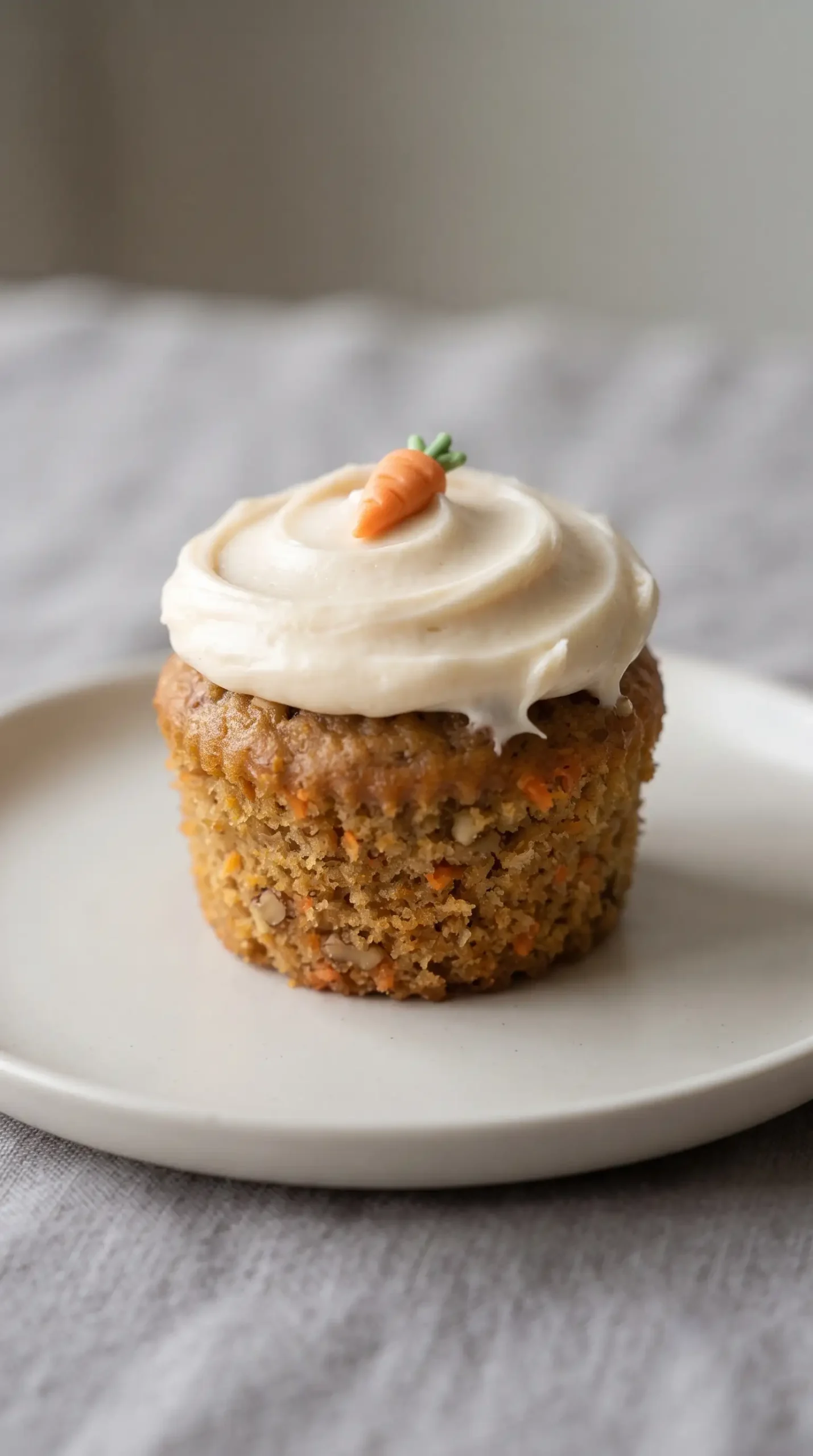
Carrot cake cupcakes succeed when the soft carrot-filled crumb and tangy cream cheese frosting support each other. Careful carrot preparation, a suitable oil choice, and proper cooling create the texture that makes these cupcakes memorable.
Consistent handling turns a simple cupcake into a dependable dessert that works for both casual baking and special occasions. The strongest results come from protecting moisture in the cake while giving the frosting enough structure to finish each serving beautifully.
Carrot Cake Cupcake Questions About Storage And Texture
Can carrot cake cupcakes be made ahead of serving?
Yes, these cupcakes are well suited for advance preparation because the oil-based batter helps maintain a soft texture after cooling. Store them properly with the cream cheese frosting kept chilled until serving.
Why are my carrot cupcakes dense instead of soft?
Dense cupcakes can result from overmixing after adding the flour. Combining the batter only until the dry ingredients are incorporated helps preserve a lighter crumb.
How can I make cream cheese frosting less sweet?
A lighter frosting can be created by folding whipped cream into the prepared cream cheese frosting. This changes the texture and reduces the intensity of sweetness while maintaining the creamy flavor.
Should carrot cupcakes use paper liners?
Paper liners are optional and affect the outside texture of the cupcake. Baking without liners allows the edges to become slightly firmer, while liners provide a traditional presentation.
How do I keep carrot cupcakes moist?
Using a suitable neutral oil, preparing carrots carefully, and avoiding excessive mixing all help maintain a moist cupcake texture from baking through serving.
Carrot Cake Cupcakes with Homemade Cream Cheese Frosting
Carrot cake cupcakes are soft, spiced cupcakes topped with rich homemade cream cheese frosting. These moist and flavorful treats are perfect for gatherings, celebrations, or any dessert table.
Ingredients
Method
Preparation
- Preheat the oven to 350°F (177°C). Grease a muffin tin with nonstick spray.
- Grate the carrots, then chop them into smaller pieces. A food processor can also be used, but the grated and chopped method provides the preferred texture.
- Whisk together the oil, brown sugar, eggs, and vanilla until combined. Fold in the carrots, then stir in the dry ingredients just until incorporated.
Baking
- Divide the batter evenly between the muffin cups, filling each about two thirds full.
- Bake for 16-17 minutes. Check the centers by gently pressing them; if they spring back, the cupcakes are ready. If not, continue baking for another 2-3 minutes. Cupcakes baked with paper liners may need closer to 19 minutes.
Frosting
- Beat the softened butter and cream cheese with an electric mixer until smooth.
- Add the powdered sugar and vanilla, then mix until the frosting is smooth and thick enough to pipe. If the frosting is too soft, chill it briefly to firm it up.
Serving
- Pipe the frosting onto the cooled cupcakes and serve immediately.
Notes
What Type Of Oil: This recipe was tested with avocado oil, vegetable oil, canola oil, and coconut oil. Coconut oil creates a rich texture when warm but can become firm and dry after cooling. Canola oil is a good choice because it keeps the cupcakes soft and moist for several days. Carrot Amounts: Carrot sizes vary, so weighing peeled and trimmed carrots helps keep the ingredient balance consistent. Making Carrot Toppers: Optional carrot toppers can be made by melting 3 squares of almond bark in the microwave for 90 seconds, checking every 30 seconds. Divide the melted almond bark between two bowls, color one light orange and one green with gel food coloring, then pipe small carrot shapes and tops onto parchment or wax paper. They cool in about 20 minutes and can be added to cupcakes. Sweetness of the Frosting: If the cream cheese frosting is too sweet, fold whipped cream into the prepared frosting to create a lighter texture with less sweetness. Liners vs. no liners: Baking without paper liners creates a crisp ridge and chewy exterior, while liners provide a traditional cupcake presentation.