From breakfast to dinner, from wholesome meals to indulgent desserts, Nexa Recipes offers quick, easy, and delicious ideas for every occasion and every moment.



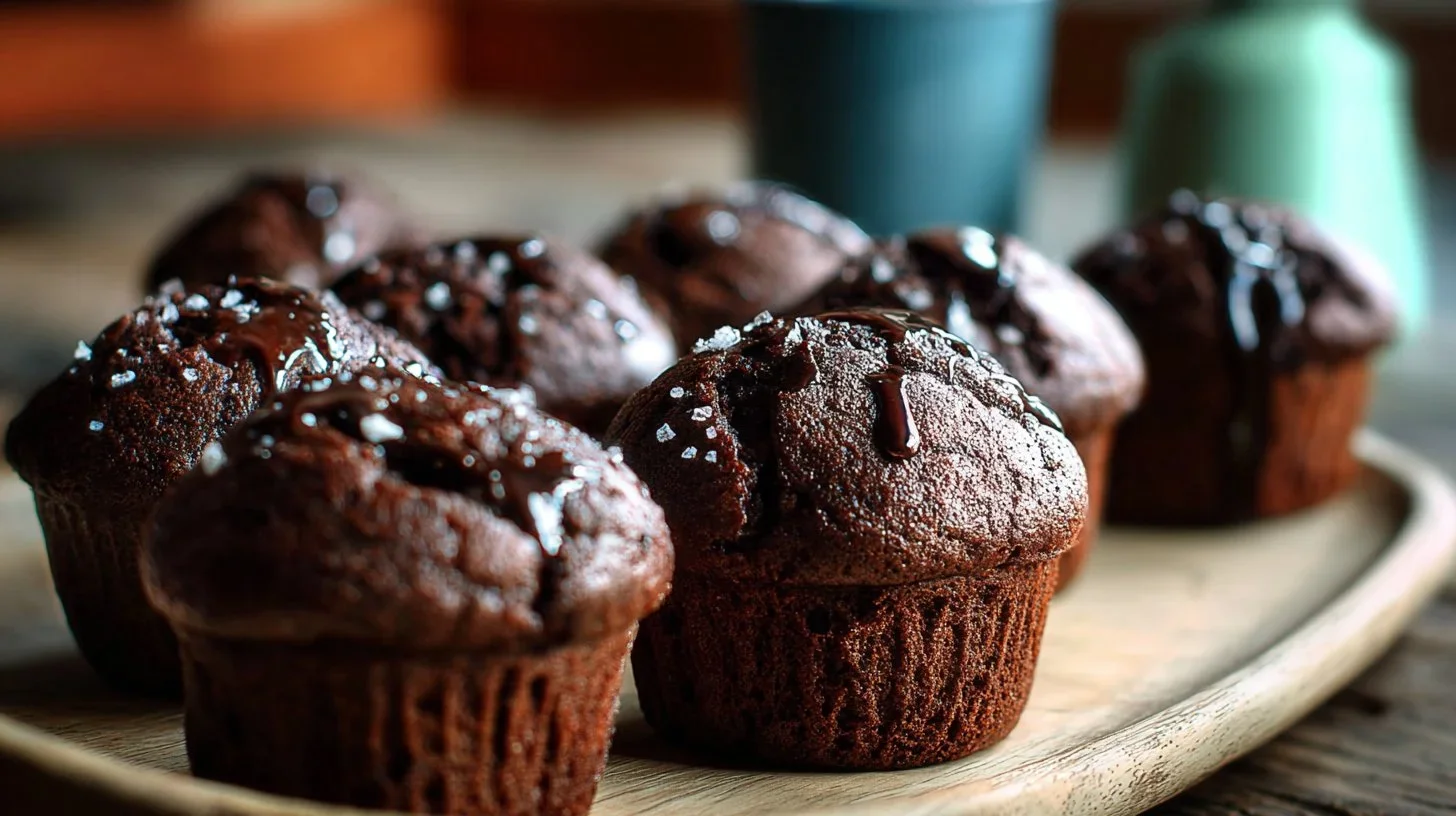
Double Chocolate Muffins bring a fudgy crumb and a glossy cocoa glaze finished with a pinch of sea salt. They work well for an indulgent breakfast, an easy dessert, or a quick treat to share.
Many people search for a reliable, easy chocolate muffin that still feels special. This version uses simple pantry ingredients and a small amount of coffee to deepen the chocolate flavor without making the batter taste like coffee.
Why Make This Recipe
You can make these in under 30 minutes of active time. The ingredients are common: flour, cocoa, baking powder and soda, sugar, milk, an egg, oil, and chocolate chips. A little instant or brewed coffee enhances the chocolate taste with no overpowering coffee flavor.
This recipe is suited to small gatherings, lunchboxes, or a weekend baking session. It requires no complicated equipment and uses a standard muffin tin, which keeps the method approachable for most home bakers.
How to Make Salted Double Chocolate Muffins
The approach pairs a simple mixed-wet-and-dry batter with minimal mixing to avoid tough muffins. Cocoa and a bit of baking soda work together to give structure and lift while the oil keeps the crumb moist.
Adding chocolate chips at the end and placing a few on top helps create pockets of melted chocolate and an attractive finished look. The thin glaze and sea salt lift the overall flavor and add balance to the sweetness.
Ingredients
- 1 scant cup flour
- 1 teaspoon baking powder
- 1/4 teaspoon baking soda
- pinch of salt
- 1 tablespoon cocoa powder
- 1/3 cup sugar
- 1/2 cup milk
- 2 tablespoons strong coffee
- 3 1/2 tablespoons vegetable oil
- 1 egg
- 1/2 teaspoon vanilla
- 1/2 cup chocolate chips
- sea salt
- 1/2 cup powdered sugar
- 1 tablespoon cocoa powder
- 1 tablespoon milk
Directions
- Preheat the oven to 400 degrees F.
- Stir the flour, baking powder, baking soda, salt, cocoa, and sugar in a large bowl.
- Pour the milk, coffee, oil, egg, and vanilla into the bowl.
- Mix the dry and wet ingredients together until just combined.
- Add the chocolate chips.
- Spoon into a prepared muffin tin, filling each cup about 3/4 full.
- Sprinkle 3-5 chocolate chips on the top of each muffin.
- Bake for 15 minutes or until the muffins spring back when you touch the tops.
- Whisk the powdered sugar, cocoa powder, and milk together to make a smooth glaze.
- Add milk a teaspoon at a time if the glaze is still too thick.
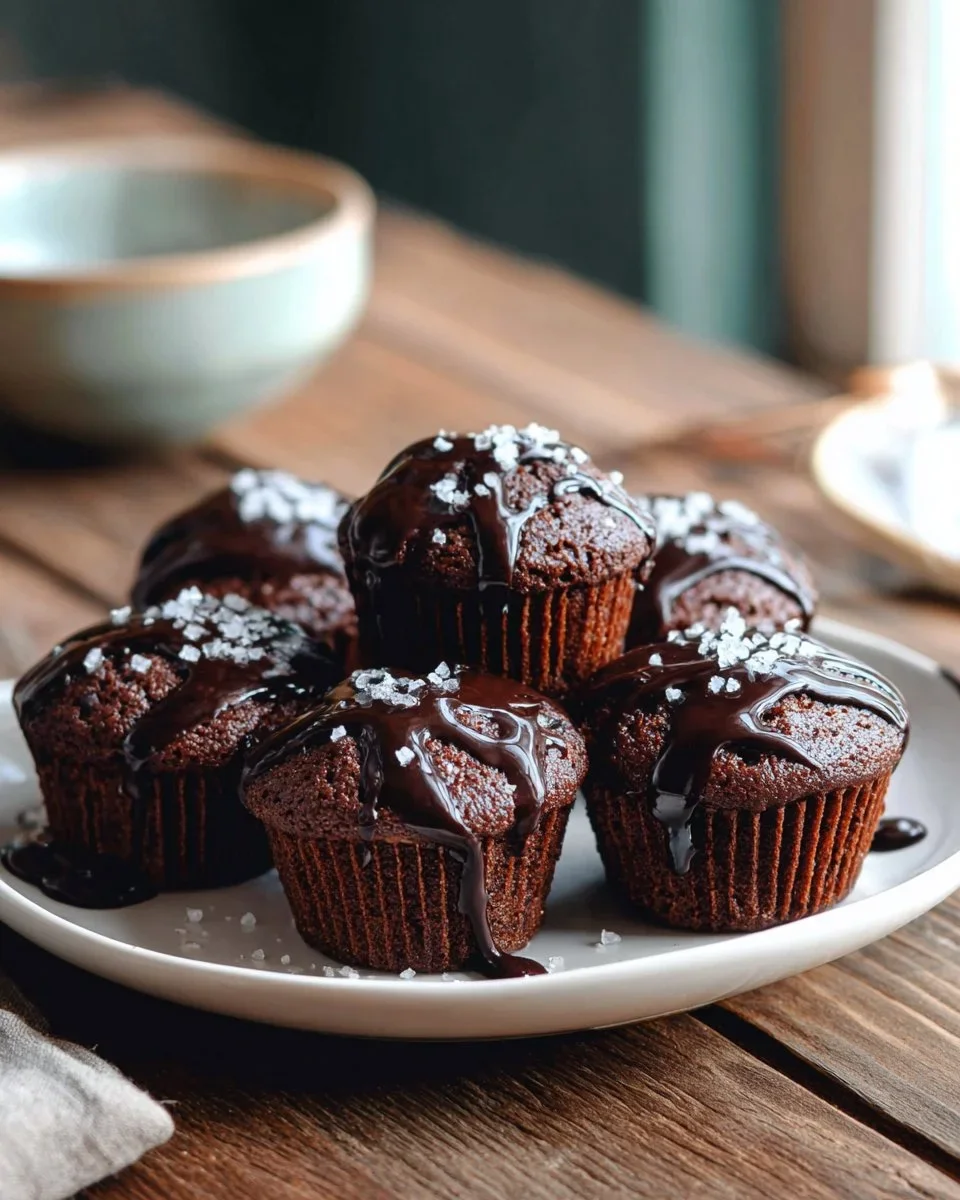
- After muffins have cooled, drizzle with glaze and sprinkle with a pinch of coarse sea salt.
- Serve with a glass of milk.
How to Serve Salted Double Chocolate Muffins
Serve these warm or at room temperature for the best texture and flavor. A glass of cold milk is a classic pairing and helps balance the richness.
You can also serve with fresh berries or a small side of whipped cream for a dessert presentation. For a coffee pairing, choose a mild, low-acidity brew to complement the cocoa without overshadowing it.
How to Store Salted Double Chocolate Muffins
At room temperature, store muffins in an airtight container for up to 2 days to keep them soft. If your kitchen is warm, move them to the refrigerator for up to 4 days; bring to room temperature before serving.
For longer storage, freeze baked muffins in a single layer on a tray until firm, then transfer to a freezer bag for up to 3 months. Thaw at room temperature or warm briefly in a low oven to revive the crumb and glaze.
Tips to Make Salted Double Chocolate Muffins
Here are practical tips to improve the results.
- Measure flour by spooning into the cup and leveling; avoid packed flour.
- Use strong coffee or espresso to deepen chocolate flavor without adding bitterness.
- Mix only until ingredients are just combined to prevent dense muffins.
- Use room-temperature milk and egg for a smoother batter.
- Add chocolate chips last and fold gently to keep the batter airy.
- Watch the oven closely after 12 minutes; high oven temperature gives a quick rise.
- Make the glaze slightly thinner than you think; it will set to a glossy finish.
- Sprinkle sea salt right after glazing so it adheres well.
Common Mistakes to Avoid
Overmixing the batter is the most common error and leads to tough, dense muffins; stop when you see no dry streaks. Using too much flour or packing it into the cup will dry the crumb; spoon and level the flour instead.
Skipping the coffee reduces depth of flavor, but avoid using a cold, weak coffee. Also, baking too long dries the muffins, so test for spring-back in the center.
Variations
If you want a different texture, substitute half the vegetable oil with melted butter for a richer flavor. For a double-chocolate twist, use a mix of dark and milk chocolate chips. You can fold in chopped toasted nuts for crunch or swap powdered sugar glaze for a simple chocolate drizzle.
FAQs
What makes these muffins “salted”?
A thin cocoa glaze is drizzled over the cooled muffins and a pinch of coarse sea salt is sprinkled on top right after glazing to give a salty contrast.
Can I omit the coffee?
Yes. The coffee deepens the chocolate flavor but does not make the muffins taste like coffee. If you omit it, replace with an equal amount of milk.
Are these good for freezing?
Yes. Freeze cooled muffins in a single layer, then transfer to a sealed bag. They keep about 3 months.
Can I use a different oil or butter?
You can substitute melted butter for oil; it will change the texture slightly and add a richer flavor.
How do I prevent the glaze from becoming grainy?
Sift the powdered sugar if clumpy and whisk thoroughly. Add milk a teaspoon at a time to reach a smooth consistency.
Can I make these gluten-free?
You can try a 1:1 gluten-free flour blend that includes xanthan gum, but texture may differ. Test with a single batch first.
Conclusion
If you like chocolate-forward breakfast bakes, you may also enjoy these chocolate glazed baked mini donuts for a similar sweet-and-simple vibe. And for a reliable reference on freezer storage basics and keeping baked goods at their best, the FoodKeeper guide from FoodSafety.gov is a helpful resource.