From breakfast to dinner, from wholesome meals to indulgent desserts, Nexa Recipes offers quick, easy, and delicious ideas for every occasion and every moment.



 This Recipe
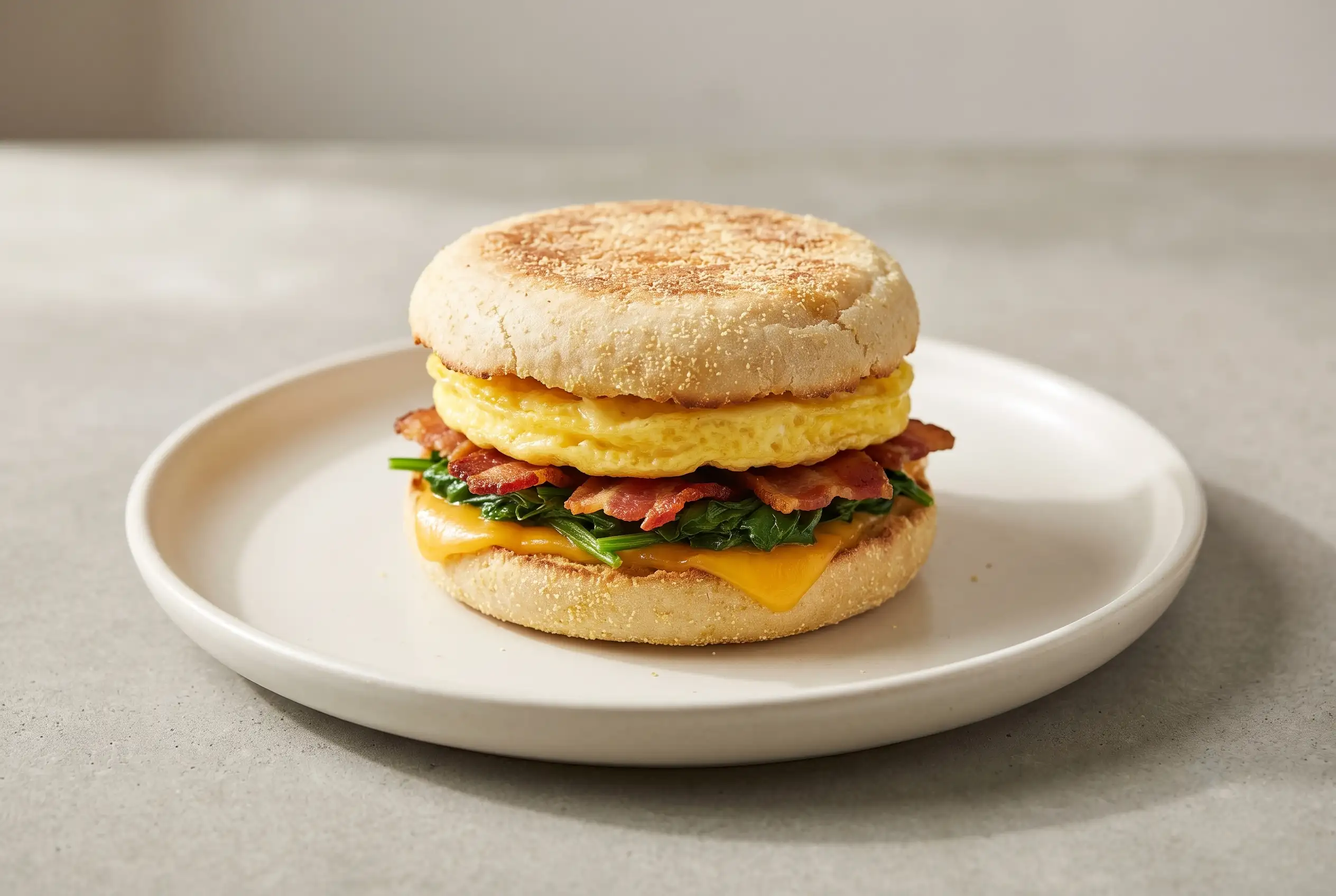
Meal prep breakfast sandwiches make busy mornings easier by combining baked eggs, crisp bacon, spinach, and toasted English muffins into a portable meal that can be prepared ahead. These sandwiches work because the egg layer is cooked evenly, the fillings are balanced, and each portion can be stored until breakfast time arrives.
Meal Prep Breakfast Sandwiches Create Reliable Morning Meals
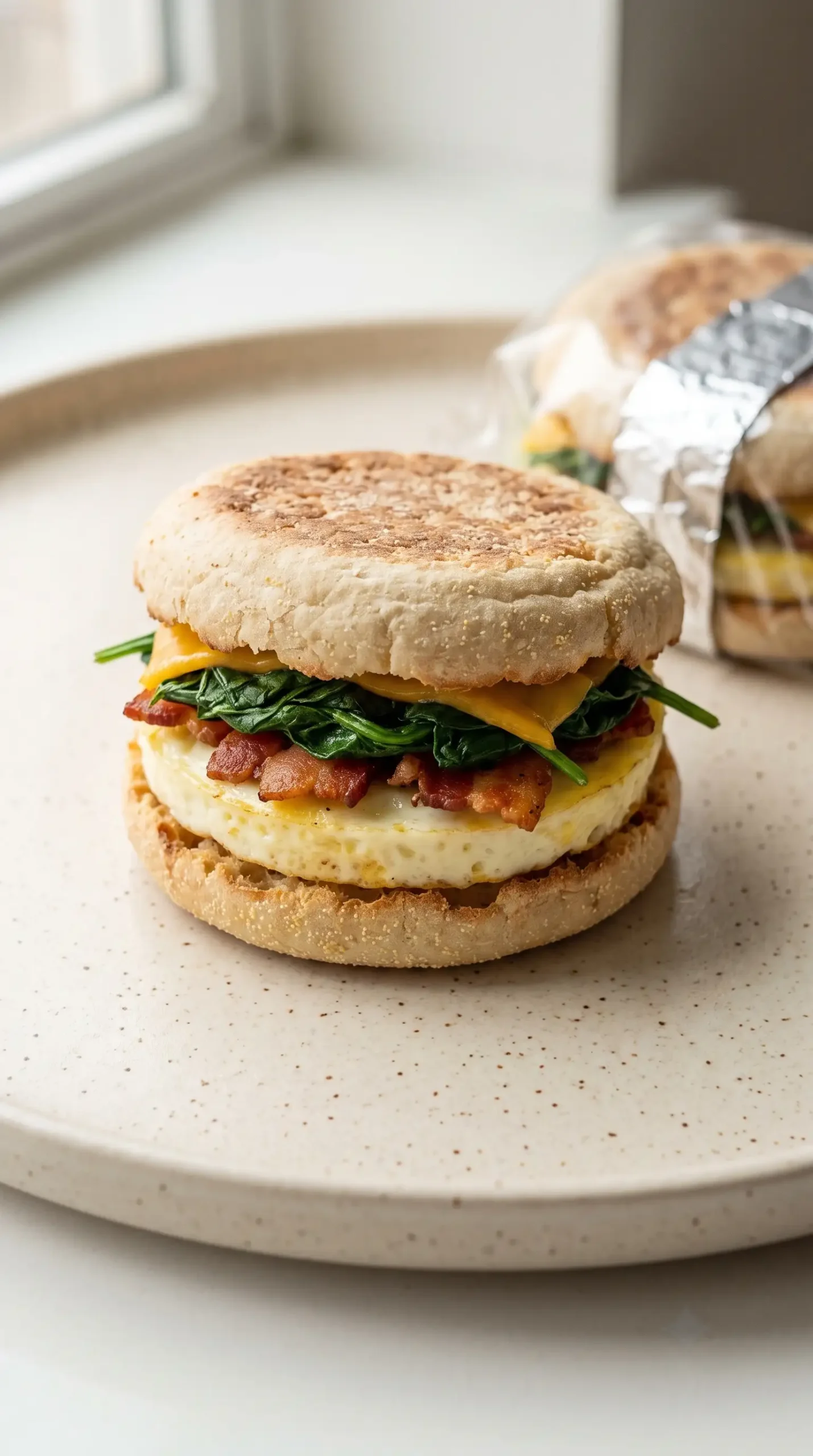
Busy mornings often leave little room for cooking, which is why prepared breakfast options are valuable. Meal prep breakfast sandwiches provide a practical way to bring a warm, filling breakfast into a weekday routine without requiring a separate cooking session every day.
Batch cooking the egg layer changes the process from making individual sandwiches one at a time into assembling several portions from one pan. The baked egg rounds create a consistent shape that fits neatly inside English muffins while allowing the bacon and spinach mixture to be distributed throughout.
Using a wide baking surface can make batch cooking easier because sheet-pan egg preparation creates a single baked layer that can be cooled and cut into portions for breakfast sandwiches.
Prepared sandwiches also offer flexibility at serving time. Some people enjoy them warmed with a spicy sauce, while others prefer a simple combination of egg, cheese, and bread. The basic structure supports different finishes without changing the preparation approach.
Baked Egg Breakfast Sandwiches Depend on Balanced Egg Texture
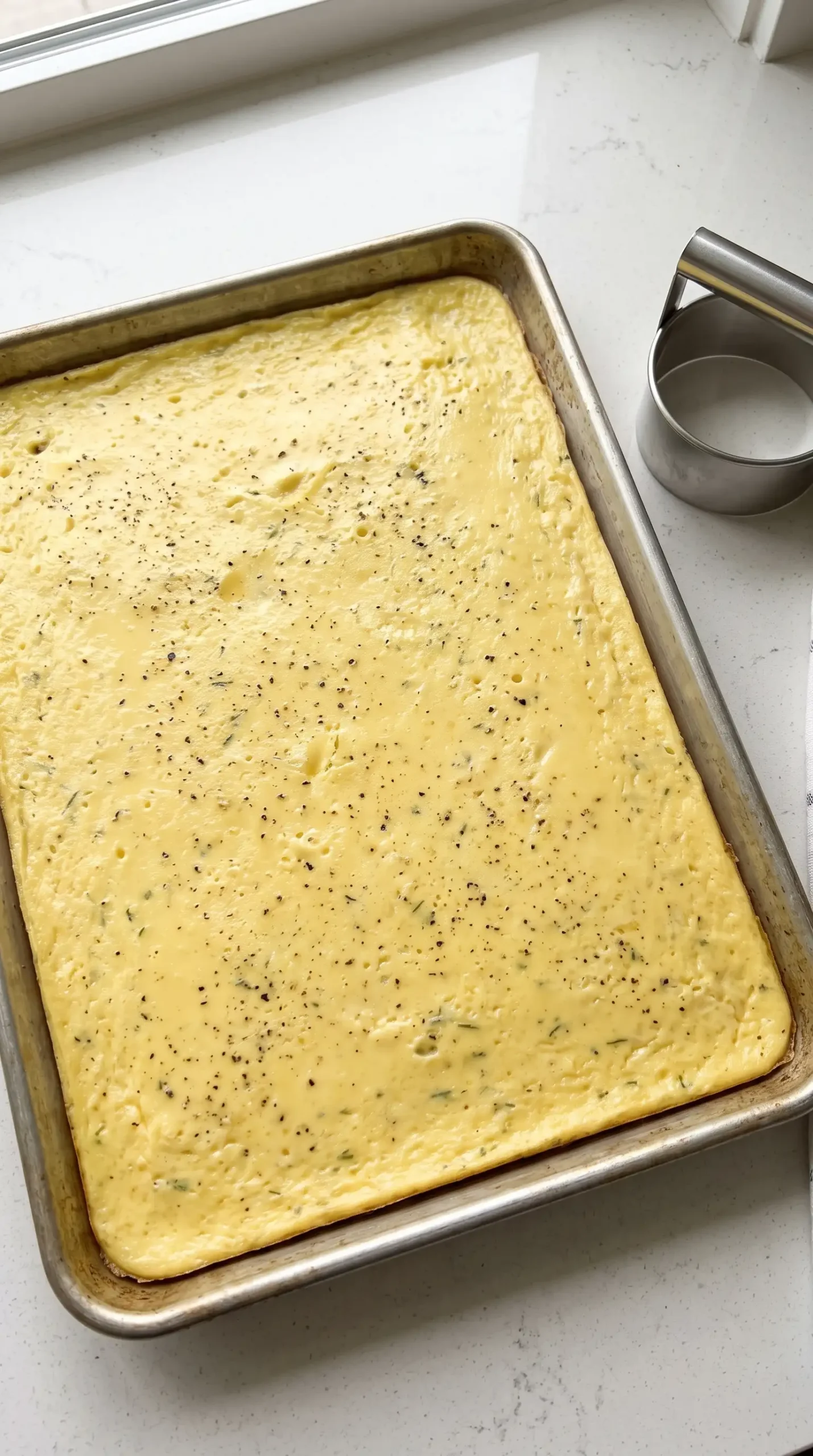
Egg rounds are the foundation of baked egg breakfast sandwiches, and the combination of eggs, milk, and seasoning helps create a soft layer that holds together after baking. Using a wide baking surface keeps the egg mixture at a manageable thickness, while a deeper pan can create a thicker layer with a longer baking time.
Bacon Spinach Filling Keeps Make Ahead Breakfast Sandwiches Satisfying
Bacon pieces bring a savory flavor and a firmer texture that contrasts with the tender egg layer. Cooking the bacon until crisp before combining it with the eggs helps the finished sandwich maintain a more noticeable filling texture.
Spinach leaves add color and a vegetable element while fitting naturally into the breakfast sandwich format. Wiping away excess bacon fat before mixing the filling helps prevent the egg layer from becoming overly heavy or greasy.
Flavor choices can change the personality of make ahead breakfast sandwiches without requiring a different cooking method. A cheddar and gruyere blend creates a richer sandwich, while optional additions such as hot sauce or avocado can add freshness when serving.
English Muffins Provide the Right Sandwich Foundation
English muffins create a sturdy base for the egg rounds because their shape makes them easy to portion and wrap. Lightly adding butter before assembly is optional, but it can contribute extra richness and a softer bite after reheating.
Oven Baking Controls the Egg Layer Texture
Oven baking gives the egg mixture a controlled environment where it can set evenly across the pan. Keeping the eggs just set preserves a tender texture that reheats well after the sandwiches are assembled.
Sheet pan preparation matters because the surface area determines how thick each egg portion becomes. A wider pan creates thinner rounds, while a smaller baking area produces a thicker egg layer that needs additional baking time to cook through.
Small adjustments during baking can improve the finished sandwich. Watching for a fully set center, allowing the baked eggs to cool before cutting, and choosing a cutter that matches the muffin size all help create cleaner portions.
Freezer Breakfast Sandwiches Need Smart Wrapping Choices
Frozen breakfast sandwiches benefit from careful wrapping because protection from air helps preserve their texture during storage. Individual wrapping makes it easier to remove one portion at a time and choose a reheating method that fits the available schedule.
Common Meal Prep Breakfast Sandwiches Mistakes to Avoid
Avoiding mistakes with meal prep breakfast sandwiches starts with paying attention to moisture, texture, and assembly. Small choices during preparation can affect whether the finished sandwiches stay easy to reheat and enjoyable to eat.
- Wet fillings: Remove excess moisture from cooked spinach and bacon before combining ingredients so the egg layer stays balanced.
- Uneven portions: Cut the baked eggs carefully so each sandwich receives a similar amount of filling.
- Premature wrapping: Let assembled components cool enough before wrapping to reduce trapped moisture.
Crowded pans can create uneven results when the egg mixture does not spread at the intended thickness. Choosing the appropriate pan size helps maintain a consistent baked layer that fits the English muffins properly.
Missing cooling time can also affect assembly. Warm egg portions may create extra steam inside wrapped sandwiches, which can soften the bread before reheating.
Reheating Methods Protect the Sandwich Texture
Reheating methods influence how the English muffin, egg, and cheese come together after storage. Wrapped sandwiches can warm gently while keeping moisture inside, while opening the sandwich during reheating can encourage a crispier muffin surface.
| Storage state | Preferred approach | Texture result |
|---|---|---|
| Refrigerated sandwich | Warm wrapped or open in an oven-style appliance | Soft center with refreshed bread |
| Frozen sandwich | Thaw first or extend warming time | Evenly heated filling |
| Partially opened sandwich | Heat with muffin halves exposed | More toasted edges |
Cheese Options Change the Finished Sandwich Experience
Cheddar blends and other melting cheeses bring another layer of flavor and texture to the breakfast sandwich. The cheese choice can determine whether the sandwich feels mild, sharp, creamy, or more savory after warming.
Optional cheese allows the same preparation style to work for different preferences. Some versions may focus on the egg, bacon, and spinach combination, while others use cheese as the ingredient that ties the sandwich together.
Different finishes can make stored sandwiches feel freshly prepared. A squeeze of hot sauce, a spread of avocado, or a brief return to heat with the sandwich opened can change the texture and flavor at serving time.
Meal Prep Breakfast Sandwiches Fit Different Planning Styles
Weekly planning becomes simpler when meal prep breakfast sandwiches are prepared around individual routines. The sandwiches can serve as quick breakfasts at home, portable options for busy days, or prepared portions waiting in the freezer. A portable breakfast sandwich format makes it easier to organize a filling morning meal that can be assembled, wrapped, and ready when needed.
| Preparation choice | Best fit | Helpful consideration |
|---|---|---|
| Refrigerated portions | Short-term breakfast planning | Easy access for upcoming mornings |
| Frozen portions | Longer storage needs | Requires more warming time |
| Custom toppings | Changing daily preferences | Add after reheating when possible |
Storage Decisions Keep Prepared Sandwiches Ready
Safe storage keeps prepared sandwiches useful beyond the day they are assembled. Refrigeration works well for short-term use, while freezing provides a way to keep portions available for future breakfasts.
Wrapped portions are easier to organize because each sandwich remains separate and ready for a single serving. Clear labeling can help distinguish different versions when adding cheese choices or extra toppings.
Stored sandwiches are most successful when reheating is planned alongside preparation. Choosing the right container, wrapping style, and warming method helps maintain the contrast between the soft egg layer and the bread.
Serving Additions Refresh Prepared Breakfast Sandwiches
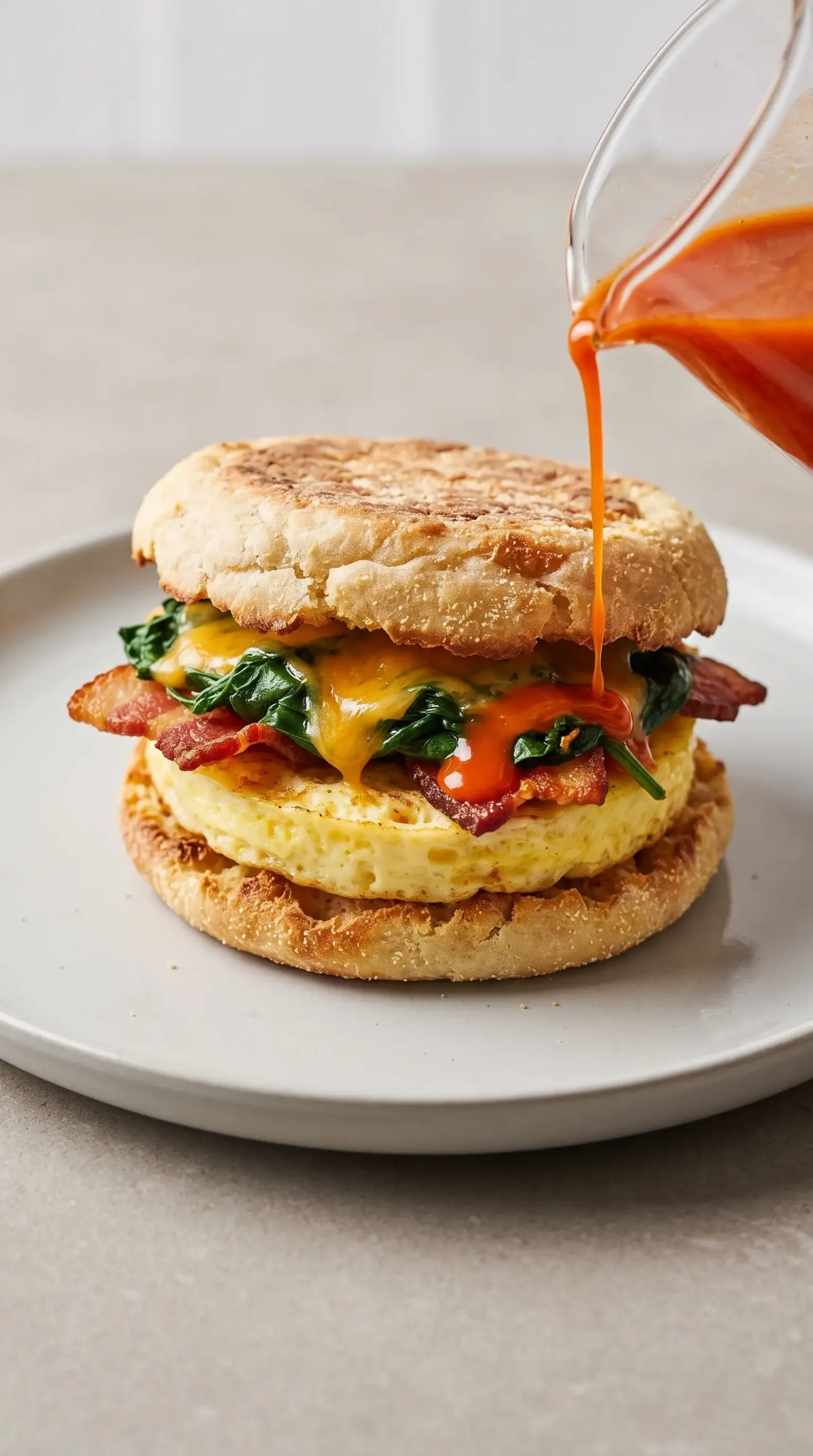
Fresh additions can give meal prep breakfast sandwiches a different feel each time they are served. Small finishing touches such as spicy sauces or creamy spreads introduce new flavors without requiring another cooking project.
Simple toppings work best when they complement the existing bacon, spinach, and egg combination. Adding them after warming helps preserve their texture and keeps the sandwich from becoming overly moist.
Prepared Egg Rounds Make Meal Prep Breakfast Sandwiches Consistent
Prepared egg rounds create the consistency that makes meal prep breakfast sandwiches practical for repeated breakfasts. A well-cooked egg layer, balanced filling, and thoughtful reheating approach allow each sandwich to maintain its structure from preparation through serving.
Careful handling of moisture and texture determines the quality of the finished sandwich. When the baked eggs, savory filling, and English muffins are treated as connected parts, the result is a dependable breakfast option ready whenever needed.
Meal Prep Breakfast Sandwiches Troubleshooting Questions
Can meal prep breakfast sandwiches be frozen?
Frozen portions work well when sandwiches are wrapped individually and protected during storage. They can be warmed after thawing or heated longer from a frozen state depending on the available time.
How can I prevent soggy English muffins?
Soggy bread is often related to trapped moisture, so allowing components to cool before wrapping and choosing a suitable reheating method can help maintain a better texture.
Why did my baked egg layer turn out too thin?
A thinner egg layer usually comes from spreading the mixture across a larger surface area. Using a smaller baking pan creates a thicker layer, though it may require additional baking time.
What cheese works best for breakfast sandwiches?
Melting cheeses such as cheddar blends pair well with the egg, bacon, and spinach filling because they add flavor while blending into the warm sandwich structure.
Meal Prep Breakfast Sandwiches with Bacon and Spinach
Meal Prep Breakfast Sandwiches are hearty, make-ahead breakfast sandwiches with a soft baked egg layer, savory filling, and a satisfying portable texture. They are a convenient option for busy mornings when you want a prepared breakfast ready to enjoy.
Ingredients
Method
Preparation
- Preheat the oven to 300°F (149°C). Generously oil a rimmed half sheet pan.
- Whisk together the eggs, milk, and salt until combined.
- Cut the bacon into small pieces and cook in a heavy skillet until crisp. Add the spinach and stir until wilted. Drain off excess bacon fat briefly with tongs, then add the bacon and spinach to the egg mixture.
Baking
- Pour the egg mixture into the oiled 13″ x 18″ half sheet pan. Bake for 15 minutes, until the egg layer is just set.
- Remove the baked egg layer from the oven, cool, and cut into rounds using a wide mason jar lid or round cookie cutter.
Assembly
- Spread the English muffins with butter if using. Place one egg round on each muffin, add cheese if desired, and wrap the assembled sandwiches in foil.
Serving
- Refrigerate the sandwiches for 4-5 days or freeze for longer storage. Reheat using the oven, microwave, toaster oven, or a combination of methods as needed.
Notes
Reheating From the Fridge: Use a toaster oven, regular oven, toaster, or microwave. Sandwiches can be heated wrapped in foil or opened before warming. A preferred method is to heat a foil-wrapped sandwich in a 425°F (218°C) oven for 8-10 minutes when the oven is already hot, or about 10-15 minutes if starting during preheating. After warming, unwrap and add Sriracha or avocado if desired. For a more toasted English muffin with crisp edges, open the sandwich with the egg on one half and cheese on the other, then broil for 3-5 minutes until heated and crisp. Reheating From Frozen: Thaw in the refrigerator overnight and use the fridge reheating method, or heat directly from frozen for about 30 minutes. Cheese: A cheddar-gruyere blend works well. Egg Thickness: For a thicker egg layer, use a quarter sheet pan and bake for 20-30 minutes until fully cooked.