From breakfast to dinner, from wholesome meals to indulgent desserts, Nexa Recipes offers quick, easy, and delicious ideas for every occasion and every moment.



 This Recipe
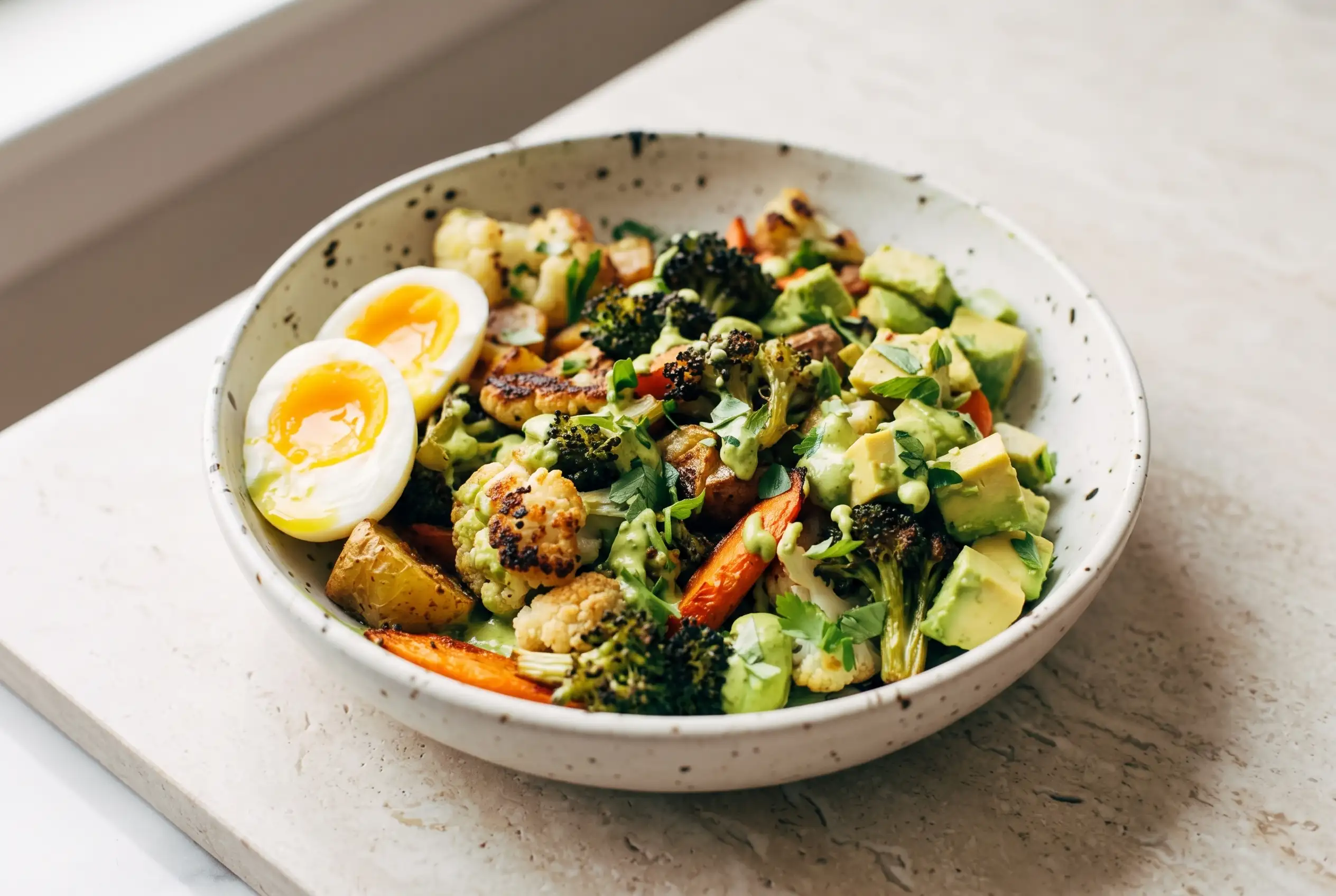
Roasted vegetable bowls bring together caramelized vegetables, creamy sauce, and satisfying toppings in a meal built for practical lunches and flexible dinners. The combination of oven roasted carrots, potatoes, broccoli, cauliflower, green tahini, avocado, and eggs creates a colorful plate where texture matters as much as flavor. These roasted vegetable bowls with tahini sauce work because each element keeps its character while fitting into one balanced meal.
Roasted Vegetable Bowls Build Around Colorful Roasted Produce
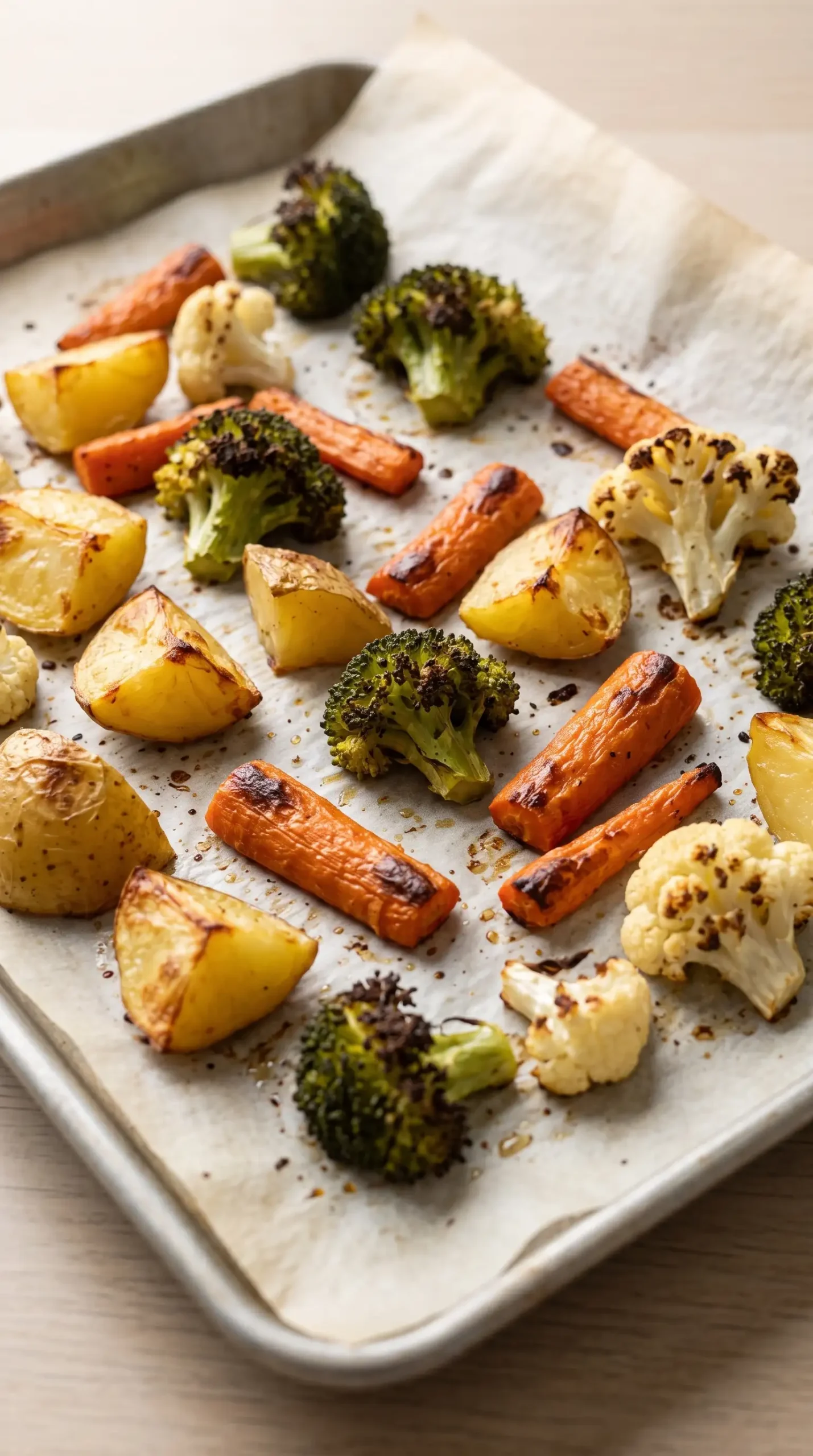
Across the bowl, roasted vegetables provide the structure that makes every serving feel complete. High-heat roasting encourages the vegetables to develop deeper flavors and tender centers while keeping enough texture for a meal that does not feel flat.
A thoughtful arrangement of the vegetables helps each one reach its best texture. Carrots and potatoes benefit from longer roasting because their dense structure takes time to soften, while broccoli and cauliflower can become ready sooner once their edges begin to brown.
Bright toppings change the experience after the vegetables leave the oven. Creamy avocado, fresh herbs in the green tahini, and protein choices such as hard boiled eggs add contrast that keeps the vegetable bowls interesting from the first bite to the last.
Carrots and Potatoes Set the Roasting Foundation
Carrots and golden potatoes create the hearty base of the vegetable combination because they hold their shape well during roasting. Keeping these vegetables in larger pieces allows their centers to become tender while their surfaces develop richer roasted notes.
Green Tahini Creates a Fresh Bowl Finish
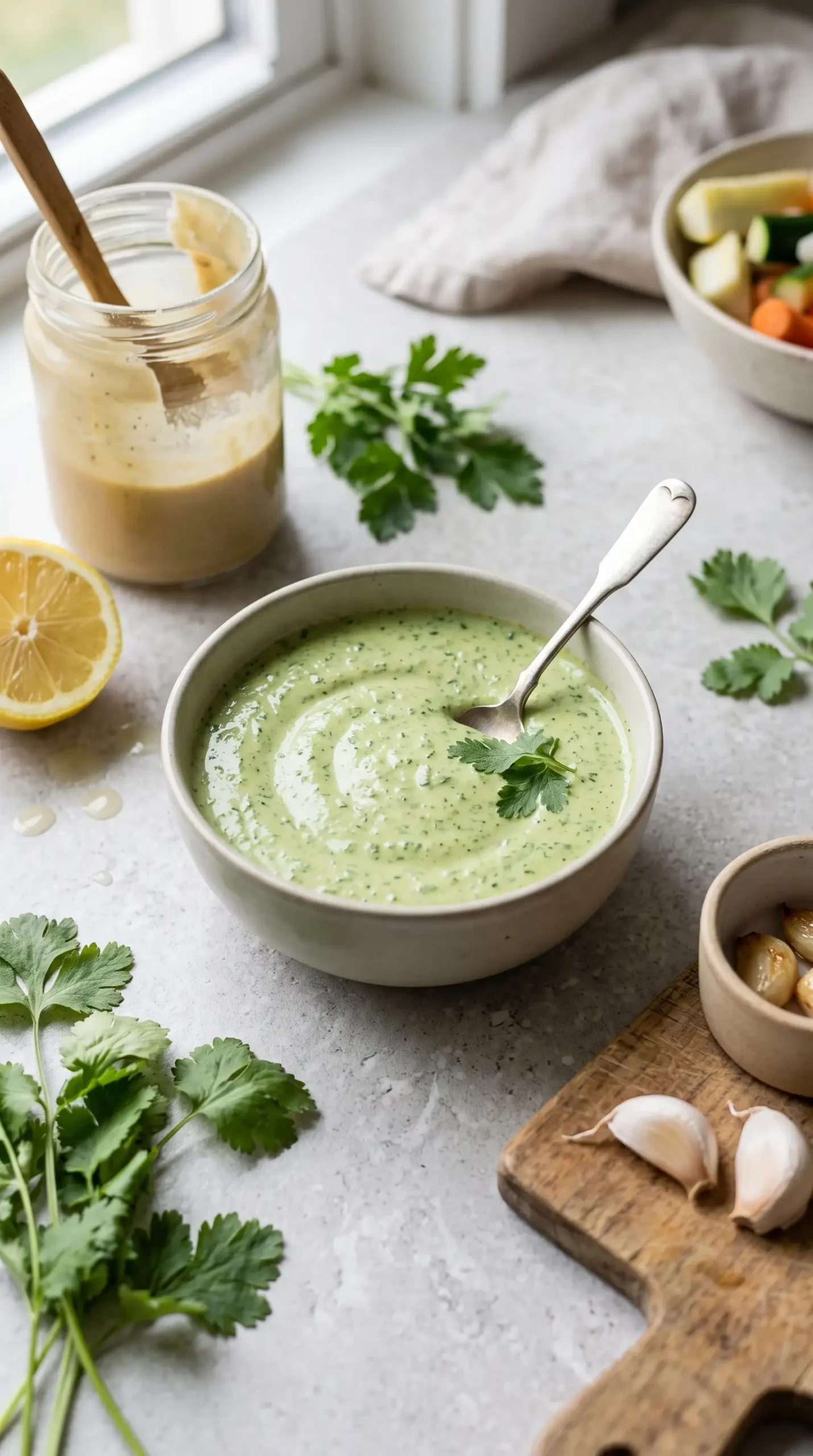
Blended green tahini brings together tahini, herbs, garlic, lemon, water, and seasoning into a sauce designed to coat roasted vegetables without overpowering them. The fresh herbs create a bright contrast against the deeper flavors created in the oven, and the sauce can be prepared with roasted vegetable pairings such as sesame roasted sweet potatoes when building a varied serving.
Tahini consistency depends on the balance between the sesame paste and added liquid. Adjusting the water gradually allows the sauce to reach a texture that spreads easily across the bowl while still clinging to vegetables.
Fresh herbs deserve attention because they define the color and character of the sauce. Cilantro, parsley, or a combination of both can create a lively finish that connects the creamy tahini with the roasted vegetables underneath.
Separate Baking Sheets Control Vegetable Texture
Successful roasting depends on giving different vegetables the space and timing they need. Crowding can trap moisture around the vegetables, while separation allows more surface area to contact the heat and encourages better browning.
Matching vegetables with similar cooking behavior makes the process easier to manage. Broccoli and cauliflower can share a pan because they respond similarly to roasting, while carrots and potatoes can roast together because both need more time to become tender.
During roasting, visual cues provide useful guidance. Broccoli edges should look browned without becoming overly dark, and carrots or potatoes should show a tender interior with lightly crisped surfaces before being combined with the sauce and toppings.
Common Mistakes in Roasted Vegetable Bowls and Green Tahini
Several mistakes can change the texture and balance of roasted vegetable bowls. Avoiding these issues helps the vegetables, sauce, and toppings work together as intended.
- Overcrowded pans: Too many vegetables packed together can slow browning and leave the surfaces softer. Use enough space for heat to move around the pieces.
- Uneven vegetable sizes: Large and small pieces mixed together may finish at different times. Cut pieces with similar cooking needs so doneness is easier to judge.
- Heavy sauce application: Adding too much green tahini at once can hide the roasted flavors. Start with a light coating and add more as needed.
Another common issue happens when delicate vegetables stay in the oven too long. Broccoli and cauliflower can lose their appealing texture if they continue roasting after their edges have already browned, so checking them separately helps protect their quality.
Meal Prep Bowls Stay Flexible Throughout the Week
Weekly meal planning becomes simpler when roasted vegetables, green tahini, and toppings are stored separately until serving. This approach helps preserve texture and allows each bowl to be customized with different proteins or finishing ingredients.
Protein Pairings Change the Bowl Experience
Hard boiled eggs provide a simple protein option that fits naturally with the roasted vegetables and creamy sauce. Their mild flavor allows the green tahini and roasted produce to remain the main focus.
Preparing the eggs ahead of time can make these bowls easier to assemble throughout the week, since properly handled hard boiled eggs can be refrigerated for meal planning and store hard boiled eggs for one week.
Additional proteins can change the style of the meal while keeping the same vegetable foundation. Beans, grilled chicken, tofu, or other cooked proteins can be added when a more substantial bowl is desired.
Serving combinations work best when each addition brings a different texture. Creamy avocado, tender vegetables, and protein pieces create variety, while the sauce ties the separate parts together.
| Vegetable group | Texture goal | Best handling choice |
|---|---|---|
| Carrots and potatoes | Tender centers with browned surfaces | Roast together and allow enough time for softening |
| Broccoli and cauliflower | Soft interiors with roasted edges | Keep together and watch browning closely |
| Fresh toppings | Creamy and crisp contrast | Add after roasting for freshness |
Roasting Choices Shape Every Vegetable Bite
Careful roasting decisions influence how the finished bowls feel. Keeping vegetables grouped by similar cooking needs makes it easier to remove faster-cooking pieces before they become too browned while allowing denser vegetables to continue developing flavor.
Serving Details Make Vegetable Bowls More Balanced
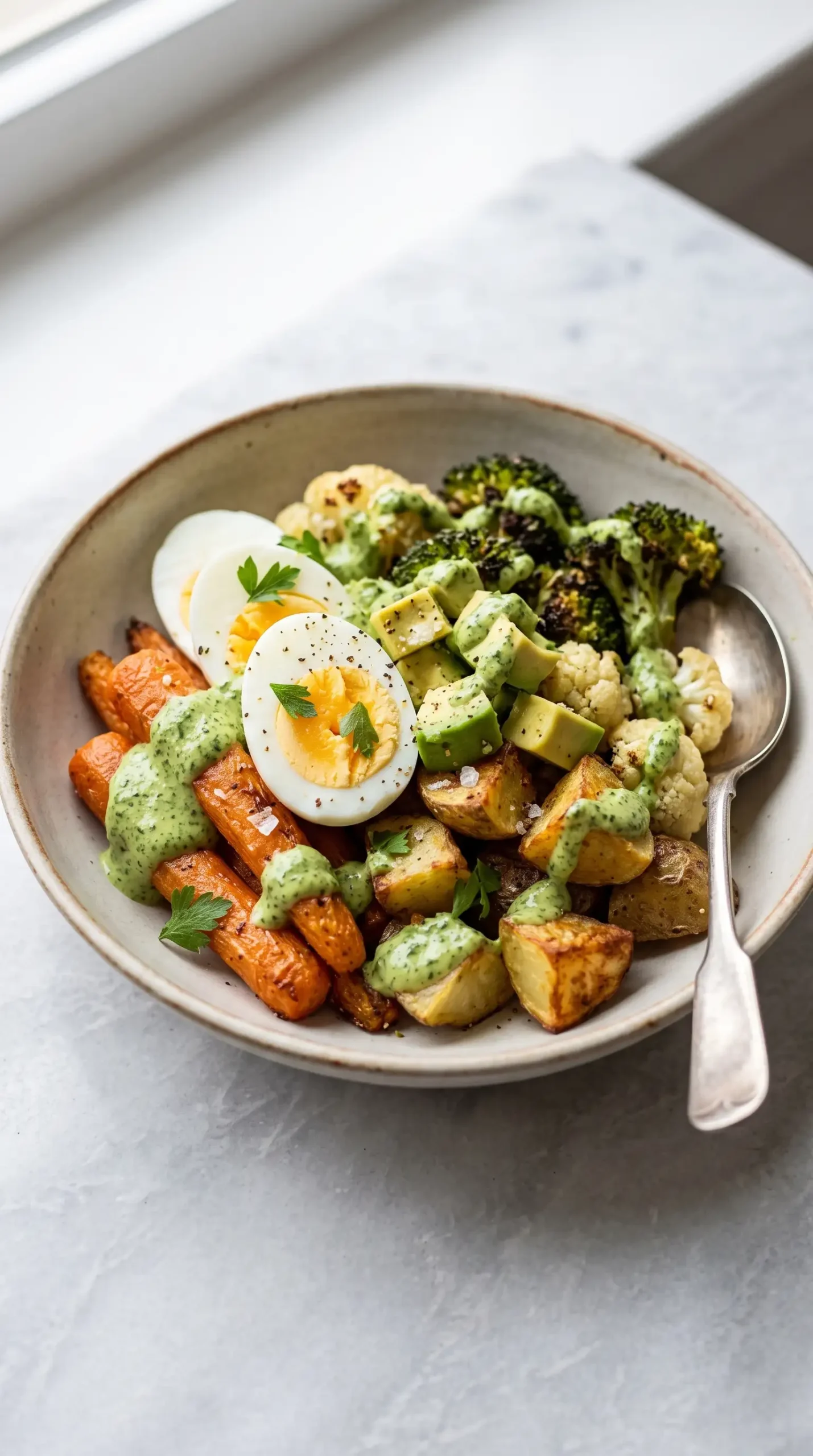
Finished bowls benefit from thoughtful layering because each part has a specific role. Roasted vegetables provide warmth and texture, while green tahini adds moisture and the toppings contribute richness.
Portioned servings can be adjusted depending on the occasion. A lighter meal may highlight the vegetables and sauce, while a more filling version can include extra protein or additional avocado.
Simple finishing touches make the bowl feel complete without requiring complicated preparation. A drizzle of sauce, a handful of herbs, or a few carefully placed toppings can improve both appearance and eating experience.
- Start with vegetables: Build the base with roasted pieces so the warm components remain the focus.
- Add creamy elements: Use green tahini and avocado to balance the roasted textures.
- Finish with protein: Include eggs or another preferred option to create a more substantial serving.
Green Tahini Sauce Handles Simple Adjustments
Small changes to the green tahini can help match personal preferences. More herbs can emphasize freshness, while careful adjustments to liquid can create a thinner drizzle or a thicker coating depending on how the bowls are served.
Roasted Vegetables Create a Complete Meal Through Contrast
Roasted vegetables create the foundation of a satisfying bowl when their textures are protected and their flavors are allowed to develop. The most important judgment comes from managing each vegetable according to its own roasting needs while keeping the green tahini fresh and balanced.
Keeping the roasted components distinct until serving preserves the contrast that makes these bowls work. Warm vegetables, creamy sauce, and fresh toppings come together without losing the qualities that make each part valuable.
Questions About Vegetable Storage and Preparation
Can roasted vegetable bowls be prepared ahead of time?
Yes, roasted vegetables can be prepared ahead and combined with the sauce and toppings when ready to eat. Keeping the green tahini separate helps maintain its texture and allows the vegetables to stay closer to their roasted texture.
How can the vegetables avoid becoming too soft?
Vegetables stay firmer when they are arranged with enough space and checked according to their cooking speed. Removing broccoli and cauliflower when they reach the preferred level of browning helps prevent them from becoming overly tender.
Can green tahini be made without cilantro?
Green tahini can be prepared with parsley alone or with a blend of available fresh herbs. The important part is keeping the sauce bright and herb-forward so it complements the roasted vegetables.
What proteins work well with these bowls?
Hard boiled eggs are included as a simple option, but other proteins can fit the same structure. Beans, chicken, tofu, or another cooked protein can be paired with the vegetables and sauce based on preference.
How should leftover green tahini be used?
Leftover green tahini can add flavor to other roasted vegetables, grain bowls, or simple meals that need a creamy herb sauce. Its fresh flavor makes it useful beyond a single serving of vegetable bowls.
Roasted Vegetable Bowls with Green Tahini Sauce and Eggs
Roasted vegetable bowls with green tahini sauce and eggs combine tender roasted vegetables with a creamy, fresh herb sauce and satisfying toppings. They are a colorful, hearty meal option for easy lunches or weeknight meals.
Ingredients
Method
Preparation
- Preheat the oven to 425°F (218°C).
- Place the vegetables on a few parchment-lined baking sheets, keeping each vegetable in its own section. Coat with olive oil and salt.
Cooking
- Roast the vegetables for 25-30 minutes.
- While the vegetables cook, blend the sauce ingredients in a food processor or blender.
Serving
- Portion the roasted vegetables and sauce for serving. Add avocado or hard boiled eggs, or another preferred protein option.
Notes
For more even roasting, place broccoli and cauliflower together on one baking sheet and carrots and potatoes together on another. The vegetables can be roasted a little longer, around 30-40 minutes total, for deeper browning if desired. Keeping the vegetable groups separate allows broccoli and cauliflower to be removed earlier if they brown quickly while carrots and potatoes continue cooking.