From breakfast to dinner, from wholesome meals to indulgent desserts, Nexa Recipes offers quick, easy, and delicious ideas for every occasion and every moment.



 This Recipe
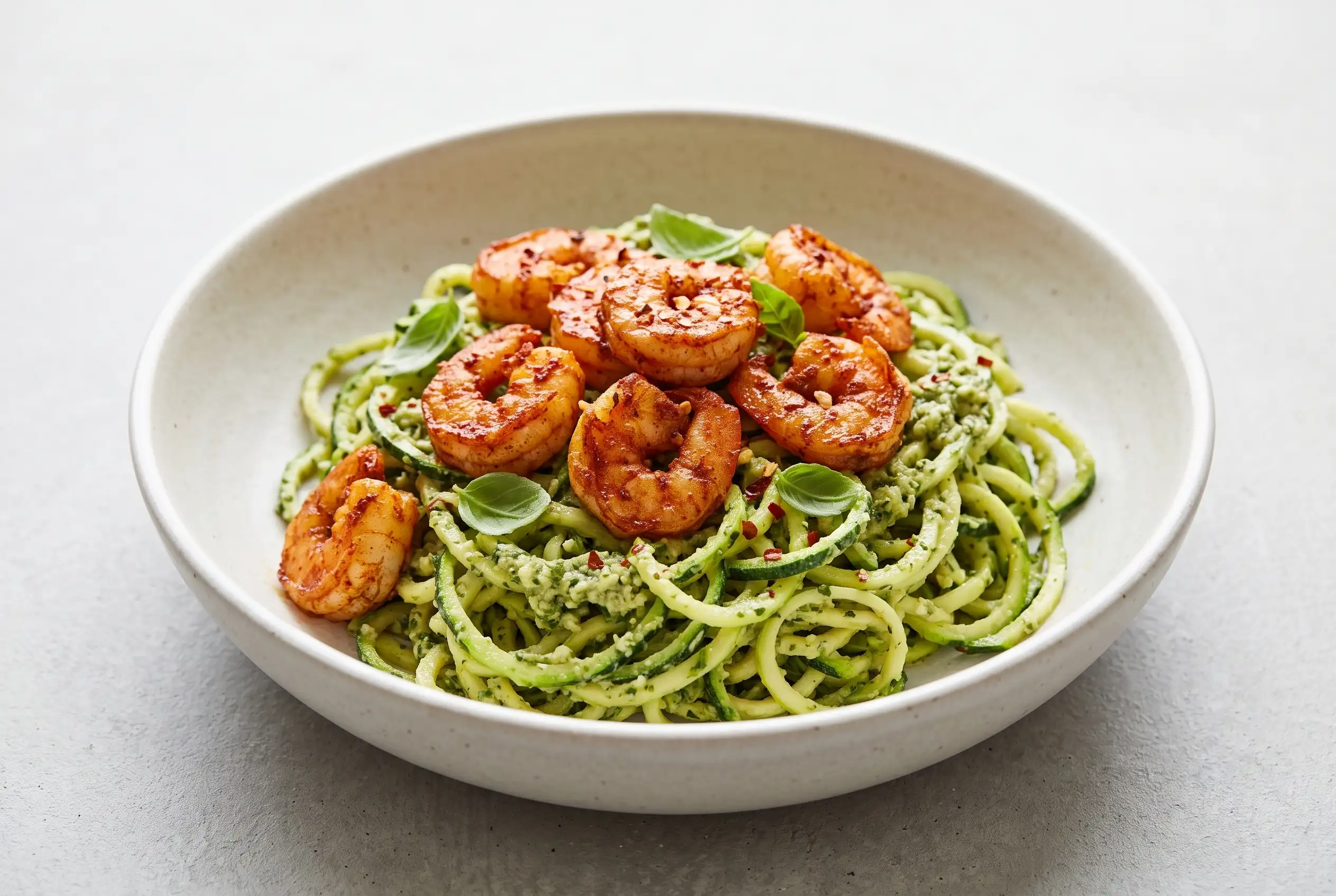
Shrimp pesto noodles combine spicy seasoned shrimp, fresh herb pesto, and zucchini noodles into a bright meal that keeps bold flavor at the center. The combination of kale, spinach, basil, almonds, lemon, and chili-seasoned seafood creates a dish that feels fresh while still delivering the satisfying contrast of a warm topping over cool, crisp vegetables.
Balanced flavors make spicy shrimp with pesto noodles work especially well because each part has a clear purpose. The homemade pesto carries herbal richness, the shrimp brings savory heat, and the zucchini noodles create a light base that allows the sauce and spices to stand out.
Shrimp Pesto Noodles Bring Spicy Freshness to Quick Meals
Fresh preparation choices define the appeal of shrimp pesto noodles. The pesto is built from leafy greens, herbs, nuts, garlic, olive oil, and lemon, creating a sauce with enough texture to coat the zucchini strands. Keeping the pesto slightly textured allows the vegetables and shrimp to remain noticeable in every serving.
Flavor balance comes from combining ingredients with different strengths. The lemon brightens the nutty pesto, while the chili powder and cumin used on the shrimp create warmth that cuts through the creamy richness of the sauce. Together, these elements create a meal that feels layered without requiring a heavy preparation process.
Serving the zucchini noodles with the pesto close to the time of eating helps maintain their best texture. The vegetables naturally release moisture after being coated, so assembling the plate at the right moment keeps the sauce concentrated and the noodles pleasantly crisp.
Kale Almond Pesto Gives the Noodles Their Character
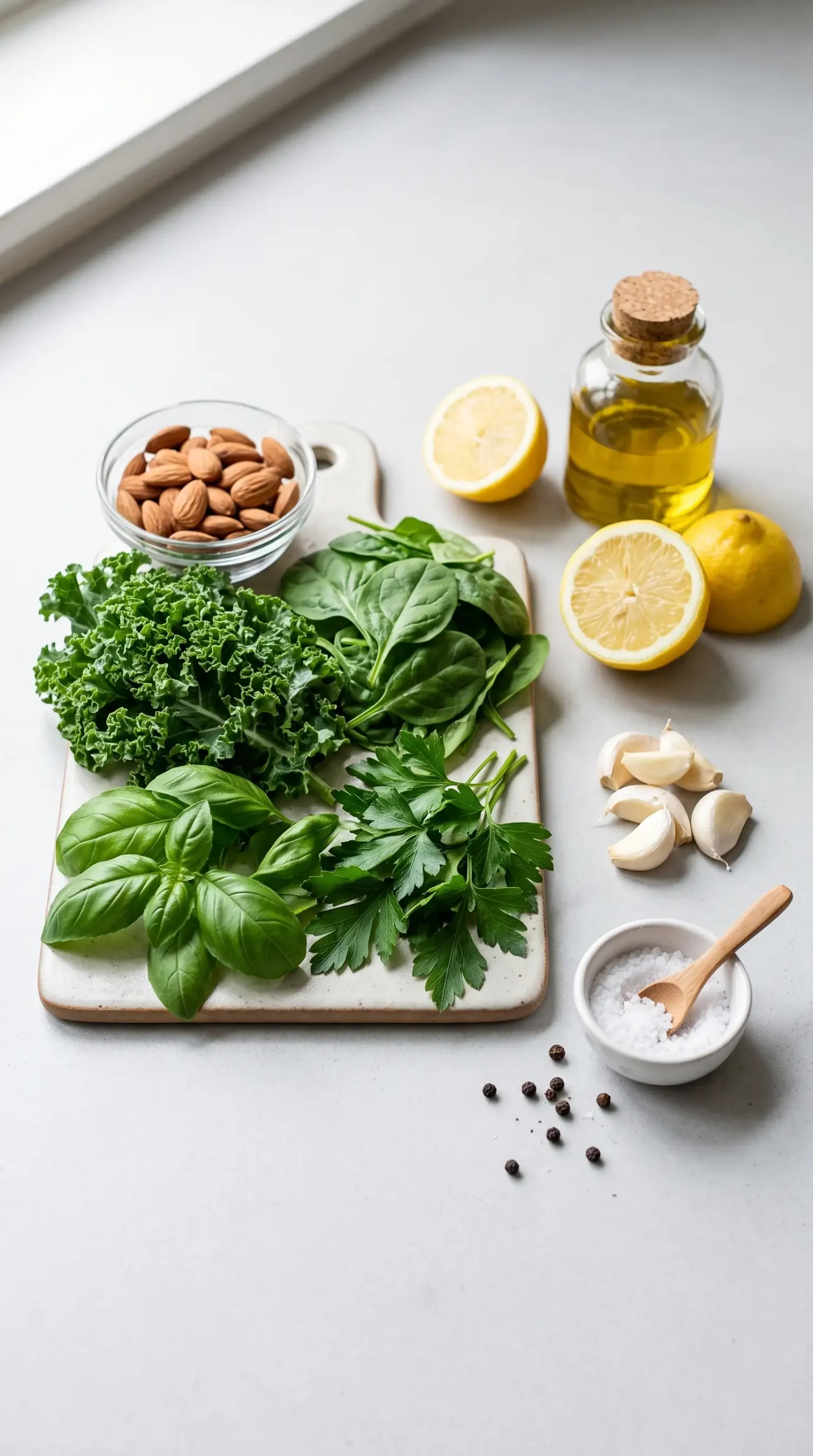
The pesto mixture deserves attention because it becomes the flavor foundation for the entire dish. Kale and spinach create a green base, while basil contributes a more recognizable pesto aroma. Parsley can support the herb mixture when extra basil is unavailable, but the herb balance remains important for keeping the sauce fresh. A deeper look at kale almond pesto shows how greens, nuts, garlic, and herbs can be balanced into a flavorful sauce.
Almonds change the texture of the pesto by adding body and a mild nutty flavor. They also help create a thicker sauce that can cling to zucchini noodles without relying on dairy ingredients. A mostly smooth blend with some remaining texture gives the pesto a homemade character.
Several preparation decisions can adjust the pesto experience:
- Herb balance: Extra basil creates a more classic pesto profile, while parsley provides a lighter herbal note.
- Texture choice: A shorter blending time leaves more visible texture, while longer processing creates a smoother coating.
- Citrus adjustment: Additional lemon juice can brighten the sauce when the lemons available are less juicy.
Zucchini Noodles Need Careful Timing for Best Texture
Zucchini noodles with pesto shrimp depend on handling the vegetable base correctly. Fresh-cut zucchini contains water that gradually moves into the surrounding sauce. Tossing the noodles immediately before serving keeps the pesto closer to its intended consistency.
Many cooks prefer the raw zucchini approach because it preserves a soft-crunchy bite that contrasts with the tender shrimp. The texture creates a lighter eating experience while still allowing the pesto to coat each strand.
Alternative preparation works well for diners who prefer a warmer vegetable base. A brief sauté with oil, garlic, salt, and pepper can soften the noodles, although longer cooking can increase moisture release and change the final texture of the plate.
Spiced Shrimp Creates Contrast in Every Bite
Seasoned shrimp provides the warm, savory element that balances the cool zucchini noodles. Coating the shrimp with chili powder, cumin, salt, pepper, and additional preferred spices creates a flavorful surface that pairs naturally with the herb-filled pesto.
Cooking Controls Keep Pesto Shrimp Zucchini Noodles Balanced
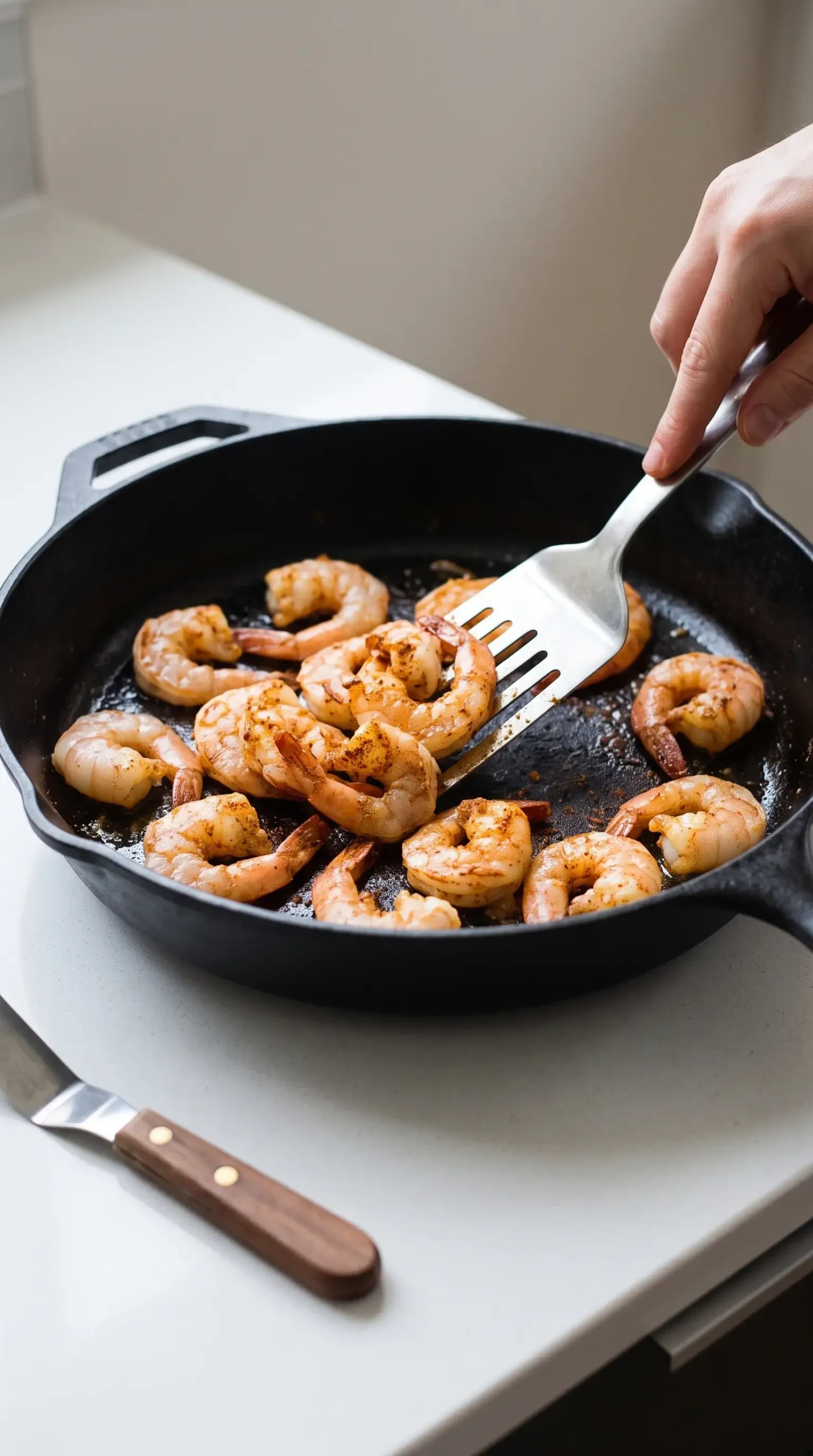
Successful pesto shrimp zucchini noodles rely on controlling heat, texture, and timing. The shrimp benefits from a hot cooking surface that allows the spices to coat the exterior while the inside cooks through. The goal is to create shrimp that are fully cooked while avoiding unnecessary drying.
Pan management also affects the final result. Keeping attention on the shrimp as it cooks helps the spices remain attached and prevents the seafood from sitting too long after reaching the desired texture.
Assembly requires a separate focus because the pesto and zucchini interact differently from traditional pasta and sauce. Combining them close to serving time protects the sauce consistency and keeps the vegetable strands from becoming overly soft.
| Cooking Focus | Useful Observation | Action |
|---|---|---|
| Shrimp doneness | Seafood changes from translucent to opaque | Remove from heat once fully cooked |
| Pesto texture | Sauce should coat without becoming watery | Blend to the preferred smoothness |
| Zucchini noodles | Vegetables release moisture over time | Combine close to serving |
Common Shrimp Pesto Noodles Mistakes That Reduce Flavor
Small handling errors can change the balance of shrimp pesto noodles. The most common issues come from moisture management, uneven seasoning, and preparing components too far ahead. Each problem has a straightforward adjustment.
- Watery noodles: Leaving zucchini coated in pesto for too long can thin the sauce. Toss the vegetables near serving time to maintain a stronger pesto texture.
- Flat shrimp seasoning: A light coating of spices can disappear against the pesto. Make sure the shrimp surface receives even seasoning before cooking.
- Overworked pesto: Excessive blending can remove the texture that gives the sauce character. Stop when the desired consistency is reached.
Another mistake involves storing the finished components together. The pesto, shrimp, and zucchini noodles each hold up differently, so separating them helps preserve the quality of leftovers.
Extra Pesto Makes Future Meals Easier to Build
One useful advantage of preparing the pesto is that the sauce extends beyond a single meal. The extra portion can be kept available for other uses, making the blended mixture a practical component for future cooking.
Stored pesto can add flavor to vegetables, grains, or proteins that need a fresh herbal finish. Keeping the sauce ready also reduces the effort required for another quick meal built around bold flavors.
Spicy Shrimp With Pesto Noodles Fits Flexible Dinner Styles
The structure of spicy shrimp with pesto noodles allows several serving approaches without changing the central flavors. The dish can remain focused on zucchini noodles, or the shrimp and pesto can become a topping combination for other suitable bases.
Adjustments should protect the balance between the seasoned shrimp, fresh sauce, and vegetable texture. Increasing spice levels can emphasize the shrimp, while a brighter pesto keeps the meal from feeling too intense.
Fresh Herbs Shape the Flavor Direction of Pesto Shrimp
Herb selection has a noticeable effect on the personality of the pesto. Basil creates the strongest traditional pesto impression, while parsley shifts the sauce toward a cleaner, lighter herbal profile.
The greens and herbs work together to create a sauce that feels vibrant. Choosing fresh-looking leaves and blending them with care helps maintain the color and flavor that make the noodles appealing.
Serving Choices Highlight the Shrimp and Pesto Combination
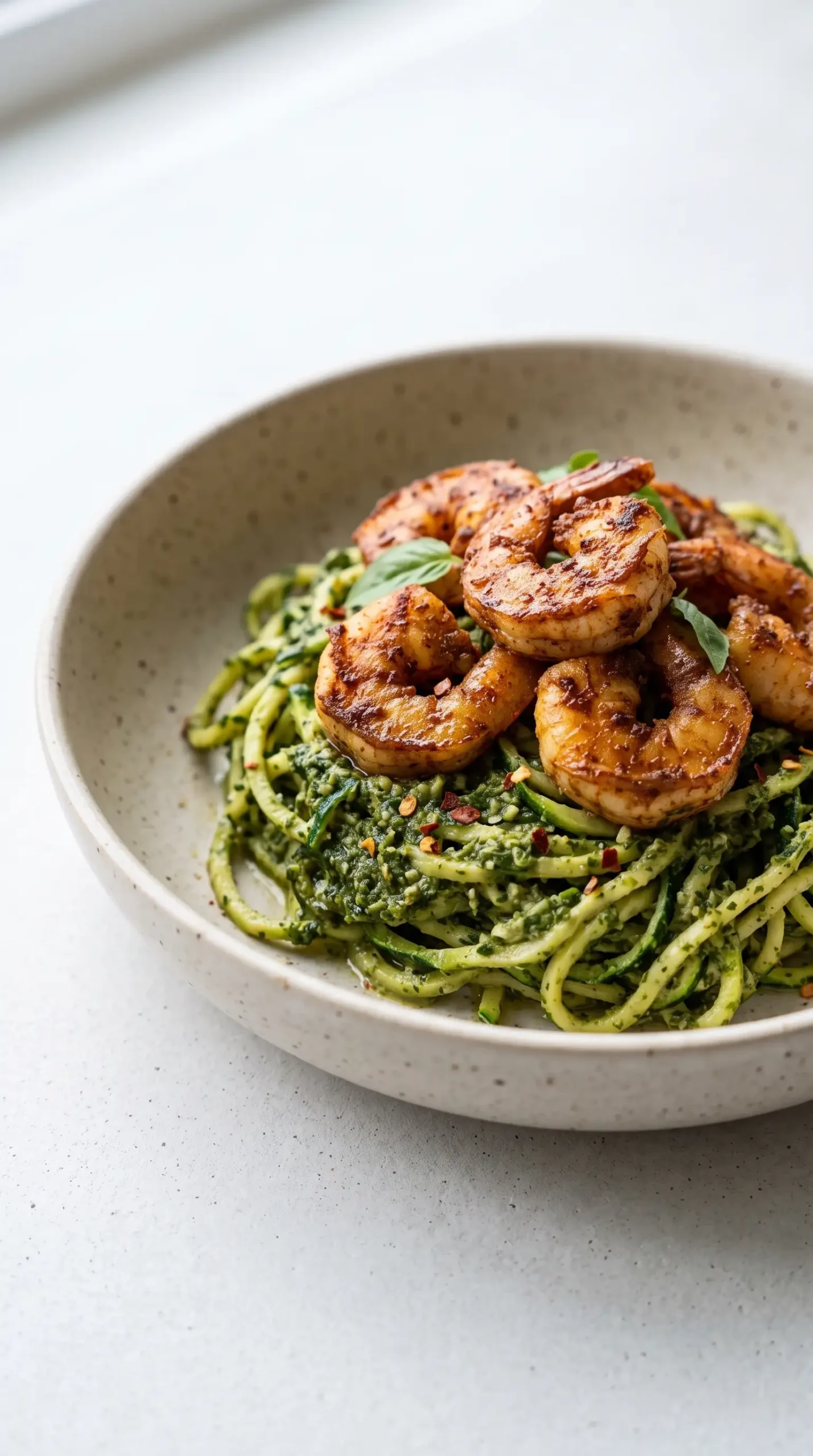
Presentation works best when the shrimp remains visible over the pesto-coated noodles. The contrast between the green vegetable base and the seasoned seafood makes the separate elements easy to appreciate.
A simple serving approach keeps attention on the flavors already present. Additional garnishes are not necessary because the pesto and spices provide enough character on their own.
Storage Decisions Protect the Texture of Leftover Noodles
Leftovers require separate handling because zucchini noodles continue releasing moisture after preparation. Keeping the shrimp, pesto, and noodles apart allows each component to maintain its original texture more effectively.
Reassembling portions shortly before eating gives the dish a fresher finish. The pesto can be mixed with the vegetables again when needed, while the shrimp can be added after storage.
Simple Variations Keep Shrimp Pesto Noodles Interesting
Small changes can create different versions while preserving the core idea of shrimp, pesto, and zucchini. Spice adjustments are the easiest way to change the personality of the dish without altering the structure.
Possible adaptations include:
- Heat increase: Add more preferred spices to the shrimp coating for a stronger kick.
- Herb change: Shift the basil and parsley balance to create a different pesto style.
- Texture change: Lightly sauté zucchini noodles when a warmer vegetable base is preferred.
Shrimp Pesto Noodles Deliver Fresh Flavor Through Smart Balance
Shrimp pesto noodles succeed because each cooking decision protects a different part of the dish. The pesto needs enough texture to coat the zucchini, the shrimp needs enough seasoning to stand apart, and the vegetables need careful timing to maintain their bite.
The combination of spicy shrimp, lemony herb pesto, and zucchini noodles creates a meal where freshness and bold flavor depend on simple handling choices. Keeping those elements distinct until serving produces the strongest balance on the plate.
The pesto foundation also reflects the classic structure of the sauce, where traditional pesto ingredients are balanced to create its recognizable herbal, nutty, and savory character.
Can Zucchini Moisture Affect Pesto Shrimp Texture Questions
Why do zucchini noodles become watery after adding pesto?
Zucchini naturally releases moisture after it is cut and mixed with sauce. Preparing the noodles close to serving time limits how much water enters the pesto and helps the sauce stay concentrated.
Can the pesto be made ahead for shrimp pesto noodles?
Yes, the pesto can be prepared in advance and stored separately until needed. Keeping it apart from the zucchini prevents the sauce from becoming diluted before serving.
Should zucchini noodles be cooked before adding the shrimp?
Cooking is optional because raw zucchini provides a soft-crunchy texture that works well with the warm shrimp. A brief sauté can be used when a softer noodle texture is preferred.
How can the shrimp flavor become more noticeable?
Increasing the spice coating or adjusting the chili and cumin balance can make the shrimp stand out more strongly against the pesto. Even seasoning across the shrimp surface helps distribute the flavor.
Can leftover shrimp pesto noodles be stored together?
Keeping the components separate is the better option because zucchini continues releasing water over time. Recombining the pesto, shrimp, and noodles before eating helps preserve their individual qualities.
Shrimp Pesto Noodles with Spicy Shrimp and Zucchini Noodles
Shrimp pesto noodles combine spicy shrimp, fresh herb pesto, and crisp zucchini noodles for a quick meal with bright flavor and satisfying texture. This fresh, flavorful dish is perfect when you want a lighter dinner with bold pesto and savory seafood.
Ingredients
Method
Preparation
- Blend the kale, spinach, basil and/or parsley, almonds, olive oil, water, salt, garlic, and lemon juice in a food processor or blender until mostly smooth or until the desired pesto texture is reached.
- Measure out 1 cup of the prepared pesto for this recipe and reserve the remaining pesto for another use.
- Cut the zucchini into long noodle-like strands using a spiralizer or peeler.
Cooking
- Warm the butter or oil over medium-high heat.
- Add the shrimp to the pan and coat with chili powder, cumin, additional spices, salt, and pepper.
- Sauté the shrimp until the seasoning coats the surface evenly and the shrimp are fully cooked and no longer translucent.
Assembly
- Toss the zucchini noodles with the reserved pesto shortly before serving.
- Top the pesto-coated zucchini noodles with the cooked shrimp.
Notes
The zucchini noodles release moisture as they sit coated with pesto, so toss them together shortly before serving for the best texture. For leftovers, store the components separately and assemble when ready to eat. The noodles can be served raw for a soft-crunchy texture, or briefly sautéed with oil, garlic, salt, and pepper for a warmer option.