From breakfast to dinner, from wholesome meals to indulgent desserts, Nexa Recipes offers quick, easy, and delicious ideas for every occasion and every moment.



 This Recipe
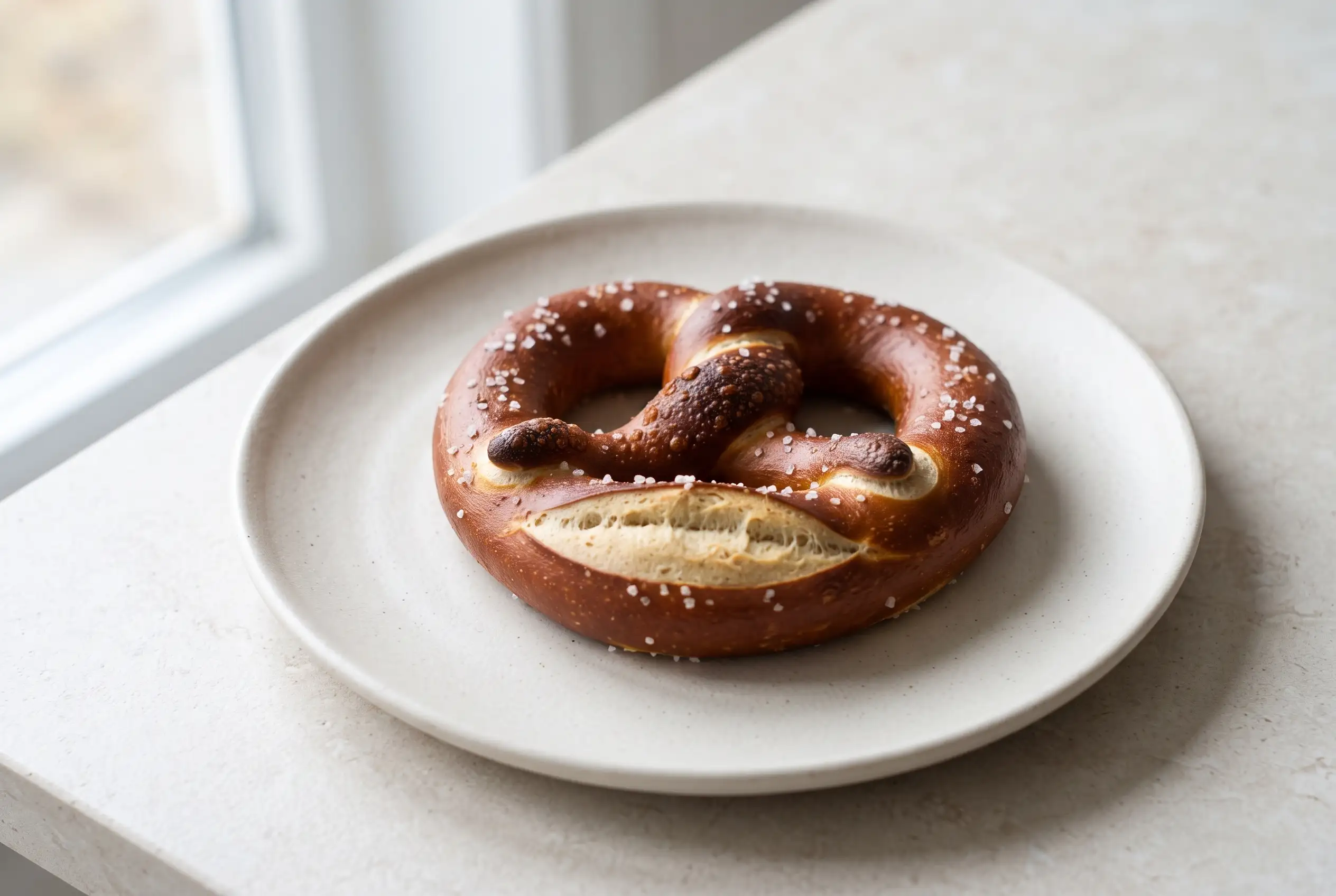
Soft pretzels bring together a tender interior, a lightly crisp exterior, and the familiar salty finish that makes them a favorite snack or side. The combination depends on a simple yeast dough, careful shaping, a baking soda bath, and a hot oven that transforms the surface into a deep golden crust.
Few homemade breads create the same balance of texture and visual appeal with such basic pantry ingredients. Homemade soft pretzels work because each stage has a clear purpose, from developing the dough structure to preparing the surface for baking.
Soft Pretzels Create a Classic Contrast of Dough and Crust
The character of soft pretzels begins with the relationship between the inside and outside. A properly mixed dough should become smooth enough to shape while keeping enough strength to hold the traditional twisted form. The flour, warm milk, yeast, brown sugar, butter, and salt work together to create a dough that can be stretched into ropes without losing its structure.
Warm milk gives the yeast a comfortable environment to begin working, while brown sugar supports the lightly sweet flavor associated with a classic pretzel. Melted butter contributes richness, and salt keeps the finished bread from tasting flat. These choices matter because the dough itself carries most of the flavor before toppings or dipping sauces are added.
Texture also depends on handling. A gentle knead develops the dough without making the shaping process difficult. Once the dough has enough strength, each rope can be formed into a recognizable pretzel shape that bakes evenly across the surface.
Warm Milk Helps the Yeast Dough Develop

The temperature of the milk affects how the yeast begins its work. Warm liquid helps activate the yeast while avoiding conditions that could interfere with the dough’s rise. Keeping this early step controlled creates a better foundation for the shaping and baking stages that follow.
Pretzel Shapes Depend on Even Dough Ropes

Shaping is where a basic bread dough becomes a recognizable pretzel. Dividing the dough into similar portions helps create pieces with comparable thickness, allowing the finished baked soft pretzels to cook more evenly. Long, thin ropes are easier to fold into the classic looped shape than short, thick pieces.
The rope should remain consistent from end to end. Uneven sections can create areas that bake at different speeds, leaving thinner sections darker while thicker sections remain softer. A steady rolling motion helps maintain the shape without requiring excessive pressure.
Several details help during shaping:
- Rope length: A longer rope creates more room for the traditional fold and twist.
- Surface preparation: Light flour dusting prevents sticking while keeping the dough workable.
- Gentle handling: Careful folding protects the dough structure before baking.
Baking Soda Bath Controls the Pretzel Crust
The baking soda solution is one of the defining steps for a soft pretzel recipe because it prepares the outer surface before the oven stage. This alkaline pretzel bath changes the dough’s surface chemistry, helping create the characteristic pretzel appearance and supporting the deep browned exterior that separates pretzels from ordinary bread rolls.
After the bath, the dough receives an egg coating and a sprinkle of coarse salt. The egg creates a surface that can brown attractively during baking, while the salt provides the familiar finishing flavor associated with soft pretzel snacks.
Successful dipping requires attention to coverage. Each shaped piece should contact the solution so the entire exterior has the opportunity to develop the expected crust. A consistent coating also helps the pretzels look more uniform once they emerge from the oven.
| Preparation choice | Purpose | Result to look for |
|---|---|---|
| Baking soda solution dip | Prepares the outer dough surface | Classic pretzel-style crust |
| Egg brushing | Adds a coating before baking | Golden finished appearance |
| Coarse salt topping | Adds contrast and seasoning | Traditional savory finish |
Soft Pretzel Mistakes That Flatten Homemade Results
Soft pretzels can lose their appeal when small handling choices affect the dough or crust. The most common problems come from shaping inconsistently, skipping surface preparation, or failing to manage the dough before baking.
Common problems and fixes include:
- Sticky dough handling: Use enough flour for the work surface so shaping remains controlled.
- Uneven ropes: Roll each portion with similar thickness for more consistent baking.
- Weak surface color: Apply the egg coating evenly before adding salt and baking.
Another issue occurs when the dough loses its shape before reaching the oven. Moving shaped pretzels carefully onto the baking sheet helps preserve the loops and folds that define the finished snack.
Oven Heat Creates the Golden Baked Soft Pretzels Finish
A properly heated oven gives baked soft pretzels their finished color and texture. The high baking temperature allows the prepared surface to brown while the inside stays soft, creating the contrast expected from a fresh pretzel.
Dipping Sauces Expand Soft Pretzel Serving Options

Soft pretzels naturally pair with flavorful dips because the mild dough provides a base for stronger accompaniments. Cheese sauce and mustard highlight the salty crust, while beer cheese soup creates a richer pairing that turns the pretzel into part of a larger meal.
Serving choices can change the experience without altering the dough itself. Smaller pretzels work well for sharing, while larger pieces can serve as a more substantial snack alongside a dipping sauce.
Fresh Ingredients Keep Homemade Soft Pretzels Balanced
The simplicity of the dough makes ingredient quality especially noticeable. Fresh yeast, properly warmed milk, and measured additions of sugar, butter, and salt help maintain the balance between sweetness, richness, and savory flavor.
Flour provides the structure needed for shaping, but the dough should remain manageable instead of becoming difficult to stretch. Small adjustments in surface flour during handling are more useful than heavily changing the dough itself.
Soft Pretzel Baking Details Determine Texture
Timing and observation matter once the pretzels enter the oven. The goal during baking is a surface that has developed a golden appearance while the interior remains tender. Watching the color provides a useful visual guide because the exterior changes quickly near the end of baking.
Cooling briefly after baking allows the crust and interior to settle. Serving them warm keeps the soft texture at its best, especially when paired with a dip that complements the salty finish.
| Serving idea | Pairing style | Best match |
|---|---|---|
| Classic snack | Salty and tangy | Mustard |
| Rich appetizer | Creamy and savory | Cheese sauce |
| Comfort meal addition | Hearty and warm | Beer cheese soup |
Soft Pretzel Storage Requires Texture Awareness
Fresh soft pretzels are best enjoyed soon after baking because the tender interior and crisp surface are most noticeable while warm. If keeping extras, protecting them from drying out helps maintain their quality for later serving.
Soft Pretzels Become Reliable Through Simple Dough Control
The most important judgment with soft pretzels is maintaining control over the dough from mixing through baking. A workable dough, even shaping, and a properly prepared surface create the texture and appearance that define the finished result.
Careful attention to the baking soda bath and oven stage transforms a basic yeast dough into a recognizable pretzel with a golden crust, soft center, and satisfying salty finish.
Soft Pretzel Questions About Dough and Baking Problems
Why did my soft pretzels not keep their shape?
Soft pretzels may lose their shape when the dough is stretched unevenly or handled too roughly during folding. Keeping the ropes consistent and transferring the shaped pieces carefully helps preserve the classic pretzel form.
Can I make the dough easier to shape?
A manageable dough comes from using the flour amount carefully and avoiding excess flour during handling. Light dusting on the work surface can prevent sticking while allowing the dough to remain flexible.
What does the baking soda bath do for soft pretzels?
The baking soda solution prepares the outside of the dough before baking, helping create the familiar pretzel-style crust and appearance. It is an important step that changes how the finished surface develops in the oven.
How should I serve homemade soft pretzels?
Homemade soft pretzels can be served with mustard, cheese sauce, or beer cheese soup. The mild dough pairs well with dips that add creamy, tangy, or savory flavors.
Soft Pretzels with Homemade Yeast Dough and Golden Crust
Soft pretzels are homemade yeast dough snacks with a soft, tender center, golden crust, and classic salty finish. They are a comforting choice for fresh-baked snacks, gatherings, or anytime you want a bakery-style treat at home.
Ingredients
Method
Preparation
- Whisk the warm milk, yeast, brown sugar, melted butter, and salt together in a mixing bowl. Add the flour and stir until a dough forms, then move the dough to a lightly floured surface and knead 10-15 times.
- Place the dough back into the bowl, add a small amount of oil to help prevent sticking, cover with a cloth or plastic wrap, and allow it to rise for 1 hour.
- Press the risen dough down and divide it into 6-8 portions. Roll each portion into a long thin rope, shape into a pretzel, dip each piece into the baking soda solution, and arrange on a parchment-lined baking sheet.
- Brush the shaped pretzels with the beaten egg and finish with coarse salt.
Baking
- Bake the pretzels at 450°F (232°C) for 10-12 minutes, until the crust is golden brown.
Serving
- Serve the baked soft pretzels warm.
Notes
Divide the dough into 6-8 portions for evenly sized pretzels that bake consistently.