From breakfast to dinner, from wholesome meals to indulgent desserts, Nexa Recipes offers quick, easy, and delicious ideas for every occasion and every moment.



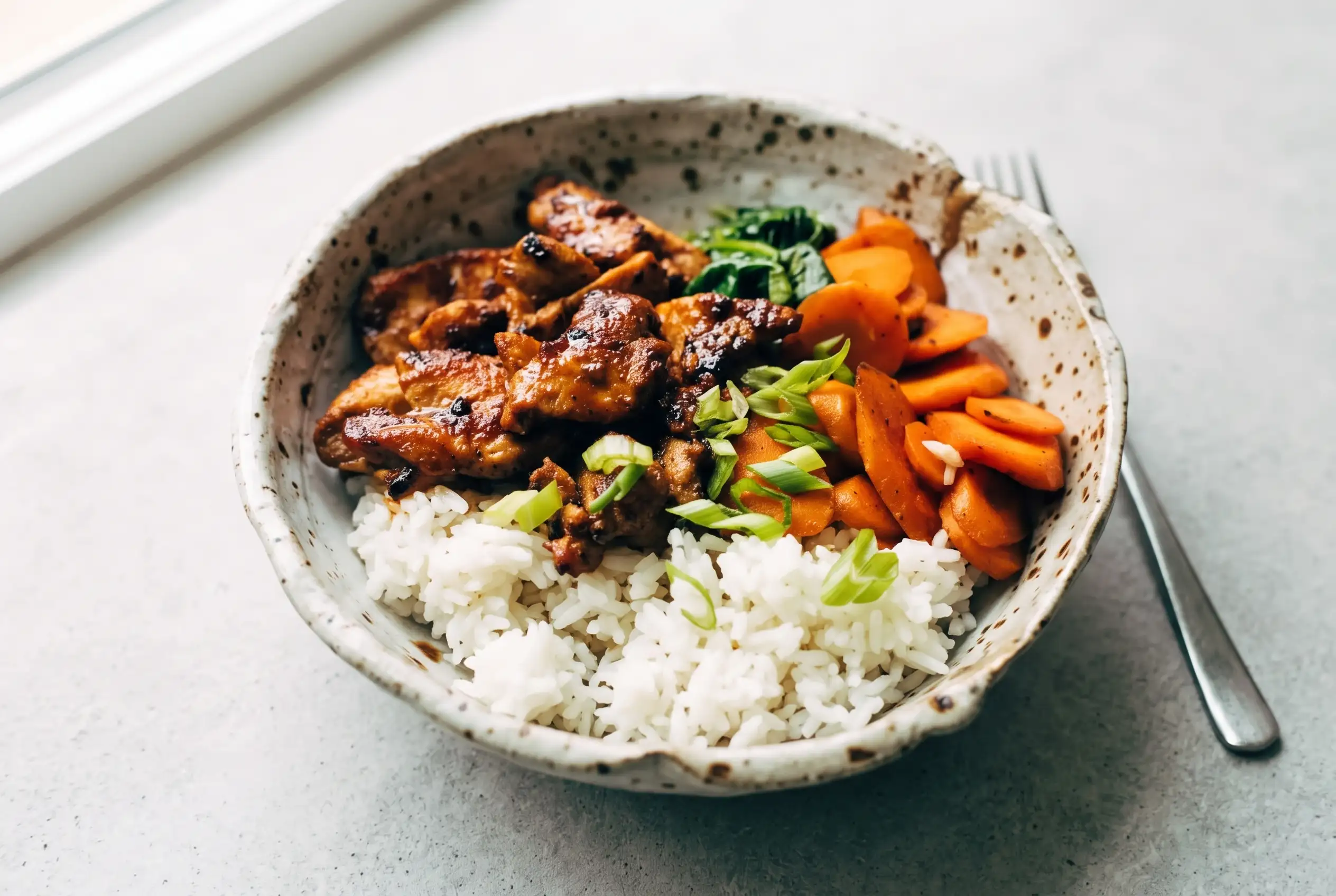 This Recipe
Spicy pork brings together quick cooking, bold seasoning, and careful heat management in a dish that turns a short ingredient list into a satisfying meal. The combination of chili paste, soy sauce, brown sugar, ginger, garlic, and thinly sliced pork creates a savory, sweet, and spicy balance that works especially well when the meat develops a deep golden sear. This spicy pork recipe depends on a few small decisions, from preparing the slices correctly to keeping the pan hot enough for fast cooking.
Spicy pork builds bold flavor through a simple cooking approach
The appeal of 5 ingredient spicy pork comes from how each part of the preparation supports the others. The sauce is concentrated, so the pork only needs a short resting period to pick up its flavor before it reaches the pan. A quick sear then creates contrast between the caramelized outside and the tender interior.
Unlike dishes that rely on long simmering, this spicy pork focuses on timing and temperature. The thin slices allow the meat to cook quickly, which helps preserve a juicy texture while giving the surface enough contact with the hot skillet to brown properly.
The finished bowl works because every element has a clear purpose. The seasoned pork provides the main flavor, while rice and vegetables create a balanced meal that carries the spicy sauce and adds different textures to each bite.
Sambal and soy sauce shape the pork’s flavor balance
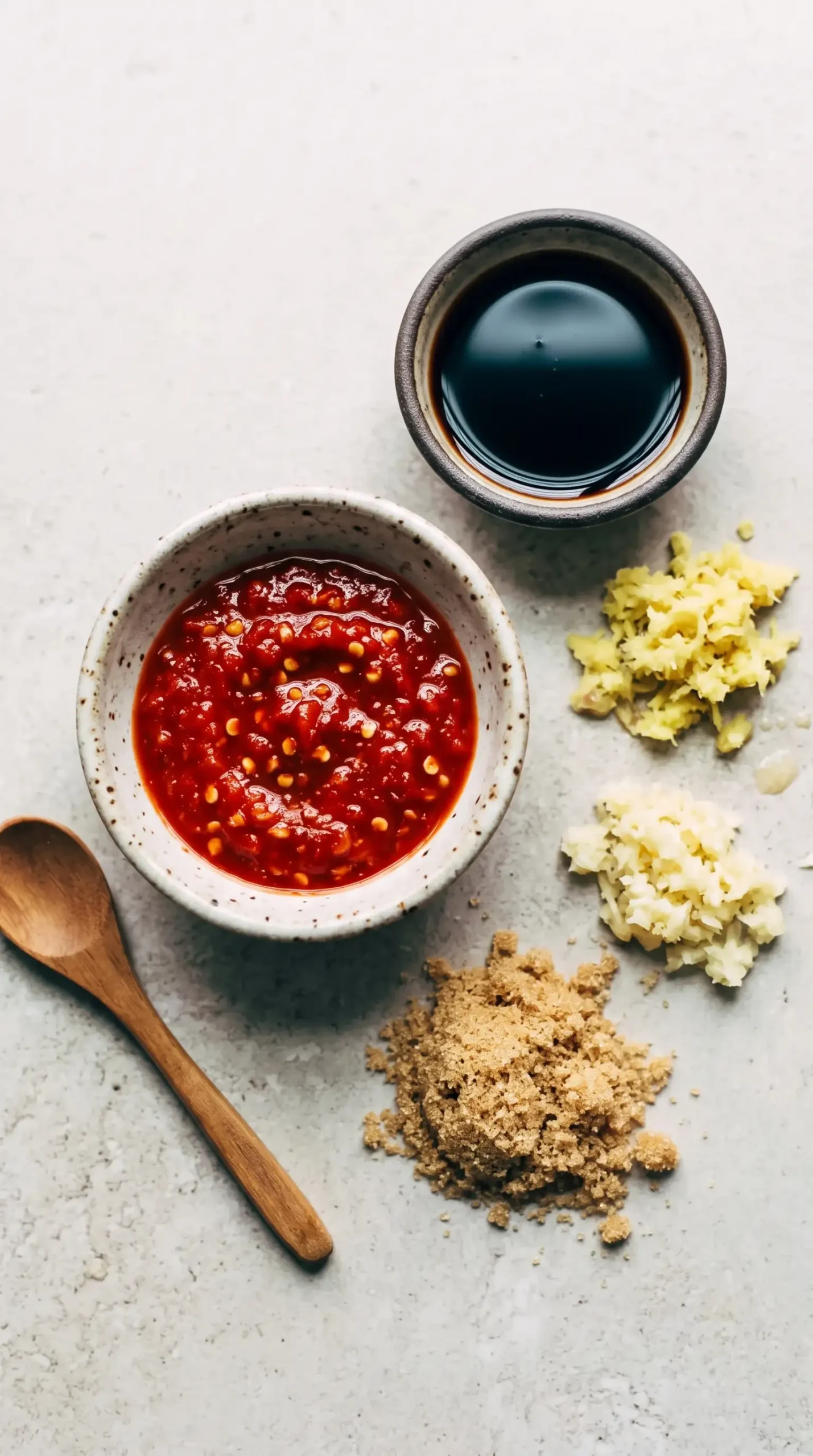
The most important flavor decisions in this dish come from the relationship between the hot chili paste, soy sauce, and sweetener. Sambal oelek gives the sauce a direct chili flavor, while sriracha can bring a different style of heat. Soy sauce adds savory depth, and brown sugar helps round out the sharper edges of the spice.
| Seasoning choice | Flavor direction | Cooking consideration |
|---|---|---|
| Sambal oelek | Direct chili heat with a simple pepper flavor | Works well when the pork needs bold seasoning |
| Sriracha | Sweeter, tangier heat | Changes the sauce character while keeping the spicy profile |
| Brown sugar | Balances salty and spicy notes | Helps create caramelized color during searing |
Thin slices and hot pans define the seared texture
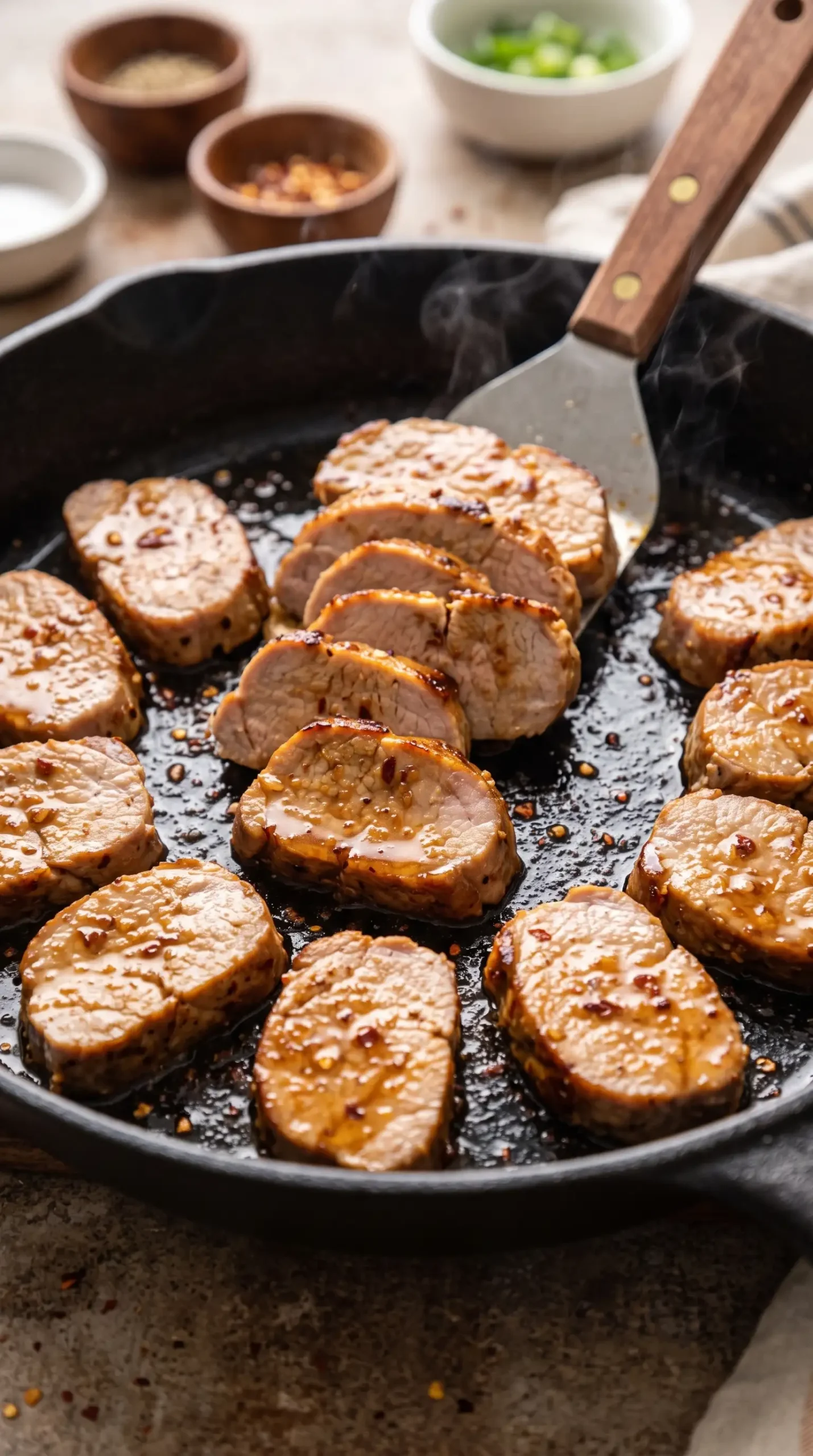
Cooking control matters most once the pork reaches the skillet. A properly heated pan creates the environment needed for browning, while a cooler surface can leave the meat releasing moisture before it develops color.
Placing the slices in a single layer gives each piece direct contact with the cooking surface. If the pan becomes crowded, the pork has less room to sear, and the texture can move away from the lightly caramelized result that makes this dish stand out.
Several visual cues help guide the process. A shiny layer of hot oil, quick sizzling when the pork touches the pan, and a browned surface before flipping are signs that the heat is working correctly. Keeping the cooking time short protects the tenderness of the thin cuts.
Rice and vegetables turn spicy pork into a complete bowl
The supporting ingredients create a practical way to serve spicy pork without distracting from its main flavor. Rice absorbs the sauce, while carrots and greens add freshness, color, and texture. Adding cabbage to a bowl format brings extra vegetable texture, with a pork and cabbage skillet bowl built around seasoned meat and a quick skillet preparation.
Slicing choices protect spicy pork tenderloin from toughness
Spicy pork tenderloin depends heavily on the shape of the slices. Thin pieces have more surface area for seasoning and can cook quickly enough to stay tender. A thicker cut would require different handling and would not provide the same fast-seared texture.
Partially firming the pork before slicing makes the preparation easier. A brief time in the freezer helps the tenderloin hold its shape, allowing a sharp knife to create thinner, more even pieces.
Even slices also improve consistency during cooking. Pieces with similar thickness finish at a similar pace, which reduces the chance that some portions become overcooked while others are still developing color.
Common mistakes that weaken spicy pork searing
Spicy pork can lose its best qualities when a few key details are overlooked. Most problems come from changes in heat, preparation, or handling that prevent the meat from getting the texture the dish is designed to achieve.
- Cold skillet: A pan that has not fully heated can cause the pork to release moisture before browning begins.
- Overcrowded surface: Too many slices at once reduce direct contact and make searing more difficult.
- Long cooking time: Thin pork slices need quick attention because extended heat can make them firm.
- Uneven cutting: Mixed slice sizes create inconsistent results across the same batch.
Correcting these issues usually starts with returning attention to the pan temperature and preparation. Working in batches when needed keeps each slice in direct contact with the pan, helping maintain the strong browning that gives the pork its intended texture.
Flavor adjustments keep the spicy pork recipe flexible
The sauce can be adapted while keeping the same cooking style. More chili paste increases intensity, extra sweetness softens the heat, and a different hot sauce changes the overall character. Useful adjustments include:
- Heat level: Increase or reduce the chili paste depending on the preferred spice.
- Sauce balance: Adjust the sweetness to match the chosen chili sauce.
- Serving contrast: Add more vegetables or rice when a milder bowl is preferred.
Cast iron care follows a high-heat pork cook
A well-used cast iron skillet is especially suited to this type of cooking because it can hold strong heat for searing. After cooking, the surface may need attention because the caramelized bits and hot oil can leave residue behind.
Cleaning should focus on removing leftover food while protecting the seasoning of the pan. Gentle scrubbing, drying completely, and maintaining the surface with proper care help keep the skillet ready for future high-temperature cooking.
The same attention given to the pan also supports better results over time. A reliable skillet makes it easier to repeat the quick searing technique that gives spicy pork its signature texture.
Serving decisions highlight the caramelized pork
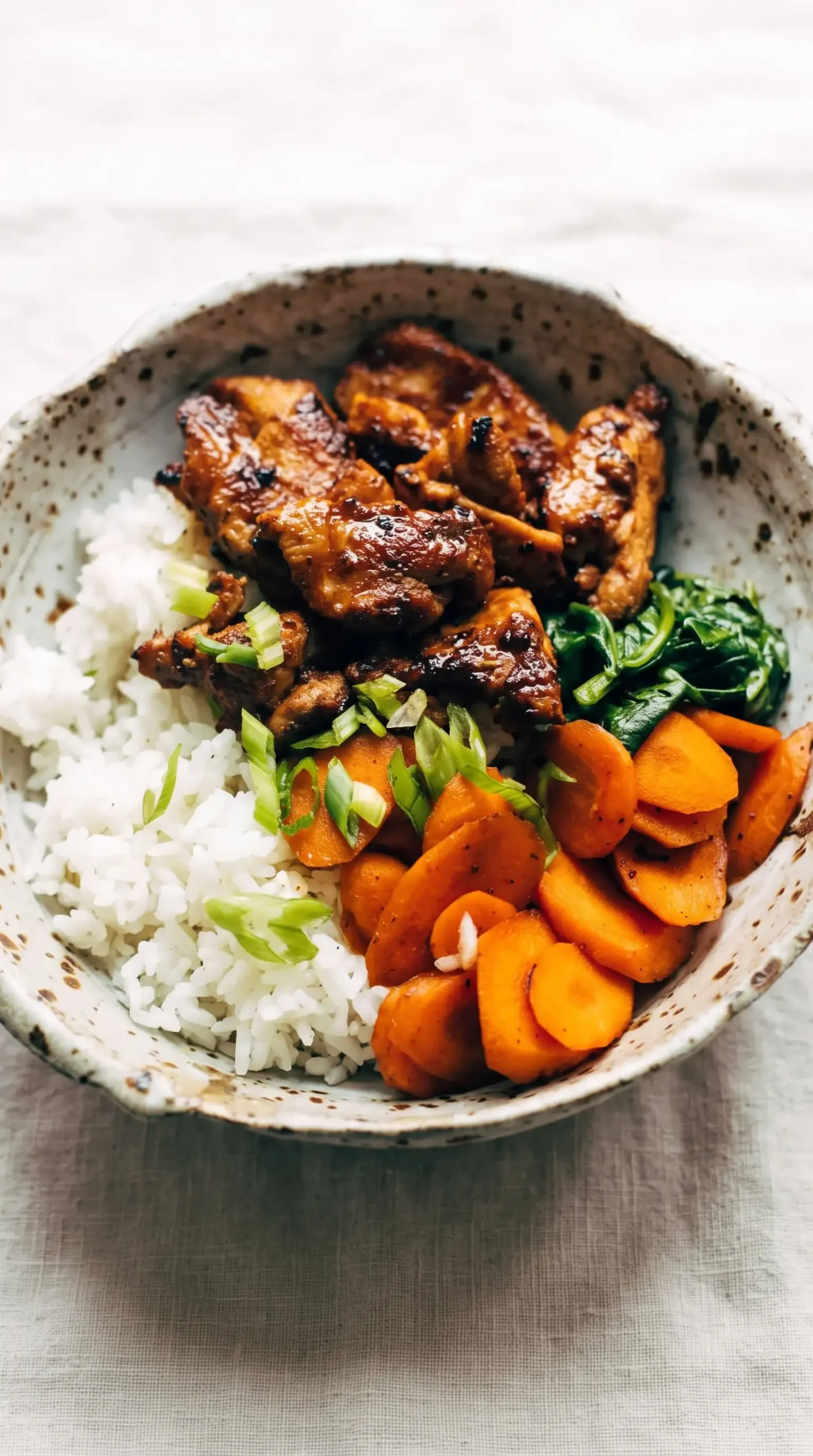
The best pairings for spicy pork keep the meal balanced without hiding the main flavor. Steamed rice creates a neutral base, while cooked carrots, greens, and sliced green onions bring fresh elements that complement the rich sauce.
Storage choices preserve the cooked pork texture
Cooked spicy pork is best handled with texture in mind. Storing the meat with its sauce helps retain flavor, while gentle reheating prevents the pork from spending unnecessary time over high heat. Keeping portions separate from fresh toppings can help maintain better contrast when serving leftovers.
Hot-seared pork shows why speed creates the dish’s character
Hot-seared pork earns its texture from quick movement between seasoning and the pan. The thin slices, concentrated sauce, and high heat work together to create a meal where careful preparation matters as much as the ingredients themselves.
A successful spicy pork bowl comes down to protecting the balance between caramelized edges and tender meat. When the skillet stays hot and the pork cooks quickly, the short ingredient list delivers a complete, flavorful result.
Spicy pork cooking questions about slicing and heat
Can spicy pork tenderloin be sliced ahead of time?
Yes, the pork can be sliced in advance and kept chilled until cooking. Preparing the slices ahead can make the cooking process faster, especially when the pan needs attention immediately before searing.
Why does my pork release liquid in the skillet?
Pork may release liquid when the pan is not hot enough, when too many slices are added together, or when the meat does not have enough direct contact with the cooking surface. Adjusting the batch size and heat can improve browning.
How can I make this spicy pork recipe less spicy?
Reducing the amount of chili paste is the simplest adjustment. Keeping the soy sauce, ginger, garlic, and brown sugar balance allows the dish to retain its savory character while lowering the heat level.
What cut works best for this spicy pork recipe?
Pork tenderloin works well because it can be sliced thinly and cooked quickly. The important factor is not only the cut itself but also creating even slices that respond well to high-heat cooking.
Can the vegetables be changed when serving spicy pork?
Yes, the rice and vegetable pairing can be adjusted to suit what is available. The important role of the sides is providing balance for the bold sauce and seared pork flavor.
Spicy Pork with Sambal and Soy Sauce, Ginger Garlic
Spicy pork is a quick, flavorful bowl featuring tender thin-sliced pork with a caramelized seared texture and bold sweet-spicy flavor. It is a satisfying weeknight meal when you want a hearty dish with simple preparation and big flavor.
Ingredients
Method
Preparation
- Combine the sauce ingredients in a jar and shake until mixed. Pour the sauce over the pork and let it rest for 20 minutes – 1 hour.
Cooking
- Heat a searing skillet, such as cast iron, over high heat and add a small amount of vegetable oil.
- Once the oil is hot, arrange the pork in a single layer. Cook in batches if needed, leaving the slices undisturbed for 1-2 minutes until browned. Turn the pork and cook the other side the same way until finished.
Serving
- Serve the cooked pork with rice and vegetables.
Notes
Serve these bowls with rice and sautéed carrots and greens. Add the carrots and greens to the pan after the pork cooks so they can pick up the remaining flavors. Cook rice according to package directions. The key is using very high heat so the pork develops a browned exterior quickly without staying in the pan too long. For thinner slices, partially freeze the pork tenderloin before cutting and use a sharp knife. The hot oil may splatter, so use care while cooking. A cast iron skillet may need extra attention afterward to maintain its surface.